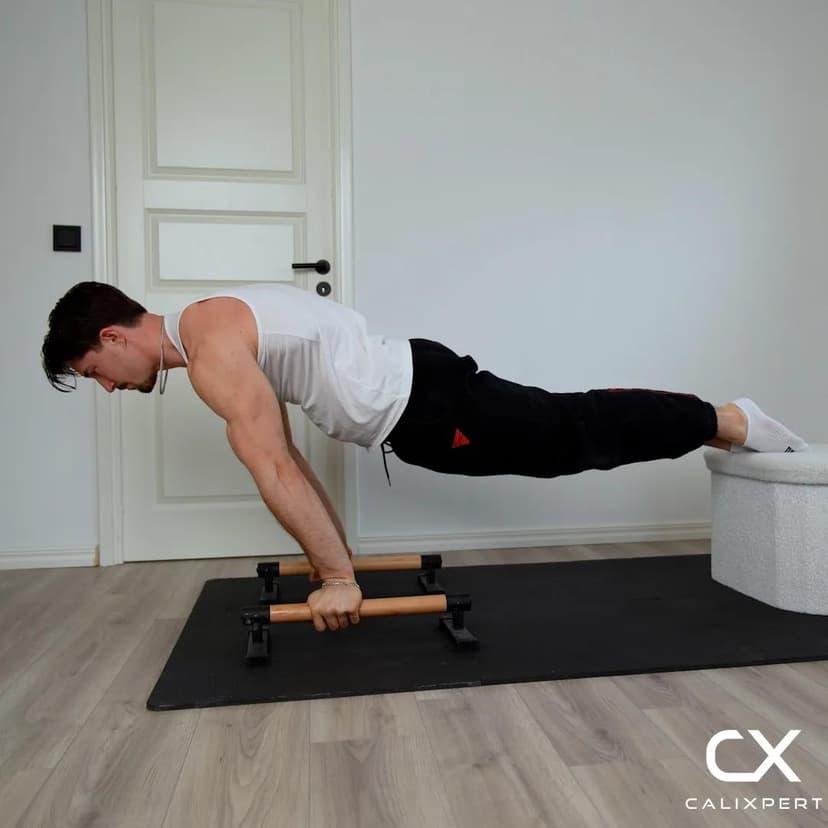
Knee Pseudo Push Ups
Knee pseudo push-ups are a kneeling planche progression that shifts the hands back toward the hips and leans the shoulders forward past the wrists, loading the front deltoids, chest, and triceps far more than a standard push-up. The key difference from a regular kneeling push-up is the hand placement, which sits around belly button level with fingers turned outward, creating a forward lean that mimics planche mechanics. Mastering this variation builds the shoulder strength and wrist conditioning needed to progress into full pseudo push-ups and eventually planche lean work.
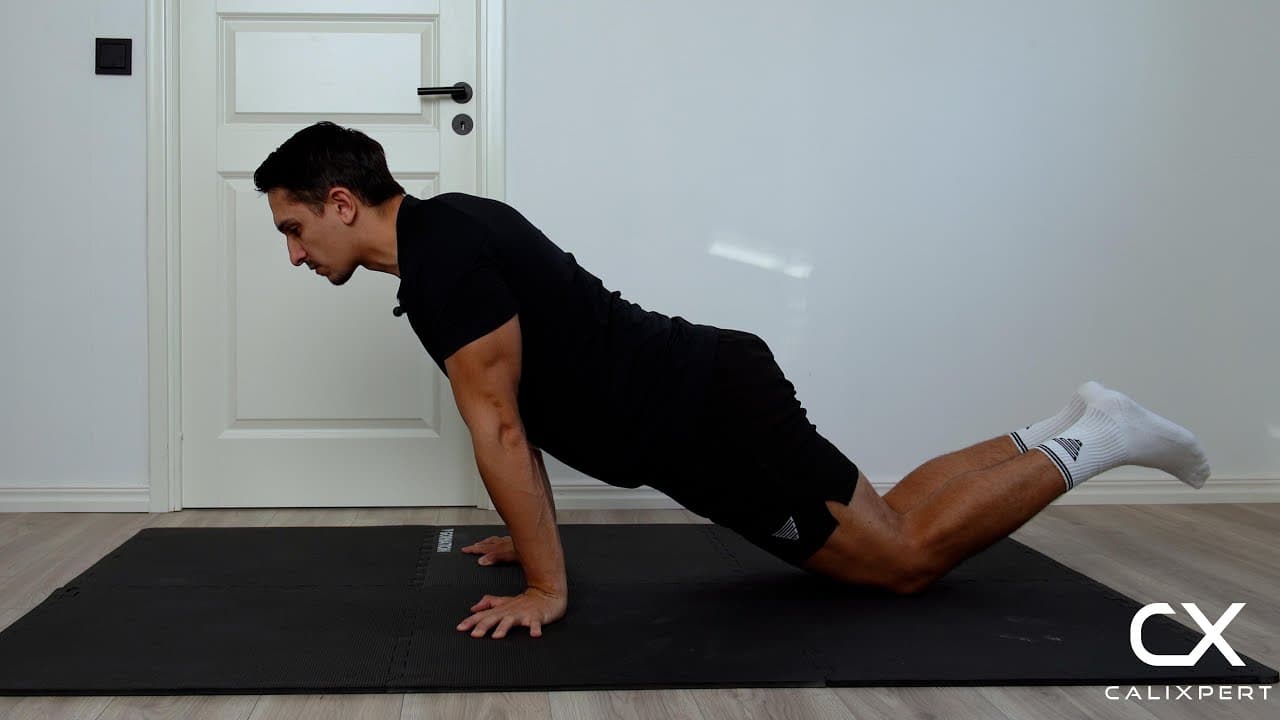
Knee pseudo push-ups are a kneeling planche progression that shifts the hands back toward the hips and leans the shoulders forward past the wrists, loading the front deltoids, chest, and triceps far more than a standard push-up. The key difference from a regular kneeling push-up is the hand placement, which sits around belly button level with fingers turned outward, creating a forward lean that mimics planche mechanics. Mastering this variation builds the shoulder strength and wrist conditioning needed to progress into full pseudo push-ups and eventually planche lean work.
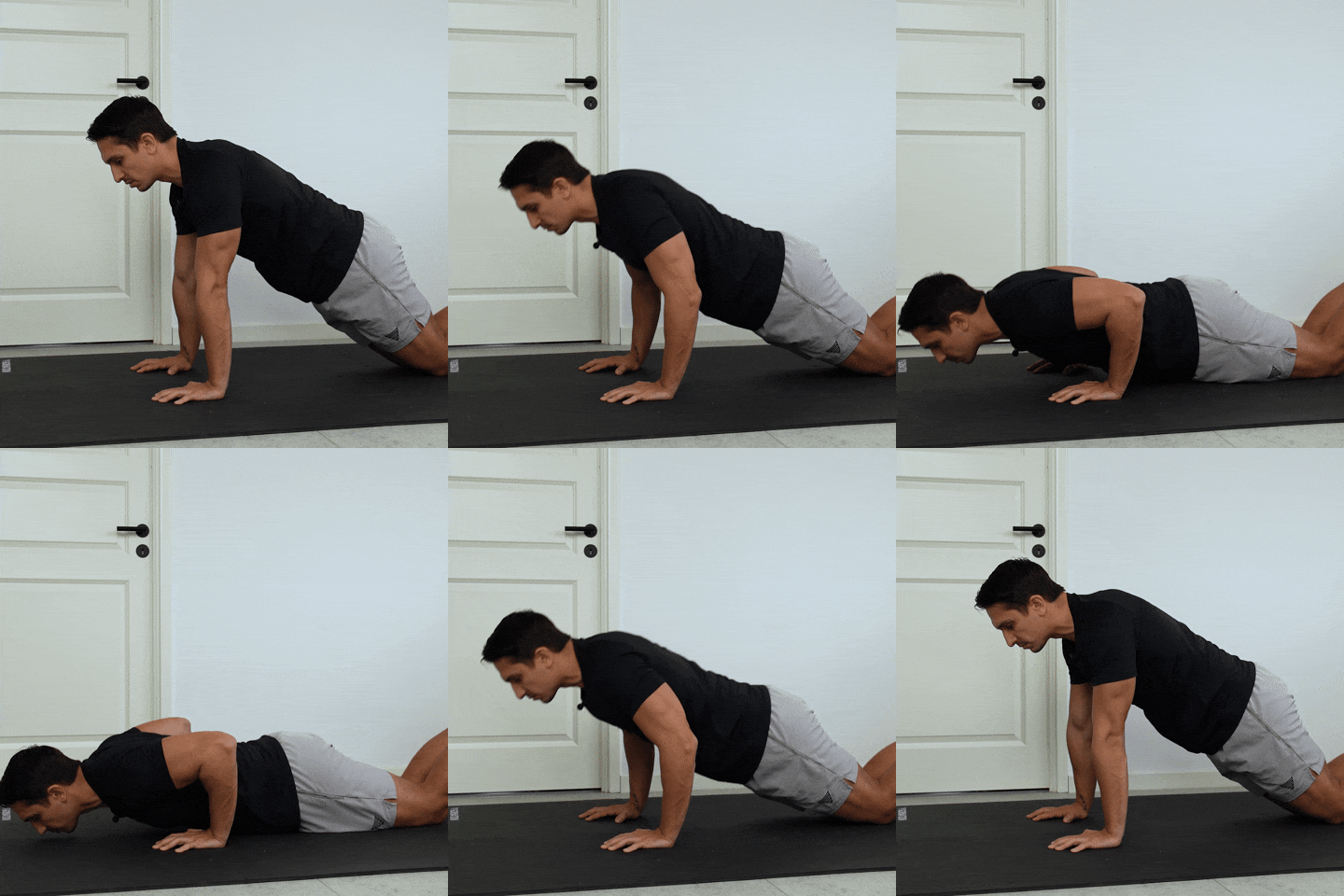
How to Do Knee Pseudo Push Ups
1. Set Your Knee Position
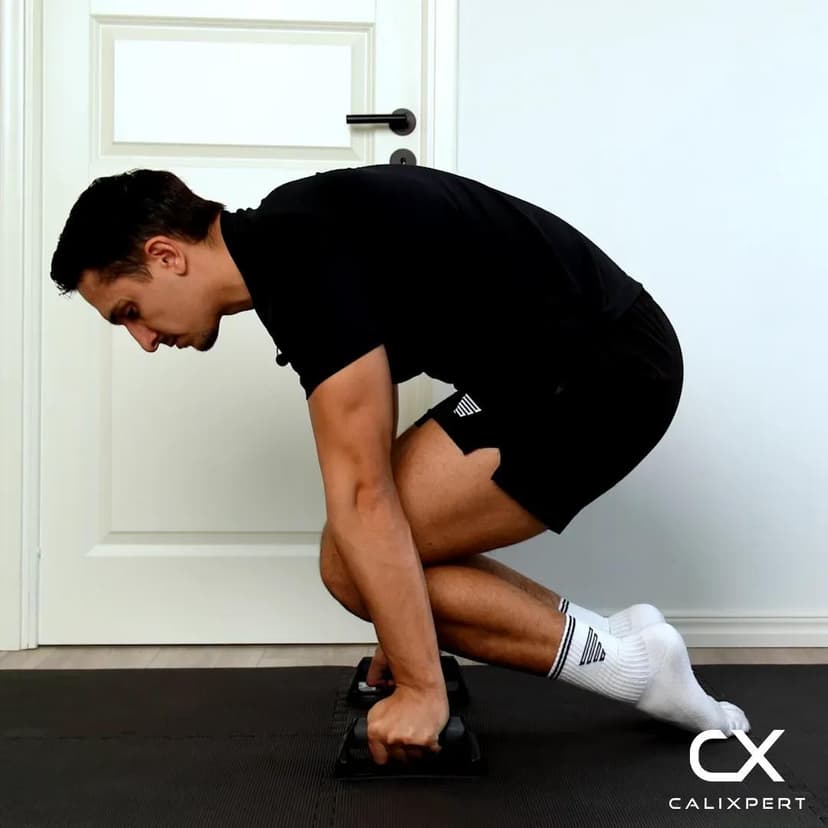
Kneel on the floor with your knees hip-width apart and the tops of your feet flat against the ground. Your thighs should form a straight line with your torso from knee to shoulder. Do not sit back toward your heels or let your hips pike upward.
Straight line from knees to shoulders
2. Place Hands at Belly Button Level
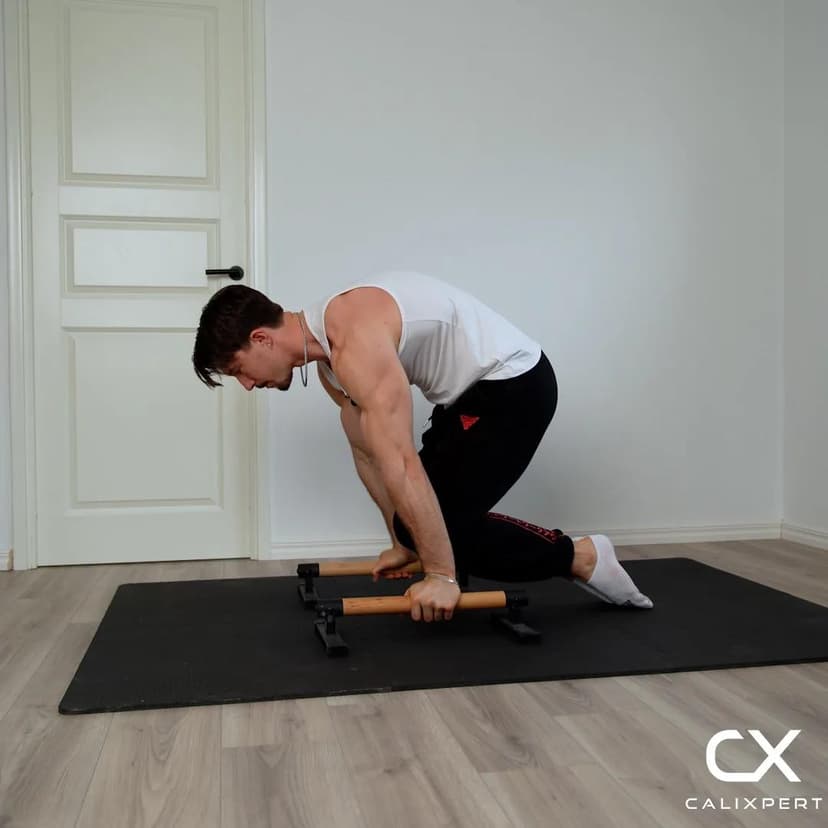
Lay flat on your stomach and note where your belly button touches the floor. Place your hands at that level, which will be significantly further back than a normal push-up position. Spread your fingers wide and point them outward to roughly the 10 o'clock and 2 o'clock positions to reduce wrist strain.
Hands at belly button, fingers at ten and two
3. Lean Shoulders Forward
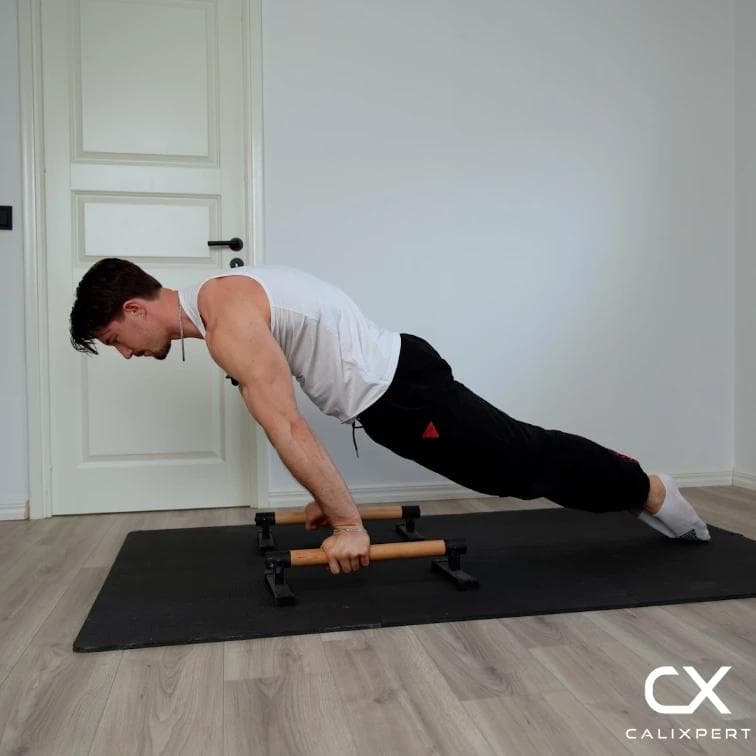
Press up to the starting position and shift your shoulders forward past your wrists. This forward lean is what creates the pseudo push-up loading pattern and differentiates it from a standard kneeling push-up. Keep your core braced and your hips in line with your torso throughout.
Shoulders ahead of the wrists, always
4. Lower With Control
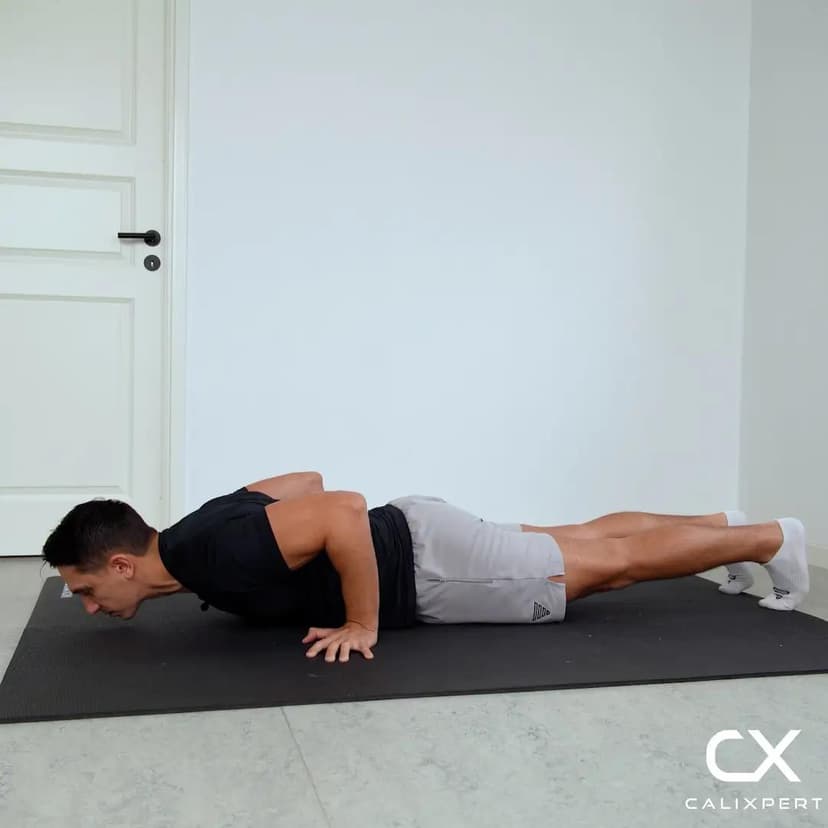
Bend your elbows and lower your chest toward the floor while maintaining the forward lean. Keep your elbows tucked at roughly 45 degrees to your torso rather than flaring them wide. Lower until your chest is just above the ground, keeping your core tight and hips level the entire way down.
Elbows tucked, lean stays forward
5. Push Back Up
Press through your palms and straighten your arms to return to the top position. Focus on driving the floor away rather than shifting your weight backward. Your shoulders should still be forward of your wrists at the top, and your core should remain engaged throughout the push.
Push the floor away, do not shift back
6. Reset and Repeat
At the top, pause briefly and confirm your shoulders are still forward and your hips have not drifted out of alignment. Re-brace your core before starting the next rep. Every rep should look identical, with no loss of the forward lean as fatigue sets in.
Check your lean before every rep
Most people rush past this exercise because it looks easy, but the technique transfer to full pseudo push-ups is massive. Focus on keeping your shoulders as far forward as you can on every single rep, even if that means doing fewer reps per set. The moment you feel your weight shift back toward your knees, the set is over, because you are no longer training the right pattern.
Muscles Worked During Knee Pseudo Push Ups
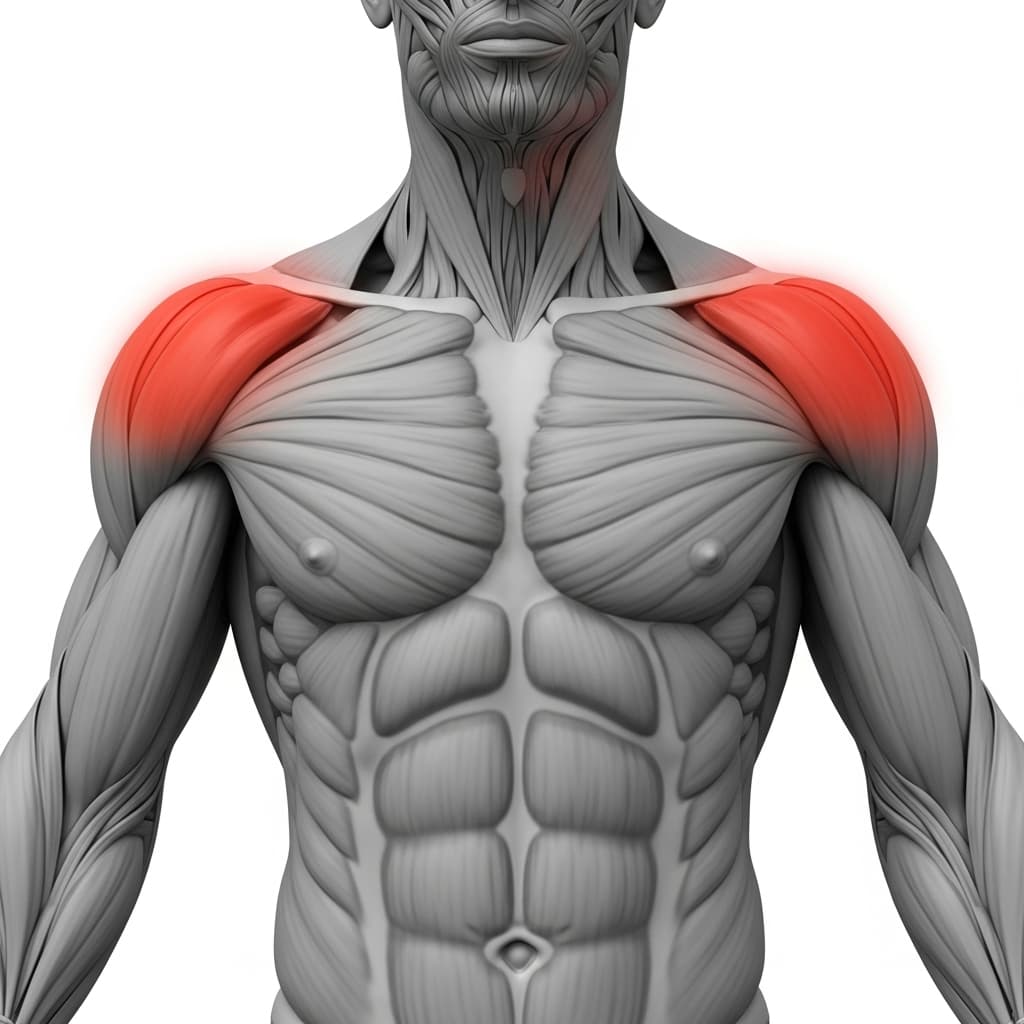
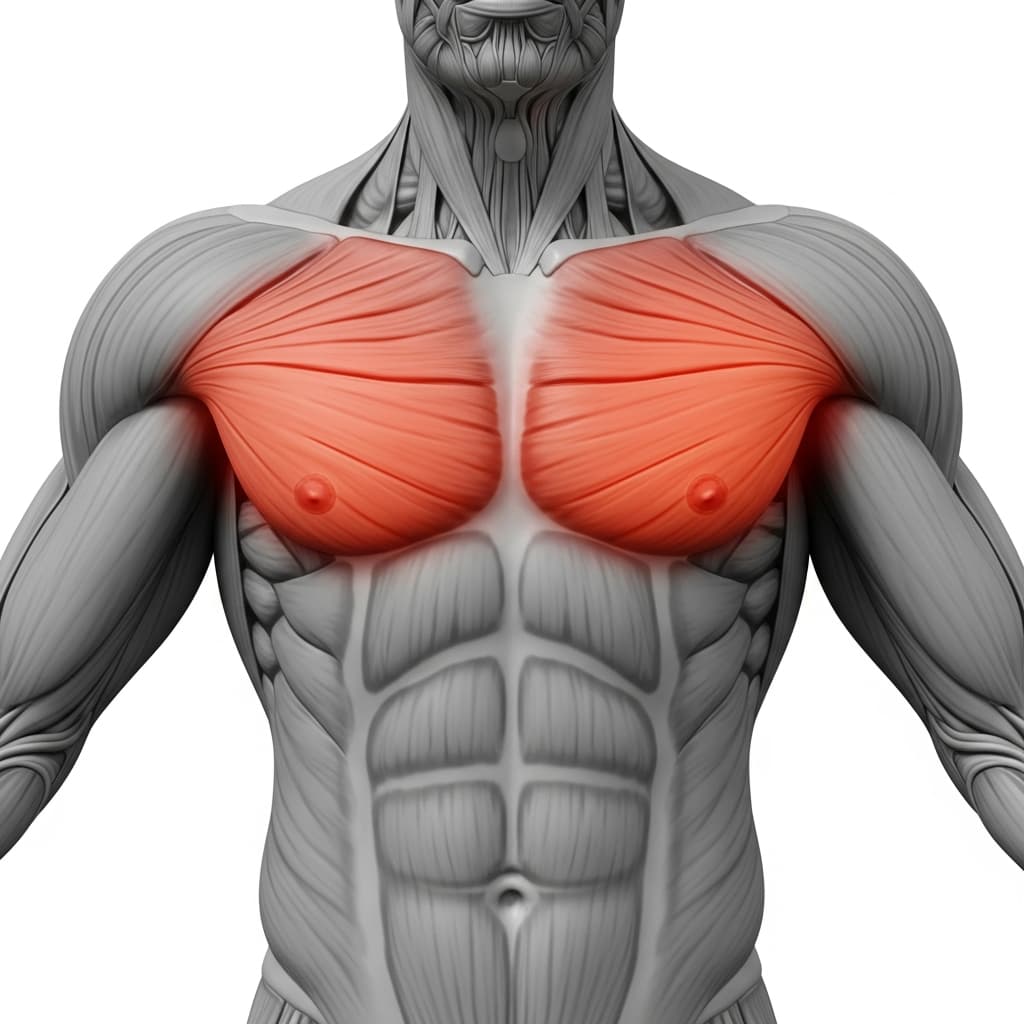
Primary Muscles:
Secondary Muscles:
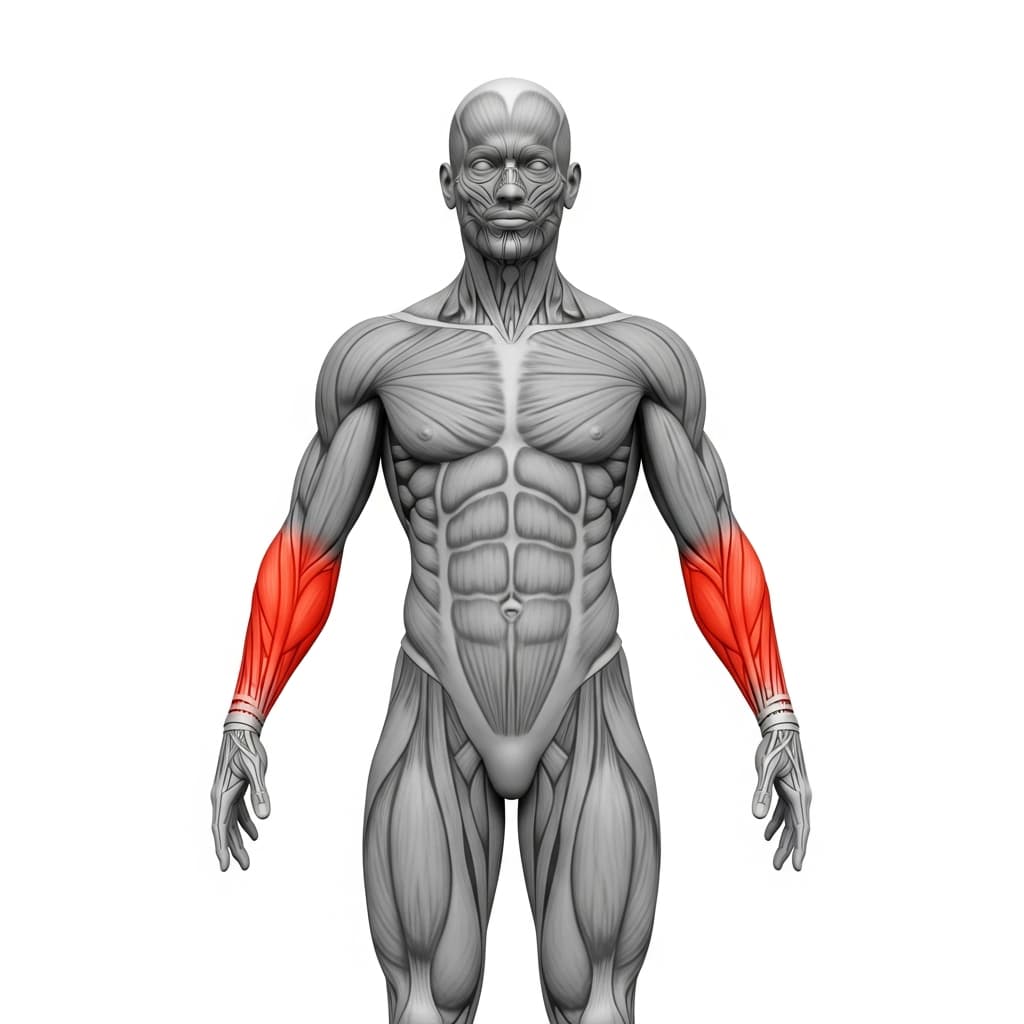
Primary Muscles
Anterior Deltoid (Front Deltoid) - The front deltoids bear the primary load during the forward lean, working to stabilize and press the shoulder joint as the body moves through each rep with the shoulders ahead of the wrists.
Pectoralis Major (Chest) - The chest drives horizontal adduction of the upper arm during the pushing phase, working alongside the front deltoids to press the body away from the floor.
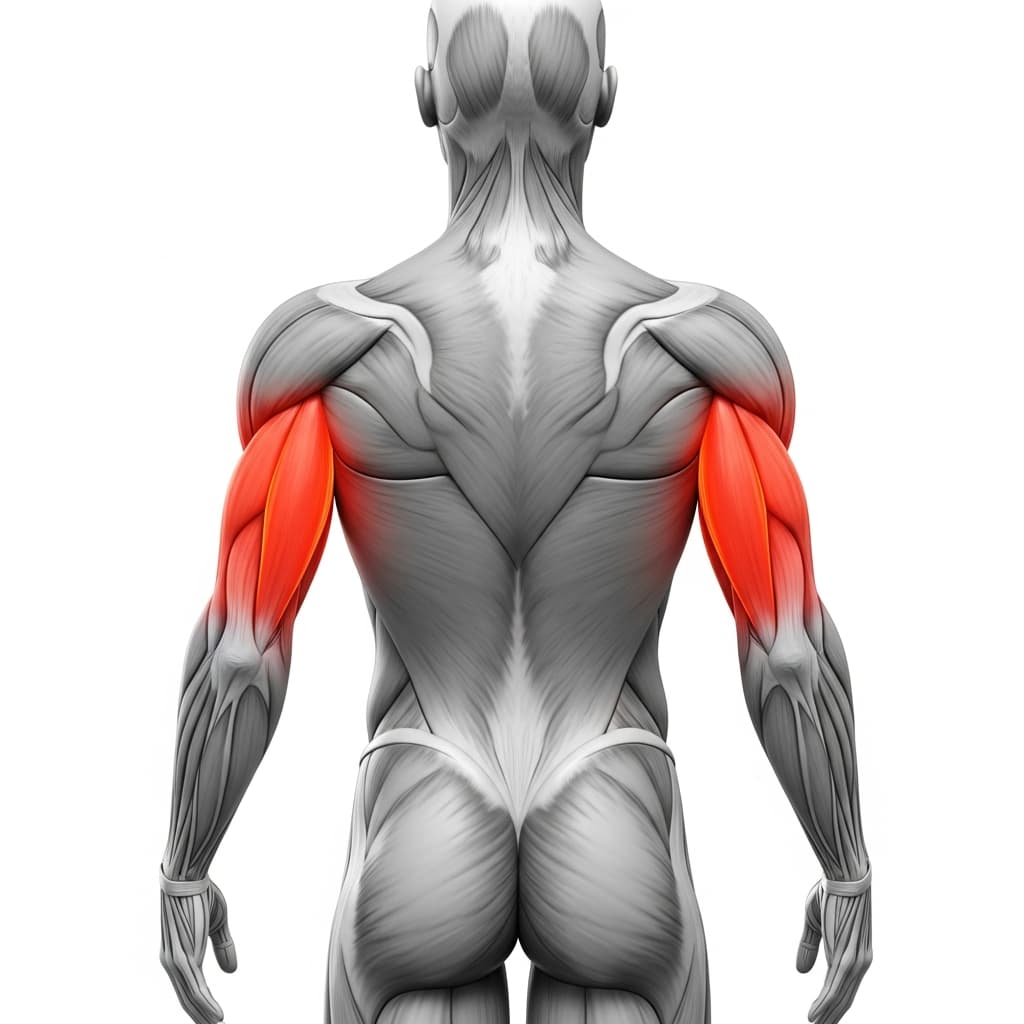
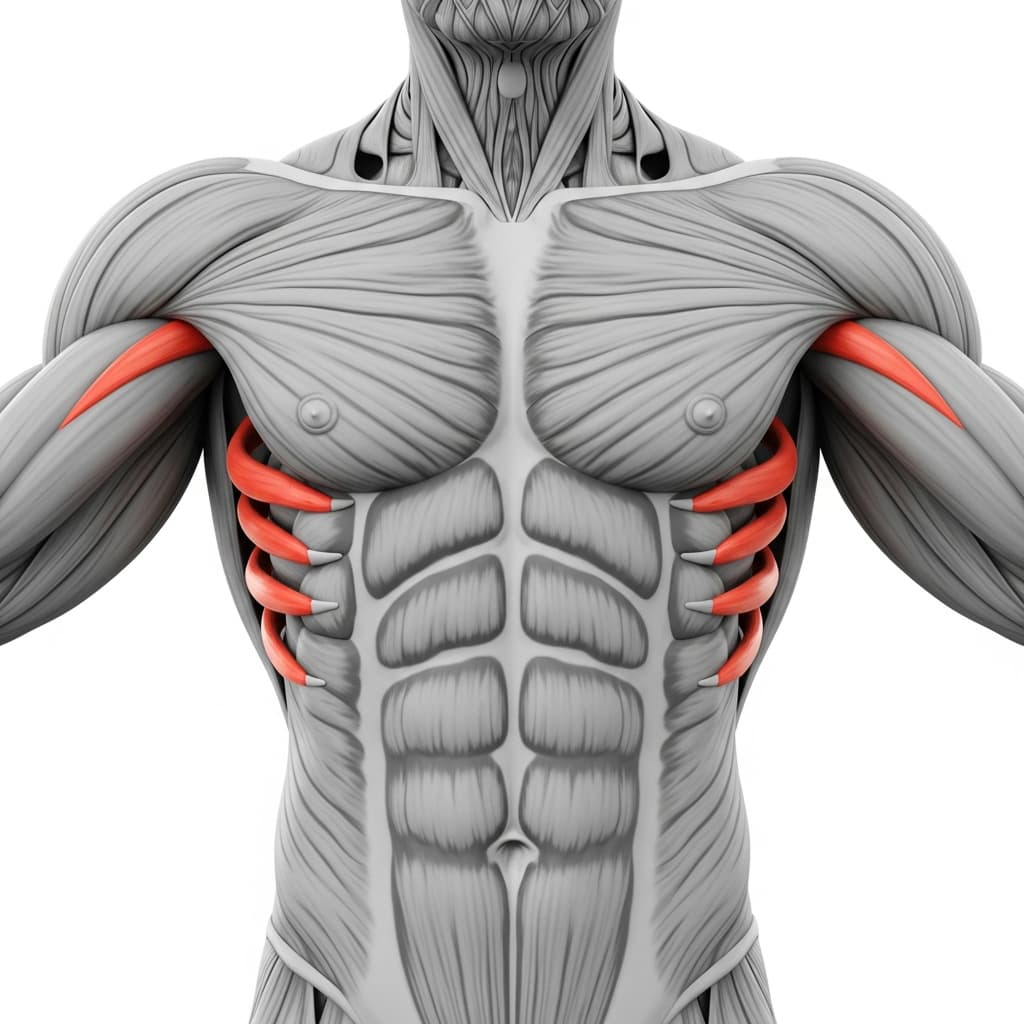
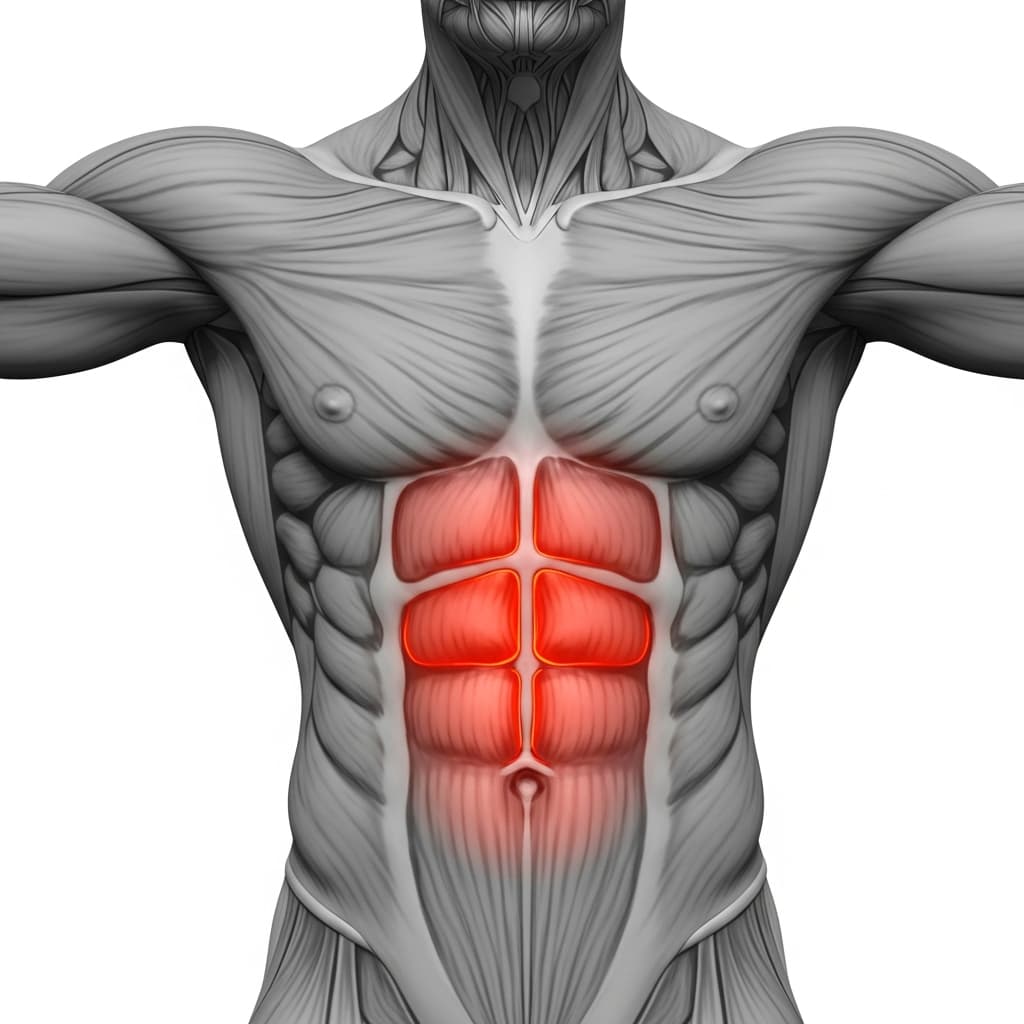
Secondary Muscles
Triceps Brachii (Triceps) - The triceps extend the elbows during the push phase, acting as the secondary pressing muscle that straightens the arms from the bottom position to lockout.
Serratus Anterior (Serratus Anterior) - The serratus anterior protracts the shoulder blades at the top of each rep, keeping the scapulae stable against the ribcage under the forward lean loading.
Rectus Abdominis (Abs) - The abdominals brace the torso to maintain a straight line from knees to shoulders, preventing the hips from sagging under the shifted center of gravity.
Forearm Flexors & Extensors (Forearms) - The forearm muscles stabilize the wrist joint under the loaded extension created by the forward lean and turned-out hand position.
Benefits of Knee Pseudo Push Ups
- Builds front deltoid strength under a forward lean, which directly transfers to planche progressions and planche push-ups
- Conditions the wrists for loaded extension, preparing them for the demands of full pseudo push-ups and planche leans
- Strengthens the serratus anterior through protraction under load, a muscle critical for shoulder stability in all straight-arm calisthenics skills
- Teaches the forward lean mechanics of planche-style pushing at a manageable intensity, allowing technique development before full bodyweight loading
Who Is This Exercise For?
You should be able to perform at least 10 clean kneeling push-ups with full range of motion before attempting knee pseudo push-ups. Your wrists also need to tolerate load in an extended position, so practice wrist warm-ups and short planche leans on your knees until you can hold for 15 seconds without discomfort. If standard kneeling push-ups still feel challenging or your wrists ache under load, you are not ready for this progression yet.
Common Mistakes to Avoid
Losing the forward lean during the push: The most common error is shifting the weight backward as you press up, which turns this into a regular kneeling push-up. Focus on keeping your shoulders ahead of your wrists throughout the entire rep, especially at the bottom where the temptation to shift back is strongest.
Placing hands too close to the shoulders: If your hands are at chest or shoulder level, you lose the pseudo push-up loading entirely. Lay flat, mark where your belly button is, and place your hands there. The distance should feel noticeably further back than a normal push-up.
Letting the hips sag or pike: A sagging hip drops the load off the shoulders and a piked hip shifts it away from the chest. Squeeze your glutes and brace your abs to maintain a straight line from your knees through your hips to your shoulders.
Fingers pointing straight forward: Keeping the fingers pointed forward places excessive strain on the wrists under the forward lean. Rotate your fingers outward to the 10 and 2 o'clock positions, which distributes the load more evenly across the wrist joint.