Top Hold Rows
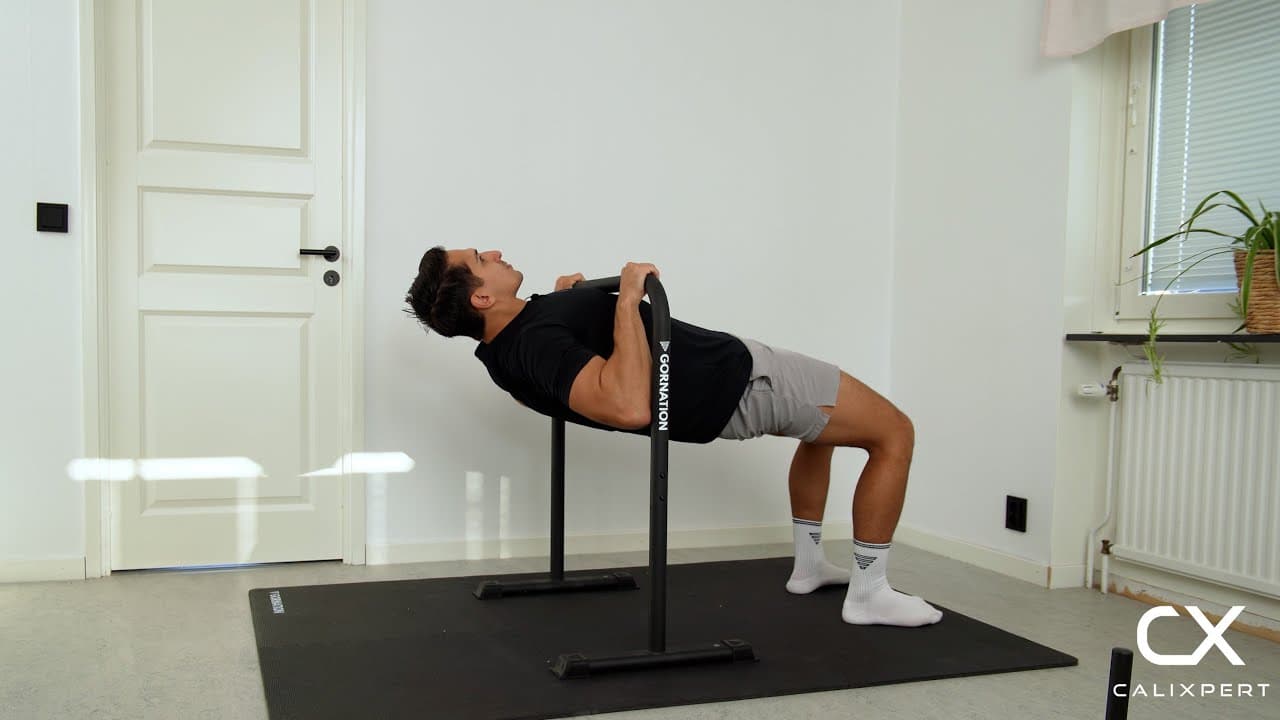
Top hold rows are a bodyweight horizontal pulling exercise where you hold the top position of an inverted row under a low bar, placing sustained tension on the upper back, lats, and rear deltoids. The hold forces the scapular retractors and biceps to work isometrically at their shortest position, which builds endurance and control that regular rowing reps alone do not develop. This exercise is one of the most effective ways to build the pulling strength and body awareness needed for strict pull-ups and front lever progressions.
Top hold rows are a bodyweight horizontal pulling exercise where you hold the top position of an inverted row under a low bar, placing sustained tension on the upper back, lats, and rear deltoids. The hold forces the scapular retractors and biceps to work isometrically at their shortest position, which builds endurance and control that regular rowing reps alone do not develop. This exercise is one of the most effective ways to build the pulling strength and body awareness needed for strict pull-ups and front lever progressions.
How to Do Top Hold Rows
1. Set Up the Bar Height
Position a straight bar or dip bar at approximately hip height. A lower bar increases difficulty by making your body more horizontal, while a higher bar reduces the load. For your first session, hip height is a reliable starting point that allows proper form without excessive strain.
Bar at hip height to start
2. Grip the Bar Correctly
Grab the bar with an overhand grip slightly wider than shoulder width. Wrap your thumbs fully around the bar for a secure hold. This grip width allows the elbows to track at roughly 45 degrees from the torso, which puts the upper back muscles in their strongest pulling position.
Thumbs around, just wider than shoulders
3. Set Your Body Position
Step underneath the bar and place your feet slightly wider than hip width for stability. Extend your legs and drive your hips up so your body forms a straight line from shoulders to heels. Squeeze your glutes and brace your core to lock this position in before you begin pulling. Your body should stay rigid like a plank throughout the entire exercise.
Hips up, body straight like a plank
4. Pull to the Top Position
Initiate the pull by retracting your shoulder blades and driving your elbows back at a 45-degree angle from your body. Pull until the bar touches just below your chest. Keep your wrists neutral and avoid shrugging your shoulders toward your ears during the ascent.
Elbows at 45 degrees, bar to chest
5. Hold the Top Position
Once the bar reaches your lower chest, squeeze your shoulder blades together as hard as you can and hold. Maintain the rigid body line with hips elevated and core braced. Breathe steadily through the hold without releasing the scapular squeeze. Aim for 5 to 10 seconds per hold as a starting point.
Squeeze and hold, keep breathing
6. Lower Under Control
After completing the hold, slowly lower yourself back to the starting position over 2 to 3 seconds. Fully extend your arms at the bottom and reset your scapula before pulling into the next rep. Rushing the descent removes half the training stimulus from the exercise.
Slow descent, full extension at the bottom
Most people rush through the top of a row and never actually spend time in the position where the back muscles are working hardest. Top hold rows fix that by forcing you to own the contraction. Focus on pulling your shoulder blades together like you are trying to crush a walnut between them, and hold that squeeze while breathing normally. If you start shaking within a few seconds, that tells you exactly where your pulling strength is weakest.
Muscles Worked During Top Hold Rows
Primary Muscles:
Secondary Muscles:
Primary Muscles
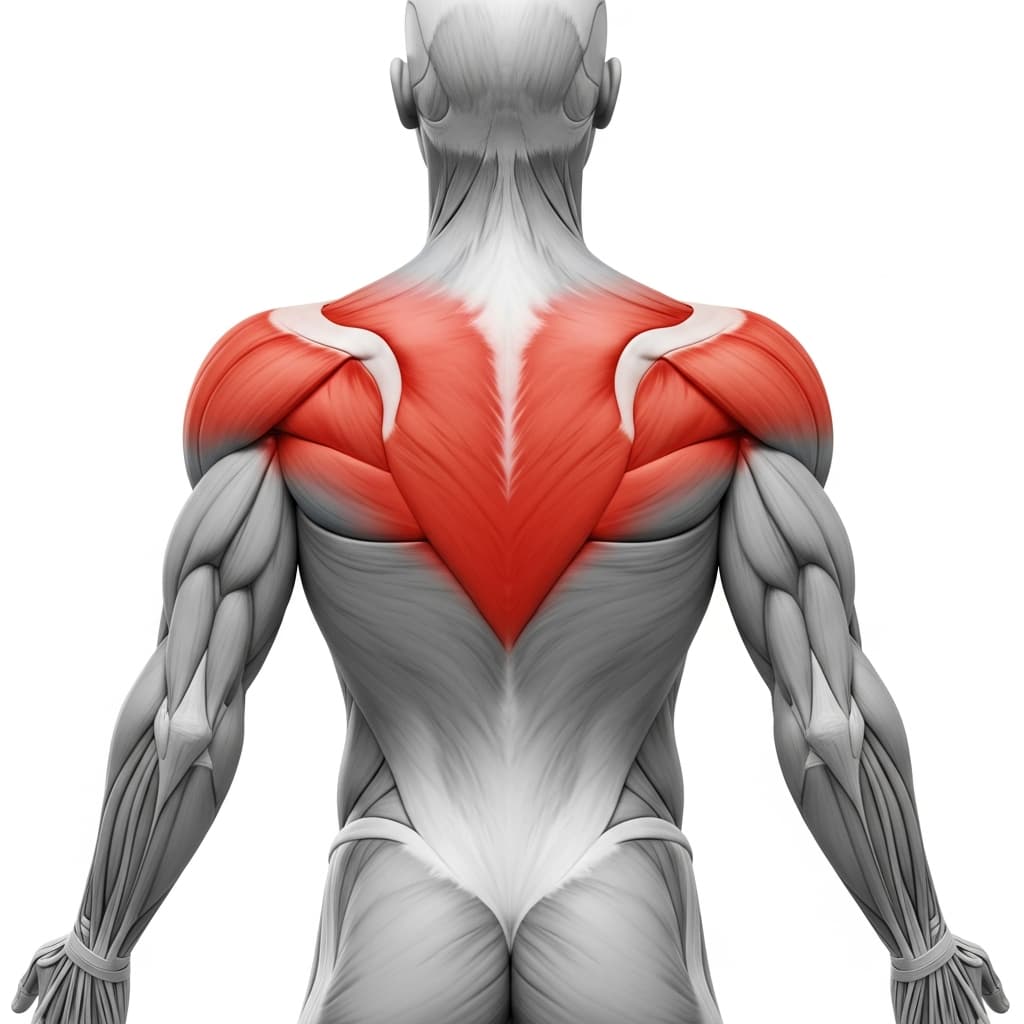
Rhomboids & Upper Trapezius (Upper Back) - The rhomboids and mid-trapezius retract and stabilize the scapulae during the isometric hold, keeping the shoulder blades pinched together under sustained load.
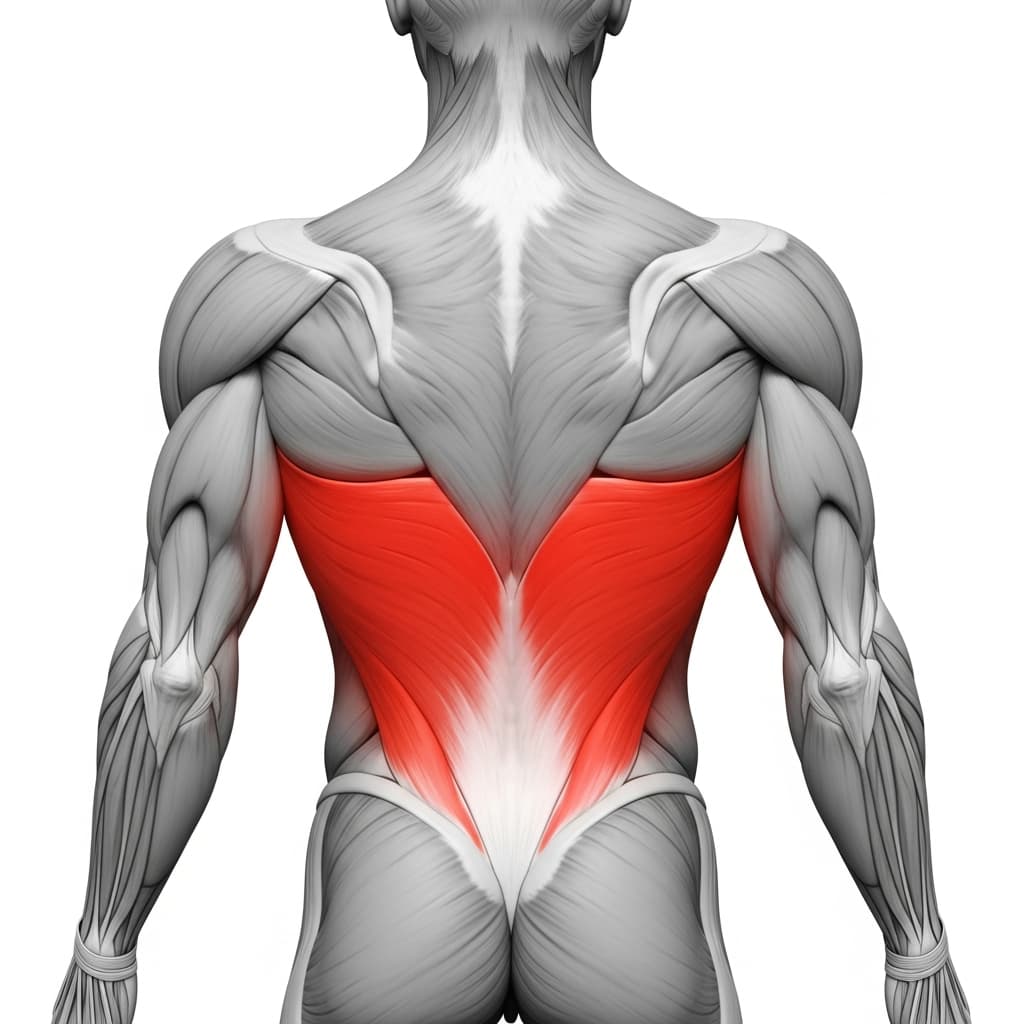
Latissimus Dorsi (Lats) - The latissimus dorsi drives the initial pull by extending and adducting the shoulder, bringing the torso up toward the bar through the full range of motion.
Secondary Muscles
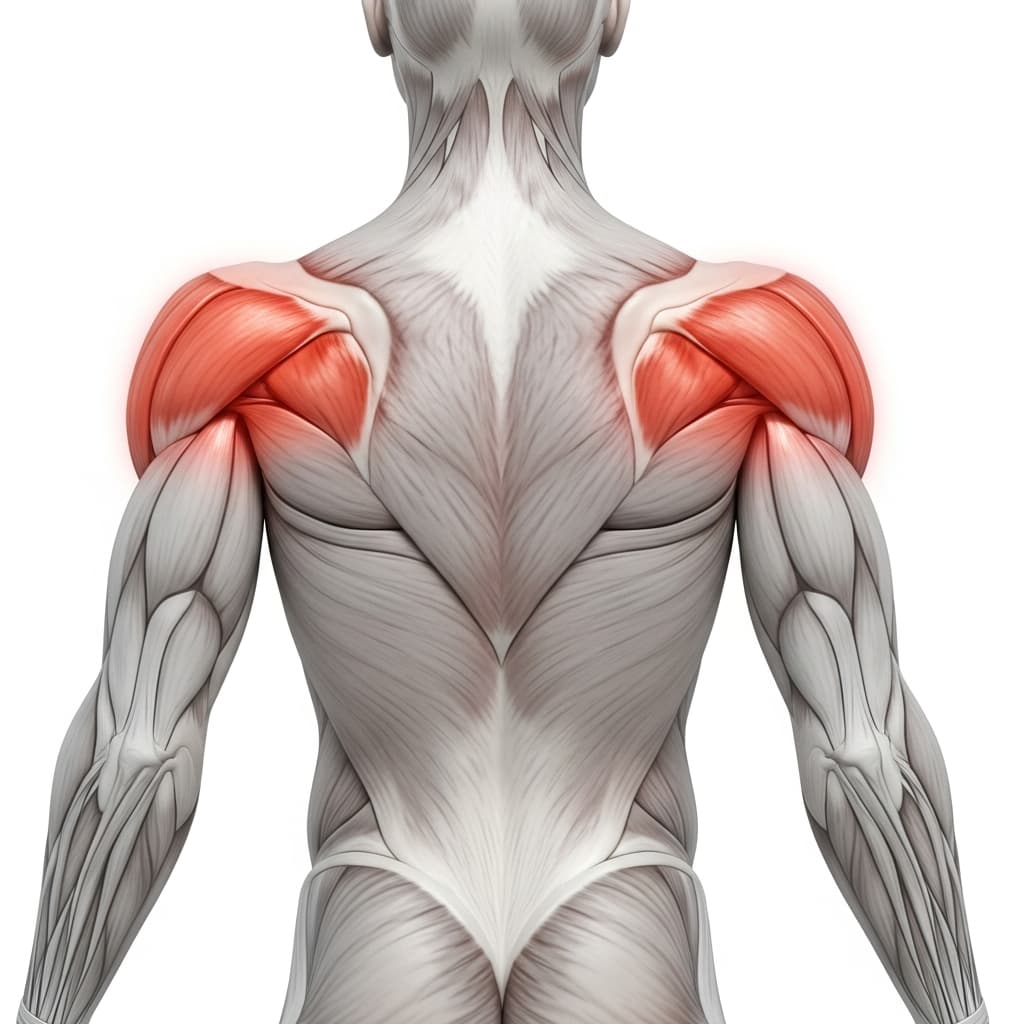
Posterior Deltoid (Rear Deltoid) - The posterior deltoid assists with horizontal shoulder extension, helping pull the elbows back and stabilizing the shoulder joint at the top of the hold.
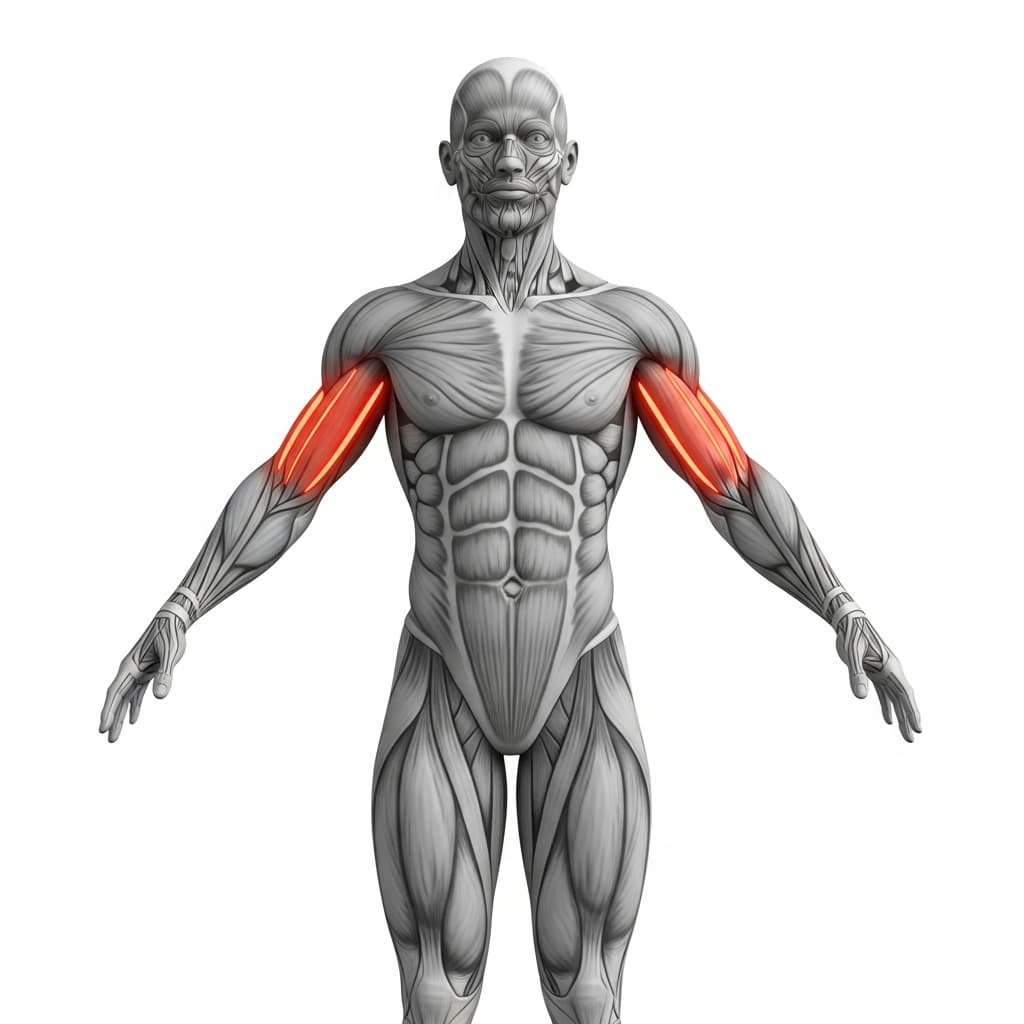
Biceps Brachii (Biceps) - The biceps flex the elbow throughout the pulling phase and maintain that flexion isometrically during the top hold.
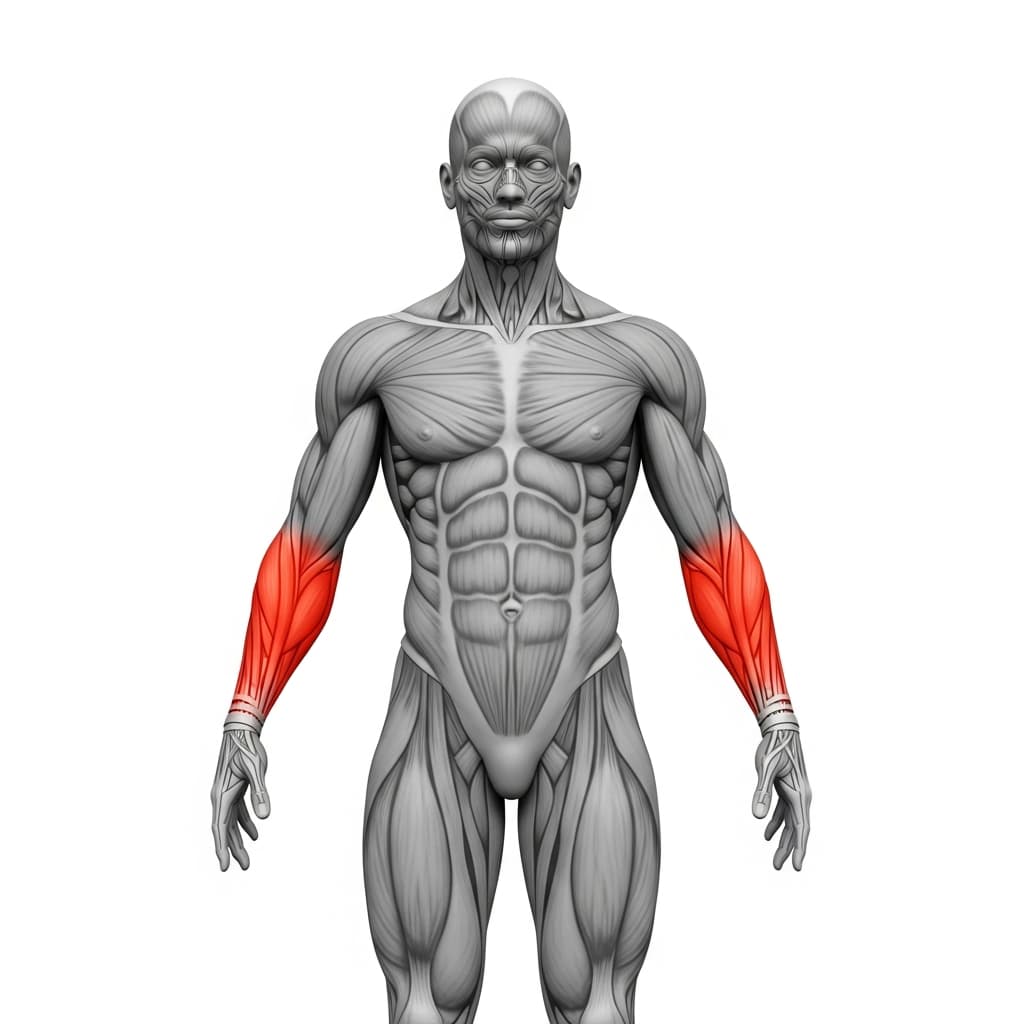
Forearm Flexors & Extensors (Forearms) - The forearm flexors maintain grip on the bar throughout the exercise, working continuously to prevent the hands from slipping during the hold.
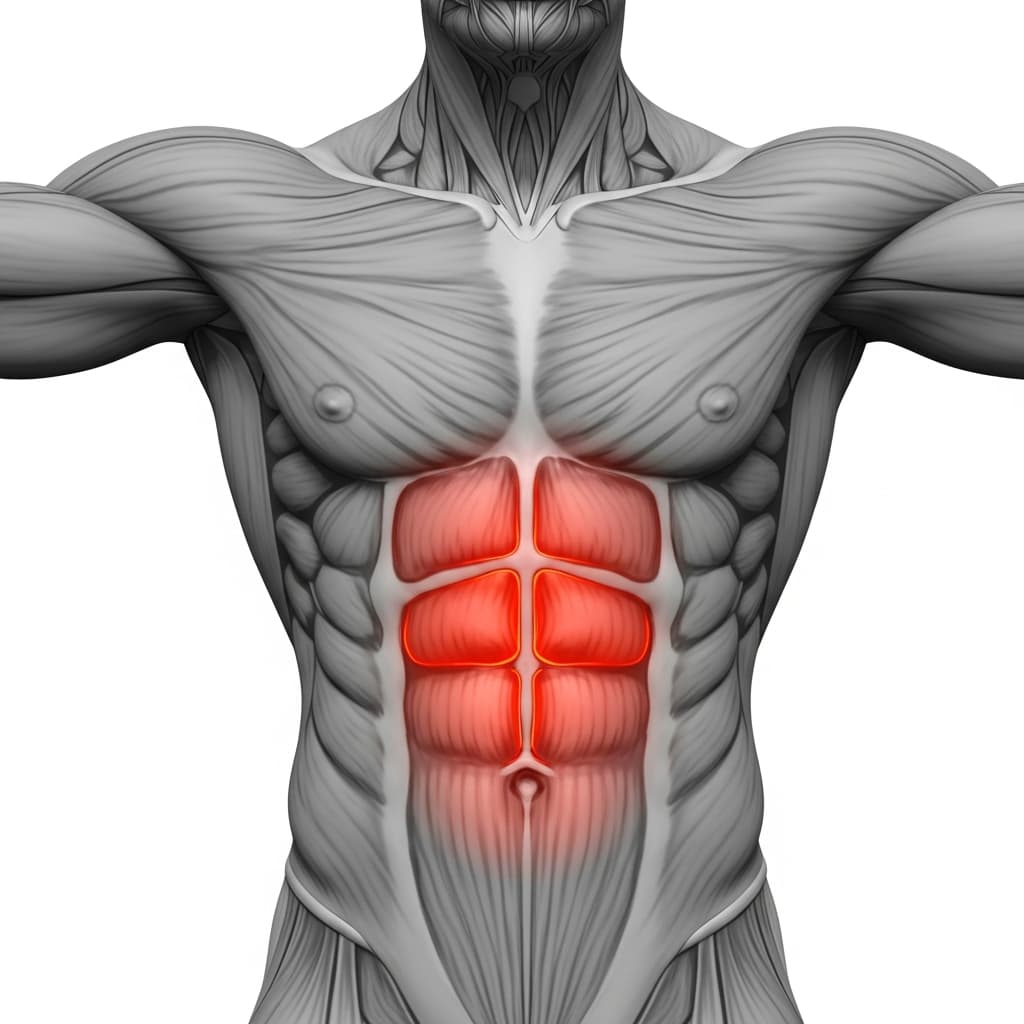
Rectus Abdominis (Abs) - The rectus abdominis braces the torso to prevent the hips from sagging, maintaining the straight body line that keeps load directed into the upper back.
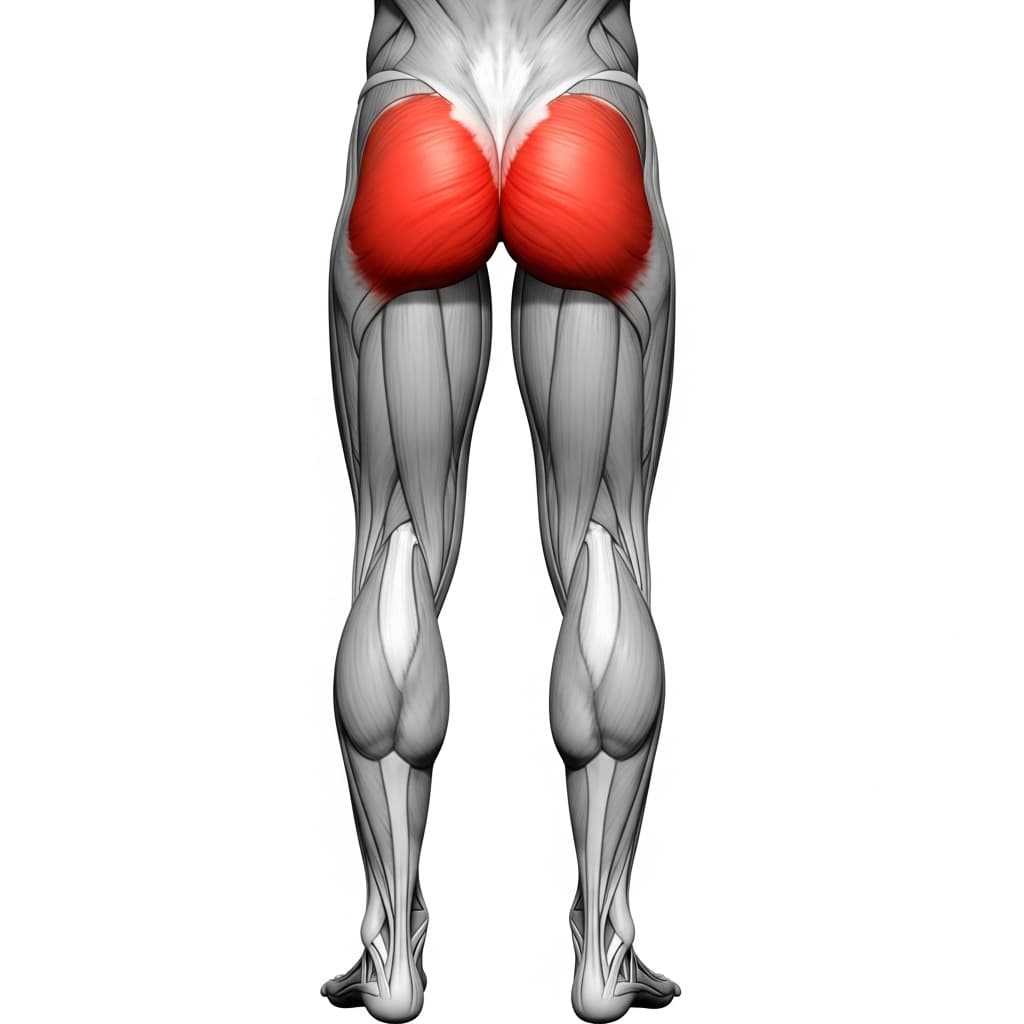
Gluteus Maximus (Glutes) - The glutes contract to extend the hips and hold them in line with the shoulders and heels, preventing the body from breaking at the waist under load.
Benefits of Top Hold Rows
- Builds isometric strength in the scapular retractors, which directly improves pulling endurance and control in pull-ups and front lever training
- Strengthens the upper back at its most contracted position, correcting the weak point that causes most people to lose form at the top of rowing movements
- Develops grip strength and forearm endurance through sustained loaded hanging in a horizontal position
- Reinforces a rigid body line under pulling load, which transfers to hollow body control in advanced calisthenics skills
- Provides a scalable pulling exercise that can be adjusted from beginner to advanced simply by changing the bar height or foot elevation
Who Is This Exercise For?
You should be able to perform at least 5 clean inverted rows with full range of motion before adding the isometric hold at the top. If maintaining a straight body line from shoulders to heels during a basic inverted row is still a challenge, work on that positioning first with shorter sets and a higher bar angle.
Common Mistakes to Avoid
Dropping the hips during the hold: Squeeze your glutes and brace your abs before every rep. If your hips sag, the load shifts away from the upper back and into the lower back, reducing the training effect and risking strain.
Shrugging shoulders toward the ears: Actively depress your shoulders by pulling your shoulder blades down and together throughout the hold. Shrugging shifts the load to the traps and neck instead of the lats and mid-back.
Elbows flaring out to 90 degrees: Keep your elbows at roughly 45 degrees from your torso, not straight out to the sides. A 45-degree angle protects the shoulder joint and allows the lats to contribute fully to the pull.
Pulling the bar to the neck instead of the chest: Aim to bring the bar to the lower chest or sternum area. Pulling too high places unnecessary stress on the front of the shoulder and reduces scapular retraction at the top.
Variations & Progressions
Elevated Feet Top Hold Rows
Place your feet on a bench or box so your body is closer to horizontal. This increases the percentage of bodyweight you pull and makes the isometric hold significantly more demanding on the upper back.
High Bar Top Hold Rows
Set the bar at chest height instead of hip height so your body is at a steeper angle. This reduces the load, making it accessible for beginners who cannot yet hold the full horizontal position.
Weighted Top Hold Rows
Wear a weight vest or place a plate on your chest during the hold. Adding external load is the next progression once you can hold the top position for 15 seconds with clean form at a horizontal angle.