

Upper Back Exercises
Rhomboids and Middle Trapezius
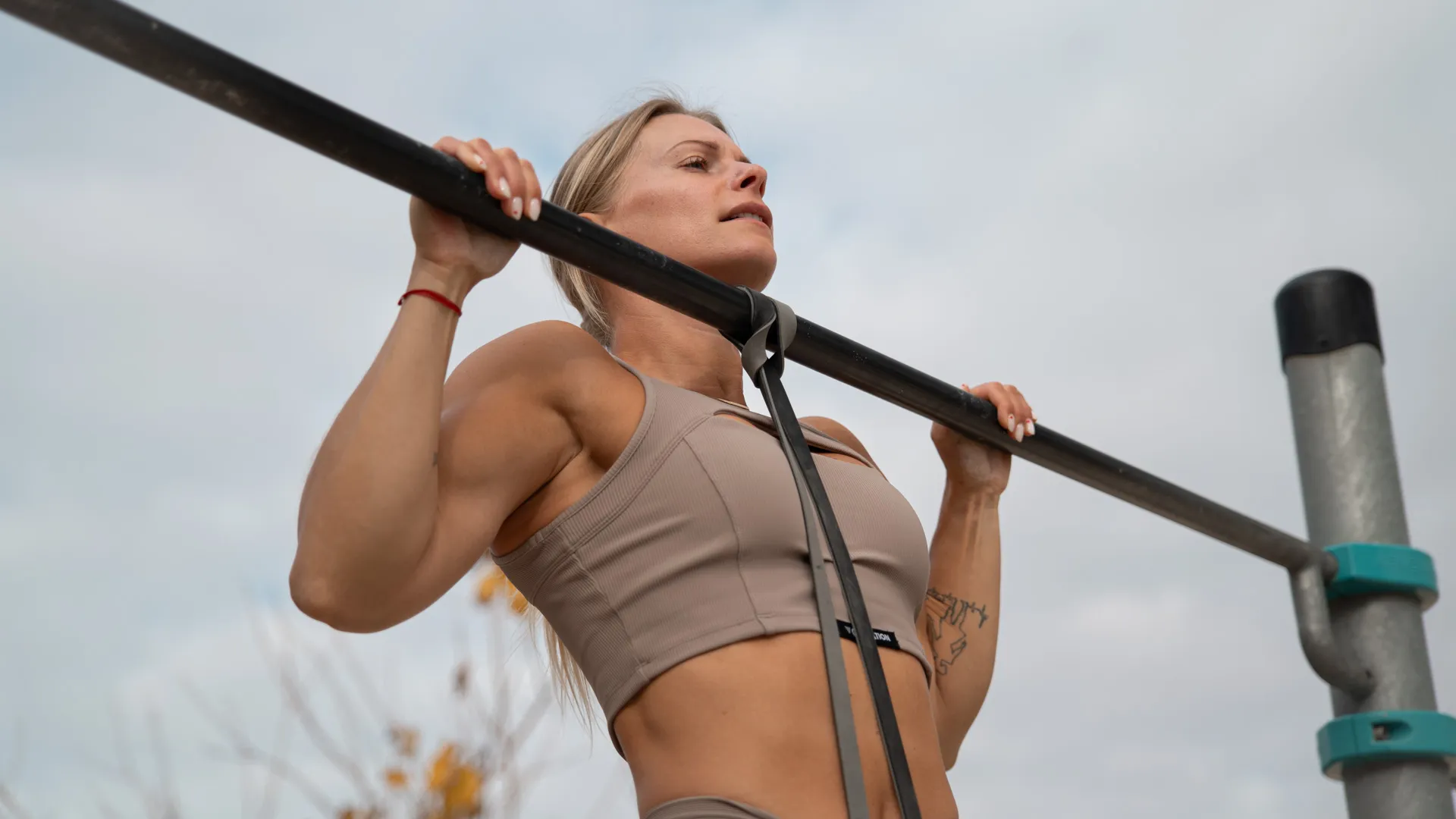
All Upper Back Exercises (83)
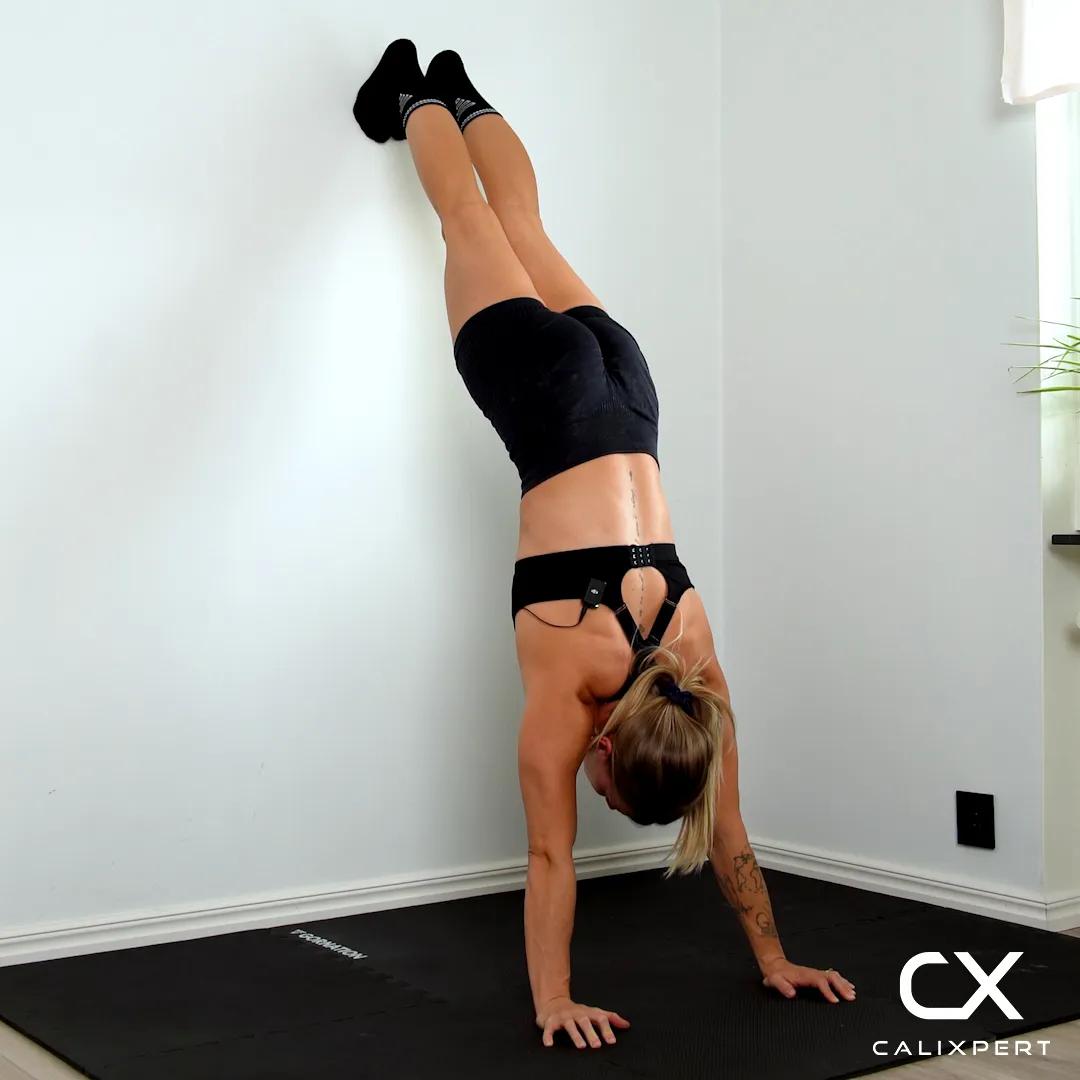
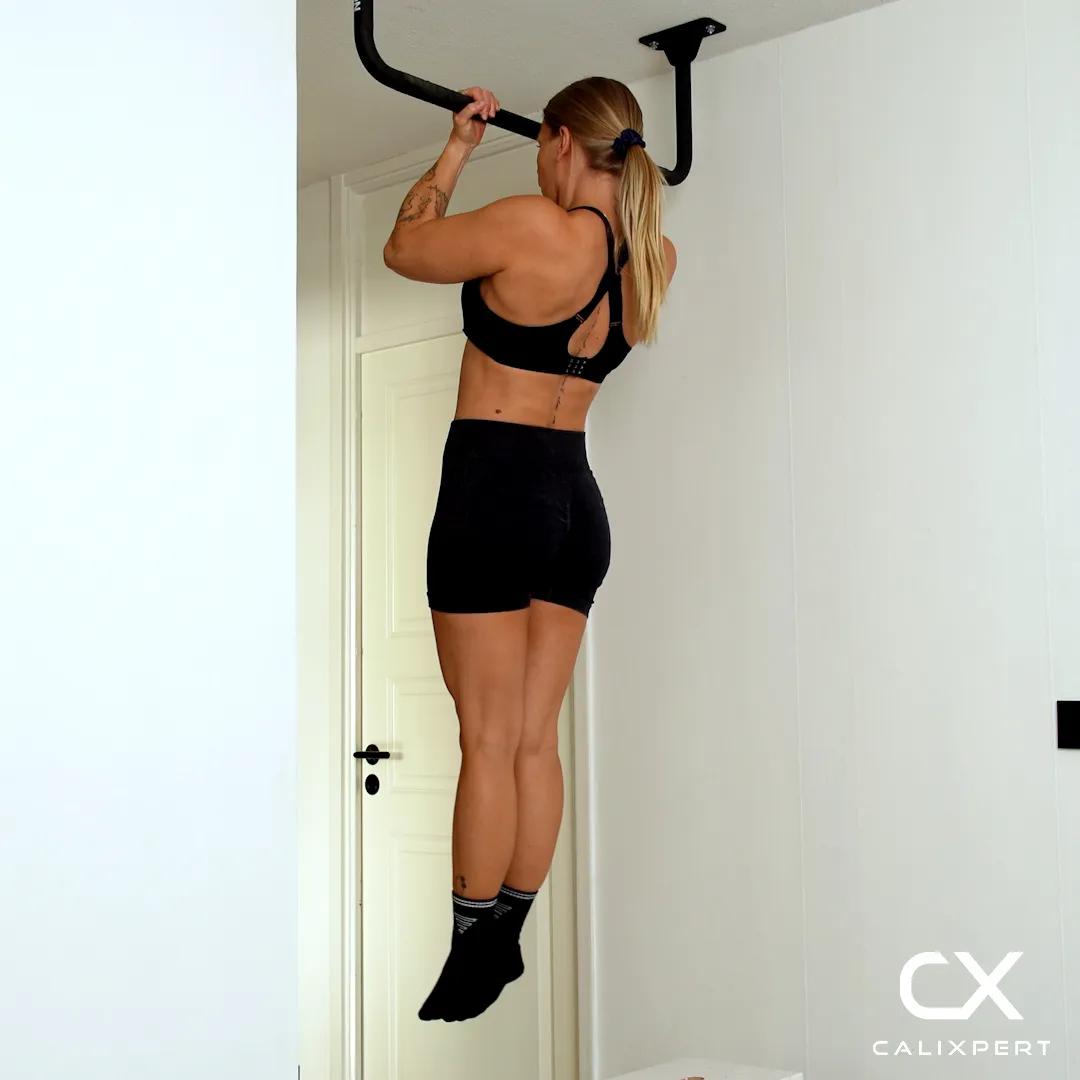
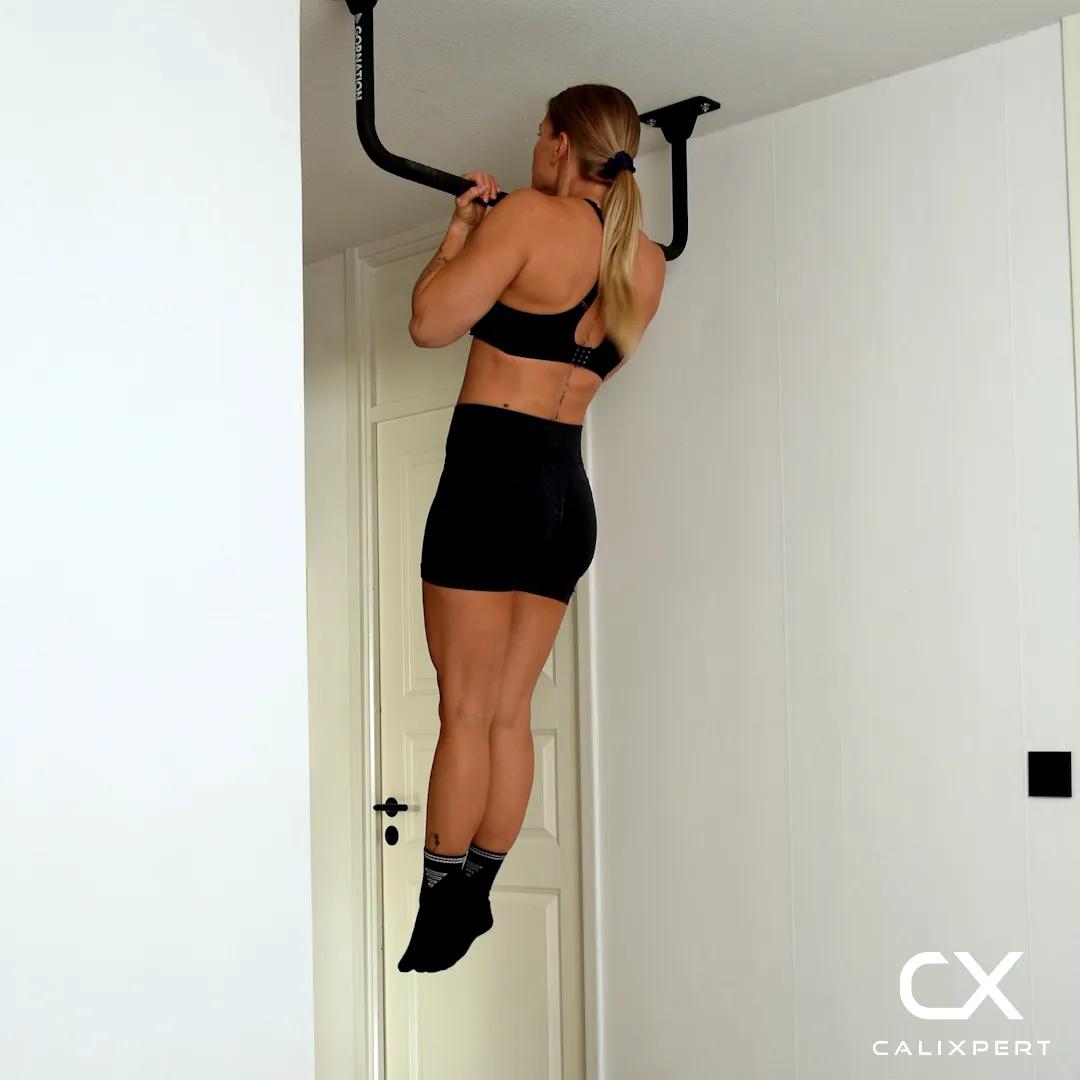
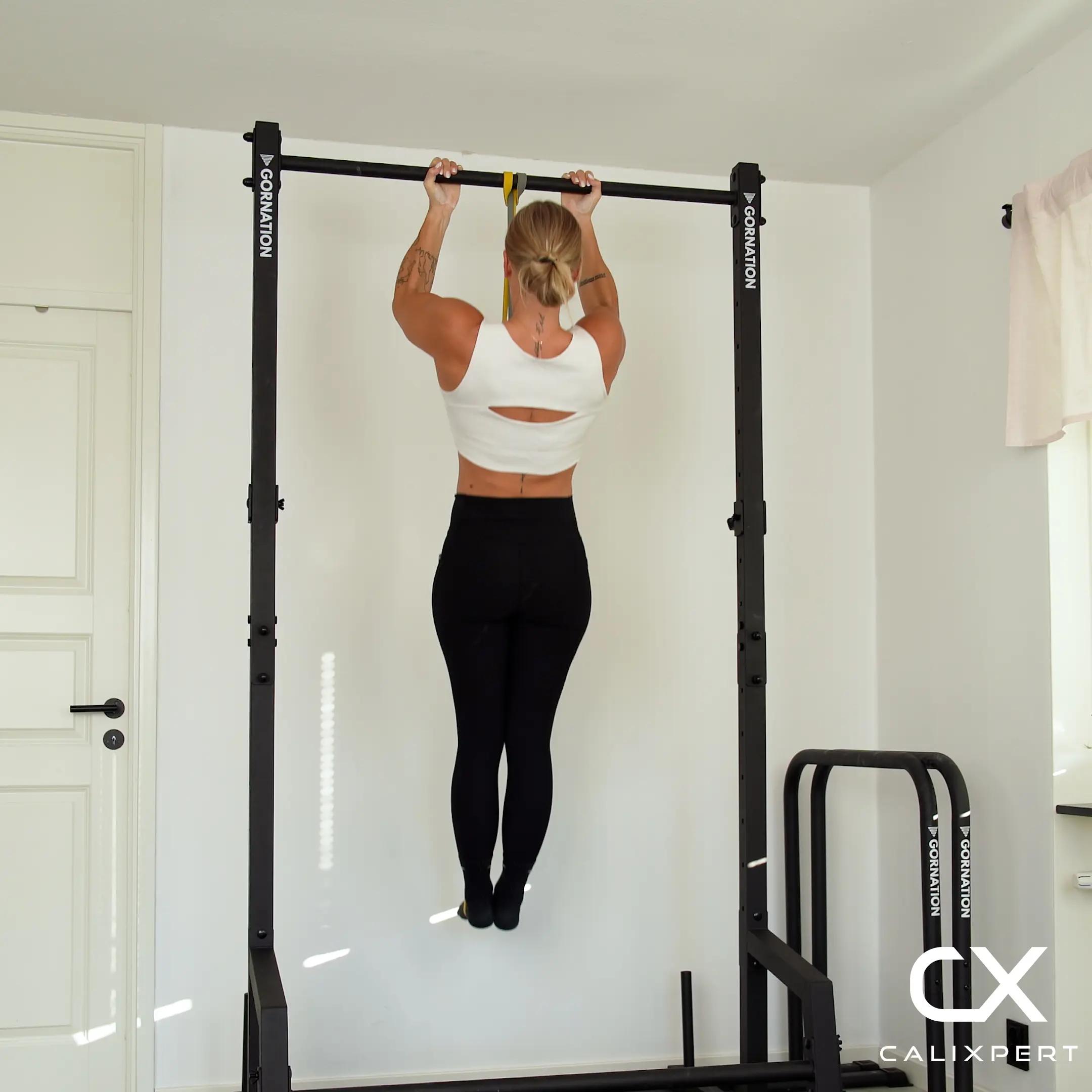
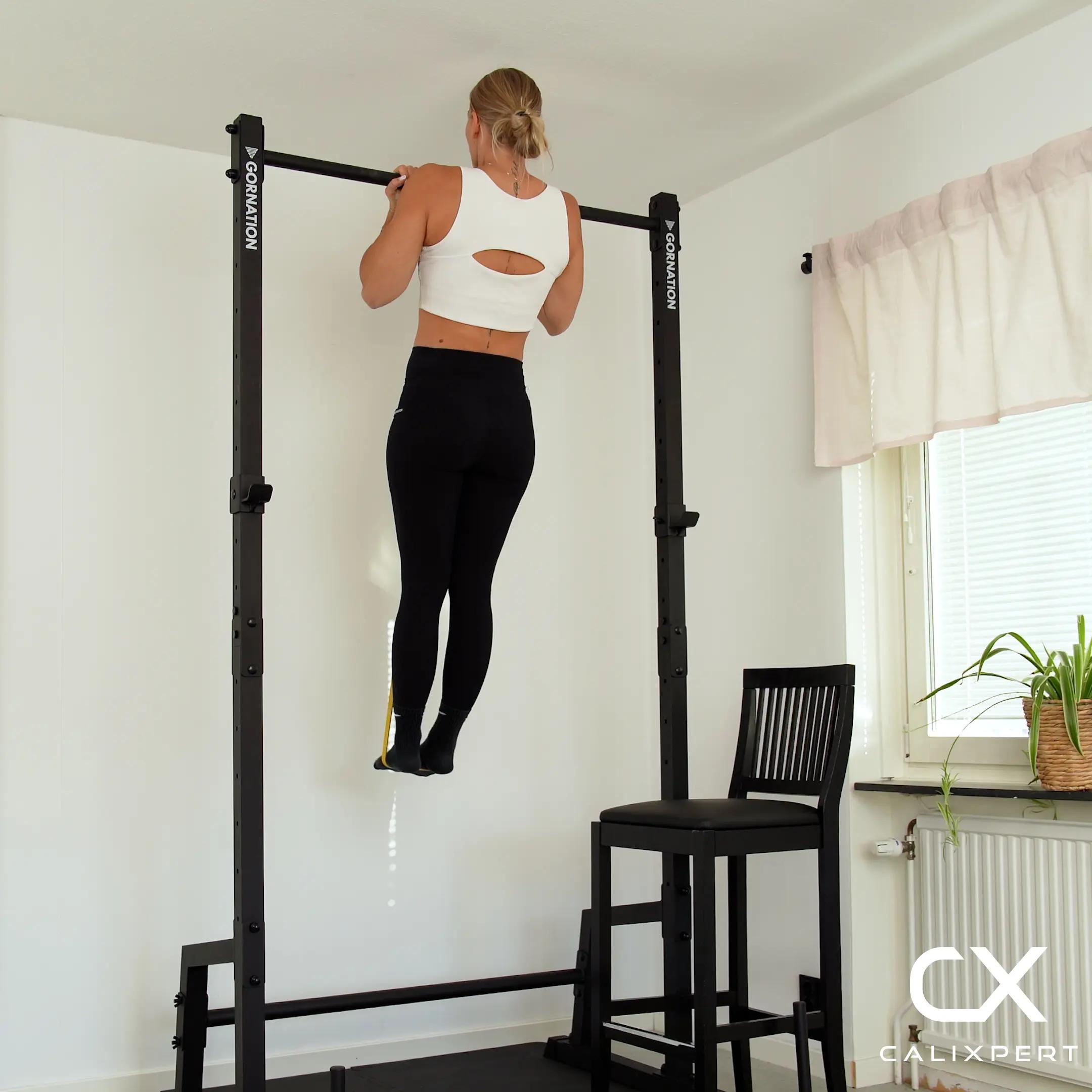
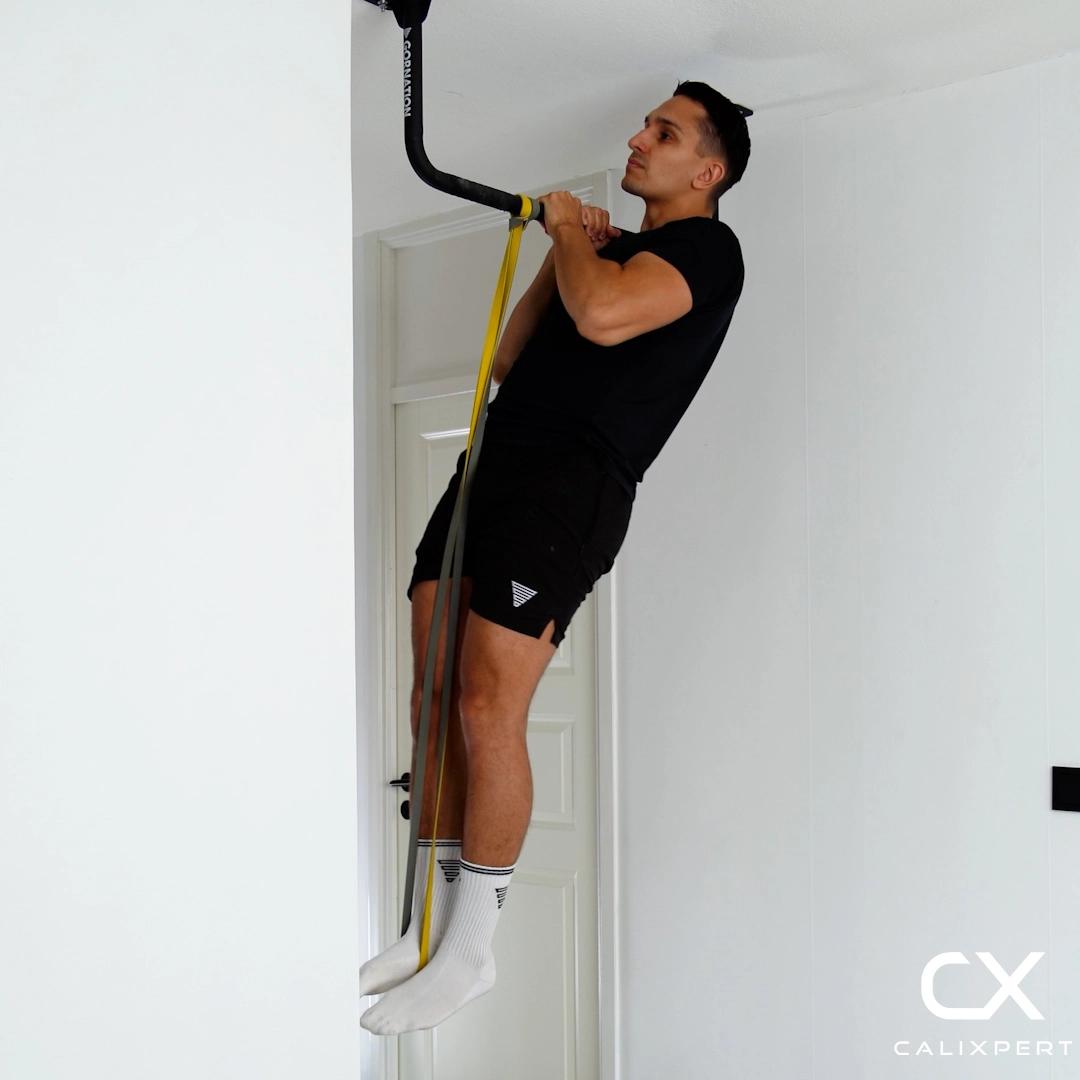
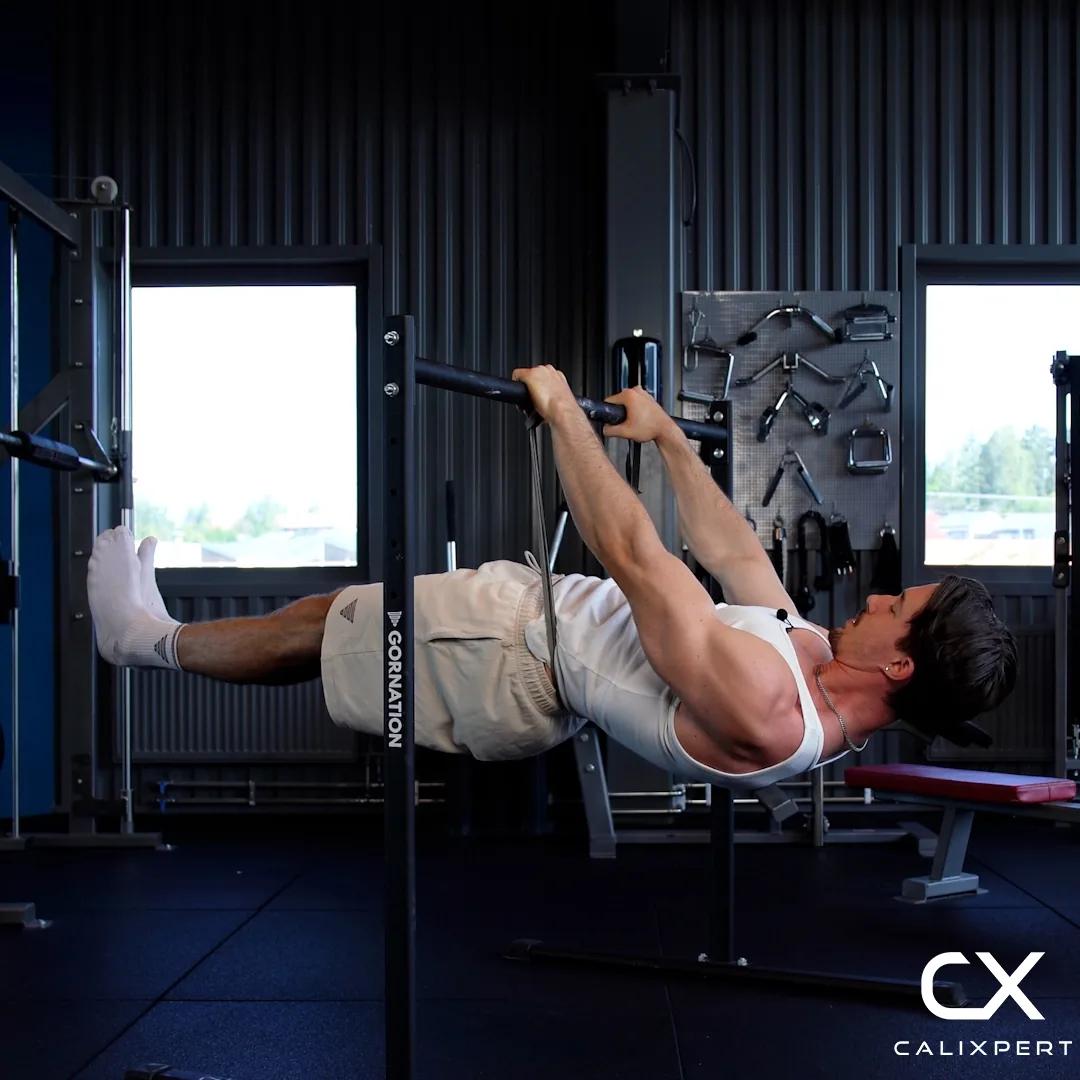
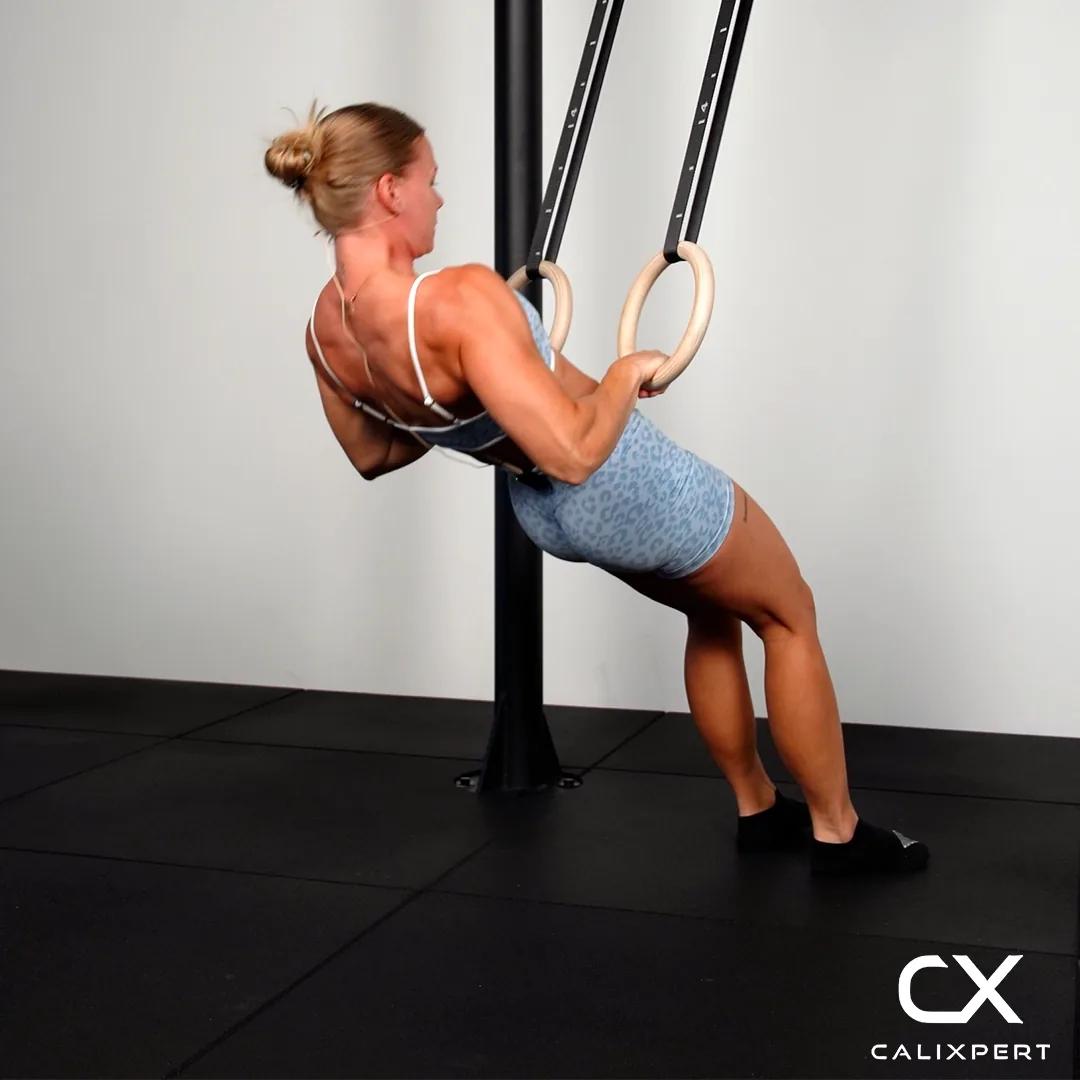
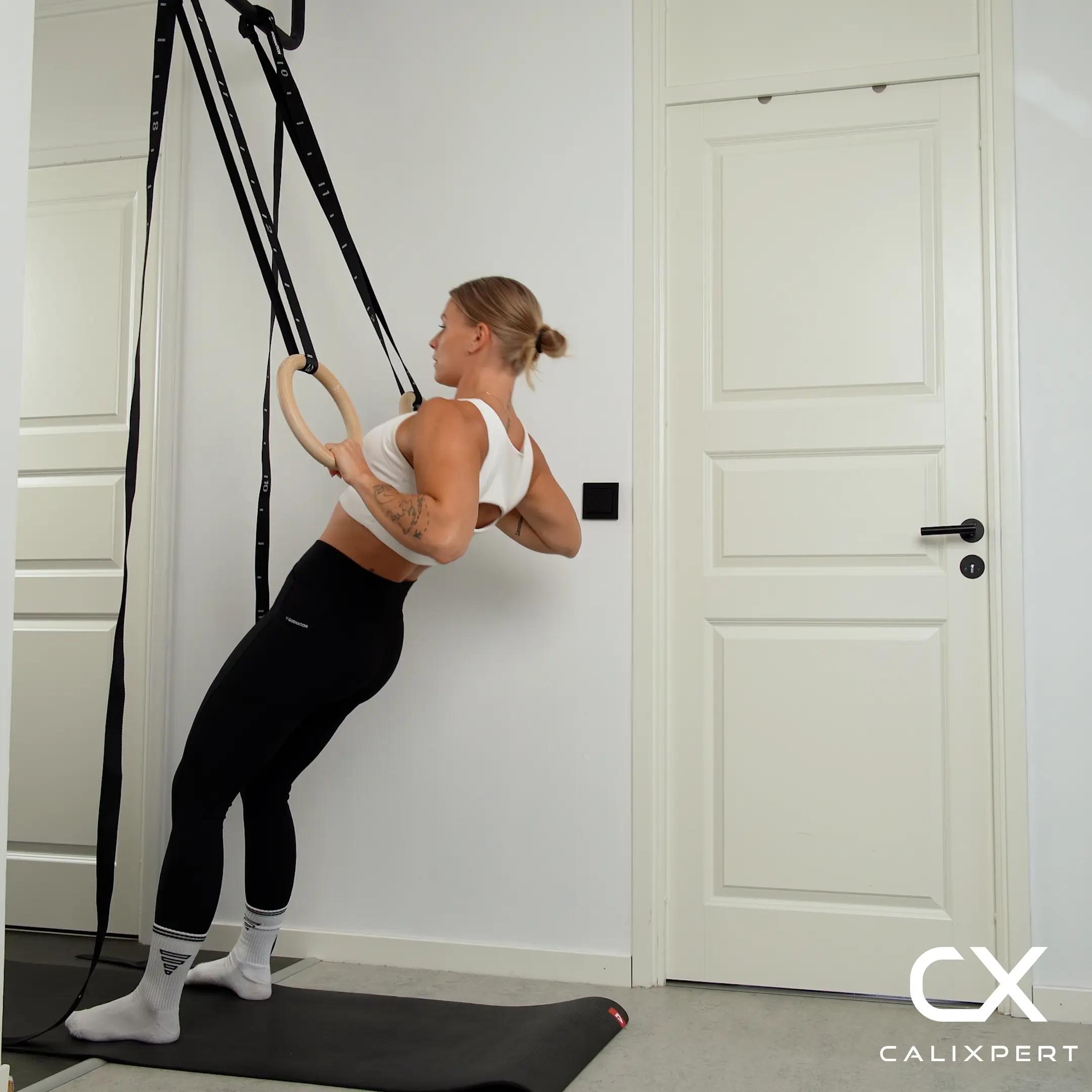
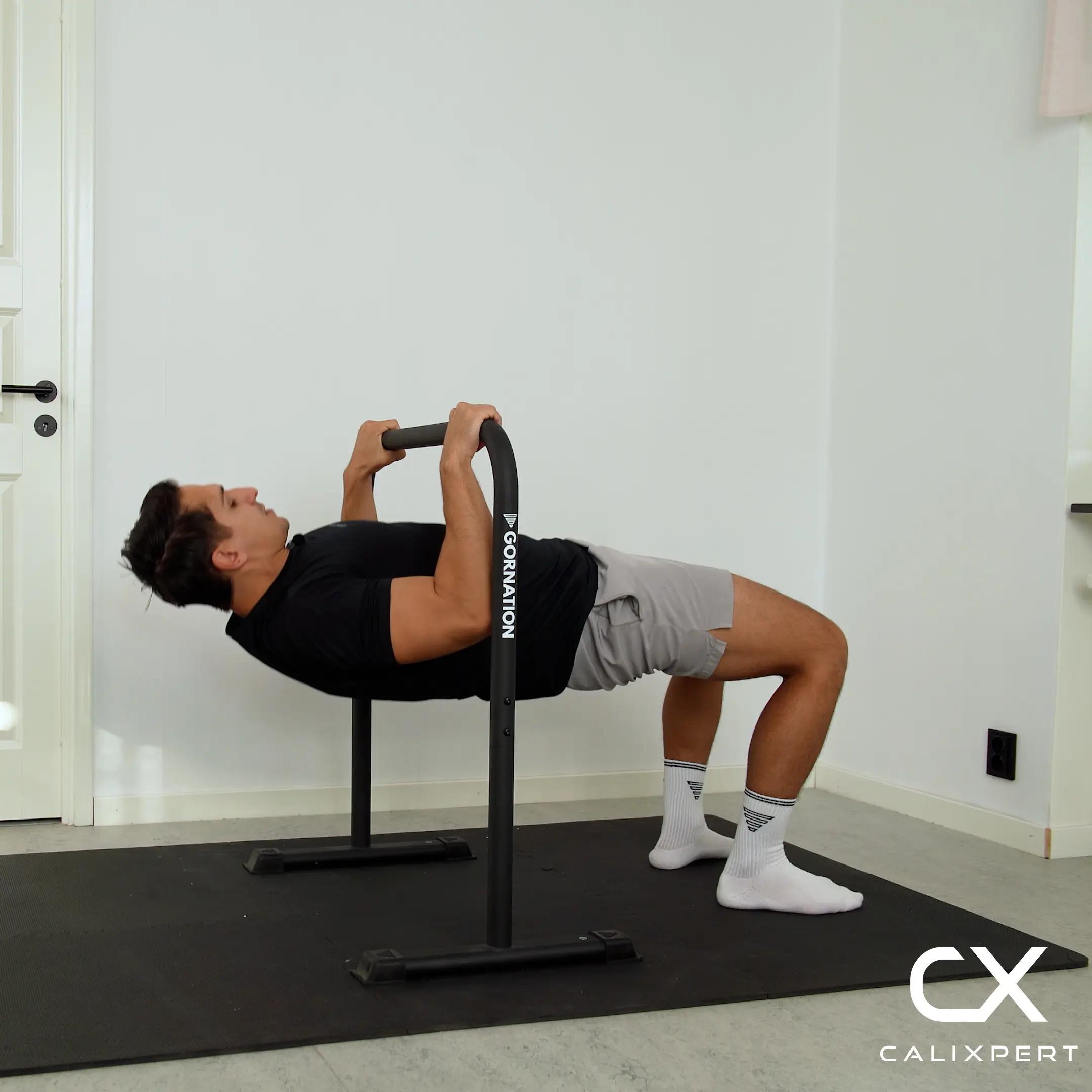
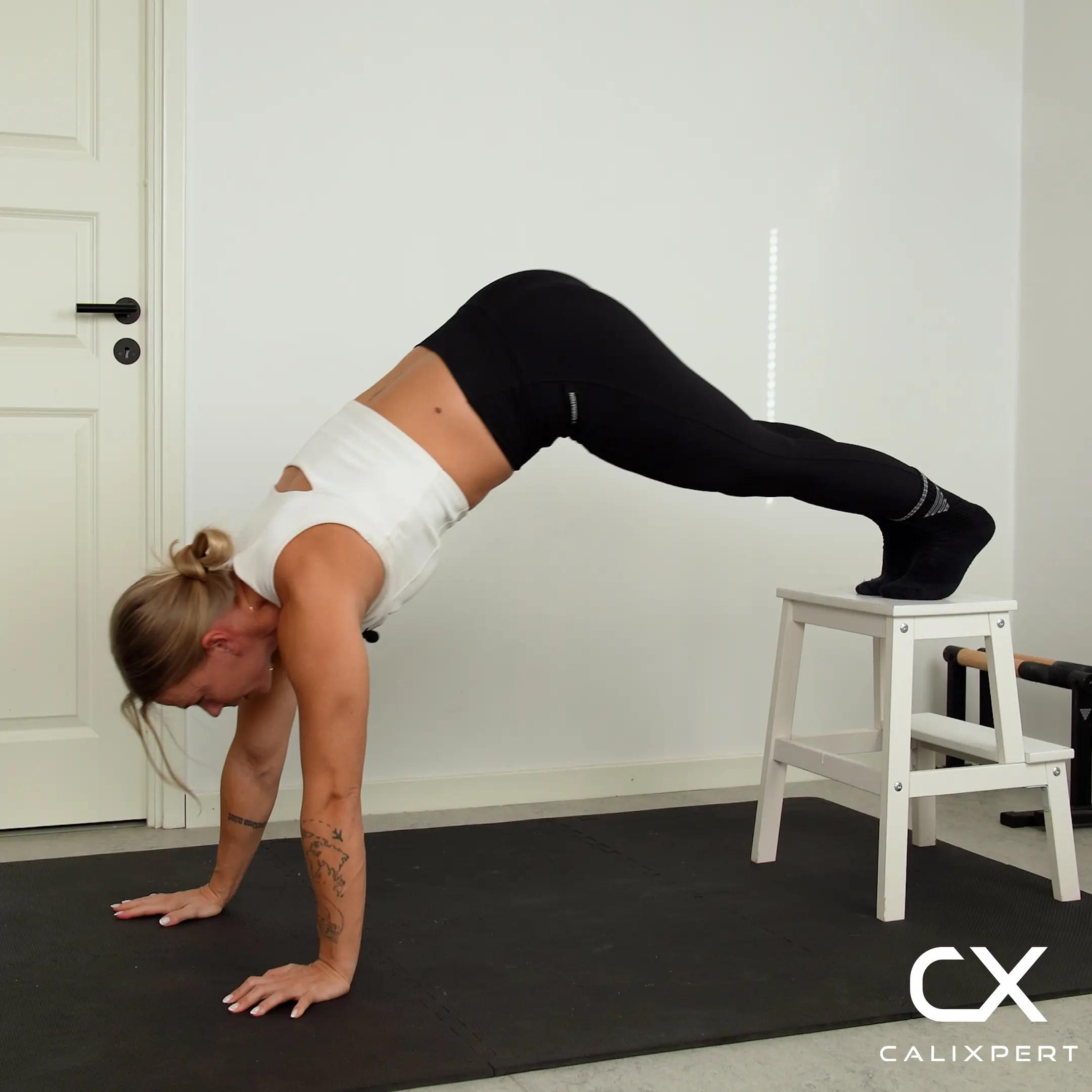
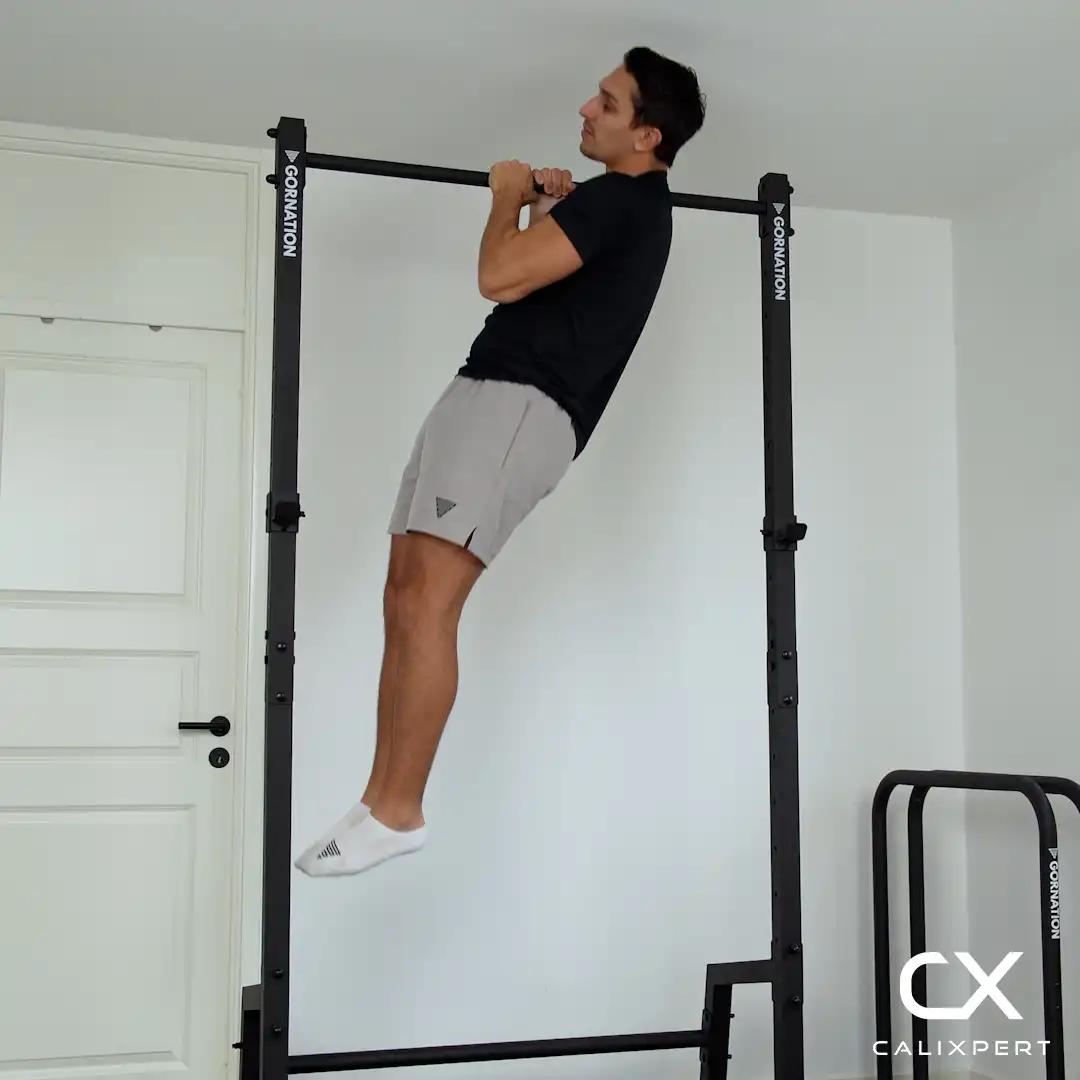
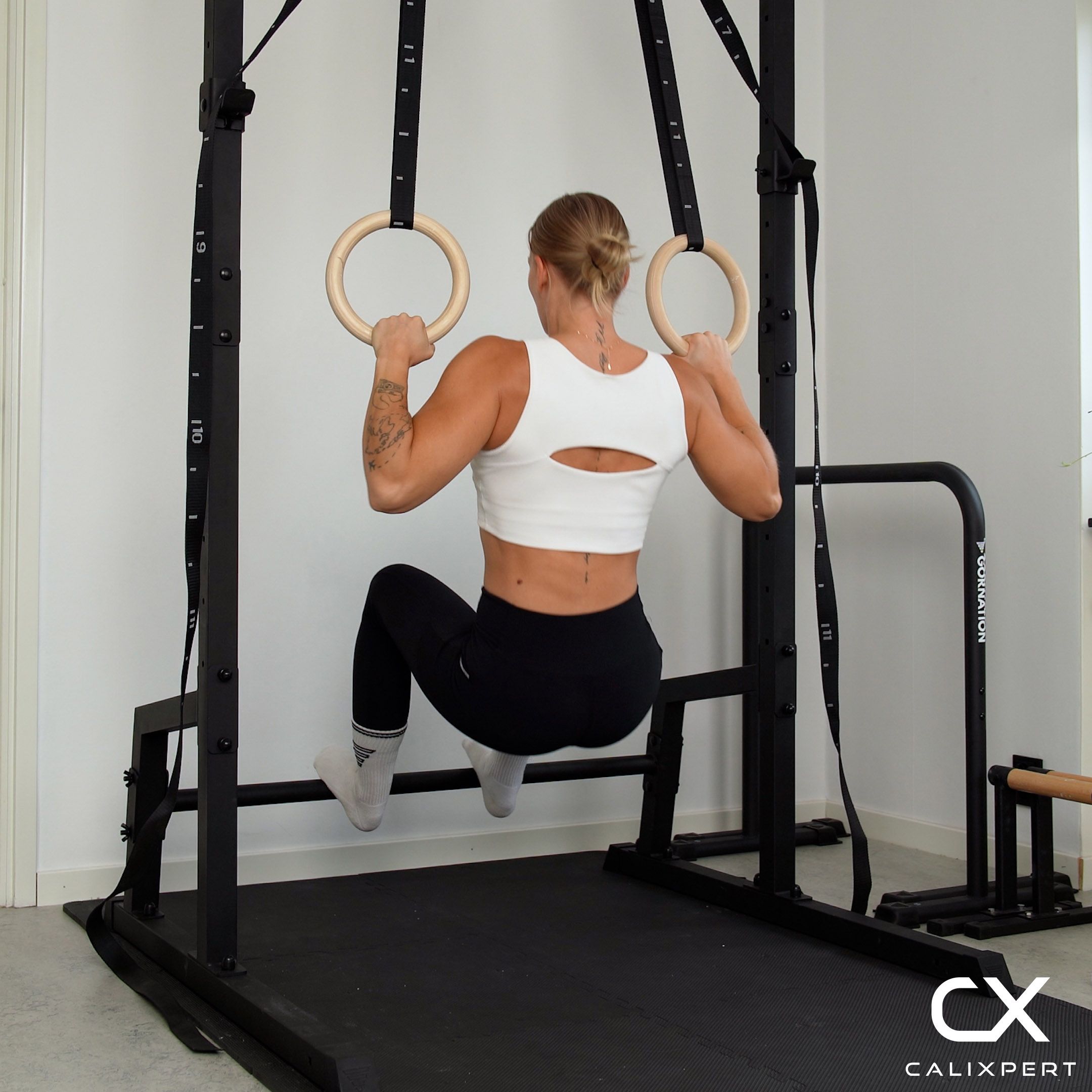
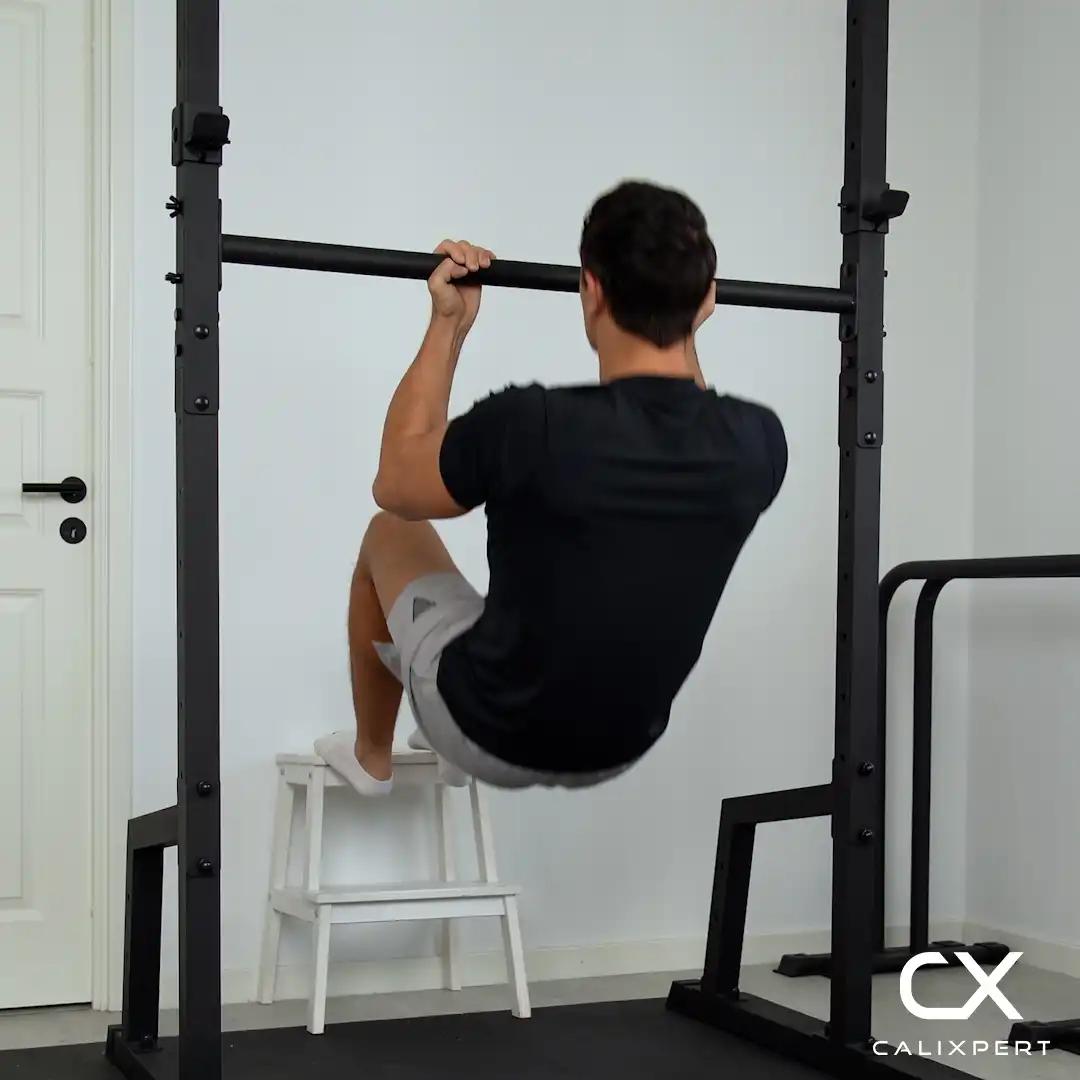
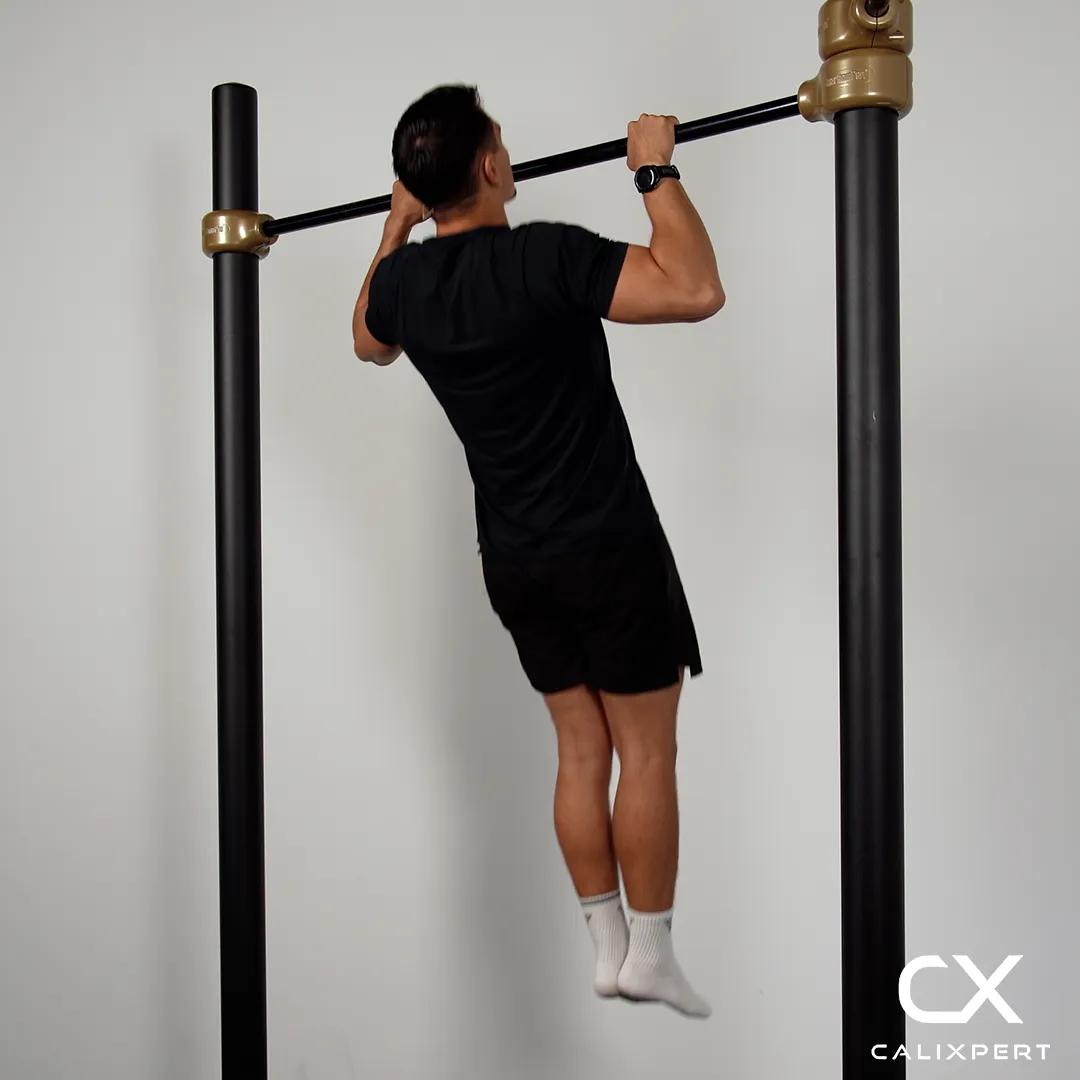
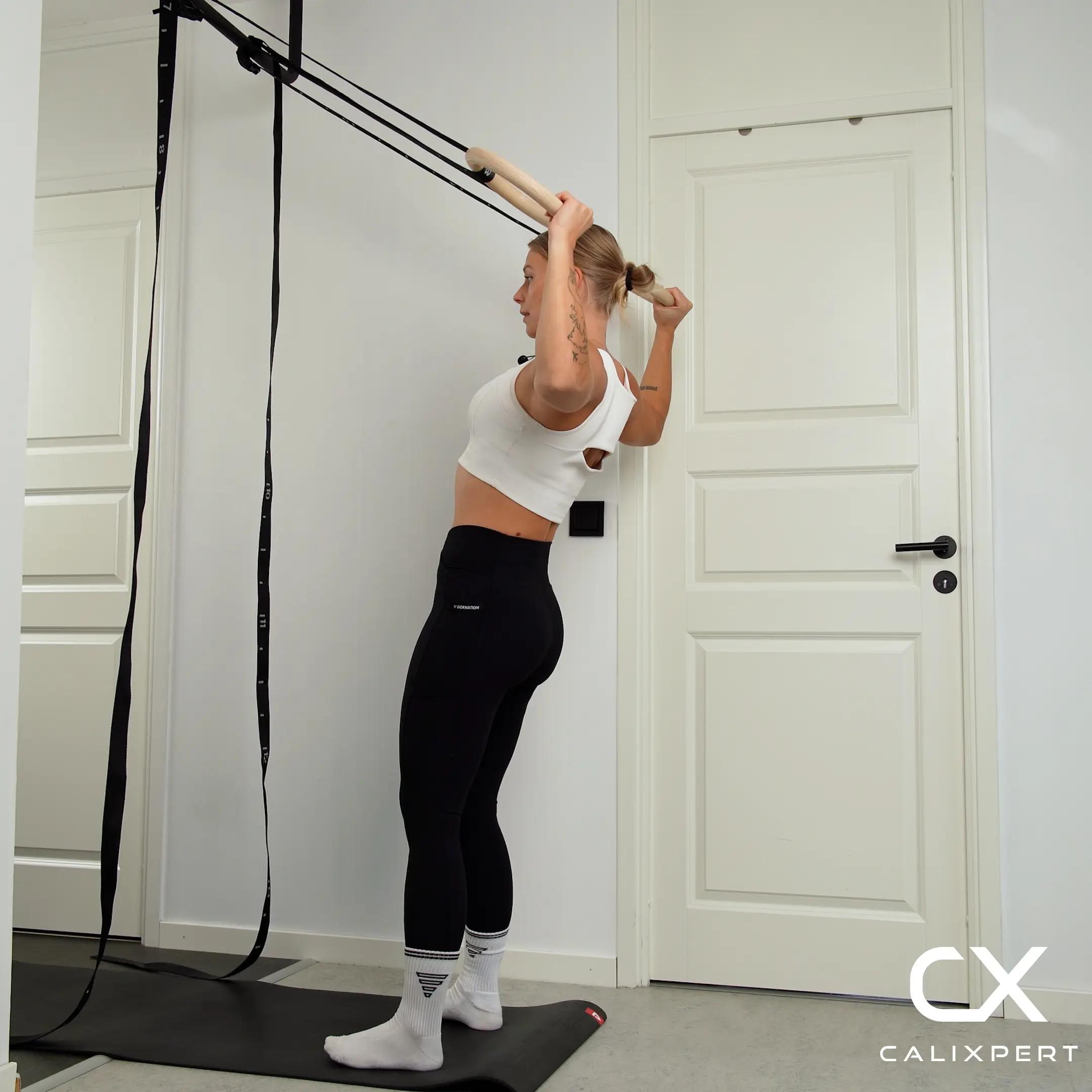
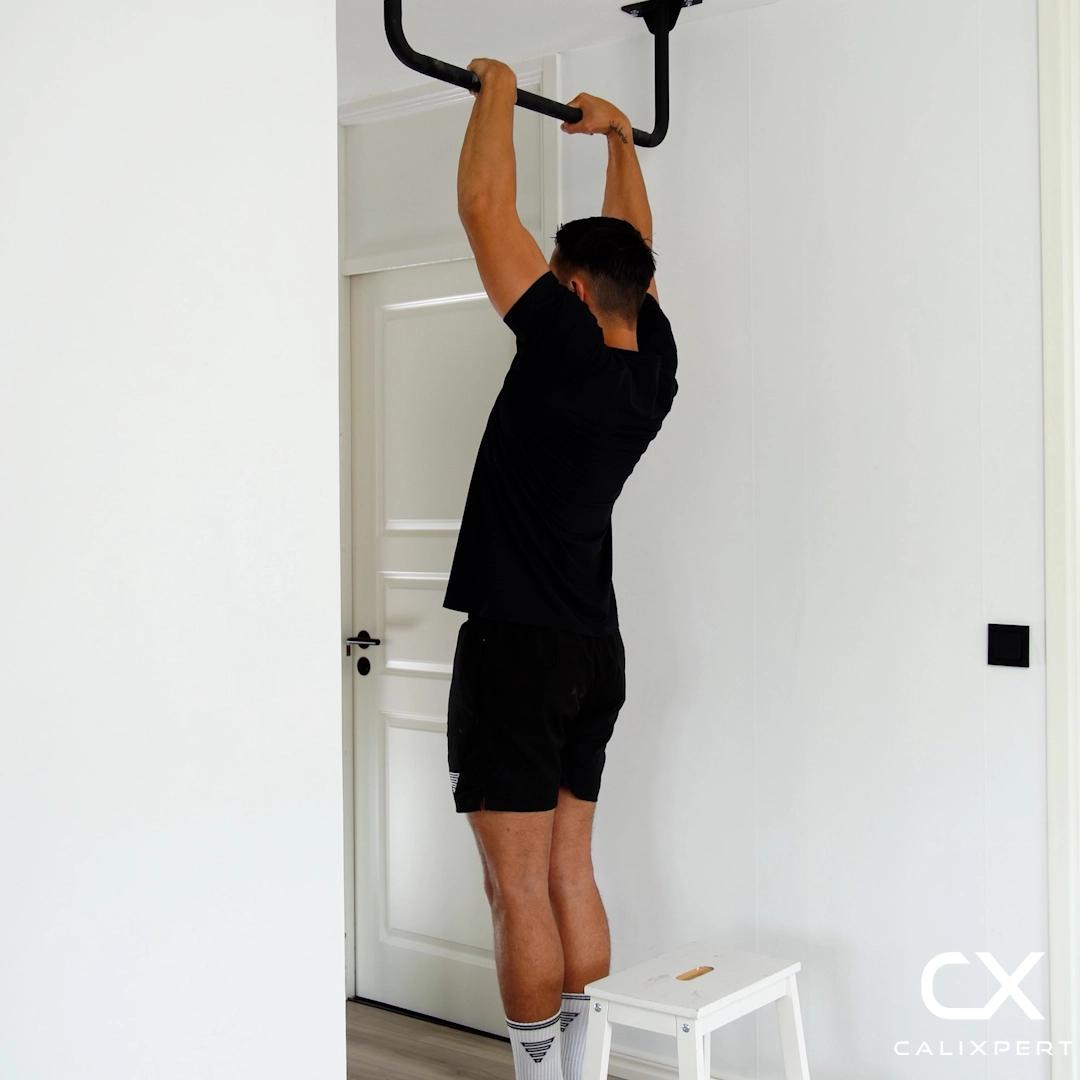
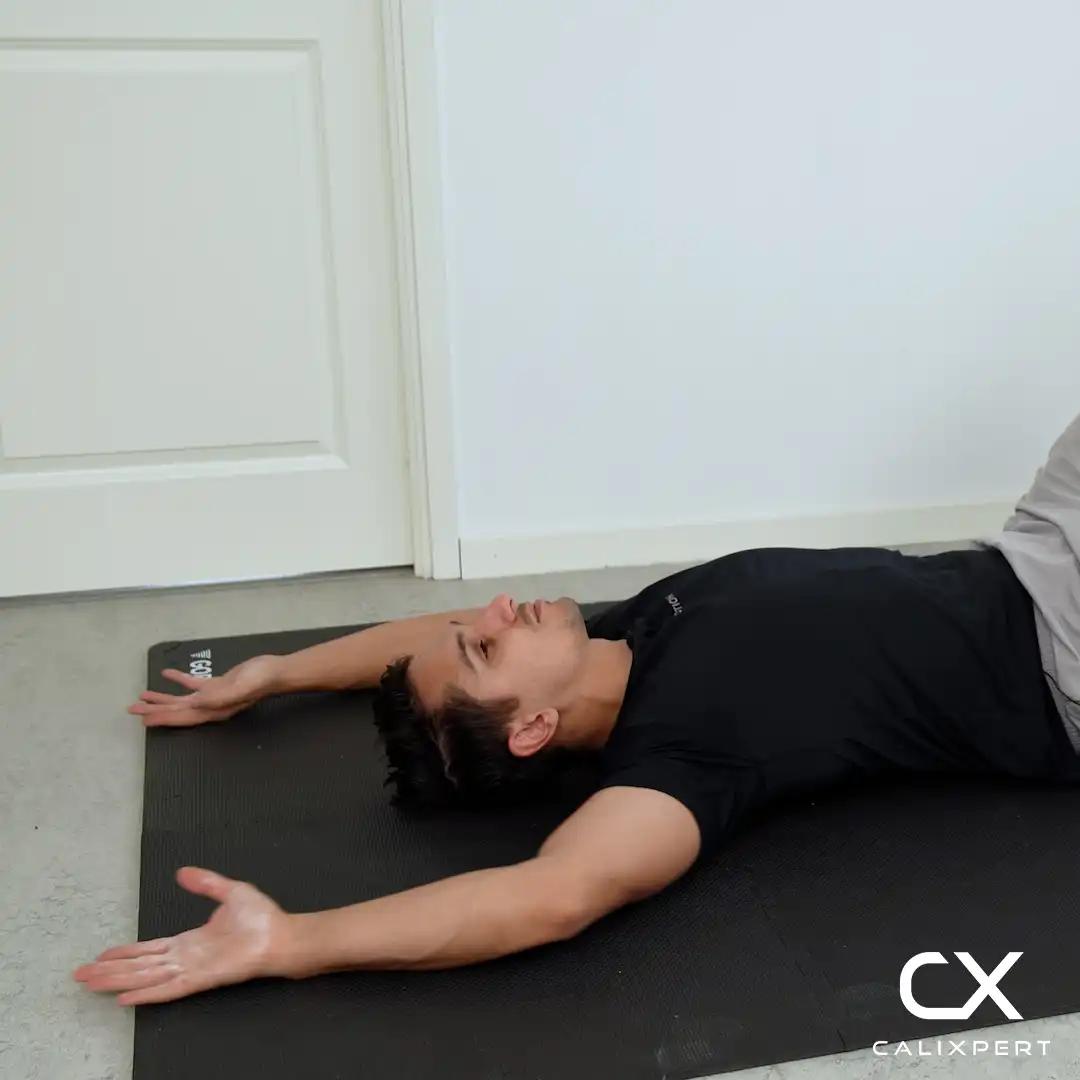
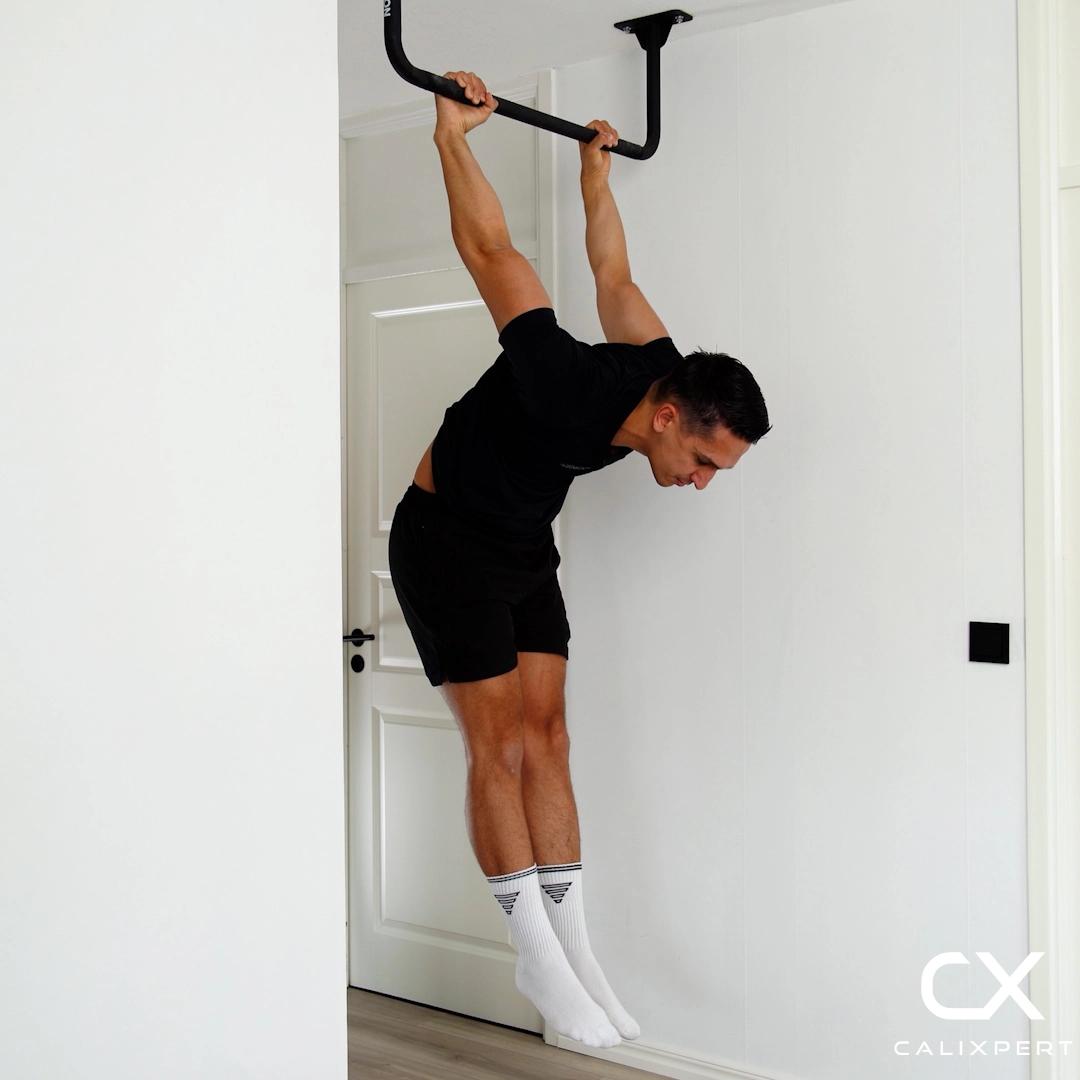
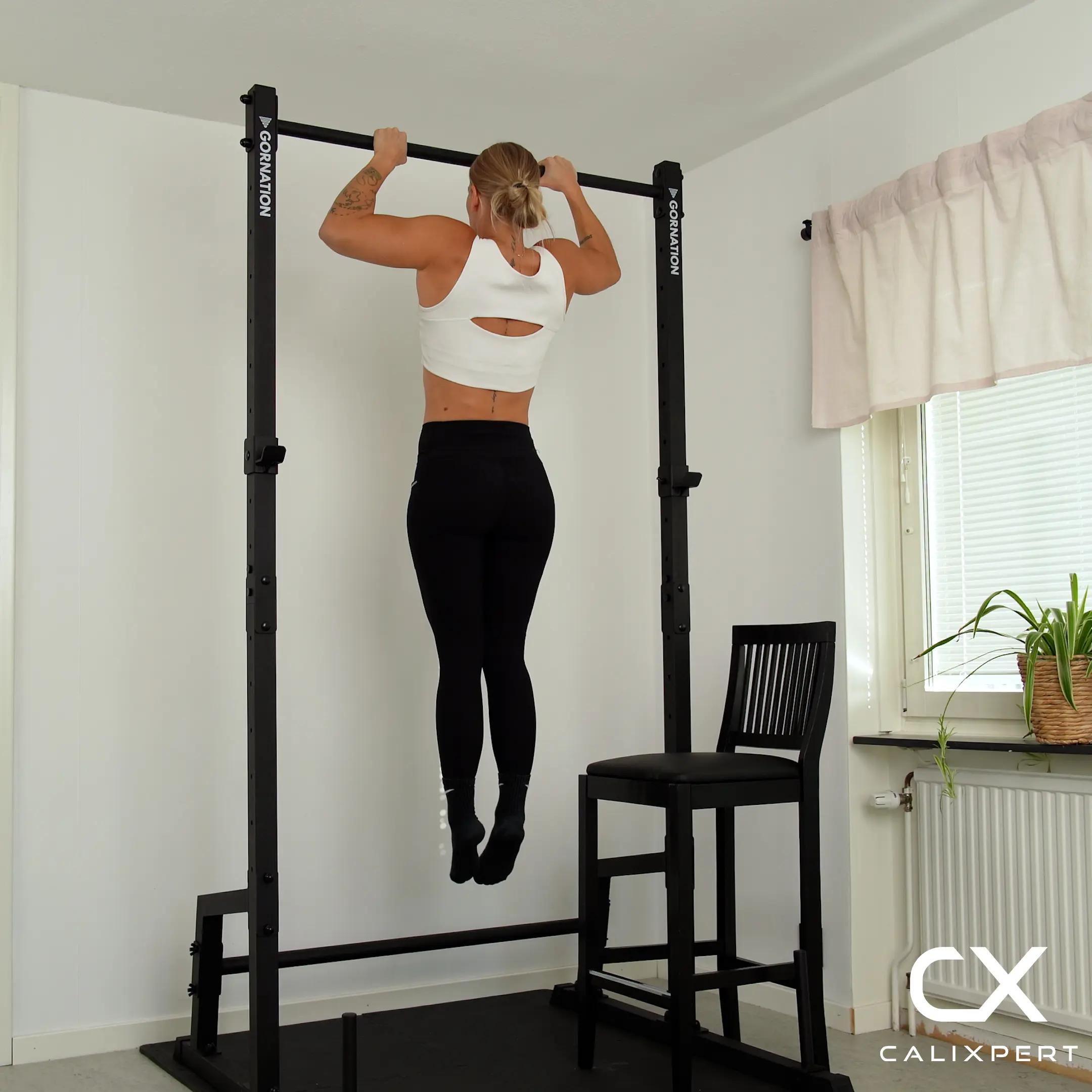
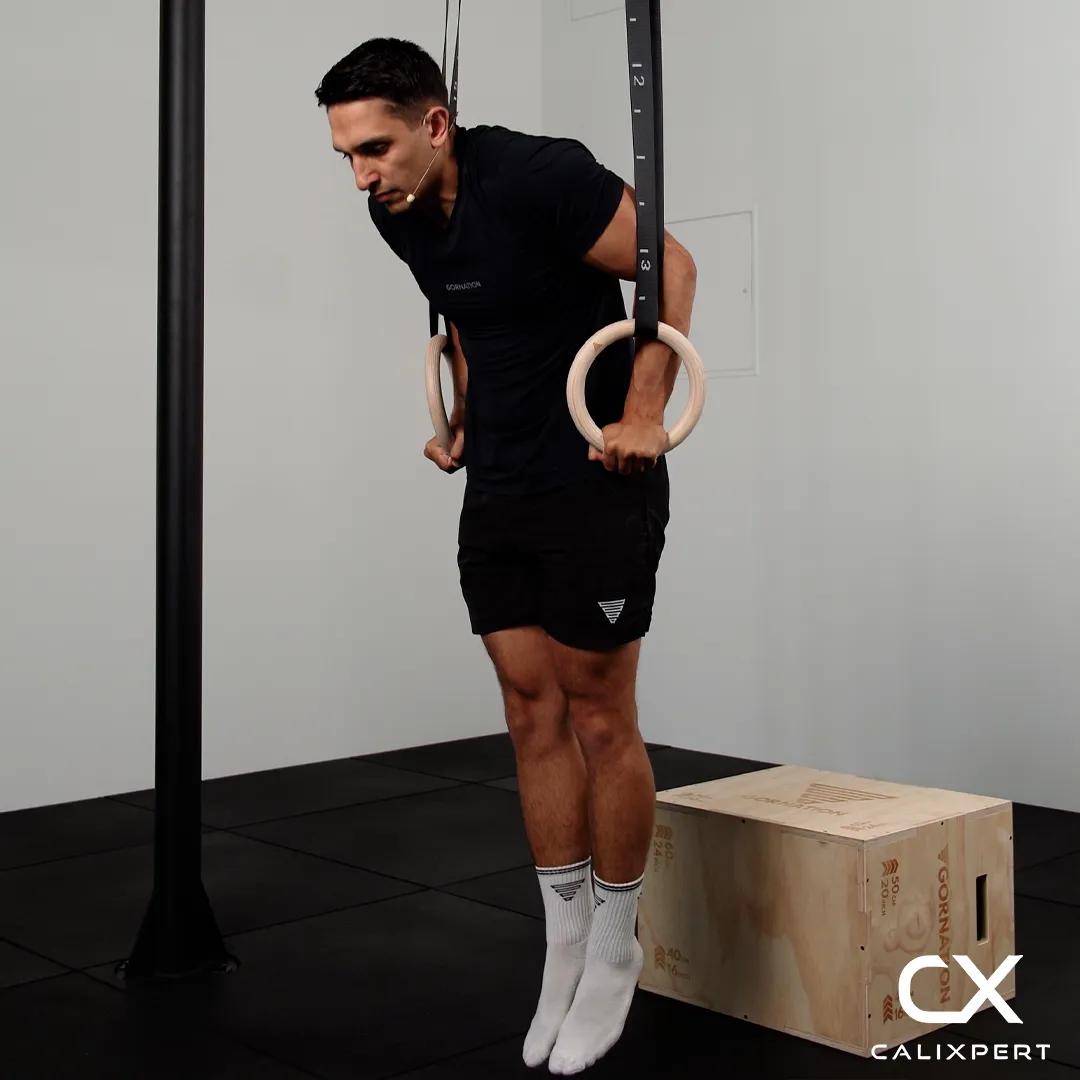
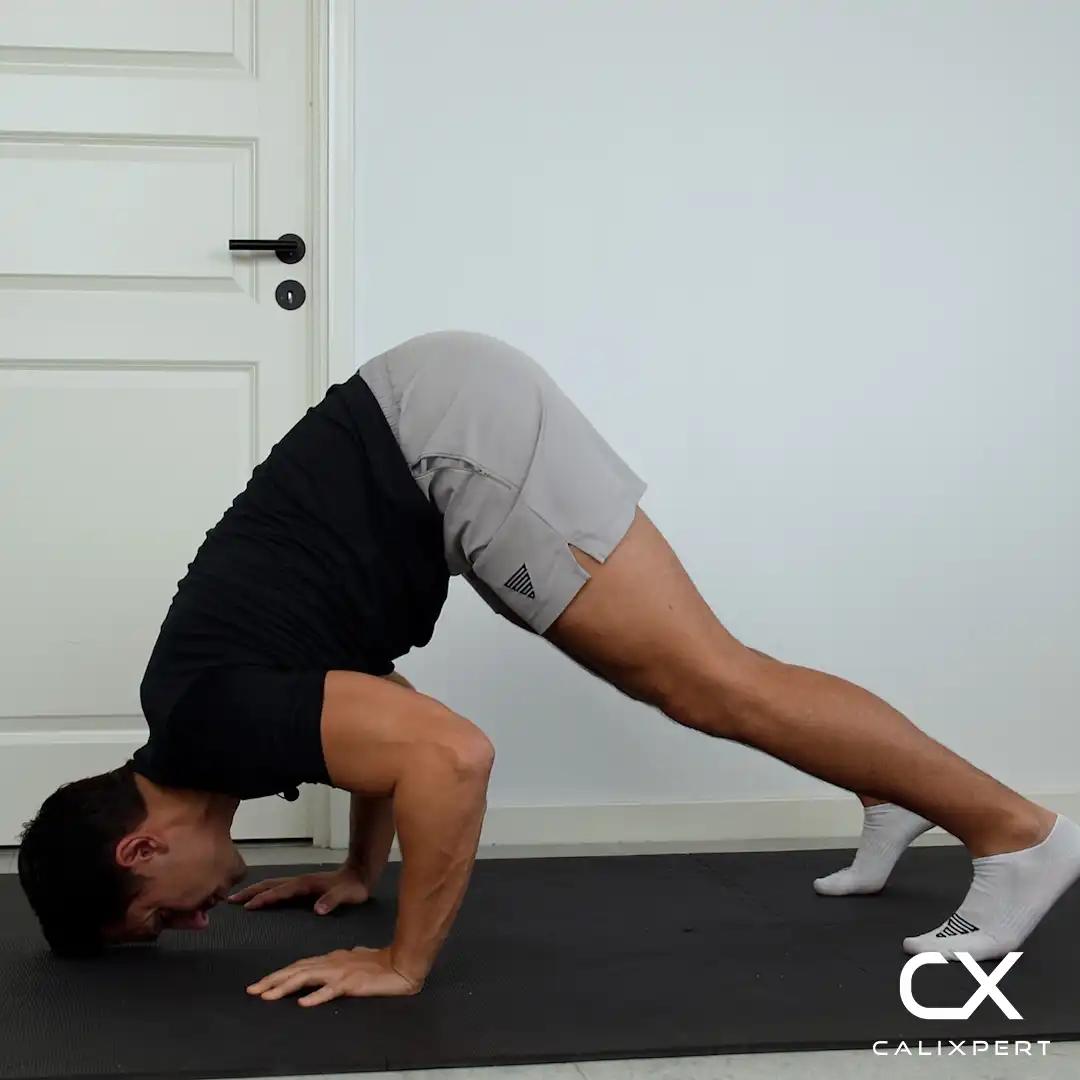
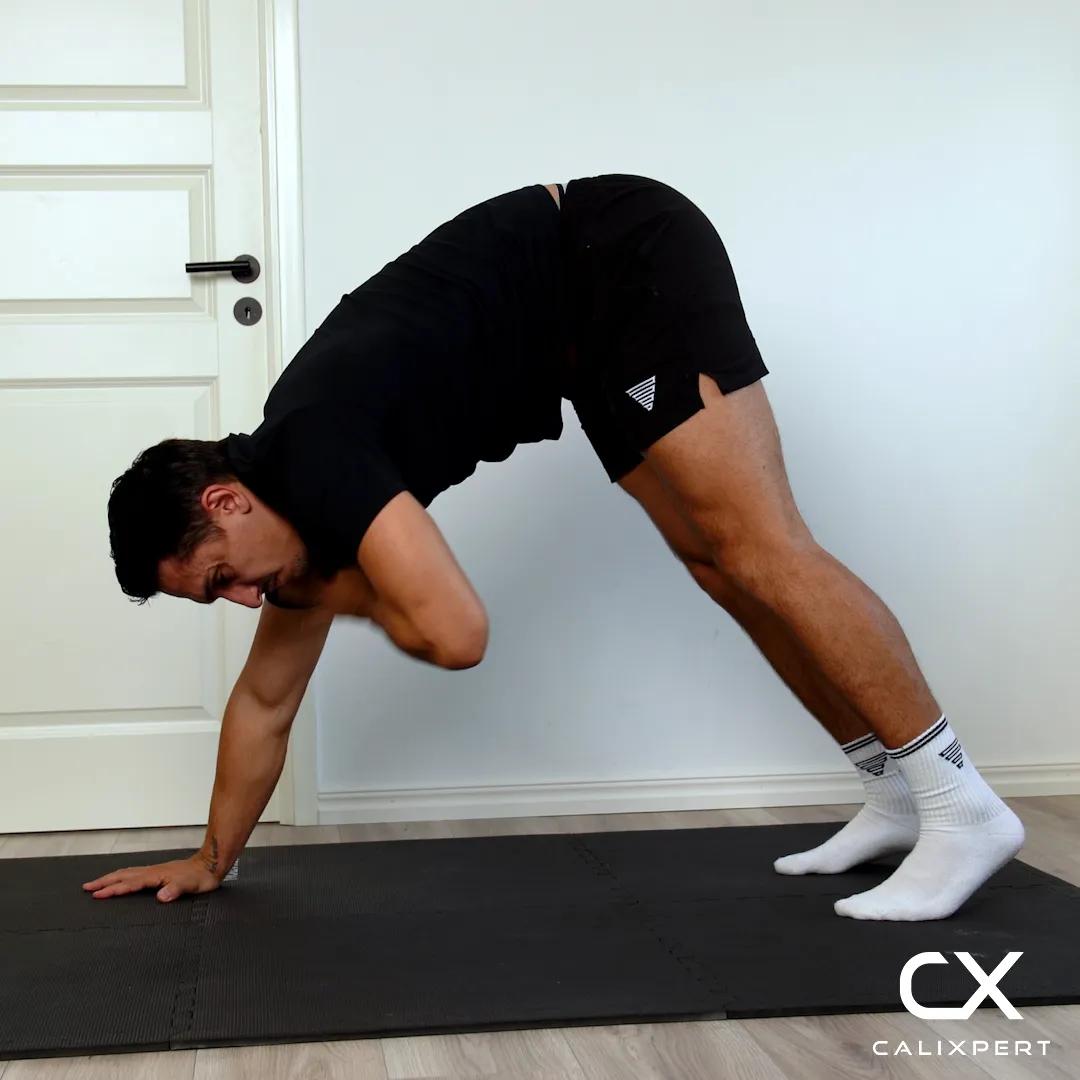
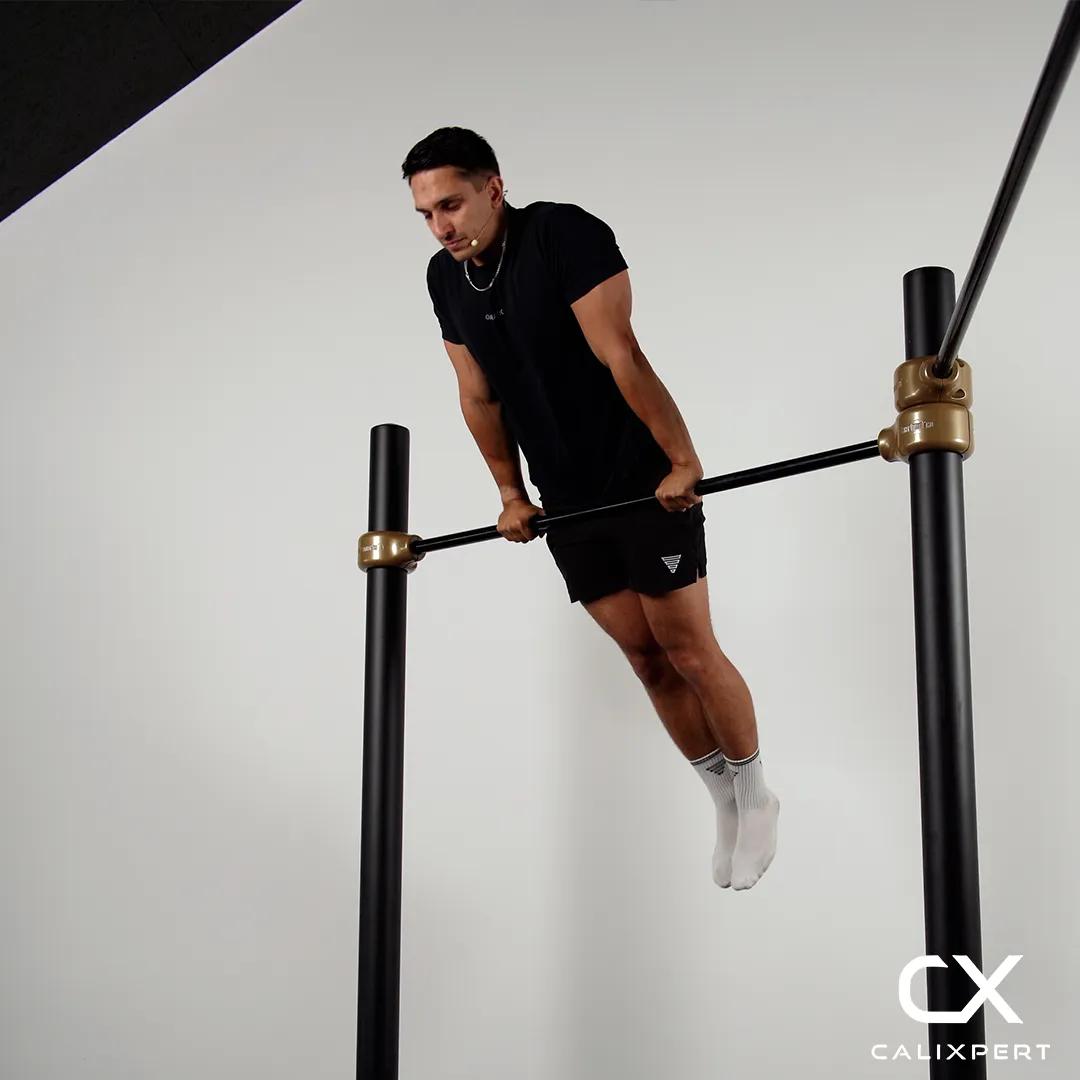
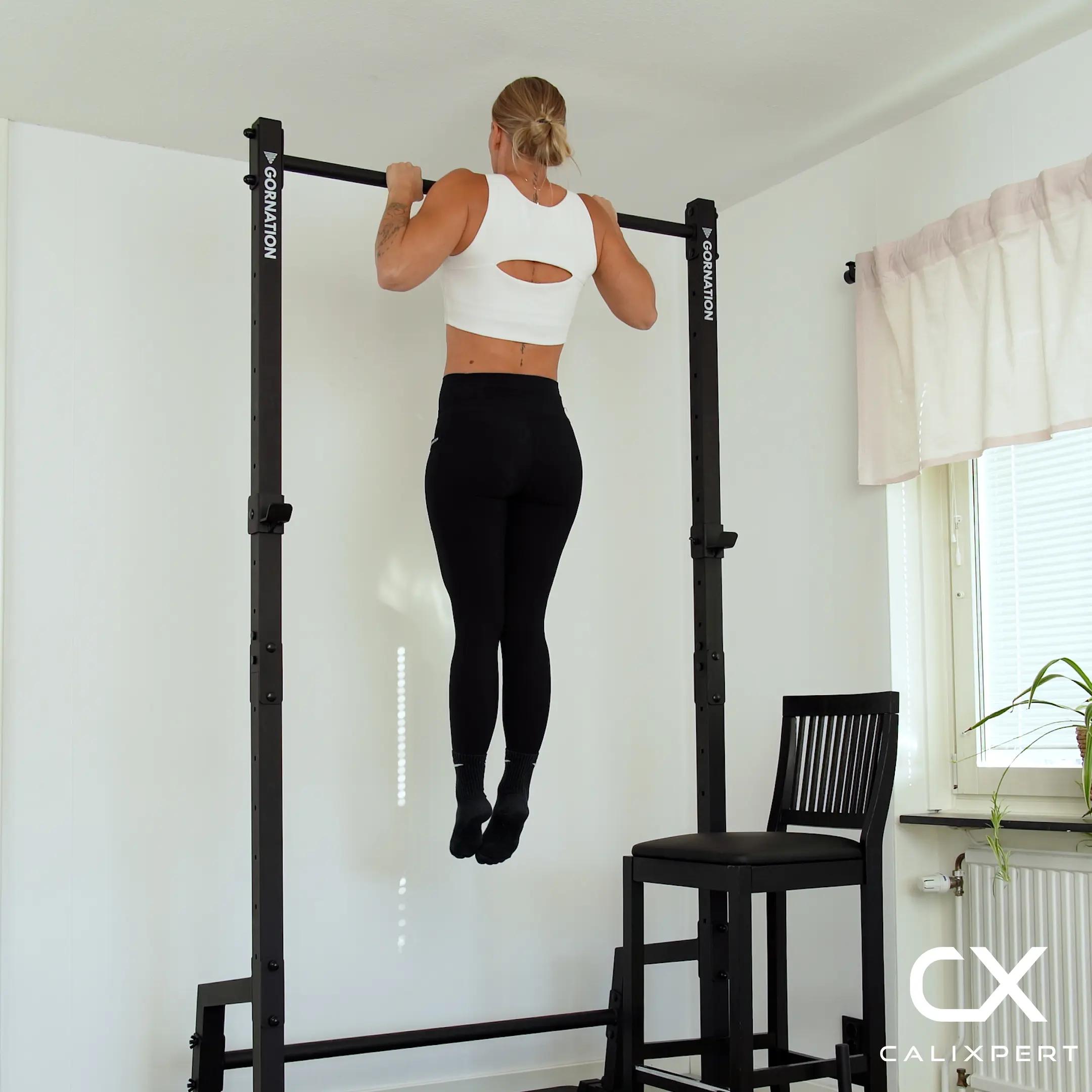
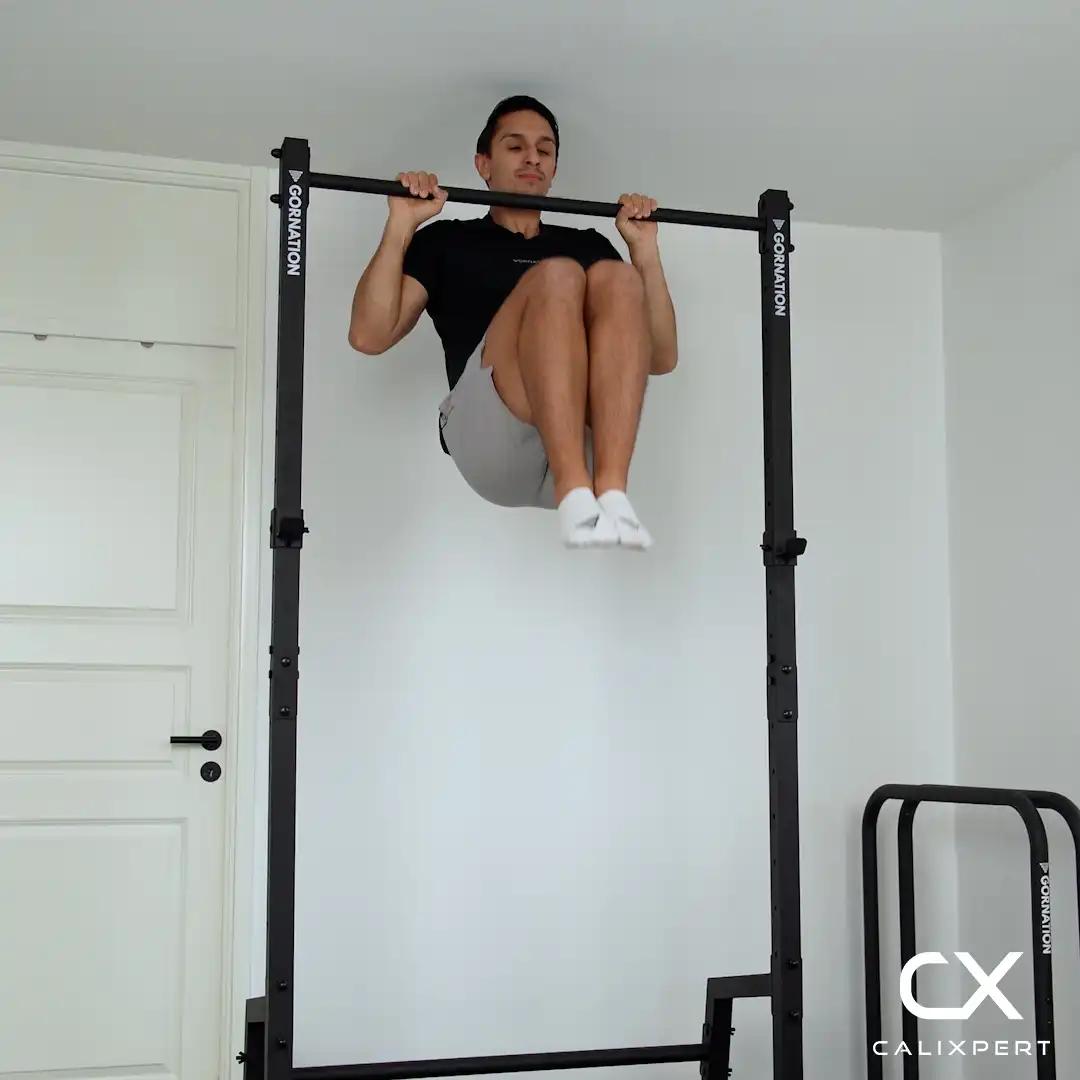
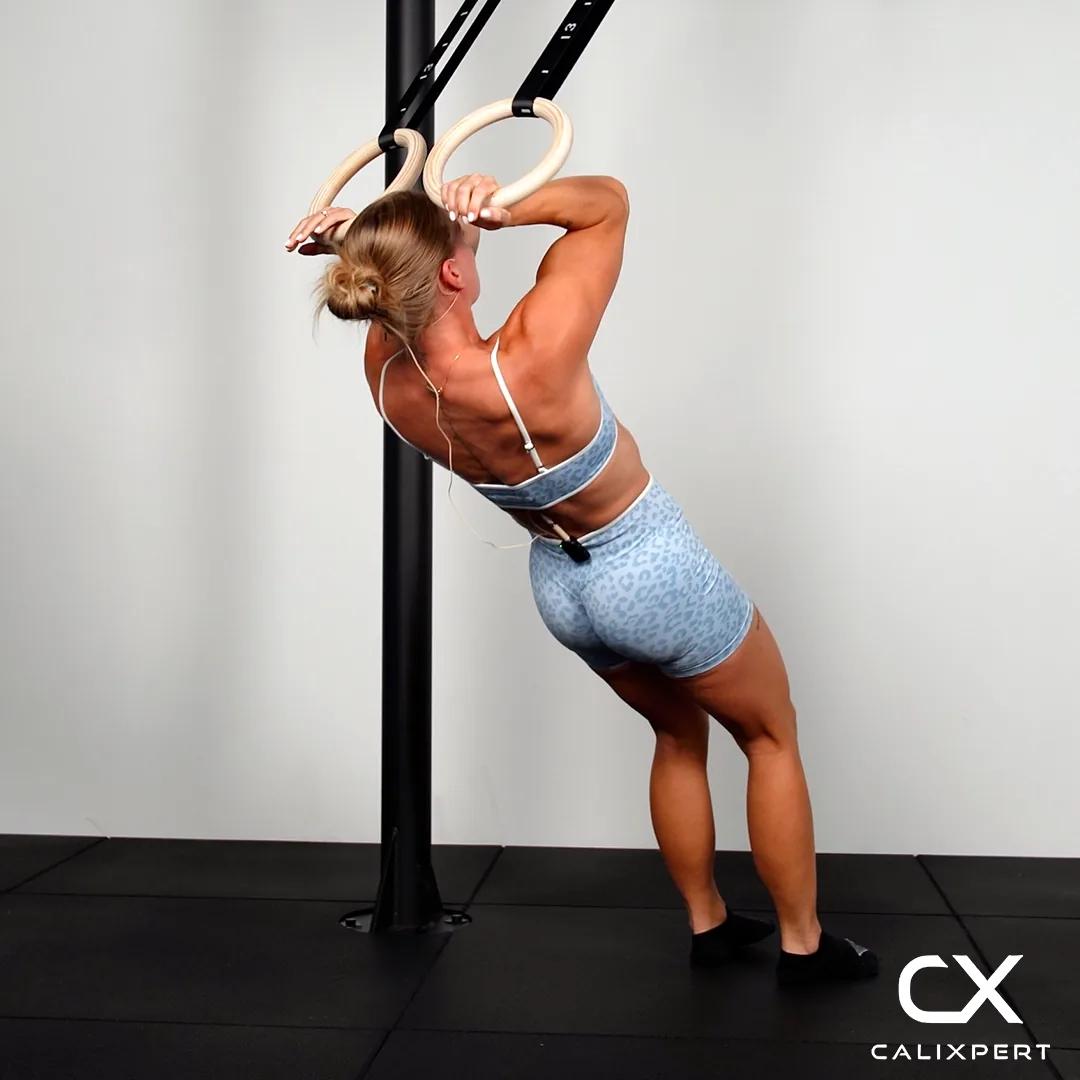
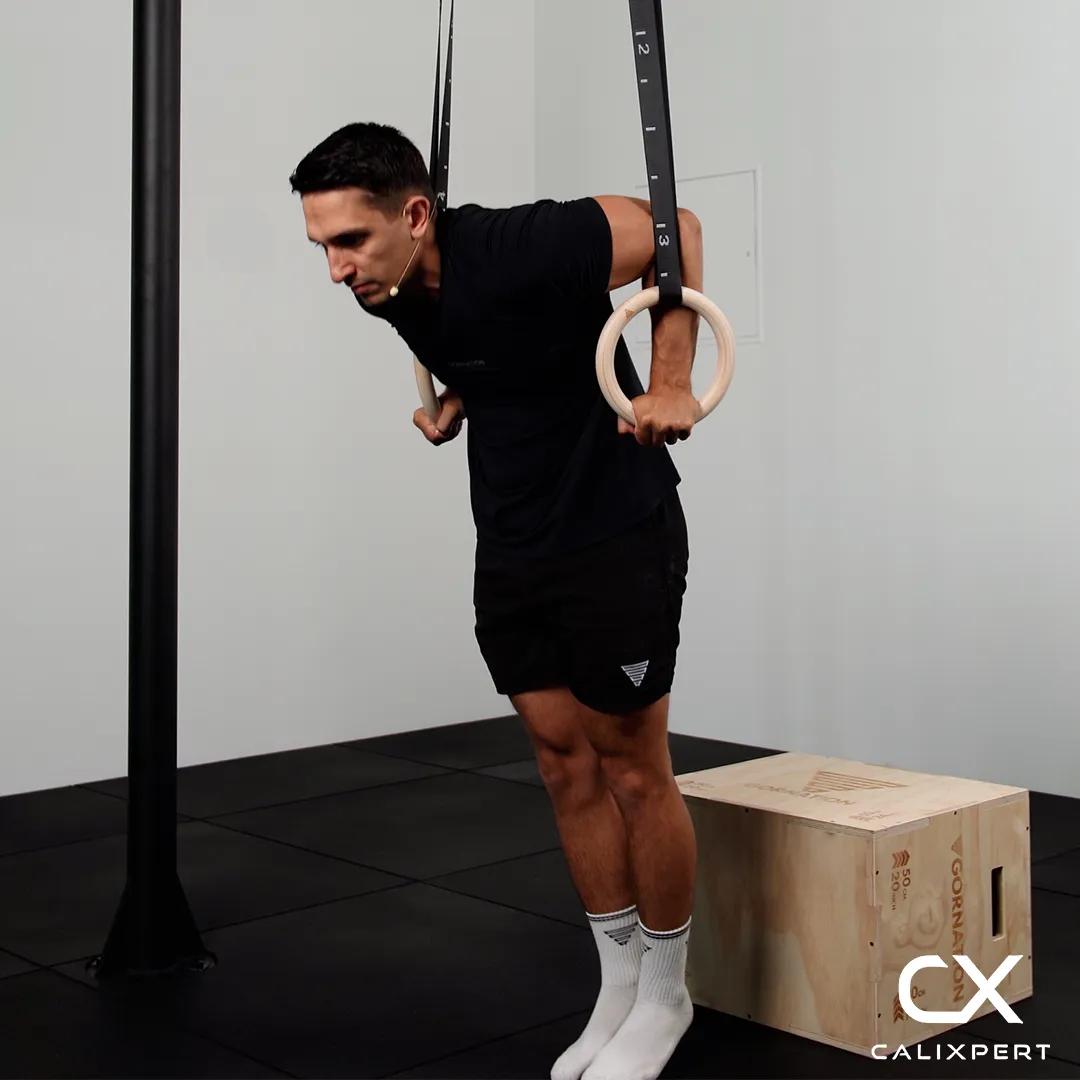
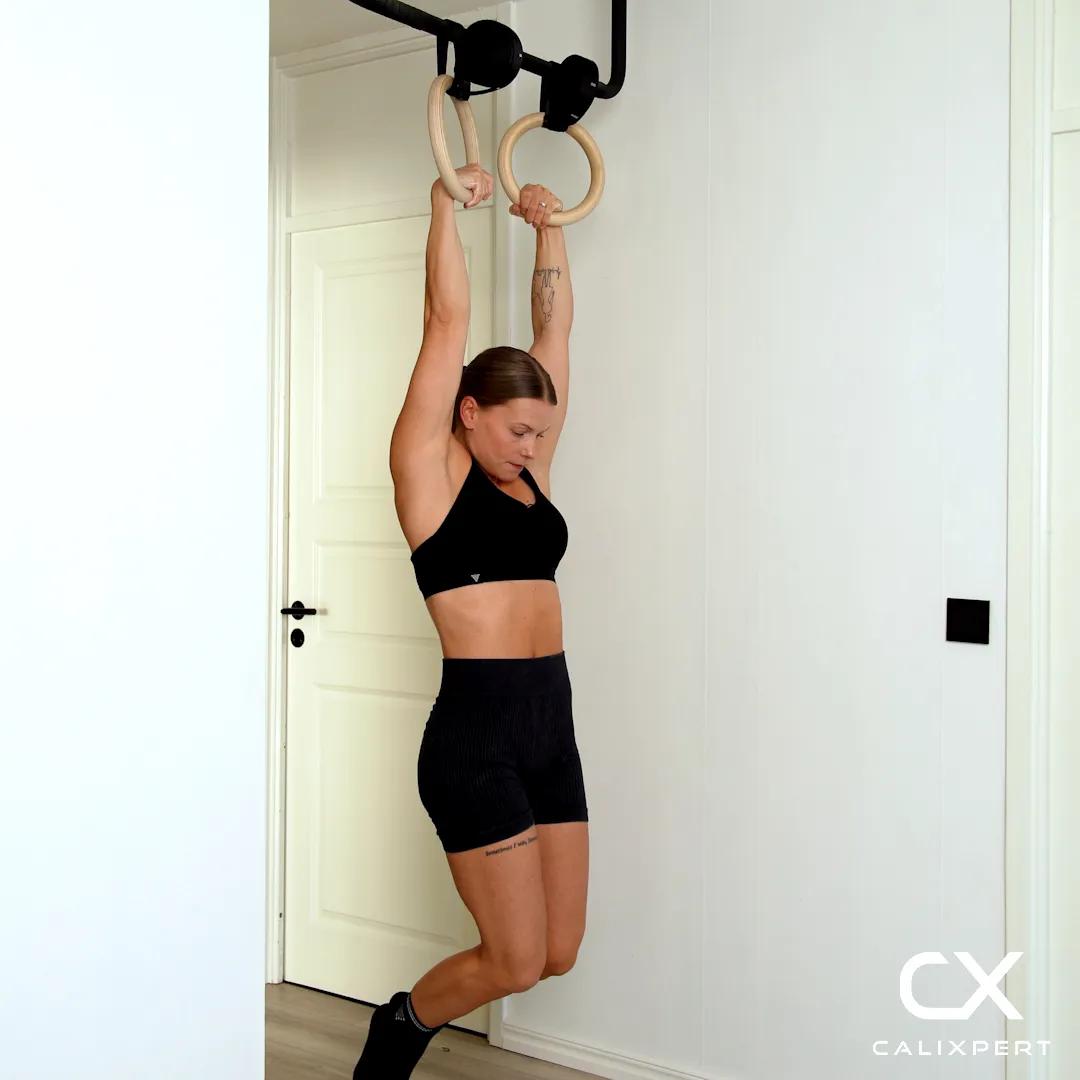
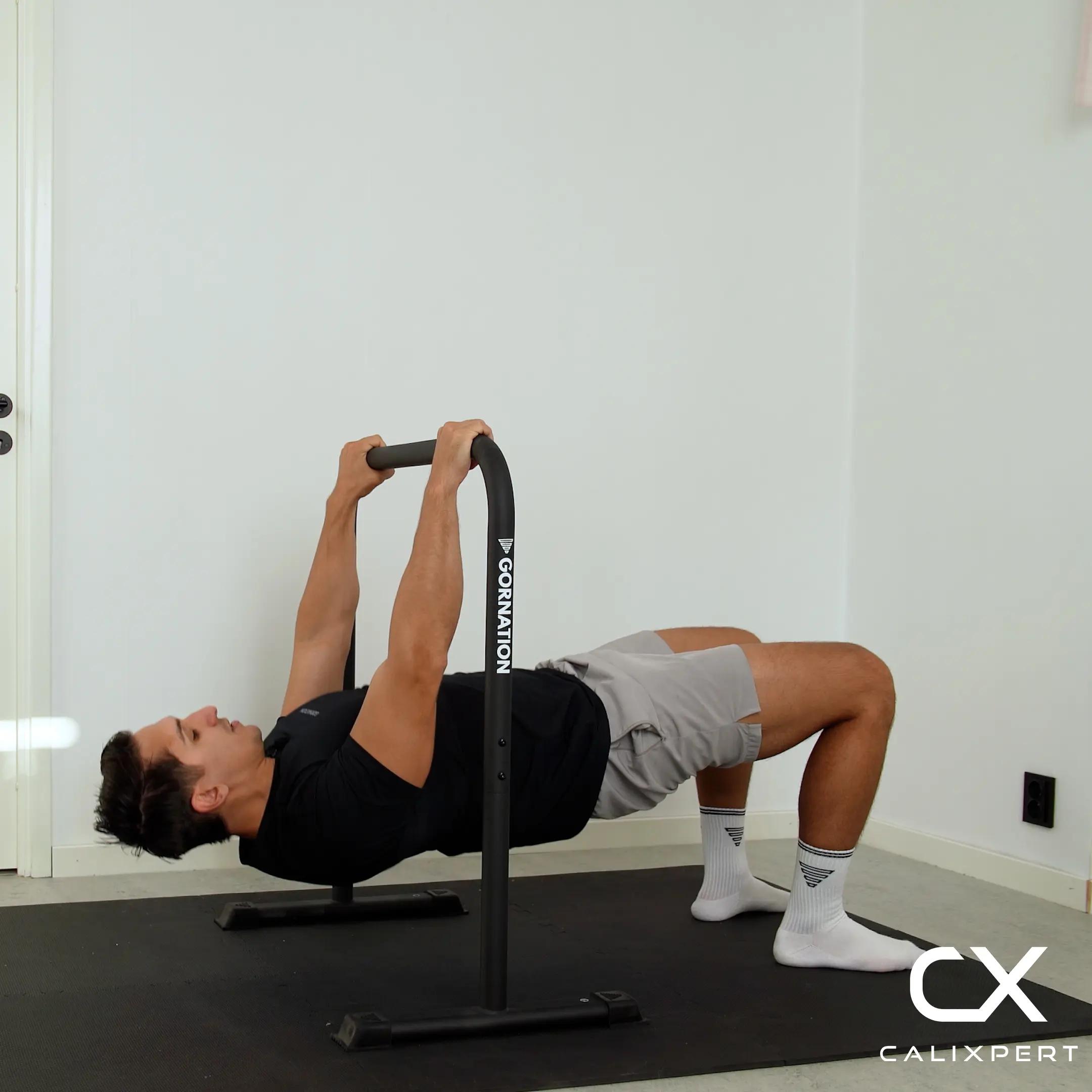
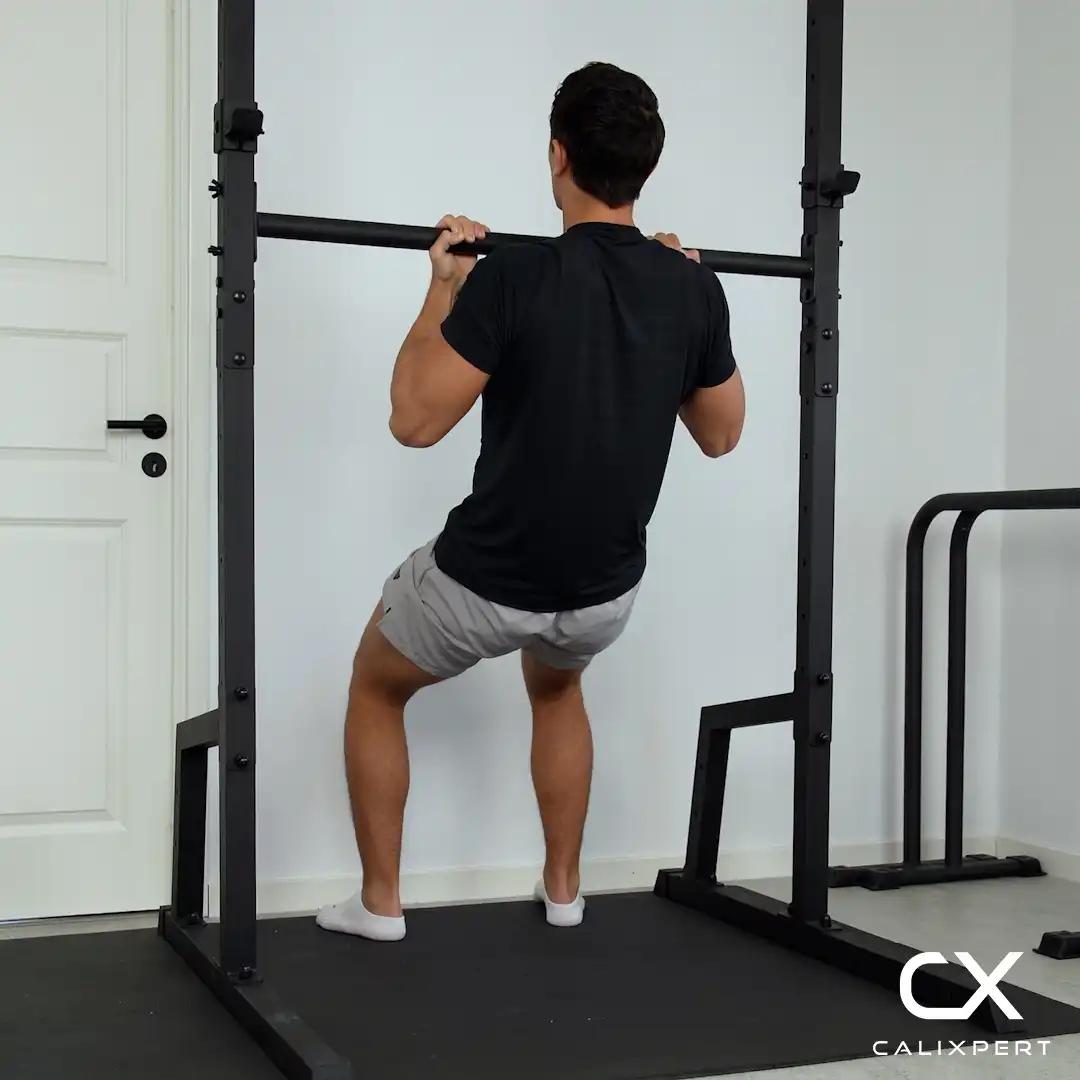
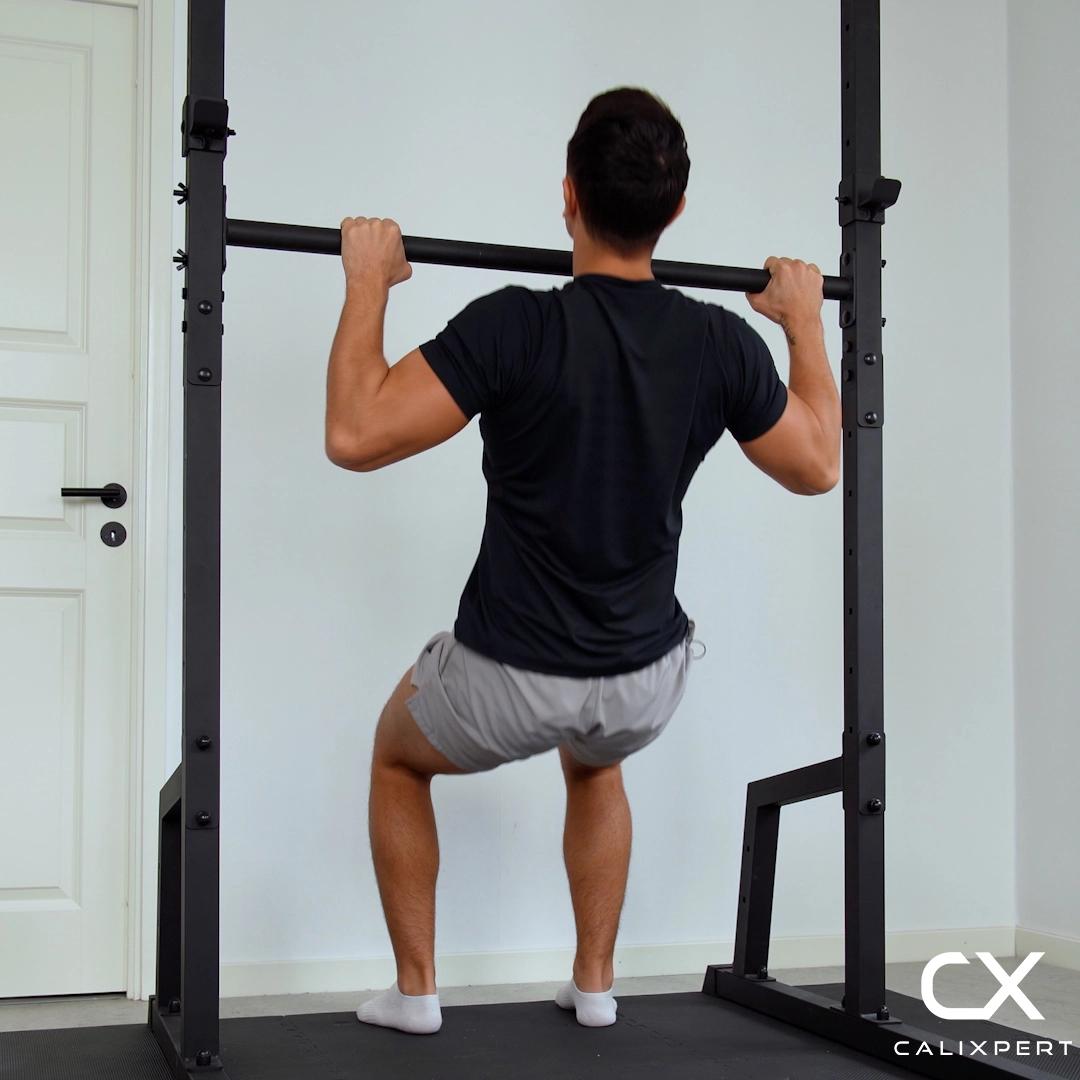
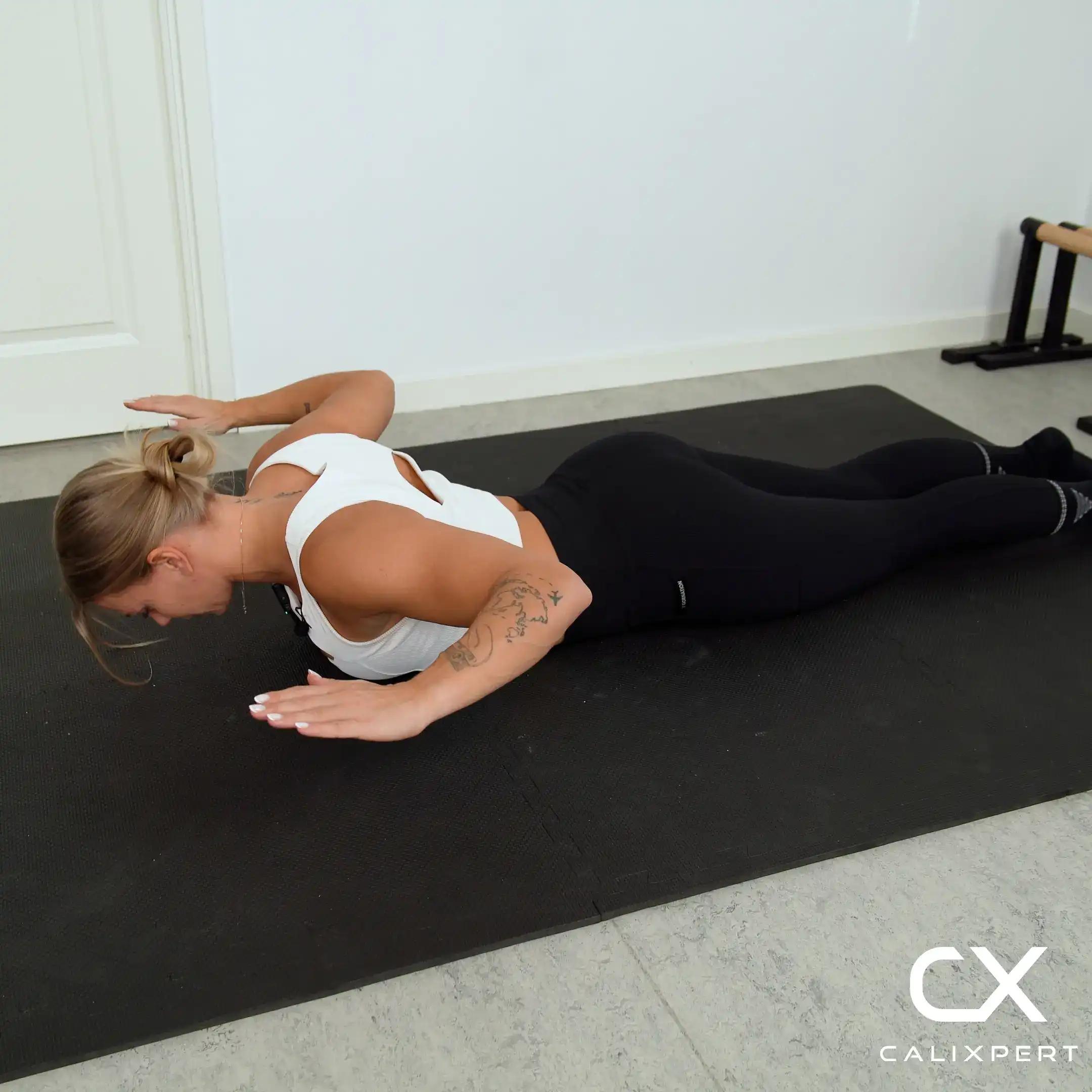
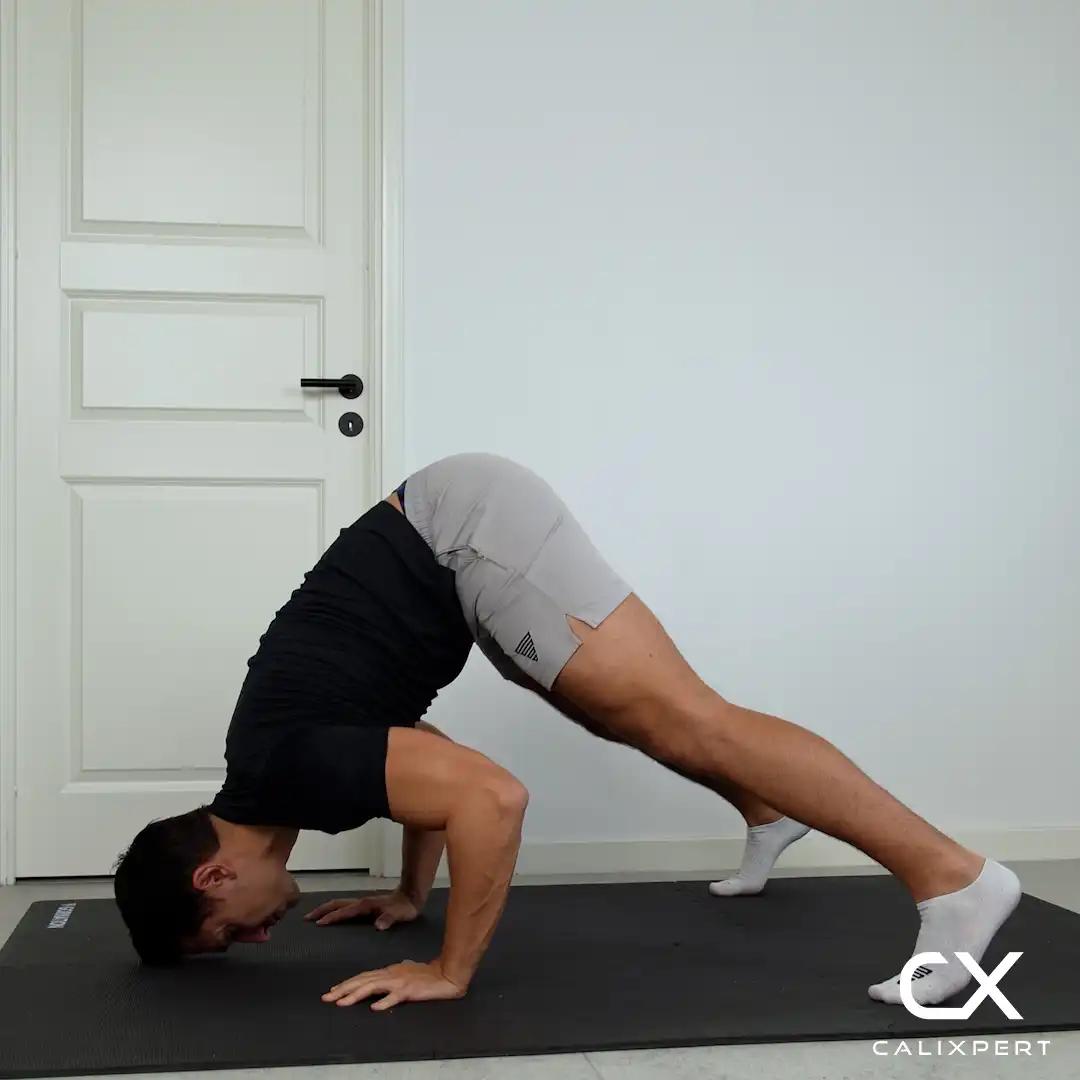
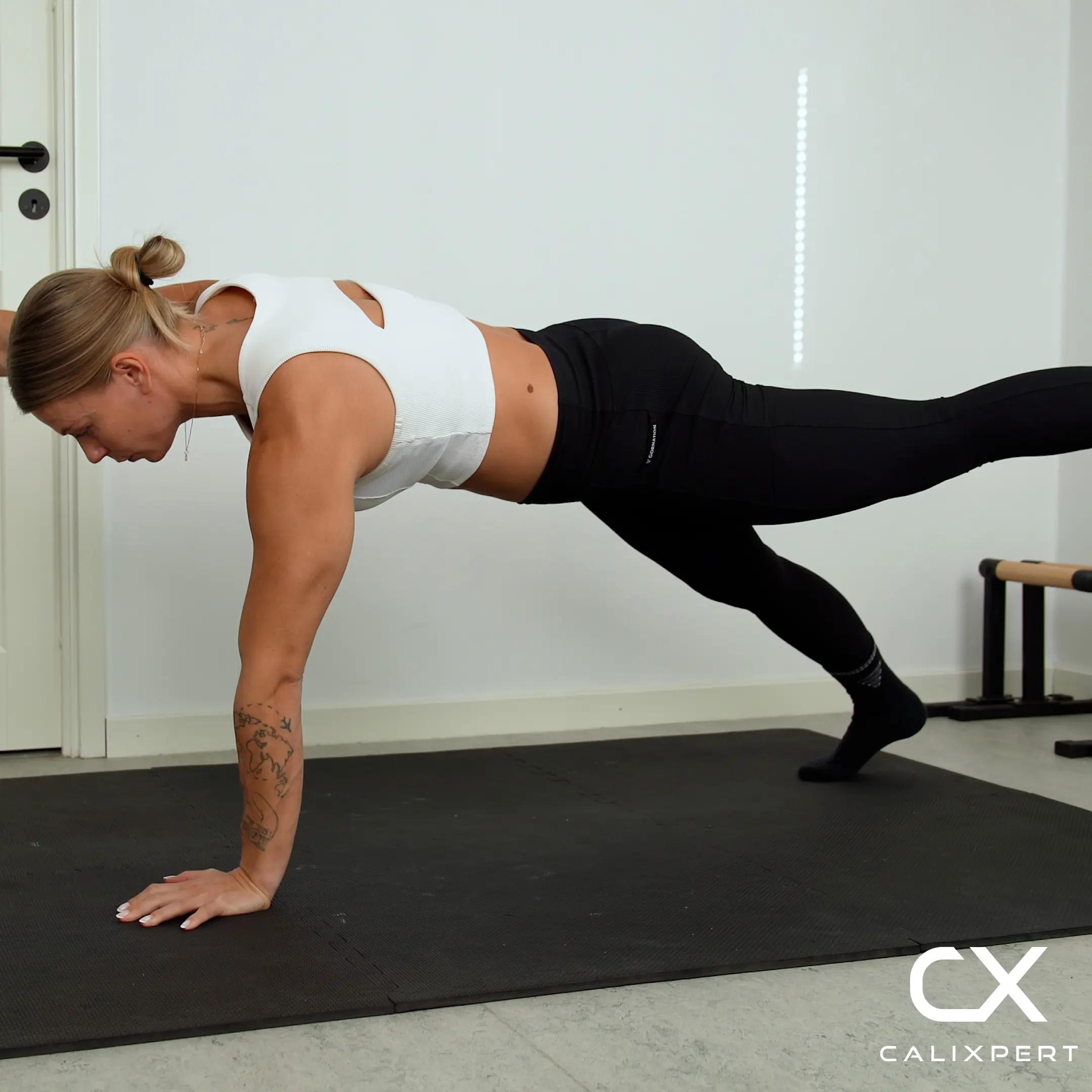
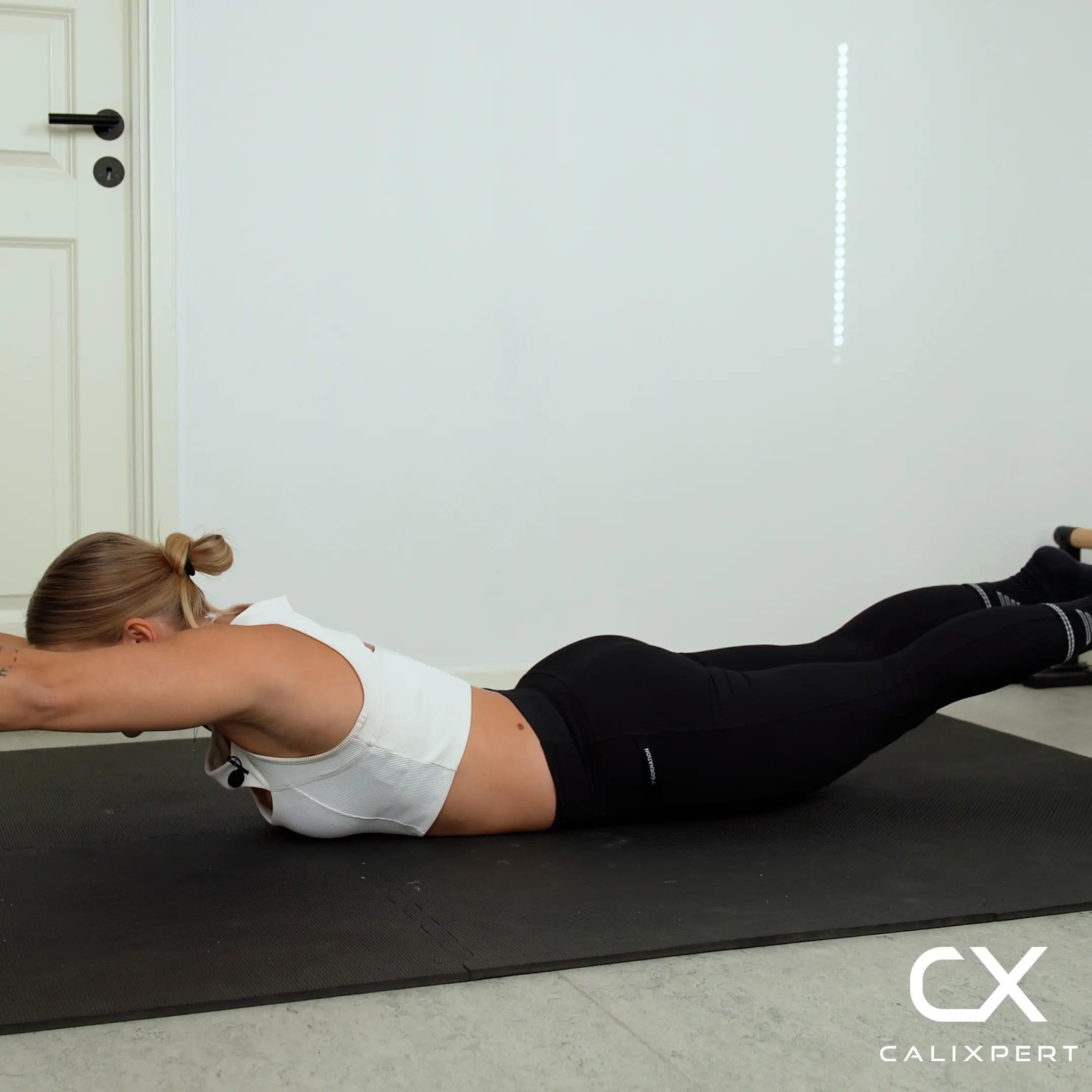
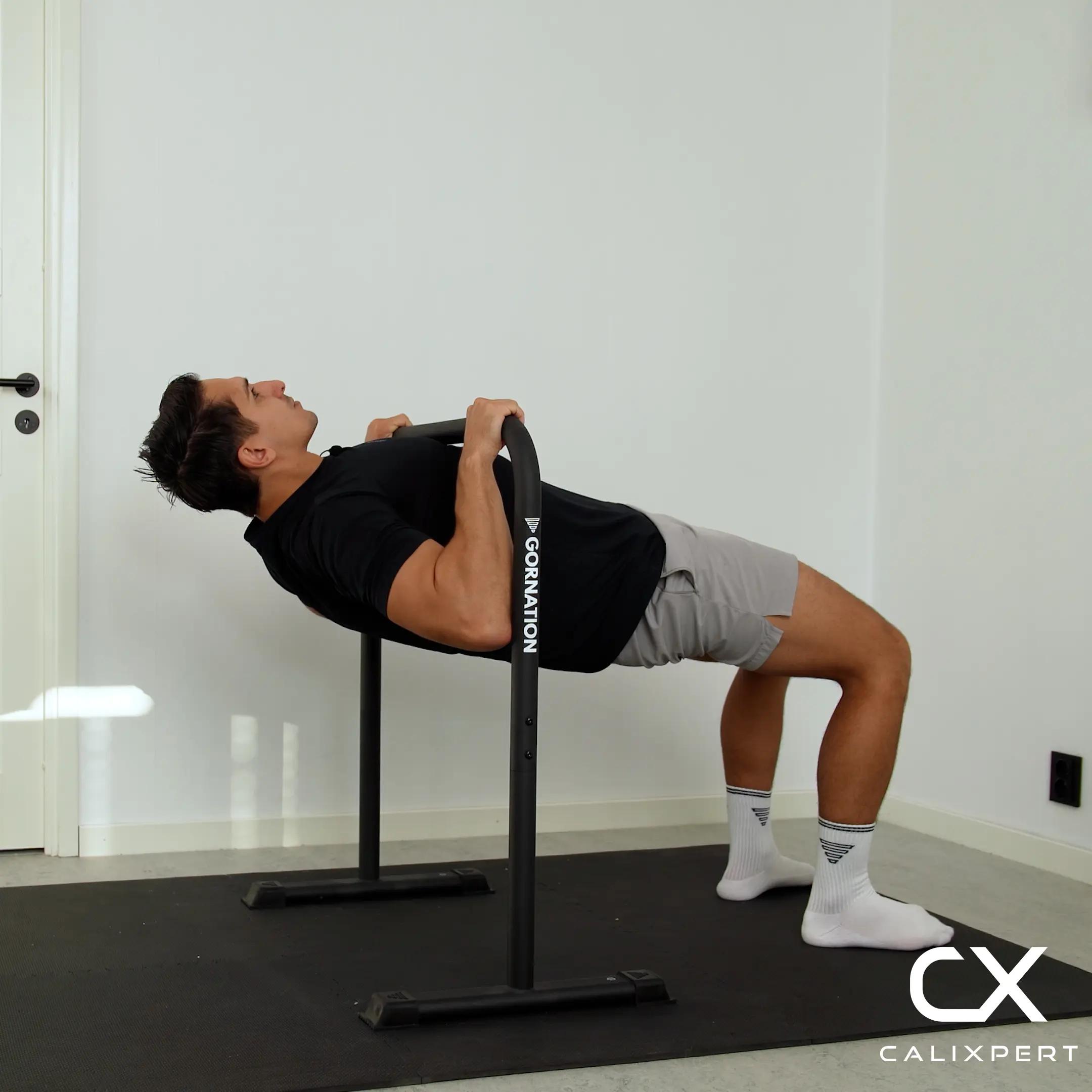
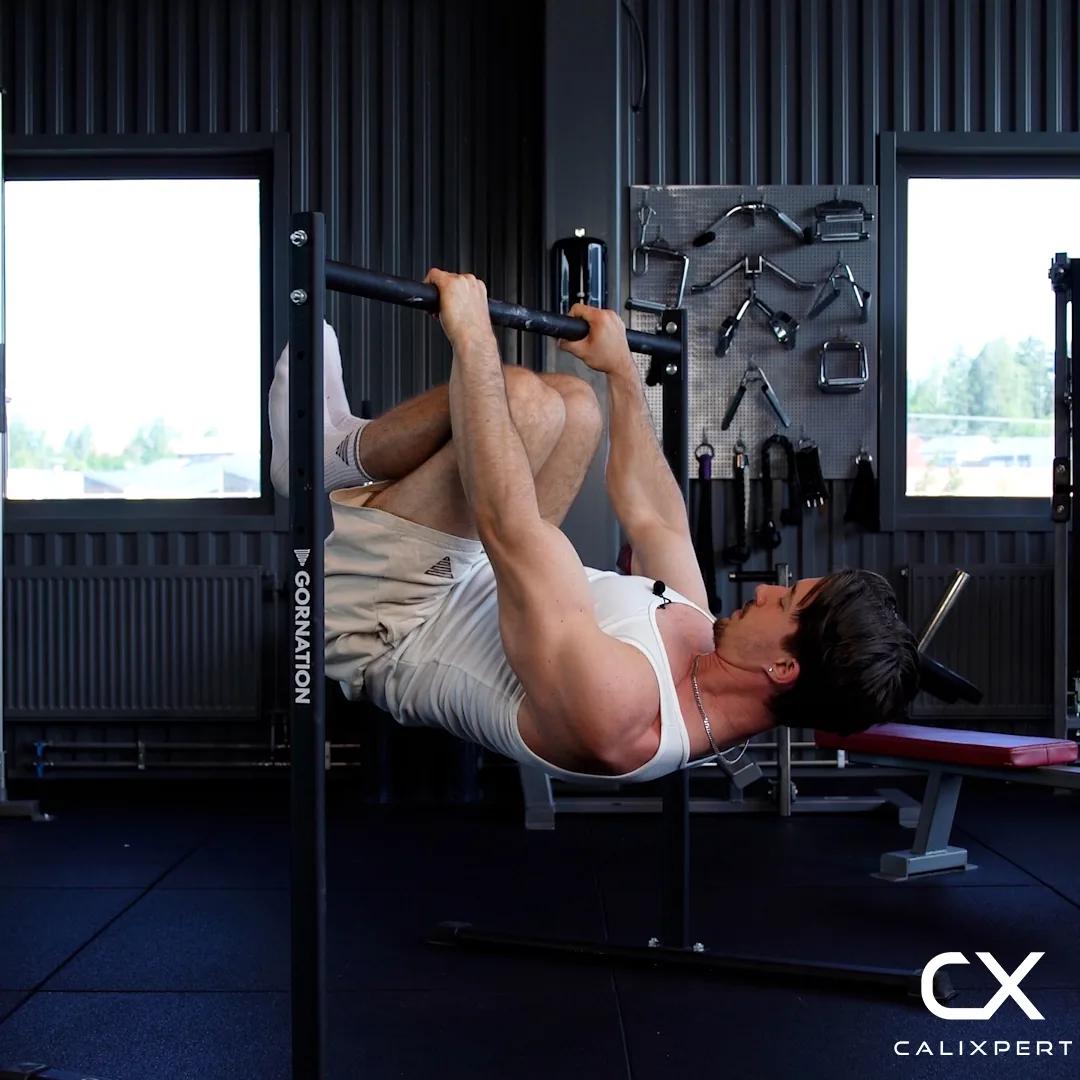
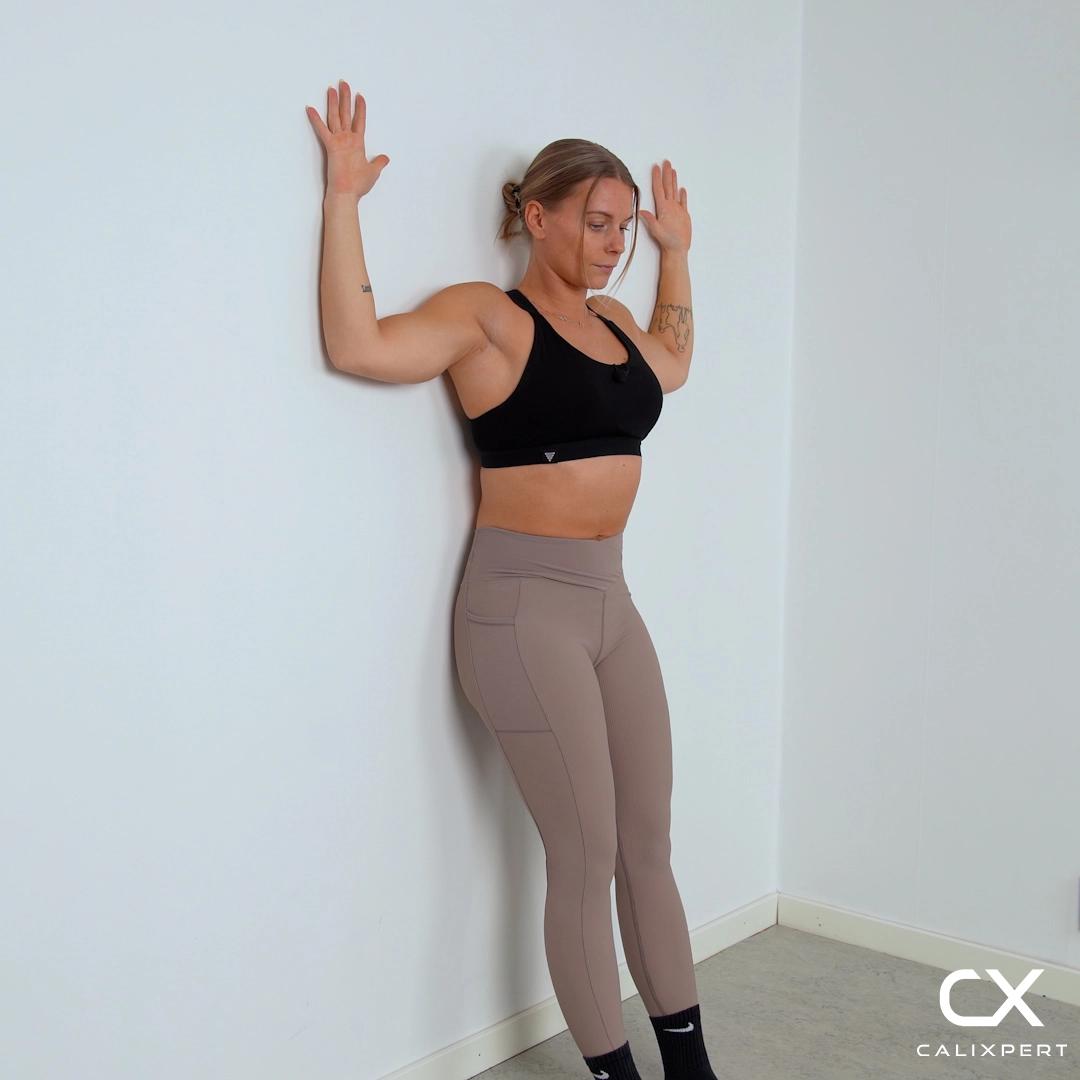
About the Upper Back
The upper back encompasses the rhomboids and middle trapezius, both of which retract the shoulder blades toward the spine. They sit between and below the shoulder blades on the back of the rib cage.
In calisthenics, scapular retraction is a fundamental movement pattern required for every rowing exercise and for maintaining proper shoulder position during overhead work. Without strong rhomboids and middle traps, your shoulder blades cannot be pulled back and down into their optimal position.
A weak upper back creates posture where the shoulder blades wing away from the rib cage. This winging reduces force transfer during pulling movements and is a clear sign that upper back development is lagging behind other muscle groups.
How to Train Your Upper Back
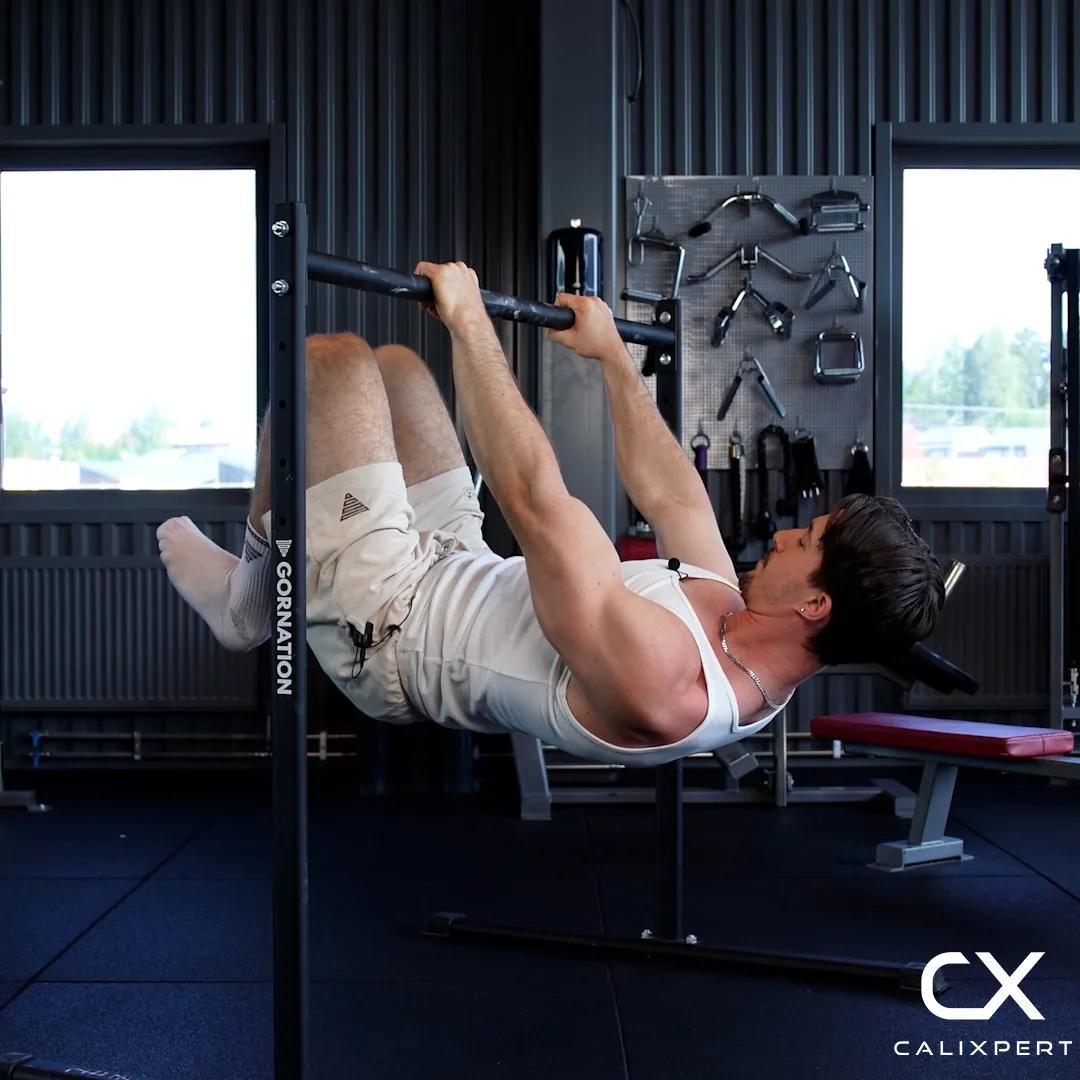
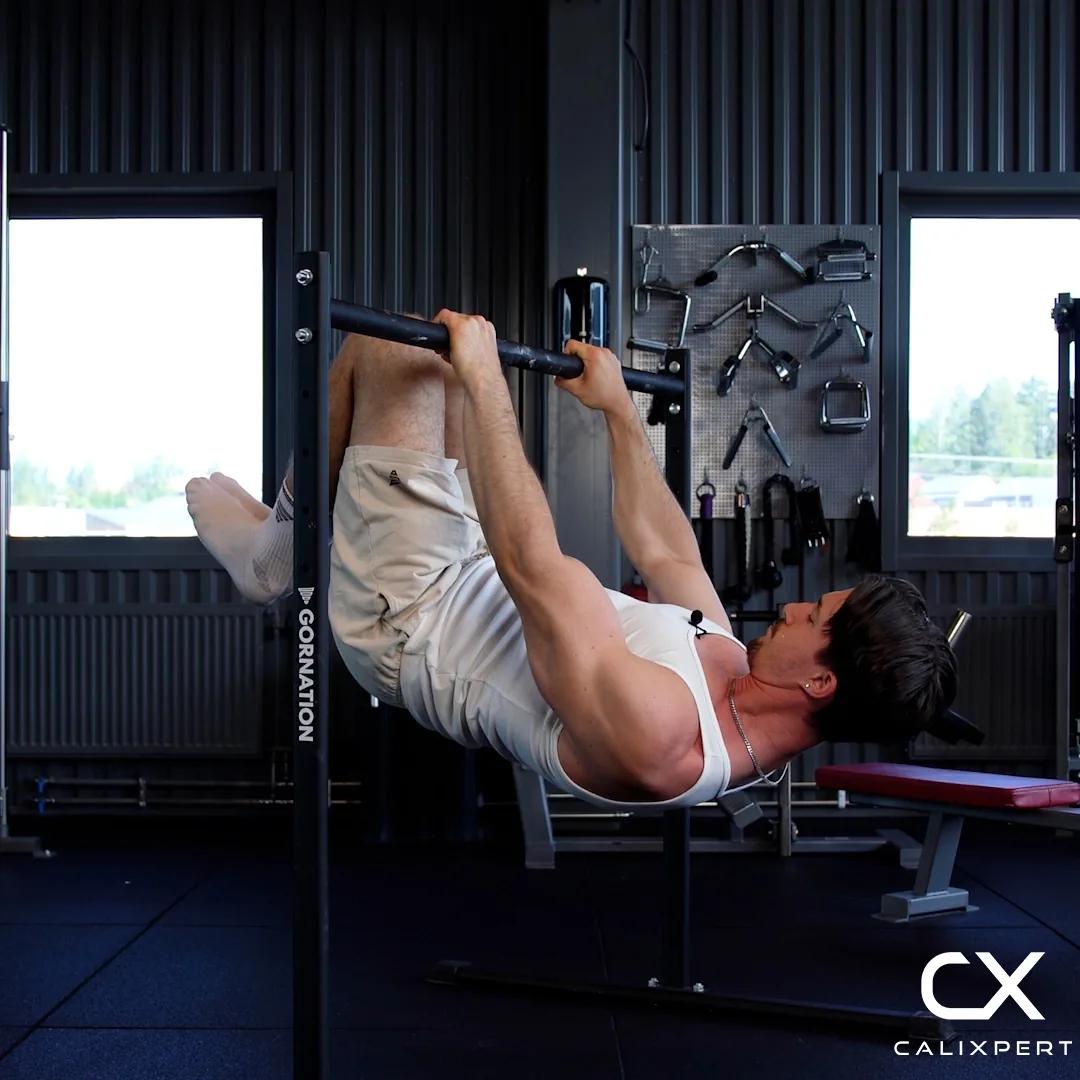
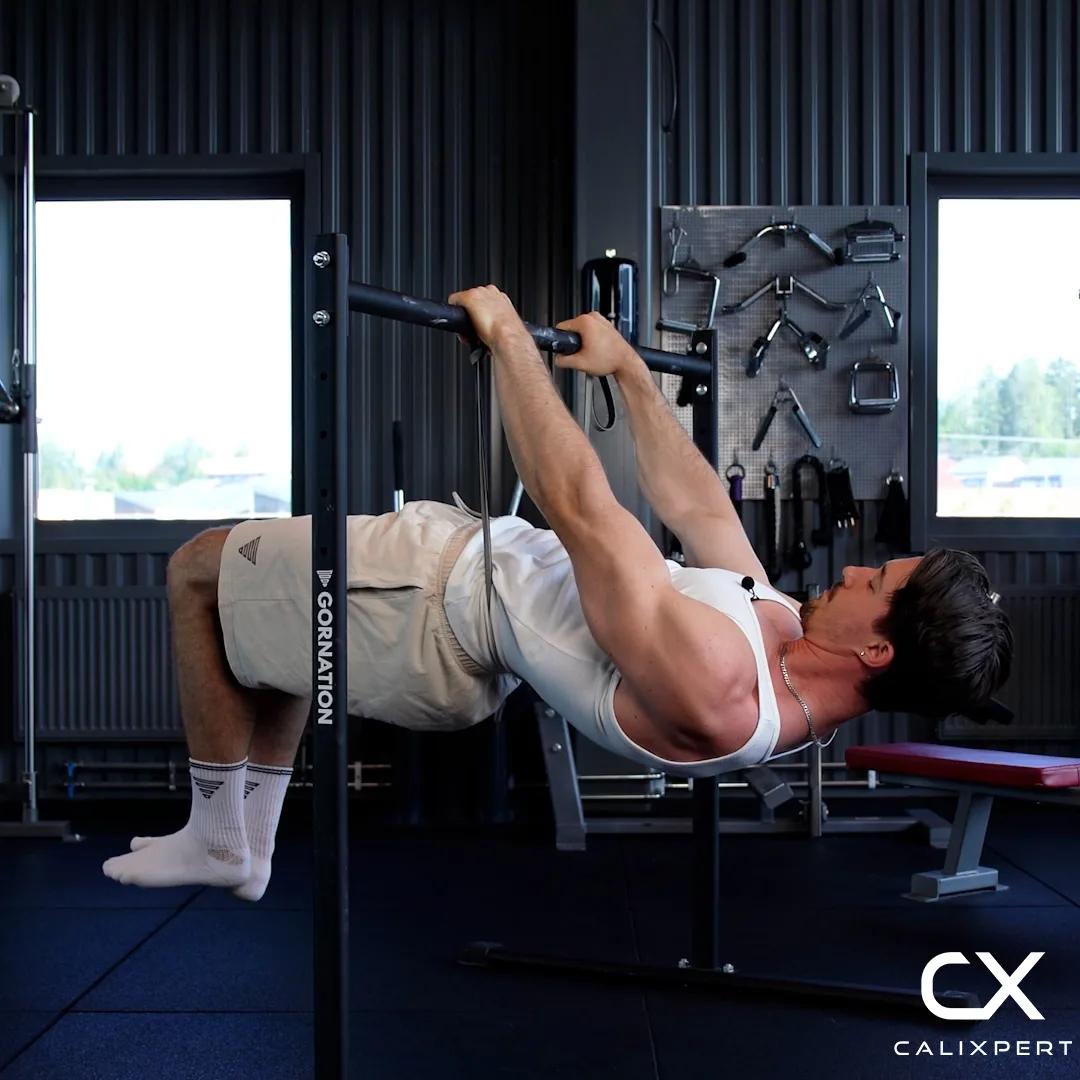
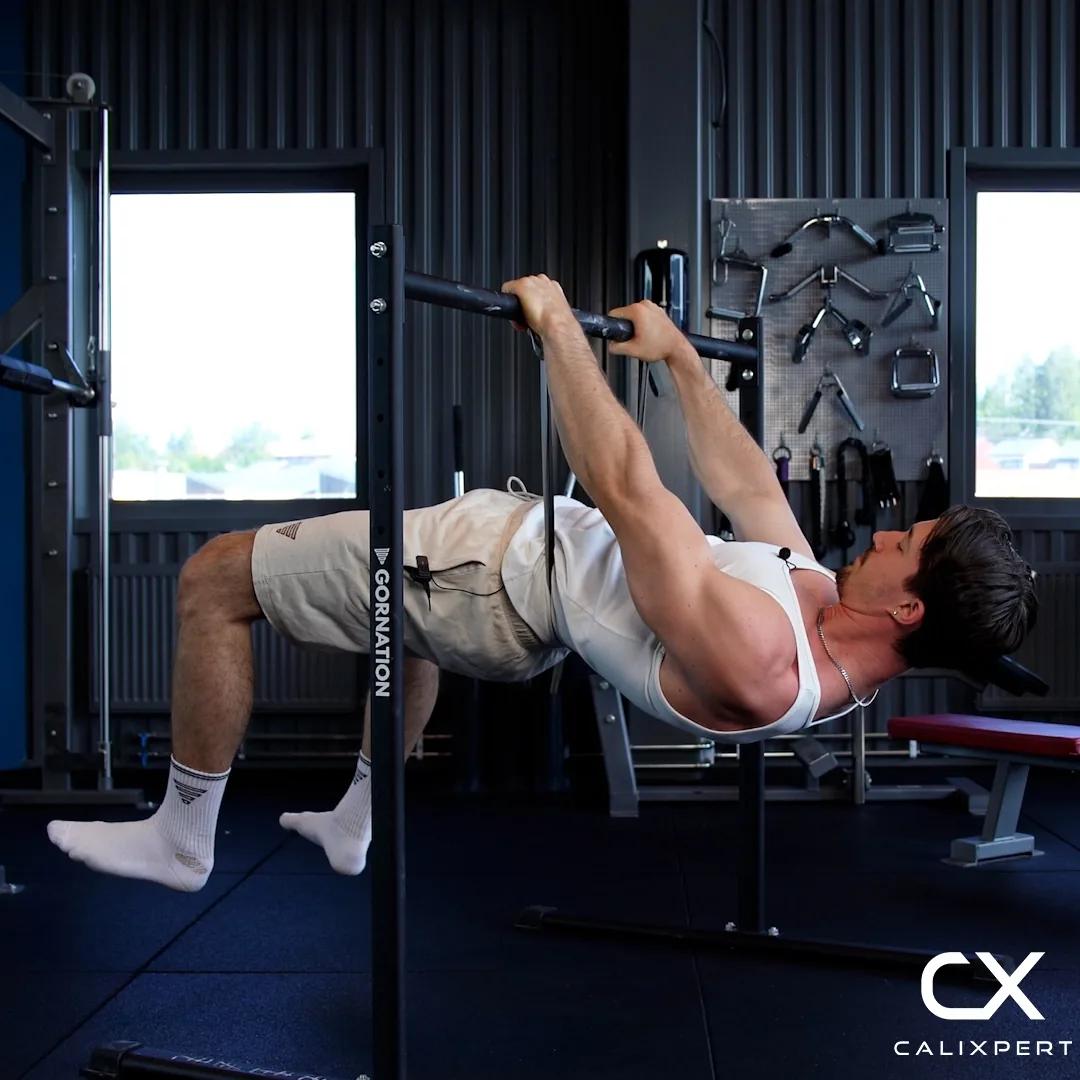
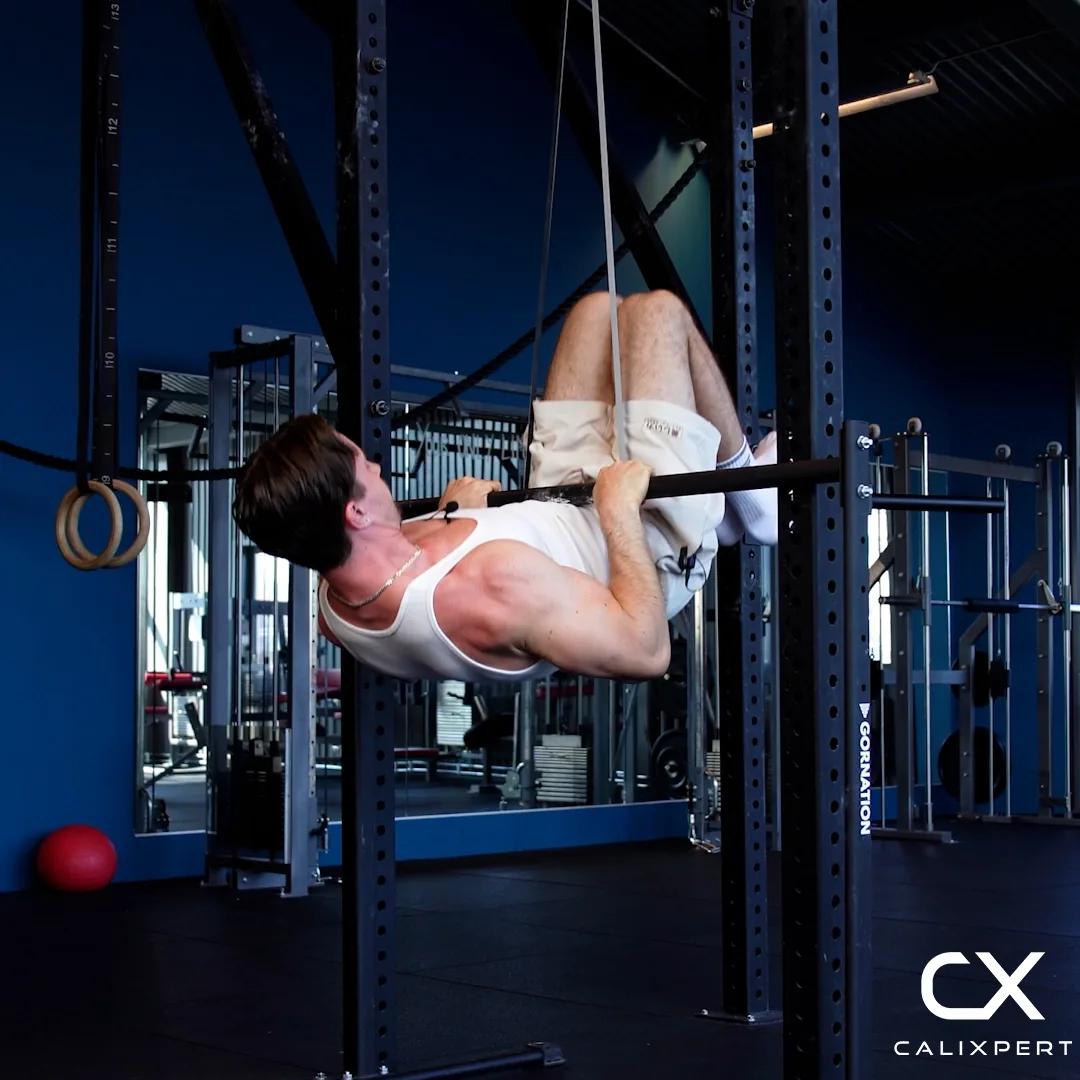
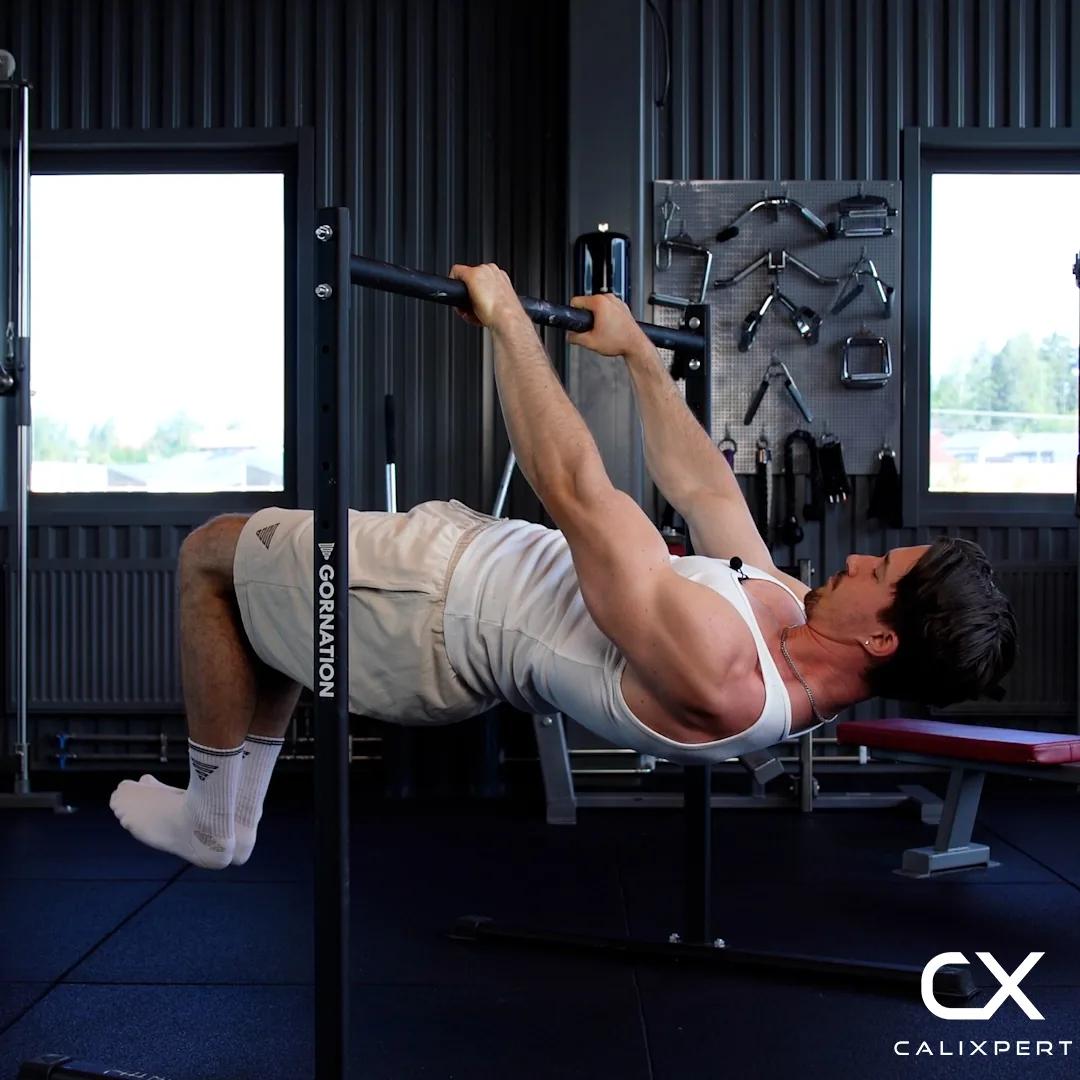
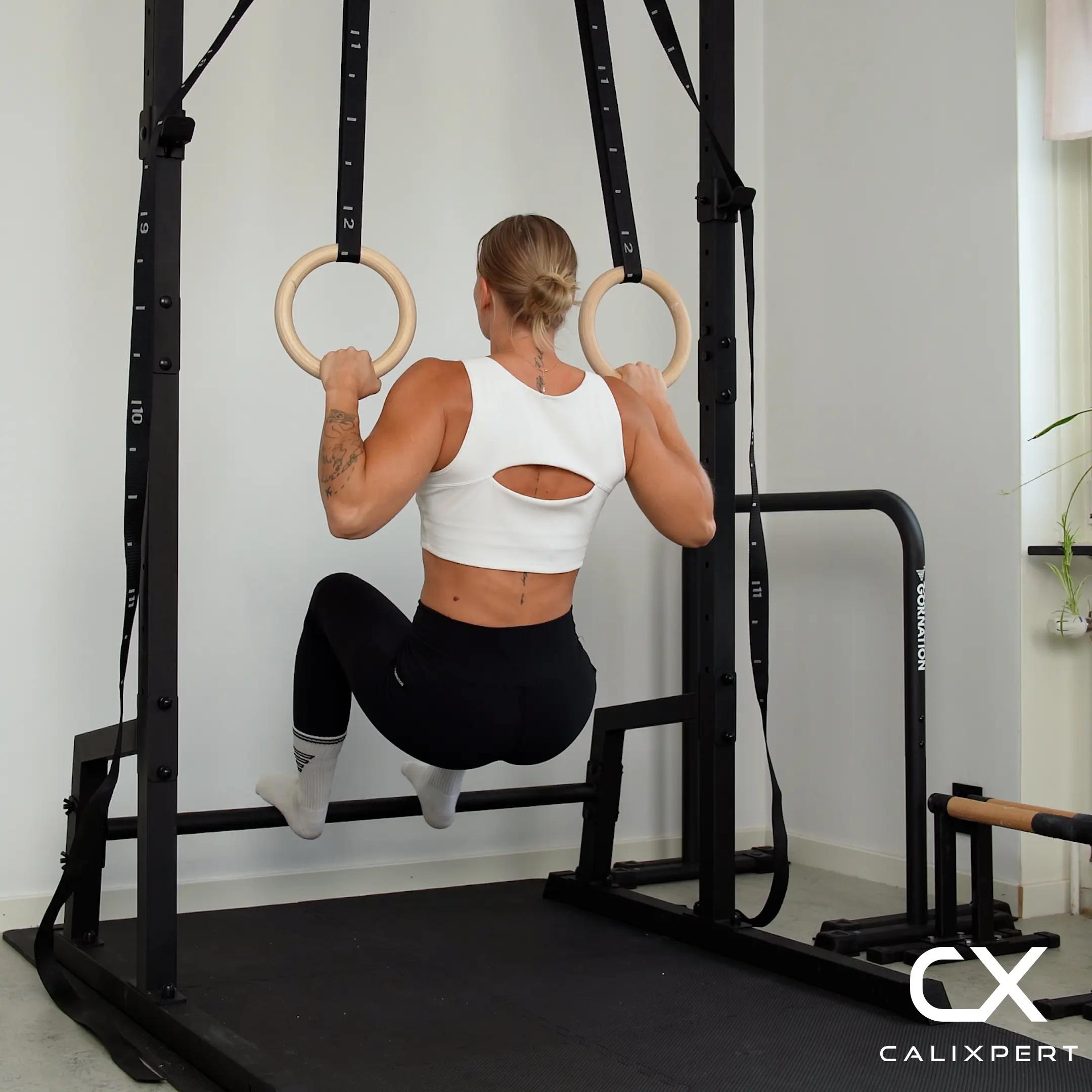
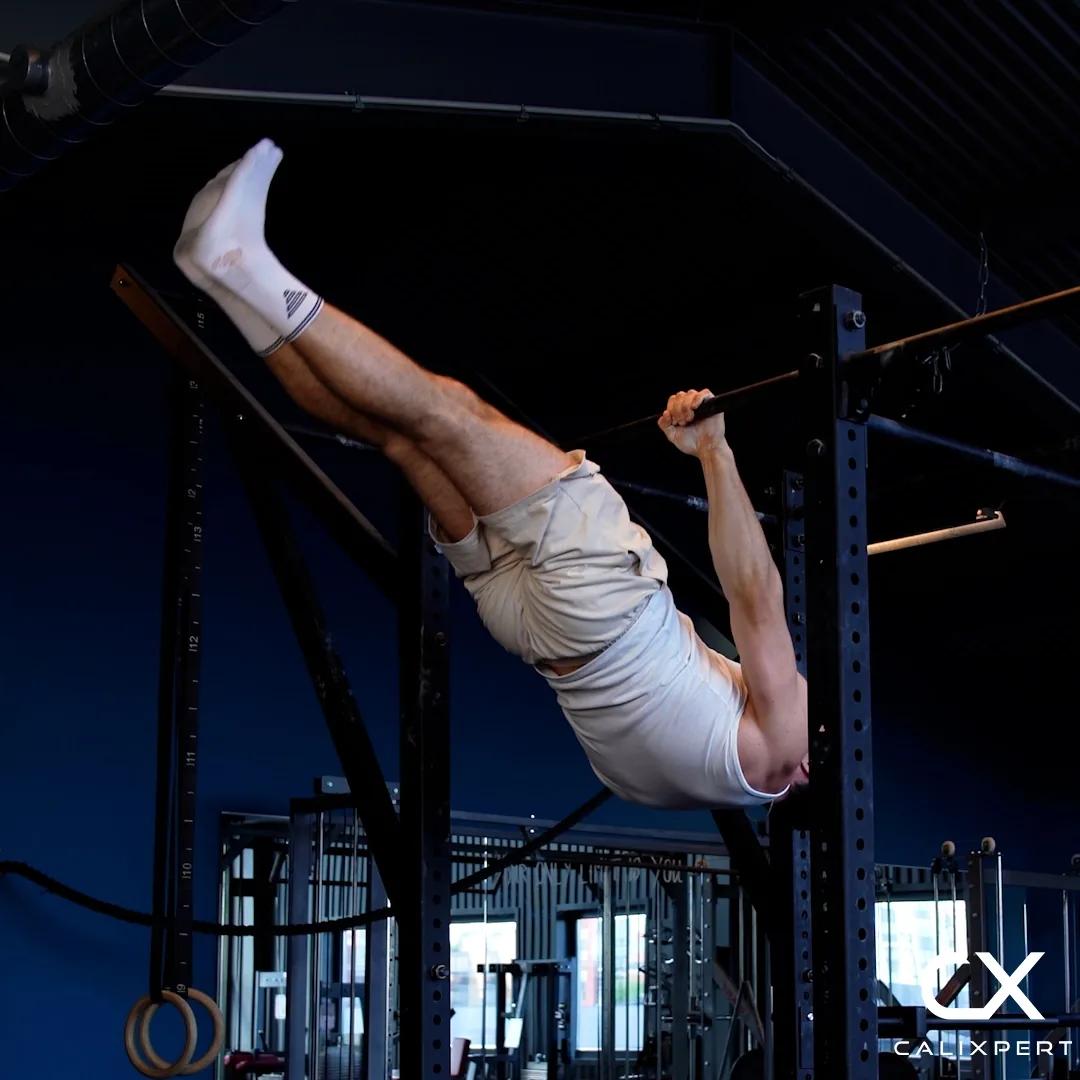
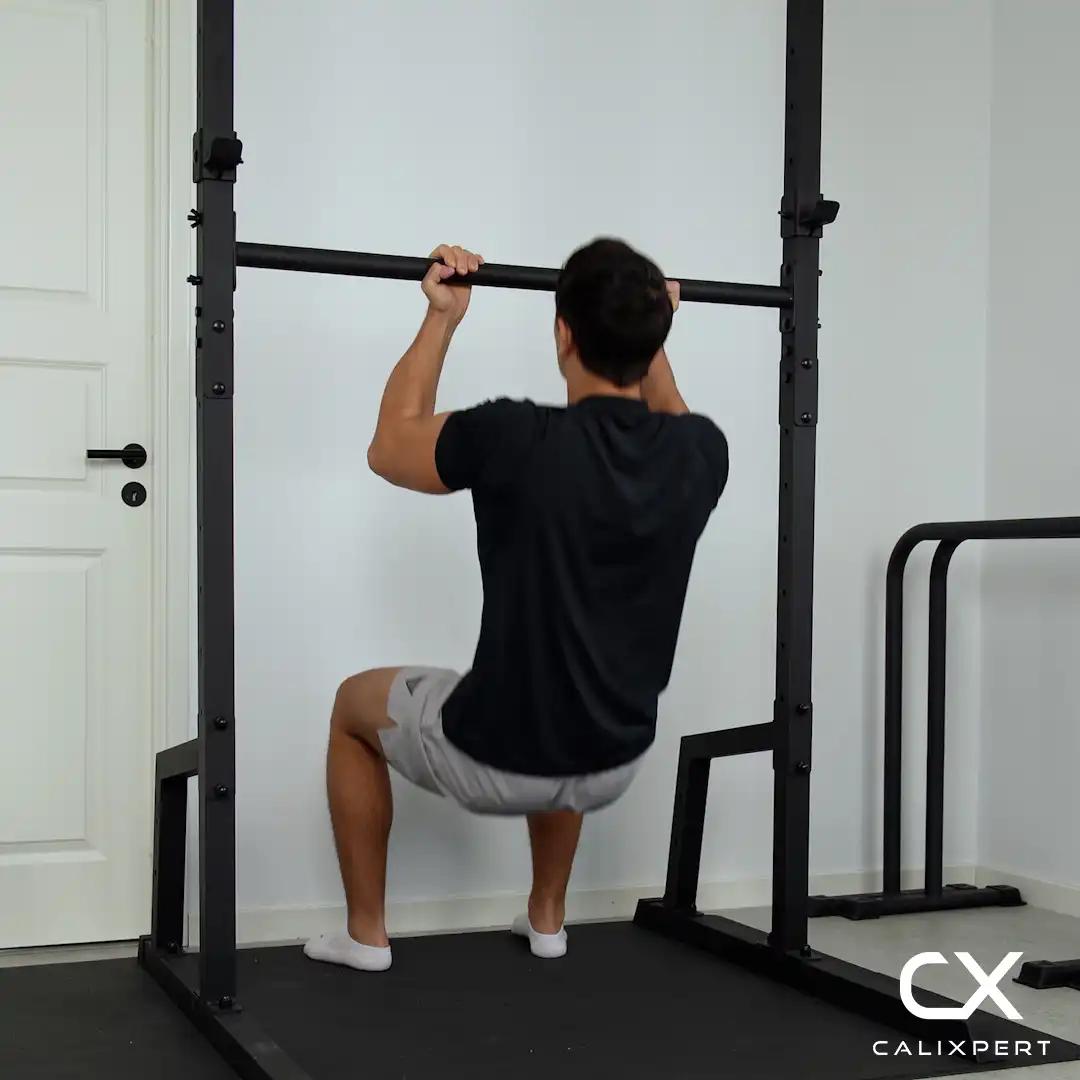
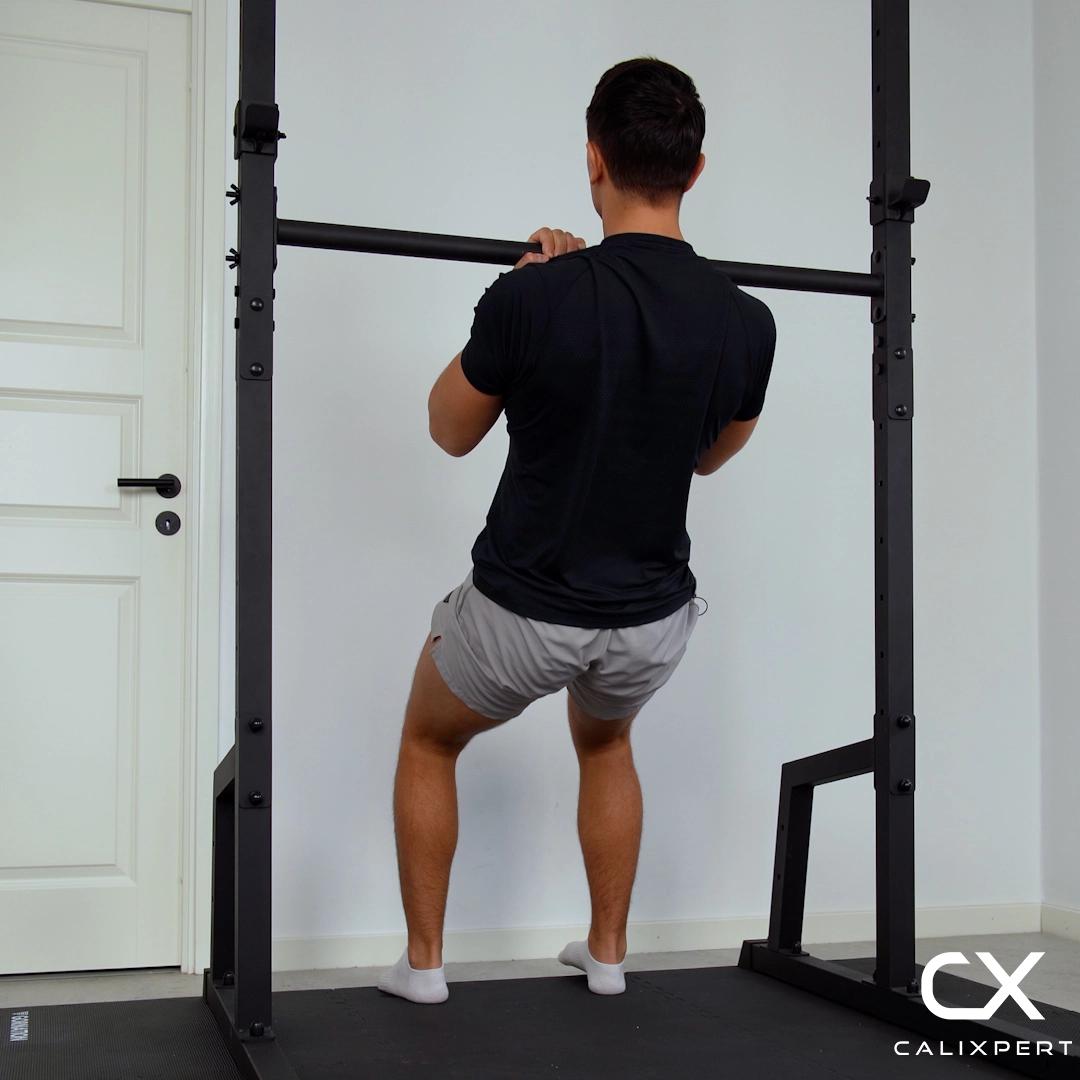
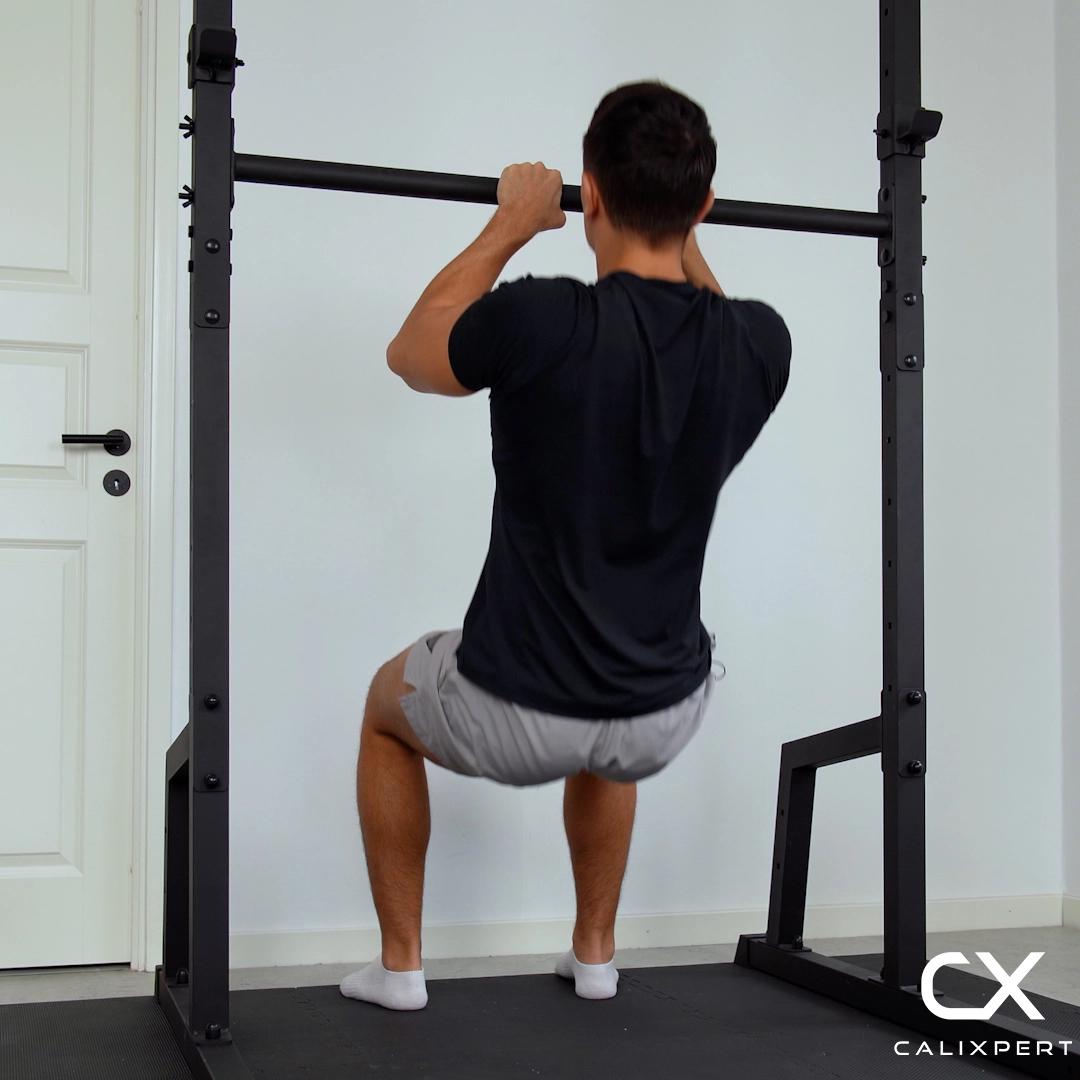
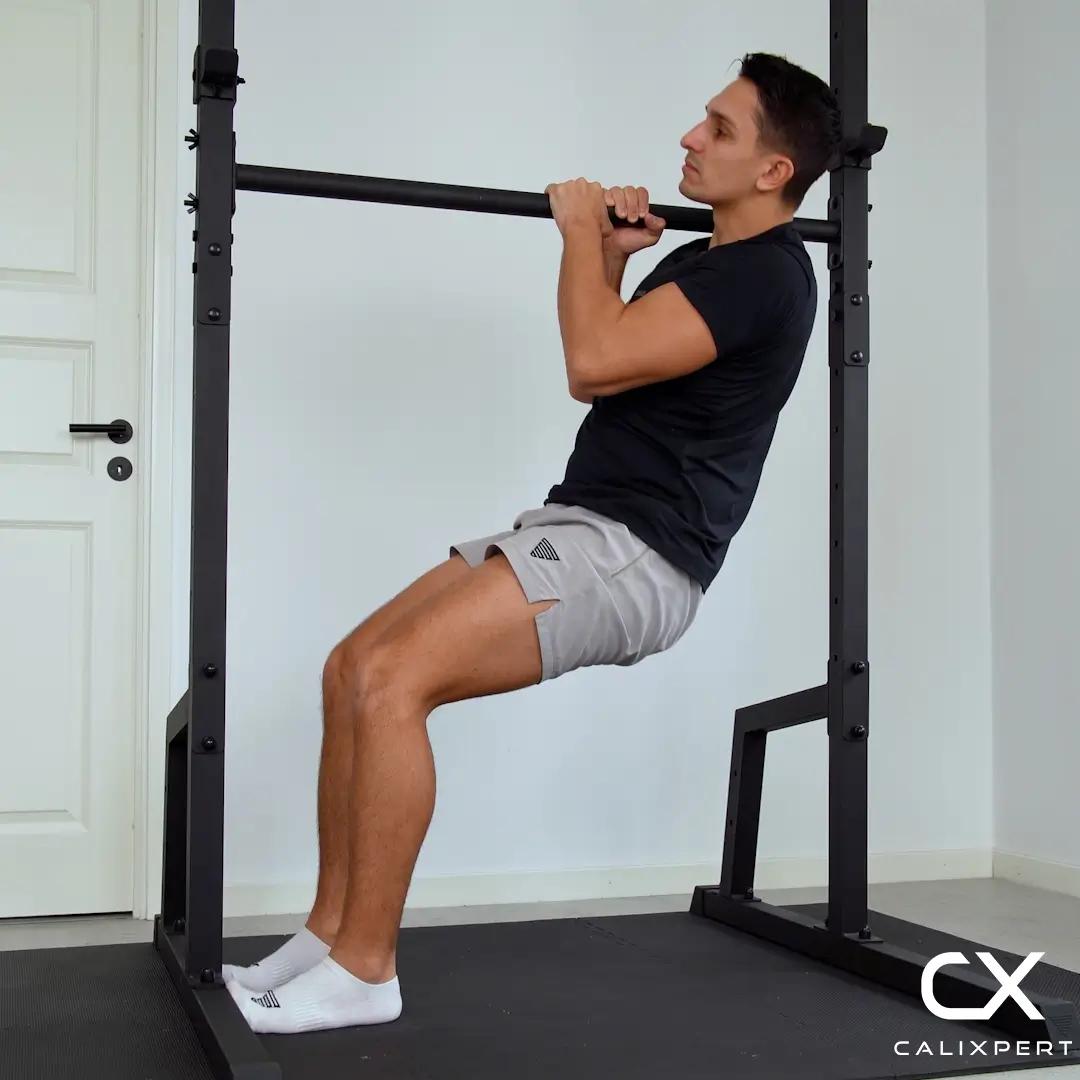
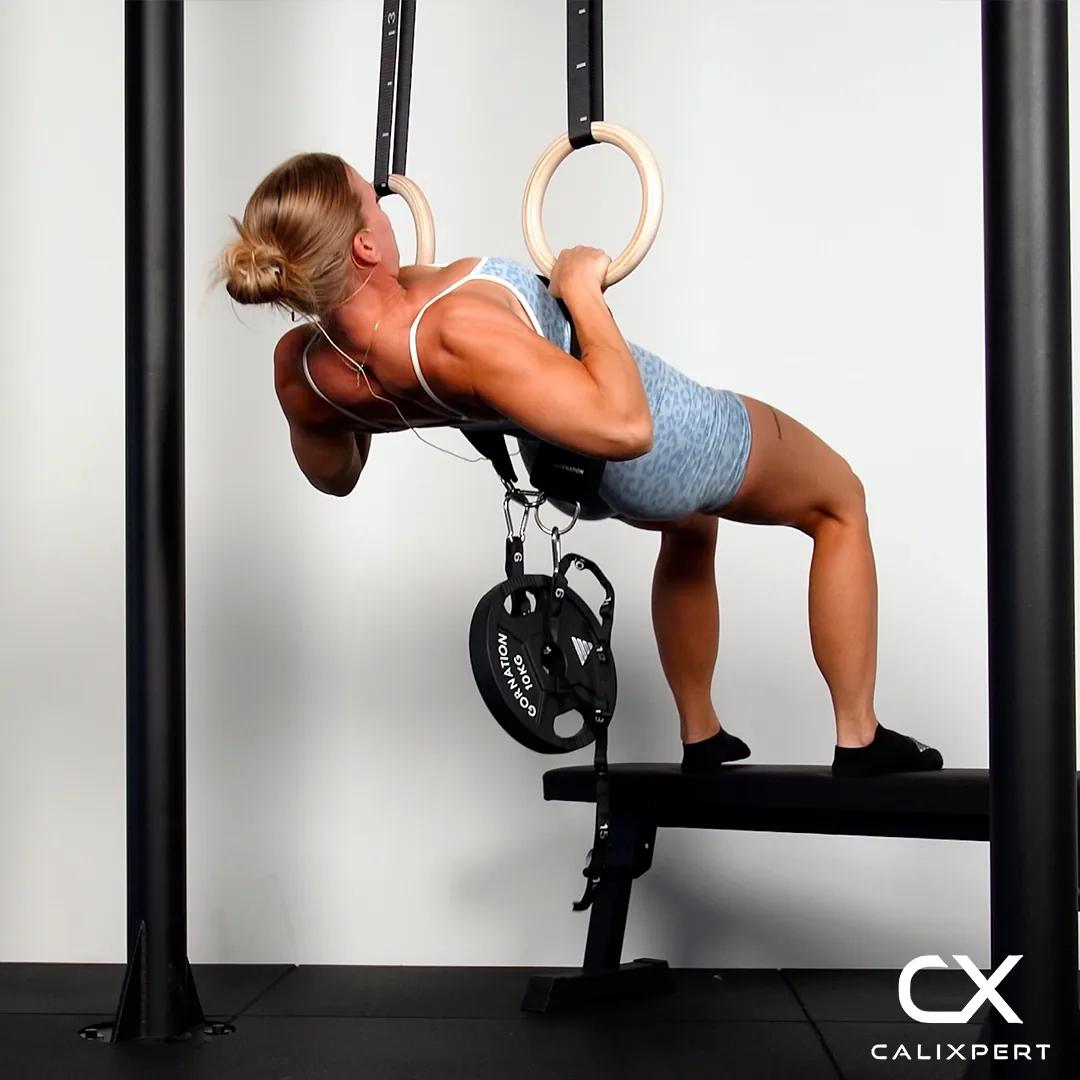
Rows are the primary upper back developer. Any horizontal pulling movement with the elbows close to the torso targets the rhomboids and middle trapezius. Bodyweight rows — inverted rows or ring rows — provide adequate stimulus across all skill levels.
Scapular retractions at the top of rows increase upper back time under tension. At the top of each rep, hold the retracted position for one second before lowering. This improves both strength and motor control.
Progress by decreasing your body angle relative to the floor. The more horizontal you are, the heavier the load on your upper back. Moving from a 45-degree row to a fully horizontal row roughly doubles the effective load.
Upper Back FAQ
Winging is caused by weakness in the serratus anterior and rhomboids. The shoulder blade loses its contact with the rib cage during pressing and pulling. Scapular push-ups and targeted rowing work address it directly.
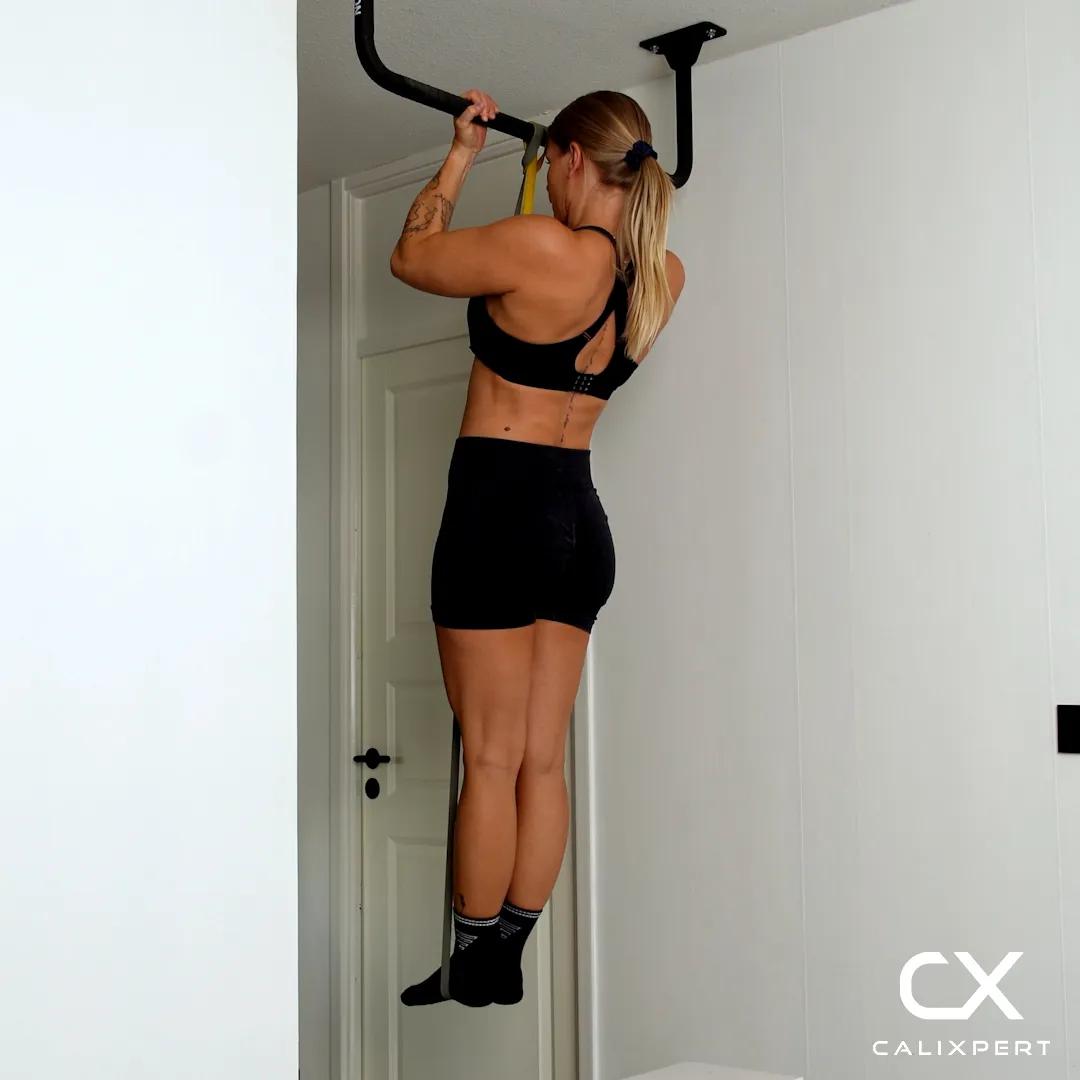
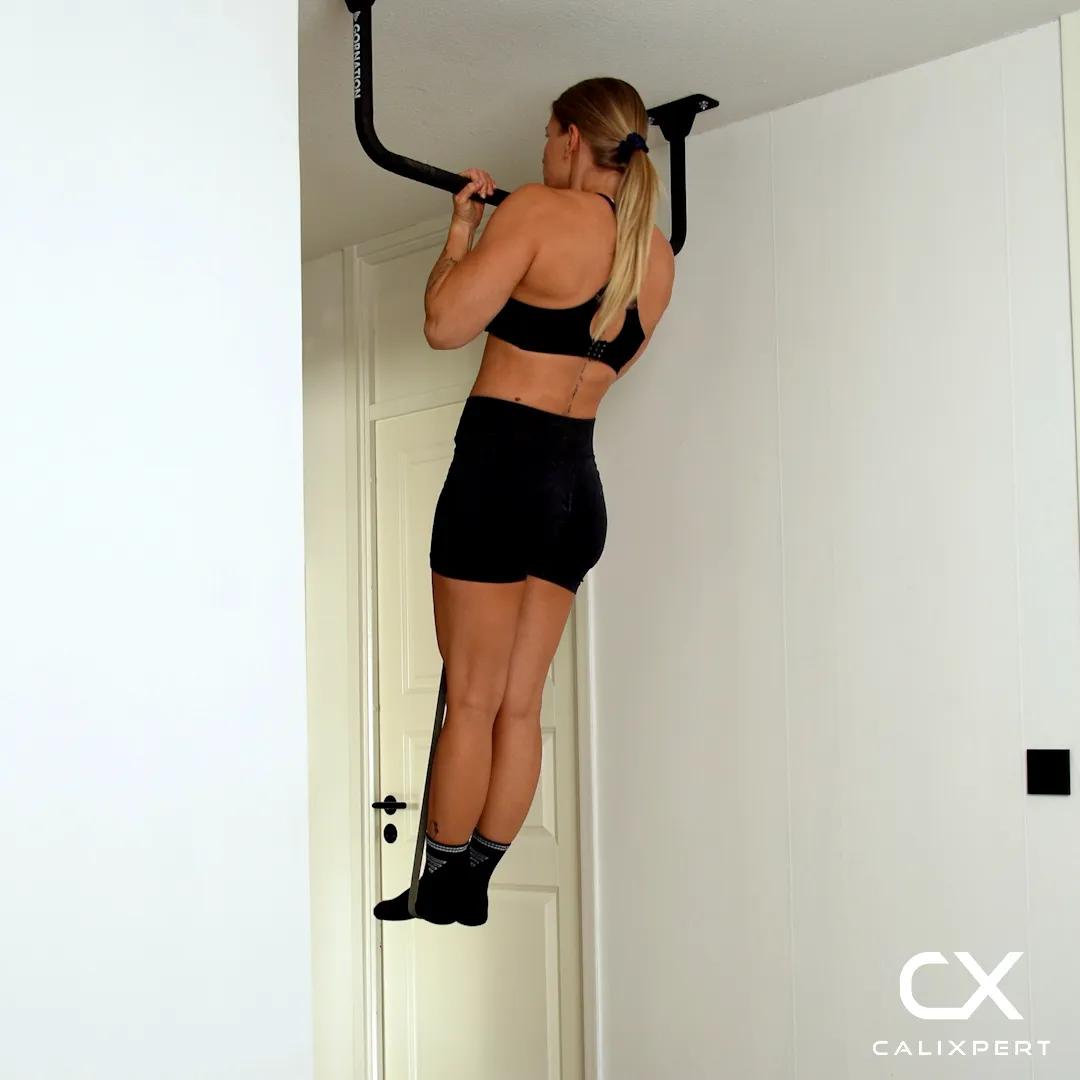
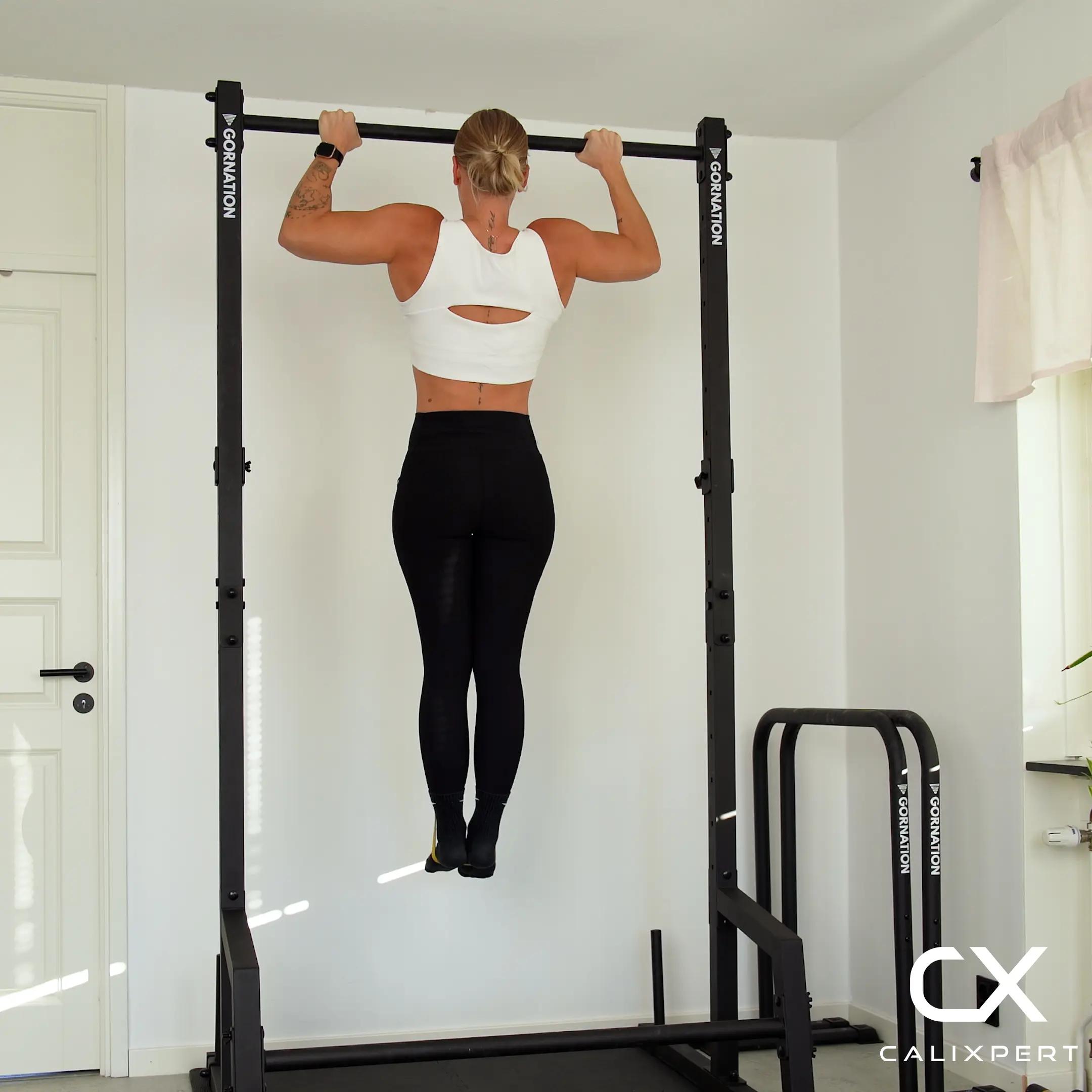
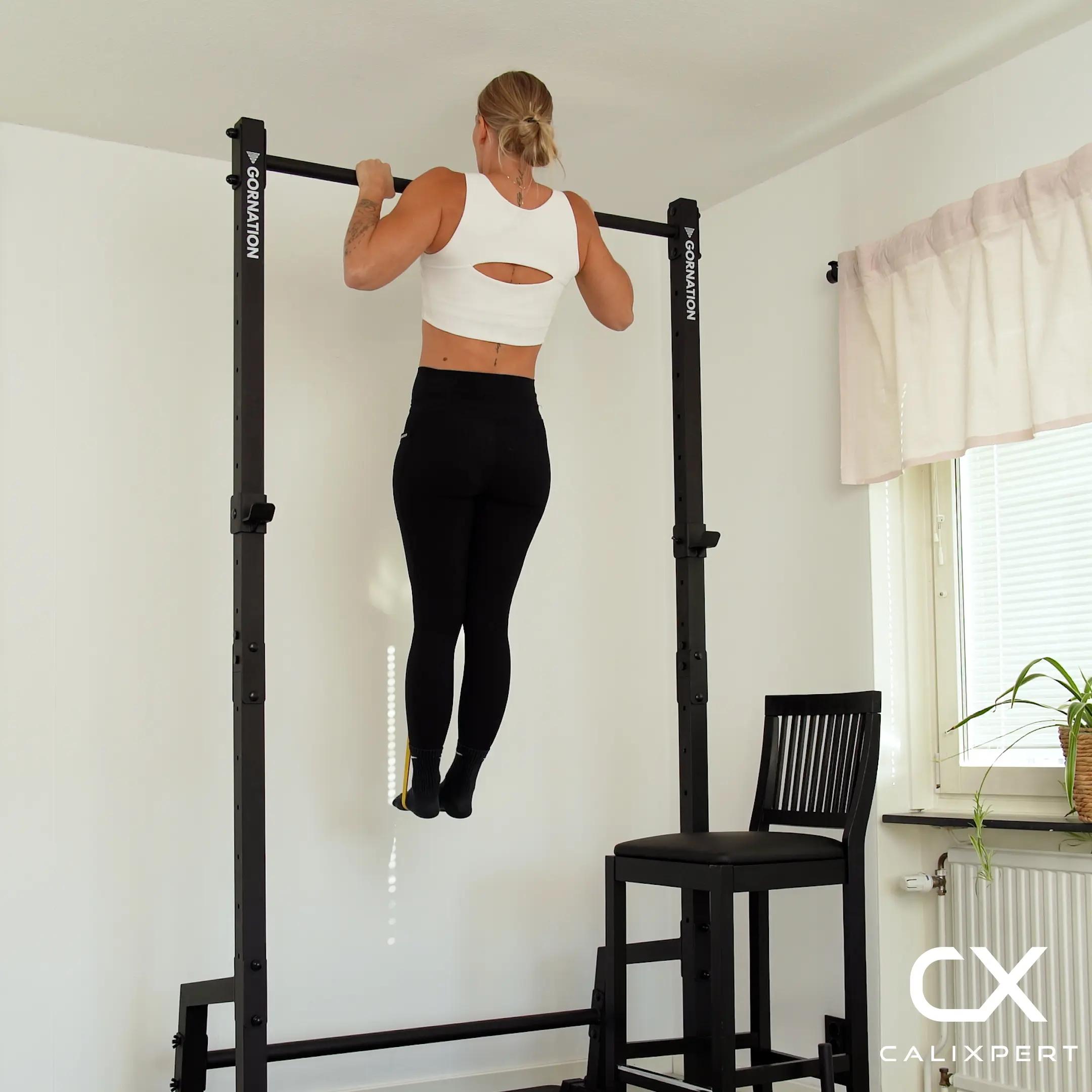
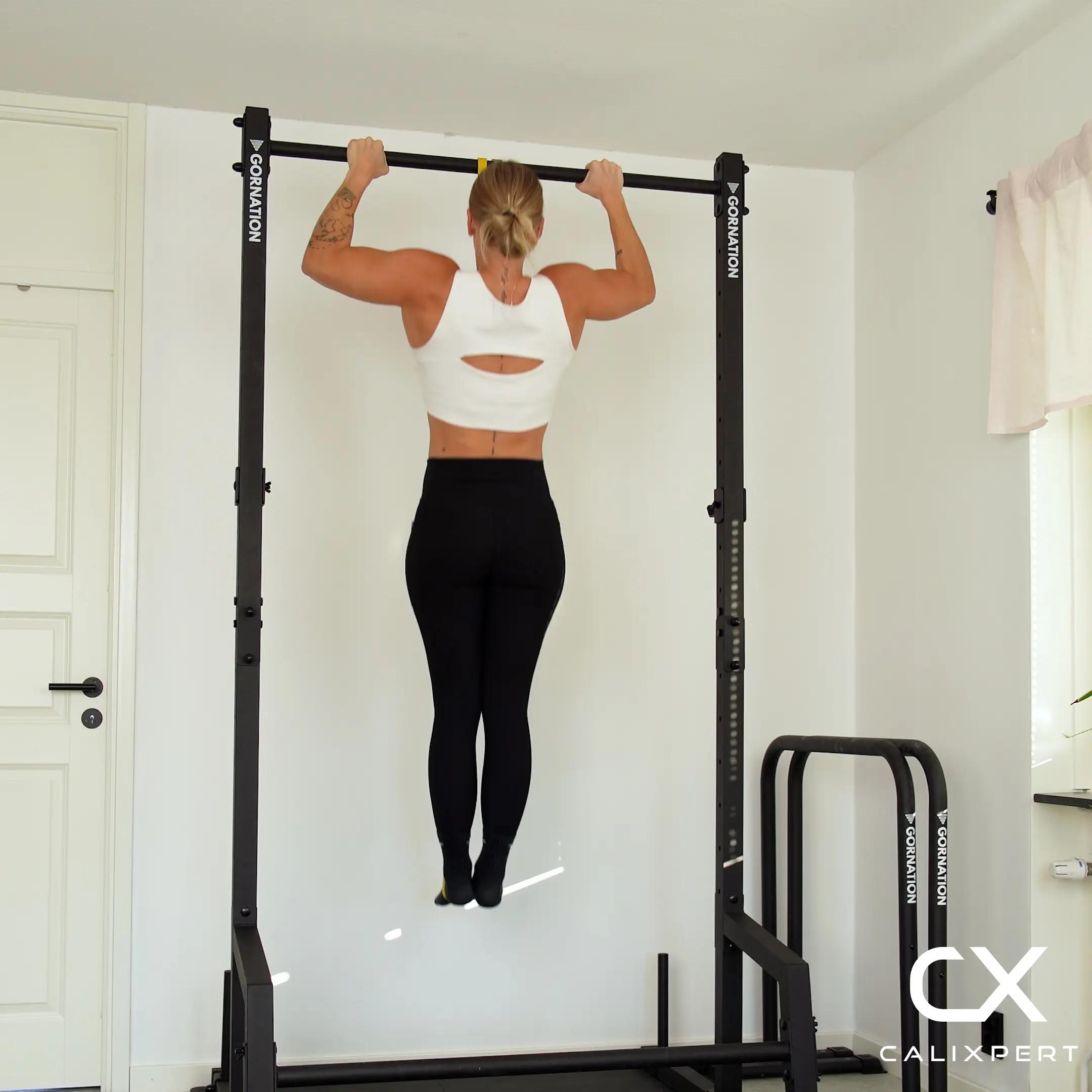
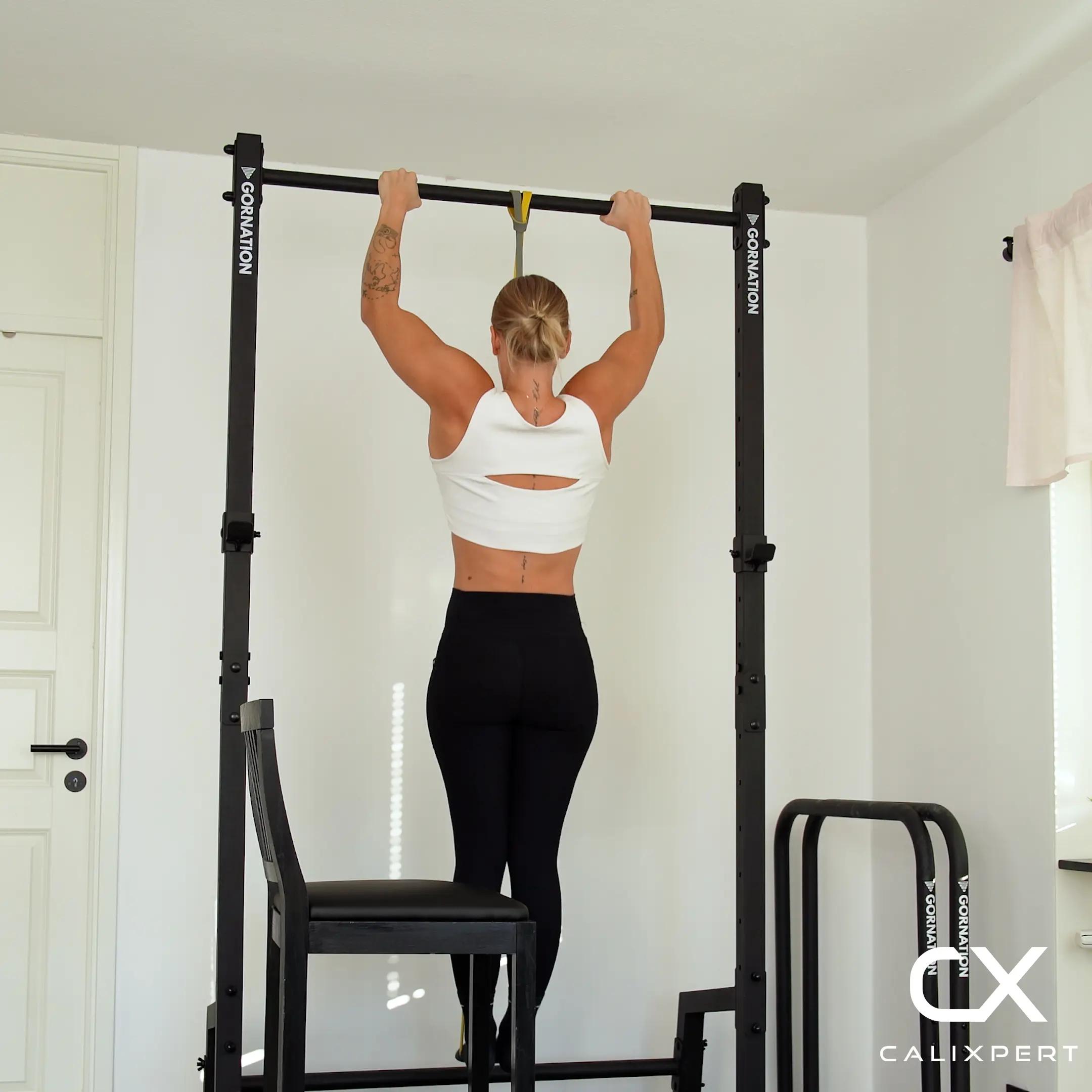
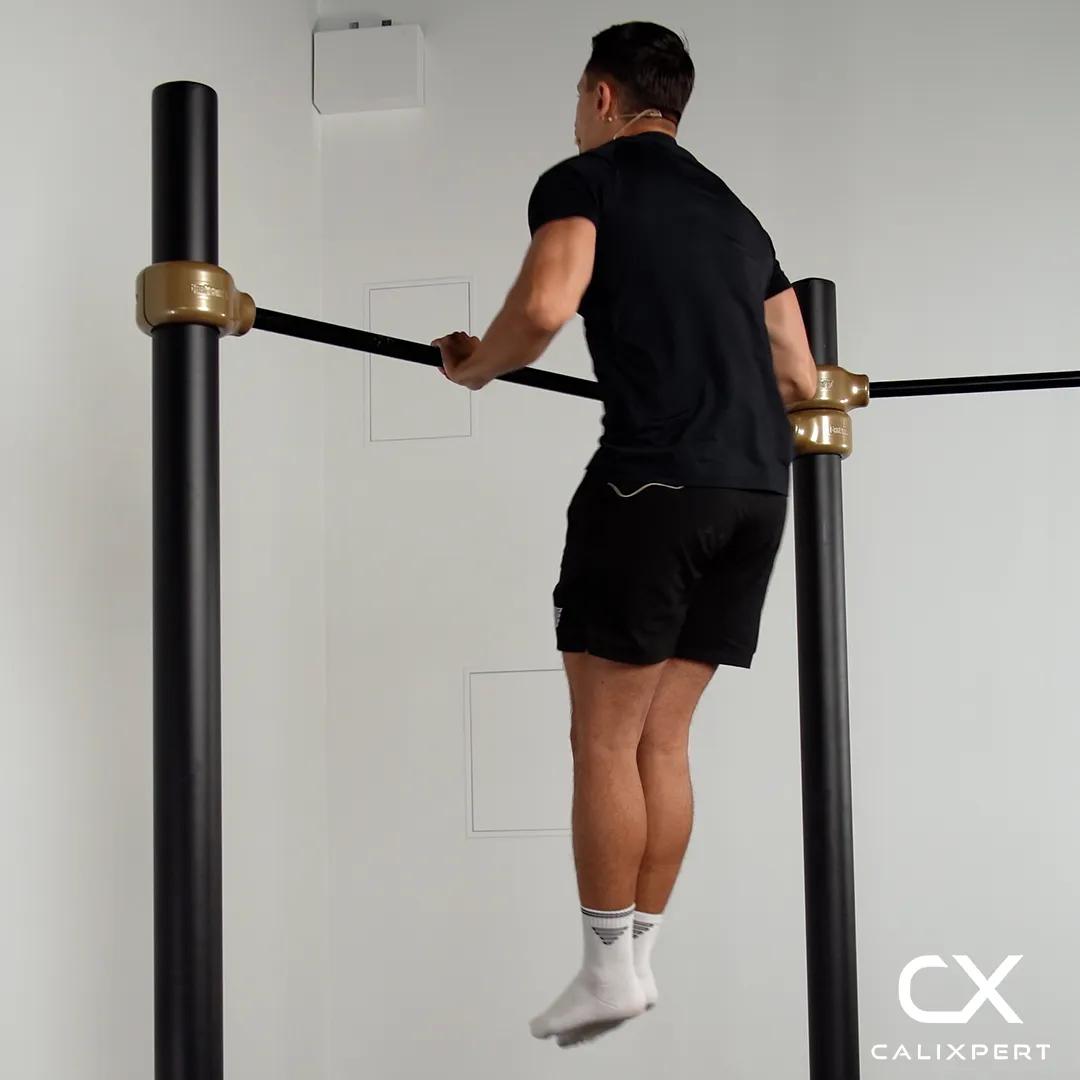
Pull-ups train the upper back but in a vertical pull pattern. Horizontal rows target the rhomboids and middle traps more directly. Including both patterns ensures complete upper back development.
Common signs are rounded shoulders at rest, shoulder blades that flare during push-ups, and a tendency to use momentum rather than muscle control at the top of rows. These are all upper back strength deficits.