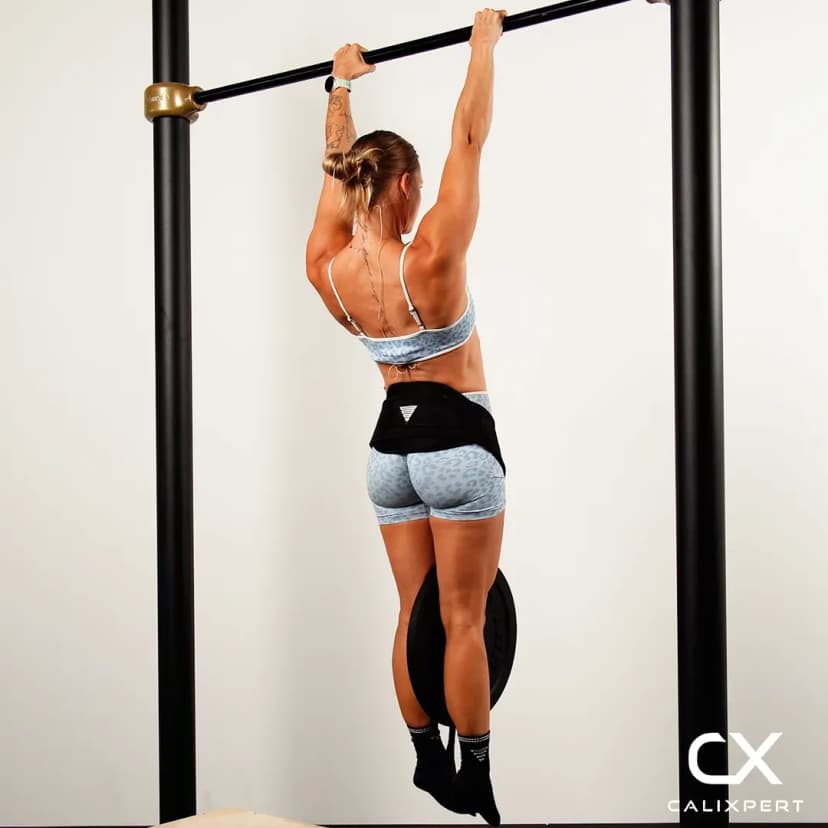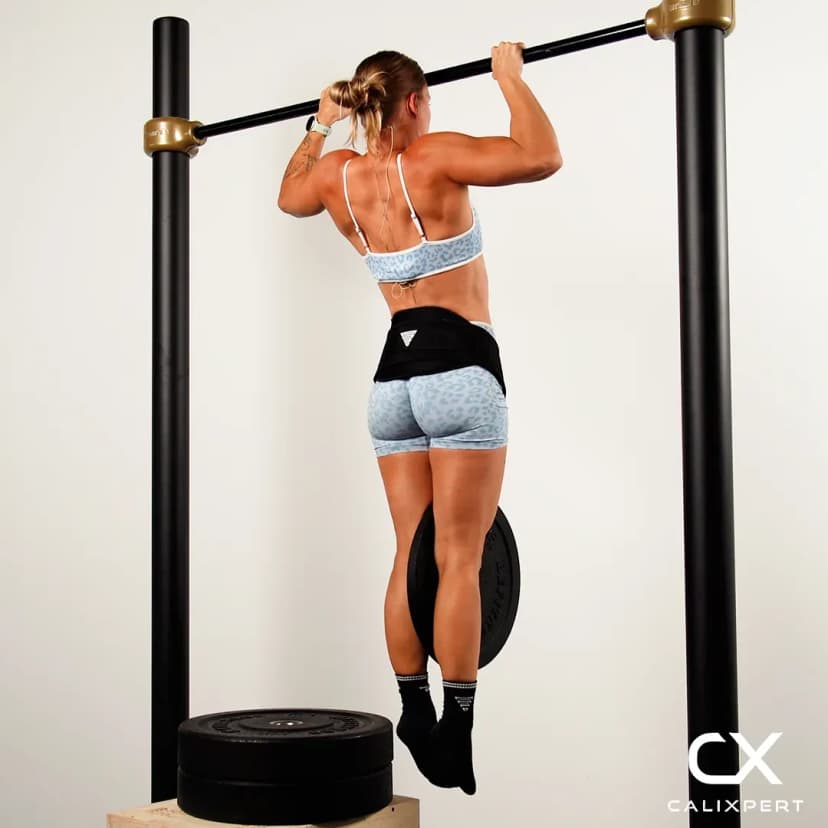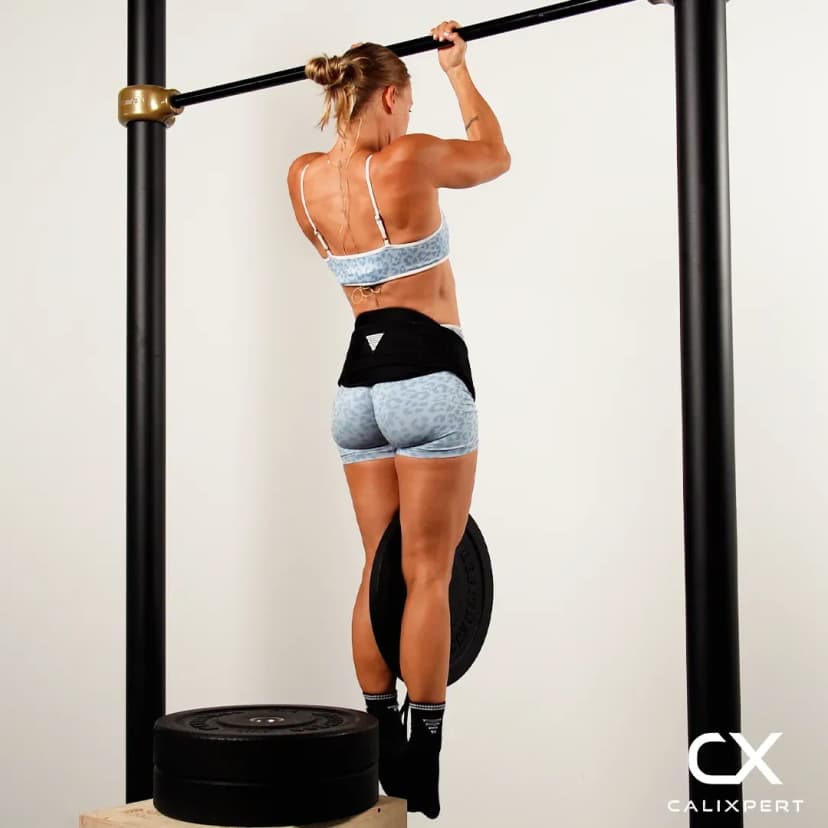
Chin Ups
Chin ups are a vertical pulling exercise performed with an underhand grip that heavily loads the biceps and lats through a full range of motion. The supinated hand position places the biceps in a mechanically stronger line of pull compared to standard pull-ups, making chin ups one of the most effective bodyweight exercises for building arm and back strength simultaneously. When performed with proper scapular control and a controlled tempo, chin ups develop pulling power that transfers directly into advanced calisthenics skills.
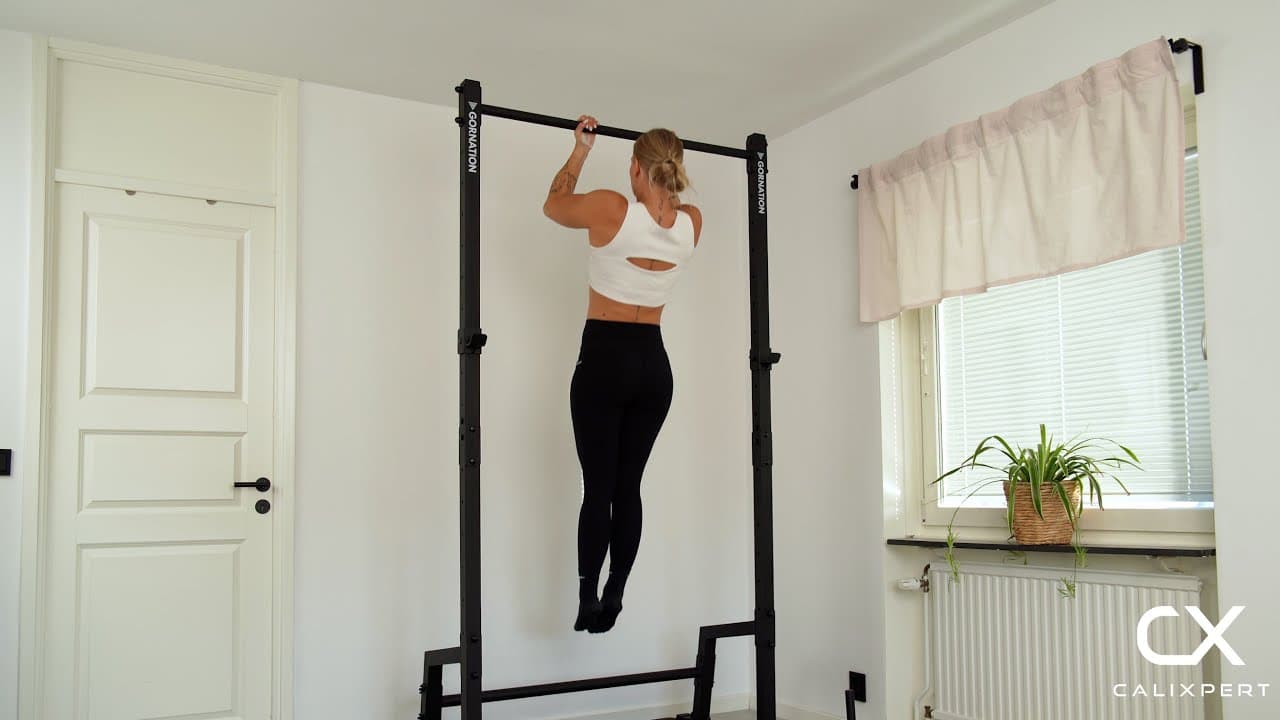
Chin ups are a vertical pulling exercise performed with an underhand grip that heavily loads the biceps and lats through a full range of motion. The supinated hand position places the biceps in a mechanically stronger line of pull compared to standard pull-ups, making chin ups one of the most effective bodyweight exercises for building arm and back strength simultaneously. When performed with proper scapular control and a controlled tempo, chin ups develop pulling power that transfers directly into advanced calisthenics skills.
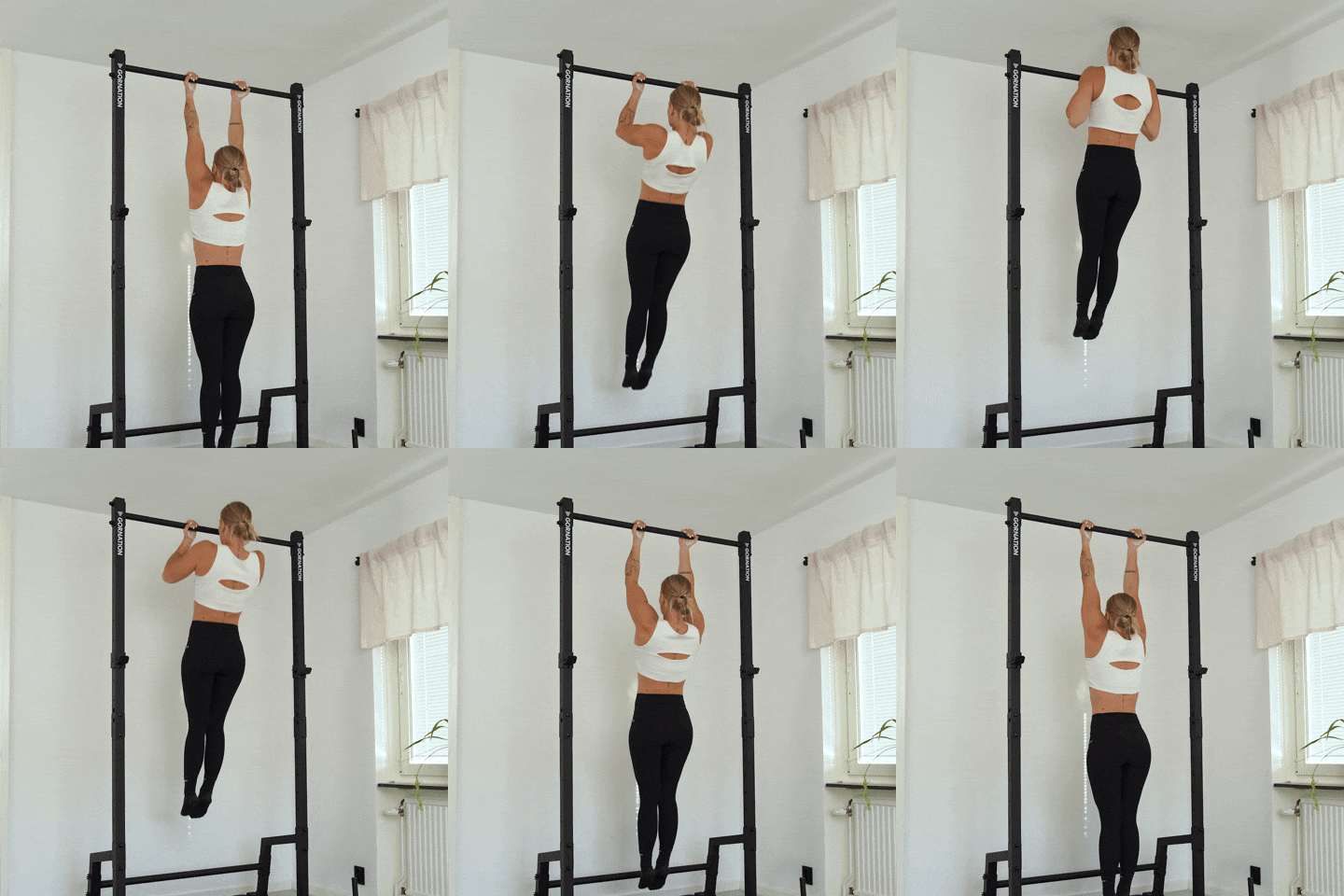
How to Do Chin Ups
1. Set Up Your Underhand Grip
Grab the bar with a supinated grip, palms facing toward you, at slightly narrower than shoulder width. Wrap your thumbs fully around the bar for a secure hold. Do not go wider than shoulder width, as this reduces the mechanical advantage of the underhand position and places unnecessary stress on the wrists.
Thumbs around, palms facing you
2. Initiate With a Scapular Pull-Up
Before bending your elbows, pull your shoulder blades down and slightly together. This scapular set activates the lower traps and lats before the arms begin working. Skipping this step shifts the entire load onto the biceps and leaves the shoulder joint unprotected under tension.
Shoulders down and back first
3. Drive Elbows Back and Down
Begin pulling by driving your elbows as far backward as possible while keeping them close to your torso. This elbow path keeps the lats engaged throughout the pull and prevents the biceps from doing all the work. Stay close to the bar and maintain a slight chest-up position as you ascend.
Elbows back, stay close to the bar
4. Squeeze Scapula Together at the Top
As you approach the top of the movement, actively squeeze your shoulder blades into full retraction. Lift your chest slightly toward the bar to complete the range of motion. This retraction ensures the upper back muscles contribute fully and prevents the rep from being cut short.
Squeeze shoulder blades together
5. Clear the Bar With Your Chin
Continue pulling until your chin clears above the bar. Keep your neck neutral and your chest lifted throughout. Your chin should pass the bar as a result of full pulling effort, not by craning your head forward or jutting your neck upward.
Chest up, chin over, neck neutral
6. Lower Under Control
Slowly extend your arms on the way down, resisting gravity for a 3-second count. Lower until your arms are fully extended and your shoulders return to a dead hang position. Re-set your scapula before initiating the next rep. This controlled eccentric phase builds strength and protects the shoulder joint over time.
3-second descent, full extension
Most people lose their chin ups at the bottom because they never train the full dead hang position. If you want to get stronger, make every rep start from completely straight arms with your scapula fully reset. That bottom position is where the lats are stretched the most and where you build the pulling strength that actually matters for progression.
Muscles Worked During Chin Ups
Secondary Muscles:
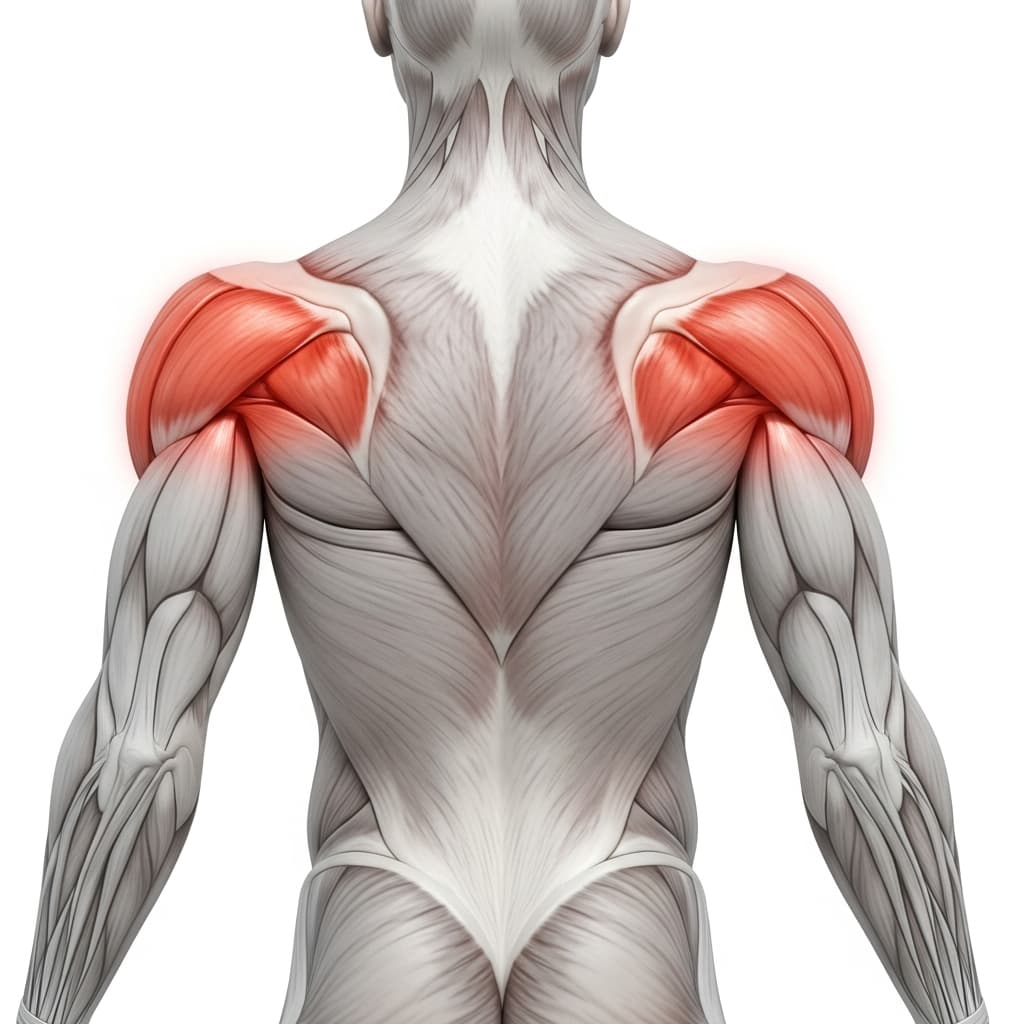
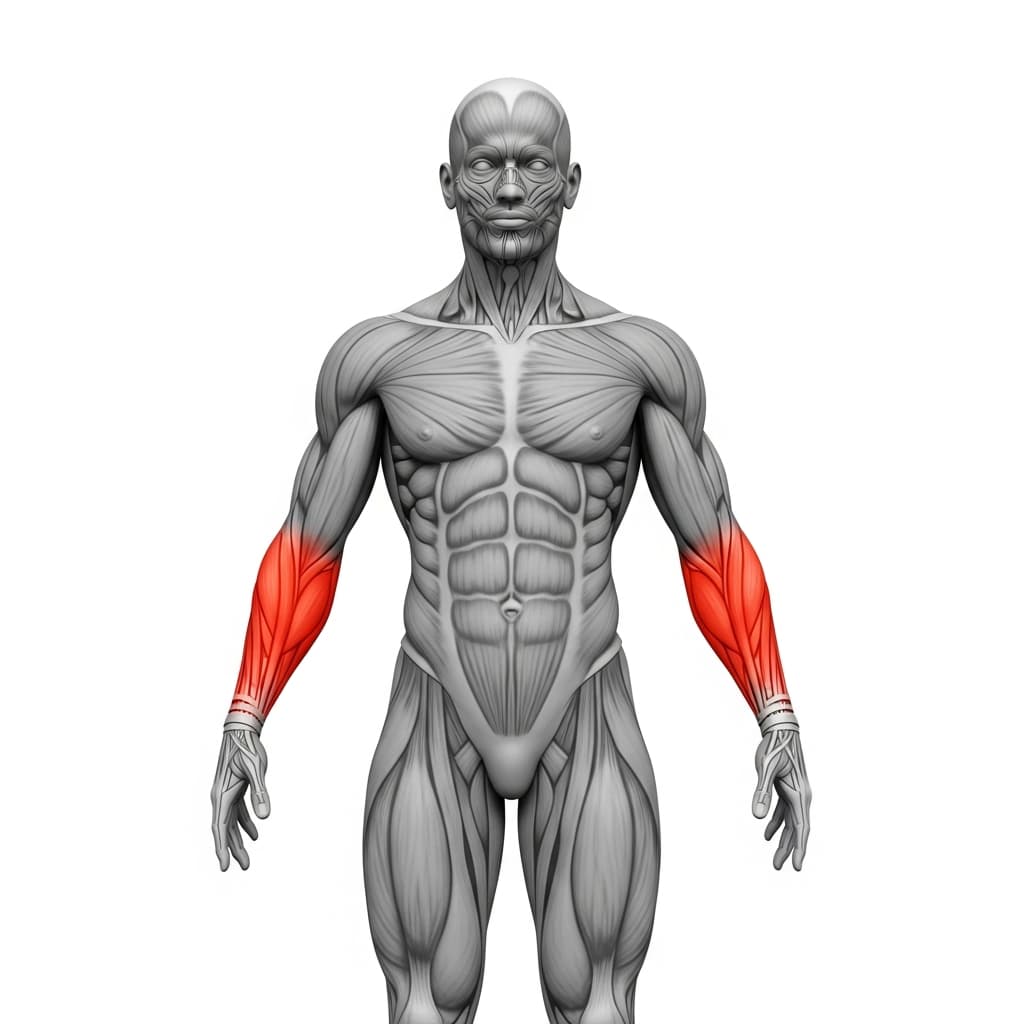
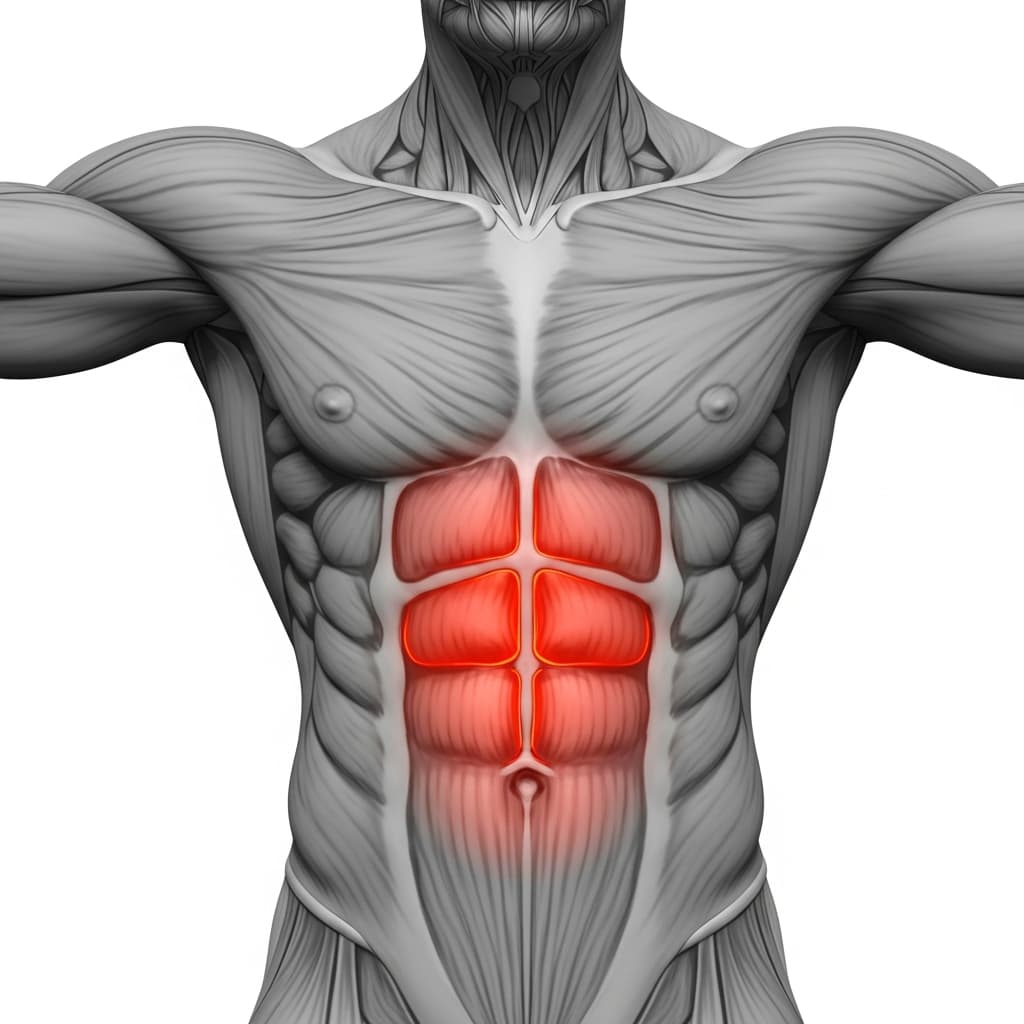
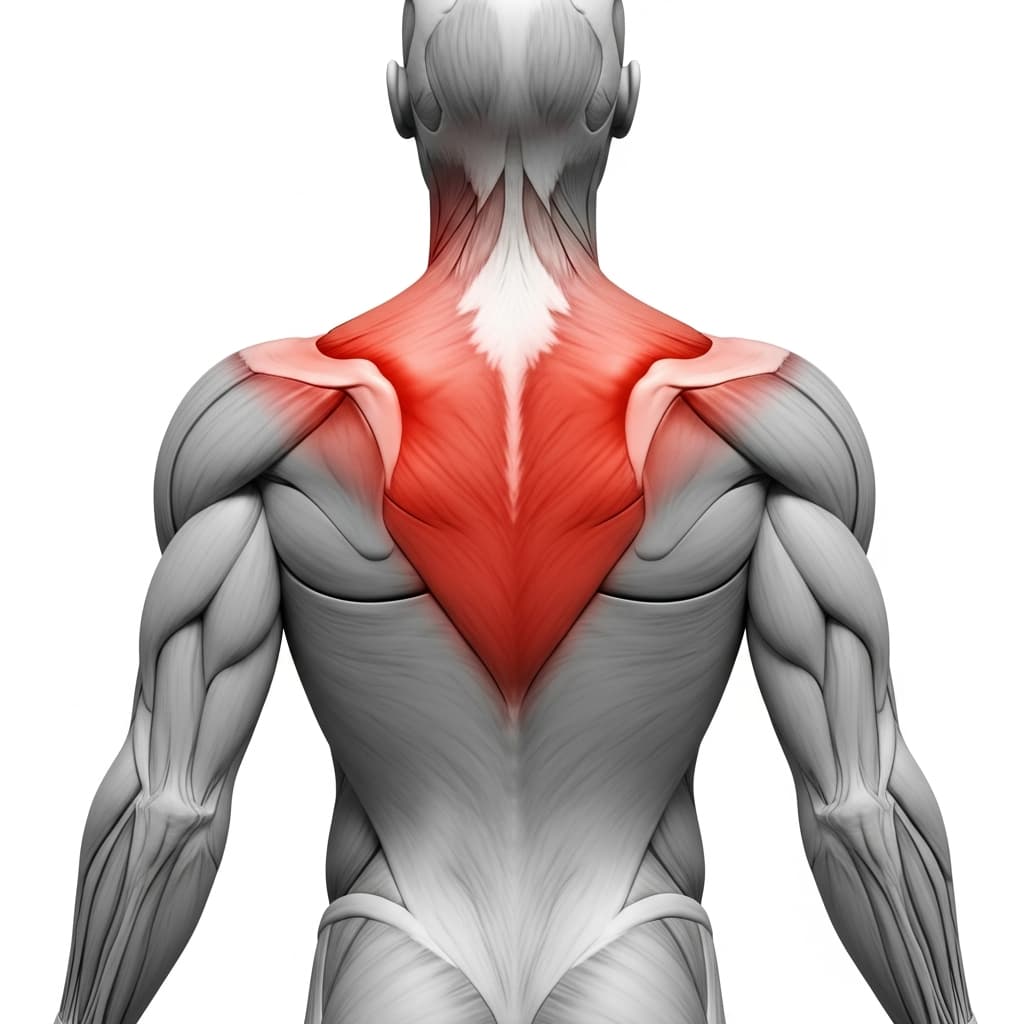
Primary Muscles
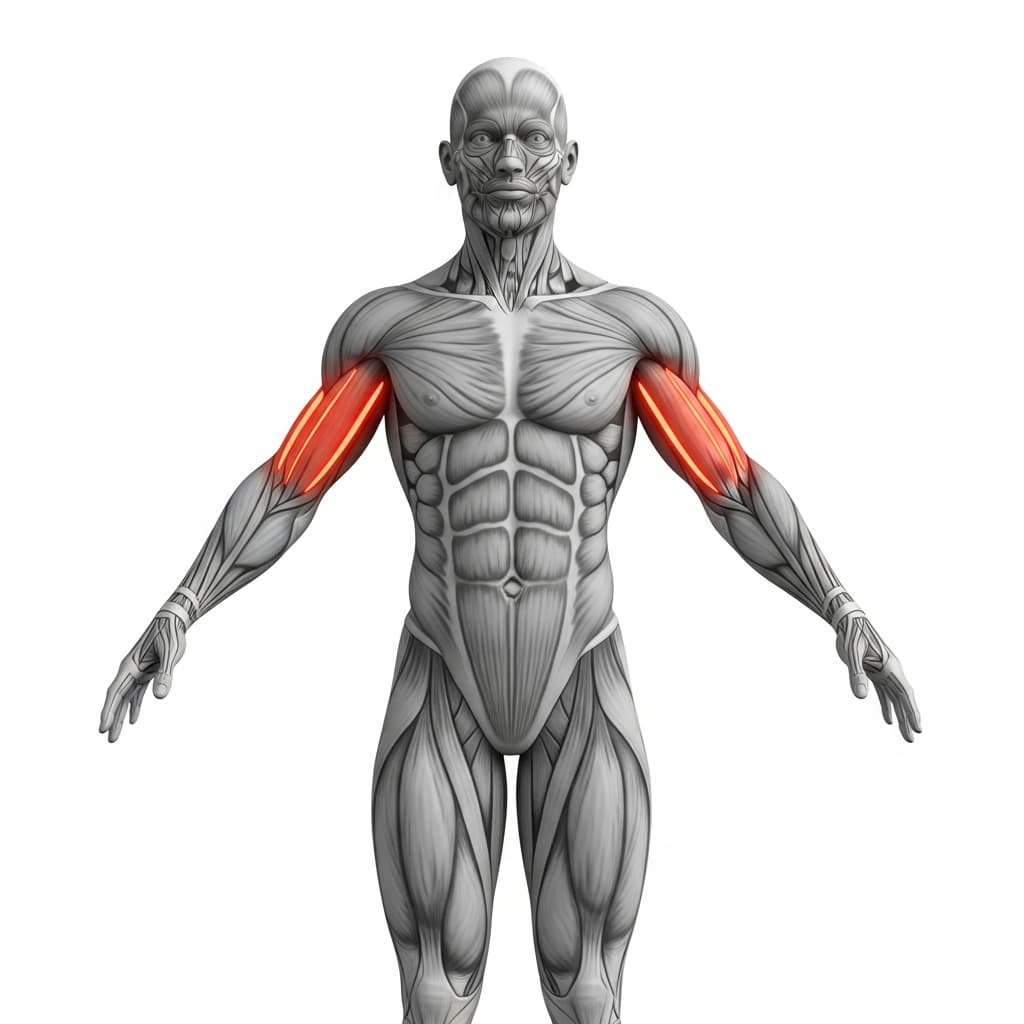
Biceps Brachii (Biceps) - The biceps flex the elbow throughout the pull and are placed in a mechanically advantaged position by the supinated grip, making them a primary mover in chin ups.
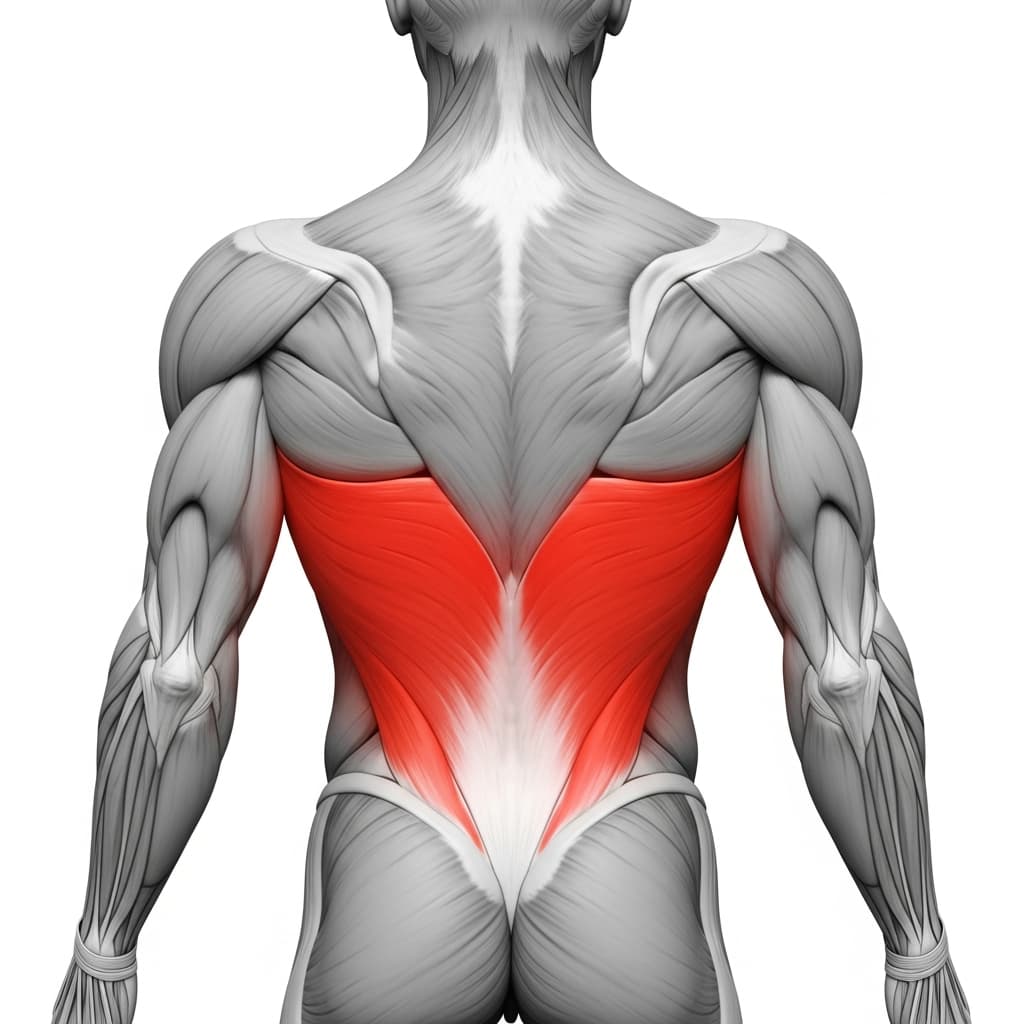
Latissimus Dorsi (Lats) - The lats drive shoulder extension and adduction, pulling the upper arm down and back toward the torso through the entire concentric phase of the chin up.
Secondary Muscles
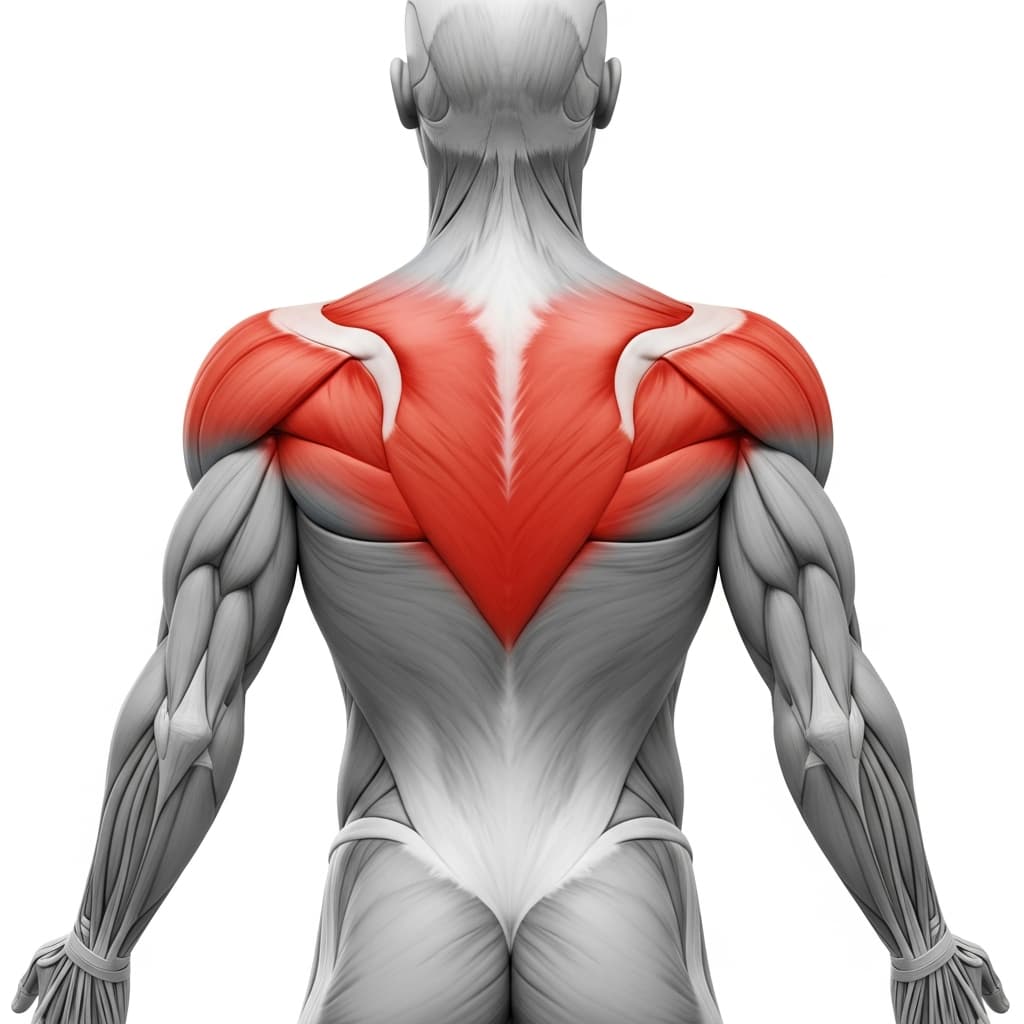
Rhomboids & Upper Trapezius (Upper Back) - The rhomboids and mid-trapezius retract the shoulder blades at the top of each rep, completing the full range of motion and stabilizing the scapula.
Posterior Deltoid (Rear Deltoid) - The rear deltoids assist shoulder extension during the pull, working alongside the lats to drive the elbows backward.
Forearm Flexors & Extensors (Forearms) - The forearm flexors maintain grip on the bar throughout the set, sustaining isometric tension under full bodyweight load.
Rectus Abdominis (Abs) - The abdominals brace the torso and maintain a stable body position, preventing excessive arching or swinging during the pull.
Trapezius (Trapezius) - The lower traps depress the scapula during the initial scapular pull-up phase, setting the shoulders into a safe and strong position before the arms begin pulling.
Benefits of Chin Ups
- Builds bicep size and pulling strength more effectively than any other bodyweight exercise due to the supinated grip placing the biceps in their strongest line of pull
- Develops lat width and upper back thickness through a full range of motion under bodyweight load
- Strengthens grip endurance and forearm musculature from sustained hanging and loaded pulling
- Reinforces scapular stability and control, which protects the shoulder joint during all overhead and pressing movements
- Carries over directly to advanced calisthenics skills like muscle ups and front levers by building foundational vertical pulling power
Who Is This Exercise For?
You should be able to hold a dead hang for at least 20 seconds and perform 5 controlled scapular pull-ups before attempting full chin ups. If you cannot maintain a stable grip on the bar for that duration or your shoulders elevate toward your ears during a hang, prioritize grip endurance and scapular depression drills first. Band-assisted chin ups or slow negatives are the best bridge exercises if you are not yet strong enough for a full rep.
Common Mistakes to Avoid
Skipping scapular initiation: Depress and retract your shoulder blades before bending the elbows on every single rep. Practicing isolated scapular pull-ups as a warm-up builds this habit and transfers directly into better chin up mechanics.
Grip too wide: Keep your hands at or slightly inside shoulder width. Going wider than shoulder width with a supinated grip puts excessive strain on the wrists and reduces bicep engagement.
Using momentum or kipping: Start every rep from a controlled dead hang with no swing or leg kick. Kipping shifts load away from the target muscles and places the shoulder in a vulnerable position under high force.
Half reps at the bottom: Lower all the way to full arm extension on every rep. Cutting the bottom range short reduces lat stretch under load and limits strength gains through the weakest part of the movement.
Craning the neck to clear the bar: Keep your neck neutral and focus on pulling your chest toward the bar. If your chin cannot clear without jutting your head forward, the rep is not complete and you need to build more pulling strength.
Variations & Progressions
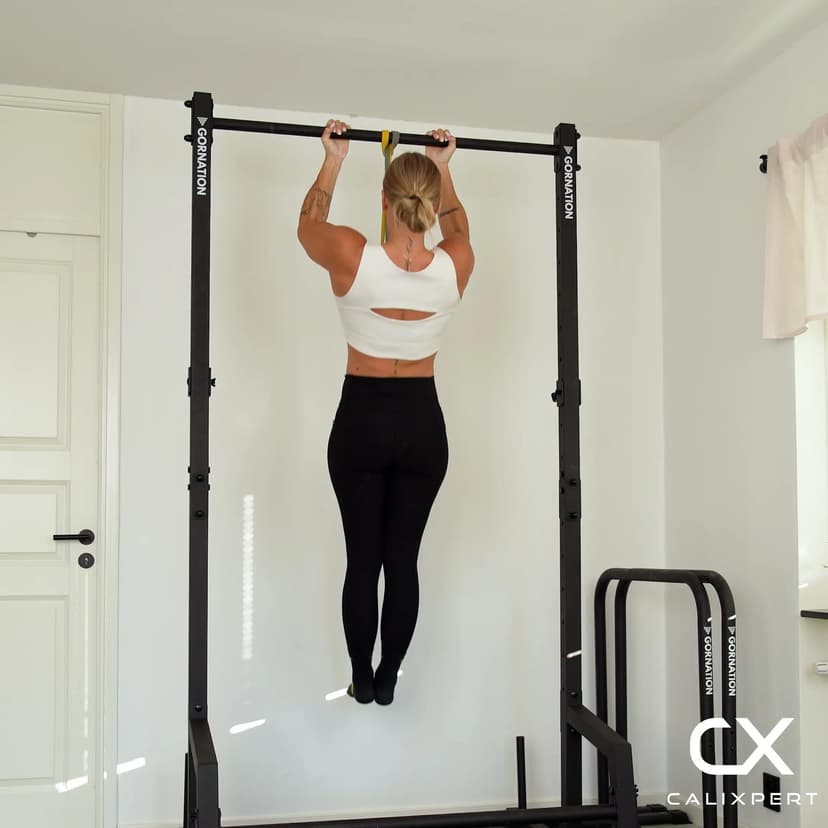
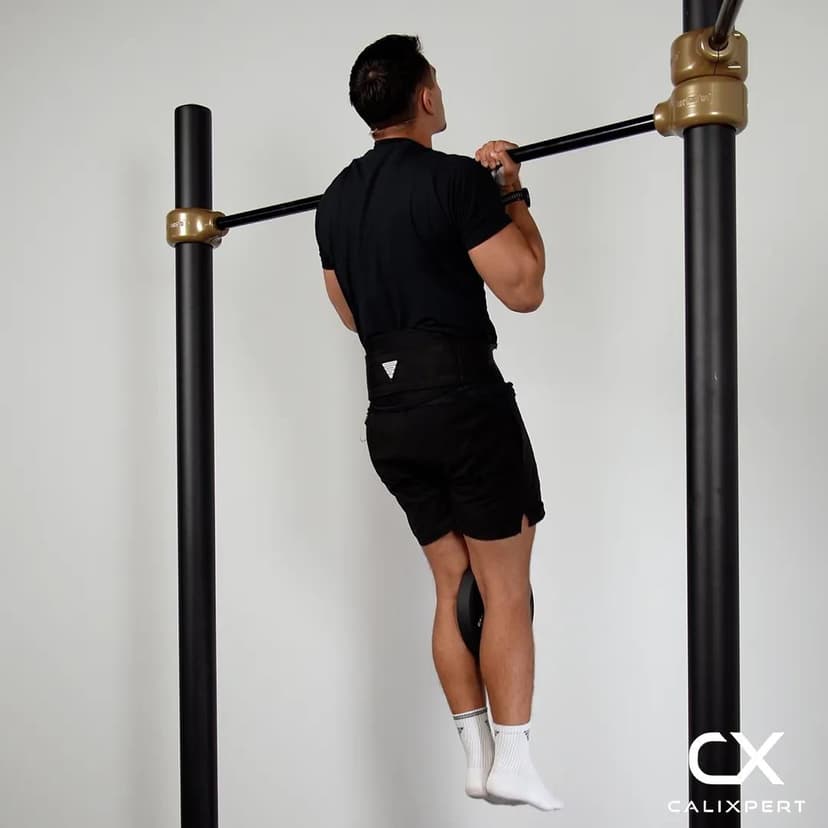
L-Sit Chin Ups
Hold your legs straight out in front of you at hip height throughout the entire pull. This variation dramatically increases the demand on the abs and hip flexors while eliminating any possibility of using momentum.