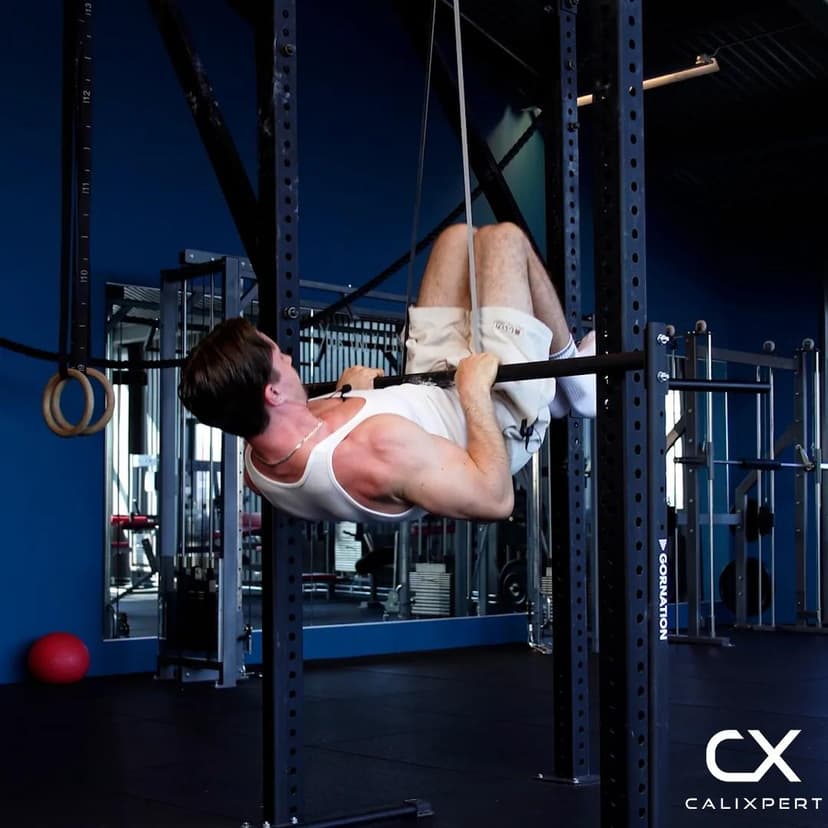
Hanging L-sit Hold
The Hanging L-sit Hold is an advanced isometric core exercise performed from a dead hang that targets the abs, hip flexors, lats, and forearms under constant tension. Unlike the floor L-sit, the hanging version adds gravitational load to the core while simultaneously demanding grip strength and shoulder stability. When performed with proper scapular engagement and hip flexor compression, this hold builds the foundational body tension required for front lever progressions and toes-to-bar work.
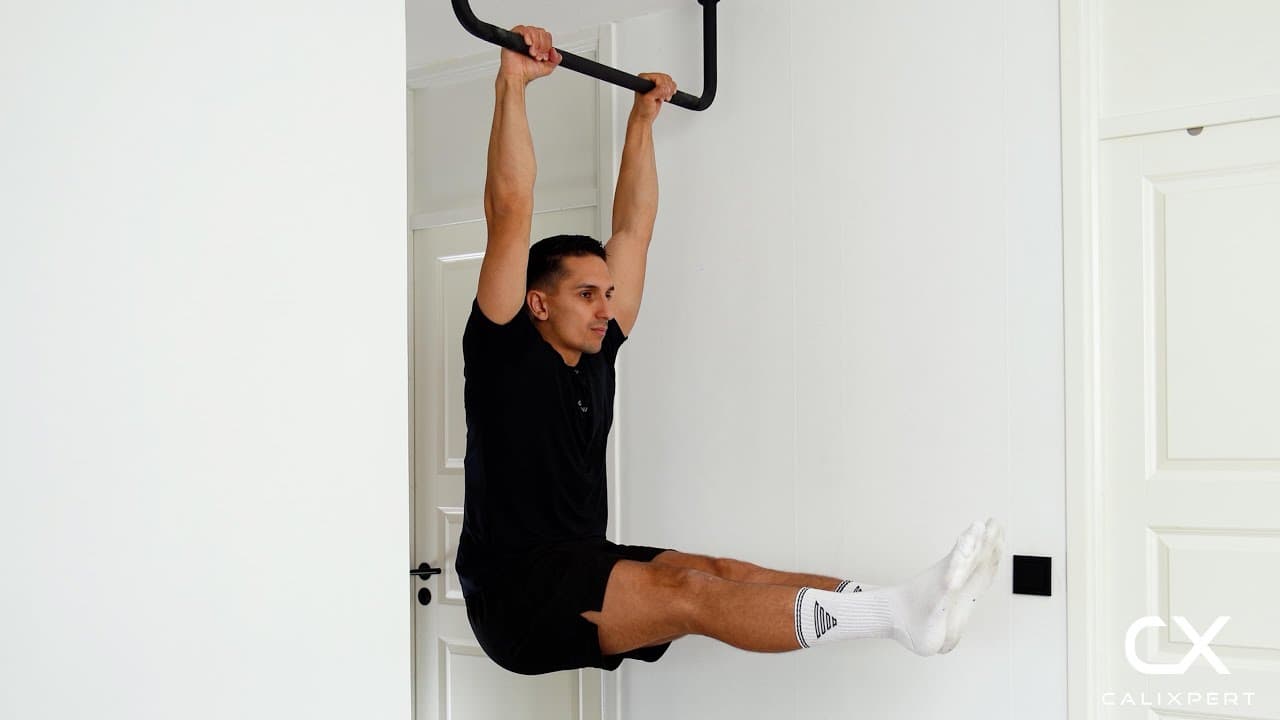
The Hanging L-sit Hold is an advanced isometric core exercise performed from a dead hang that targets the abs, hip flexors, lats, and forearms under constant tension. Unlike the floor L-sit, the hanging version adds gravitational load to the core while simultaneously demanding grip strength and shoulder stability. When performed with proper scapular engagement and hip flexor compression, this hold builds the foundational body tension required for front lever progressions and toes-to-bar work.
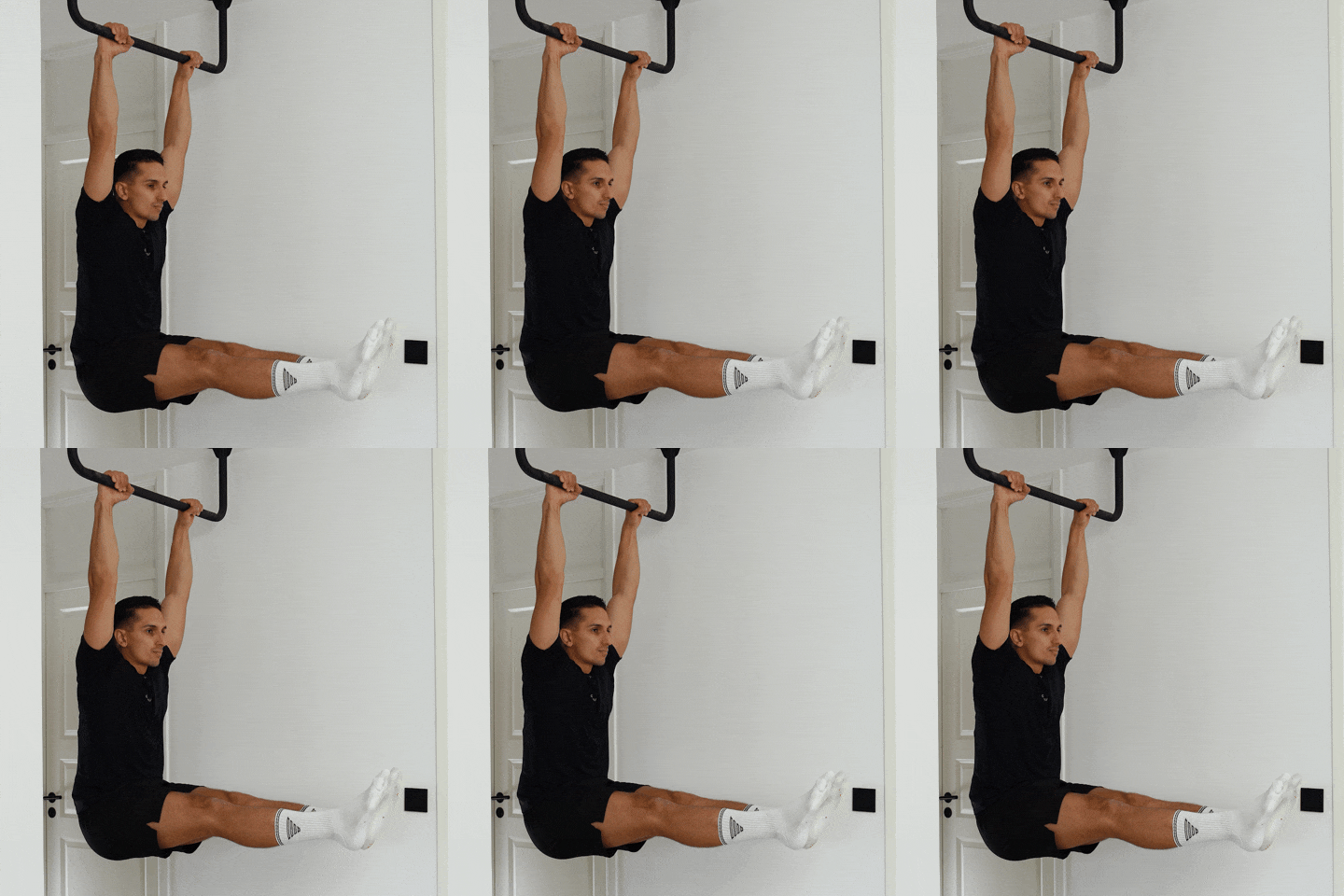
How to Do Hanging L-sit Hold
1. Set Up Your Grip
Grab a straight bar with an overhand grip, hands about shoulder-width apart. Wrap your thumbs fully around the bar for a secure hold. The bar must be high enough that your feet do not touch the ground when hanging with legs extended.
Thumbs around the bar, not on top
2. Engage Your Shoulders
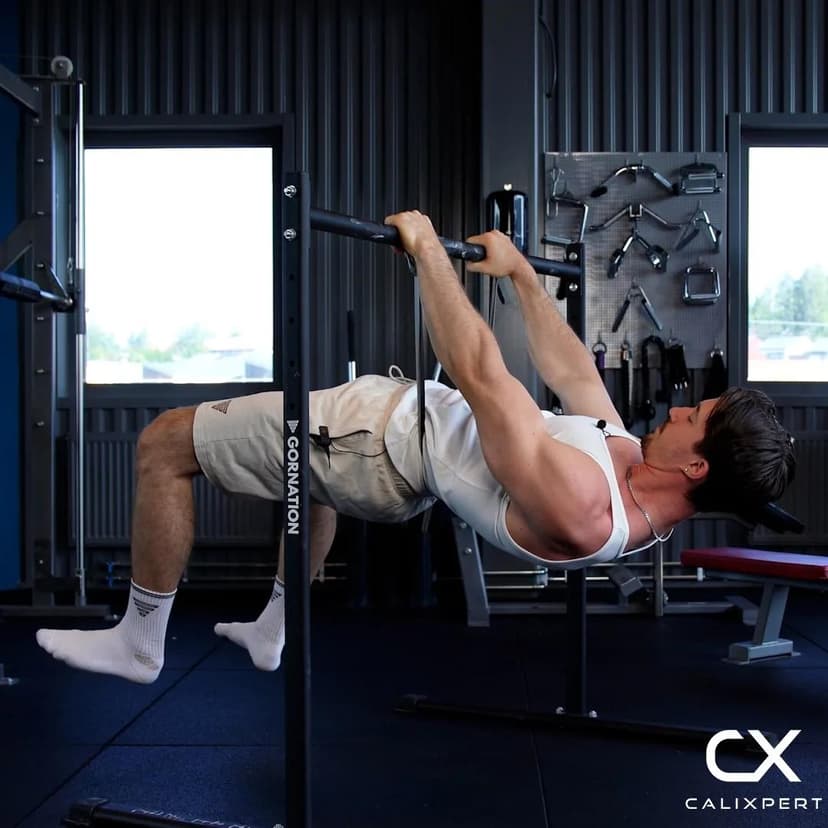
From the dead hang, pull your shoulders down and away from your ears to activate the lats and stabilize the shoulder joint. Do not hang passively with relaxed shoulders. This active hang position creates a solid connection between your upper body and core, which is essential for maintaining the L-sit shape. If you relax the shoulders, you will lose the ability to compress through the core.
Shoulders down and locked, never relaxed
3. Lift Your Legs to L-Position
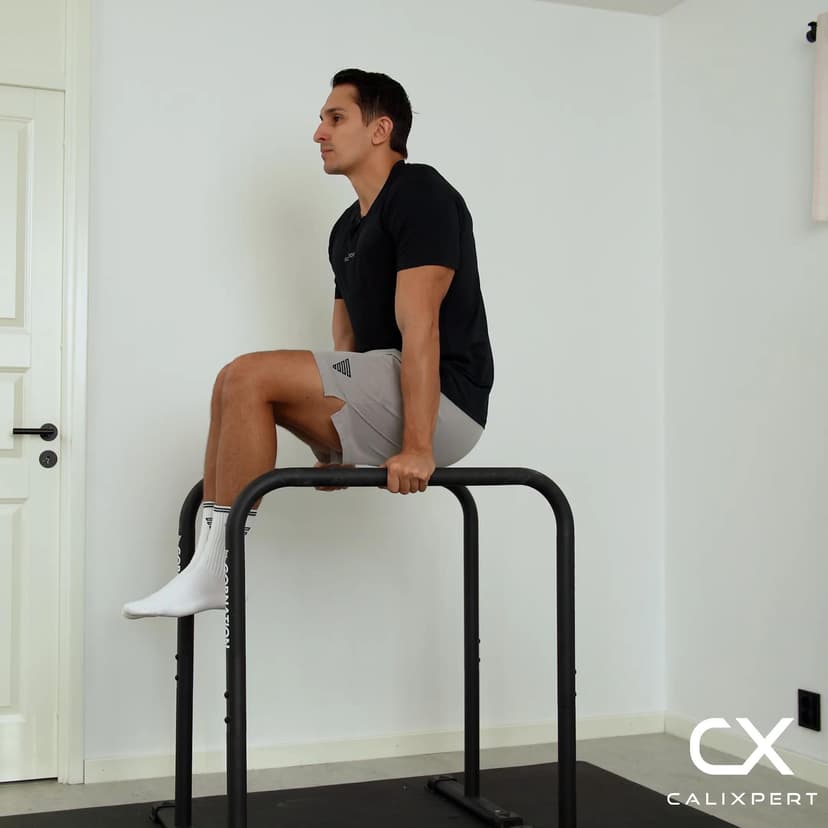
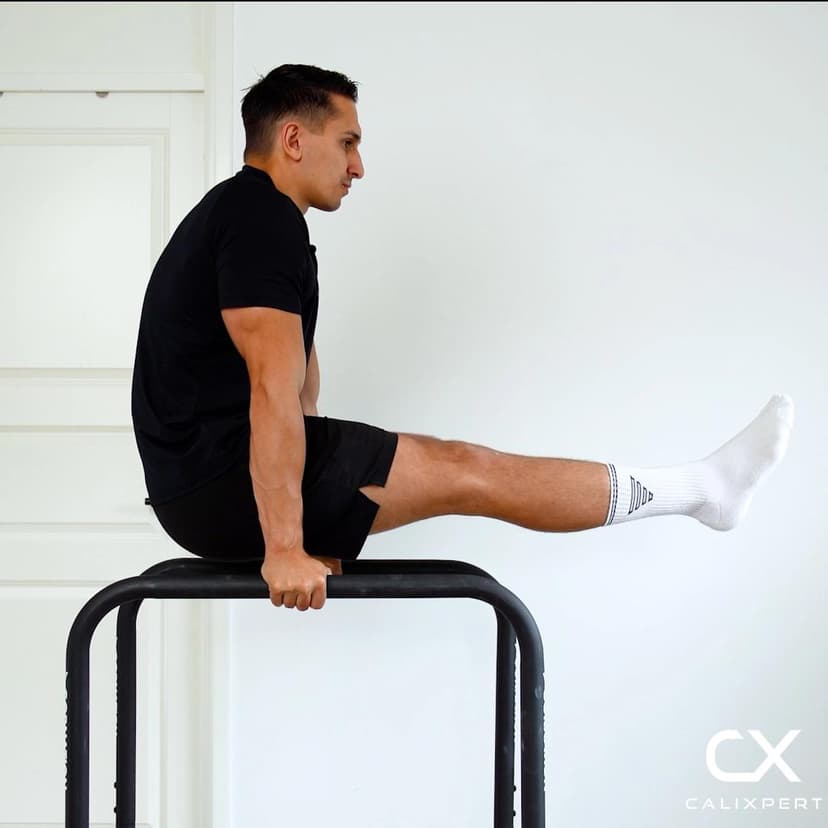
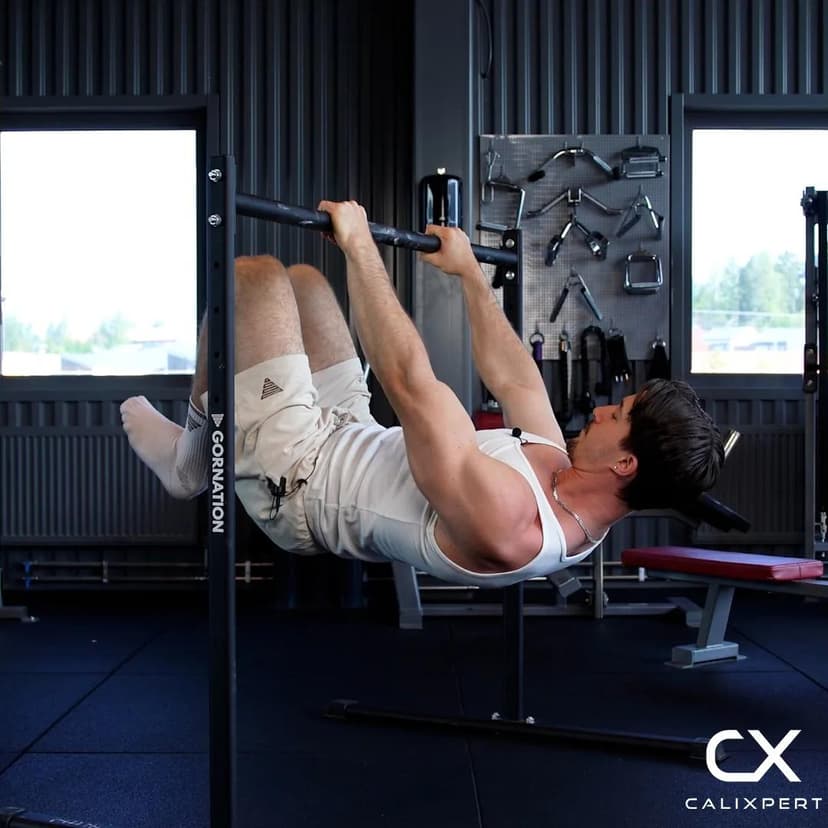
Bring both legs up together until they are straight and parallel to the floor. You can either lift them straight from the bottom or start from a tuck position and extend outward. Keep your knees fully locked and point your toes forward. Use controlled movement with no swinging or momentum.
Legs straight, toes pointed, no swing
4. Compress the Core and Hold
Once your legs are at a 90-degree angle to your torso, focus on compressing through the hip flexors and pulling your ribs down. Avoid leaning your torso backward excessively, as this shifts the load off the abs and onto the shoulders. Breathe steadily in short, controlled breaths while maintaining full-body tension.
Compress the core, do not lean back
5. Lower Under Control
When your hold time is up, slowly lower your legs back to a full dead hang rather than dropping them. Maintain the active shoulder position throughout the descent. Reset your grip and body position before attempting the next hold.
Lower slowly, never drop the legs
Most people fail the Hanging L-sit because they try to muscle the legs up with relaxed shoulders. The fix is simple: set your shoulders first, then compress through the core. Think about pulling your belly button toward the bar, not about lifting your feet. When the scapula is engaged and the ribs are pulled down, the hip flexors can do their job and the hold becomes sustainable.
Muscles Worked During Hanging L-sit Hold
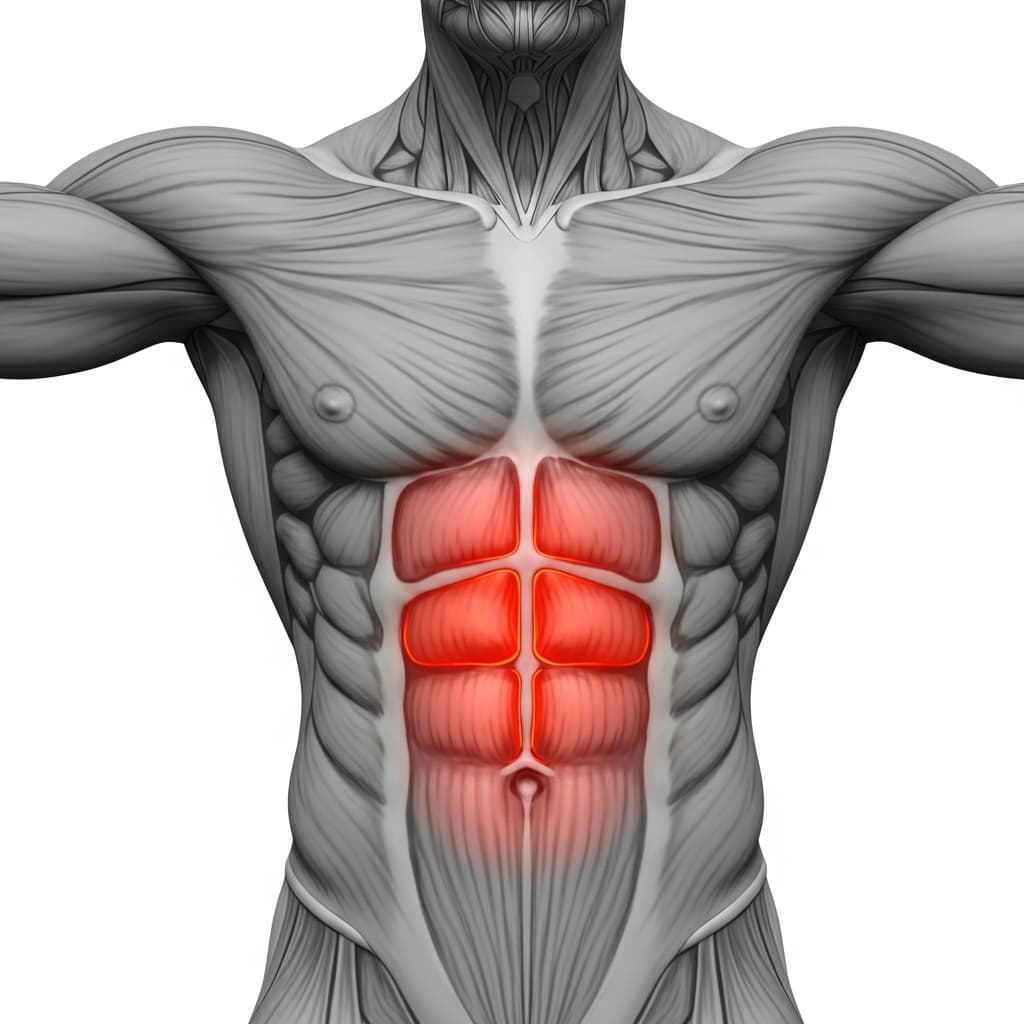
Primary Muscles:
Secondary Muscles:
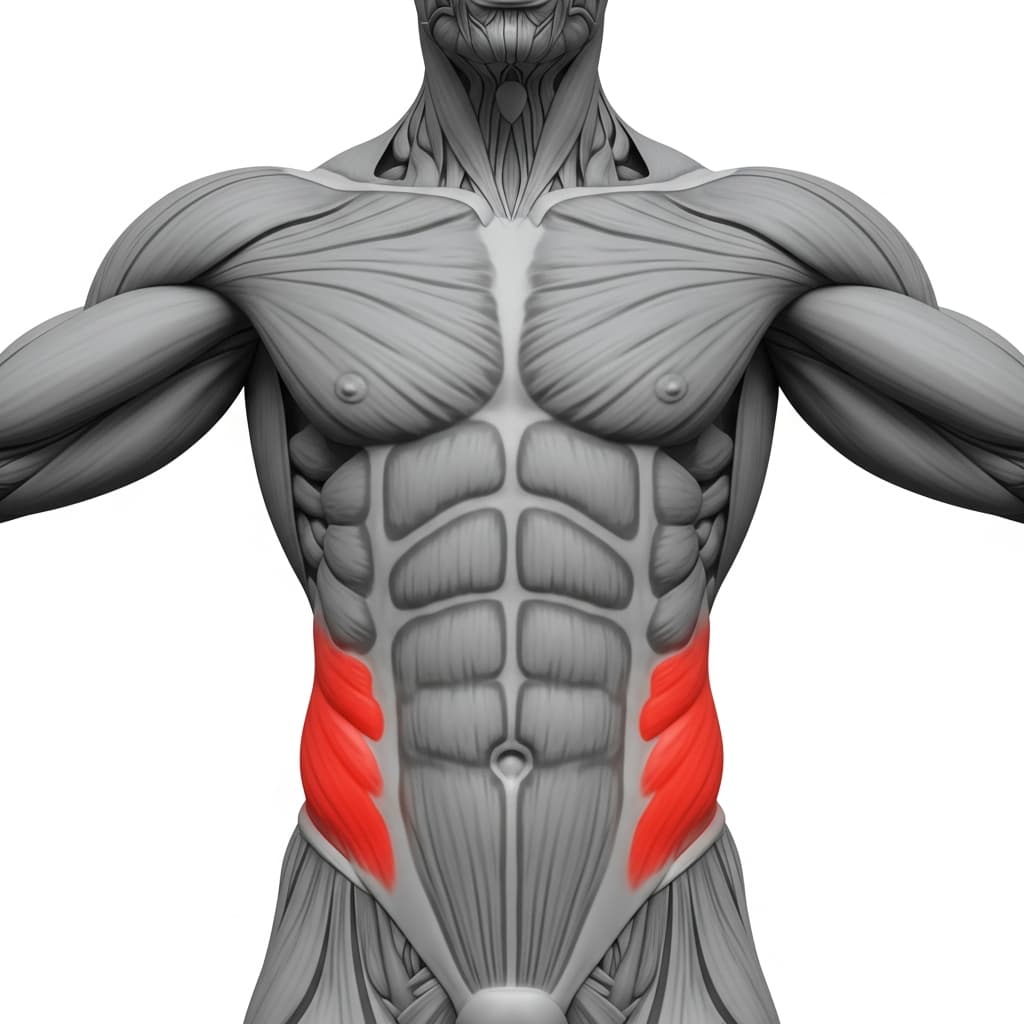
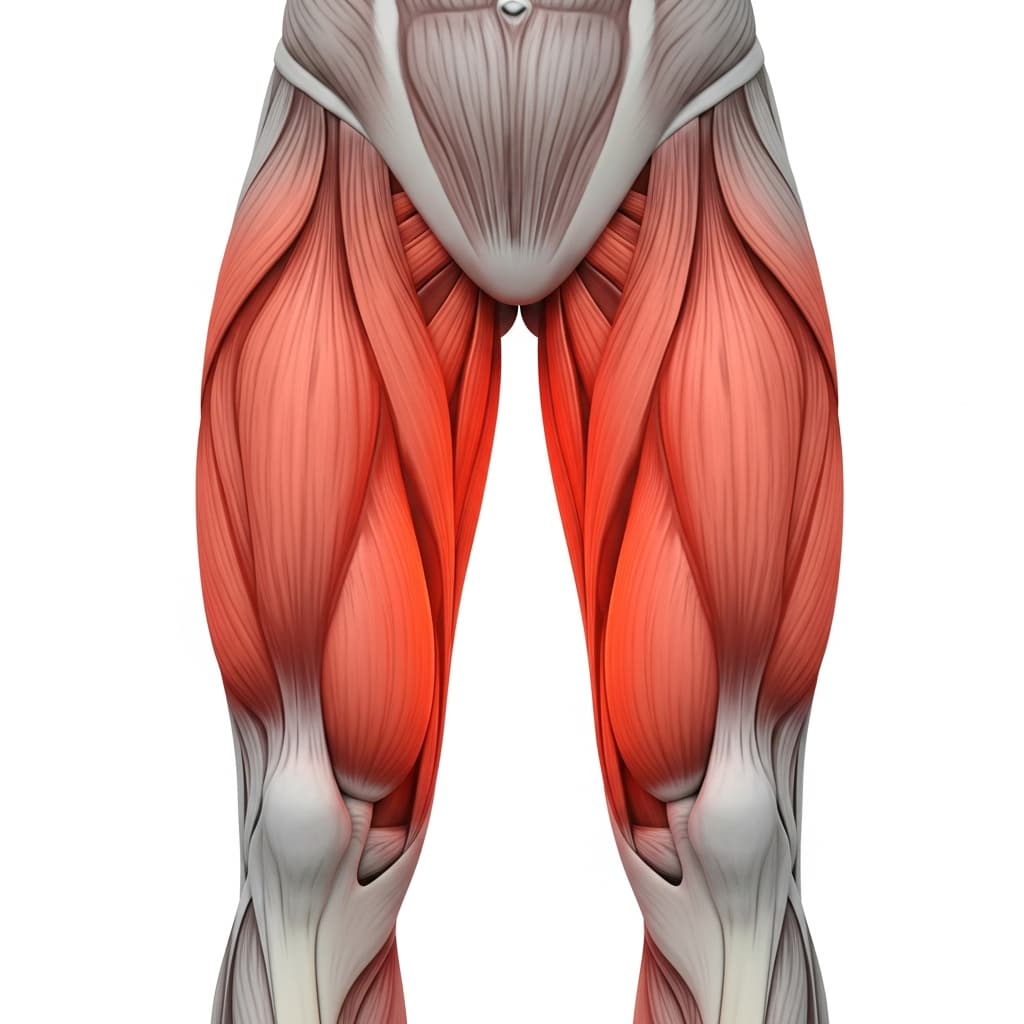
Primary Muscles
Rectus Abdominis (Abs) - The rectus abdominis contracts isometrically to maintain the 90-degree angle between the torso and legs, resisting the pull of gravity on the extended legs throughout the hold.
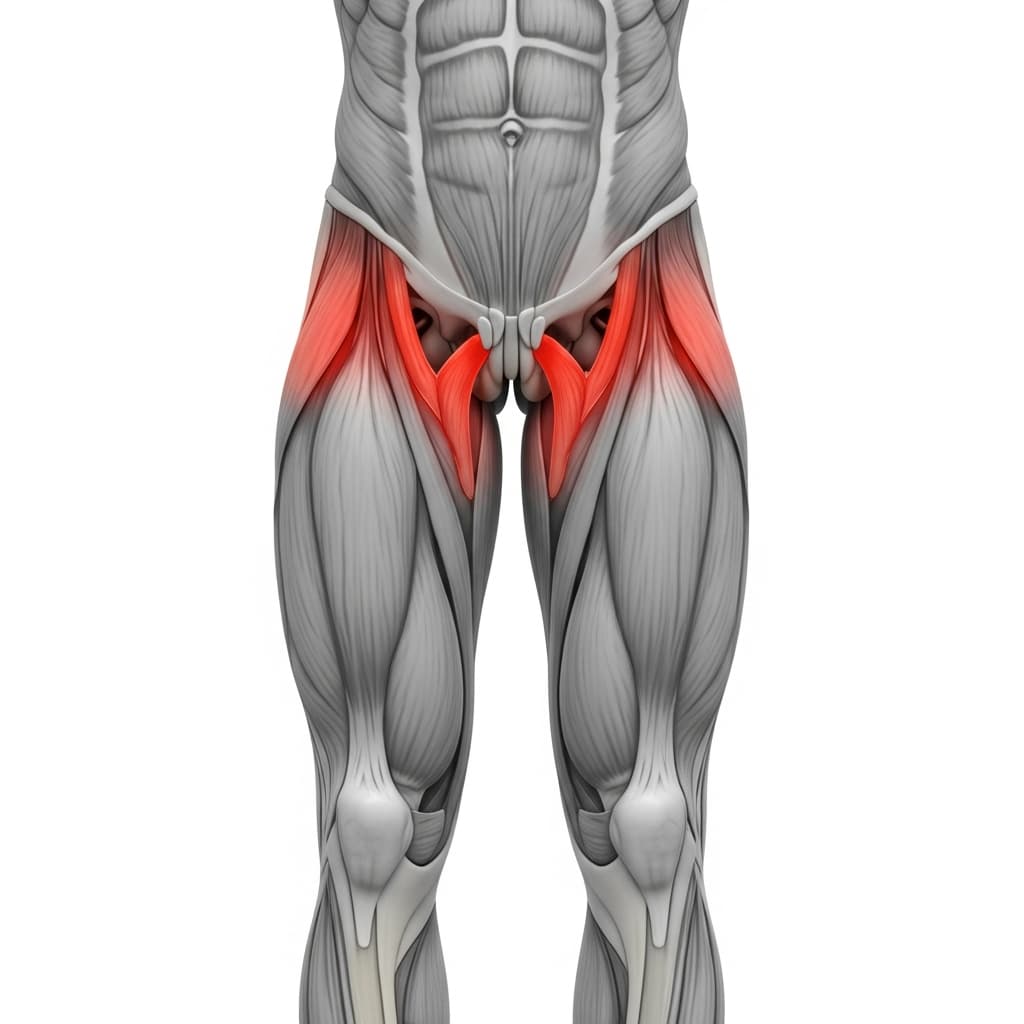
Iliopsoas (Hip Flexors) - The hip flexors, primarily the iliopsoas, generate the compression force that lifts and holds the legs at the parallel position against gravity.
Secondary Muscles
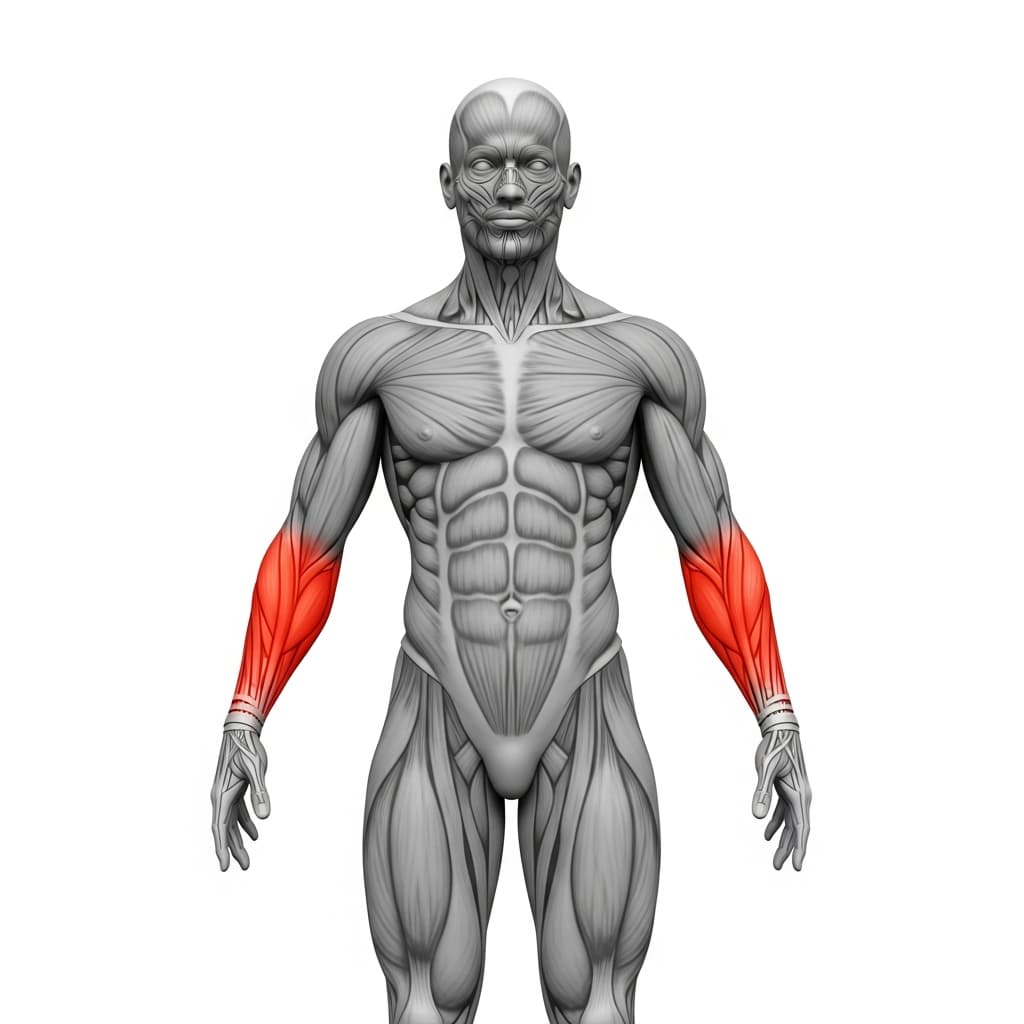
Forearm Flexors & Extensors (Forearms) - The forearm flexors maintain grip on the bar under sustained load, as the core contraction and leg weight create significant pulling forces through the hands.
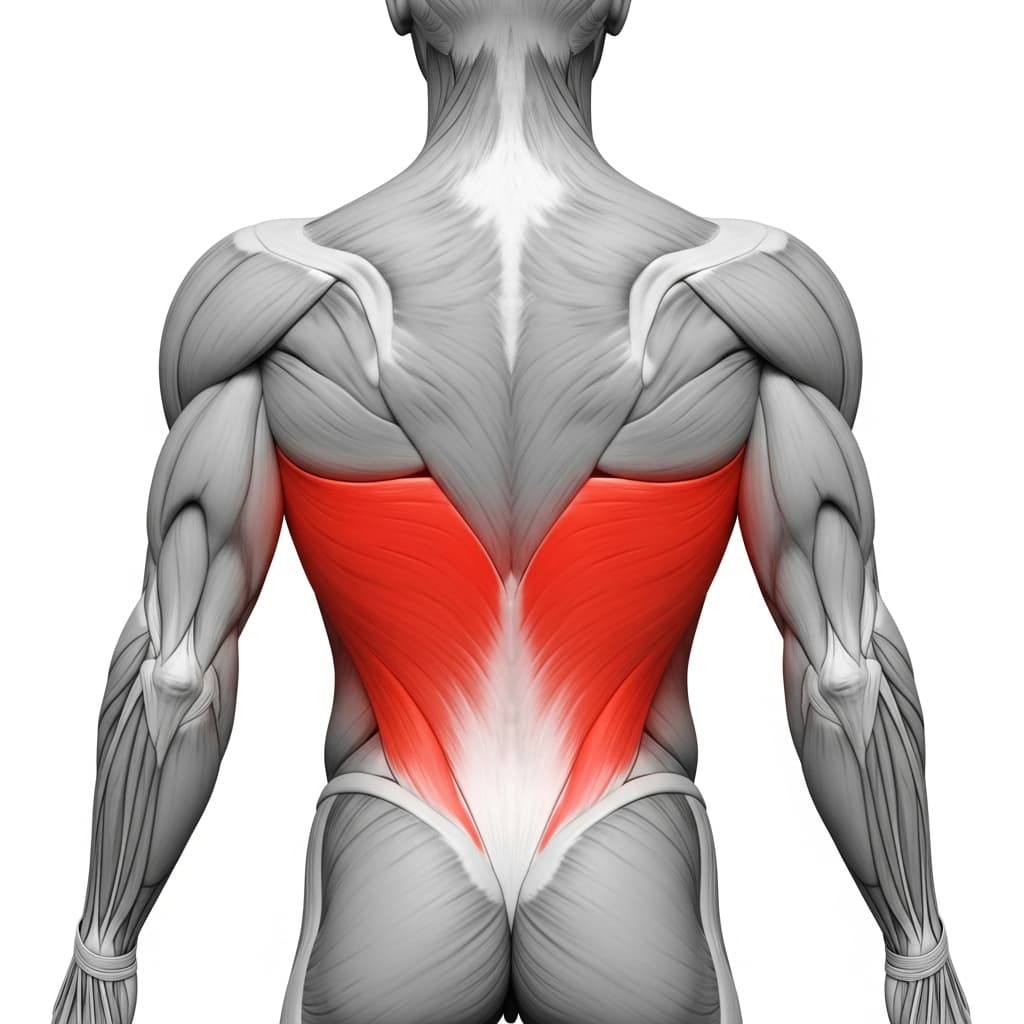
Latissimus Dorsi (Lats) - The latissimus dorsi contracts to depress and stabilize the scapula in the active hang, creating the rigid upper-body frame that the core works against.
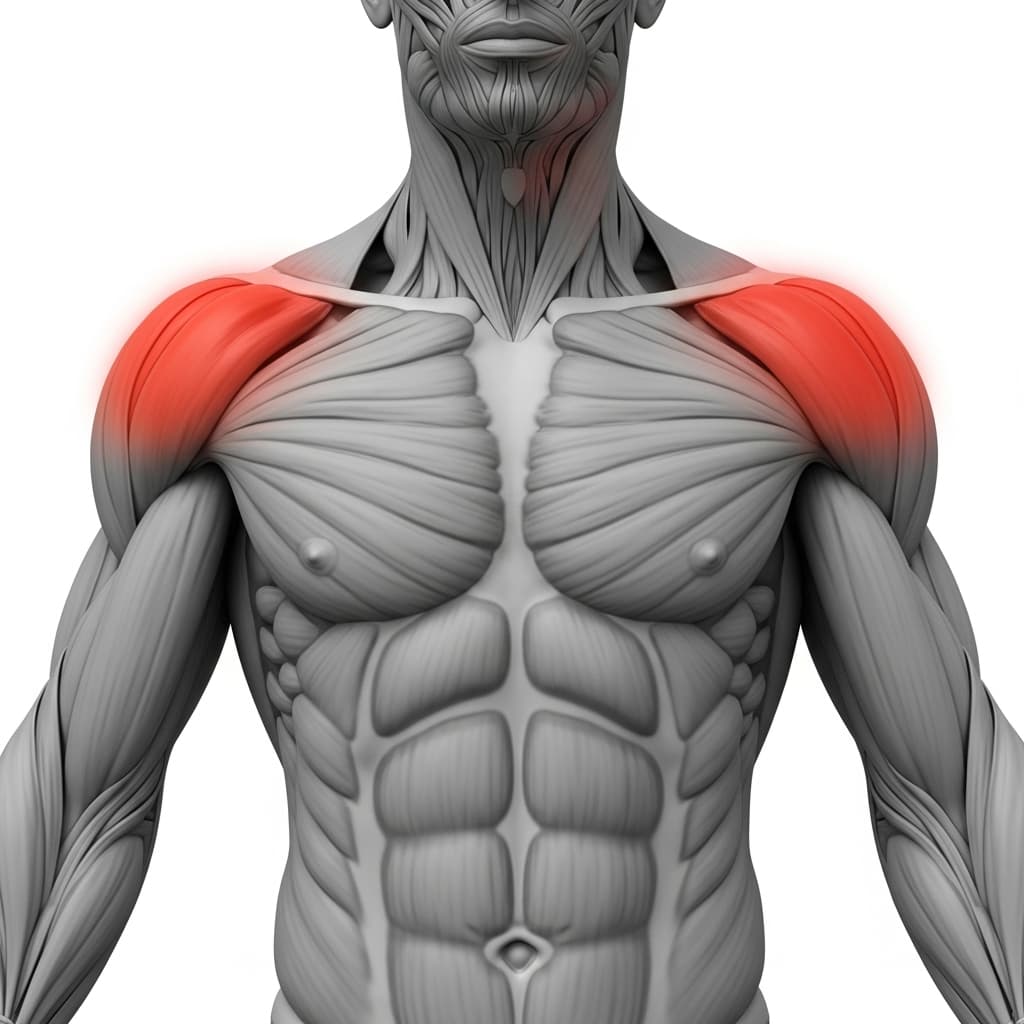
Anterior Deltoid (Front Deltoid) - The anterior deltoid stabilizes the shoulder joint in the overhead hanging position, preventing the torso from swinging or rotating during the hold.
Obliques (Obliques) - The obliques fire isometrically to prevent lateral sway and rotation of the torso, keeping the body aligned in a single plane throughout the hold.
Quadriceps (Quads) - The quadriceps contract to lock the knees into full extension, maintaining the straight-leg position that creates the long lever arm essential to the exercise.
Benefits of Hanging L-sit Hold
- Develops deep hip flexor compression strength that transfers directly to front lever, toes-to-bar, and V-sit progressions
- Builds grip endurance and forearm stamina through sustained isometric hanging under core load
- Strengthens the scapular stabilizers in a loaded overhead position, improving shoulder health for all hanging and pulling movements
- Trains full-body tension and the ability to maintain rigid body positions, a skill that carries over to every advanced calisthenics hold
- Increases active hamstring flexibility through the sustained straight-leg hold at 90 degrees
Who Is This Exercise For?
You should be able to hold a dead hang with active shoulders for at least 20 seconds and perform hanging knee raises with controlled form before attempting the full Hanging L-sit Hold. If maintaining a floor L-sit for 15 seconds is still a challenge, focus on building hip flexor compression and core endurance on the ground first. You also need enough shoulder mobility to hang without your back arching excessively, since limited shoulder flexibility makes it nearly impossible to engage the core properly in this position.
Common Mistakes to Avoid
Relaxing the shoulders in the hang: Keep your shoulders actively pulled down and engaged throughout the entire hold. When you relax into a passive hang, you lose the connection between your upper body and core, making it significantly harder to maintain the L-position.
Leaning too far backward: Focus on compressing through the hip flexors and pulling the ribs down instead of tilting the torso back. Excessive backward lean turns this into a shoulder endurance exercise rather than a core hold.
Using momentum to lift the legs: Start each rep from a completely still dead hang with no swing. If you need to swing to get your legs up, regress to hanging knee raises or tuck L-sit holds until you build enough controlled strength.
Bending the knees during the hold: Keep both knees fully locked throughout the entire hold. Bending the knees shortens the lever arm and dramatically reduces the core and hip flexor demand, which is the entire point of the exercise.