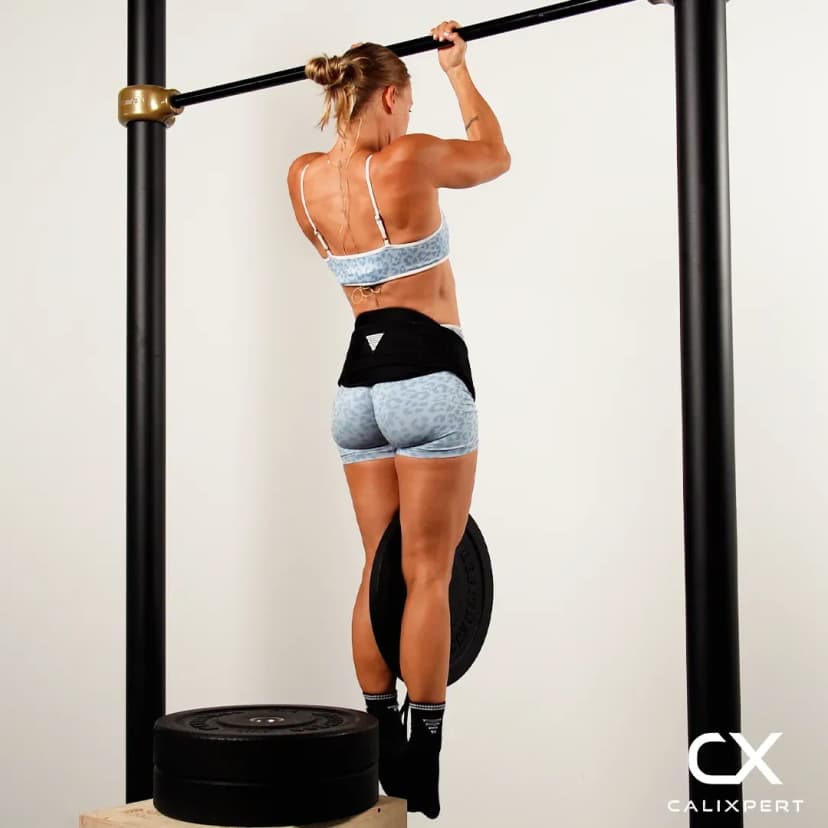
One Arm Scapula Pull Ups
One arm scapula pull-ups are an advanced unilateral scapular control exercise that isolates the lats, lower traps, and stabilizing muscles of the shoulder girdle through single-arm hanging depression. The movement demands that one side of the body produces the full force of scapular retraction and depression while resisting rotational forces through the core. Mastering this exercise builds the asymmetric shoulder stability and pulling strength required for one arm pull-up progressions and advanced calisthenics skills.
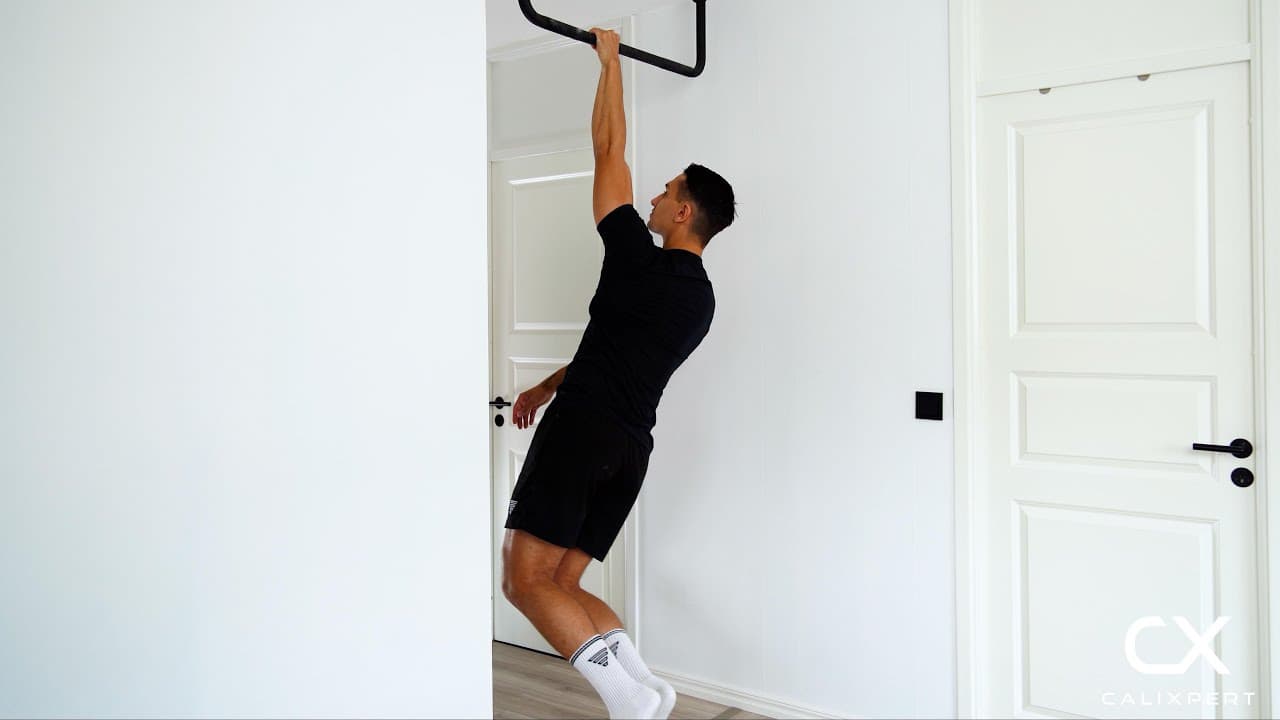
One arm scapula pull-ups are an advanced unilateral scapular control exercise that isolates the lats, lower traps, and stabilizing muscles of the shoulder girdle through single-arm hanging depression. The movement demands that one side of the body produces the full force of scapular retraction and depression while resisting rotational forces through the core. Mastering this exercise builds the asymmetric shoulder stability and pulling strength required for one arm pull-up progressions and advanced calisthenics skills.
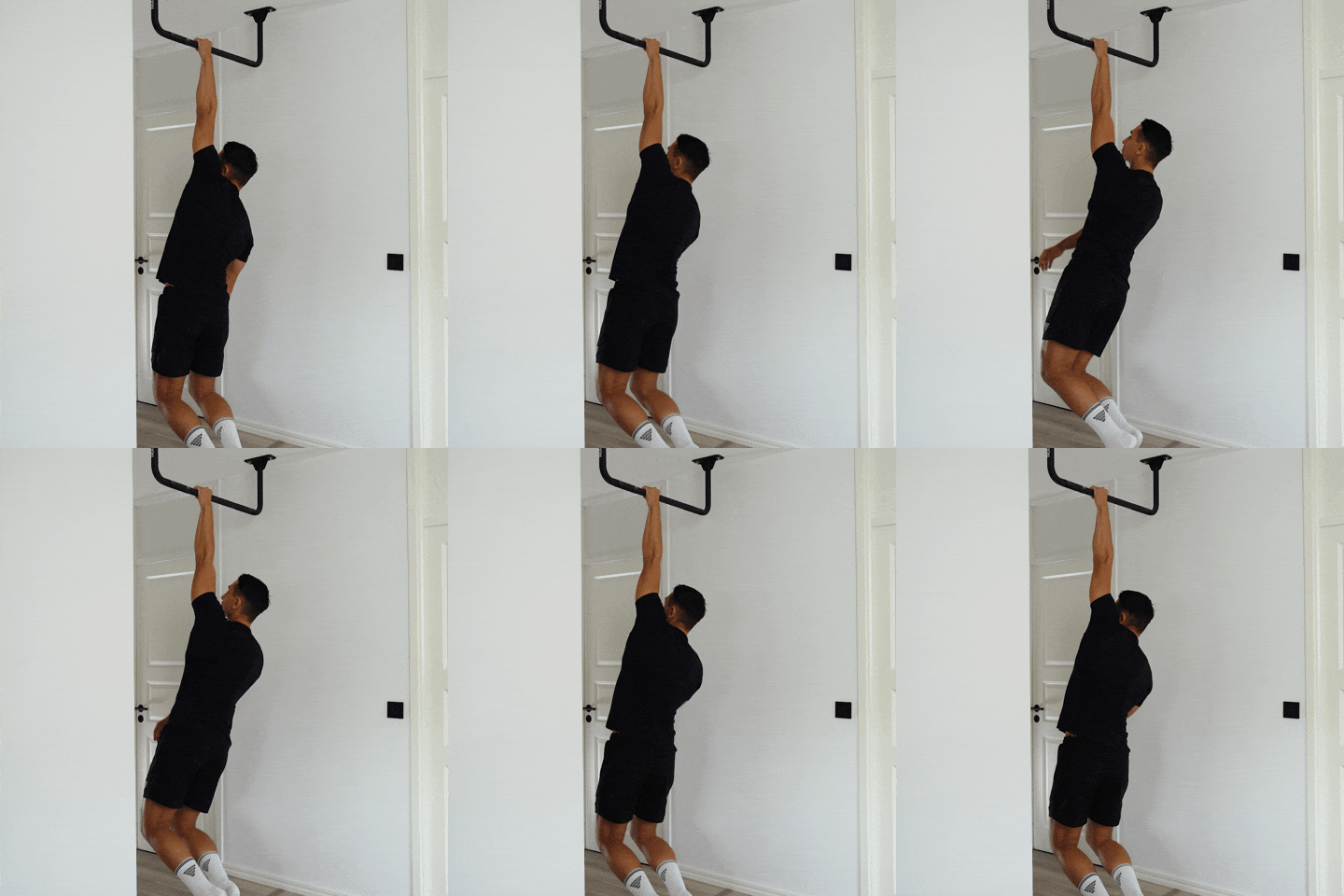
How to Do One Arm Scapula Pull Ups
1. Grip the Bar Correctly
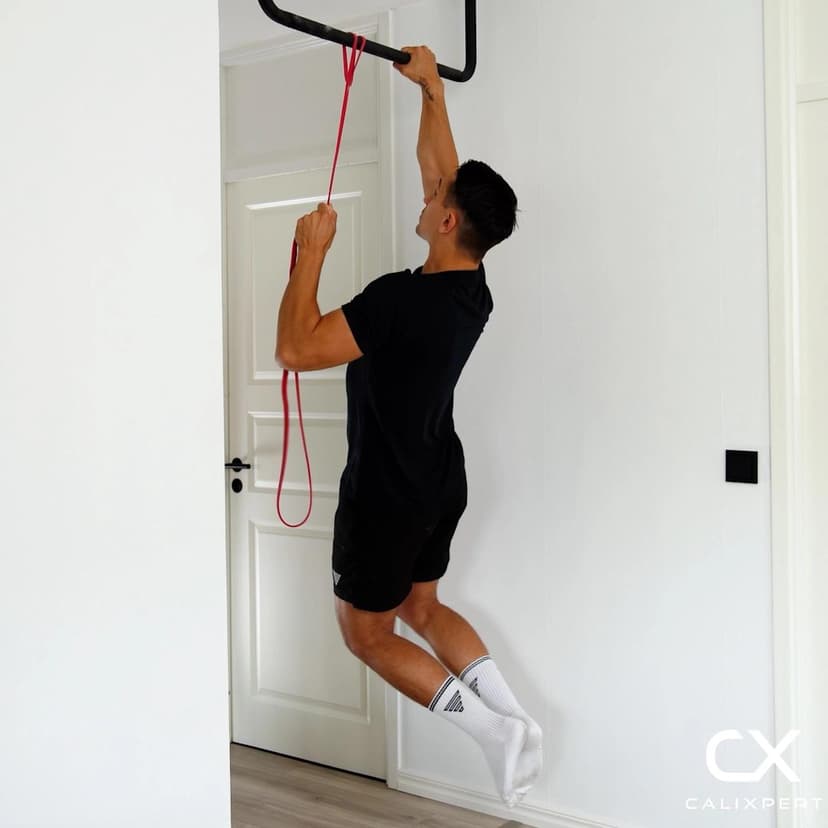
Reach up to a high straight bar and grip it with one hand using an overhand grip. Position your hand so your knuckles point upward toward the ceiling, not backward. Wrap your thumb fully around the bar for maximum grip security. This knuckle-up orientation places the shoulder in a safer position and allows the scapula to move through its full range.
Knuckles up, thumb around the bar
2. Establish the Dead Hang
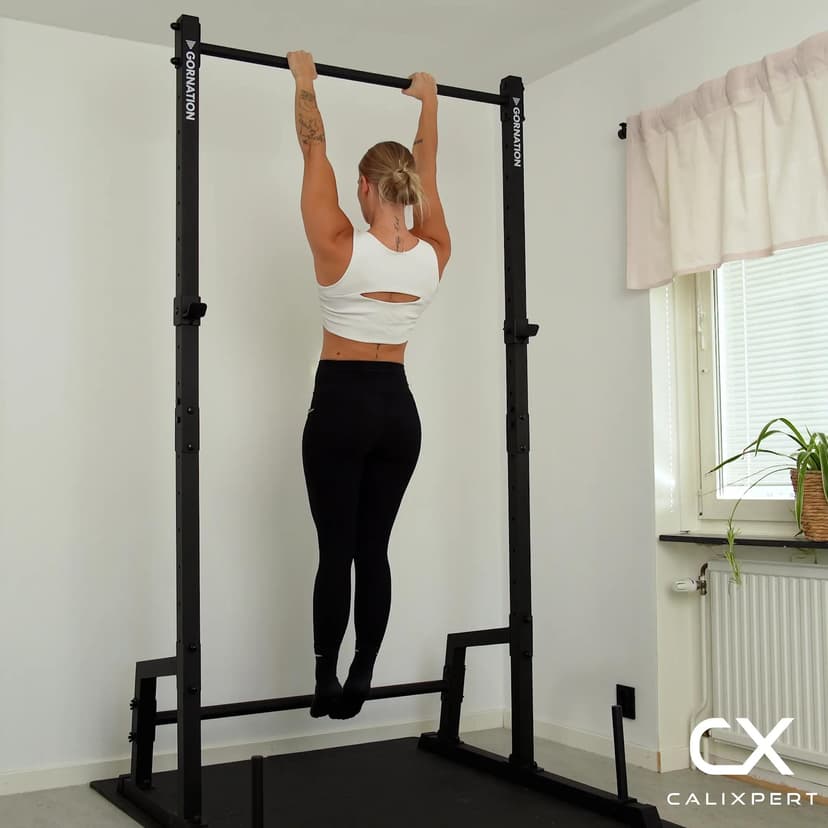
Let your body hang fully with your arm completely straight and your shoulder relaxed up toward your ear. Keep your free arm at your side or slightly in front of your body for balance. Your body should hang naturally without any swing or rotation before you initiate the movement.
Arm straight, shoulder fully relaxed
3. Brace Your Core Against Rotation
Engage your abs, obliques, and glutes firmly before initiating the pull. The single-arm hang creates a strong rotational force that will spin your body if your core is not locked down. Think of bracing as if someone were about to push you sideways. This anti-rotation demand is what makes the one-arm version significantly harder than the bilateral version.
Lock down your core before you pull
4. Depress the Scapula
Without bending your elbow, pull your shoulder blade down and slightly back. Your body will rise a few centimeters as the scapula moves into its depressed position. Keep the movement controlled and precise, focusing entirely on the shoulder blade rather than any arm involvement. Hold the top position for a brief moment to confirm full scapular depression.
Pull shoulder blade down, elbow stays locked
5. Lower With Control
Slowly allow your shoulder blade to rise back up toward your ear, returning to the dead hang position. Resist gravity on the way down rather than simply dropping. Re-set your core brace and confirm you are not rotating before initiating the next rep.
Resist on the way down, no dropping
Most people rush through scapula pull-ups because the range of motion looks small. On the one-arm version, that small range is where all the work happens. Focus on pulling the shoulder blade as far down as it will go, hold for a full second, and lower over two to three seconds. If your body starts rotating, your core gave out before your scapula did, so shorten the set and reset.
Muscles Worked During One Arm Scapula Pull Ups
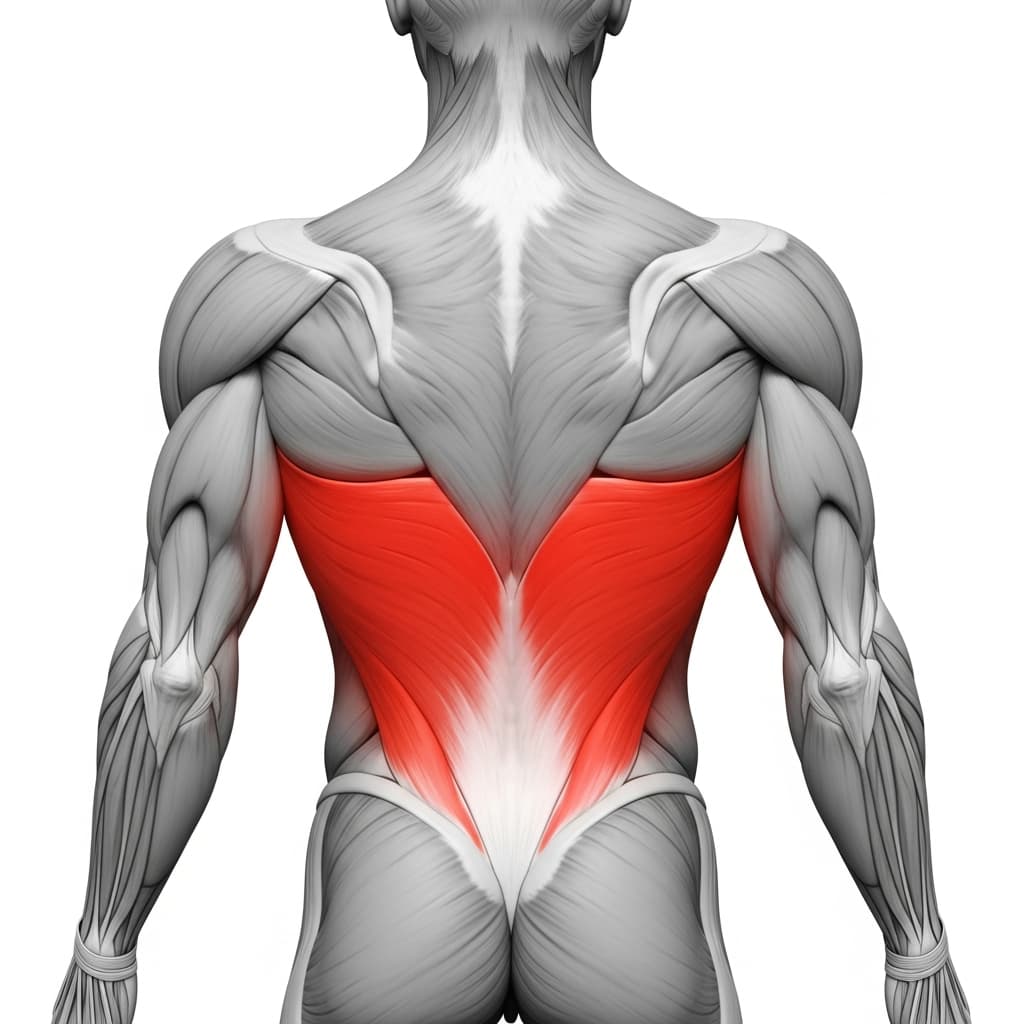
Secondary Muscles:
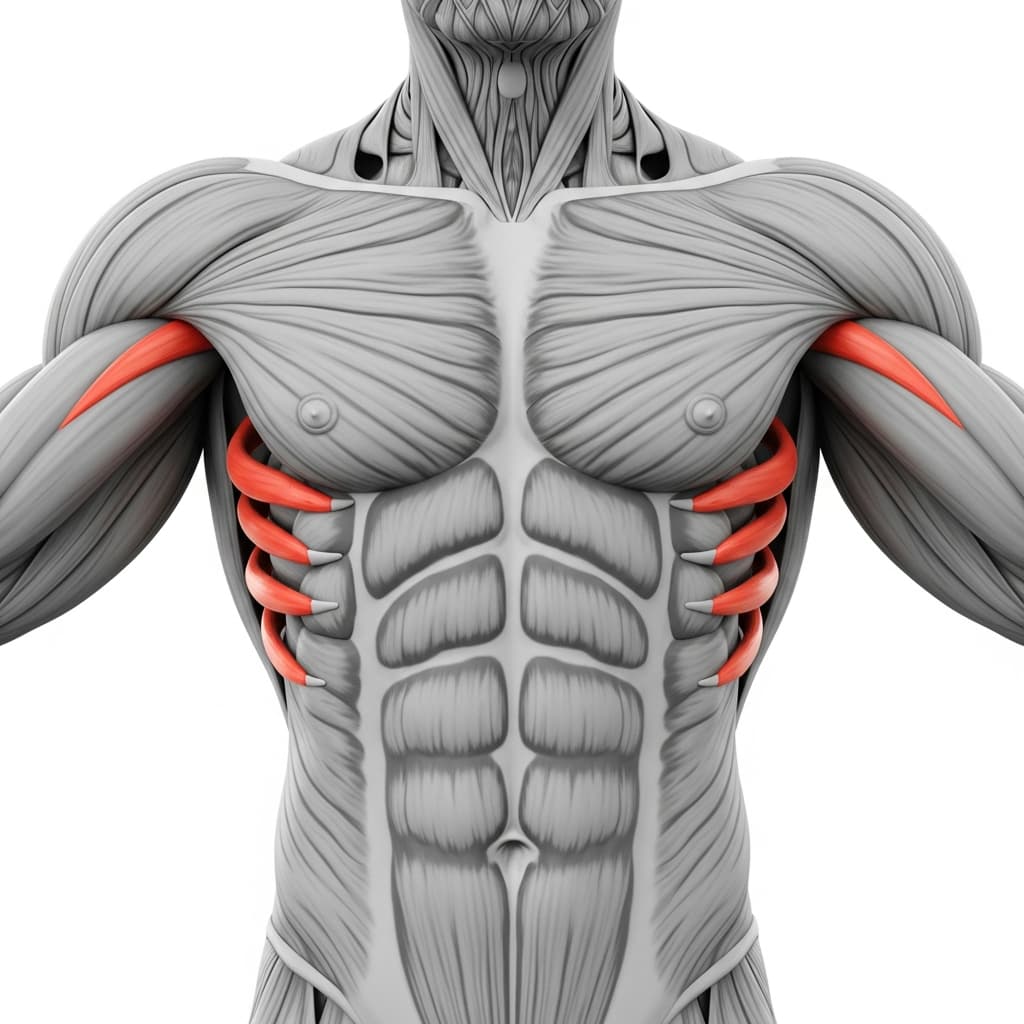
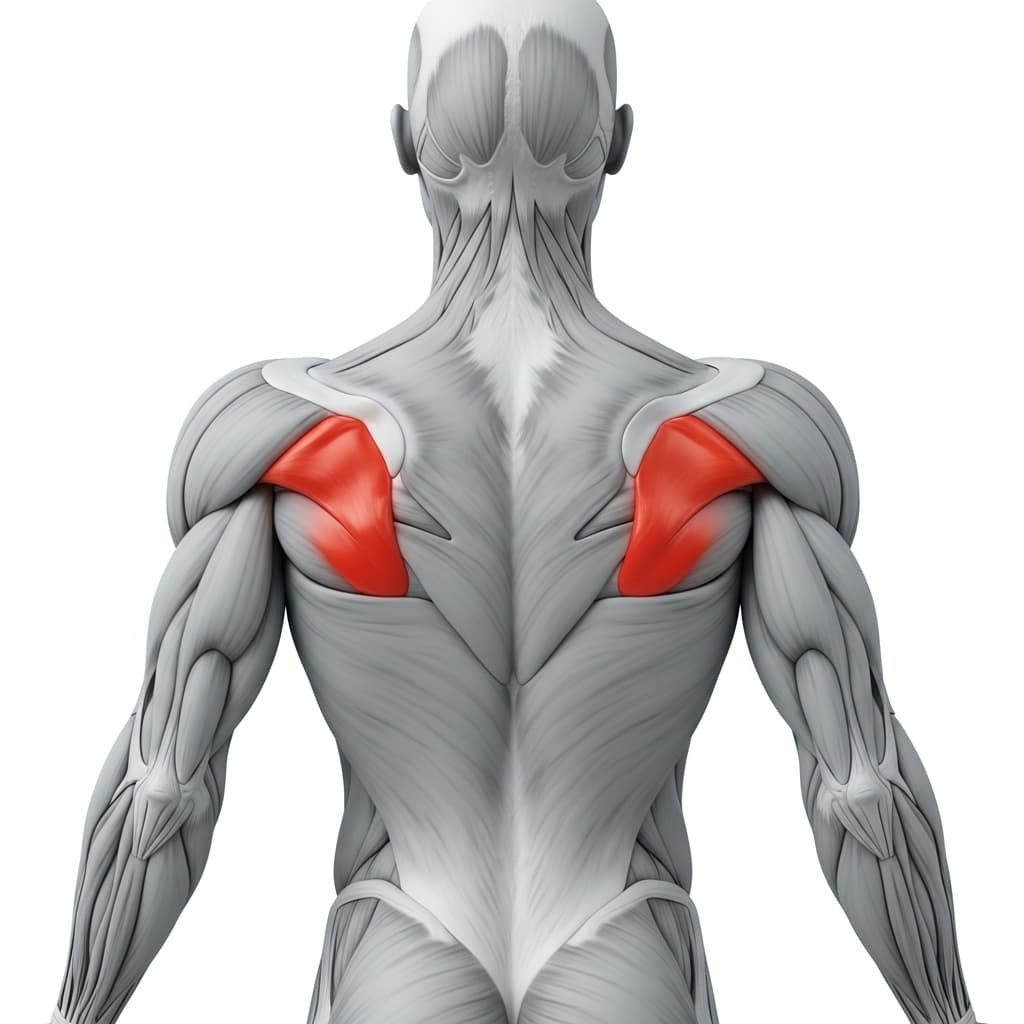
Primary Muscles
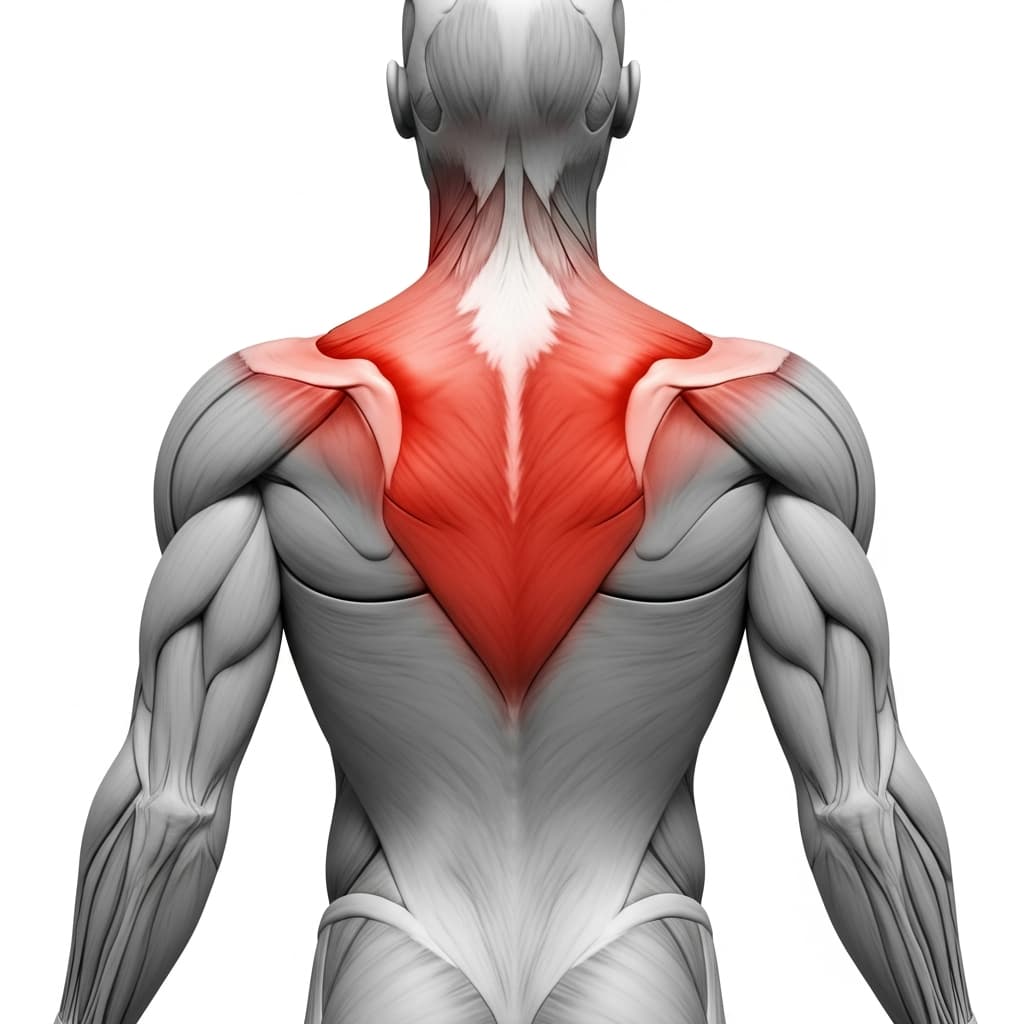
Latissimus Dorsi (Lats) - The lats produce the scapular depression force that pulls the shoulder blade downward against the full load of your bodyweight on a single arm.
Trapezius (Trapezius) - The lower and middle traps control scapular depression and retraction, working to pull the shoulder blade down and back into its packed position at the top of each rep.
Secondary Muscles
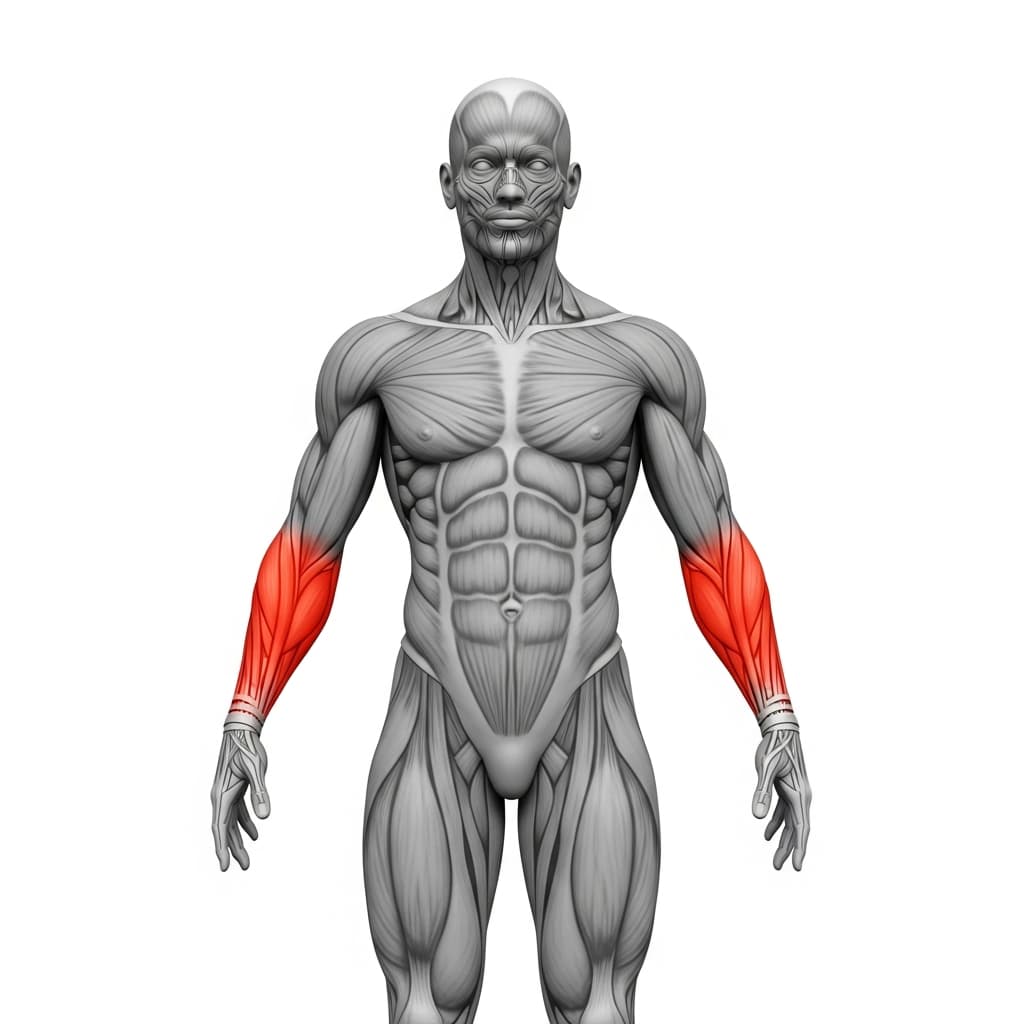
Forearm Flexors & Extensors (Forearms) - The forearm flexors maintain a secure single-hand grip on the bar throughout the entire set, working under sustained isometric load.
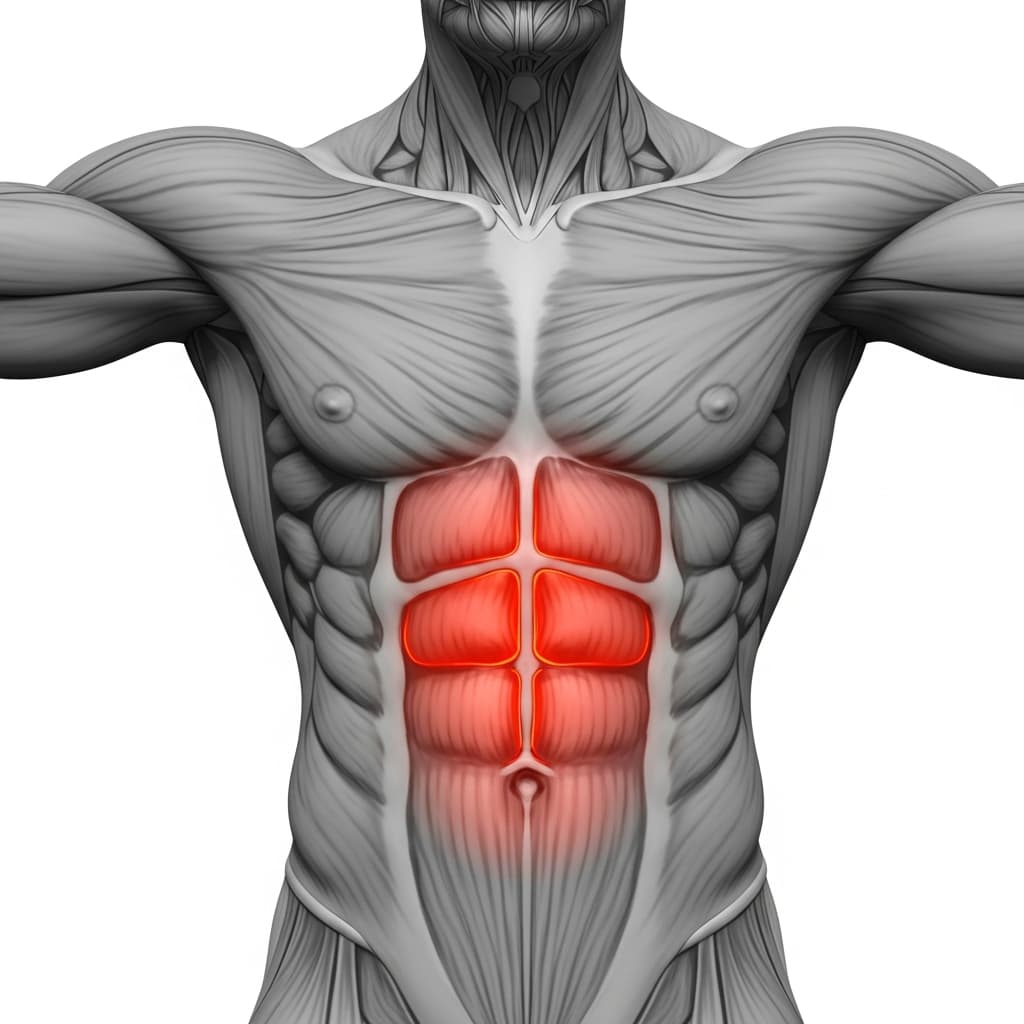
Rectus Abdominis (Abs) - The abdominals brace the torso against the rotational force created by hanging from one arm, keeping the body square and stable.
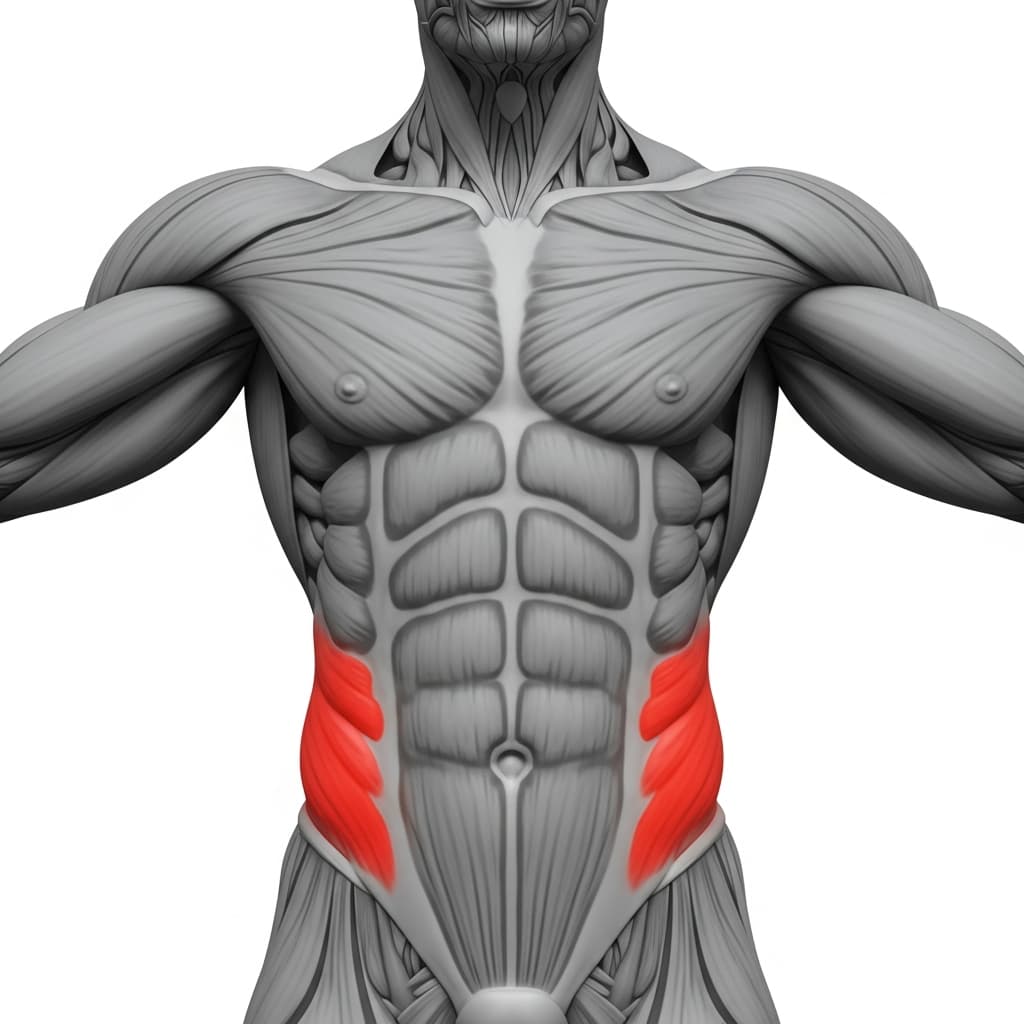
Obliques (Obliques) - The obliques resist lateral rotation and trunk twist that the asymmetric single-arm load generates throughout every rep.
Serratus Anterior (Serratus Anterior) - The serratus anterior stabilizes the scapula against the ribcage and assists with controlled upward rotation during the lowering phase.
Rotator Cuff (SITS) (Rotator Cuff) - The rotator cuff muscles stabilize the humeral head in the shoulder socket while the scapula moves independently beneath the fixed arm.
Benefits of One Arm Scapula Pull Ups
- Builds unilateral scapular depression strength that directly transfers to one-arm pull-up progressions and advanced pulling skills
- Exposes and corrects left-to-right imbalances in shoulder stability that bilateral pulling hides
- Develops anti-rotation core strength through the obliques and deep stabilizers under a loaded single-arm hang
- Strengthens the rotator cuff and scapular stabilizers in a position that protects the shoulder joint during heavy unilateral pulling
- Builds single-arm grip endurance and forearm strength that carries over to all hanging and pulling exercises
Who Is This Exercise For?
You should be able to perform at least 10 clean two-arm scapula pull-ups with a full pause at the bottom of each rep before attempting the single-arm version. A dead hang of 20 seconds or more on one arm with a stable shoulder position is also required, since grip and shoulder endurance limit this exercise before strength does. If you cannot hold a one-arm hang without excessive rotation or shoulder discomfort, continue building bilateral scapular strength and single-arm hang endurance first.
Common Mistakes to Avoid
Bending the elbow during the pull: Keep your arm completely straight throughout. If your elbow bends, you are turning this into a partial one-arm pull-up and removing the scapular isolation that makes this exercise effective.
Gripping with knuckles facing backward: Rotate your hand so your knuckles point straight up toward the ceiling. The backward-facing grip limits scapular range of motion and places the shoulder in a less stable position under load.
Allowing the body to rotate: Brace your core, back, and glutes before every rep. If rotation still occurs, reduce volume and focus on shorter sets where you can maintain a square torso throughout.
Using momentum or swinging: Start each rep from a completely still dead hang. The movement is small and precise, so any swing means the target muscles are not doing the work.