Dips
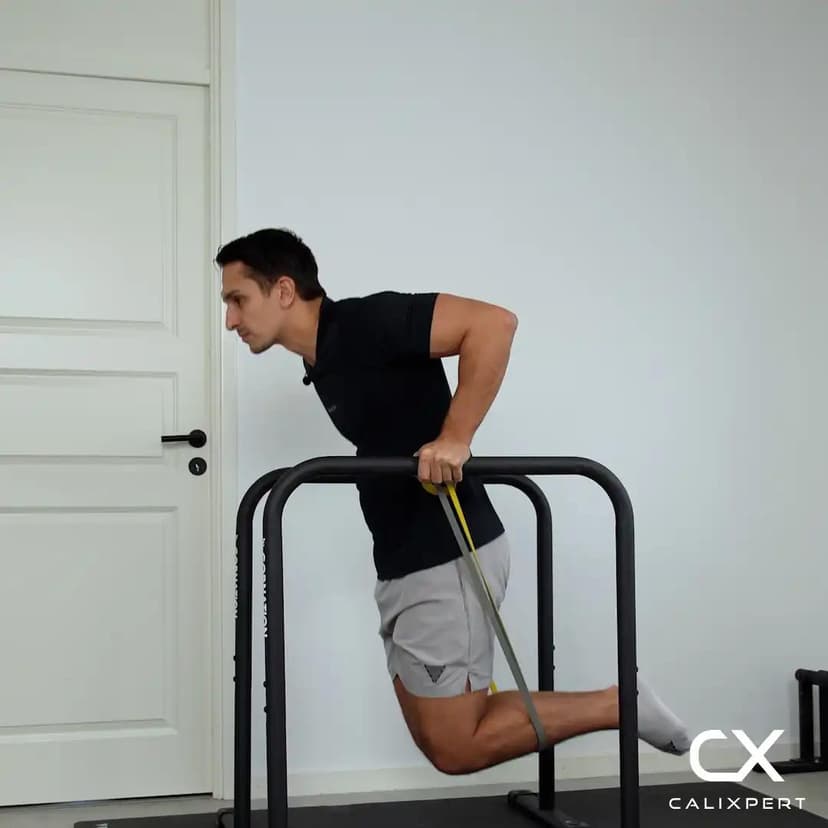
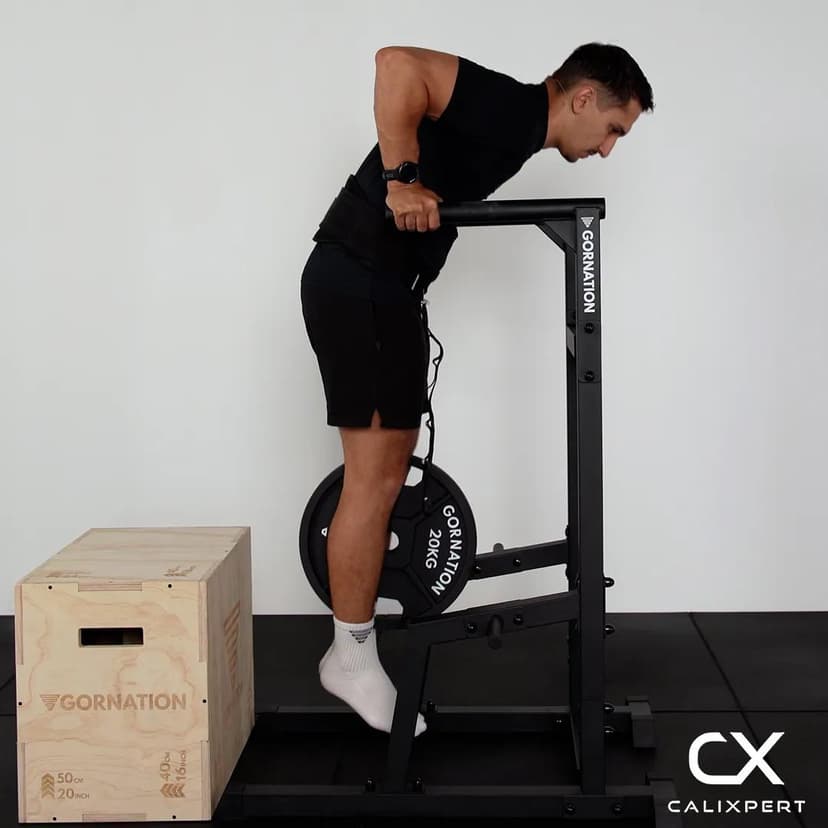
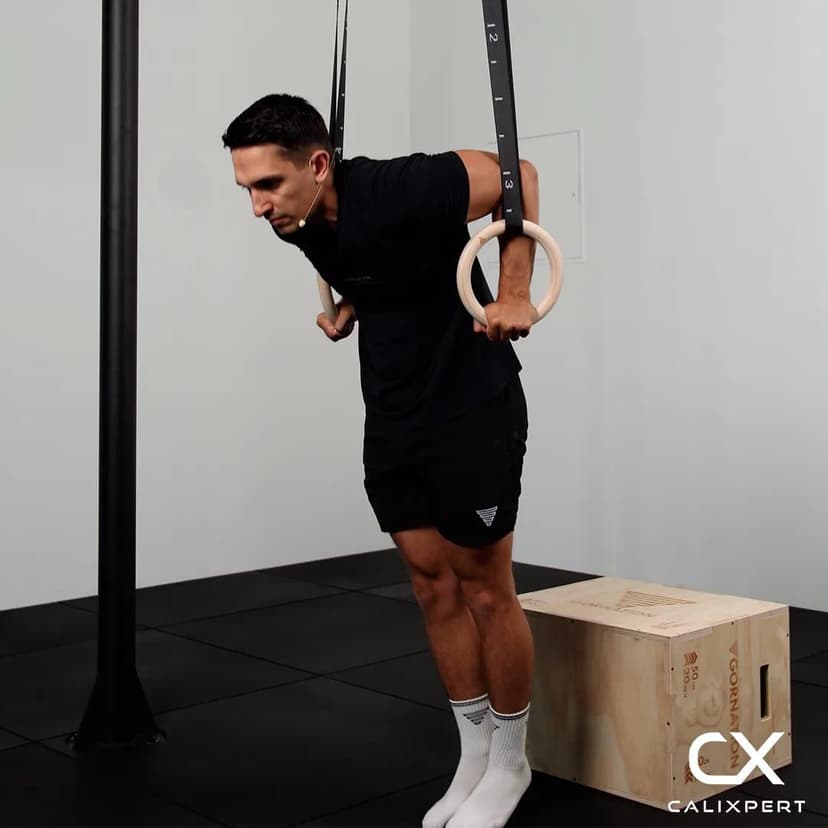
Dips are a fundamental vertical pushing exercise in calisthenics that targets the chest, triceps, and front deltoids through a deep range of motion under full bodyweight. The key to an effective dip is leaning slightly forward while driving the elbows out at roughly 45 degrees, keeping the shoulders depressed throughout the entire movement. Mastered with strict form, dips build serious pressing strength and upper body mass that transfer directly into handstand push-ups, muscle-ups, and every other advanced pushing skill.
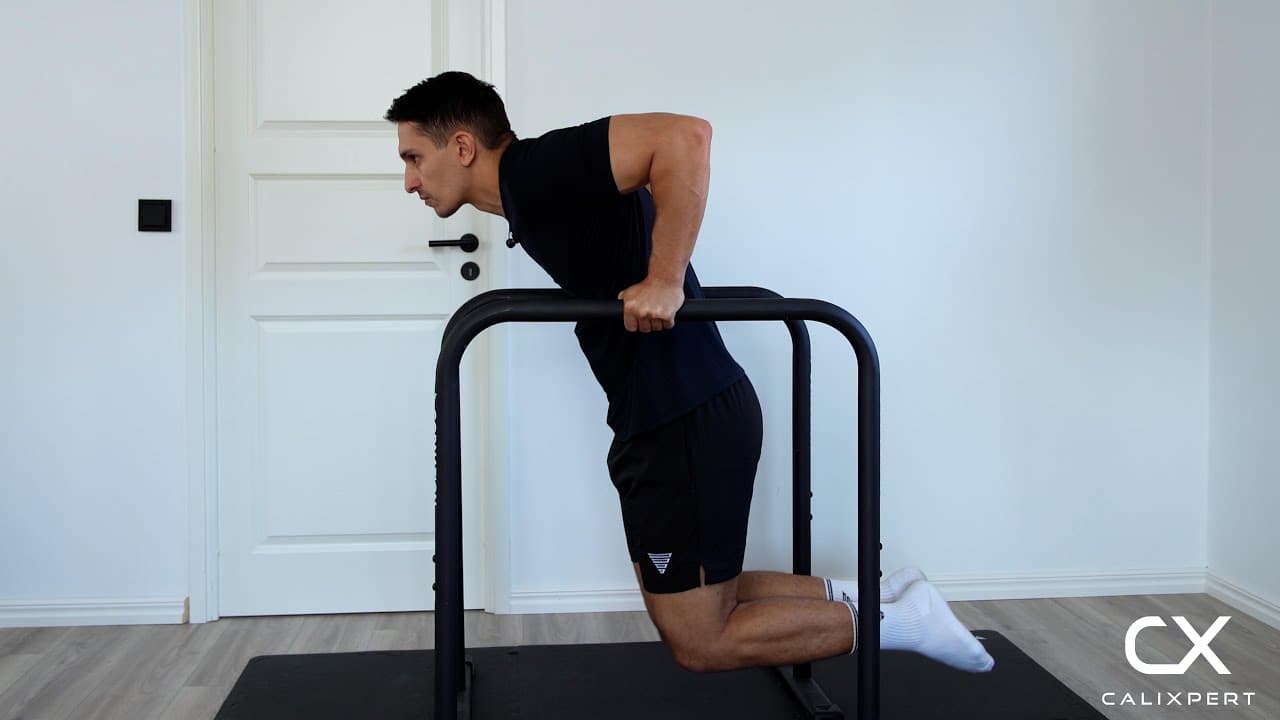
Dips are a fundamental vertical pushing exercise in calisthenics that targets the chest, triceps, and front deltoids through a deep range of motion under full bodyweight. The key to an effective dip is leaning slightly forward while driving the elbows out at roughly 45 degrees, keeping the shoulders depressed throughout the entire movement. Mastered with strict form, dips build serious pressing strength and upper body mass that transfer directly into handstand push-ups, muscle-ups, and every other advanced pushing skill.
How to Do Dips
1. Grip the Bars and Set Up
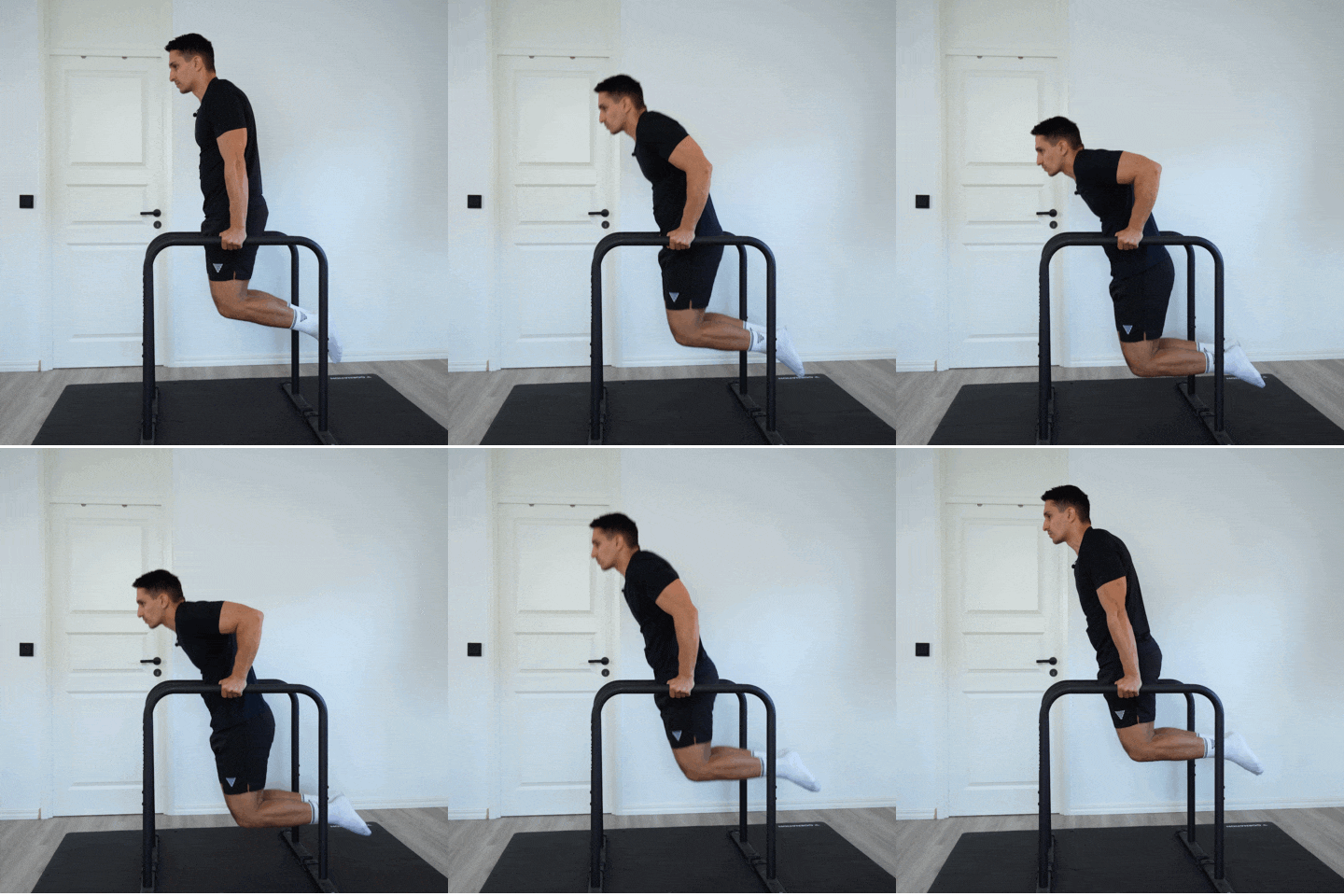
Grab a pair of parallel dip bars with a firm overhand grip, hands directly below your shoulders. Jump or press yourself up until your arms are fully extended and your feet are off the ground. Keep your body straight from shoulders to knees, bending at the knees so your lower legs hang behind you. Your knees should stay directly underneath your hips, not pushed forward in front of your chest.
Straight body, knees underneath you
2. Depress and Set Your Shoulders
Before descending, actively push your shoulders down and away from your ears. This scapular depression protects the shoulder joint and puts the chest and triceps in a strong pressing position. Never allow your shoulders to shrug up during any phase of the dip.
Push shoulders down, never shrug
3. Lower With a Forward Lean
Bend your elbows and lower your body while leaning your torso slightly forward. Let your elbows flare out to roughly 45 degrees, keeping them positioned more underneath your hands rather than behind them. Descend until your upper arm reaches approximately 90 degrees at the elbow. Going straight down without a forward lean places the shoulders in an awkward and weaker position.
Lean forward, elbows at 45 degrees
4. Press Back Up to Full Extension
Drive through your palms and push your body back up to the starting position with your arms fully extended. Focus on pressing with your chest and triceps rather than shrugging your shoulders upward. Keep the same slight forward lean on the way up that you had on the way down.
Press through the palms, stay forward
5. Lock Out and Reset
At the top, fully extend your arms and re-confirm that your shoulders are depressed and stable. Pause briefly to eliminate any swing or momentum before starting the next rep. Each rep should begin from this controlled, fully locked-out position.
Full lockout, zero swing
Most people treat dips like a straight up-and-down movement and then wonder why their shoulders feel beat up. The fix is simple: lean slightly forward on the way down so your elbows track underneath your hands, not behind them. That small forward lean is what shifts the load into the chest and triceps where it belongs, and takes pressure off the front of the shoulder.
Muscles Worked During Dips
Secondary Muscles:
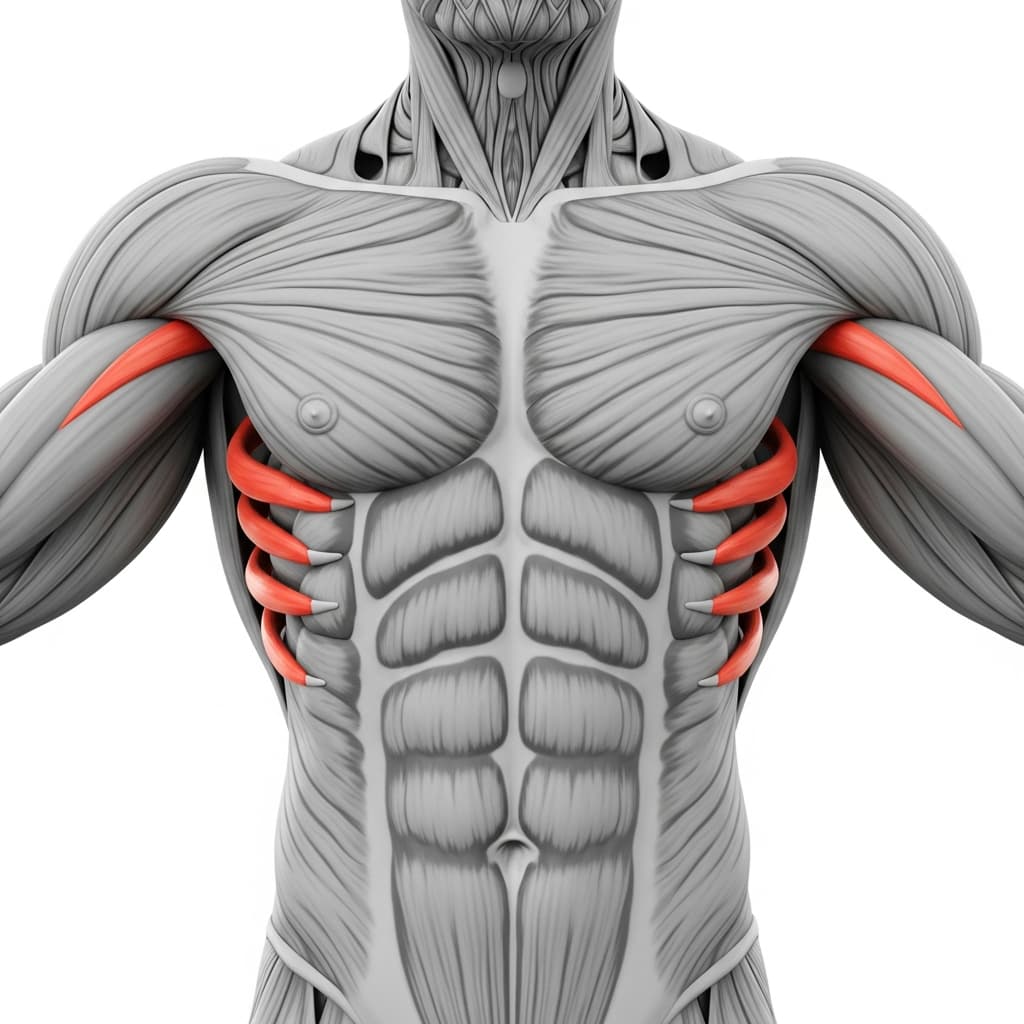
Primary Muscles
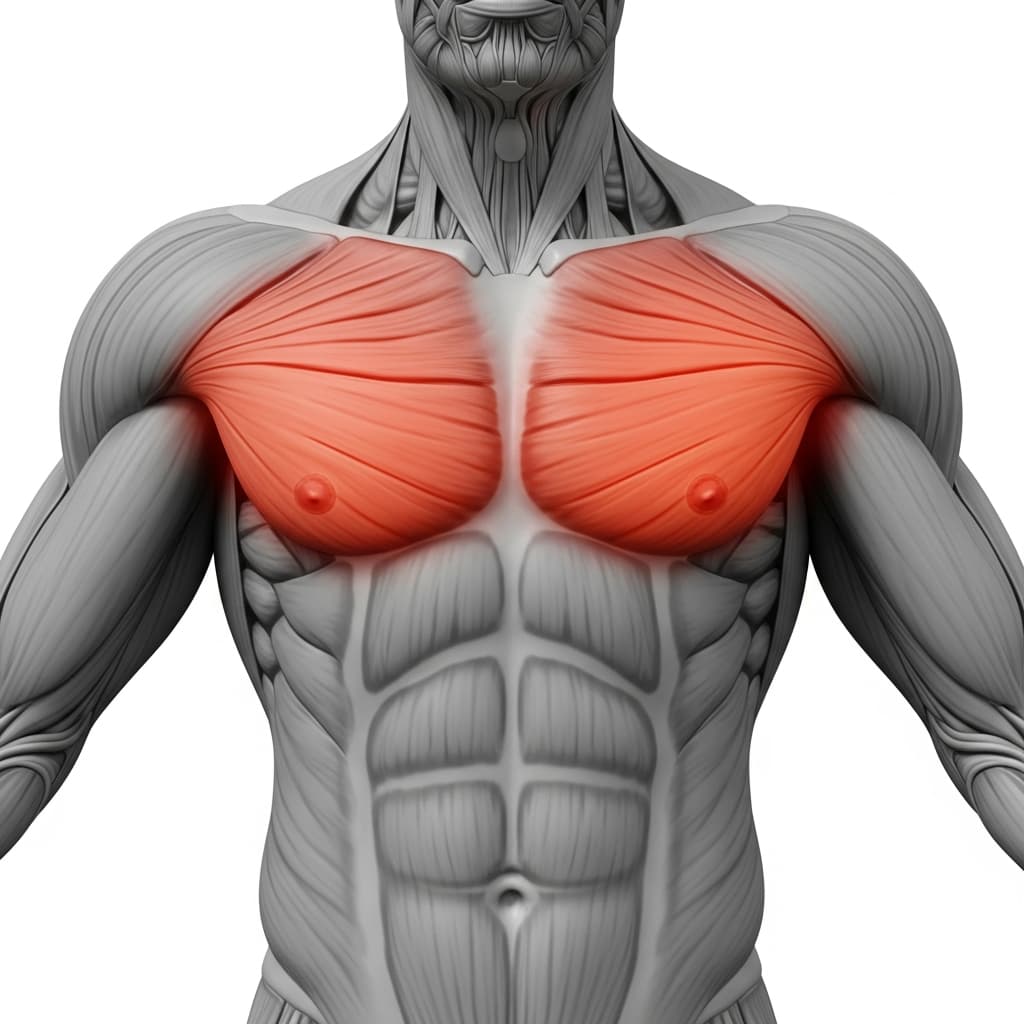
Pectoralis Major (Chest) - The pectoralis major drives the pressing phase of the dip, working hardest at the bottom of the movement where the chest is under a deep stretch and must generate force to reverse direction.
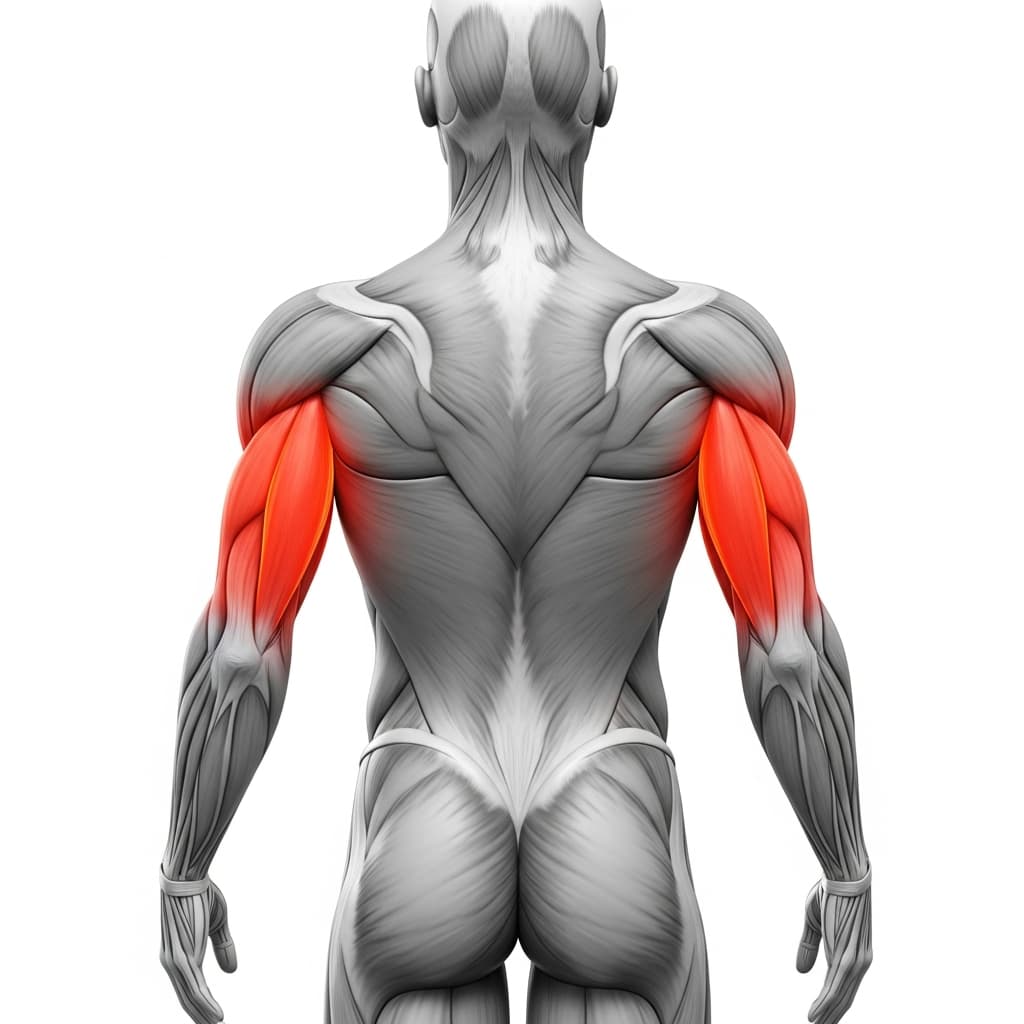
Triceps Brachii (Triceps) - The triceps extend the elbows during the pressing phase and work through an increasing mechanical advantage as you push toward full lockout at the top.
Secondary Muscles
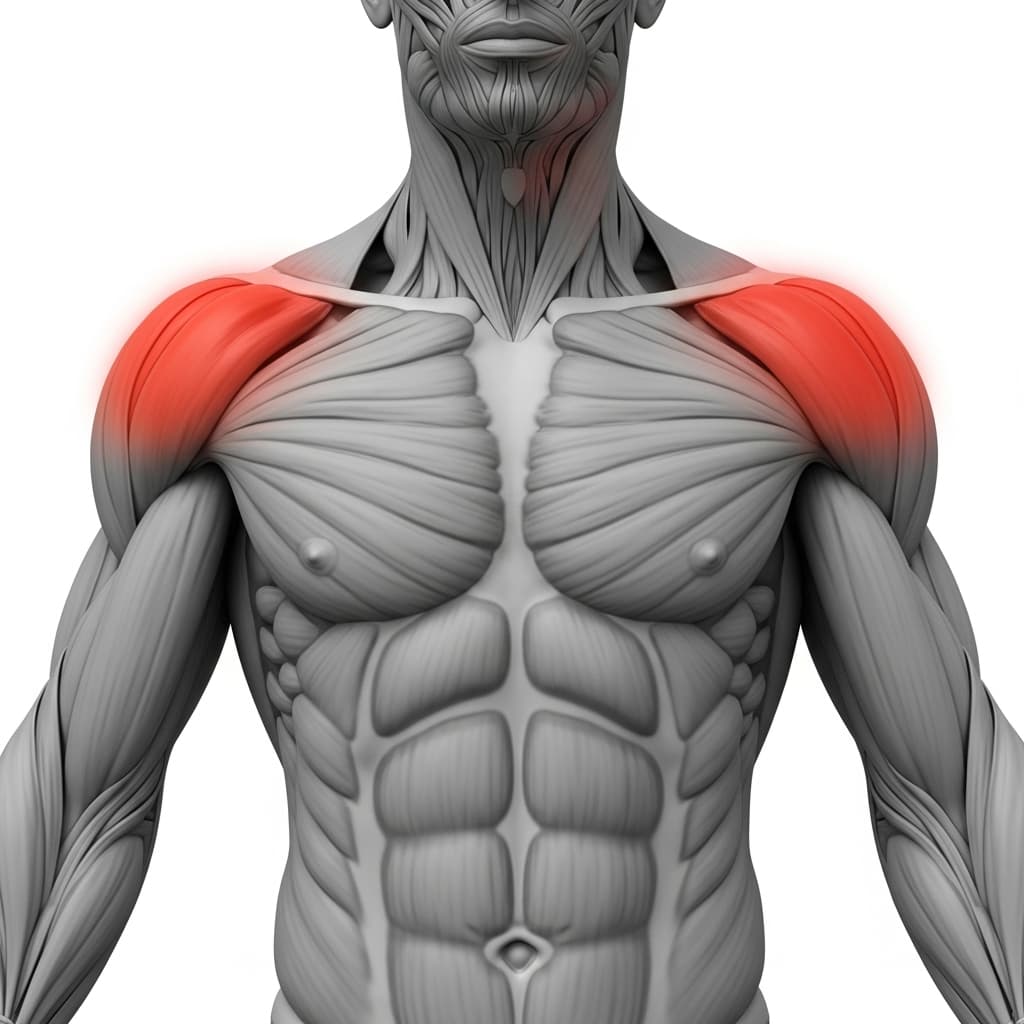
Anterior Deltoid (Front Deltoid) - The anterior deltoid assists the chest in shoulder flexion during the upward press, stabilizing the shoulder joint throughout the movement.
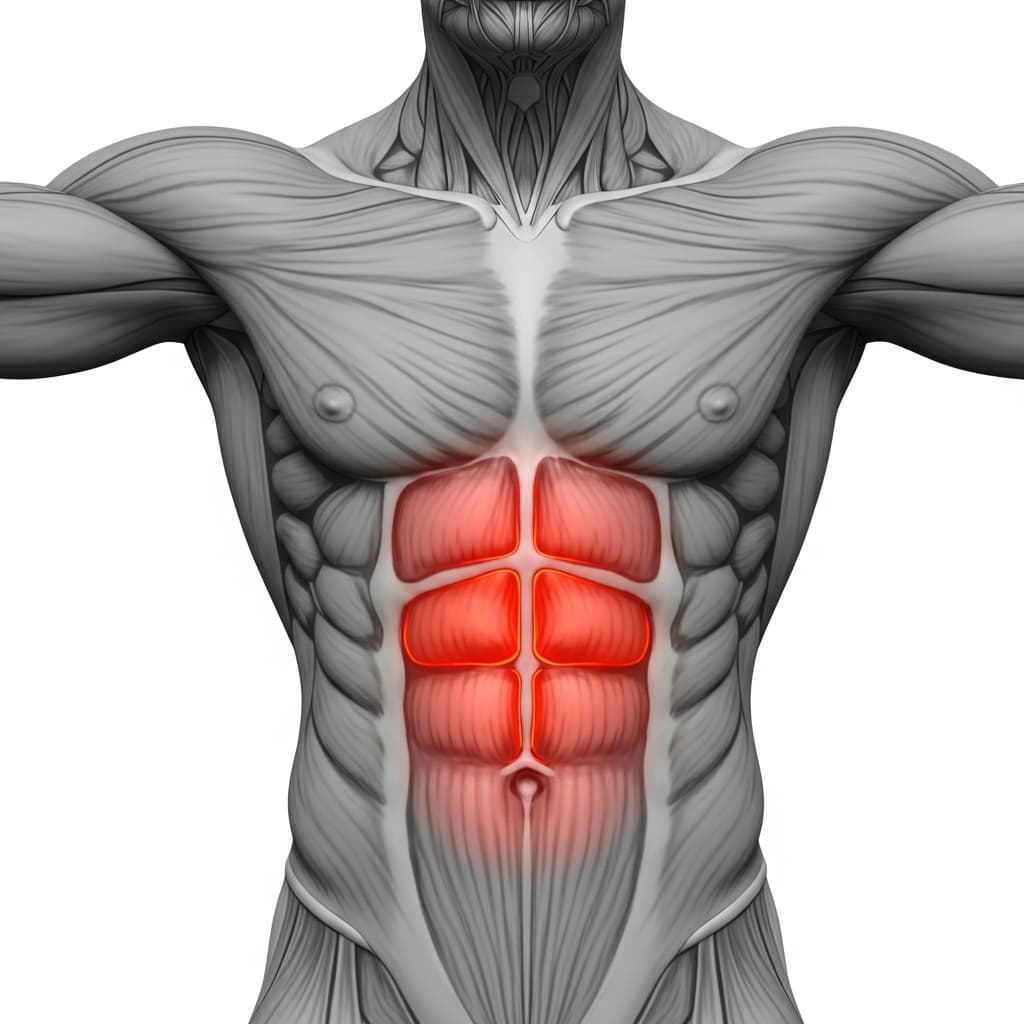
Rectus Abdominis (Abs) - The abdominals brace the torso to maintain a straight body line from shoulders to knees and prevent excessive swinging or arching during each rep.
Serratus Anterior (Serratus Anterior) - The serratus anterior protracts and stabilizes the scapula against the ribcage as you press to full lockout, preventing the shoulder blades from winging outward.
Benefits of Dips
- Builds chest, tricep, and front deltoid mass through a loaded stretch at the bottom that no other bodyweight pushing exercise matches
- Develops pressing strength that transfers directly into handstand push-ups, muscle-ups, and weighted pushing movements
- Strengthens the scapular depressors and stabilizers, which protects the shoulder joint during all overhead and pressing work
- Trains the entire upper body pressing chain under full bodyweight with no equipment beyond a pair of parallel bars
Who Is This Exercise For?
You should be able to perform at least 10 clean push-ups and hold yourself at the top of the dip bars with straight arms and depressed shoulders for 15 seconds before attempting full dips. If supporting your bodyweight at the top position causes your shoulders to shrug up toward your ears, focus on scapular depression drills and push-up volume first.
Common Mistakes to Avoid
Dropping straight down without leaning forward: Lean your torso slightly forward as you descend so your elbows stay underneath or slightly behind your hands. Going straight down shifts load onto the shoulder joint in an unstable position and limits chest activation.
Shrugging shoulders up toward the ears: Actively depress your shoulders before every rep and maintain that position throughout the entire movement. Shrugging removes the chest and triceps from their strongest mechanical position and compresses the shoulder joint.
Flaring elbows too wide: Keep your elbows at roughly 45 degrees from your torso, not straight out to the sides. Excessive flare puts unnecessary stress on the front of the shoulder and reduces pressing power.
Descending too deep too soon: Lower to approximately 90 degrees at the elbow until your shoulder mobility and pressing strength allow for greater depth. Forcing range of motion you have not earned creates impingement risk in the front of the shoulder.
Swinging legs or using momentum: Keep your body tight from shoulders to knees with your core engaged throughout. Any swinging or kipping shifts load away from the target muscles and makes the exercise less effective.