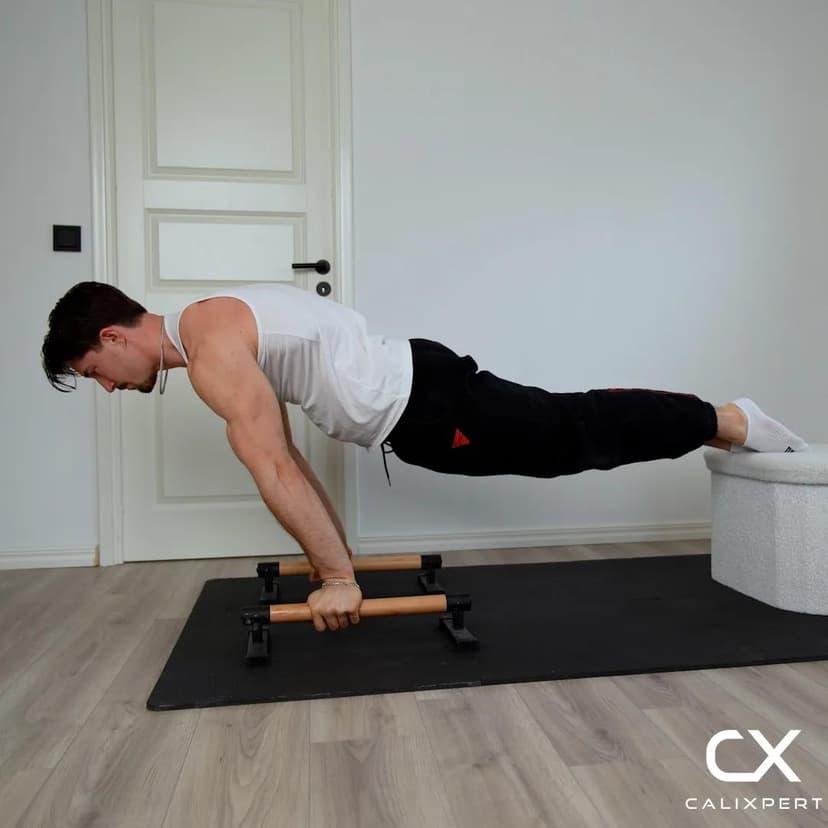
Plank To Push up
The plank to push-up is a dynamic core and upper body exercise that transitions between a forearm plank and a high plank position, targeting the triceps, abs, and shoulder stabilizers through controlled pressing. The movement demands constant scapular control and anti-rotation strength as you shift weight from side to side during each transition. When performed with strict form, it builds the pressing endurance and trunk stability that directly support handstand progressions and advanced floor work in calisthenics.
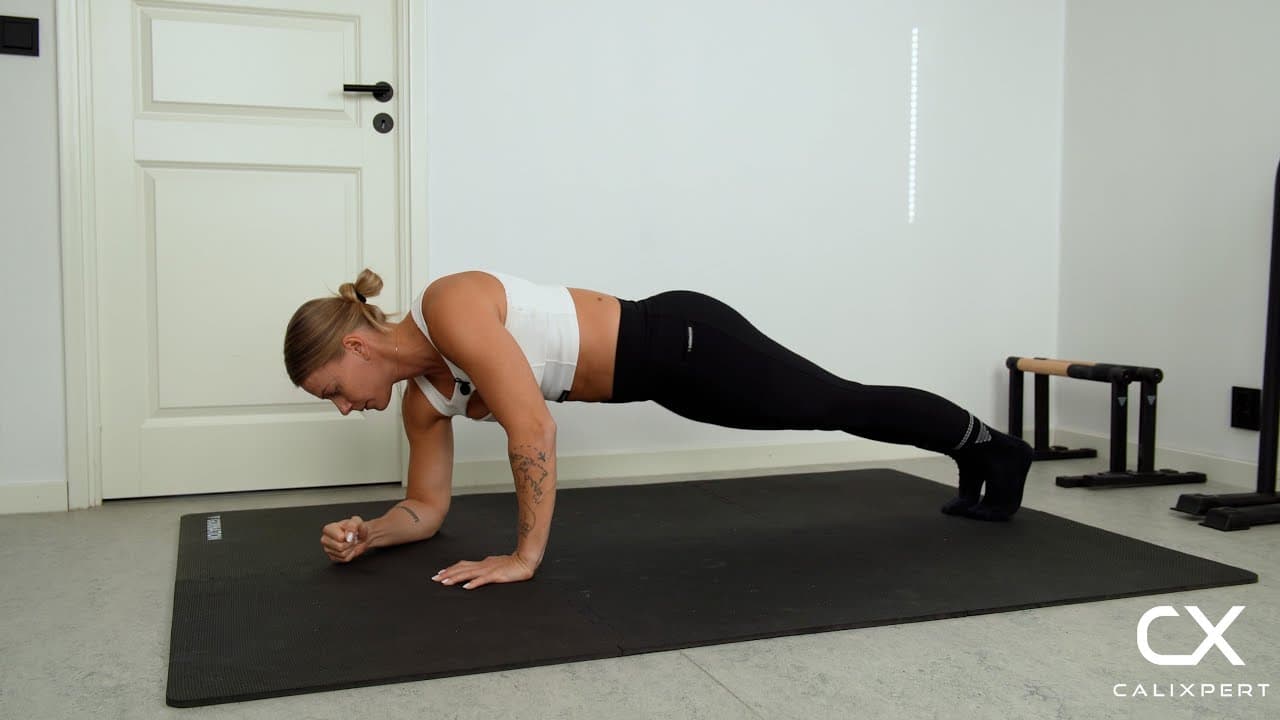
The plank to push-up is a dynamic core and upper body exercise that transitions between a forearm plank and a high plank position, targeting the triceps, abs, and shoulder stabilizers through controlled pressing. The movement demands constant scapular control and anti-rotation strength as you shift weight from side to side during each transition. When performed with strict form, it builds the pressing endurance and trunk stability that directly support handstand progressions and advanced floor work in calisthenics.
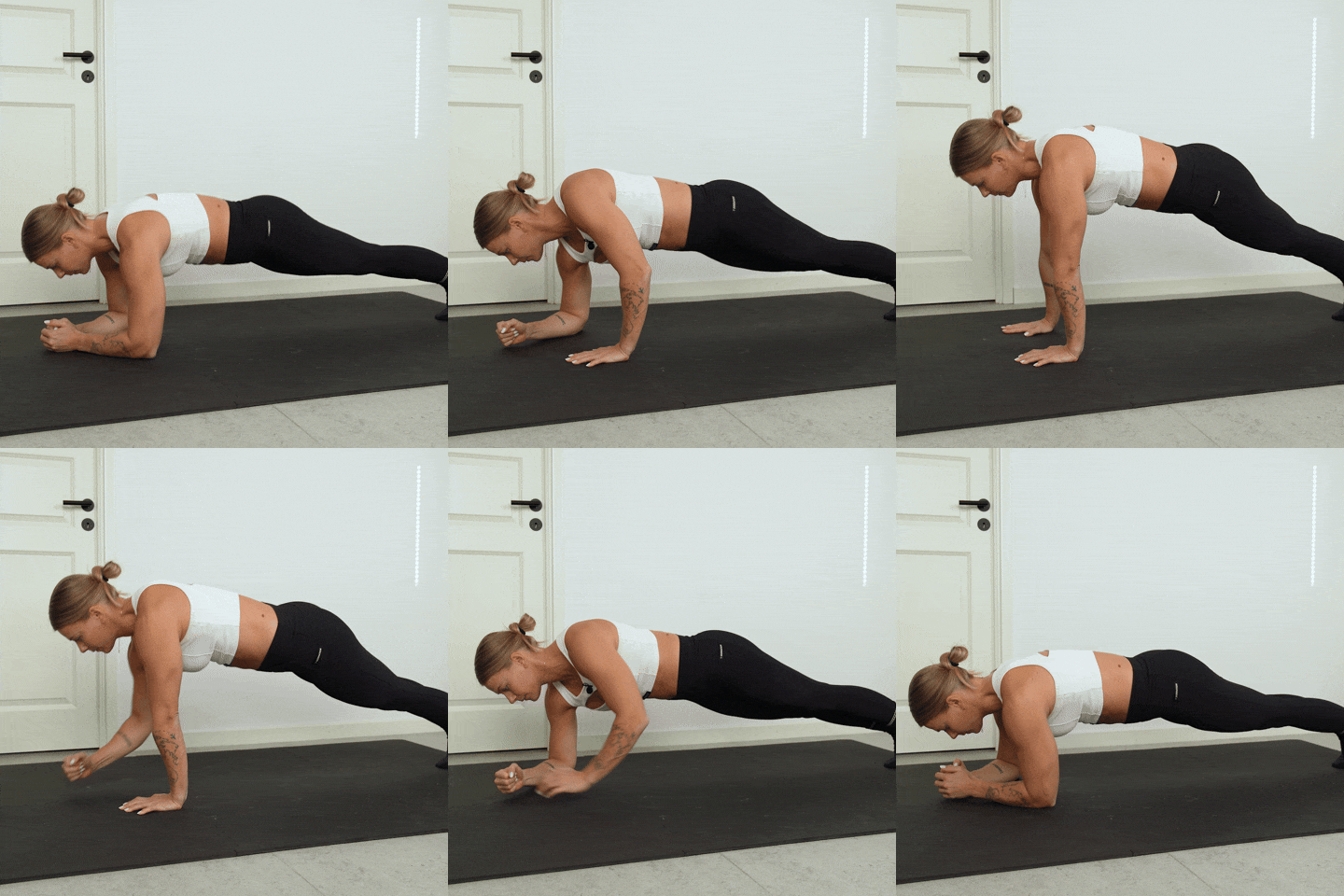
How to Do Plank To Push up
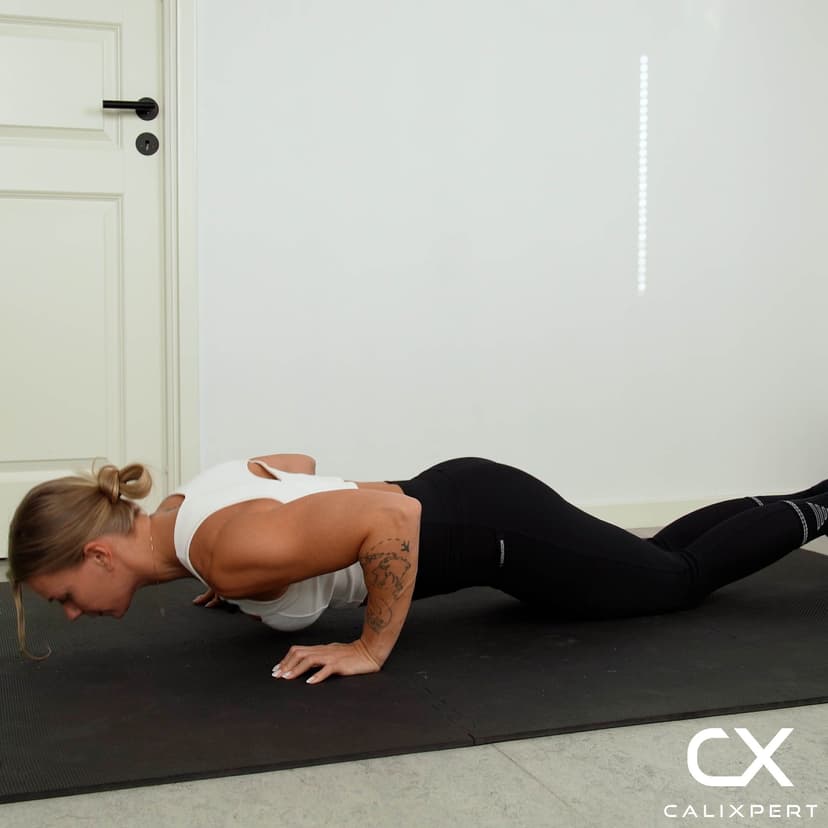
1. Set Up the Forearm Plank
Place your forearms flat on the ground with elbows directly under your shoulders and hands facing forward. Protract your scapula by pushing the floor away, creating separation between your shoulder blades. Keep your feet together, squeeze your glutes, and brace your core so your body forms one straight line from head to heels.
Push the floor away, flat back
2. Shift Weight to One Side
Lean your body weight slightly toward your left forearm, unloading the right side. This weight shift is small but essential for creating space to place your hand without losing your straight body line. Keep your hips locked in place and resist the urge to rotate.
Shift, do not rotate
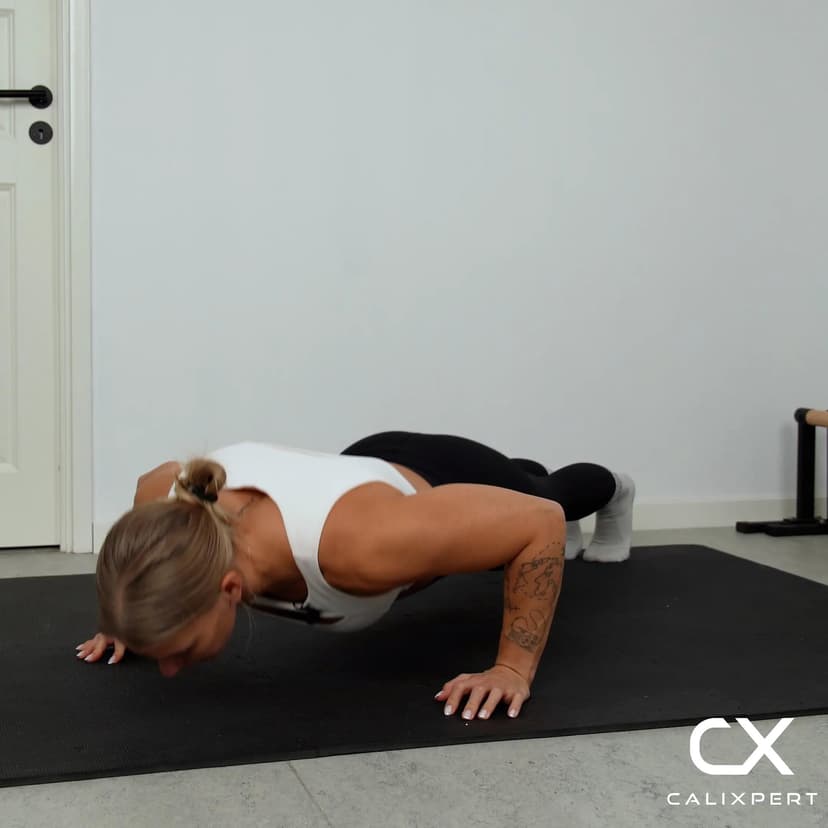
3. Place the First Hand
Place your right hand flat on the ground directly where your elbow was, fingers spread. Press through that hand and begin extending the arm while maintaining your core brace. Your hips should stay level throughout this transition, not tilting or piking.
Hand where the elbow was
4. Press Up to High Plank
Shift your weight onto the right hand and place your left hand on the ground, extending both arms fully into a high plank position. Your hands should end up directly under your shoulders with arms locked out. Maintain scapular protraction and a tight hollow body throughout the press.
Lock out both arms, stay tight
5. Lower Back Down With Control
Reverse the movement by leaning slightly to one side and lowering the opposite elbow back to the ground. Follow with the second elbow, returning to the forearm plank with controlled placement. Do not drop onto your forearms or let your hips sag during the descent.
Lower with control, no dropping
6. Alternate the Leading Arm
On the next rep, lead with the opposite hand to ensure balanced development on both sides. Alternate every rep or every set depending on your programming. This prevents one shoulder from doing more work than the other over time.
Switch the lead arm every rep
Most people fail this exercise at the hips, not the arms. The fix is simple: squeeze your glutes like you are trying to crack a walnut and brace your abs before you move anything. Once your trunk is locked in, the arm transitions become smooth and controlled instead of a wobbly mess.
Muscles Worked During Plank To Push up
Secondary Muscles:
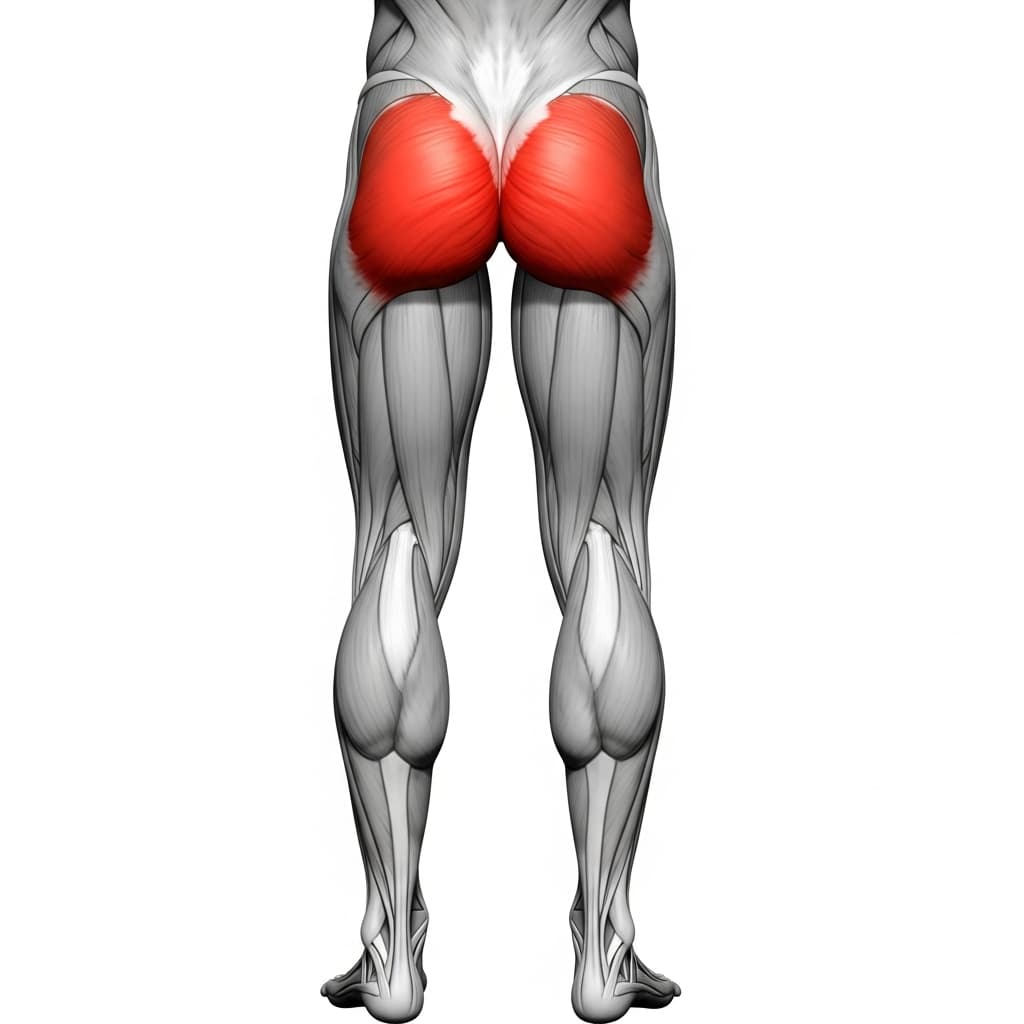
Primary Muscles
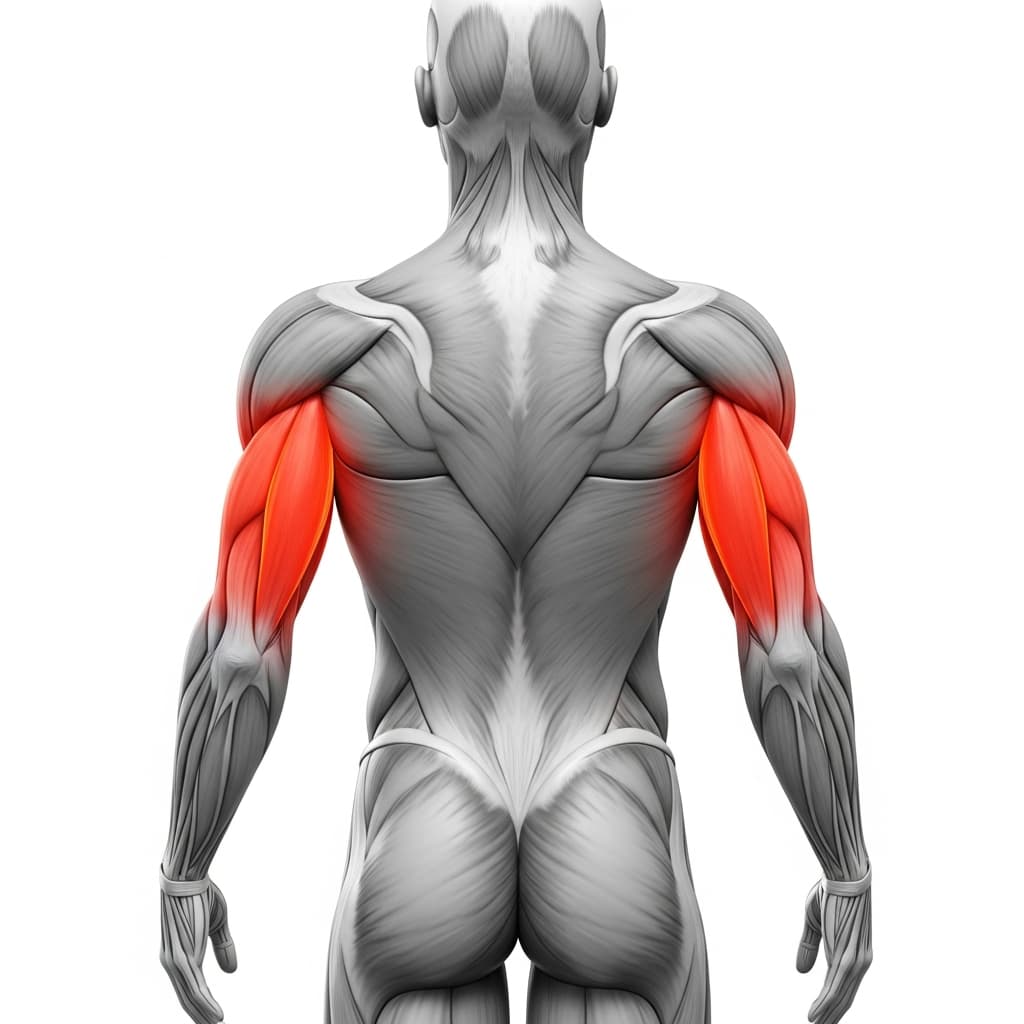
Triceps Brachii (Triceps) - The triceps extend the elbow during each transition from forearm to hand, performing the primary pressing action that lifts the body into high plank.
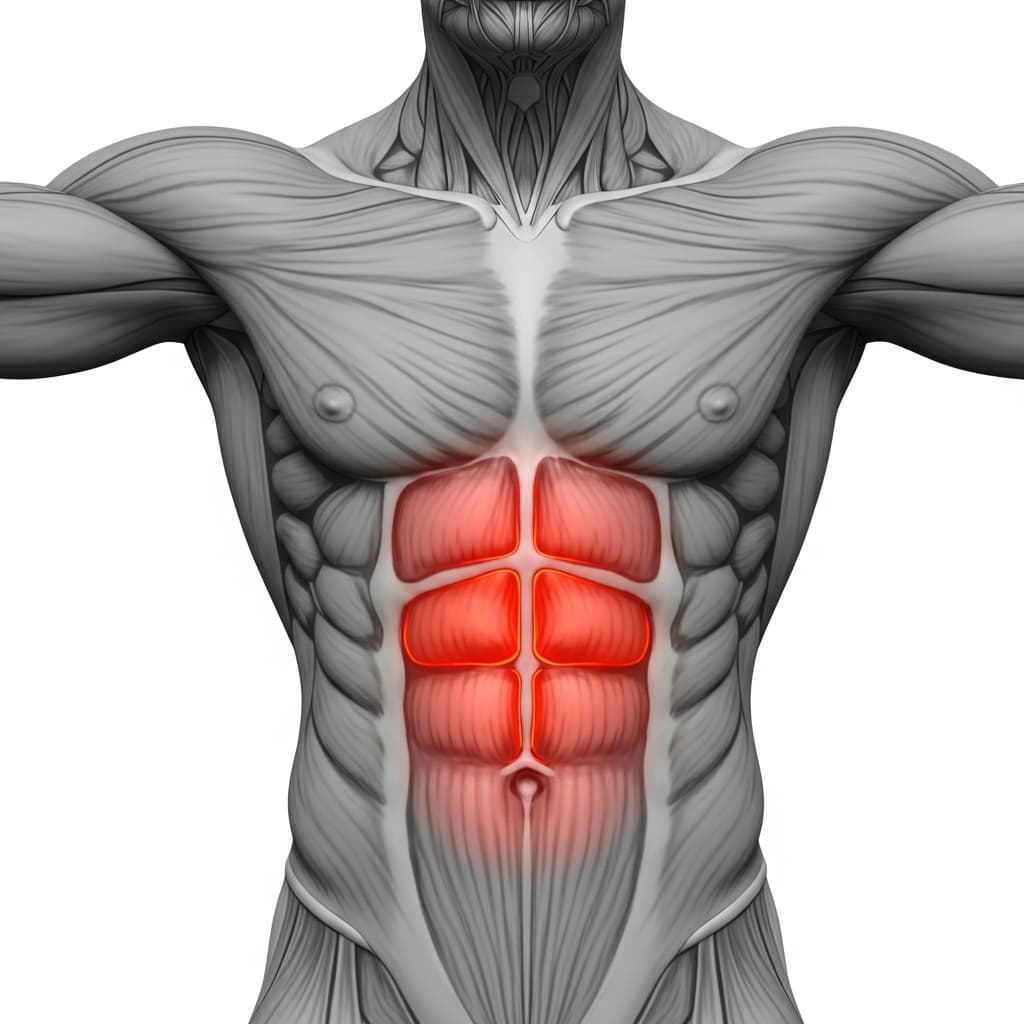
Rectus Abdominis (Abs) - The rectus abdominis and deep core muscles maintain a rigid trunk position and resist both hip sagging and rotation as bodyweight shifts from side to side.
Secondary Muscles
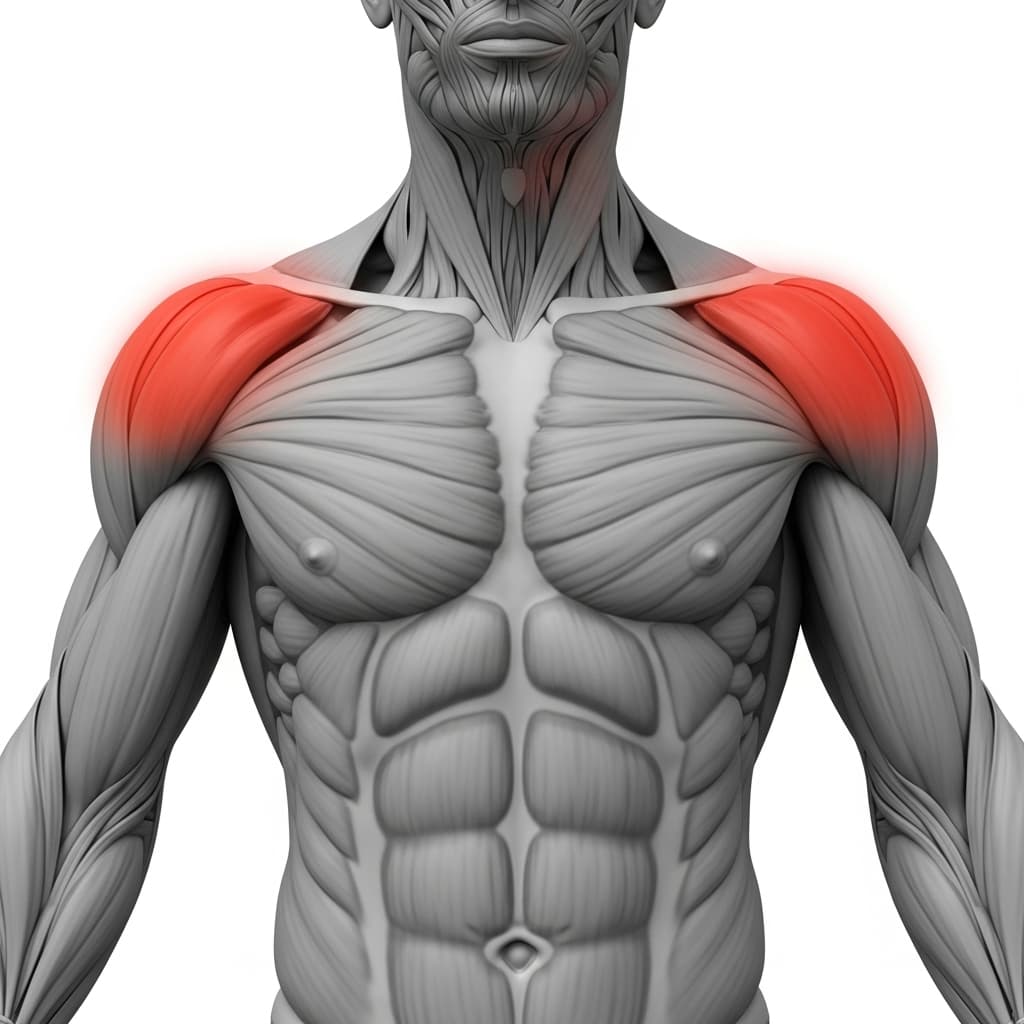
Anterior Deltoid (Front Deltoid) - The anterior deltoids stabilize the shoulder joint and assist the triceps in pressing the body upward during the hand placement phase.
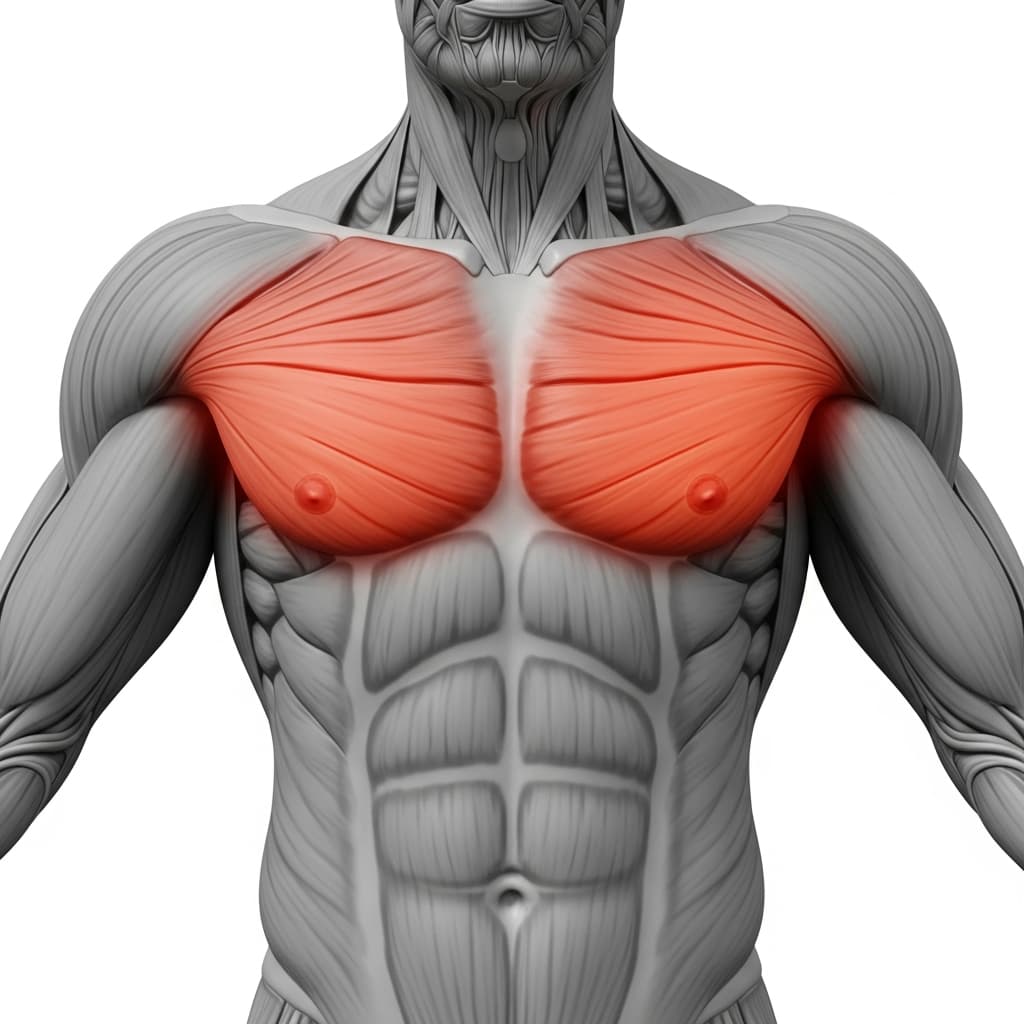
Pectoralis Major (Chest) - The pectoralis major contributes to shoulder stabilization and assists in the pressing motion, particularly during the final lockout of each arm.
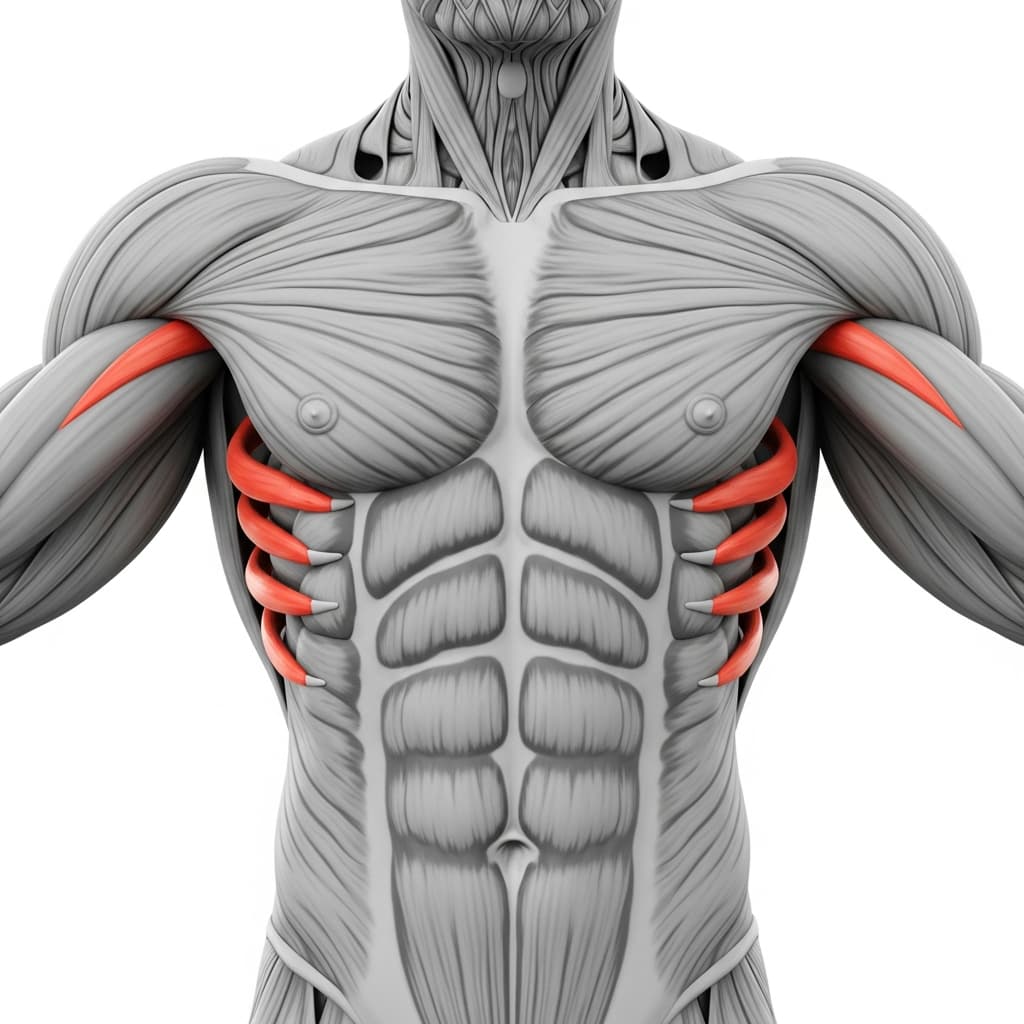
Serratus Anterior (Serratus Anterior) - The serratus anterior protracts the scapula throughout the movement, keeping the shoulder blades separated and the upper back stable against the rib cage.
Gluteus Maximus (Glutes) - The glutes maintain hip extension and prevent the pelvis from dropping or rotating during the weight shift between arms.
Benefits of Plank To Push up
- Builds anti-rotation core strength that transfers directly to handstands, L-sits, and other skills requiring trunk stability under shifting loads
- Develops triceps pressing endurance in a functional range of motion, improving capacity for high-rep push-up sets and planche progressions
- Strengthens the serratus anterior through repeated scapular protraction, which protects the shoulder joint during overhead movements
- Trains unilateral shoulder stability as each arm must independently support bodyweight during the transition phase
Who Is This Exercise For?
You should be able to hold a forearm plank for at least 30 seconds with a neutral spine and active core before attempting this exercise. If your hips sag or rotate during a standard plank, master that position first with shorter holds and focused glute engagement. Comfortable high plank holds for 20 seconds are also a prerequisite, as you will spend time in that position under load.
Common Mistakes to Avoid
Hips sagging or piking during transition: Squeeze your glutes hard and brace your abs as if someone is about to push you. If your hips drop or rise when you shift weight, your core is not engaged enough to stabilize the movement.
Rotating the hips side to side: Widen your feet slightly to create a more stable base and focus on keeping your belt line parallel to the floor. The weight shift should be subtle, not a full body rotation.
Placing hands too far forward: Your hand should land exactly where your elbow was, not further out in front. Placing hands forward shifts load onto the shoulders and makes the press inefficient.
Rushing through the transitions: Each phase of the movement should take at least one second. Rushing causes loss of core tension and forces the shoulders to absorb impact instead of pressing smoothly.