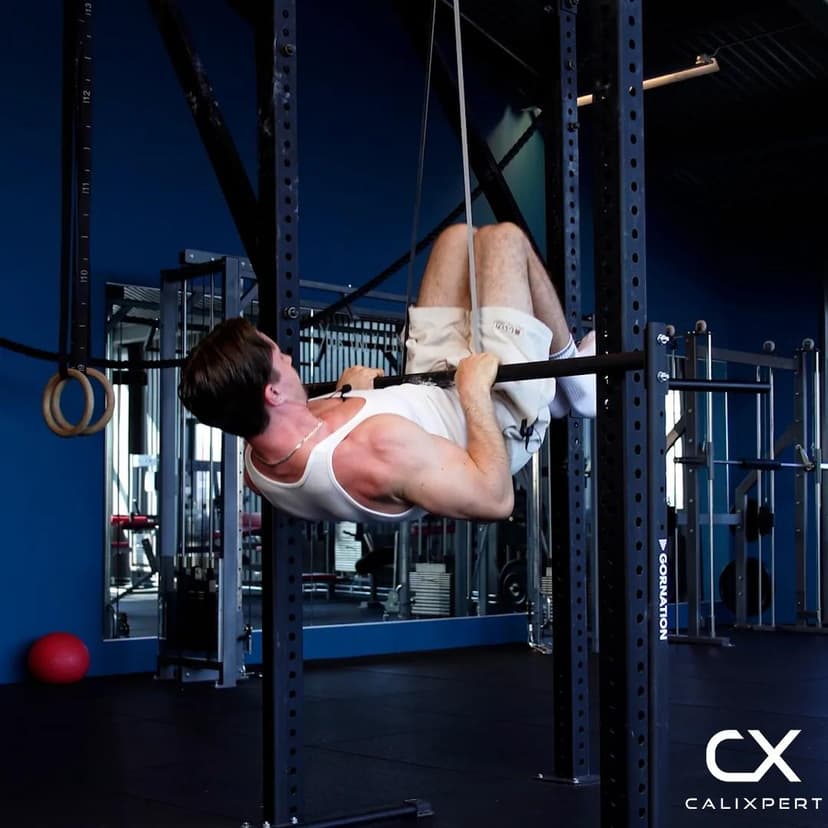
Russian Push Ups
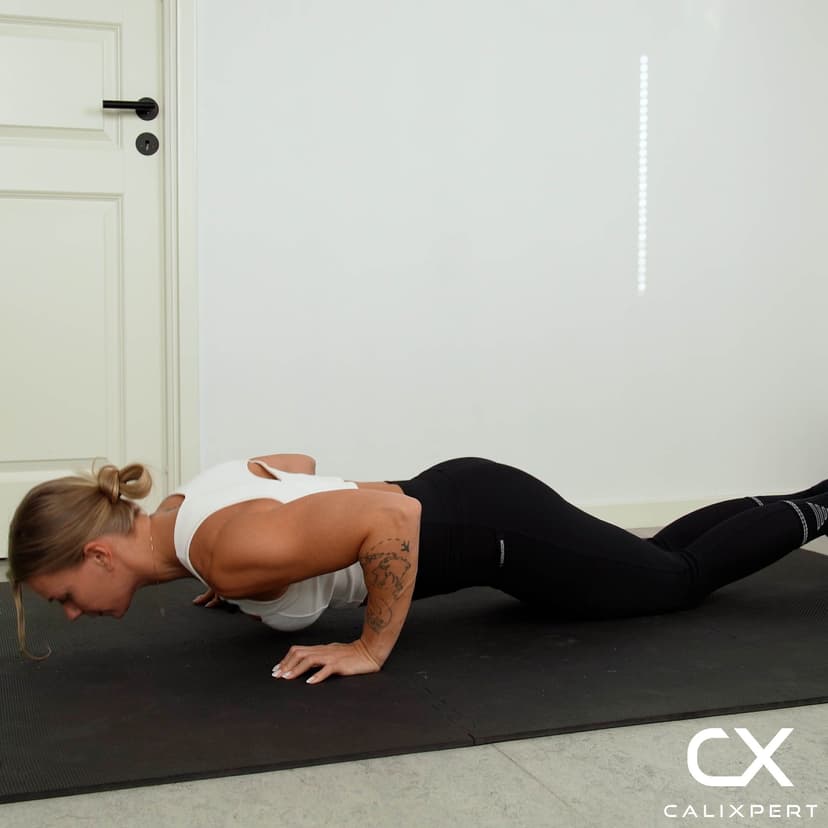
Russian push-ups are a dynamic push-up variation that combines a standard push-up with a controlled forearm transition at the bottom of each rep, targeting the chest, triceps, and front deltoids through an extended pressing arc. The defining movement is rolling back onto the forearms after the descent, then driving forward onto the hands again before pressing back up, which forces the triceps to work through a significantly longer range of motion than any standard push-up. This added complexity builds pressing endurance and elbow joint stability that transfer directly into planche progressions, handstand push-ups, and other advanced calisthenics pushing skills.
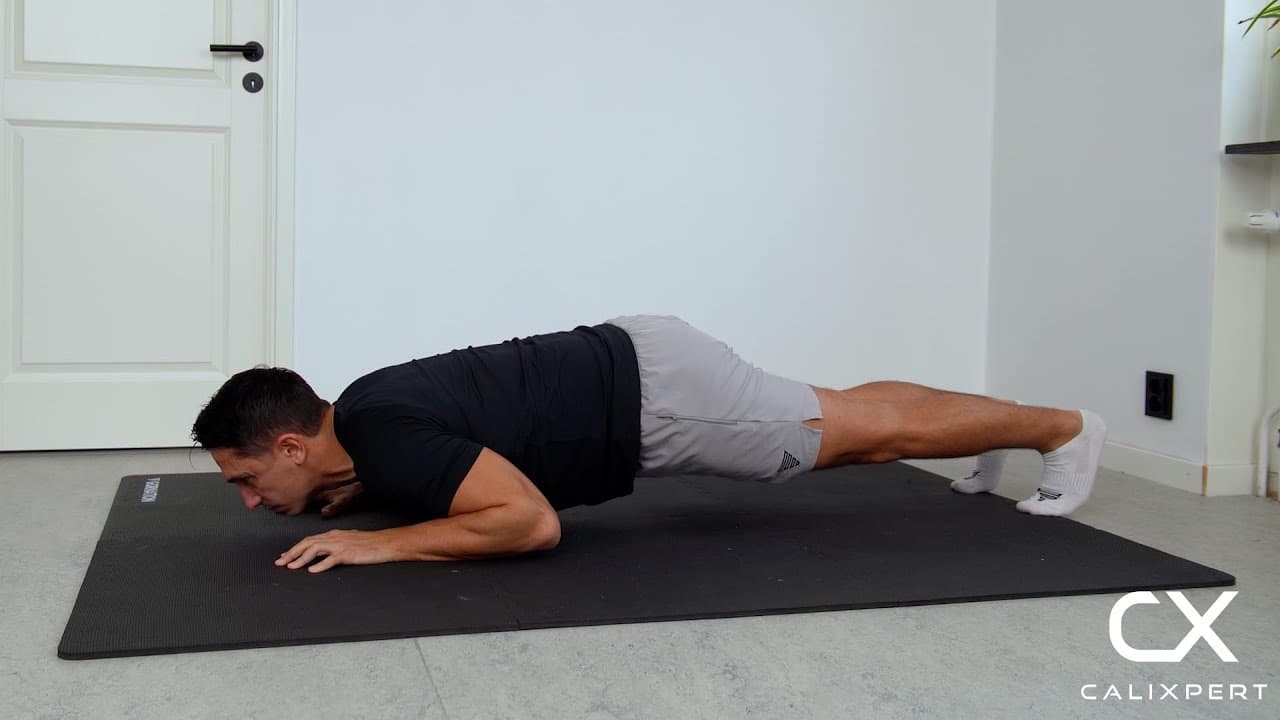
Russian push-ups are a dynamic push-up variation that combines a standard push-up with a controlled forearm transition at the bottom of each rep, targeting the chest, triceps, and front deltoids through an extended pressing arc. The defining movement is rolling back onto the forearms after the descent, then driving forward onto the hands again before pressing back up, which forces the triceps to work through a significantly longer range of motion than any standard push-up. This added complexity builds pressing endurance and elbow joint stability that transfer directly into planche progressions, handstand push-ups, and other advanced calisthenics pushing skills.
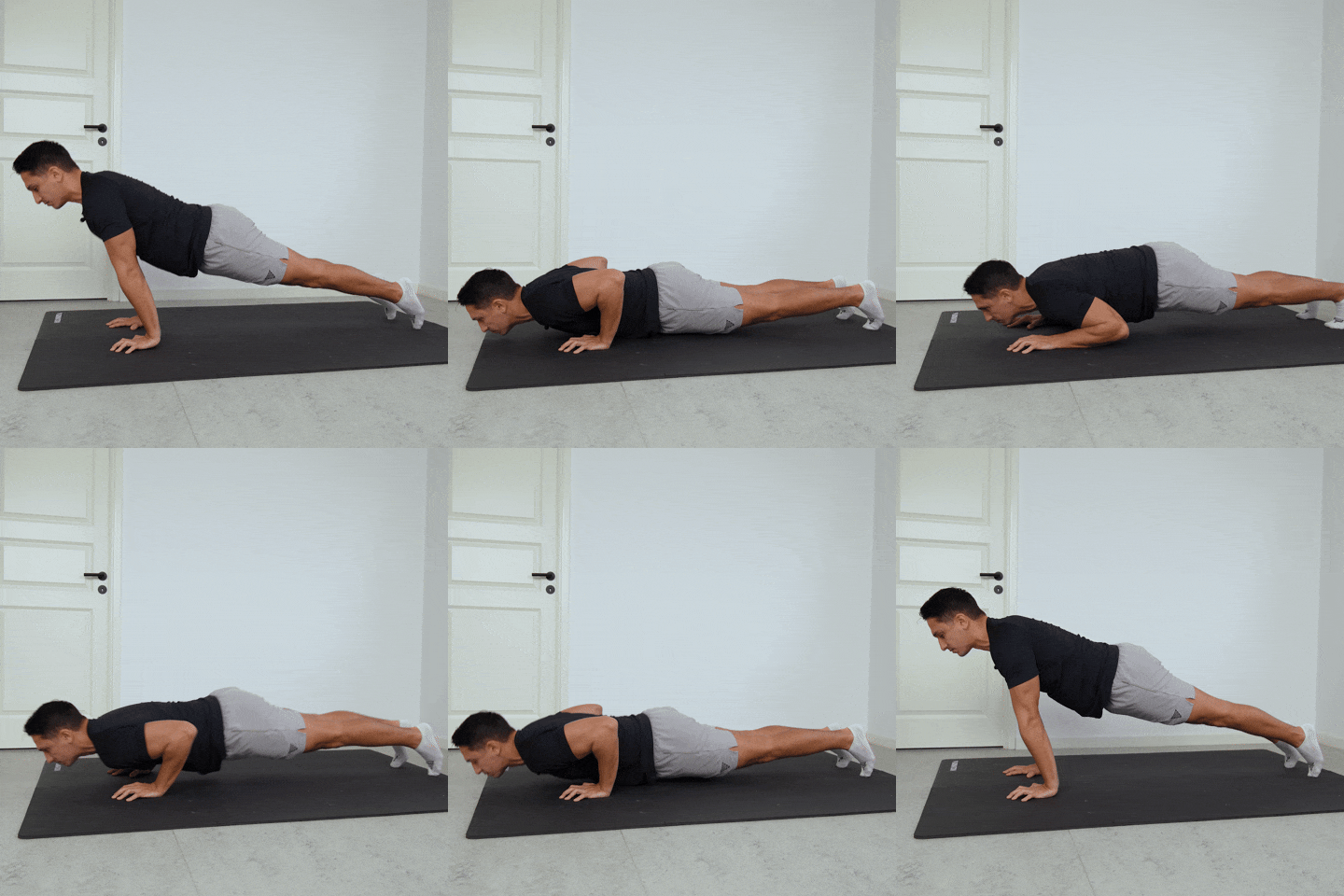
How to Do Russian Push Ups
1. Set Up Your Starting Position
Place your hands on the ground at shoulder width with your fingers pointing forward. Keep your arms straight, your core braced, and your body in a straight line from head to heels. Your feet should be together or no wider than hip width apart. This is a standard push-up position with hands slightly closer than you might use for a regular push-up.
Hands at shoulder width, body tight
2. Lean Forward and Lower Down
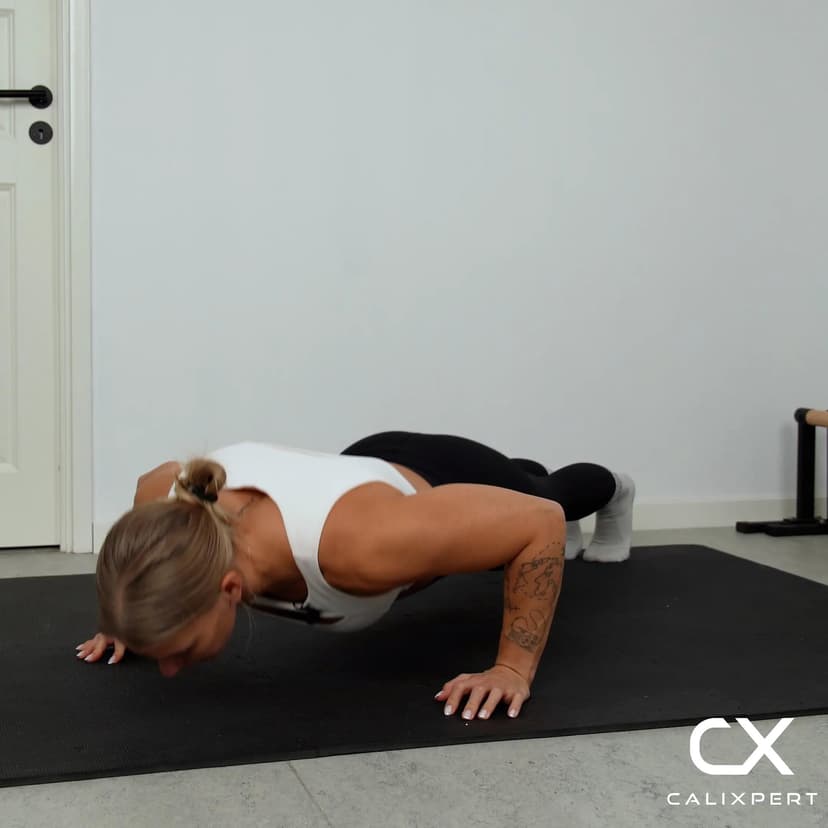
Shift your weight forward over your hands so your shoulders move past your wrists, then bend your elbows to lower your chest toward the ground. Keep your elbows tucked close to your body at roughly a 45-degree angle. Maintain full body tension through the descent and do not let your hips sag or pike upward.
Lean forward first, then lower
3. Roll Back Onto Your Forearms
From the bottom of the push-up, shift your weight backward and lower your elbows to the ground one at a time or simultaneously. Your forearms should land parallel to each other, roughly shoulder width apart. Slide your feet back slightly if needed to reach a comfortable forearm plank position. Keep your elbows directly under or just in front of your shoulders.
Elbows together, slide back smoothly
4. Drive Forward Back to Your Hands
From the forearm position, shift your weight forward and press your palms into the ground to lift back off your forearms. Drive your body forward as you extend at the elbows so you return to the bottom of the push-up position. This transition is the hardest part of the movement and demands strong triceps engagement to control the shift.
Push the floor away, drive forward
5. Press Back Up to the Top
Once your hands are flat and your elbows are bent in the standard push-up bottom position, press through your palms to return to full arm extension. Squeeze your chest and triceps at the top and re-establish the straight line from head to heels before starting the next rep. One full cycle of lower, roll back, drive forward, and press up equals one rep.
Lock out at the top, reset your line
Most people rush the forearm transition and turn it into a sloppy rocking motion. The strength in this exercise comes from the moment you press off your forearms back to your hands. Slow that part down to a 2-second count and you will feel your triceps work in a way no other push-up variation can replicate.
Muscles Worked During Russian Push Ups
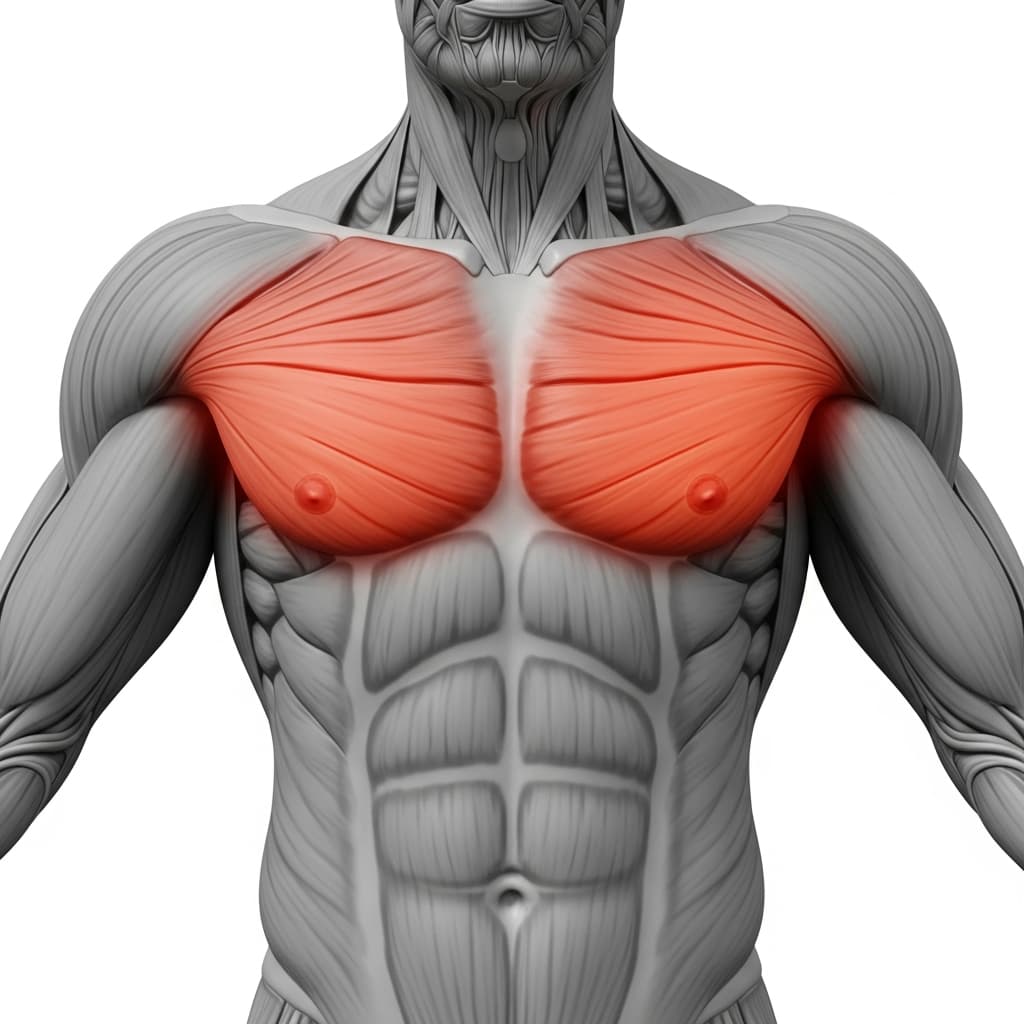
Secondary Muscles:
Primary Muscles
Pectoralis Major (Chest) - The pectoralis major drives the pressing phase at the top of each rep, contracting to push the body from the bottom push-up position back to full arm extension.
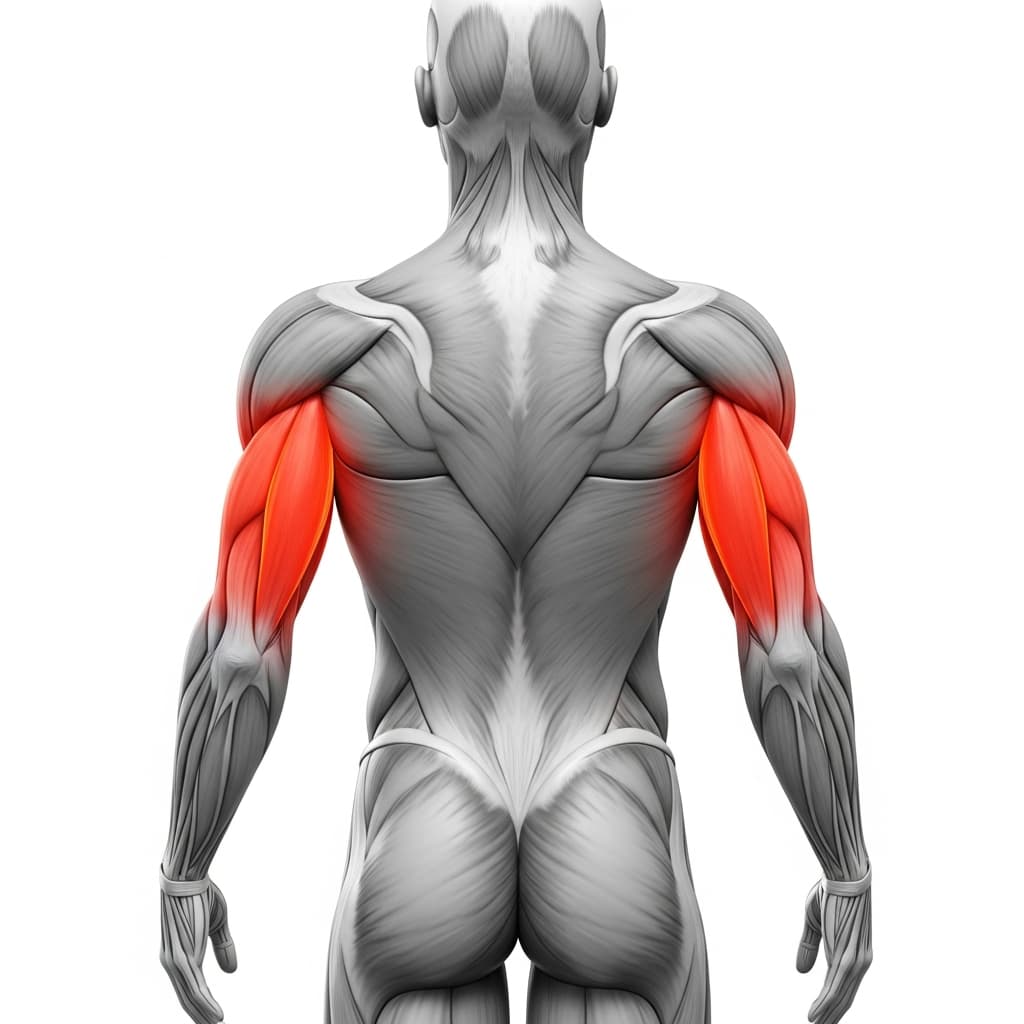
Triceps Brachii (Triceps) - The triceps extend the elbow through the entire movement and are the primary driver during the forearm-to-hand transition, working through a deeper range of motion than any standard push-up.
Secondary Muscles
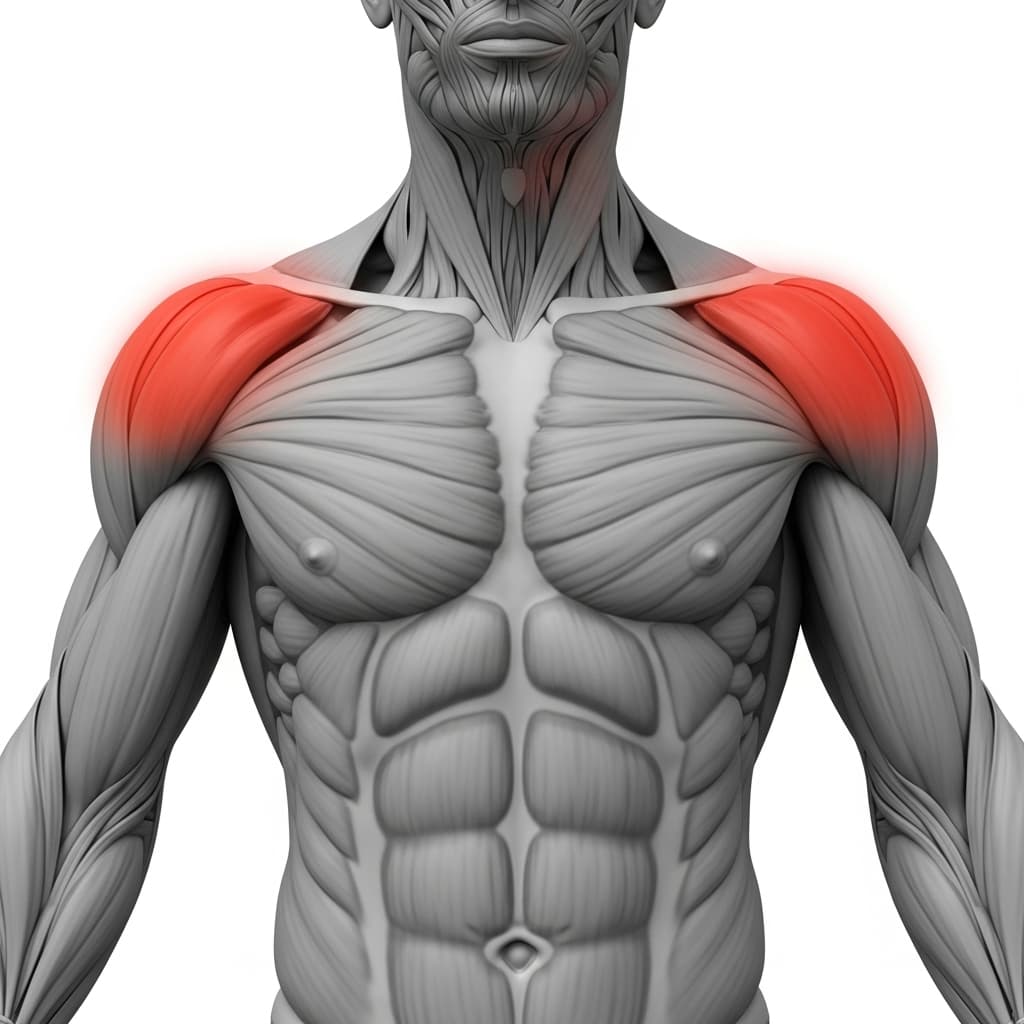
Anterior Deltoid (Front Deltoid) - The anterior deltoid stabilizes the shoulder joint and assists in pressing the body upward, especially during the forward lean phase where the shoulders sit ahead of the wrists.
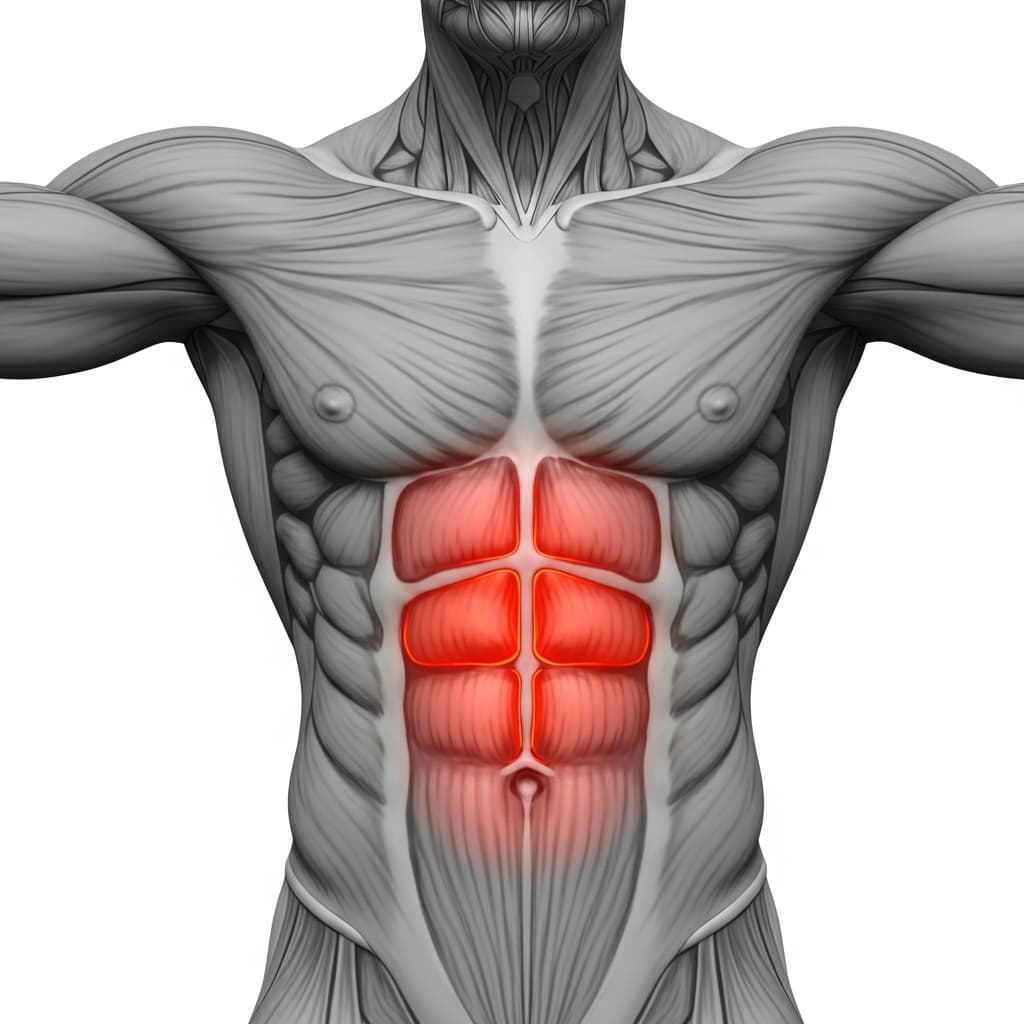
Rectus Abdominis (Abs) - The rectus abdominis and deep core muscles brace the spine to prevent hip sag and maintain a rigid body line throughout the shifting load of the forearm transition.
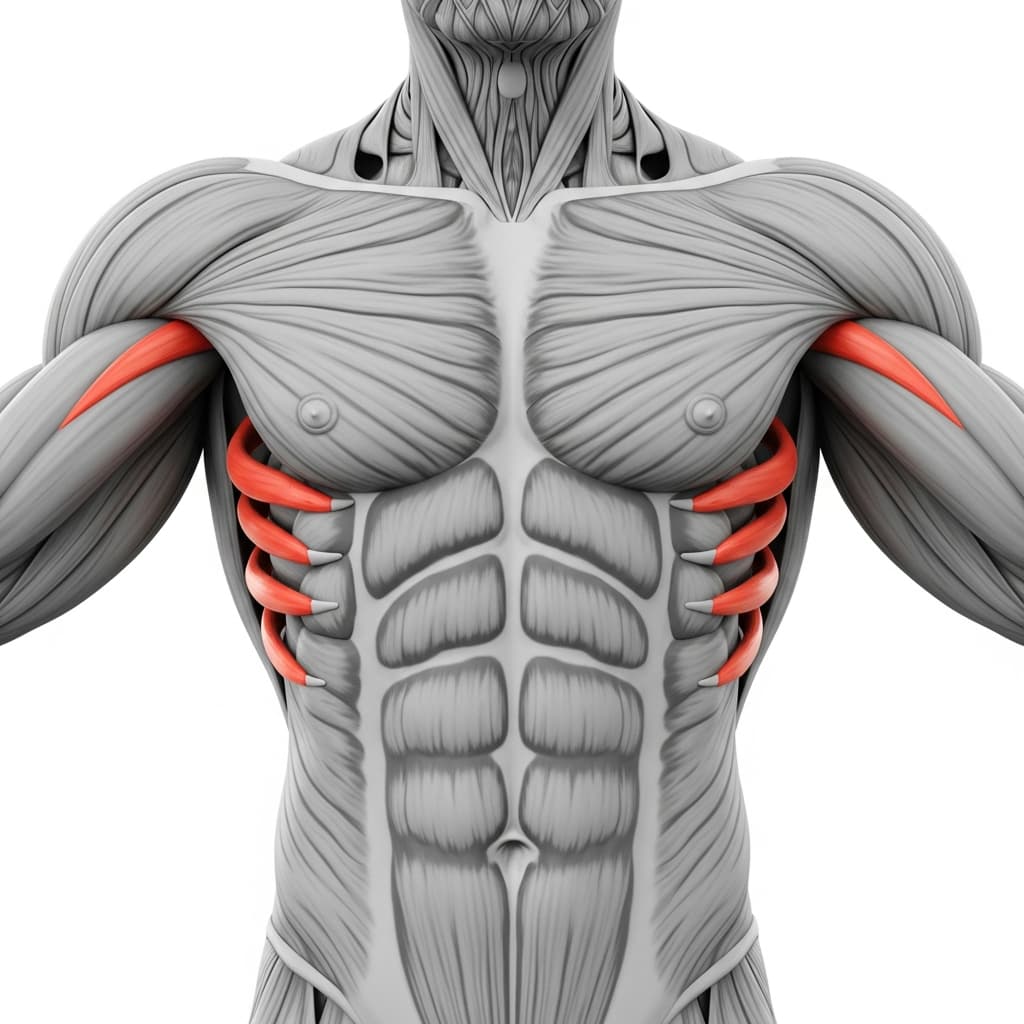
Serratus Anterior (Serratus Anterior) - The serratus anterior protracts and stabilizes the scapula against the ribcage during the pressing phase, preventing the shoulder blades from winging under load.
Benefits of Russian Push Ups
- Develops triceps strength through an extended range of motion that standard push-ups cannot reach, particularly during the forearm-to-hand transition
- Builds anterior core stability under a constantly shifting load, training the abs to resist extension and maintain spinal alignment through dynamic movement
- Strengthens the elbow joint and surrounding connective tissue through controlled loading at deep flexion angles, which protects against overuse injuries in pressing movements
- Creates direct carryover to planche and pseudo-planche push-up progressions by training the forward lean and pressing mechanics under bodyweight
Who Is This Exercise For?
You should be able to perform at least 15 clean standard push-ups and hold a forearm plank for 30 seconds with full body tension before attempting Russian push-ups. The forearm transition demands significant triceps strength and wrist mobility, so if your elbows flare or your hips sag during regular push-ups, build that foundation first. Comfortable diamond push-ups for 8 to 10 reps is a reliable indicator that you are ready for this variation.
Common Mistakes to Avoid
Letting the hips sag during the forearm transition: Brace your core as if you are about to take a punch and hold that tension through the entire movement. If your hips drop when rolling onto your forearms, your abs are not engaged enough to stabilize the spine under the shifting load.
Flaring the elbows wide on the forearm drop: Keep your elbows shoulder width apart and parallel to each other throughout the transition. When the elbows flare out, the shoulder joint absorbs unnecessary stress and the triceps lose their mechanical advantage.
Using momentum to swing back to the hands: The transition from forearms back to hands should be a controlled press, not a rocking swing. Slow down the forward drive and focus on pressing through your palms to build real strength in the movement.
Placing hands too wide: Keep your hands at shoulder width or slightly narrower. A wide hand placement reduces the range of motion during the forearm transition and shifts the load away from the triceps, which defeats the purpose of this variation.