Sissy Squat
The sissy squat is a bodyweight leg exercise where you push your hips forward, lean back, and lower your knees toward the floor while everything from your chest to your knees stays in one flat line. The quads do almost all of the work, while the glutes, core, and calves hold that line and keep your balance on the balls of your feet. Because the hips stay pushed forward through the whole rep, it loads the front of the thigh in a stretched position a normal squat never reaches, and it needs nothing but floor space.

The sissy squat is a bodyweight leg exercise where you push your hips forward, lean back, and lower your knees toward the floor while everything from your chest to your knees stays in one flat line. The quads do almost all of the work, while the glutes, core, and calves hold that line and keep your balance on the balls of your feet. Because the hips stay pushed forward through the whole rep, it loads the front of the thigh in a stretched position a normal squat never reaches, and it needs nothing but floor space.
How to Do Sissy Squat
1. Set Your Stance
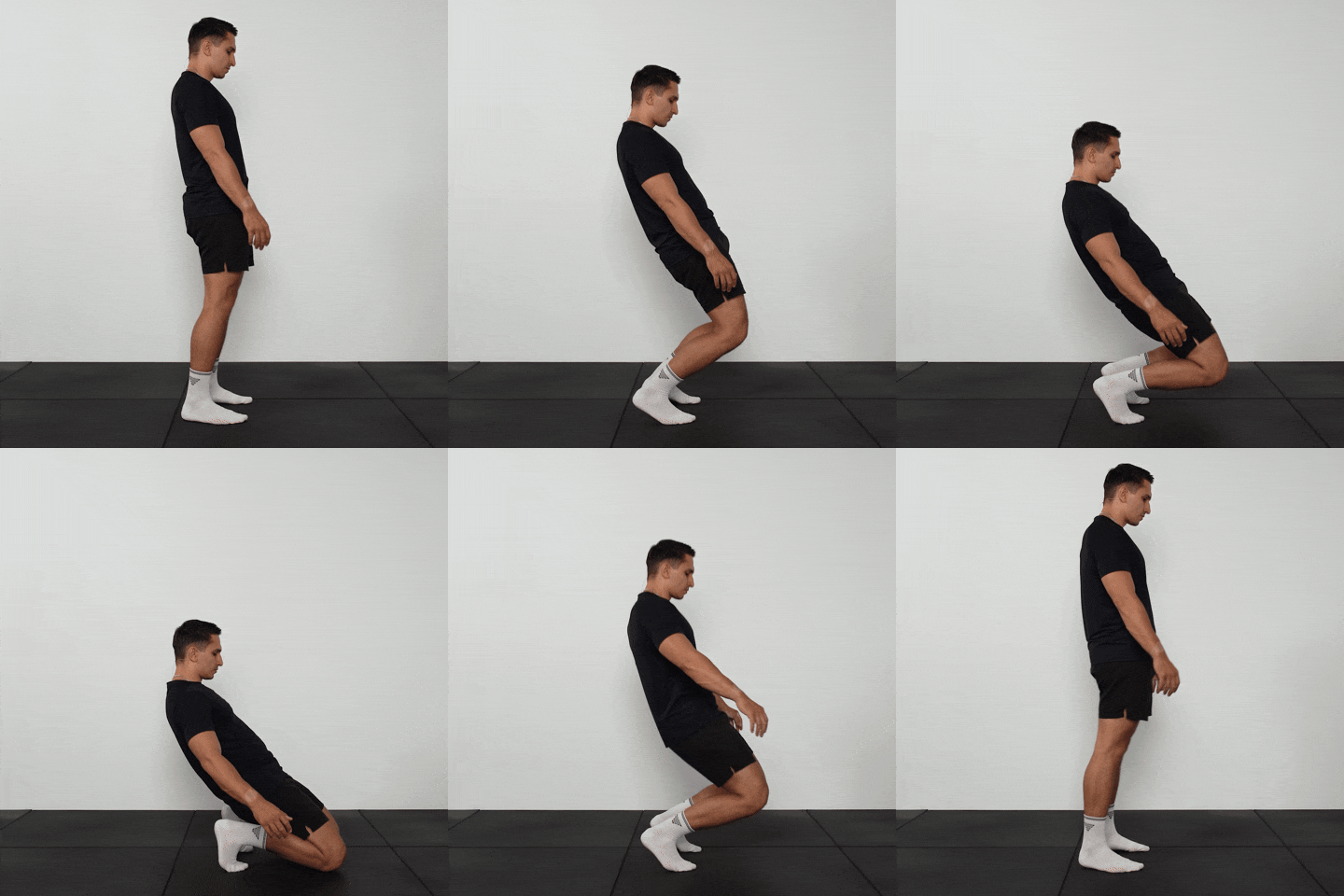
Stand on a flat floor with your feet about shoulder-width apart and your feet and toes pointing straight forward. All you work against here is the floor, so give yourself enough space to lean back and bring your knees down toward the ground.
Shoulder width, toes straight forward
2. Point the Knees With the Toes
As the knees start to bend they should travel in exactly the same direction your toes are pointing. This detail matters more than it looks, because it is what keeps the movement lined up from the first rep to the last.
Knees follow the toes
3. Push the Hips Forward
Before you descend, push your hips forward and arch slightly so everything from your chest to your knees becomes one flat area. Tension your core and back to hold that shape, because this line is what makes it a sissy squat rather than a normal squat.
Chest to knees, one flat line
4. Lower Under Control
Let the knees travel forward and lean back as one piece, holding the line while your heels come off the floor and your weight shifts onto the balls of your feet. Move slowly and stay in charge of the descent instead of dropping into it.
Lean back, knees forward, no dropping
5. Bring the Knees Toward the Floor
Keep going until your knees are close to touching the floor, or as deep as your current mobility lets you go while the line stays flat. Never fold at the hips in order to buy yourself extra depth.
Knees to the floor, line stays flat
6. Come Back Up in the Same Position
Push through the quads and return along exactly the path you came down, still holding the hips forward and the chest-to-knee line intact. Finish standing tall and reset before the next rep.
Same shape up as down
The whole exercise lives in the hip position. Push the hips forward so everything from your chest to your knees is one flat area, tension your core and back to hold it, then go down, touch, and come back up in that same position. The moment you bend at the waist in the bottom you are doing something else, and if you sit back like a normal squat it gets much, much harder, and sometimes even impossible. What is going to get challenging is your mobility, of course, but also how much different it feels than a normal squat, so take the depth you can actually hold and let it grow from there.
Muscles Worked During Sissy Squat
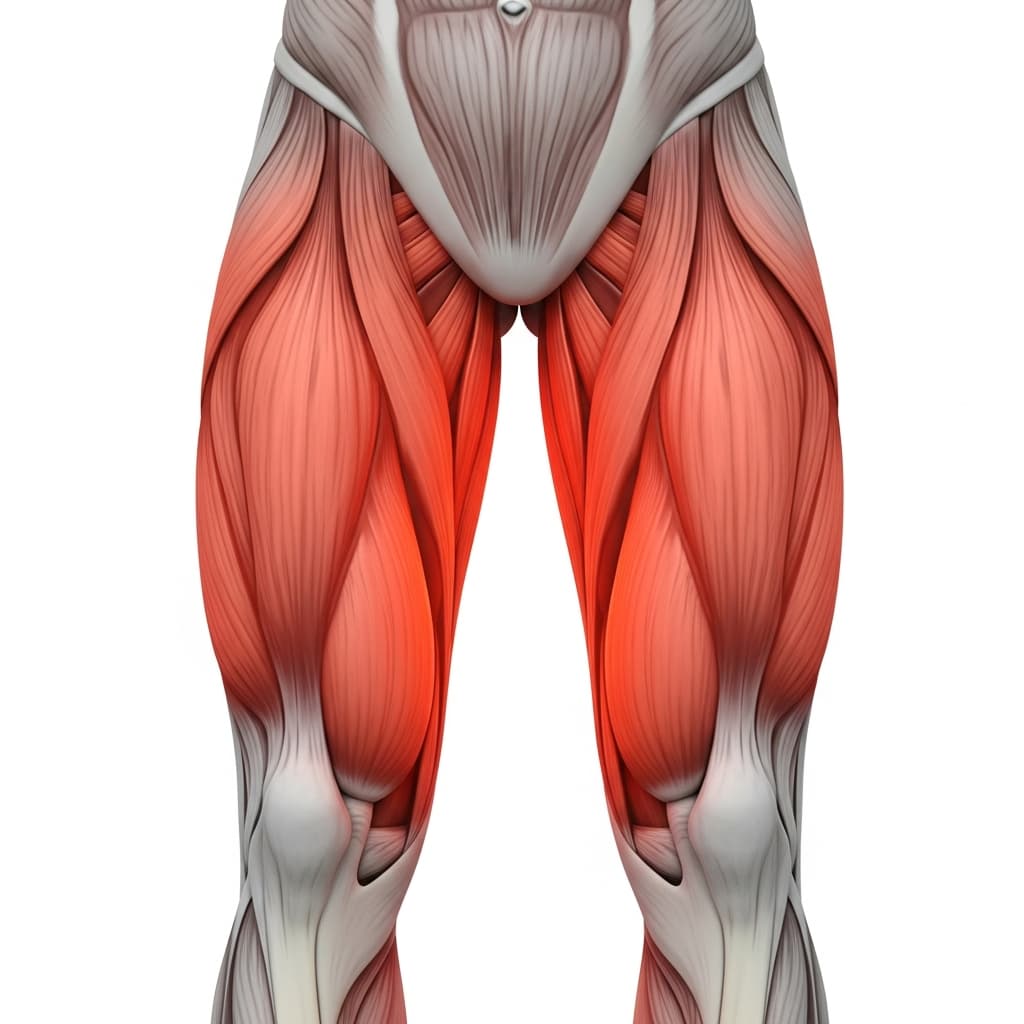
Primary Muscles:
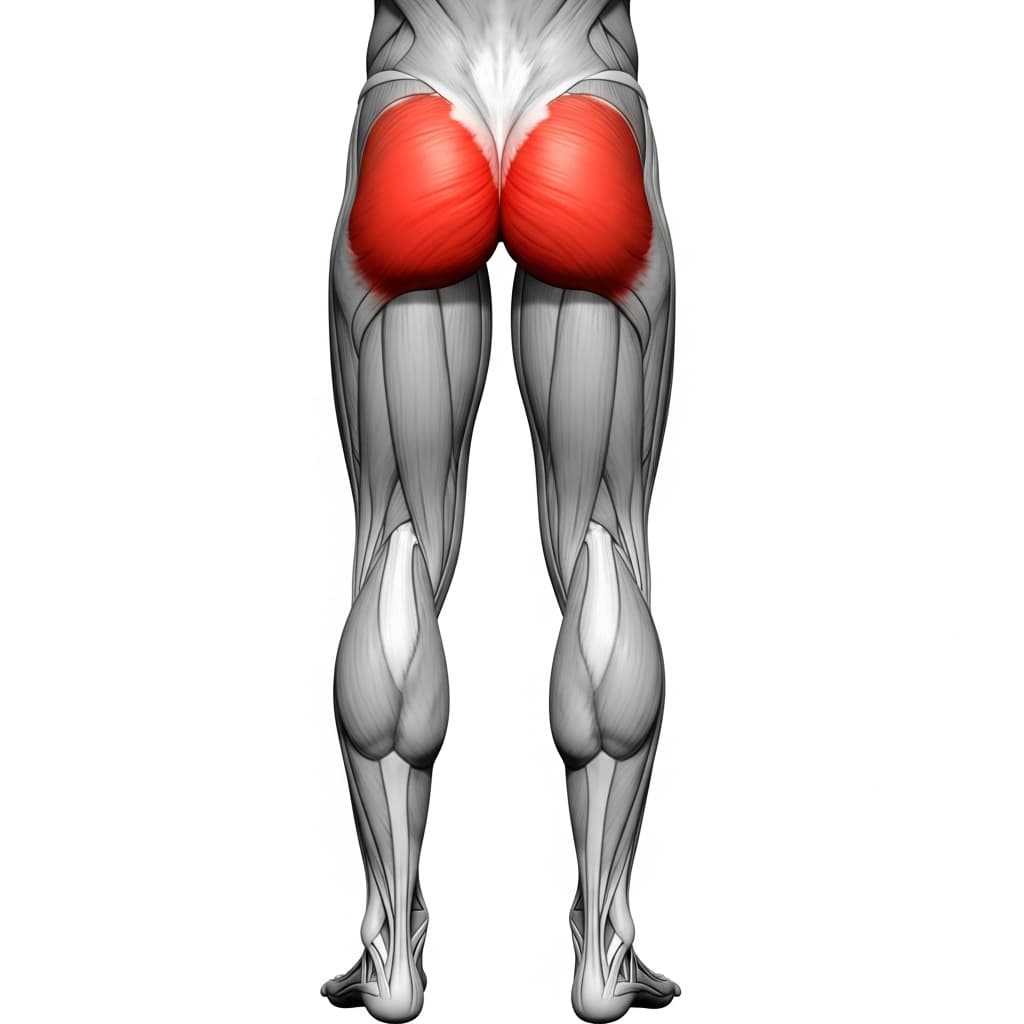
Secondary Muscles:
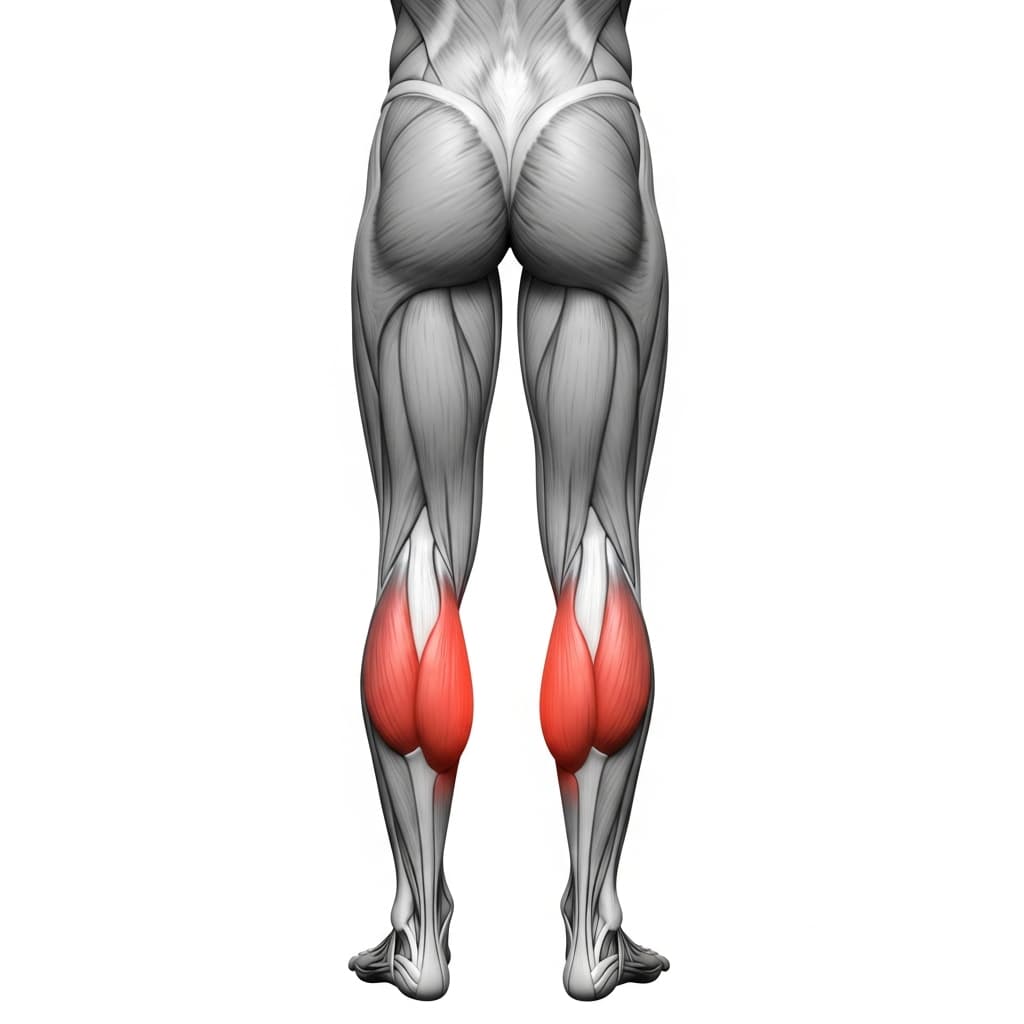
Primary Muscles
Quadriceps (Quads) - The quads are the prime mover. On the way down the knees bend and the quads lengthen under load, working eccentrically to control the descent; on the way up they extend the knees and drive you back to standing. Because the hips stay extended the entire time, the rectus femoris is loaded in a long, stretched position that a normal squat does not reach.
Secondary Muscles
Gluteus Maximus (Glutes) - The glutes hold the hips extended and forward so the body stays in one line instead of folding back into a normal squat.
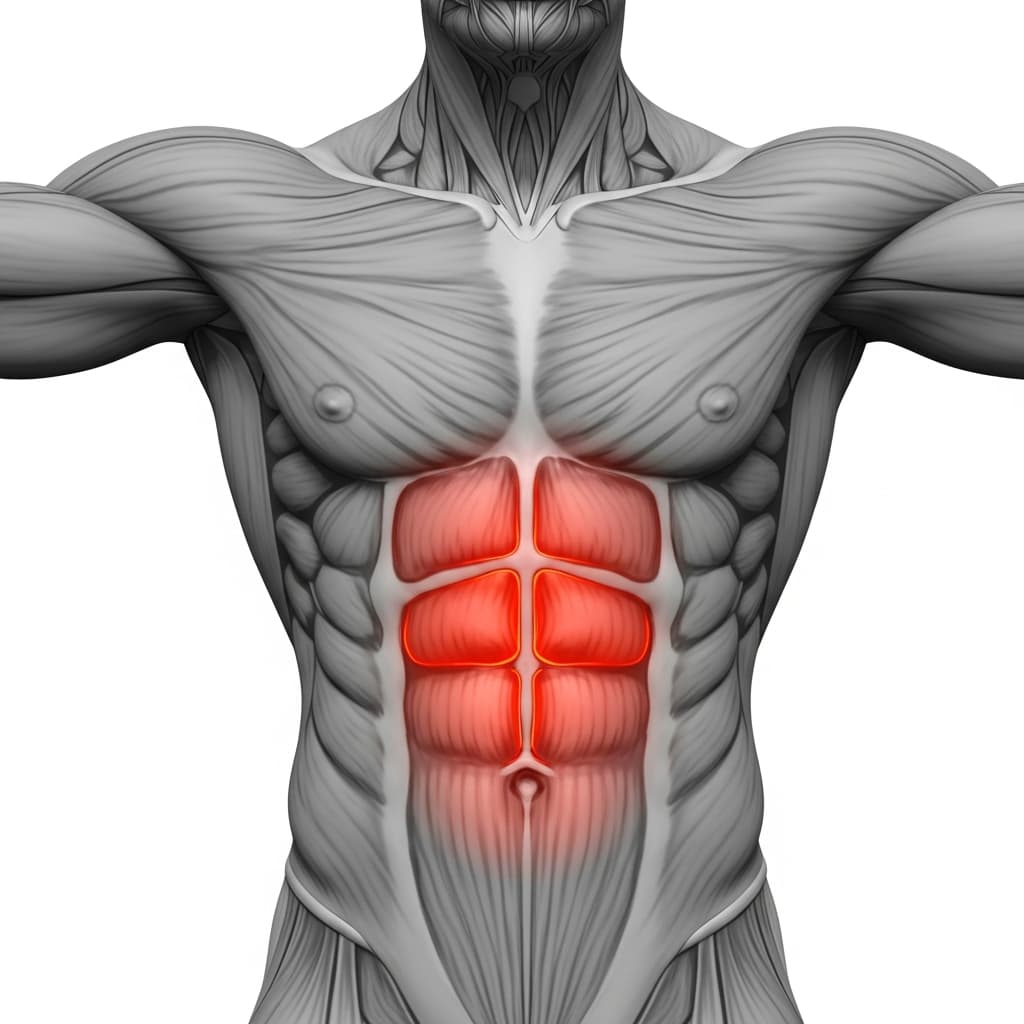
Rectus Abdominis (Abs) - The abs brace to lock the torso to the thighs, which is the core tension that keeps the position together on the way down and on the way back up.
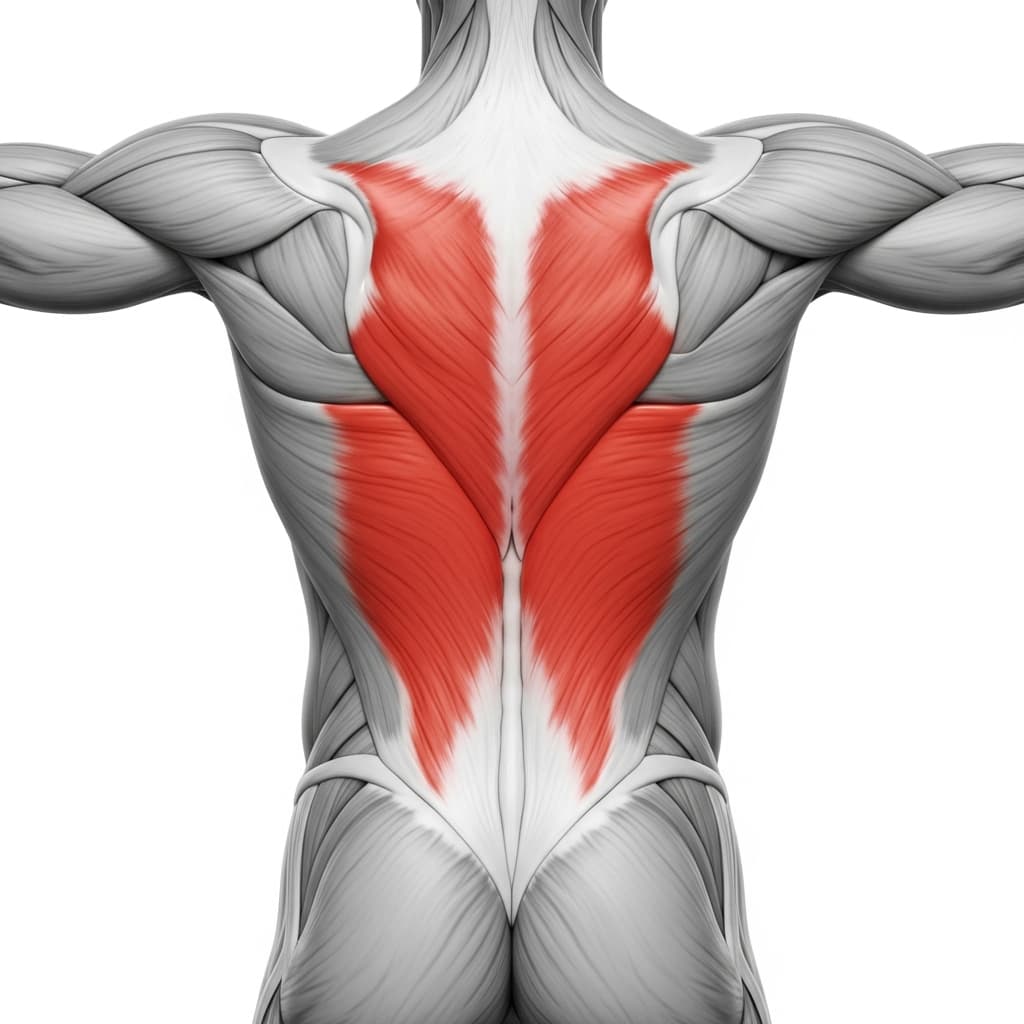
Erector Spinae (Spinal Erectors) - The spinal erectors hold the slight arch through the back so the chest-to-knee line stays flat rather than collapsing at the bottom.
Gastrocnemius & Soleus (Calves) - The calves work isometrically as the heels come off the floor, keeping you balanced on the balls of your feet through every rep.
Benefits of Sissy Squat
- Loads the quads in a lengthened position that a normal squat never reaches, because the hips stay pushed forward through the whole rep
- Needs no equipment and no gym, only a flat floor and enough space to lean back
- Builds the knee and ankle range the position demands, since the depth improves alongside the strength
- Trains the core and lower back isometrically, as holding the chest-to-knee line is what keeps the whole position together
- Adds knee-dominant quad work to a leg session without loading the spine, which makes it a useful partner to squats and lunges
Who Is This Exercise For?
You need no equipment for this one, only the floor and enough space to lean back. What you do need is the ability to bend and straighten your knees under your own bodyweight with control, and enough core and back tension to hold a slight arch while you move. Two things get challenging on the first attempts: your mobility, since you need range through the knees and ankles to lean back with the hips pushed forward, and how different the position feels compared to a normal squat. If the depth is not there yet, hold a support or work partial reps and let the range build over weeks rather than forcing it.
Common Mistakes to Avoid
Bending at the hips in the bottom position: This is the mistake many people make: they lower down, fold forward at the waist, then stand up out of that folded position. That is a different exercise. Keep the hips pushed forward the whole way, touch down, and come straight back up in the same shape.
Sitting back like a normal squat: Pushing the hips back the way you would in a bodyweight squat makes the sissy squat much, much harder, and sometimes even impossible to complete. Drive the hips forward instead and let the knees travel out over the toes.
Knees drifting off the toe line: When the knees fall inward or splay outward while the feet stay pointing forward, the line breaks and the quads stop sharing the work evenly. Reset to a shoulder-width stance with feet and toes forward, and keep the knees tracking in the same direction as the toes.
Chasing depth before the mobility is there: Forcing the knees to the floor before you can hold the position just collapses the line at the bottom. Stop at the deepest point you can control, come back up in the same shape, and let the range grow over weeks.
Variations & Progressions
Assisted Sissy Squat
Hold a doorframe, a pole, or a pair of rings in front of you and take part of your weight through the hands. You keep the same hips-forward line while the support lets you work at a depth you cannot yet control on your own.
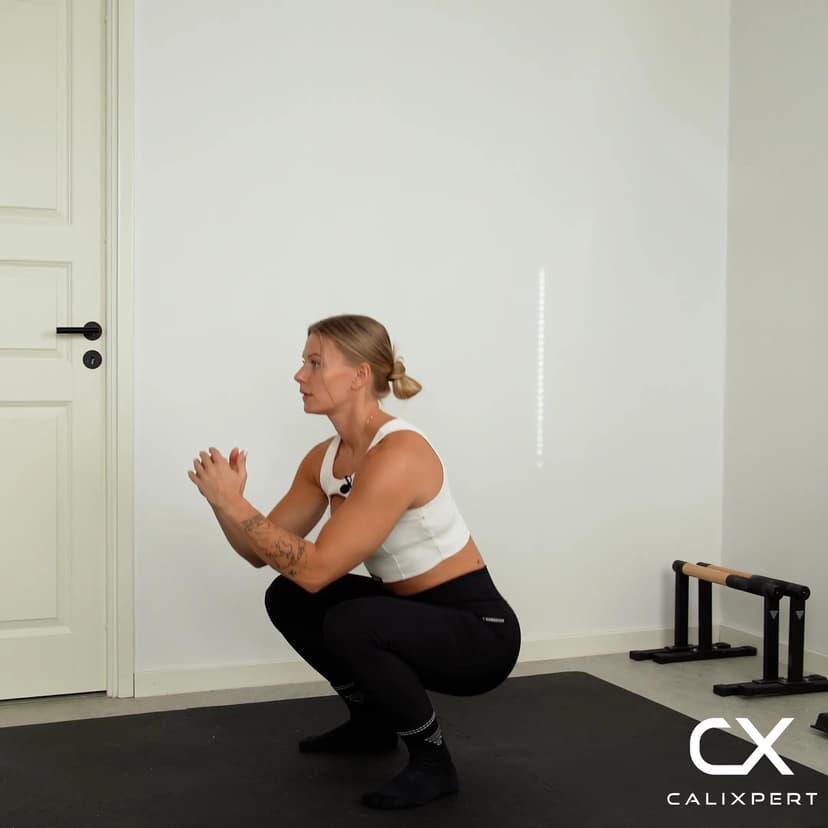
Weighted Sissy Squat
Hold a small plate or dumbbell against your chest, starting around 2.5 to 5 kg, once bodyweight reps are clean and controlled through your full range. The extra load goes straight to the quads without changing the technique.