Weighted Negative Pull Ups
Weighted negative pull ups load the lats and biceps beyond your current pull up strength by training only the lowering half, with a plate on a weight belt. You step off a raised platform with your chin above the bar and lower slowly at the same pace all the way to straight arms. The overhand grip, elbows out to the side as long as you can, separates it from the weighted negative chin up, where the palms face you and the biceps do more.
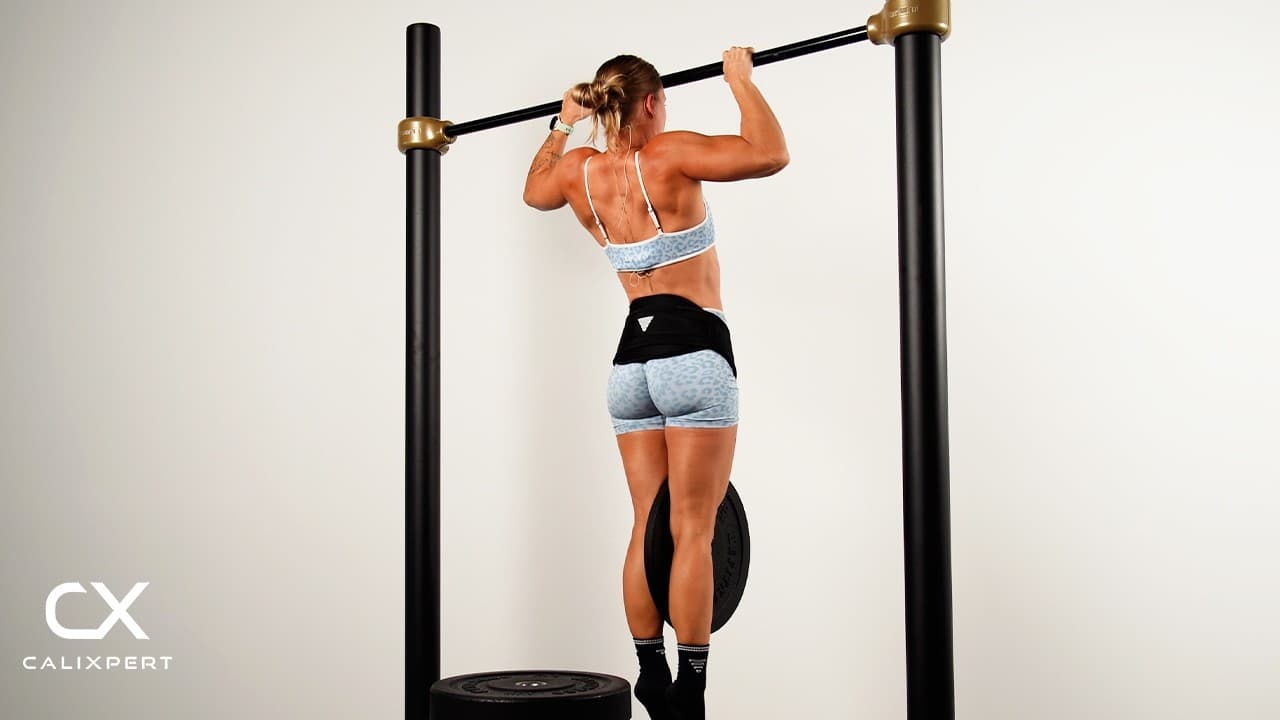
Weighted negative pull ups load the lats and biceps beyond your current pull up strength by training only the lowering half, with a plate on a weight belt. You step off a raised platform with your chin above the bar and lower slowly at the same pace all the way to straight arms. The overhand grip, elbows out to the side as long as you can, separates it from the weighted negative chin up, where the palms face you and the biceps do more.
How to Do Weighted Negative Pull Ups
1. Build A Platform Under The Bar
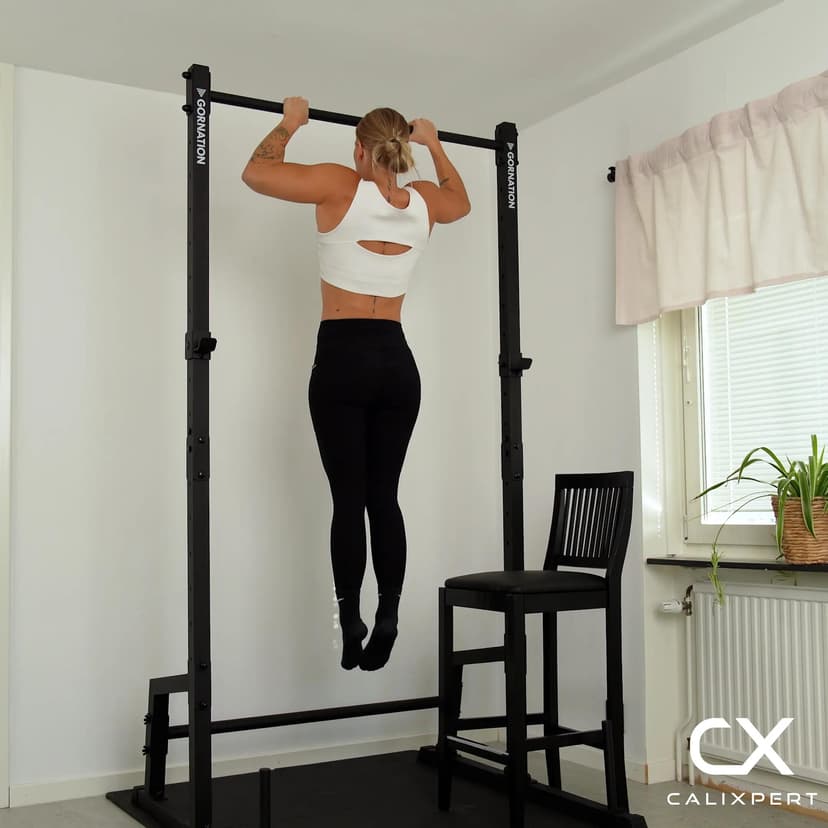
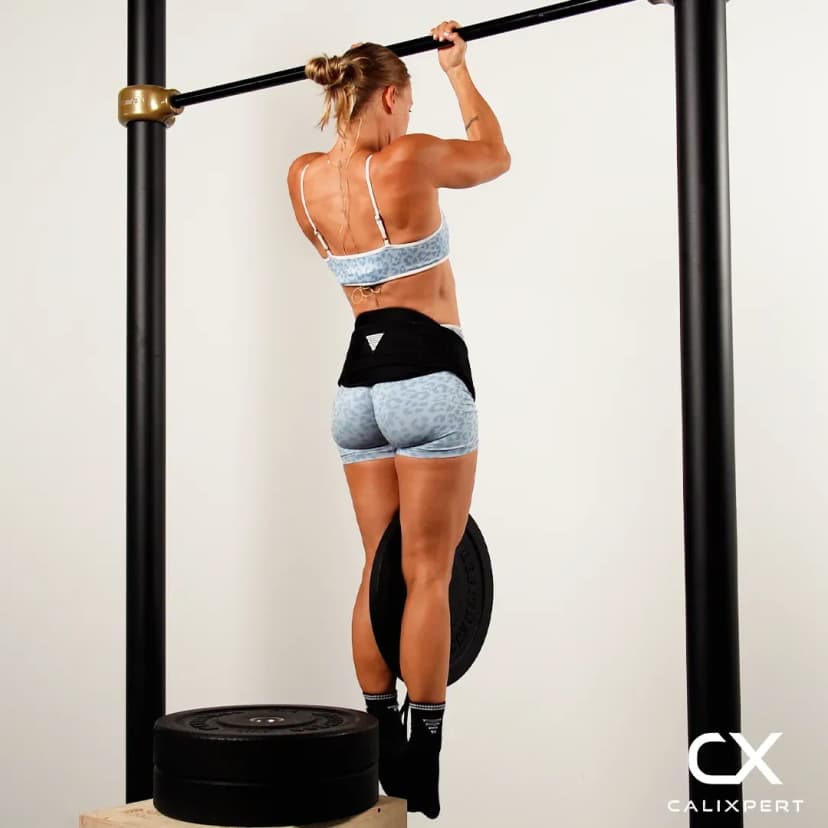
Set up something stable under the bar, high enough for your chin to already be above the bar when you stand on it. A wooden box with weight plates stacked on top works, but build it up however you need to. Step straight into the top position, because jumping up will most likely create momentum and disturb the whole negative.
Chin above the bar before you start.
2. Put On The Belt And Weight
Put the weight belt around your hips and hang the plate from it before you climb onto the platform, so the load is already attached when you get into position. Choose a plate that still lets you keep the same pace all the way down on every rep.
Plate on first, then step up.
3. Grip The Bar With Thumbs Around
Grab the bar with your palms facing away from you and your thumbs wrapped around it. Place your hands roughly shoulder width apart, or maybe a little bit wider.
Thumbs around, shoulder width or a little wider.
4. Step In And Activate
Step off the platform into the top position of the pull up. Have the shoulders down and the shoulder blades squeezed together in a scapular retraction, with the lats engaged already from the start, so you are ready for the negative part before you begin to lower.
Step in, shoulders down, blades together.
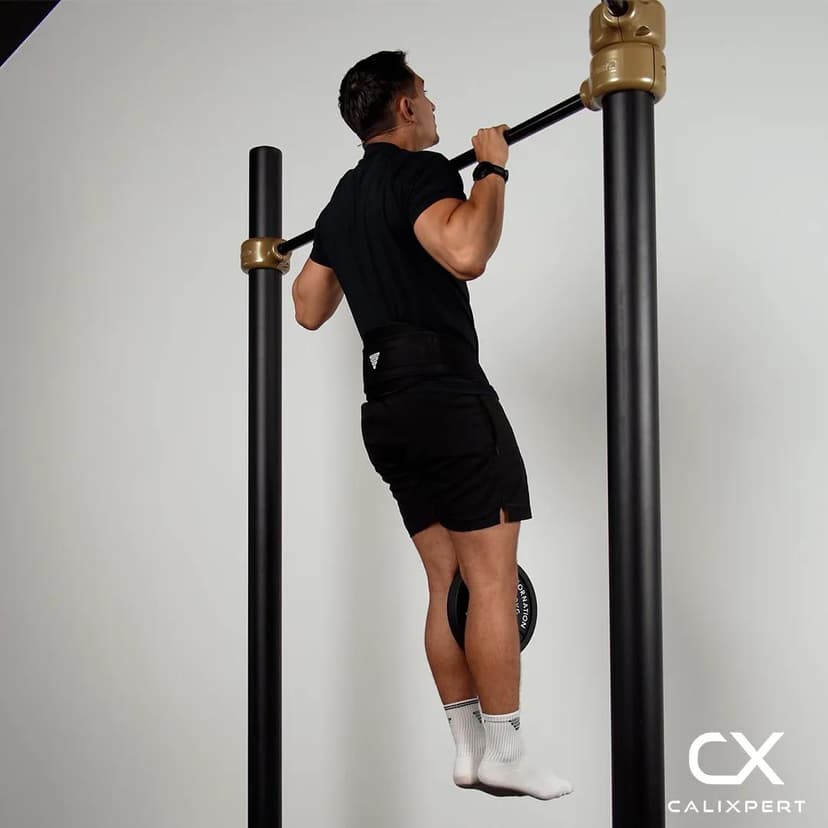
5. Lower With The Elbows Out
Start lowering slowly. Keep the elbows pointing to the side, or even a little bit backwards, for as long as you can. At a certain point the elbows will need to come a little in front of your body, and that is fine as long as the lats were engaged from the start.
Elbows to the side as long as you can.
6. Keep One Pace All The Way Down
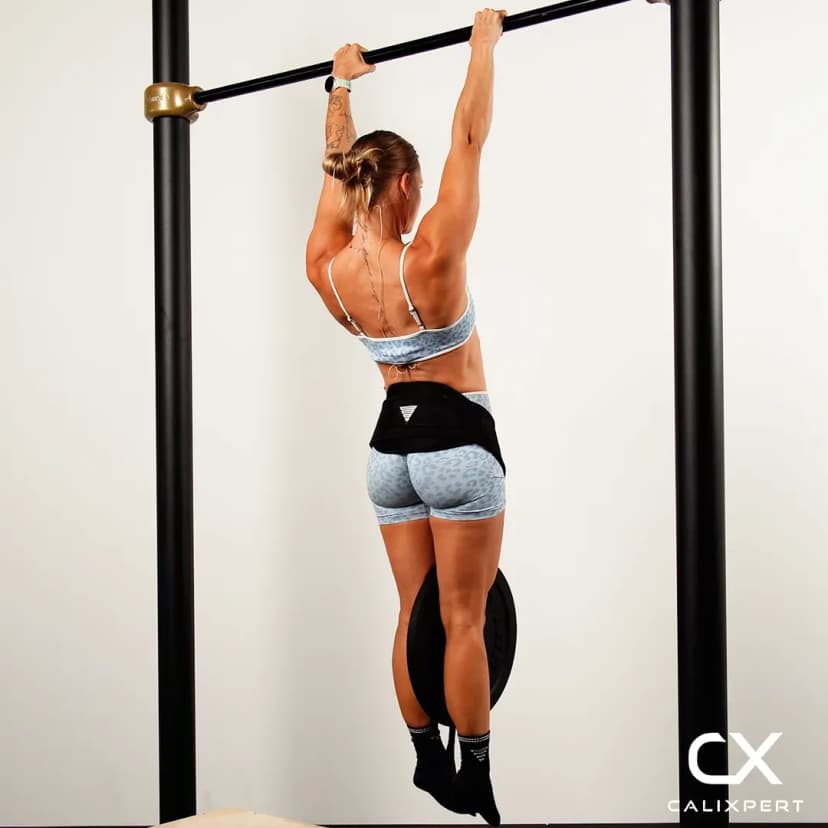
Try to keep the same pace through the whole rep, all the way down to straight arms. When your arms are straight, get back onto the platform and step into the top position again for the next rep.
Same speed from top to bottom.
Think about the elbows as much as the speed. Step in with the shoulders down and the lats engaged, then keep the elbows to the side, or even a little backwards, as long as you can. If the plate pulls your shoulders up before you lower or the rep speeds up partway down, it is too heavy for now.
Muscles Worked During Weighted Negative Pull Ups
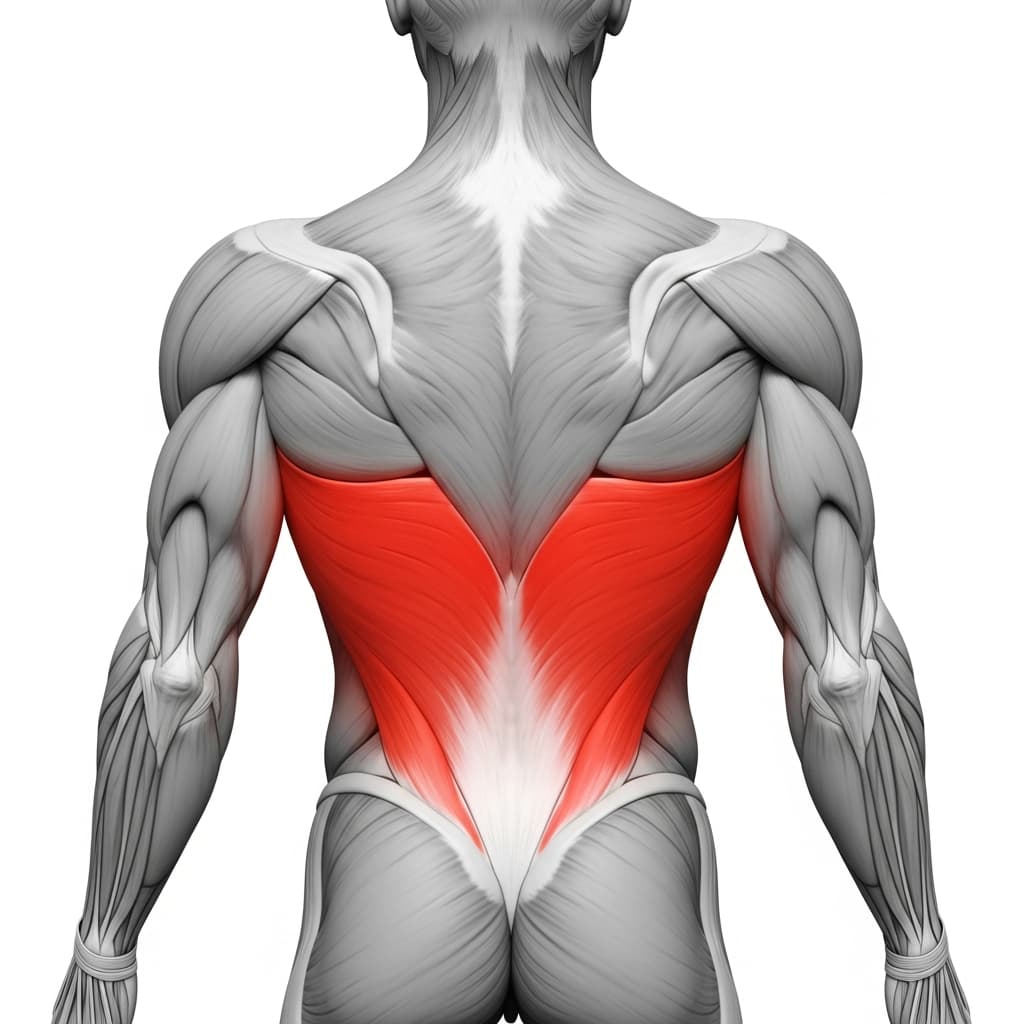
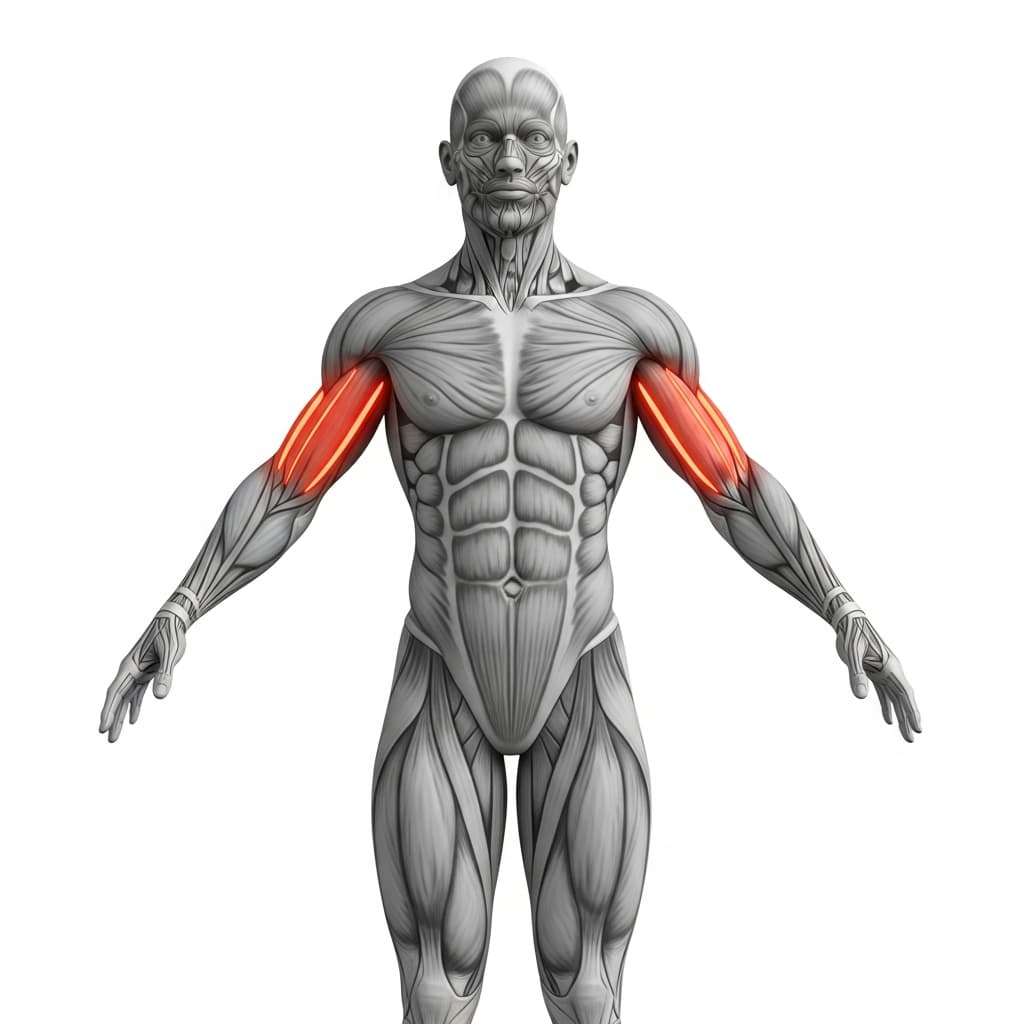
Secondary Muscles:
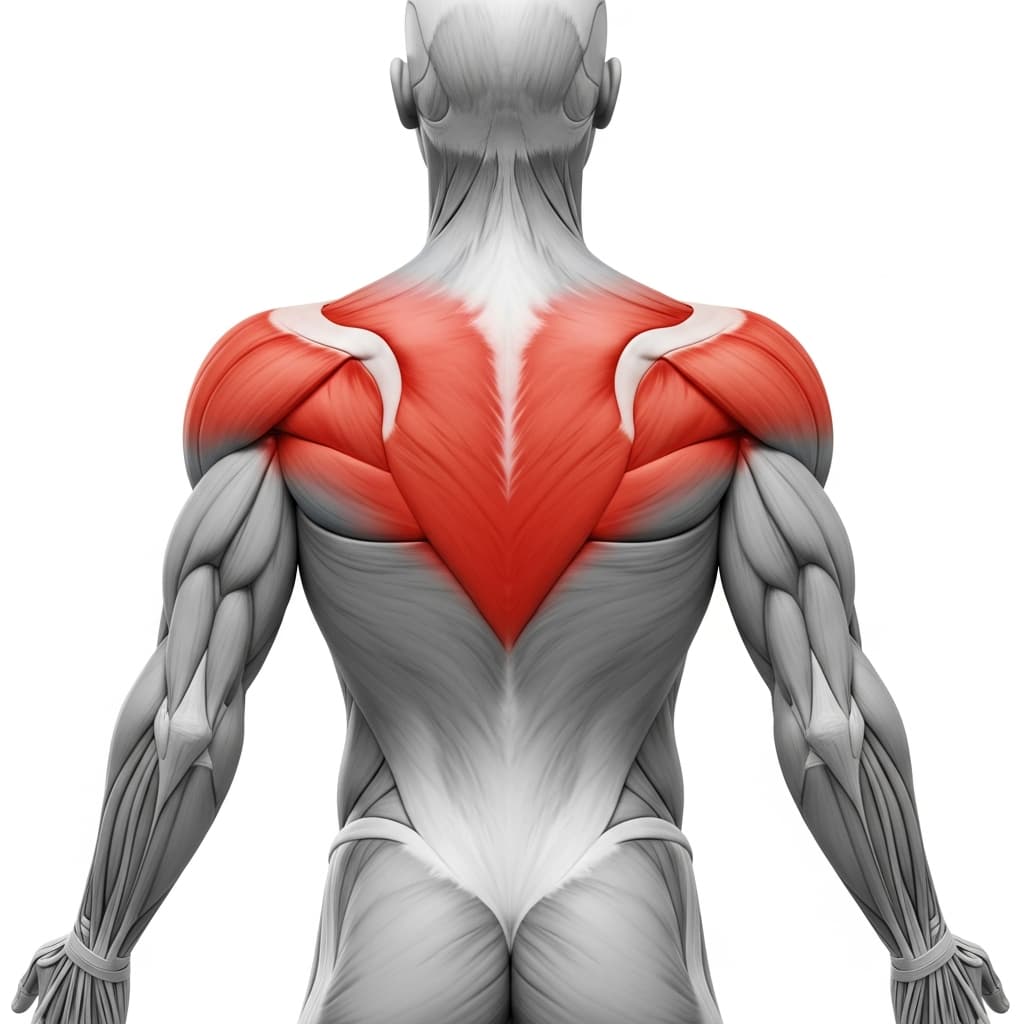
Primary Muscles
Latissimus Dorsi (Lats) - The lats are the main muscle resisting the weight as you lower, and engaging them from the start keeps them working from the very top of the rep.
Biceps Brachii (Biceps) - The biceps and other elbow flexors control how fast the elbows straighten, braking your bodyweight plus the plate for the whole descent.
Secondary Muscles
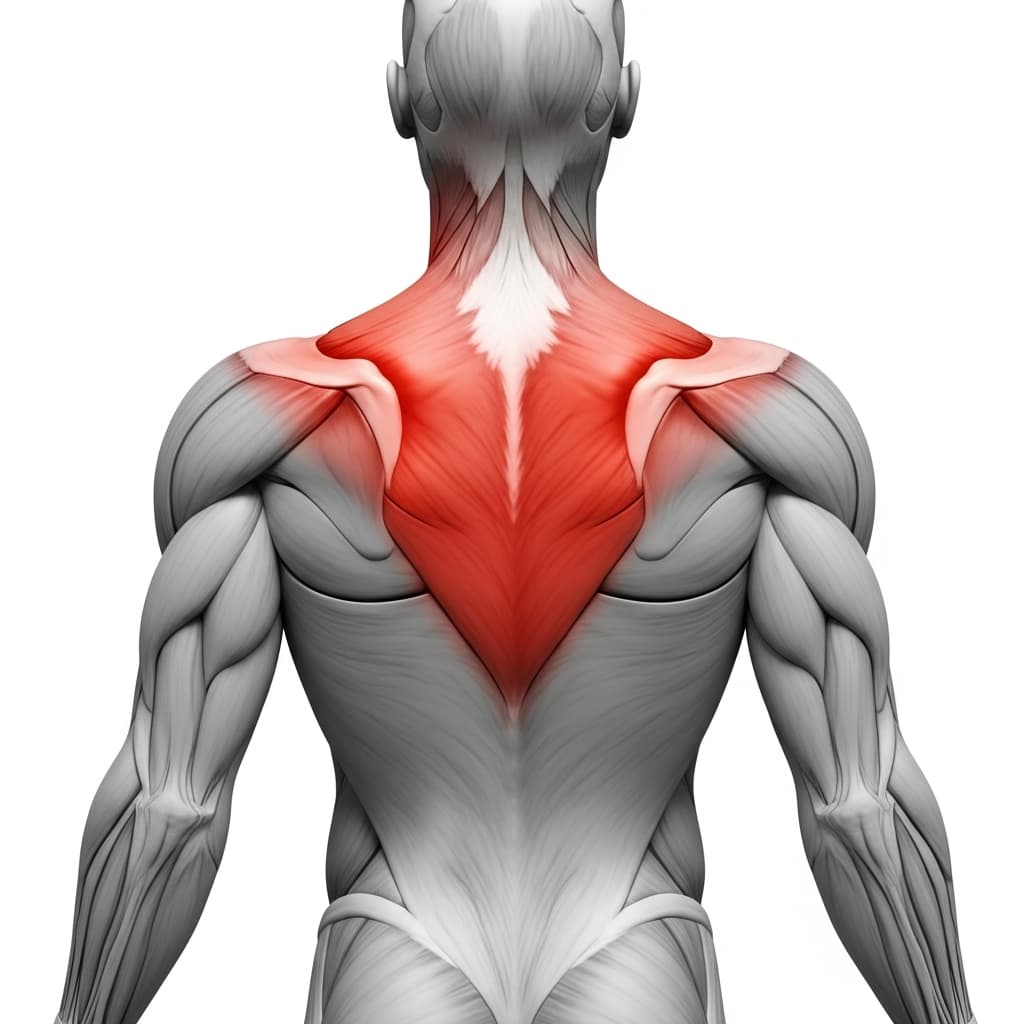
Rhomboids & Upper Trapezius (Upper Back) - The rhomboids and middle trapezius hold the shoulder blades squeezed together from the start of the rep, so the shoulders hold a strong position while the weight pulls down.
Trapezius (Trapezius) - The lower trapezius helps keep the shoulders pulled down away from the ears, so the added weight does not drag you into a shrug as you lower.
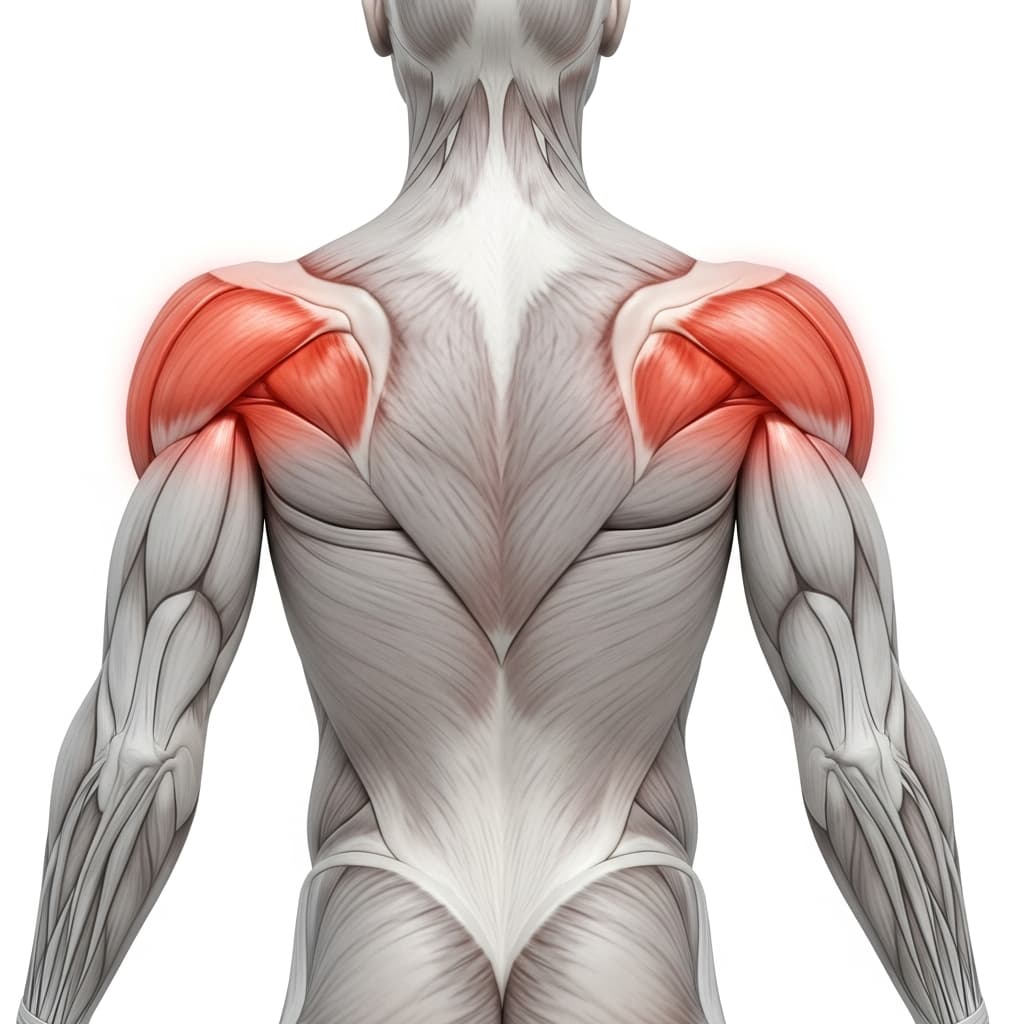
Posterior Deltoid (Rear Deltoid) - The rear deltoids help control the upper arm while the elbows stay pointing to the side, or a little backwards, for as long as possible on the way down.
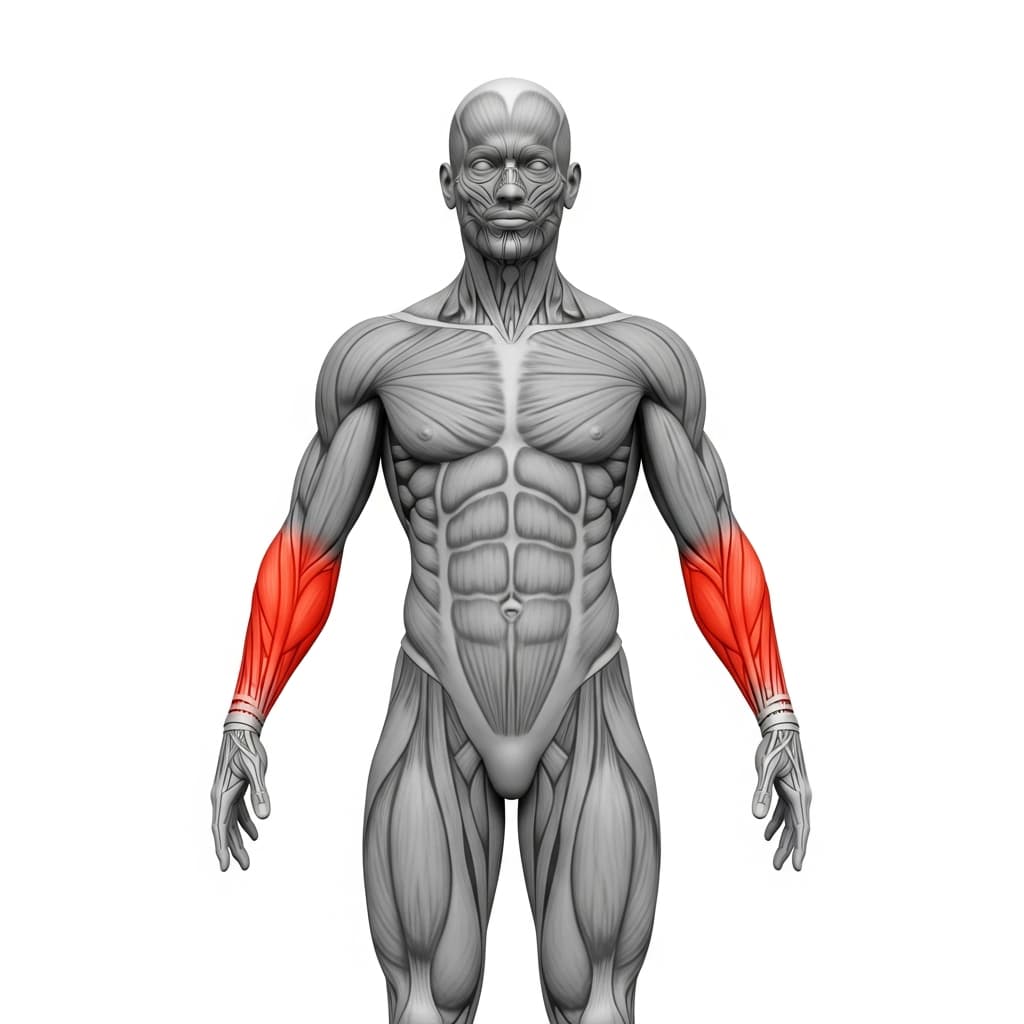
Forearm Flexors & Extensors (Forearms) - The forearm and grip muscles hold your bodyweight plus the plate for the whole slow descent, which makes this a demanding grip exercise as well.
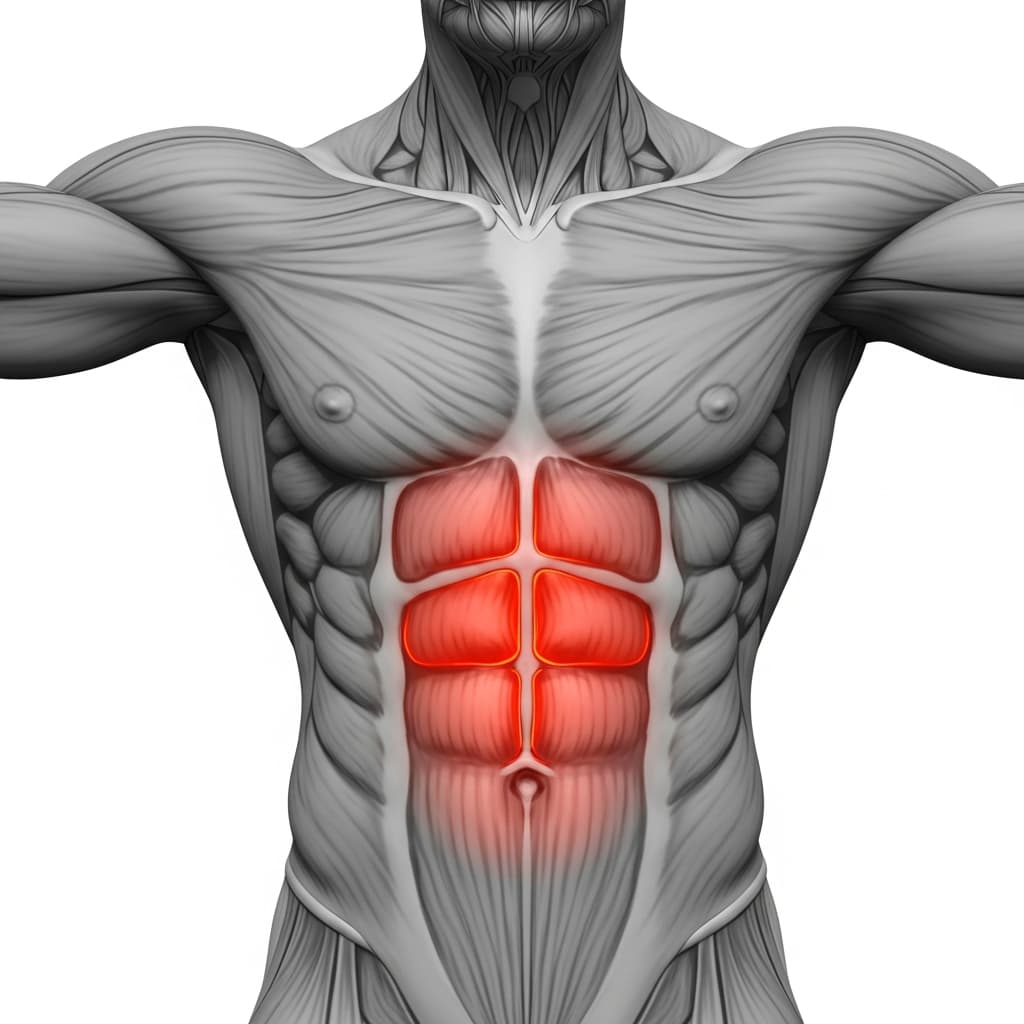
Rectus Abdominis (Abs) - The abs help keep the body still under the bar, so the hanging plate does not start to swing during the rep.
Benefits of Weighted Negative Pull Ups
- Trains the overhand pull with more weight than you can currently pull up, since you only have to control it on the way down.
- Loads the lats and biceps through the whole range, from chin above the bar to straight arms.
- Trains you to hold the shoulders down and the shoulder blades together under extra weight from the very start of the rep.
- Builds grip strength by holding your bodyweight plus a plate through a slow descent.
- Progresses in small, measurable steps, since you can add a little weight at a time.
Who Is This Exercise For?
You should be able to do bodyweight negative pull ups first: step into the top, set the shoulders down and lower at an even pace to straight arms without any part turning into a drop. If those still speed up, keep training them before adding weight. You also need a stable platform tall enough to put your chin above the bar, because this exercise should not start with a jump.
Common Mistakes to Avoid
Jumping up to the bar: A jump will most likely create momentum and disturb the whole negative. Build the platform high enough that your chin is already above the bar when you stand on it, so you can step into the top with the weight attached.
Starting the lowering with passive shoulders: If your shoulders are relaxed when you step in, the added weight pulls them up toward your ears before the lowering has even started. Have the shoulders down, the shoulder blades squeezed together and the lats engaged before you begin to lower.
Speeding up partway down: Keep the same pace through the whole rep instead of starting slowly and then dropping through the rest. If you cannot keep it, take some weight off until the end of the rep is as slow as the start.
Bringing the elbows forward right away: Keep the elbows pointing to the side, or even a little bit backwards, for as long as you can. Only let them come a little in front of your body at the point in the descent where you need to.
Stepping back down before straight arms: Reaching for the platform while the elbows are still bent cuts off the bottom of the range. Lower all the way down until your arms are straight, then step back onto the platform.