Weighted Pull Ups
Weighted pull-ups are the natural next step once bodyweight pull-ups stop being a real challenge, adding external load through a dip belt to keep building pulling strength and back size. The movement is driven by the lats and biceps, while the upper back, forearms, and core work hard to control the extra weight and keep you from swinging. Loaded correctly, it is one of the most effective ways to keep progressing your back and grip long after bodyweight reps have plateaued.
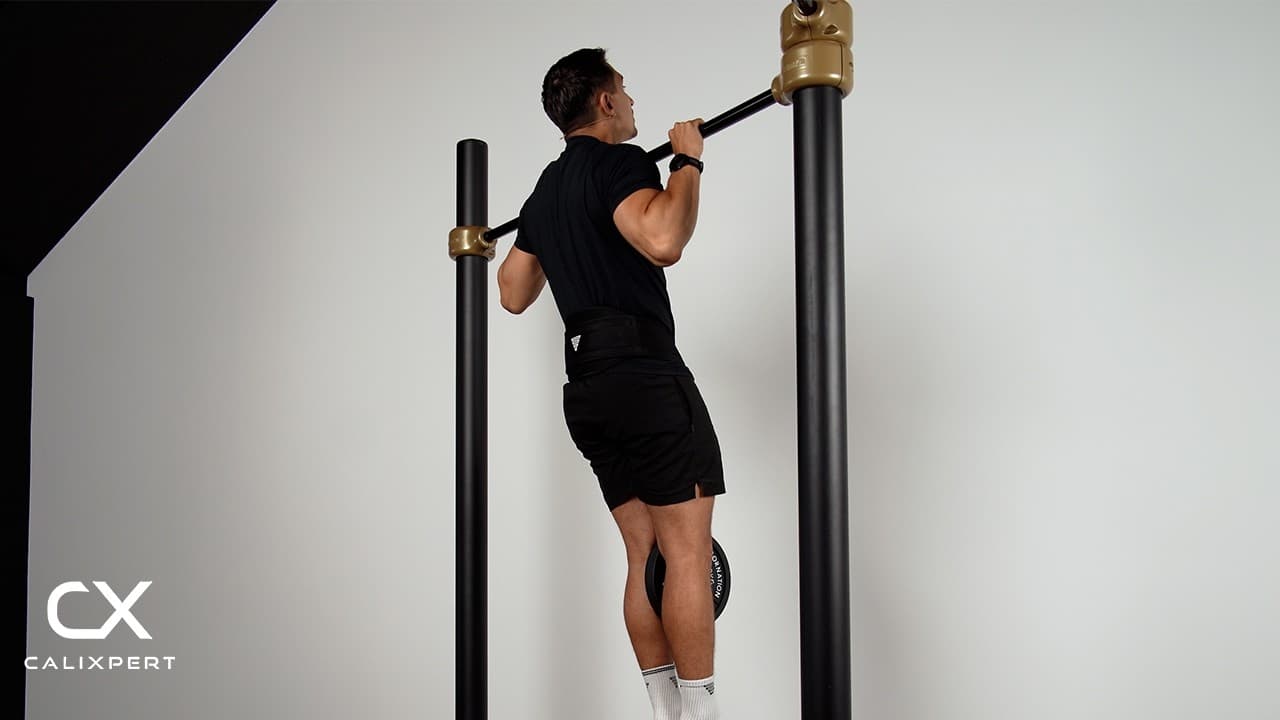
Weighted pull-ups are the natural next step once bodyweight pull-ups stop being a real challenge, adding external load through a dip belt to keep building pulling strength and back size. The movement is driven by the lats and biceps, while the upper back, forearms, and core work hard to control the extra weight and keep you from swinging. Loaded correctly, it is one of the most effective ways to keep progressing your back and grip long after bodyweight reps have plateaued.
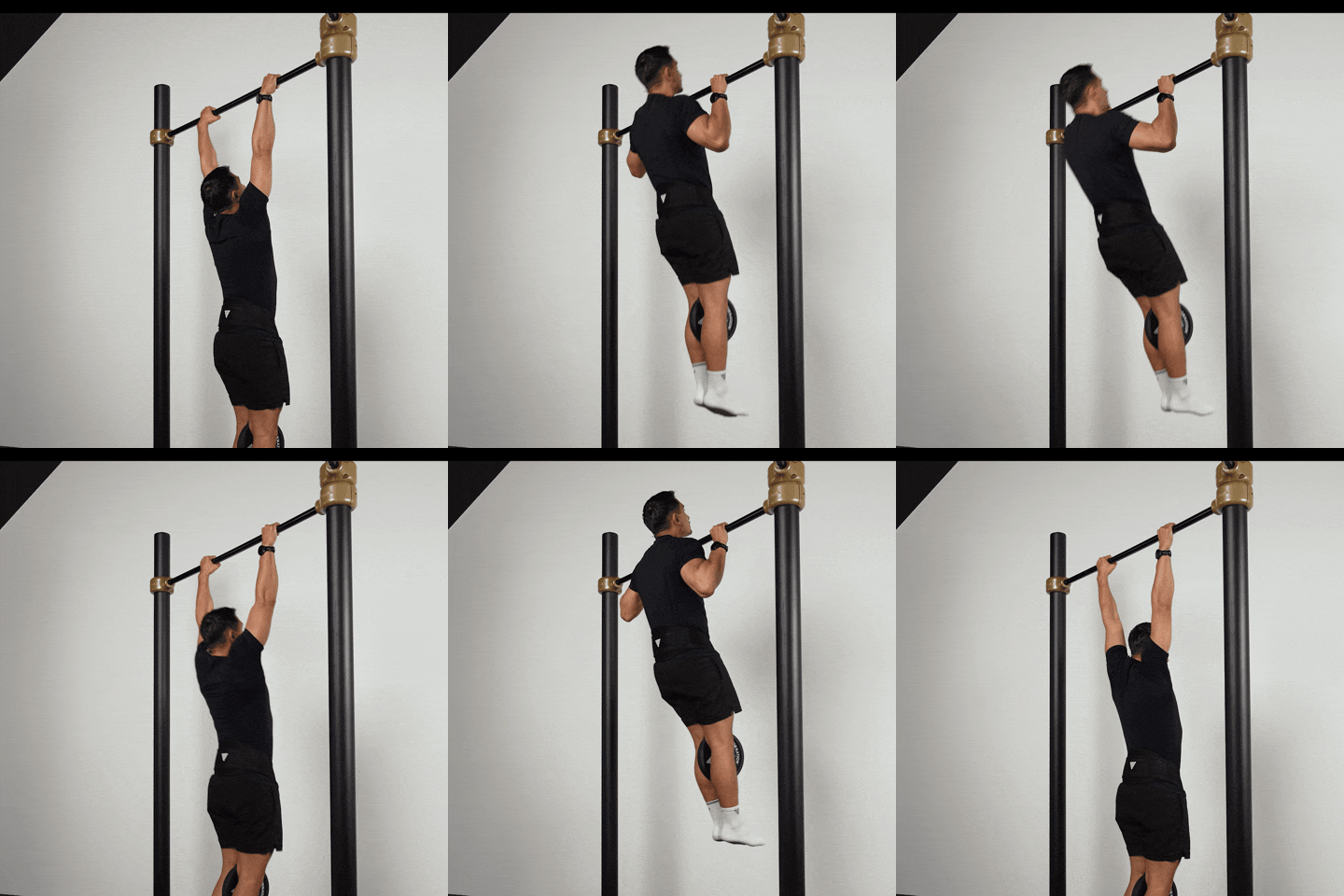
How to Do Weighted Pull Ups
1. Set Up the Dip Belt
Fasten a dip belt around your hips and hang the weight so it sits around knee height rather than dangling low. Keeping the load high and close lets you squeeze your legs together to control it once you are on the bar.
Weight at the knees, not hanging low
2. Step Into the Bar
Use a box to step up to the bar instead of jumping into the hang with weight attached. Grab the grip you want, then step down slowly and under control so you begin from a still position with no swing.
Step in, never jump into the swing
3. Set Your Grip
Take an overhand grip at the width you feel strongest in, usually shoulder-width to slightly wider. Use chalk and turn your knuckles up toward the ceiling for a secure semi-false grip.
Knuckles up, chalk on, strongest width
4. Start From a Locked Hang
Begin every rep from a full dead hang with your elbows locked out and your shoulders active. Set the shoulder blades down and back before you bend your arms so the lats lead the pull.
Full lockout, shoulders set, then pull
5. Pull Chin Over the Bar
Drive your elbows down and back and pull until your chin clears the bar. Bring your chest toward the bar rather than craning your neck forward, which keeps tension on the back and off the shoulder joint.
Chest to bar, not chin forward
6. Lower Under Control
Lower yourself over two to three seconds back to a full dead hang, resisting the weight the whole way. A controlled descent is where much of the strength is built and it stops the plate swinging into the next rep.
Two to three second descent, no drop
The most common reason weighted pull-ups stall is adding weight faster than your form can handle. Make small jumps of 1 to 2.5 kg and only when every rep of every set is clean and full range. Slow, strict loading over months beats chasing a heavy single that turns into a half-rep swing.
Muscles Worked During Weighted Pull Ups
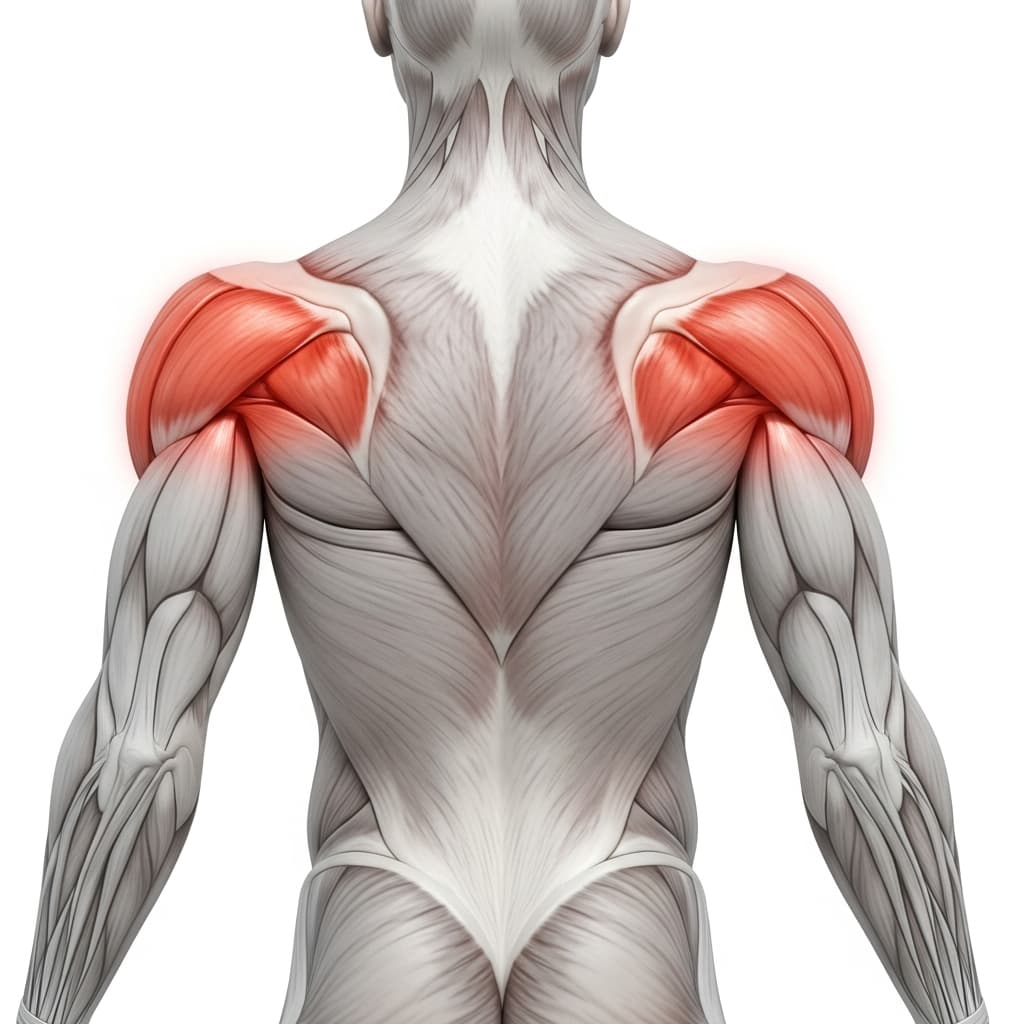
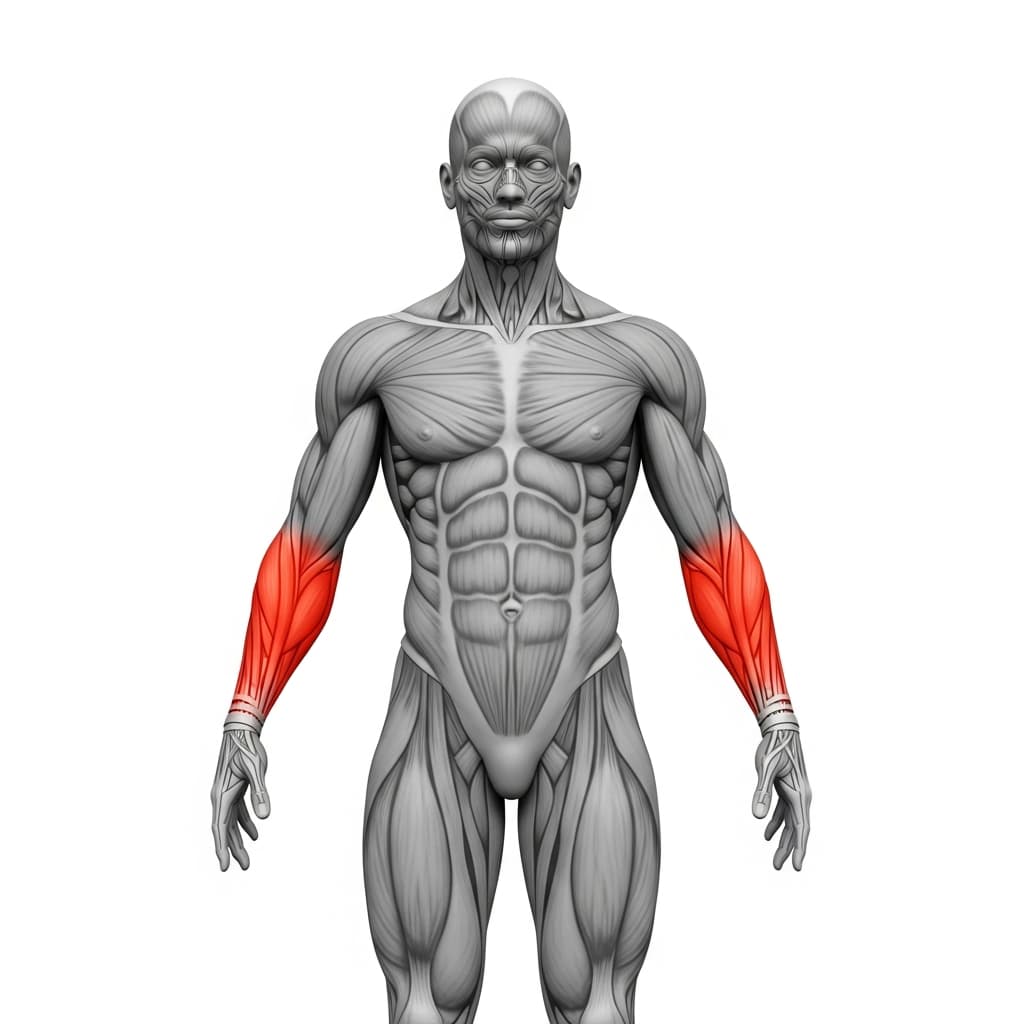
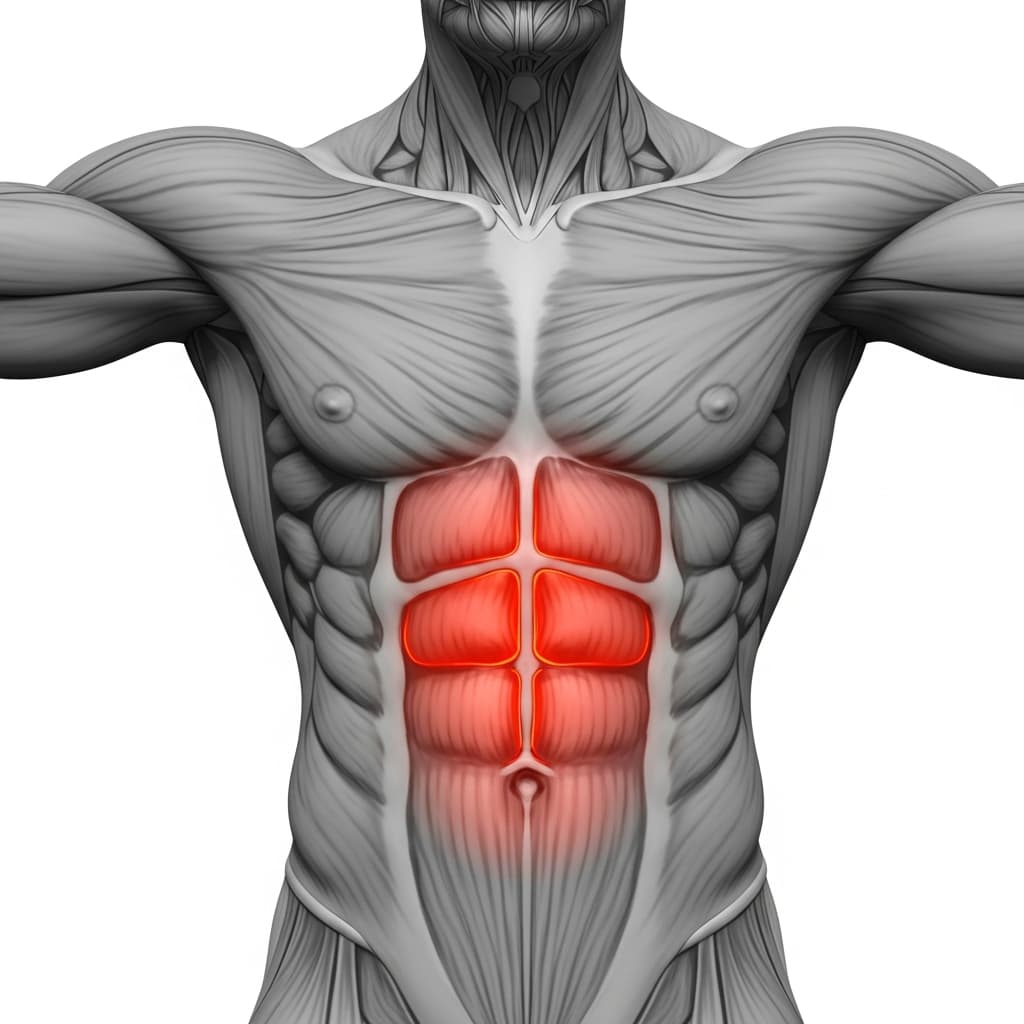
Primary Muscles
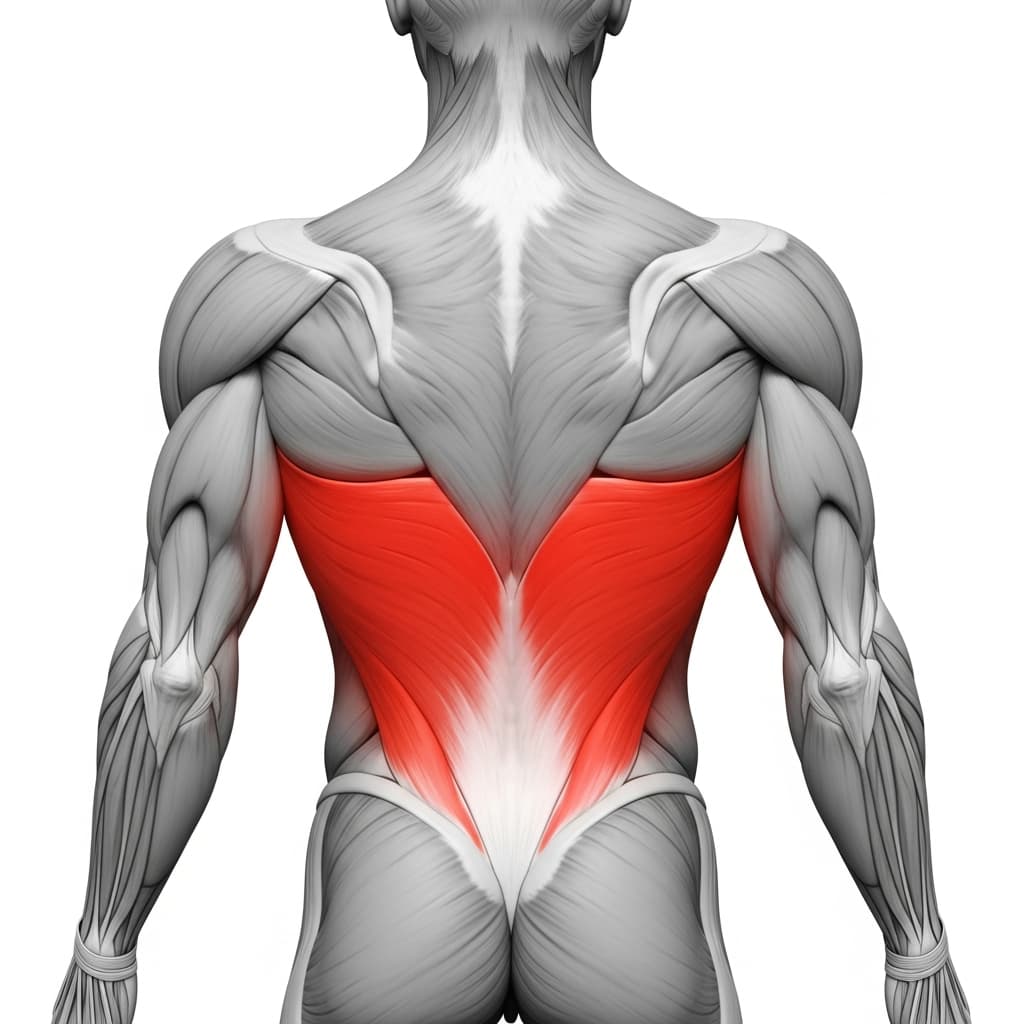
Latissimus Dorsi (Lats) - The lats are the prime mover, driving the upper arms down and back to pull your body up against the added load.
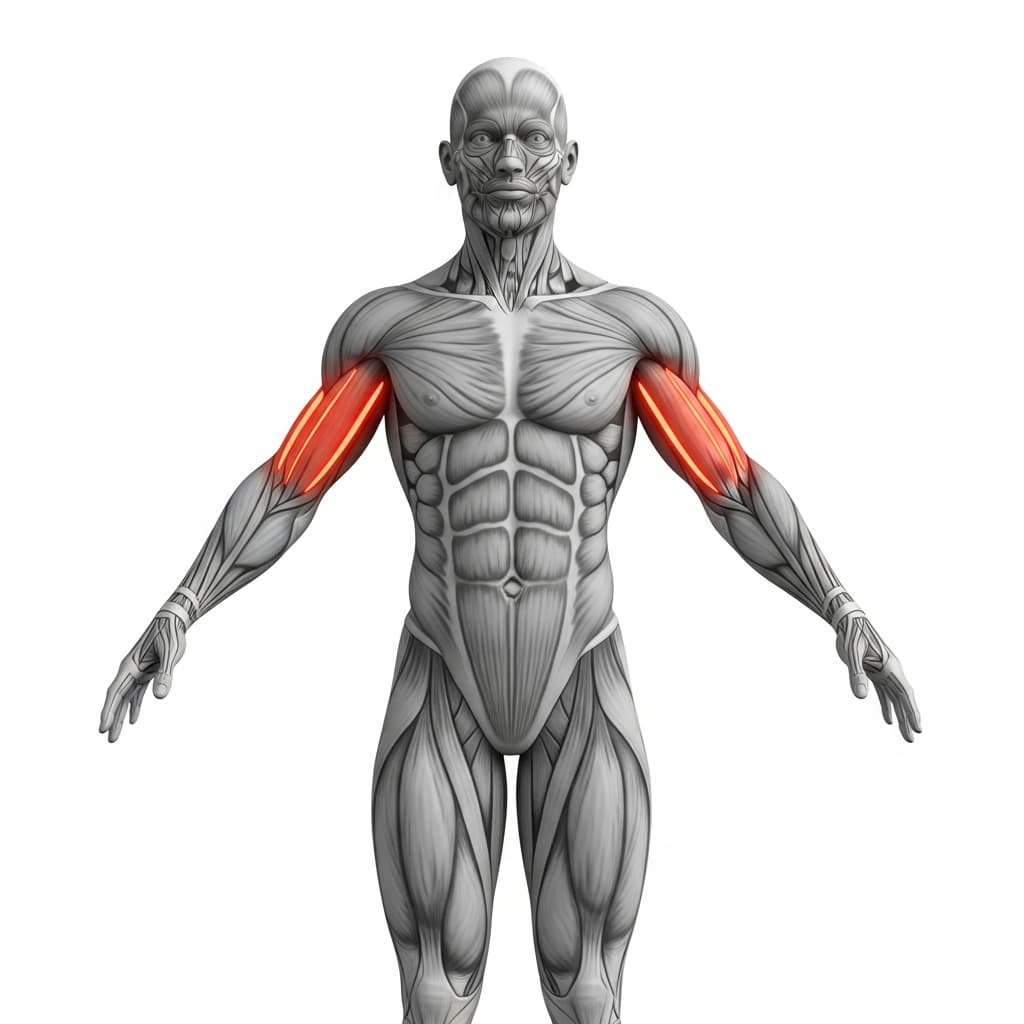
Biceps Brachii (Biceps) - The biceps flex the elbows through the pull and work noticeably harder once weight is hanging from the belt.
Secondary Muscles
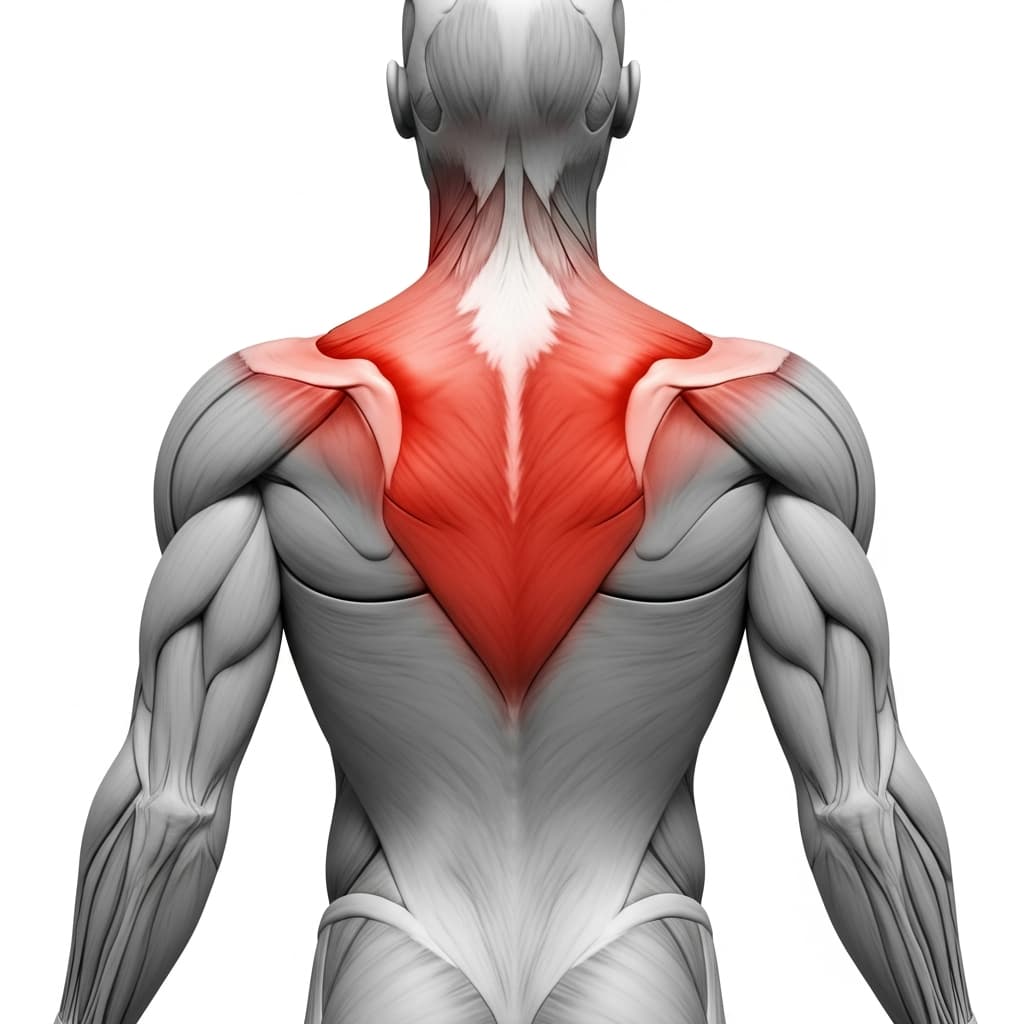
Trapezius (Trapezius) - The traps depress and retract the shoulder blades to set a stable shoulder position before each rep.
Posterior Deltoid (Rear Deltoid) - The rear deltoids assist the lats in drawing the elbows down and back through the pull.
Forearm Flexors & Extensors (Forearms) - The forearms grip the bar for the full set, holding your bodyweight plus the extra load, and are often the first thing to fatigue.
Rectus Abdominis (Abs) - The abs brace against the hanging weight to stop the plate swinging and keep the movement vertical.
Benefits of Weighted Pull Ups
- Restores real strength and size gains once bodyweight pull-ups pass ten to fifteen clean reps and stop being challenging on their own
- Builds lat width and upper back thickness through heavy, progressively loaded pulling that bodyweight reps cannot match
- Develops serious grip and forearm endurance from holding your bodyweight plus external load for full sets
- Trains anti-swing core control as you brace against a plate hanging below your hips
- Builds the pulling-strength base that is used as the benchmark before attempting one-arm pull-up work
Who Is This Exercise For?
You should be able to perform at least 8 to 12 clean, full-range bodyweight pull-ups before adding weight, starting from a dead hang and clearing your chin over the bar on every rep. If you are still building toward that number, keep training strict bodyweight pull-ups and grip endurance first. Weighted work is for when bodyweight reps have stopped driving new strength.
Common Mistakes to Avoid
Swinging the weight: When fatigue sets in it is tempting to kip the plate up. If your reps are not repeatable with strict form, drop the load by five to ten percent and rebuild clean reps before adding it back.
Shrinking the range of motion: As the weight climbs, the bottom lockout and the chin-over-bar finish are the first things to disappear. Treat any rep that does not reach full range as a failed rep and reduce the load to restore it.
Adding weight too fast: Jumping up in big plate increments breaks your form and stalls progress. Add weight in small steps of 1 to 2.5 kg, and only once the current load is clean for all your sets.
A loose, low-hanging load: A plate hanging far below the hips swings and pulls you off balance. Keep the chain short so the weight sits centered and close to your body.
Variations & Progressions
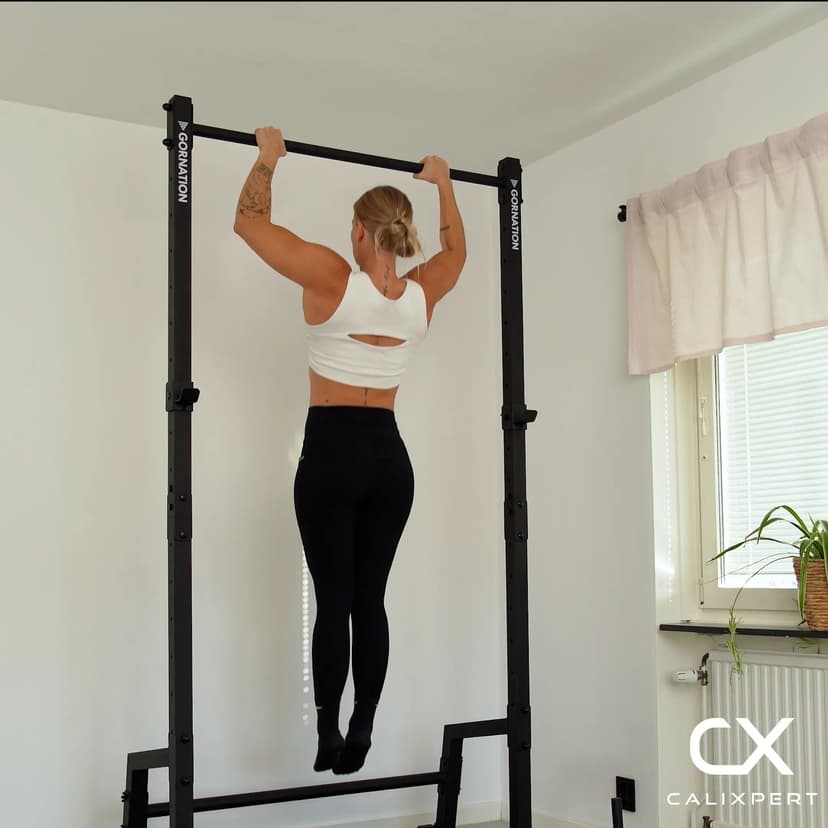
One Arm Pull Up
Pulling on a single arm demands far more strength and core control, and most athletes build to it by first adding sixty to seventy percent of bodyweight to their two-arm pull-up.