Negative Handstand Press
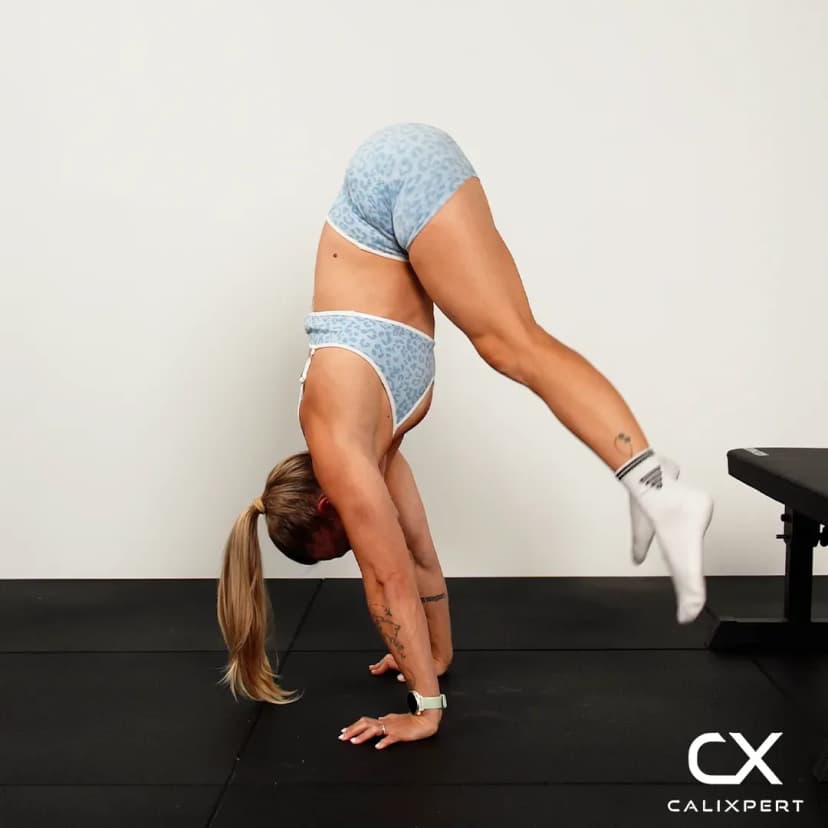
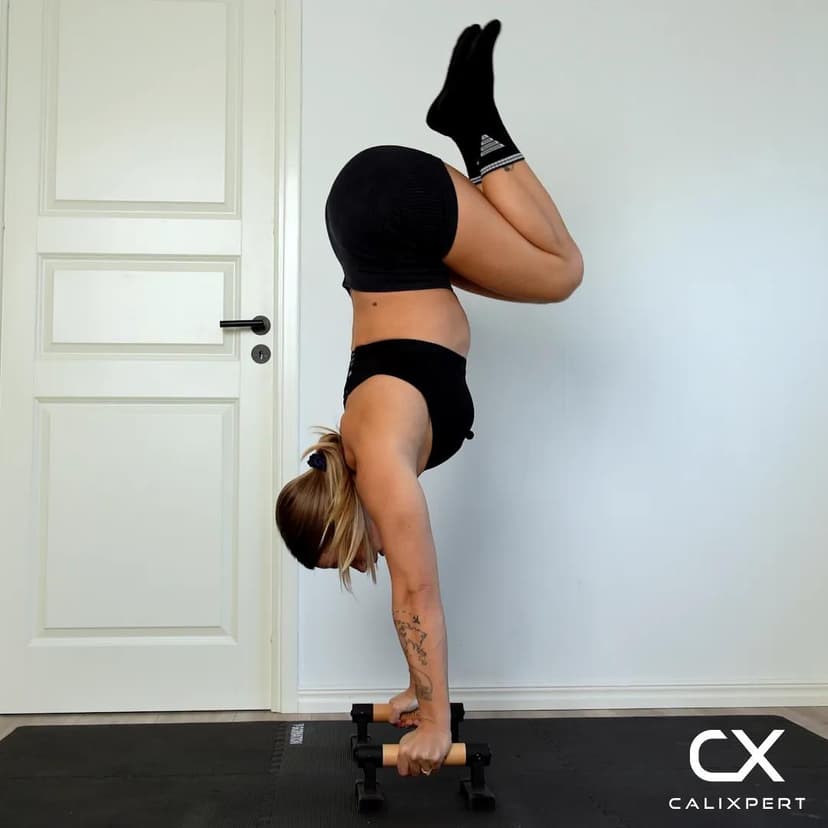
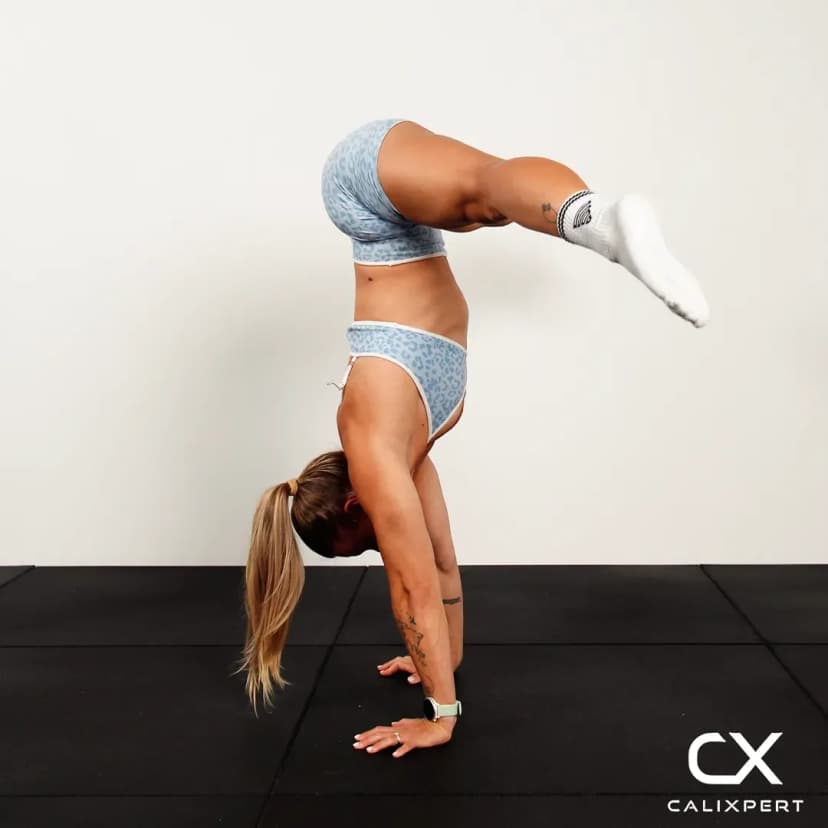
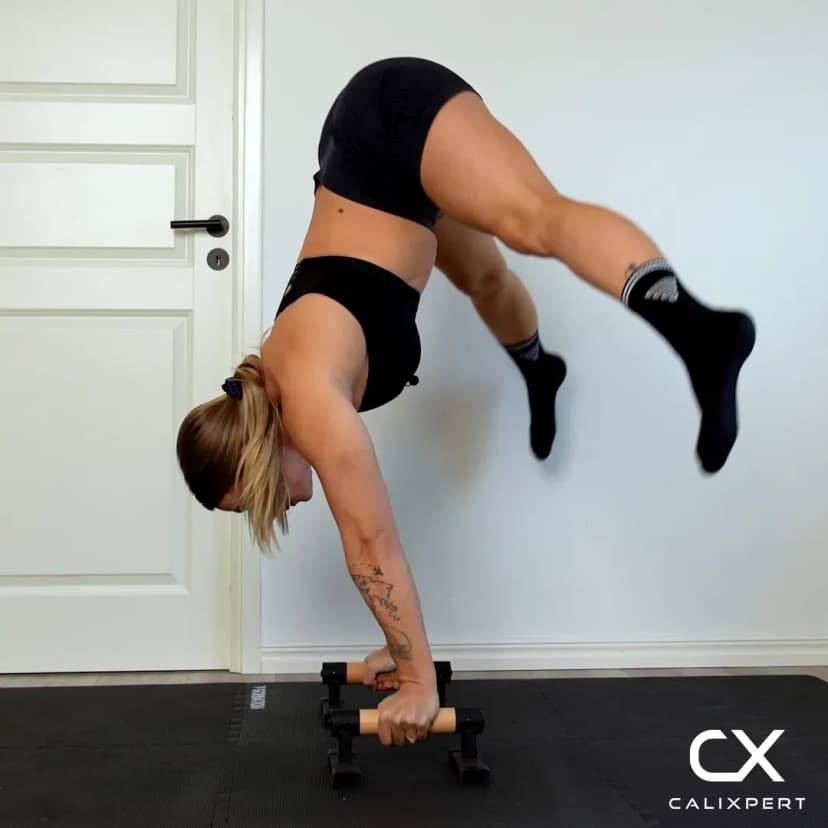
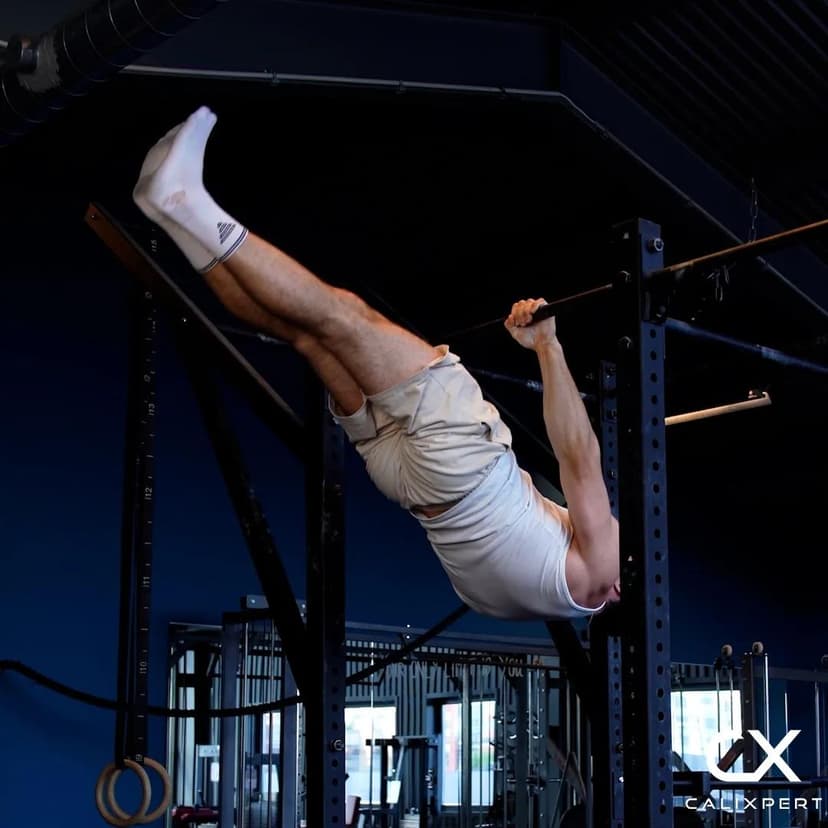
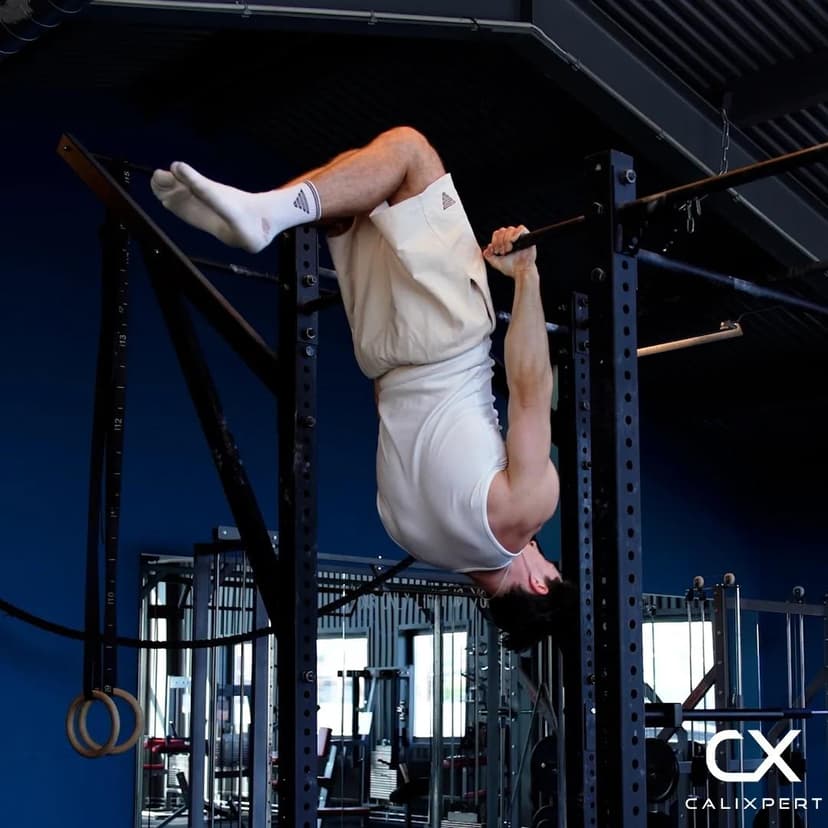
The negative handstand press is the straddle press run backwards, lowered slowly from a full handstand on straight arms, loading the shoulders in the overhead angles the press depends on. A wide straddle and a slight forward lean keep your weight over your hands, and the abs compress hardest once the hips reach about 90 degrees. Lowering is easier than pressing up, so it is usually where you first feel the whole press, and unlike the half negative it trains the full range.

The negative handstand press is the straddle press run backwards, lowered slowly from a full handstand on straight arms, loading the shoulders in the overhead angles the press depends on. A wide straddle and a slight forward lean keep your weight over your hands, and the abs compress hardest once the hips reach about 90 degrees. Lowering is easier than pressing up, so it is usually where you first feel the whole press, and unlike the half negative it trains the full range.
How to Do Negative Handstand Press
1. Kick Up To A Full Handstand
Place your hands on the floor with your fingers spread and kick up into a full handstand with straight arms. Push tall from the ground, squeeze the floor with your fingers and keep a strong core. This drill assumes you can already hold a handstand.
Push tall, squeeze the floor.
2. Open A Wide Straddle
Split your legs out to the sides as far as your mobility allows. The wider the straddle, the less weight from your legs ends up behind your hands, which makes the lowering easier to control and makes a fast drop less likely.
As much split as you can.
3. Suck The Core In Hard
Once your legs are split, suck the core in as much as you can, drawing the belly button toward the spine. This is the compression work the negative depends on, and it stays on for the whole rep.
Belly in, as much as you can.
4. Lean Slightly Forward As The Legs Come Down
As soon as the legs start to travel down, lean your shoulders slightly forward so your weight stays over your hands, keeping the elbows locked and the shoulders pushed off the ground. Lean as much as you need to stop the legs dropping. The less split mobility you have, the more you need, so find your own amount by trying it.
Lean just enough, elbows locked.
5. Compress Harder Around 90 Degrees
When your hips reach around 90 degrees of flexion, suck the core in even harder. This part of the range needs even more compression than the full handstand you started from.
More suck-in at 90 degrees.
6. Lower At One Speed To The Floor
Keep the same controlled pace all the way down until your feet touch the floor, with no big drop at the end. Then stand up, reset and kick up again for the next rep.
Same pace, soft landing.
Most negatives are lost in the bottom half, so pick the speed you can hold near the floor from the start and suck the belly in harder as the hips reach about 90 degrees. Lean only as much as you need, and widen the straddle before you add lean. Train it early in the session while you are fresh, and end the set when the feet crash down.
Muscles Worked During Negative Handstand Press
Primary Muscles:
Secondary Muscles:
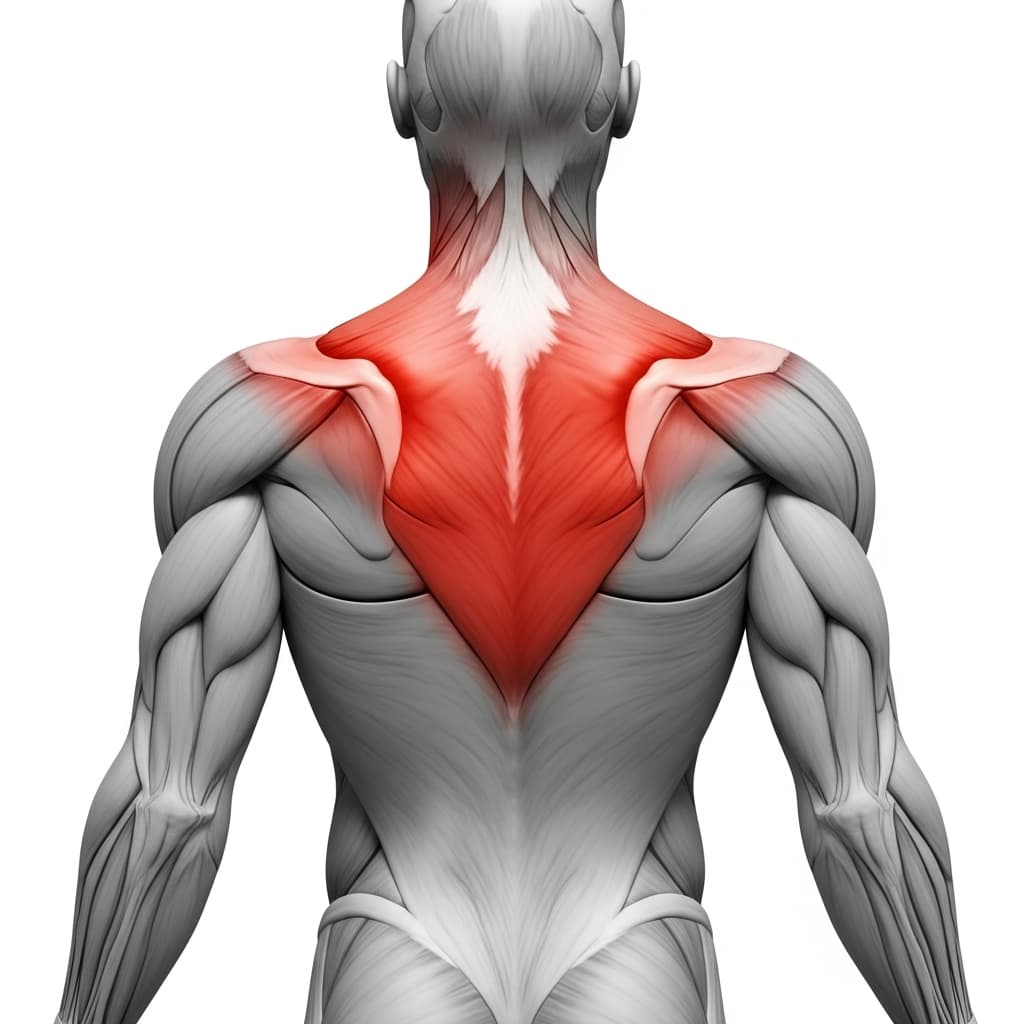
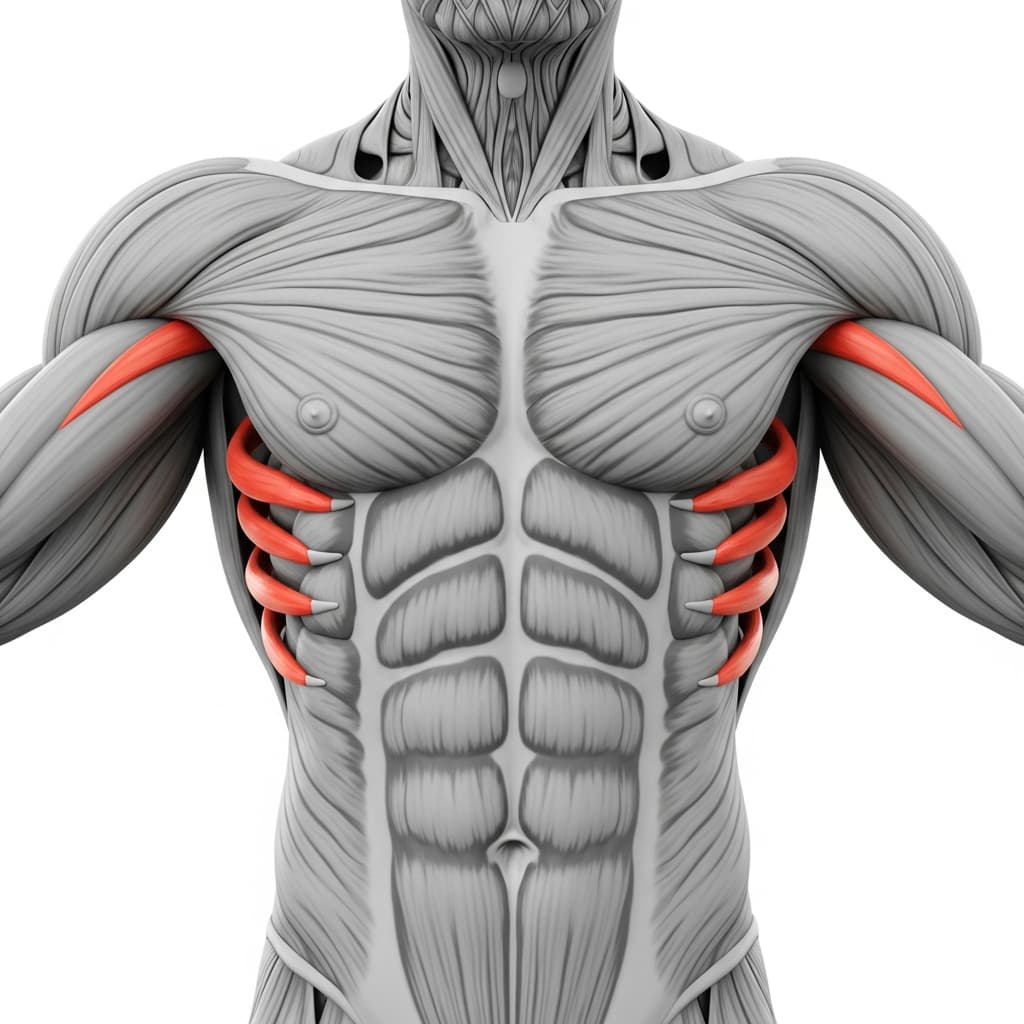
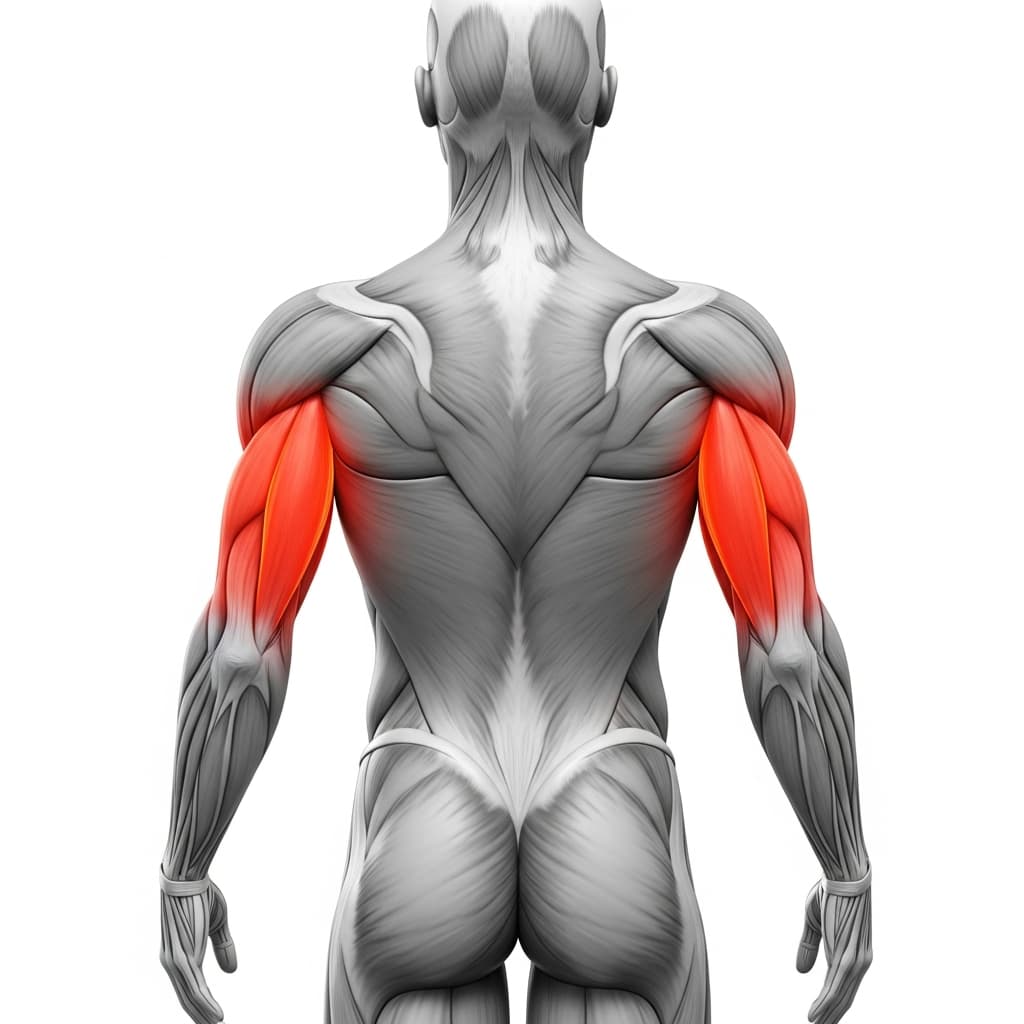
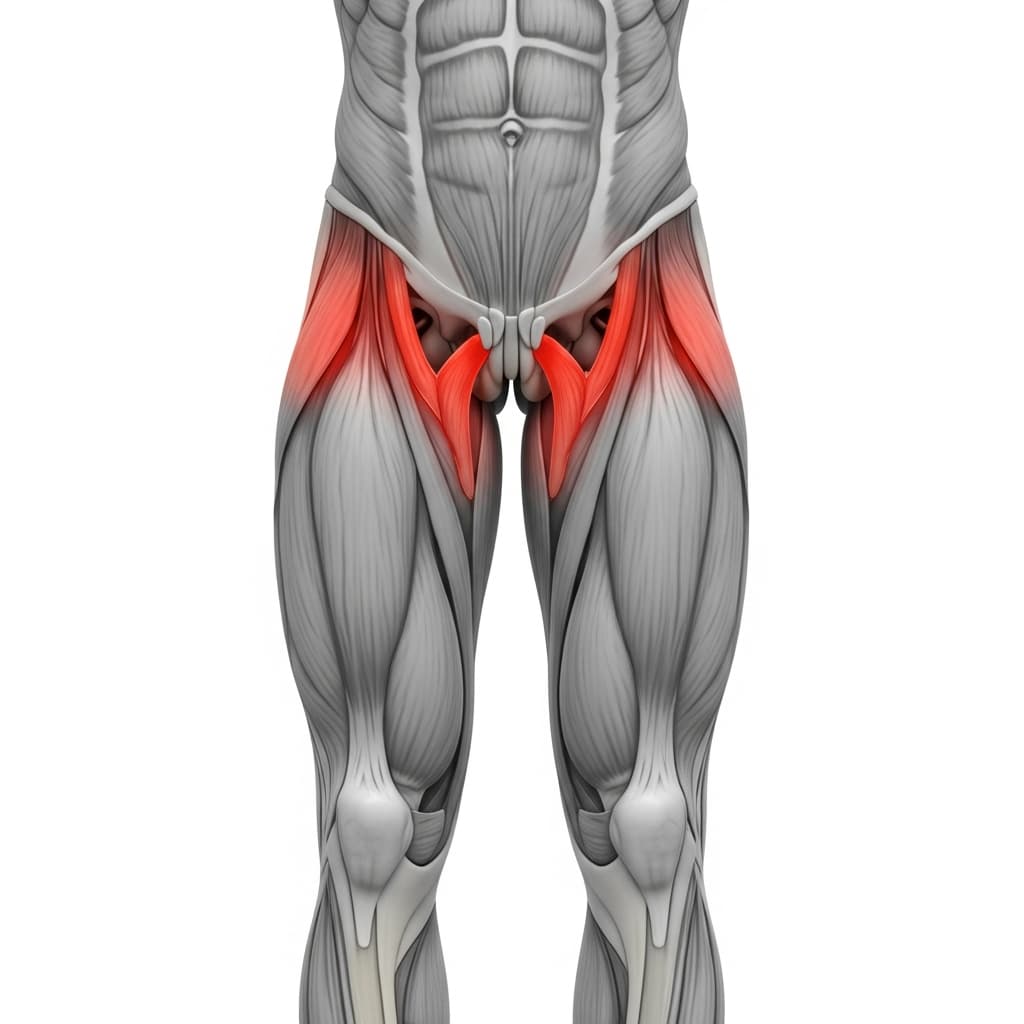
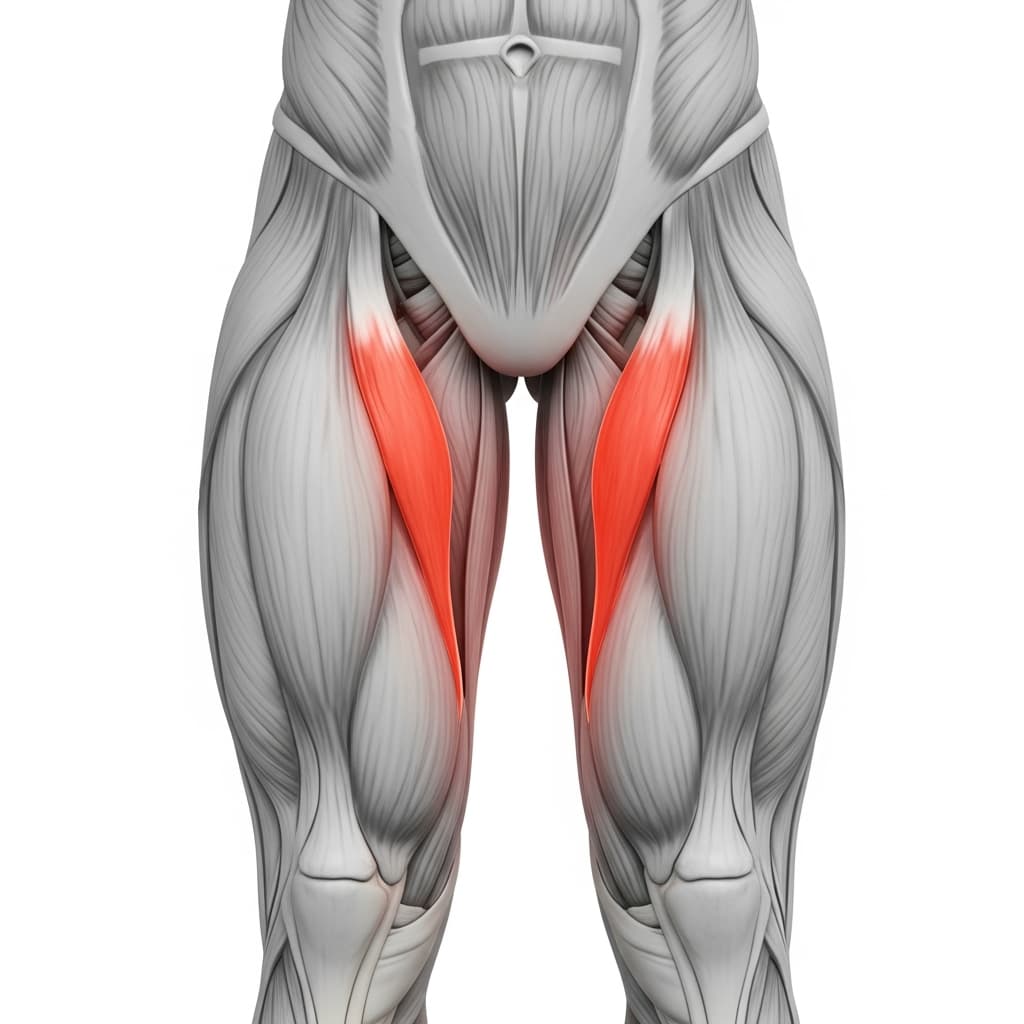
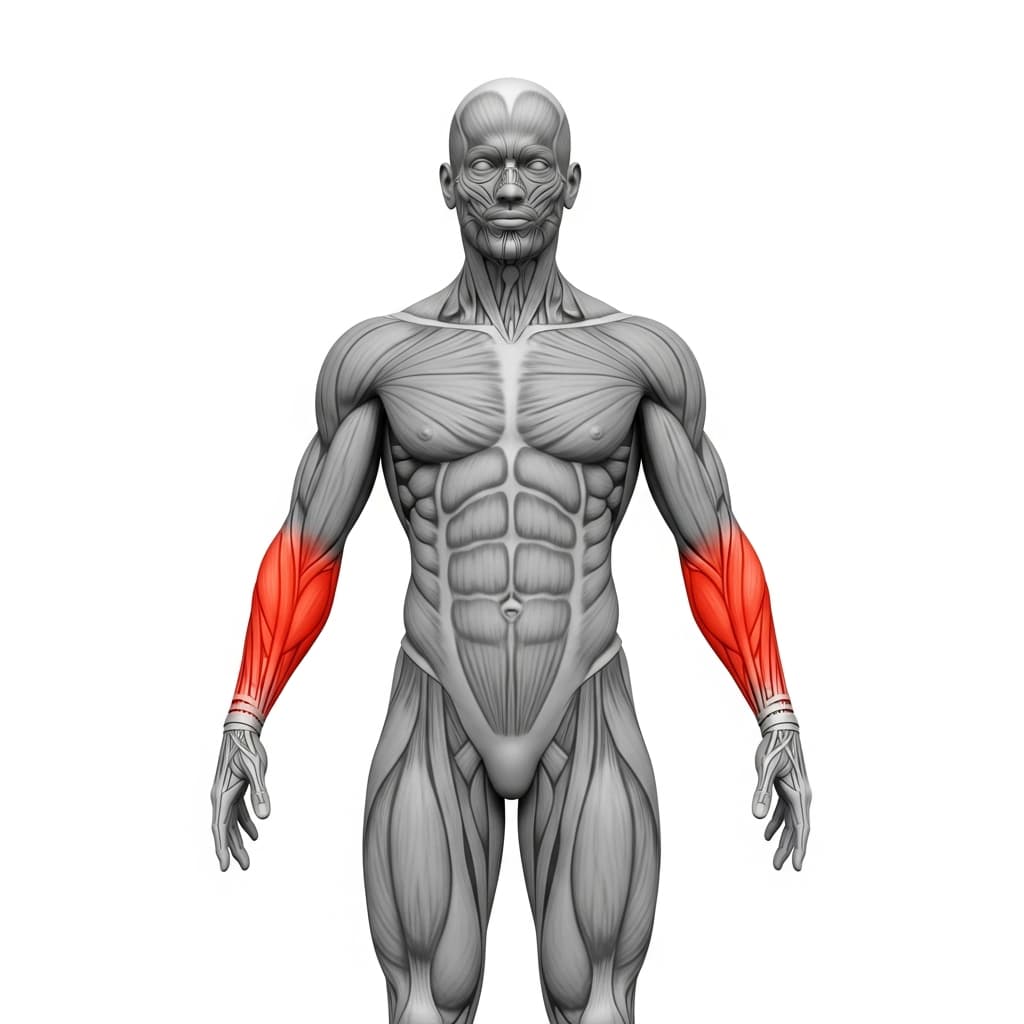
Primary Muscles
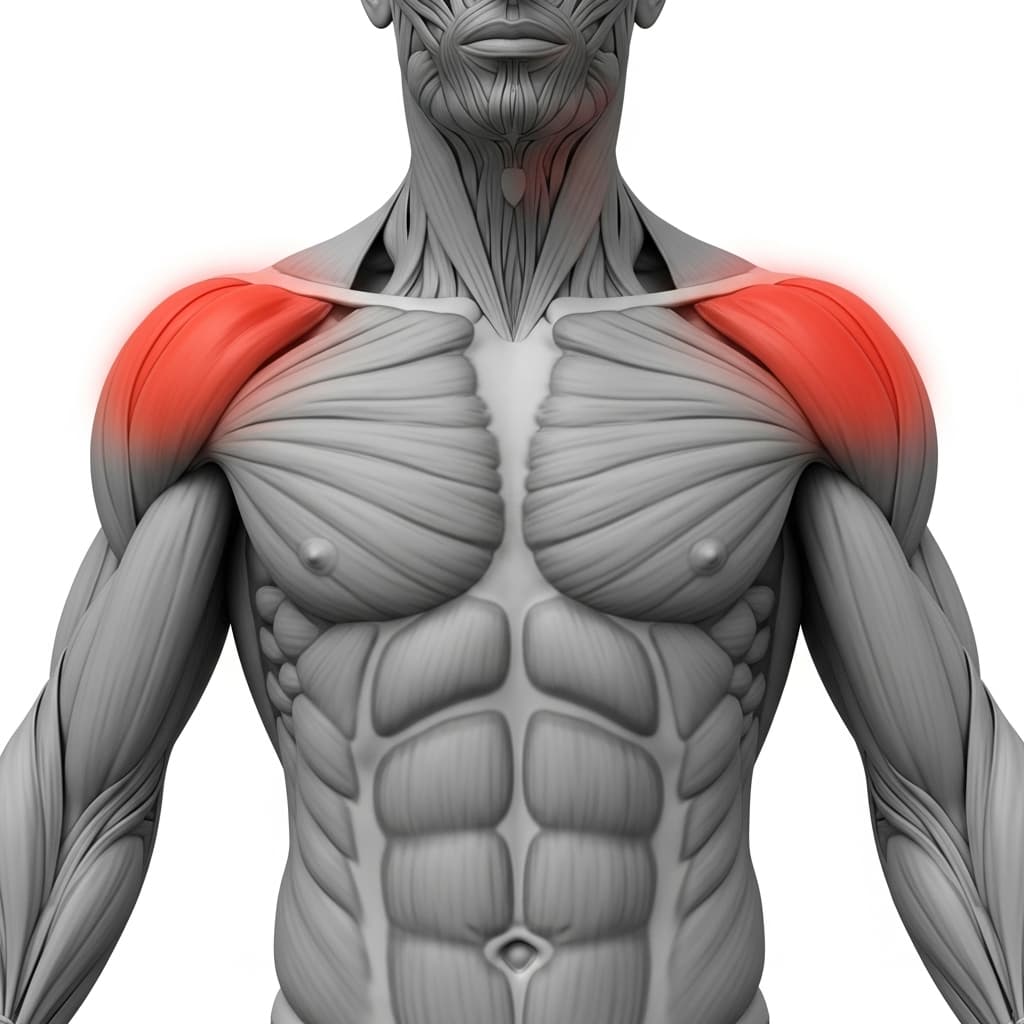
Anterior Deltoid (Front Deltoid) - The front deltoids hold the arms overhead and control the forward lean on the way down, working in the high shoulder angles where the press is hardest.
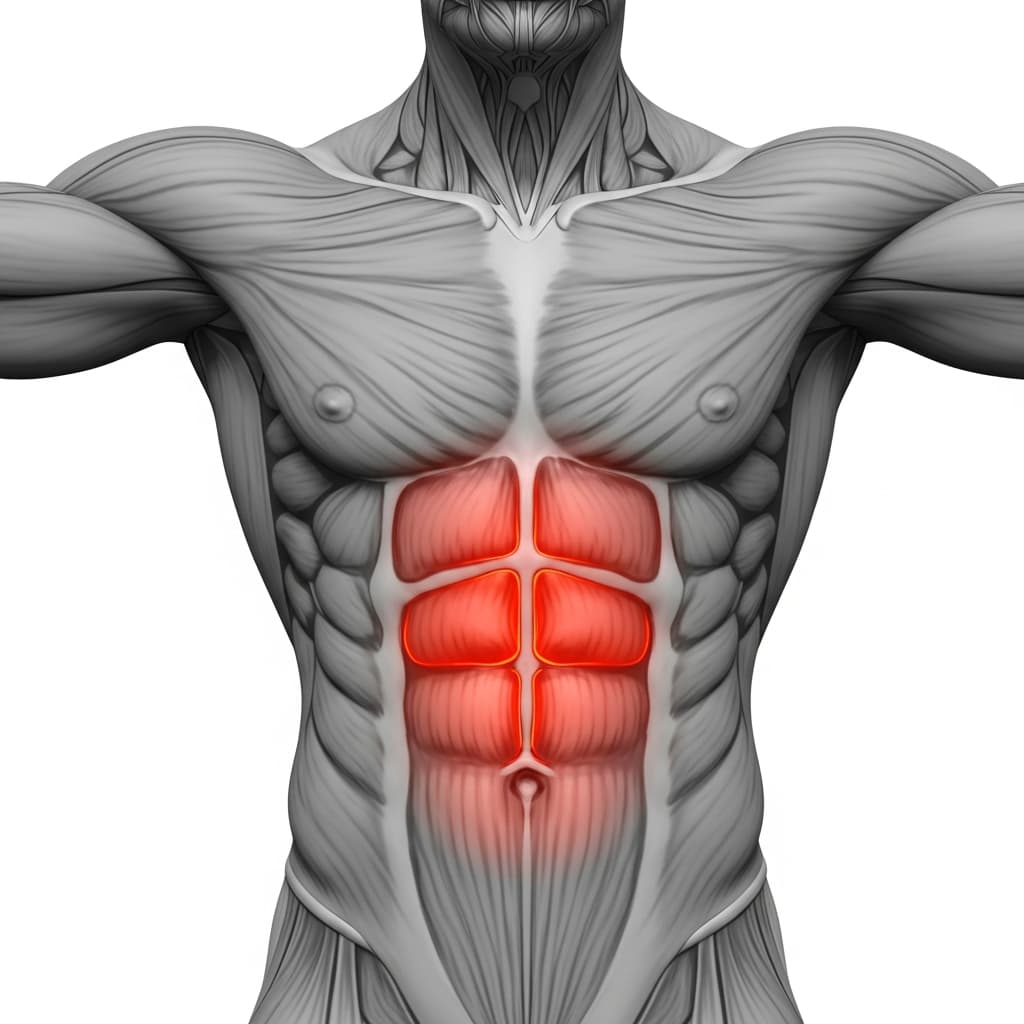
Rectus Abdominis (Abs) - The abs create the suck-in compression that lets the legs fold toward the torso, and they work hardest once the hips reach about 90 degrees.
Secondary Muscles
Trapezius (Trapezius) - The traps help push you tall away from the floor and keep the shoulders elevated, so you do not sink into them as the lean grows.
Serratus Anterior (Serratus Anterior) - The serratus anterior works with the traps to push the floor away, keeping the shoulders pushed off the ground for the whole rep.
Triceps Brachii (Triceps) - The triceps keep the elbows locked all the way down, because this is a straight arm drill and any bend changes the movement.
Iliopsoas (Hip Flexors) - The hip flexors help pull the straddled legs toward the torso as they lower, adding to the compression instead of letting the legs simply fall.
Hip Adductors (Adductors) - The inner thighs work at length in the straddle, and the wider they open, the less leg weight hangs behind your hands and the less you have to lean.
Forearm Flexors & Extensors (Forearms) - The forearms and fingers squeeze the floor with the fingers spread, making the small balance corrections that keep you over your hands.
Benefits of Negative Handstand Press
- Lets you practise the whole straddle press pattern with your own bodyweight before you can press up, since lowering is easier than lifting.
- Builds straight arm shoulder strength in the high overhead angles where the press is hardest to control.
- Trains active compression under load, especially around 90 degrees of hip flexion, where the negative needs it most.
- Teaches the shoulder lean and the hip fold to happen together, which is the coordination the press is built on.
- Gives you a clear progress marker, as the lowering gets slower and you can pause at different points on the way down.
Who Is This Exercise For?
You need to be able to kick up into a freestanding handstand, and around 10 seconds is a good benchmark, even if not consistent yet. Straight arm shoulder strength and a wide straddle help a lot, since a wider straddle and more compression mean less lean. Without the handstand, practise the straddle and lean with Wall Handstand Straddle Slides, or the bottom of the lowering with the Half Negative Handstand Press.
Common Mistakes to Avoid
Bending the elbows or sinking into the shoulders: This is a straight arm press. Keep the elbows locked and the shoulders pushed off the ground the whole way down, pushing tall from the floor instead of letting the shoulders sink as the lean grows.
Keeping the straddle narrow: Split the legs as wide to the side as your mobility allows. A narrow straddle leaves more leg weight behind your hands, which forces a bigger lean and makes a fast drop more likely.
Letting the weight slide back behind the hands: Lean the shoulders slightly forward as soon as the legs start to come down, and keep leaning while they travel. If you stay stacked and just let the legs go, your weight falls back and the feet land hard and far behind you.
Hanging at the top, then dropping at the end: Start moving once you are straddled and pick a speed you can hold all the way to the floor. If the last part turns into a drop, the set is done.
Relaxing the core past 90 degrees: The bottom half needs more compression than the top, not less. Suck the belly in harder as the hips reach about 90 degrees instead of letting the core switch off once the handstand part is over.