Negative Front Lever Raises
Negative front lever raises are the lowering half of a front lever raise, trained on its own. You start inverted with your toes pointing up, then lower with straight arms as far as you can control. Lowering through a shape is easier than holding it, so this is how you train a position before you can hold it. On the ladder it sits above the tuck, advanced tuck and halflay holds, and it builds toward straddle, one leg and the full front lever.
Negative front lever raises are the lowering half of a front lever raise, trained on its own. You start inverted with your toes pointing up, then lower with straight arms as far as you can control. Lowering through a shape is easier than holding it, so this is how you train a position before you can hold it. On the ladder it sits above the tuck, advanced tuck and halflay holds, and it builds toward straddle, one leg and the full front lever.
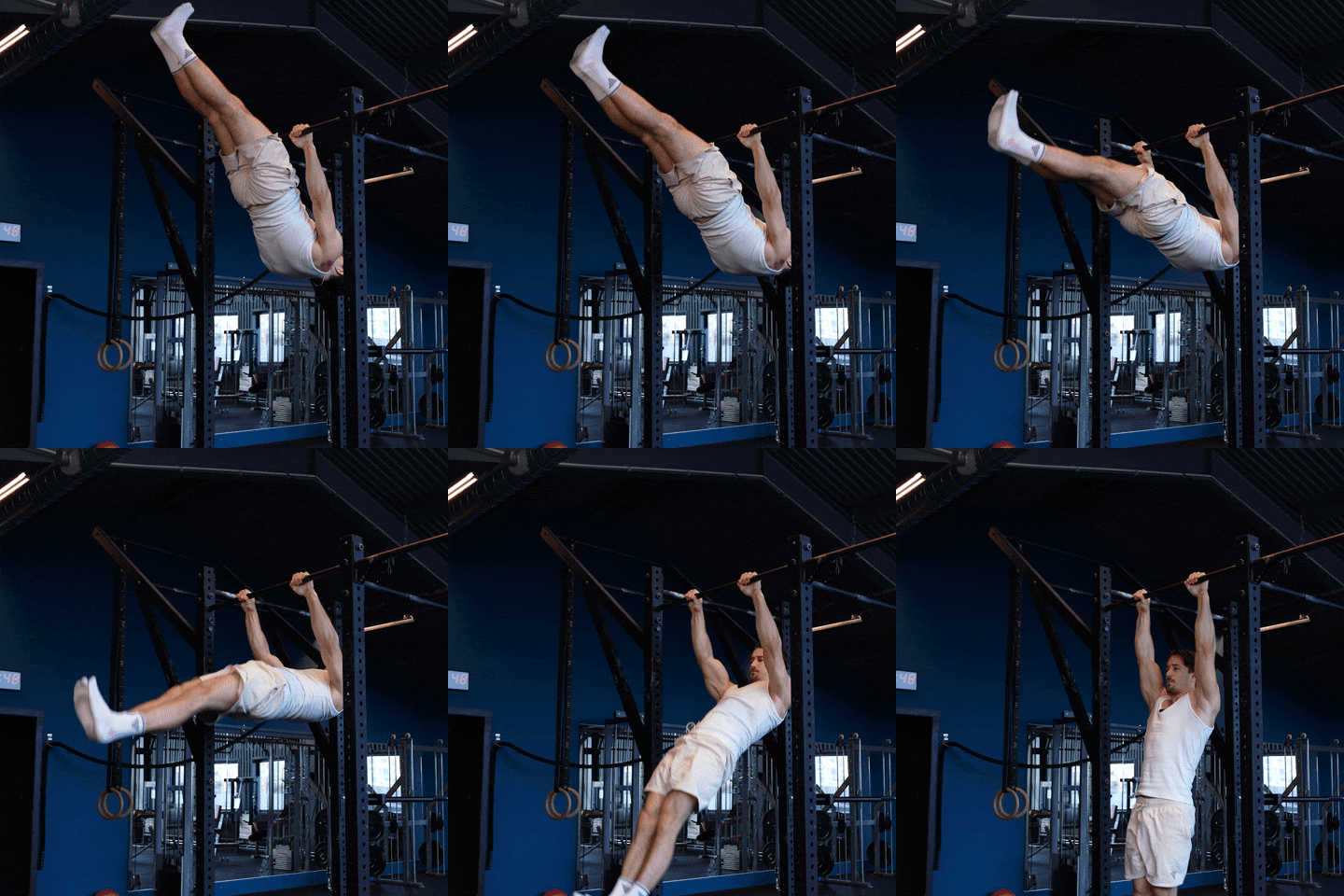
How to Do Negative Front Lever Raises
1. Choose Your Leg Shape First
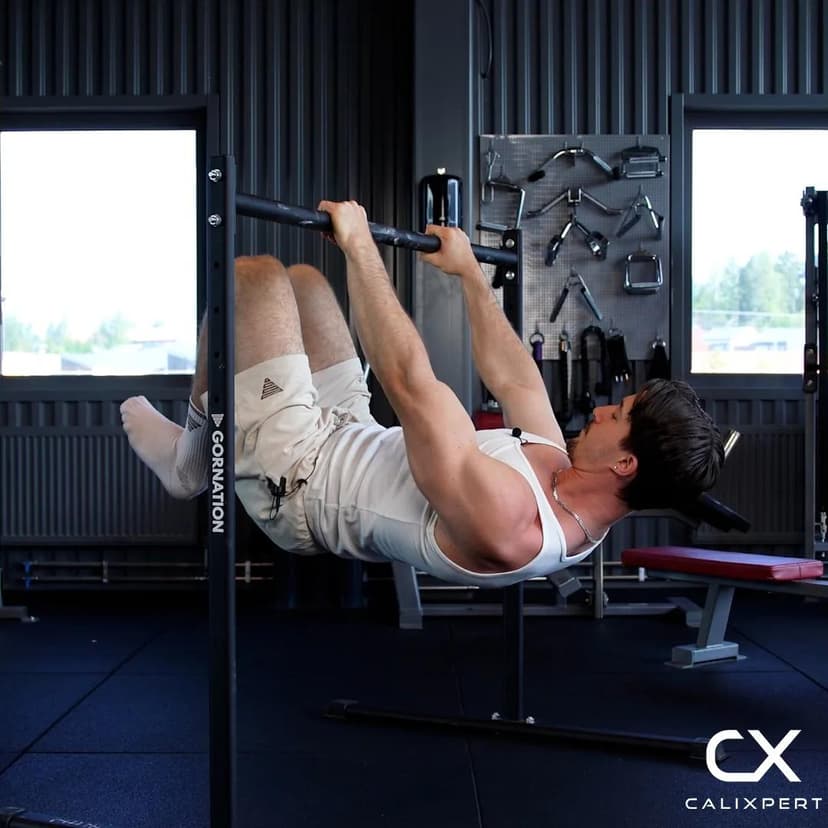
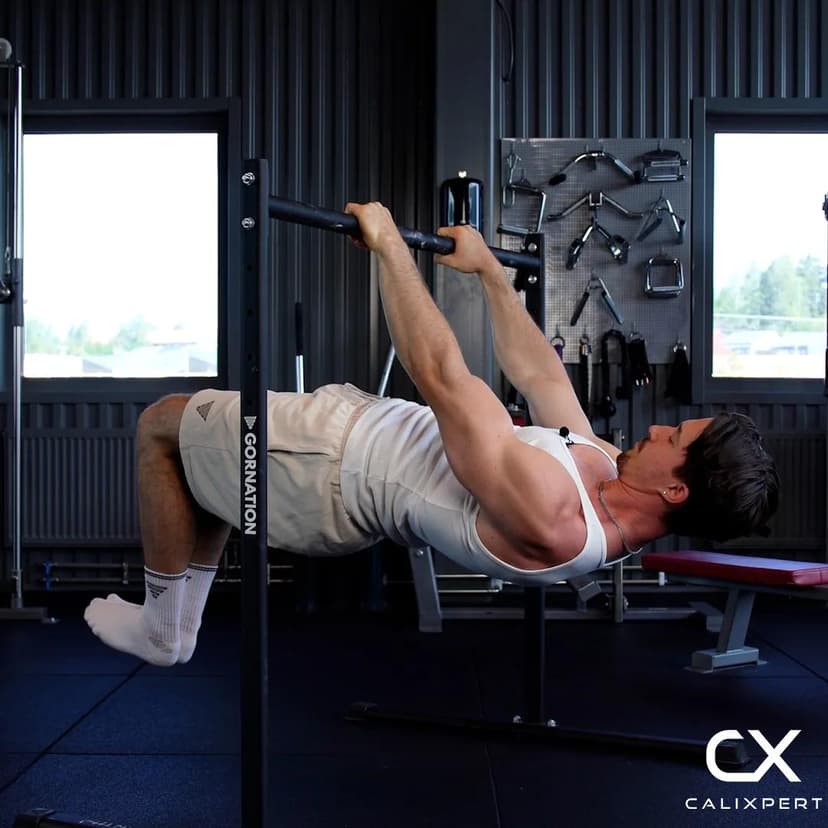
The name says negative front lever raise, but the difficulty comes from your legs, not the word. Straight legs together is the full version. If you cannot lower that with control, do the same rep in an advanced tuck or a straddle and progress the shape over time.
Pick the shape you can control
2. Get Inverted With Toes Pointing Up
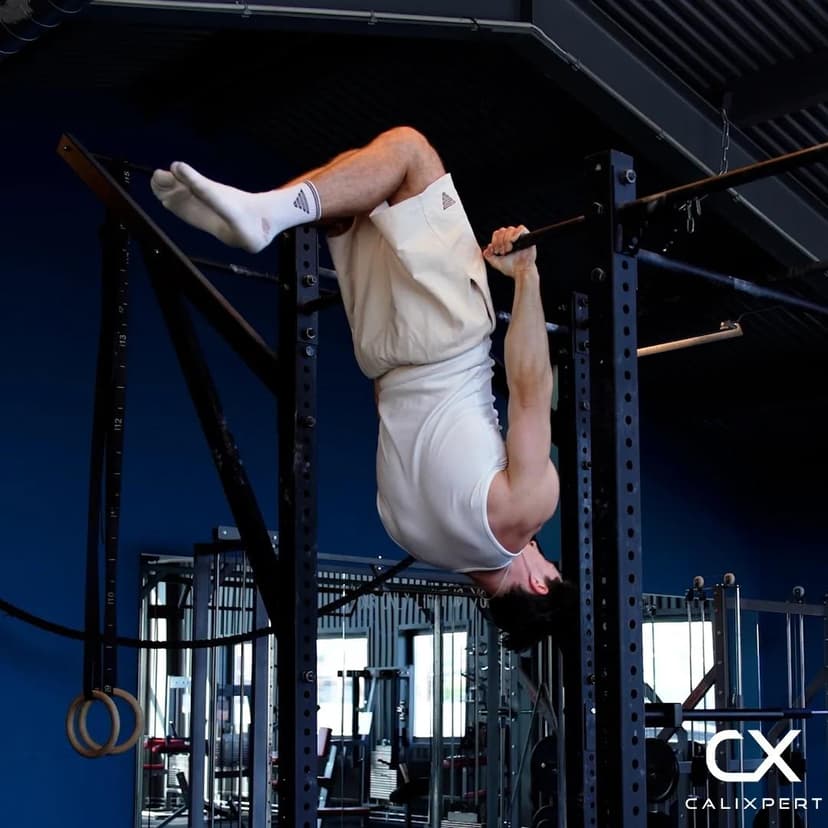
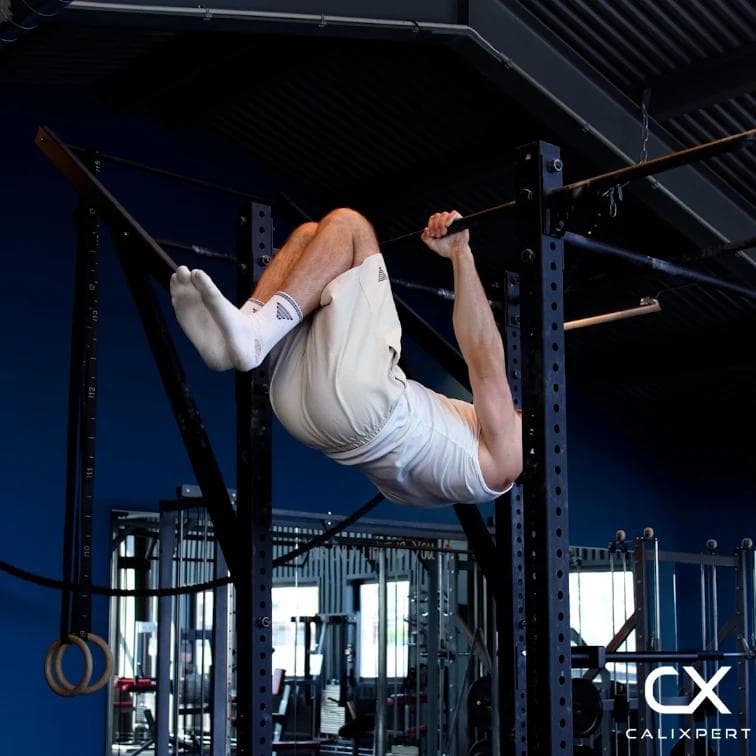
Take an overhand grip on the bar, then pull and roll up until you are hanging upside down with your toes pointing at the ceiling. That inverted position is where the rep begins, because the exercise is the lowering. Getting up there is the reset, so bend your legs and roll up if that is what it takes.
The rep starts at the top
3. Set Retraction Before You Move
From the inverted position, pull your shoulder blades back and down and hold them there. The lever will try to drag them forward the moment you start descending, so you set the position while it is still cheap. Pulling hard into retraction is what keeps the shoulders neutral once the load arrives.
Shoulders back and down, hard
4. Push The Hips Up As You Descend
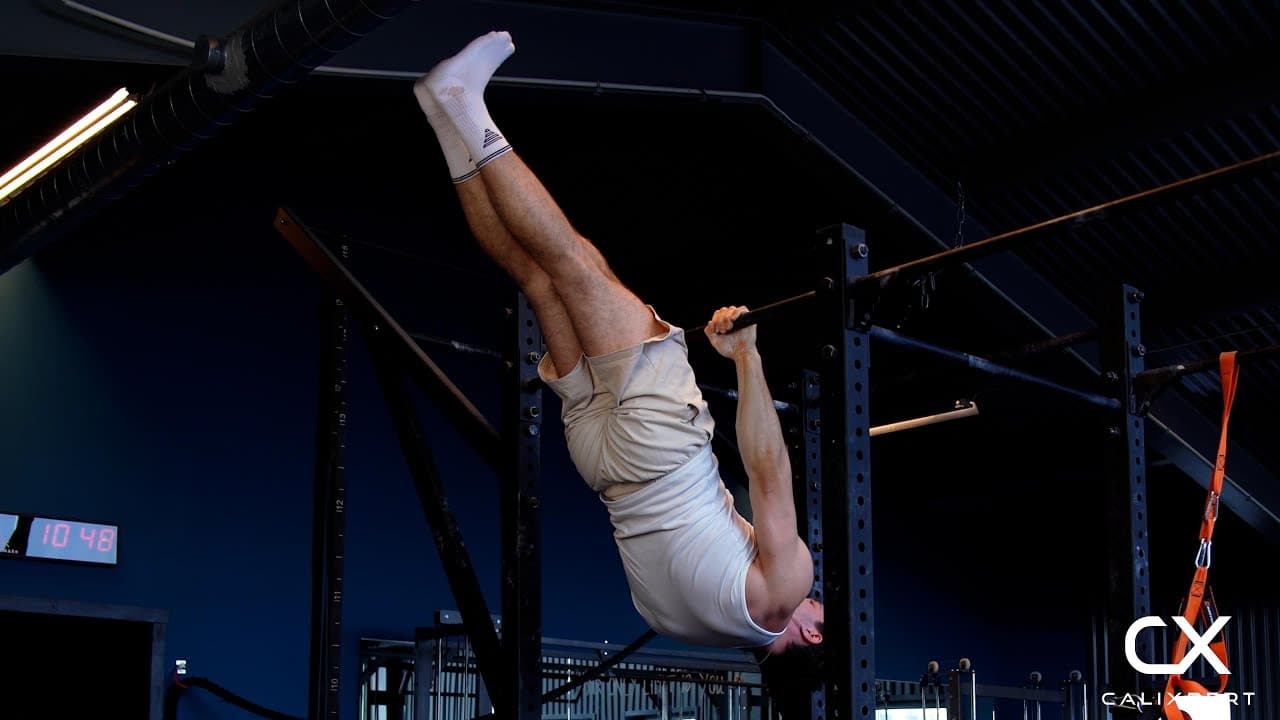
Squeeze the glutes and try to push the hips up toward the ceiling the whole way down. It is easy to get into a sitting position where the hips hang below the line and the legs come down first. Pushing the hips up keeps the body straight and keeps the load on your back where it belongs.
Hip thruster, not a sit
5. Lower As Slowly As You Can Control
Lower with the elbows straight and actively held there, and go as far down as you can while keeping the line and the retraction. There is no tempo to hit, the slower you can make it, the more you get out of it. Falling through the middle is the most common way to make a rep look good and do nothing.
The slower, the better
6. Come Back Up And Repeat
Once you have lowered as far as you can control, get back to the inverted start and rebuild the position before the next rep. Bending the legs to shorten the lever on the way up is fine, that part is the reset and not the exercise. Every rep begins from the same set position at the top.
Rebuild the position every rep
We start at the top of the bar with the toes pointing up, in the front lever position, and then lower ourselves down as far as possible. The two things I really want you to focus on are keeping retraction the whole way down, and trying to push the hips up. It is easy to get into that sitting position, so really try to push it up, pretty much like a hip thruster. And the slower you do it, the better it is going to be.
Muscles Worked During Negative Front Lever Raises
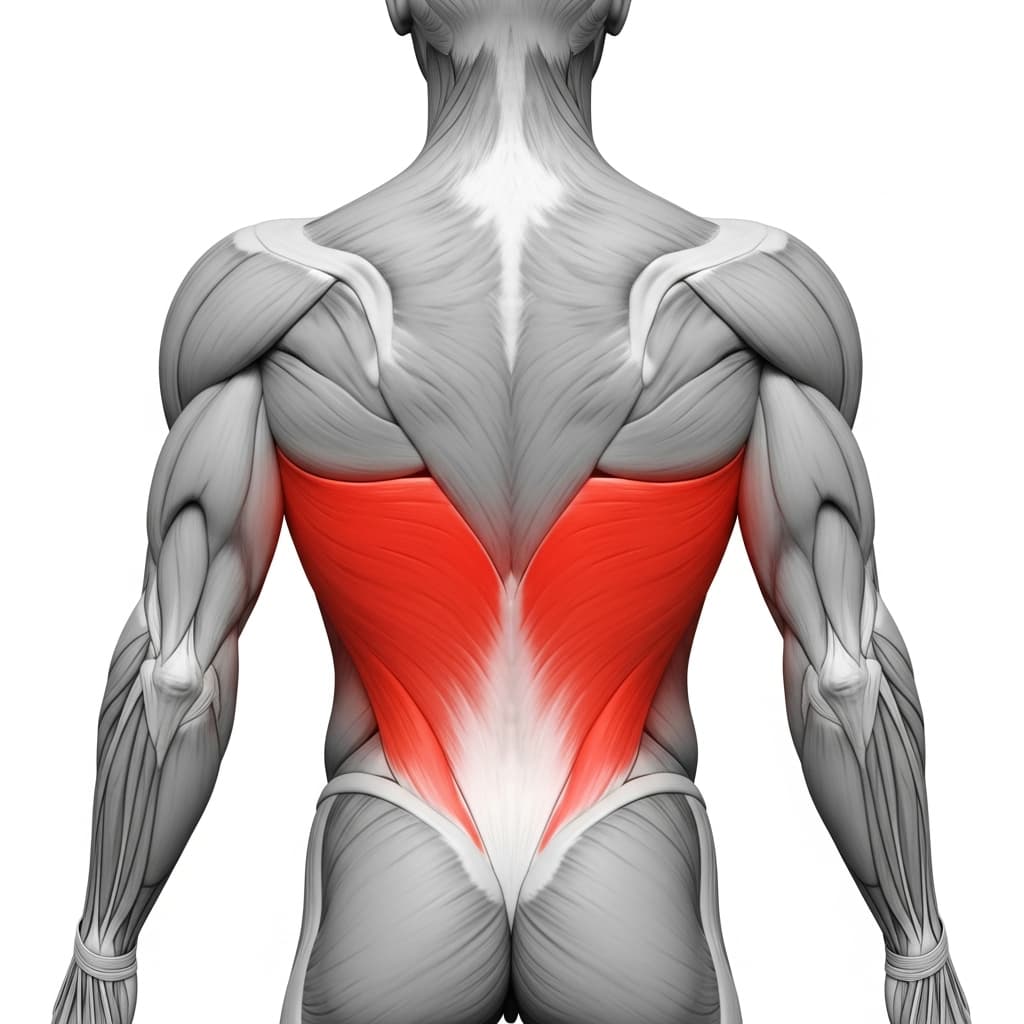
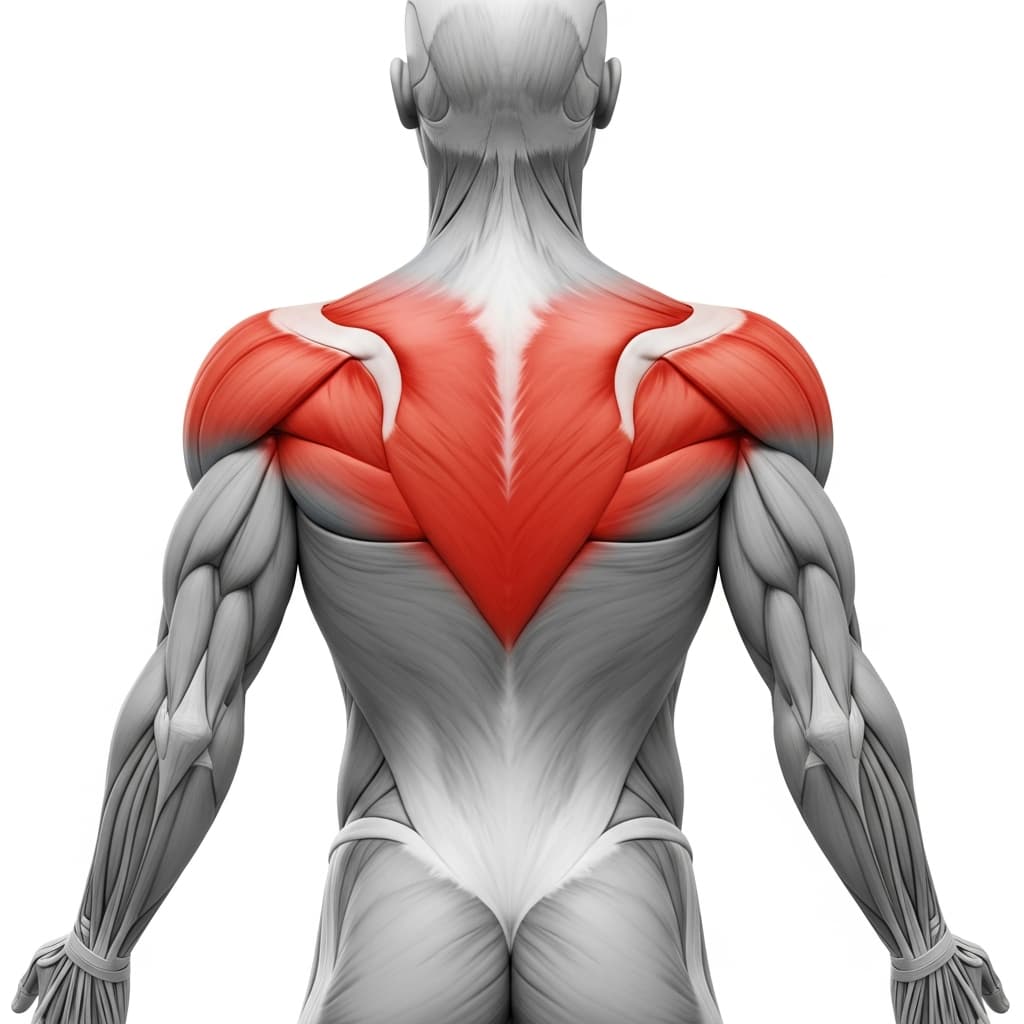
Primary Muscles:
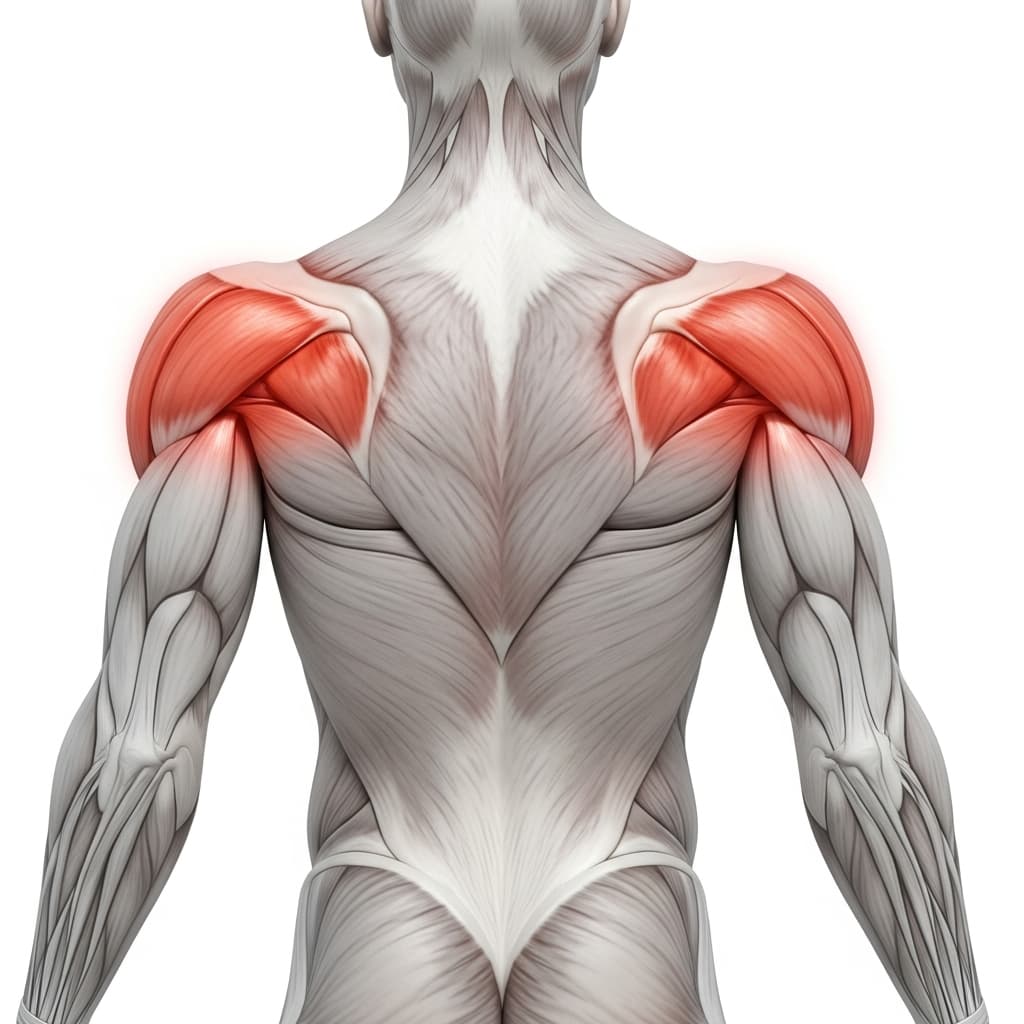
Secondary Muscles:
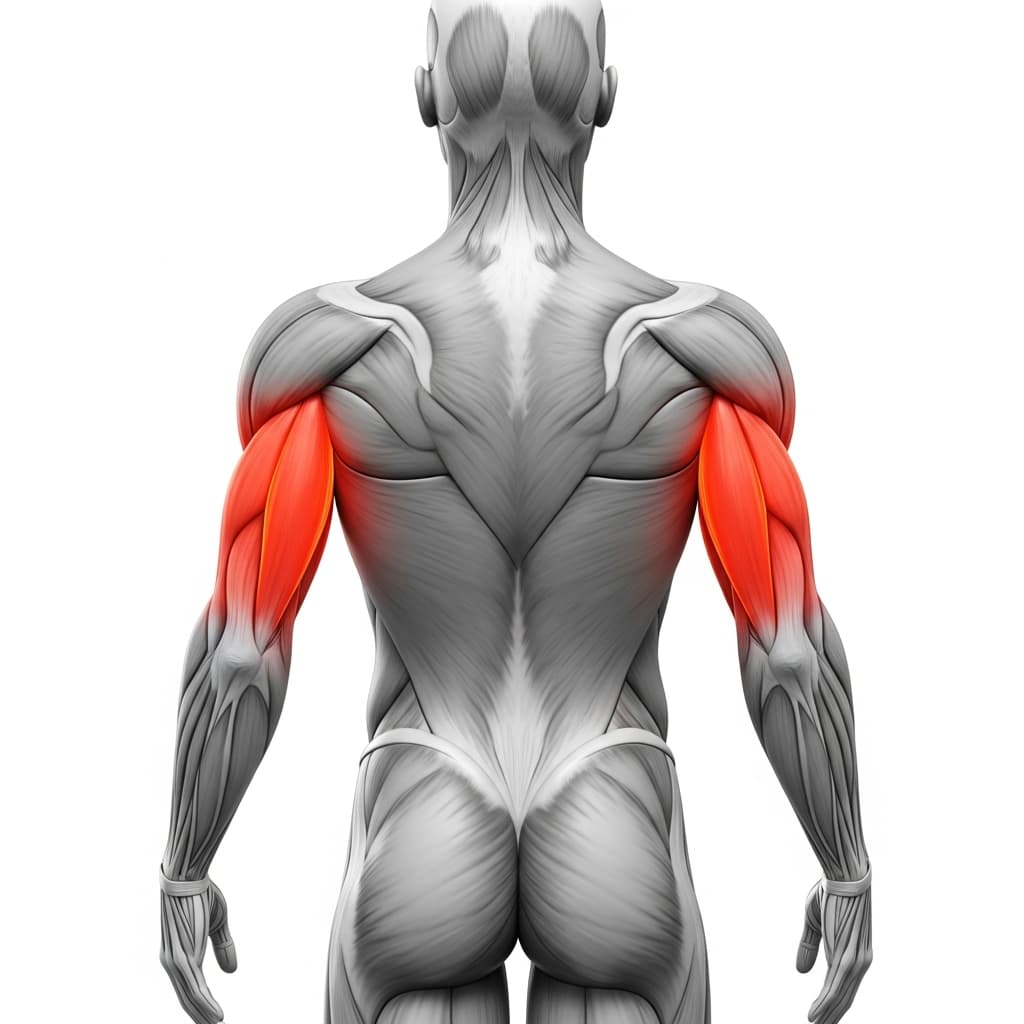
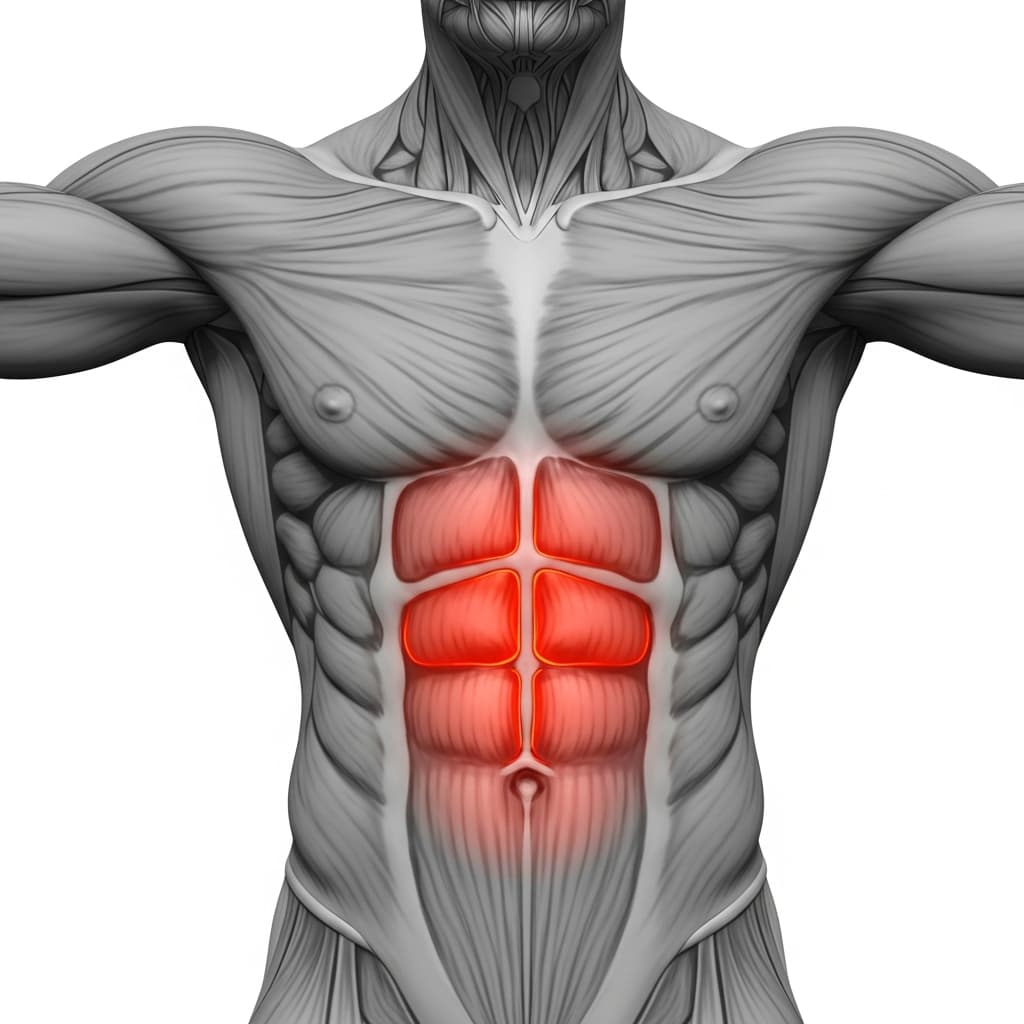
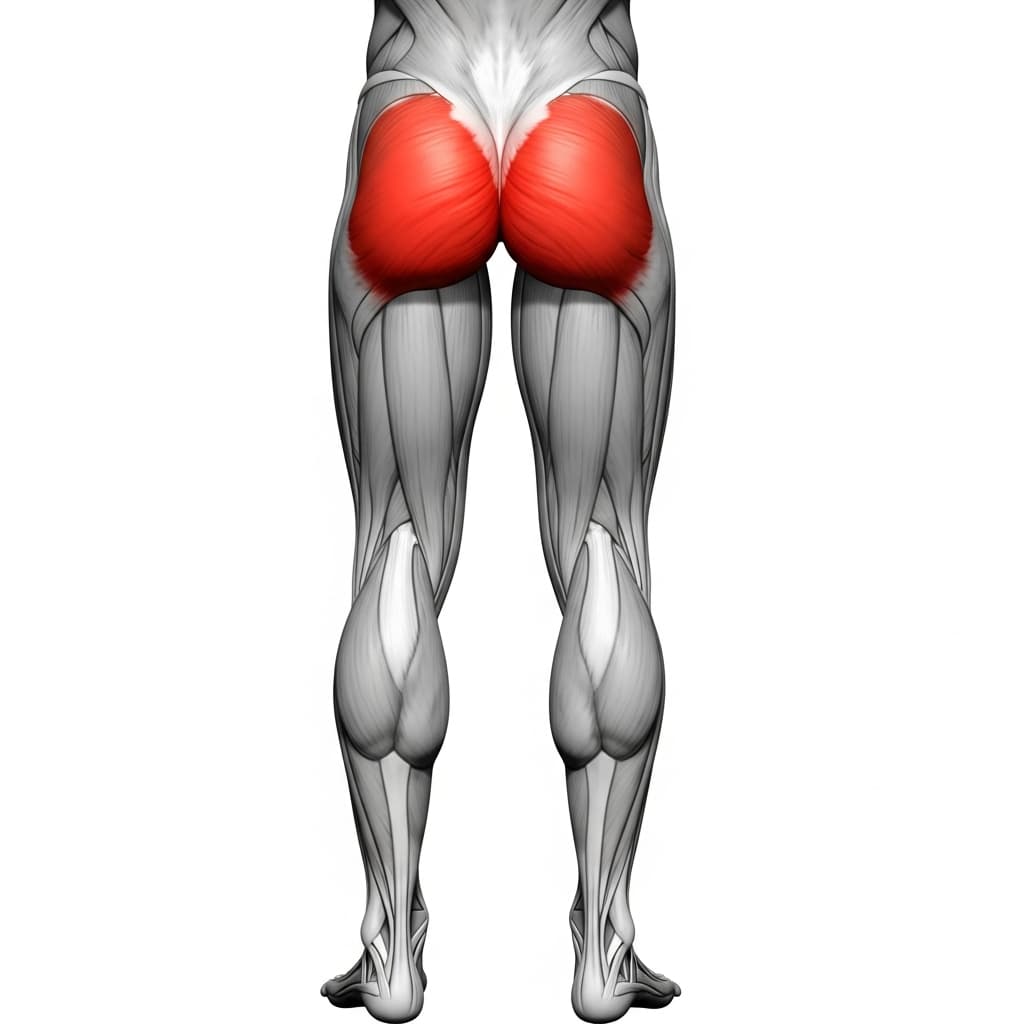
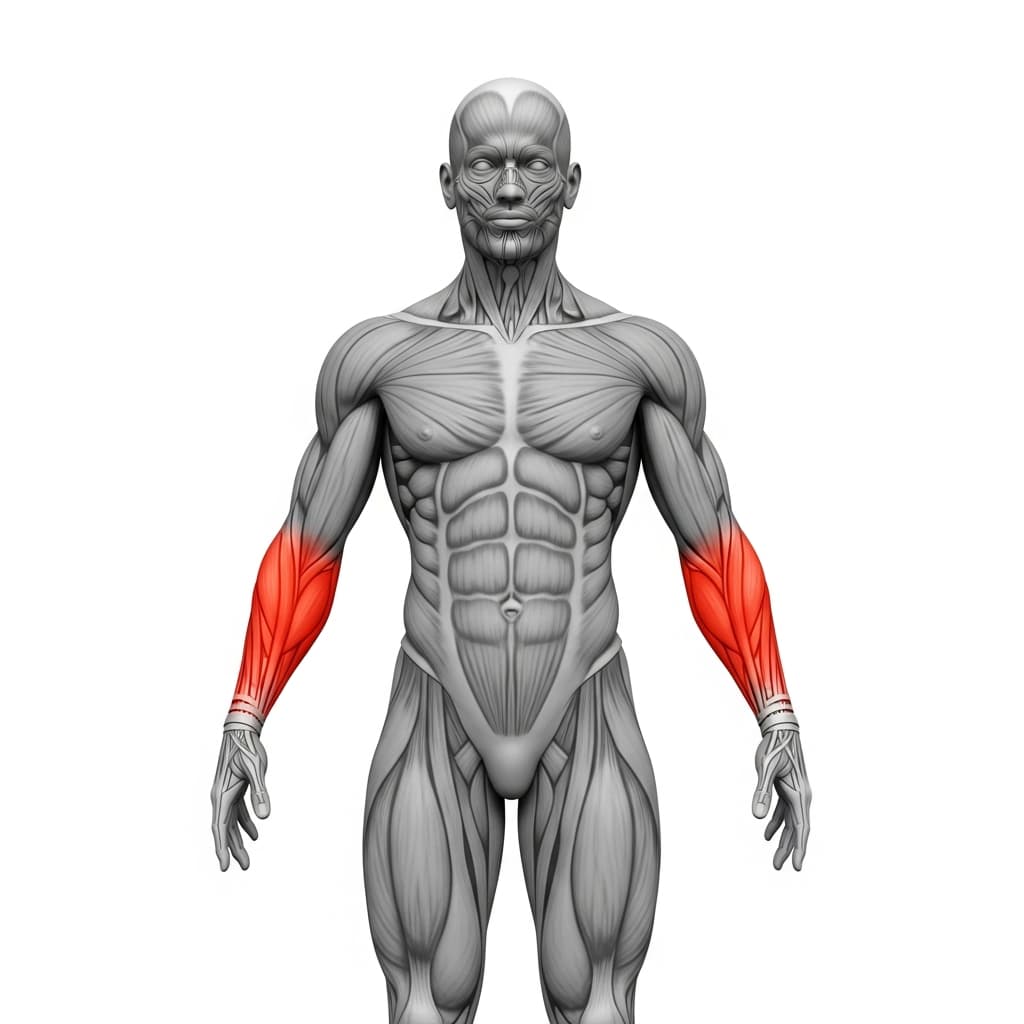
Primary Muscles
Latissimus Dorsi (Lats) - The lats do the main job of extending the shoulder against gravity, which is what stops your body falling out of the lever as you descend.
Rhomboids & Upper Trapezius (Upper Back) - The upper back fights the pull into protraction and keeps the shoulder blades back and down, so the lats keep a stable base to pull from.
Secondary Muscles
Posterior Deltoid (Rear Deltoid) - The rear deltoids assist the lats in driving the arms back toward your body as the torso comes down.
Triceps Brachii (Triceps) - The long head of the triceps helps extend the shoulder and keeps the elbow straight for the whole descent.
Rectus Abdominis (Abs) - The abs hold the ribs down and stop the lower back arching as the hips are pulled toward the floor.
Gluteus Maximus (Glutes) - The glutes push the hips up into line with the shoulders, which is what turns a sitting position into a straight body.
Forearm Flexors & Extensors (Forearms) - The forearms and grip hold you on the bar through a long slow rep where your bodyweight is hanging from straight arms.
Benefits of Negative Front Lever Raises
- Loads the front lever position through a full range instead of at one point, so you build strength either side of horizontal rather than only where you can already hold.
- Lets you train a shape you cannot yet hold, because lowering through a position is easier than holding it, which is what makes this the usual bridge between tuck work and a real lever.
- Builds straight-arm shoulder extension strength in the lats and rear deltoids, the exact quality pull ups do not develop.
- Teaches the shoulder blades to stay back and down under heavy load, which is the single skill that decides whether your front lever holds or collapses.
- Trains the abs and glutes to keep the hips in line under a long slow rep, so you stop failing the position at the hips.
Who Is This Exercise For?
You should already be comfortable hanging upside down on a bar, which usually means skin the cat and the German hang feel easy rather than alarming. Before running these with straight legs, own an advanced tuck front lever with a flat back, and be able to do clean straight-arm scapula pull ups where the shoulders move and the elbows do not. Straight-arm work loads tendons hard, so build your hanging and pulling volume over months rather than jumping straight in.
Common Mistakes to Avoid
Losing retraction on the way down: This is the fault that ruins the exercise, and it happens because the lever pulls the shoulder blades forward around the ribcage. When retraction goes, the shoulders roll forward and rise, the lats stop working, and the whole body drops. Pull hard into retraction and depression the whole descent, and stop the rep at the point where you lose it rather than fighting on.
Sitting into the descent instead of pushing the hips up: The hips drop below the line and the legs lower first, so you end up in a sitting shape rather than a lever. It happens when the glutes switch off and the abs stop holding the ribs down. Think hip thruster, and really try to push the hips up toward the ceiling so the whole body comes down as one piece.
Dropping fast through the middle: Horizontal is the hardest point in the range, so falling through it is the same as skipping the exercise. Most people do it because they picked a leg shape they cannot actually control. Slow the descent down, and if you still cannot, tuck the legs or straddle them and earn the straight shape later.
Letting the elbows bend: Once the elbows bend, the biceps take over and it stops being a front lever exercise, and it is also how elbow and biceps pain starts. Keep the elbow straight but actively held there rather than hanging on the joint. If your arms keep folding, the shape is too heavy for you right now.
Variations & Progressions
Full Front Lever
Holding the whole body straight and horizontal under the bar, which is what these straight-leg negatives are building toward.