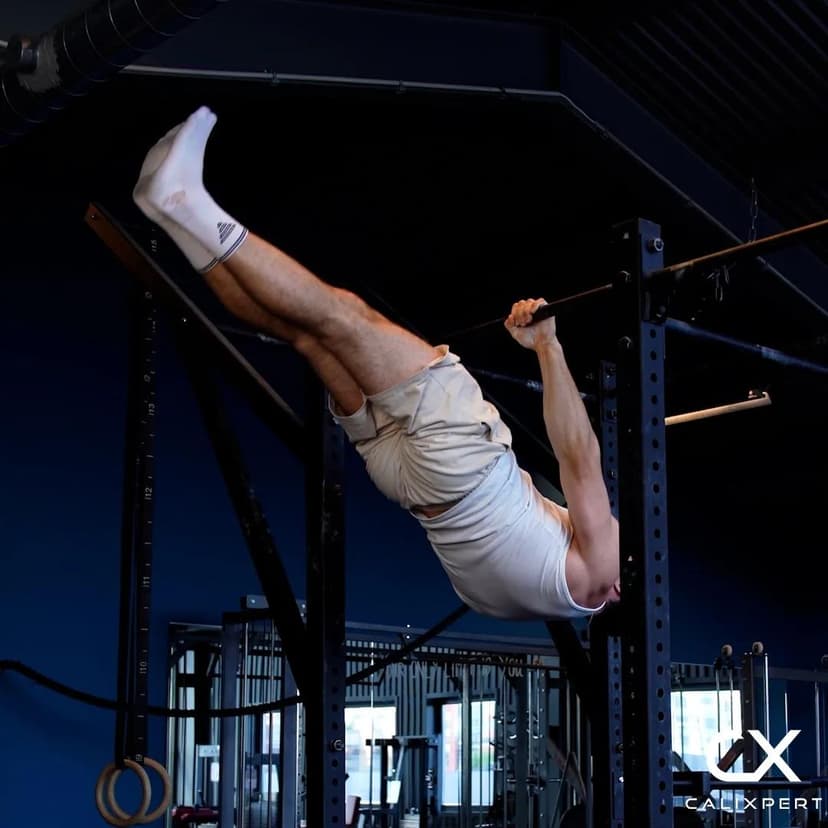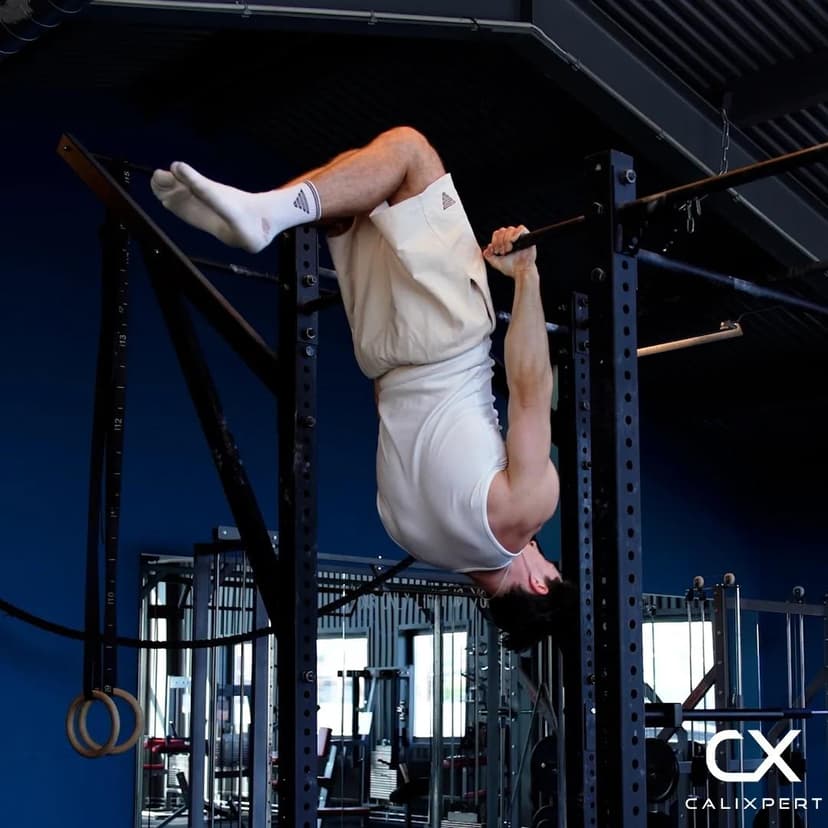
Handstand Press
The handstand press is a straight arm press from standing into a full handstand with no kick or jump, mainly working the front deltoids and abs. The shoulders lean forward over the hands while hard compression lifts the hips, so the feet leave the floor from the lean and the fold. It is the finished skill the other drills build toward, and unlike the half and negative versions it includes toe off, the moment the feet leave the floor and the hardest part.

The handstand press is a straight arm press from standing into a full handstand with no kick or jump, mainly working the front deltoids and abs. The shoulders lean forward over the hands while hard compression lifts the hips, so the feet leave the floor from the lean and the fold. It is the finished skill the other drills build toward, and unlike the half and negative versions it includes toe off, the moment the feet leave the floor and the hardest part.
How to Do Handstand Press
1. Place Your Hands In Front Of Your Feet
Stand on the floor or a gym mat with your legs split a little, fold forward and place your hands flat in front of your feet. Point your fingers straight forward if your shoulder mobility is good, since that is easier for the balance, or slightly outwards, which is a little easier on the shoulder mobility.
Fingers forward, or slightly out.
2. Bring Your Feet Close To Your Hands
Stand with your feet as close to your hands as your mobility allows. The closer they are in the starting position, the higher your hips are from the start and the less you will need to lean.
Feet close, hips high.
3. Push Tall On Locked Arms
Set strong shoulders before anything moves. Push yourself off the ground, make yourself as tall as possible and lock your elbows as much as you can, because this is a straight arm press.
Push the floor away, elbows locked.
4. Suck In Hard And Compress
Apply an extreme suck-in of the core to activate the deep transverse abs. The more you suck in, the higher you can lift your hips and the less you need to lean forward in the shoulders. With really strong shoulders you can lean more instead, which is also a little easier on the mobility.
Belly button in, hips up.
5. Lean Onto Your Toes Until The Feet Lift
Lean into your shoulders and come up on your toes while you keep compressing. Keep the lean going until your feet lift off the floor. They should leave because of the lean and the fold, not because you jumped.
Lean, toes, lift.
6. Straddle As Soon As You Lift Off
The moment your feet leave the floor, split your legs to the side as wide as you can. A wide straddle leaves less of the weight of your legs behind you pulling you back down, so the press gets easier.
Lift, then straddle wide.
7. Press Slowly All The Way To Handstand
Go as controlled as you can all the way up to a full handstand, keeping the core sucked in the whole way. Bring the legs together at the top into a straight handstand, and keep sucking in once you are there.
Keep the compression all the way up.
Treat the press as a trade: the more you fold and lift the hips, the less your shoulders have to lean. The most beautiful press is very compressed from the start, with lots of mobility, less shoulder lean and extreme compression strength. Practise it first in the session, because fatigue breaks the coordination, and stop the set once the feet hop off instead of floating off.
Muscles Worked During Handstand Press
Primary Muscles:
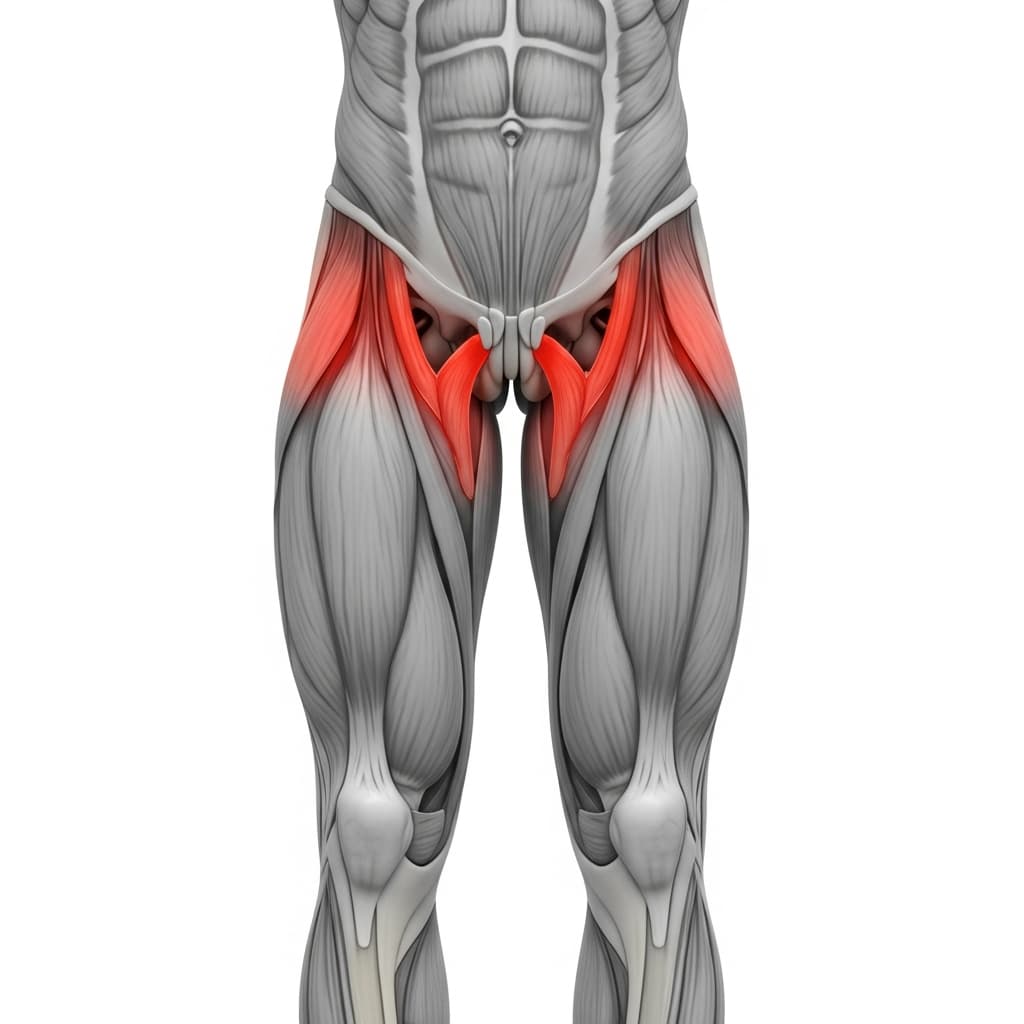
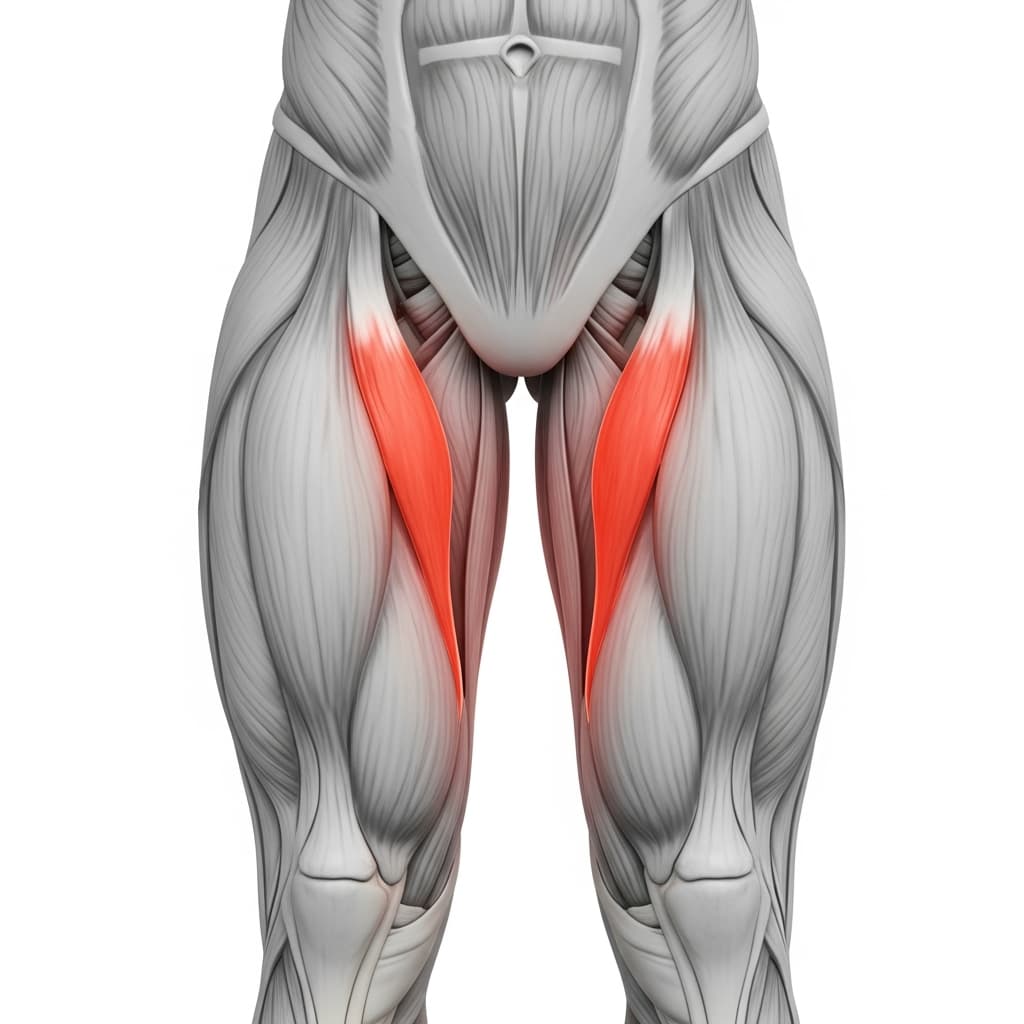
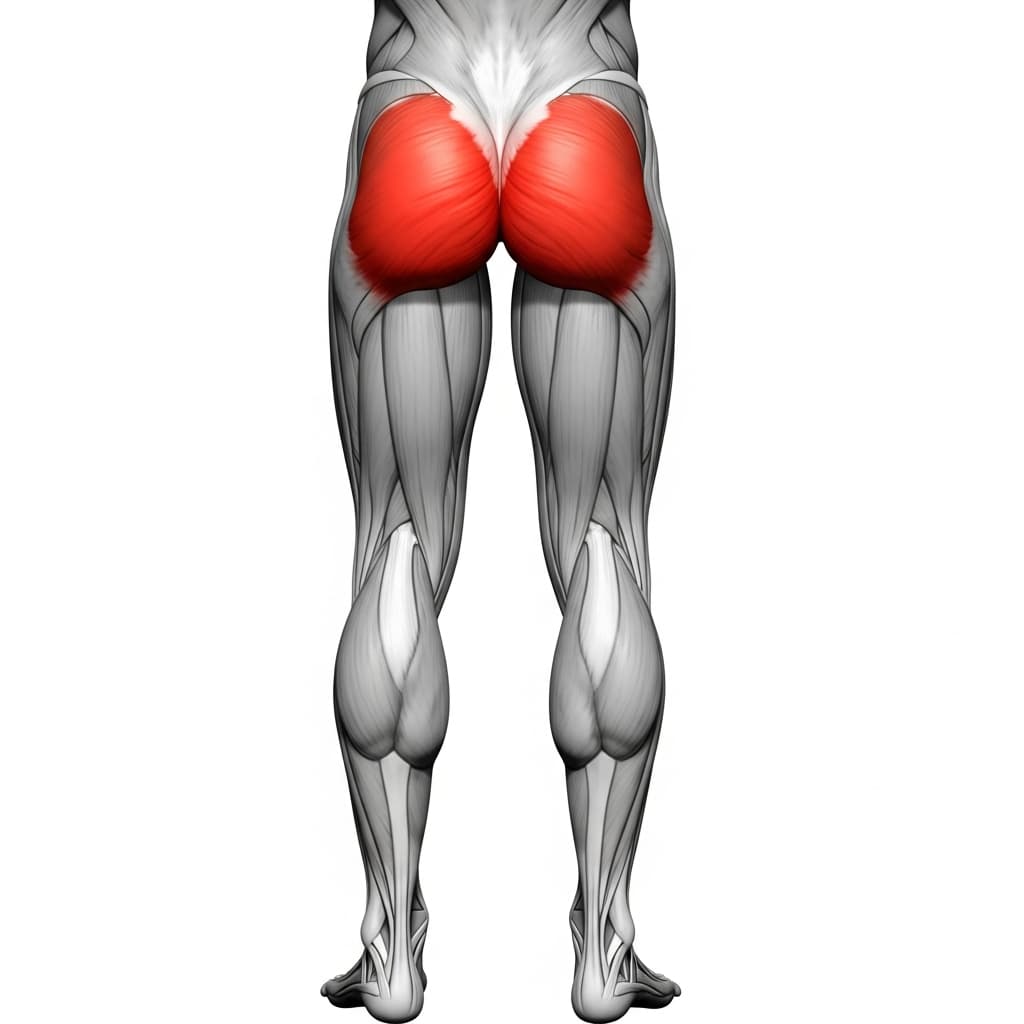
Primary Muscles
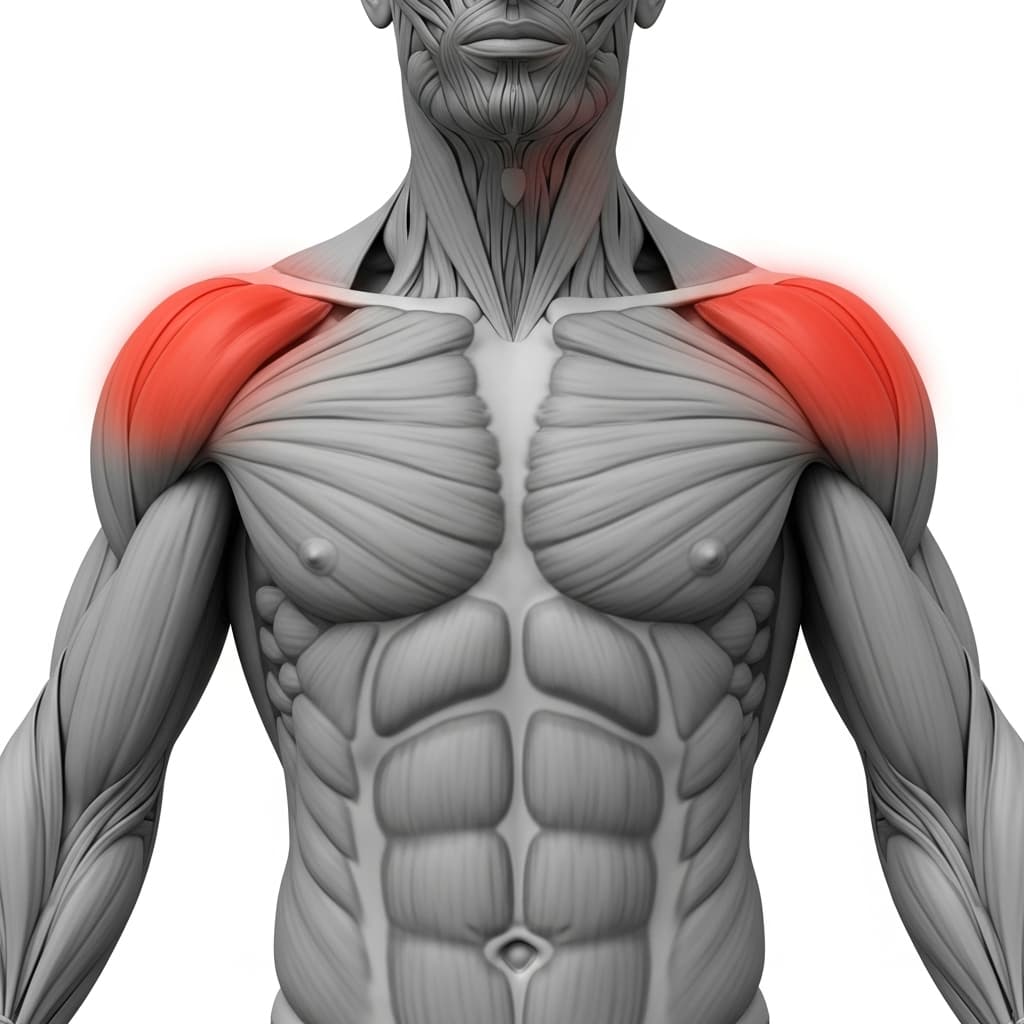
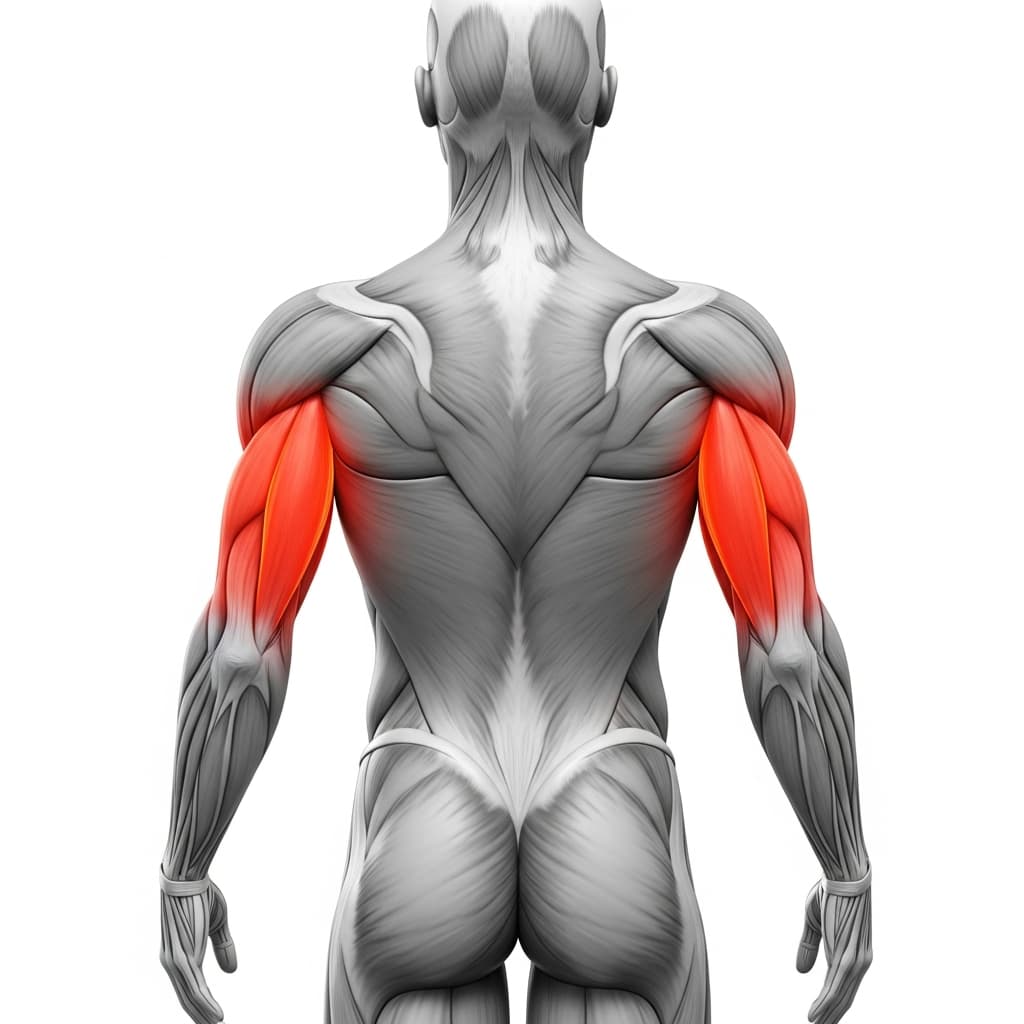
Anterior Deltoid (Front Deltoid) - The front deltoids carry the lean, holding the arms close to overhead where the shoulder is weakest, and the more you lean, the harder they work.
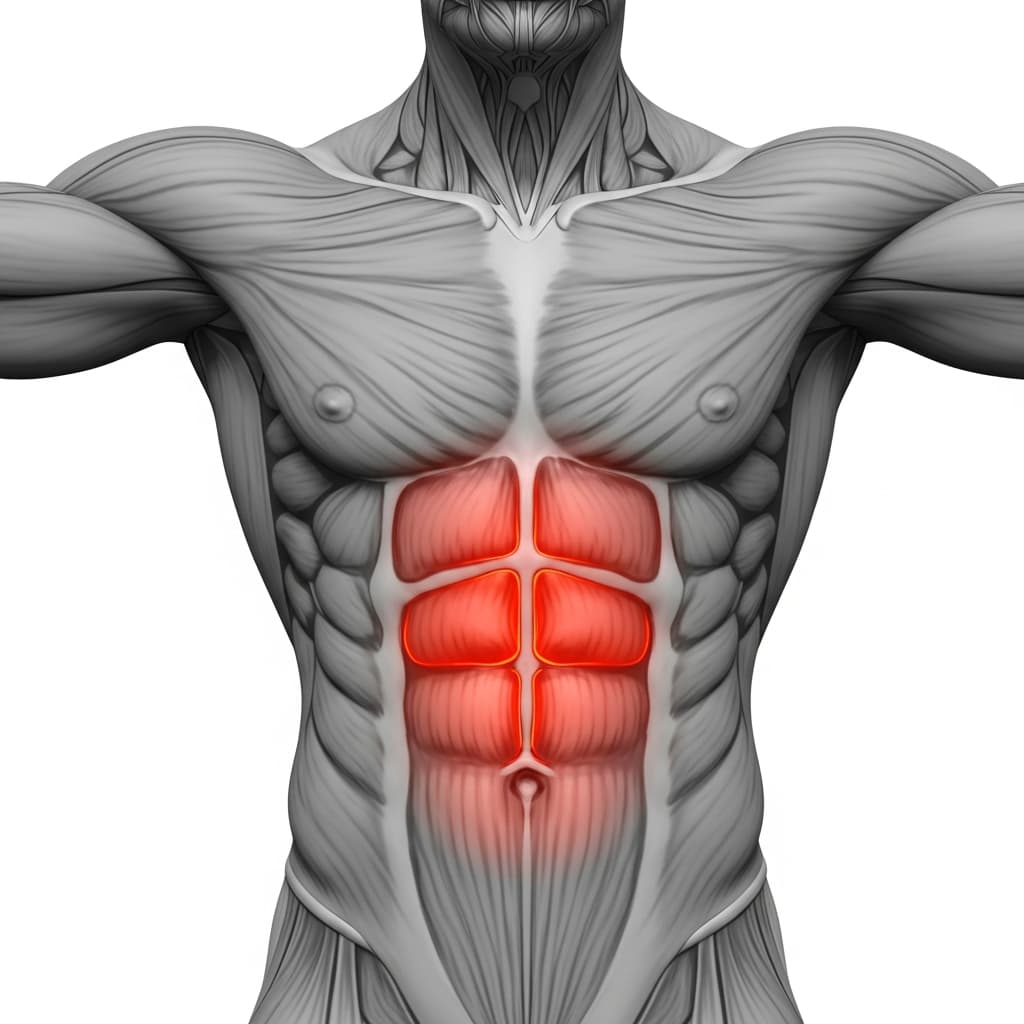
Rectus Abdominis (Abs) - The abdominals, including the deep transverse abs, create the compression that lifts the hips, and they stay sucked in from toe off into the handstand.
Secondary Muscles
Triceps Brachii (Triceps) - The triceps keep the elbows locked for the whole rep, because this is a straight arm press and the arms never bend to help the lift.
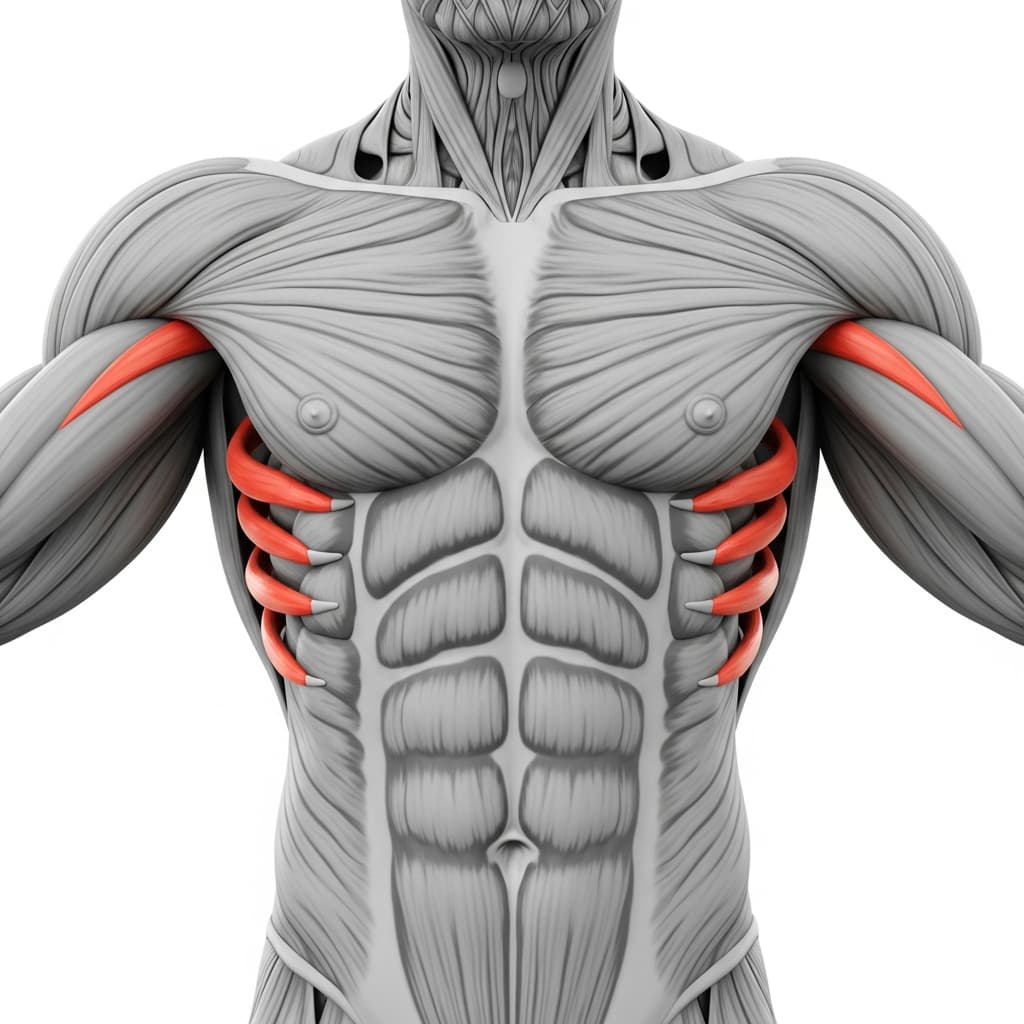
Serratus Anterior (Serratus Anterior) - The serratus anterior pushes the floor away and rotates the shoulder blades upward, so you stay tall and the shoulders do not sink as your weight moves forward.
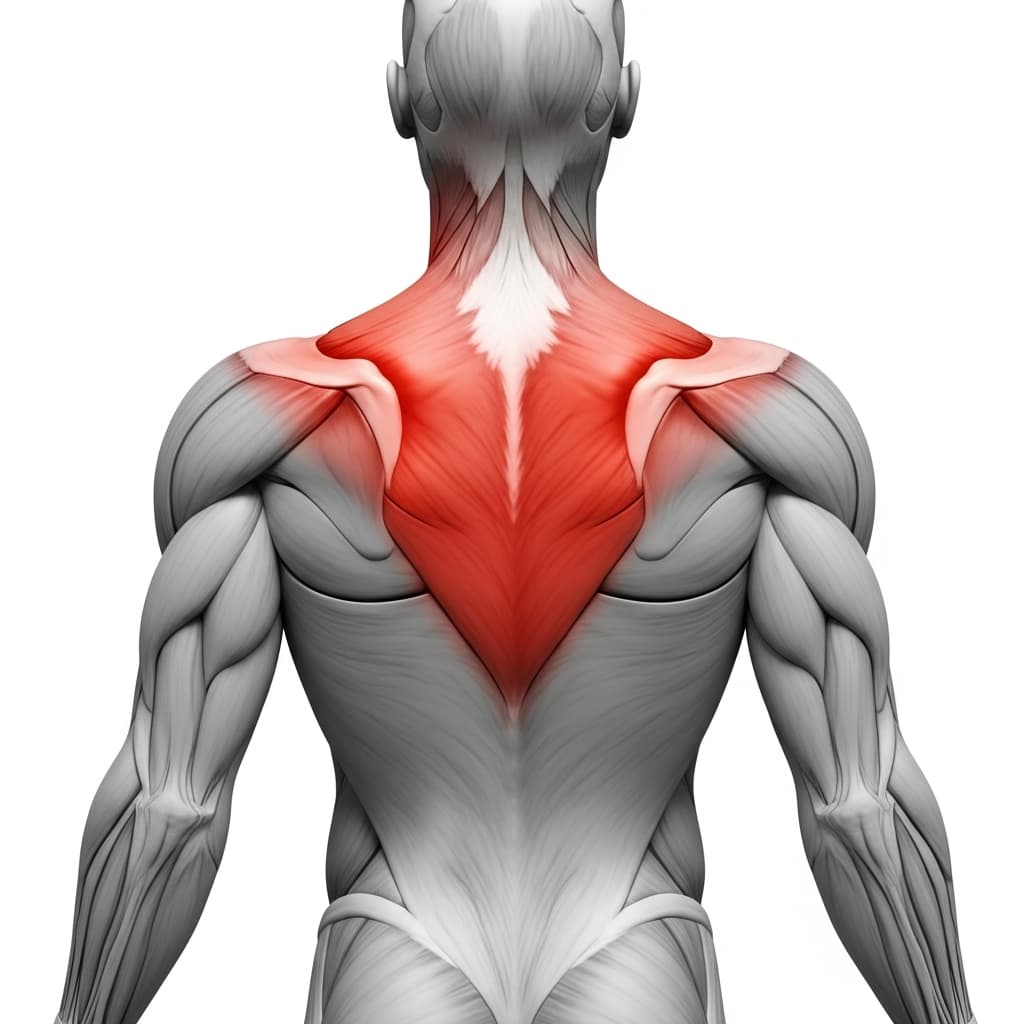
Trapezius (Trapezius) - The trapezius works with the serratus to rotate the shoulder blades upward and lift the shoulders toward the ears, keeping you tall as your weight moves forward.
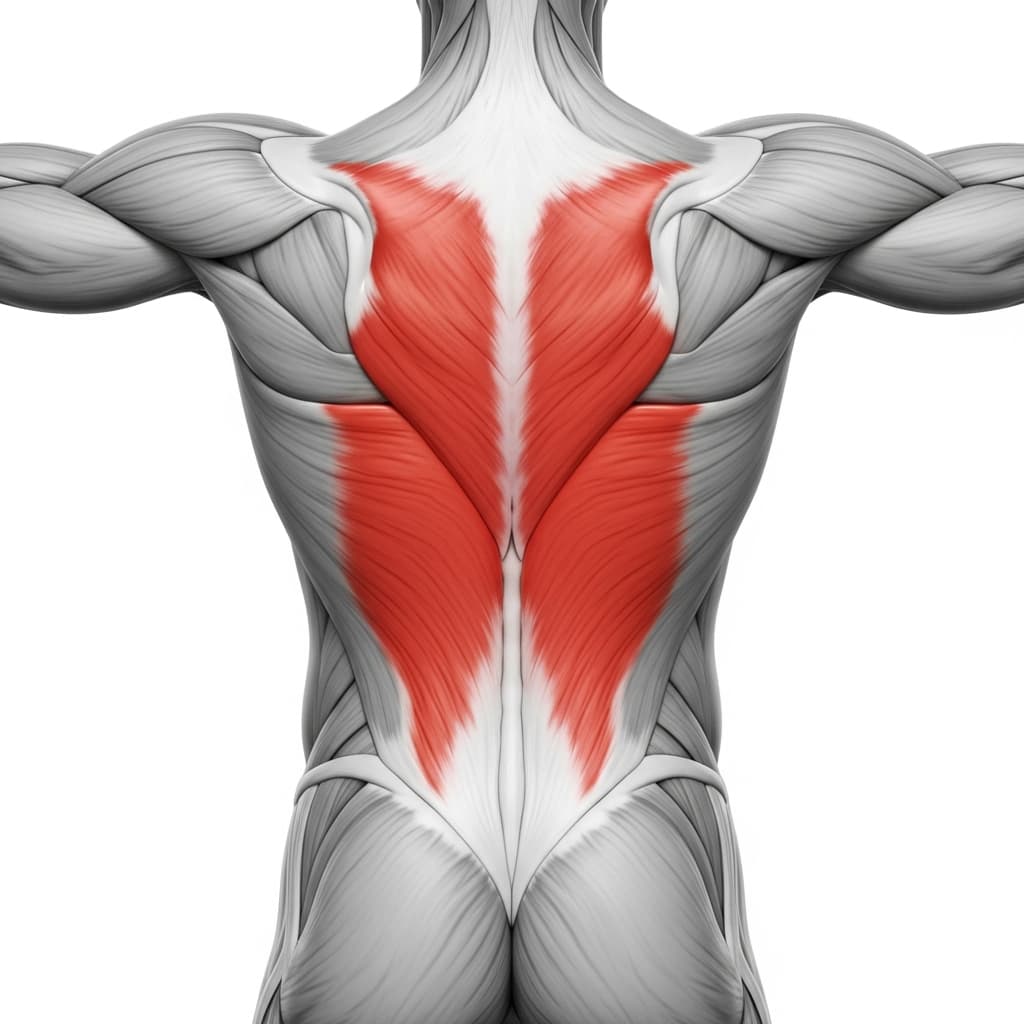
Erector Spinae (Spinal Erectors) - The muscles along the spine help pull the hips over the hands and shoulders after toe off, then bring the rounded, folded back into the straight handstand line.
Iliopsoas (Hip Flexors) - The hip flexors actively hold the fold between legs and torso as the feet leave the floor, keeping the legs close to your centre of mass.
Hip Adductors (Adductors) - The inner thighs are stretched in the wide straddle after toe off, then bring the legs together at the top for a straight handstand.
Gluteus Maximus (Glutes) - The glutes extend the hips at the end of the press, opening the fold so the legs rise from the straddle into one straight line.
Benefits of Handstand Press
- Builds straight arm shoulder strength at the high angles of shoulder flexion where the press happens, a range ordinary pushing rarely reaches.
- Makes your compression and your pike and straddle flexibility useful, because the higher the hips go, the less the shoulders have to lean.
- Gives you a way into the handstand using strength alone, with no kick, jump or swing.
- Trains the coordination of leaning and lifting at the same time, in one of the most coordination heavy skills in calisthenics.
- Builds control of your legs and hips upside down, from the wide straddle to the closed handstand at the top.
Who Is This Exercise For?
You need a freestanding handstand, with 10 seconds as the benchmark, even if not consistent. Other benchmarks are 3 chest to wall handstand push ups, a 5 second tuck planche for straight arm strength, and forearms to the ground in a pike and a pancake. They are a guide, not a gate: handstand first, then mobility if your fold is far off, or press lean drills if the shoulder lean collapses.
Common Mistakes to Avoid
Jumping the feet off the floor: A hop turns the rep into a jump and skips the part that matters. Slow the lean down, let the feet float off on their own, and end the set when the lean stops and the jumping starts.
Standing too far from your hands: The further your feet are from your hands, the lower your hips start and the more you have to lean to get them over your hands. Bring the feet in as close as your mobility allows before you lean.
Bending the elbows to get up: A bent arm press is a different skill. Lock the elbows as much as you can and let the lean do the work, and if you cannot get up with straight arms, go back to the Negative Handstand Press or the Half Handstand Press.
Lifting the legs instead of bringing the hips over: At toe off it feels like the job is to lift the legs, but if you think legs, you go backwards and land on your feet. Think about pulling your hips forward over your hands and shoulders instead, and the legs follow.
Letting the compression go too early: If the fold opens before the hips are over your hands, the legs drop behind you and pull you back down. Keep the core sucked in from toe off, and open into the straight line only once the hips are stacked.
Variations & Progressions
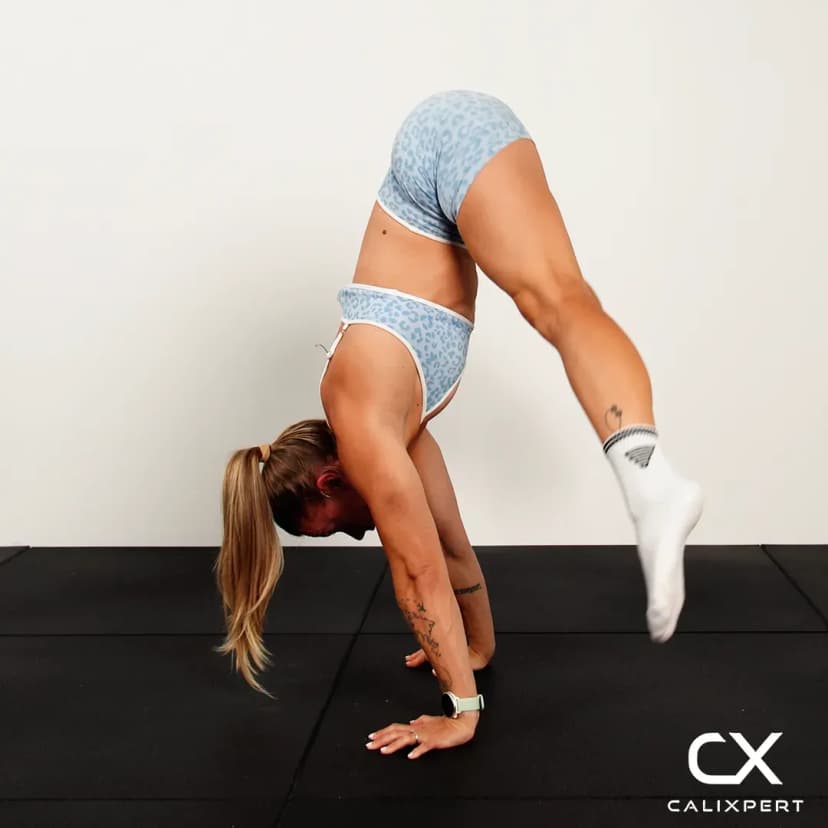
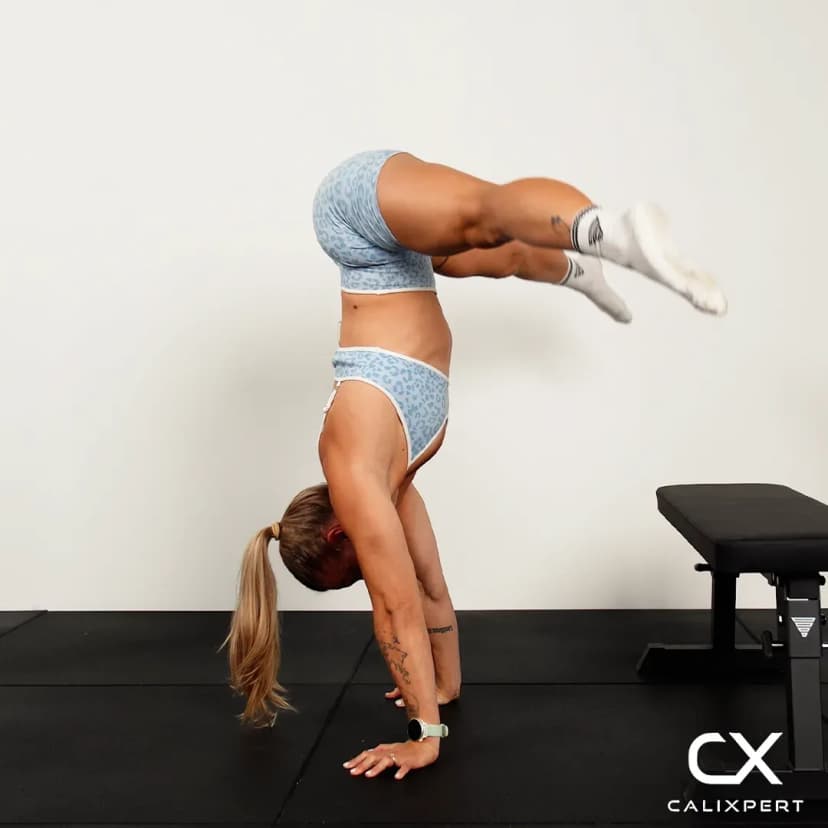
Tuck Press
Pull the knees in to your chest as the feet leave the floor instead of straddling. Tucked legs are the shortest lever, so you need the smallest lean of any press, and most people get this standing straight arm press first.
Pike Handstand Press
Keep the legs straight and together the whole way instead of straddling, so they stay further behind your hands and you have to lean more and compress harder. Get the straddle press before you chase this one.