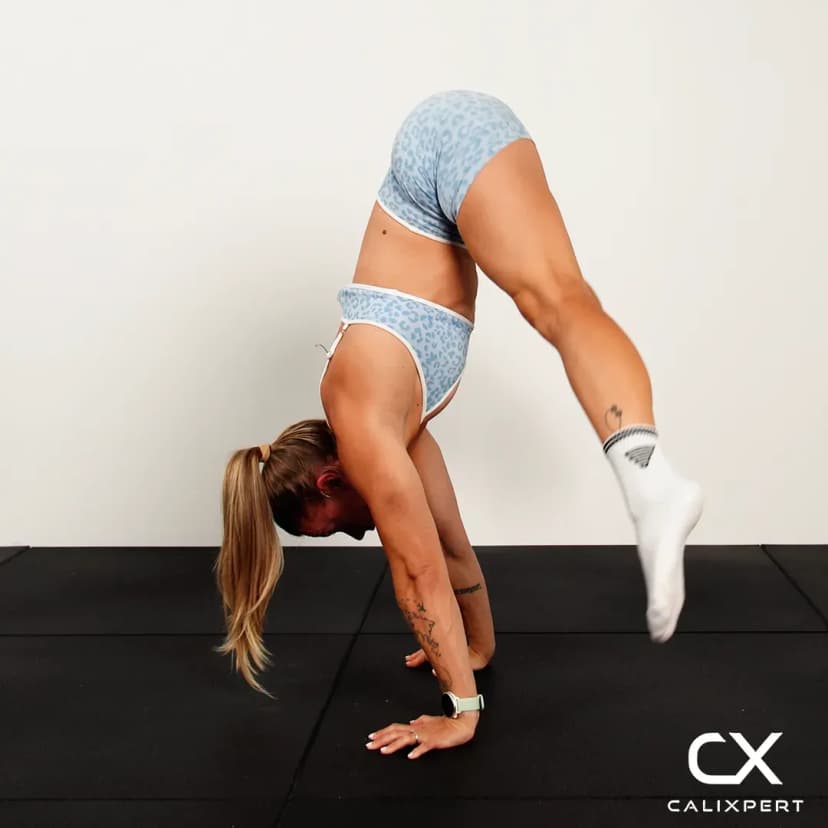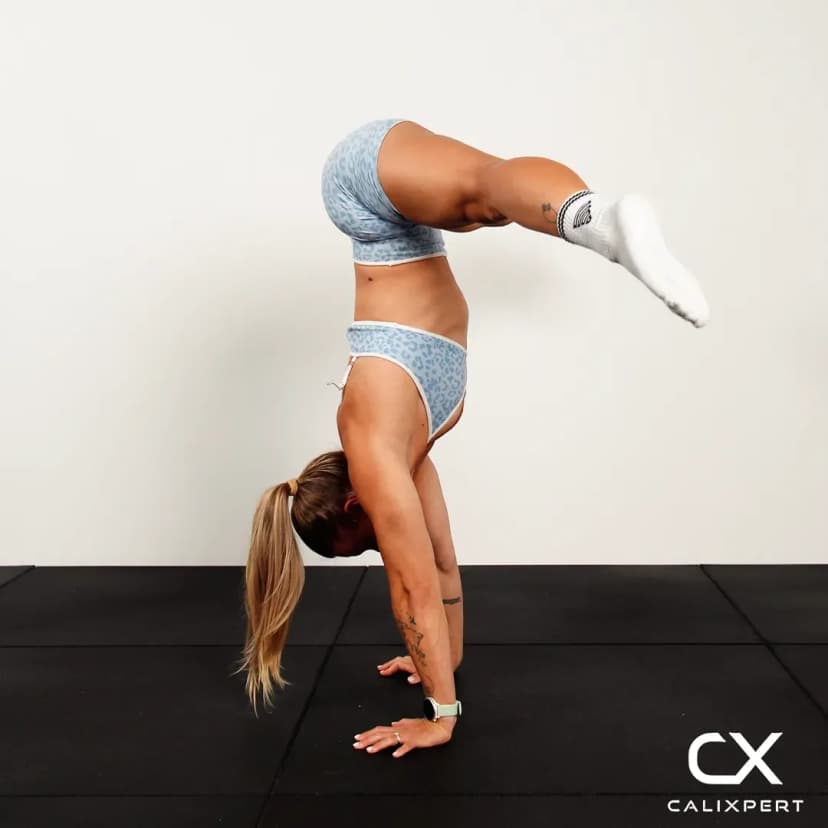
Halflay Front Lever Raises
Halflay front lever raises are a rep movement, not a hold. You start in a dead hang with your knees bent at about 90 degrees, then pull your whole body up through horizontal with straight arms. The lats and upper back produce the movement, while the glutes and abs keep the hips driving upward instead of folding. Because you have to create the position instead of only resisting gravity in it, a raise asks much more of you than holding the same shape does.
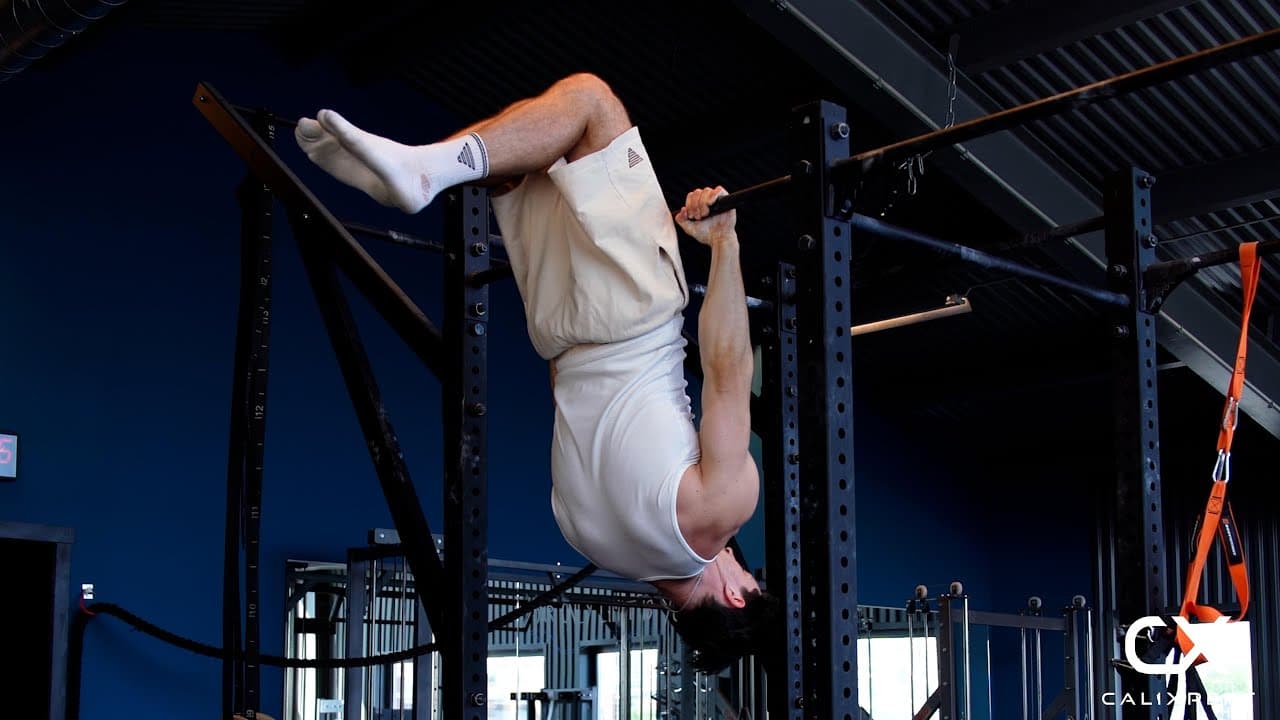
Halflay front lever raises are a rep movement, not a hold. You start in a dead hang with your knees bent at about 90 degrees, then pull your whole body up through horizontal with straight arms. The lats and upper back produce the movement, while the glutes and abs keep the hips driving upward instead of folding. Because you have to create the position instead of only resisting gravity in it, a raise asks much more of you than holding the same shape does.
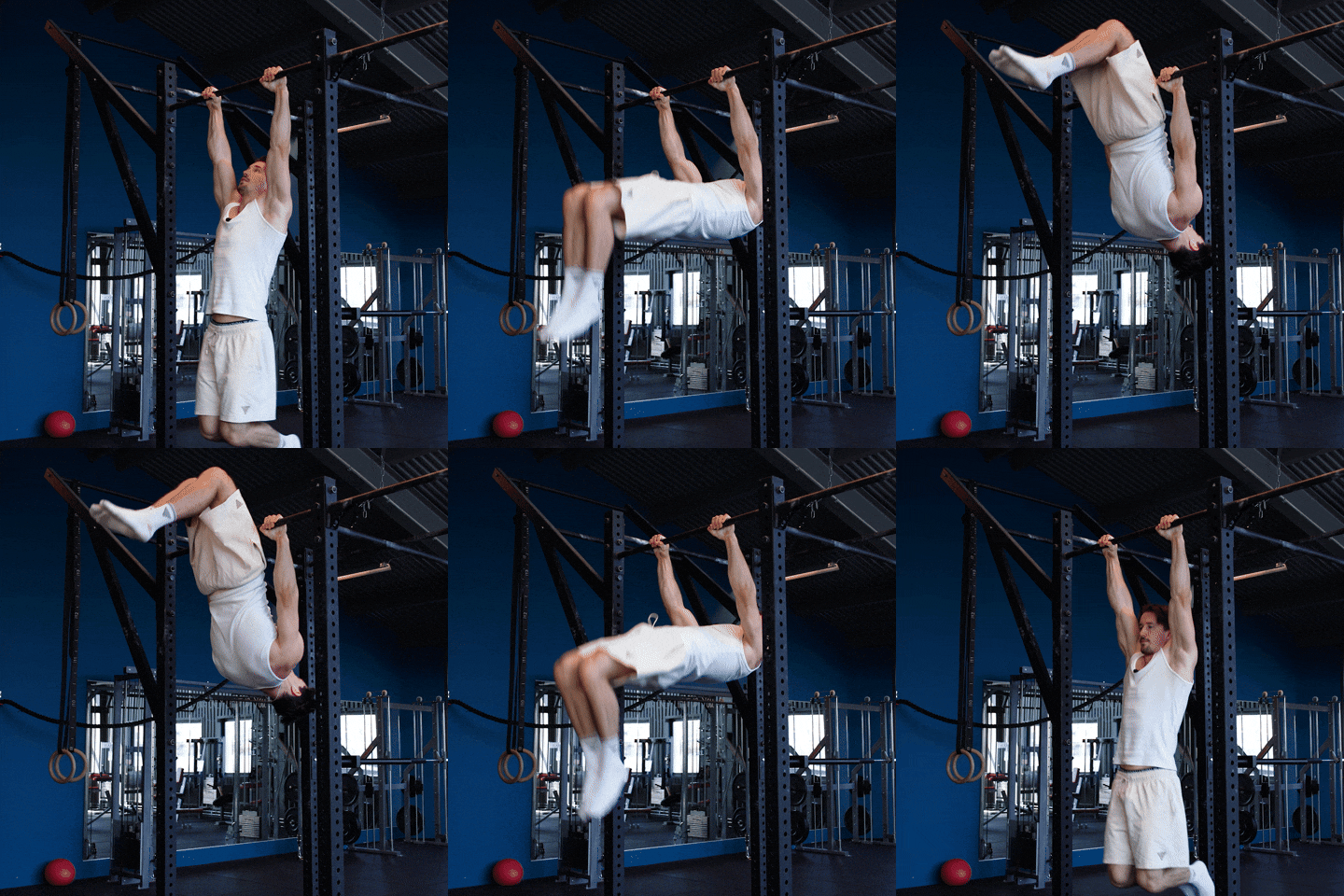
How to Do Halflay Front Lever Raises
1. Hang In The Halflay Shape
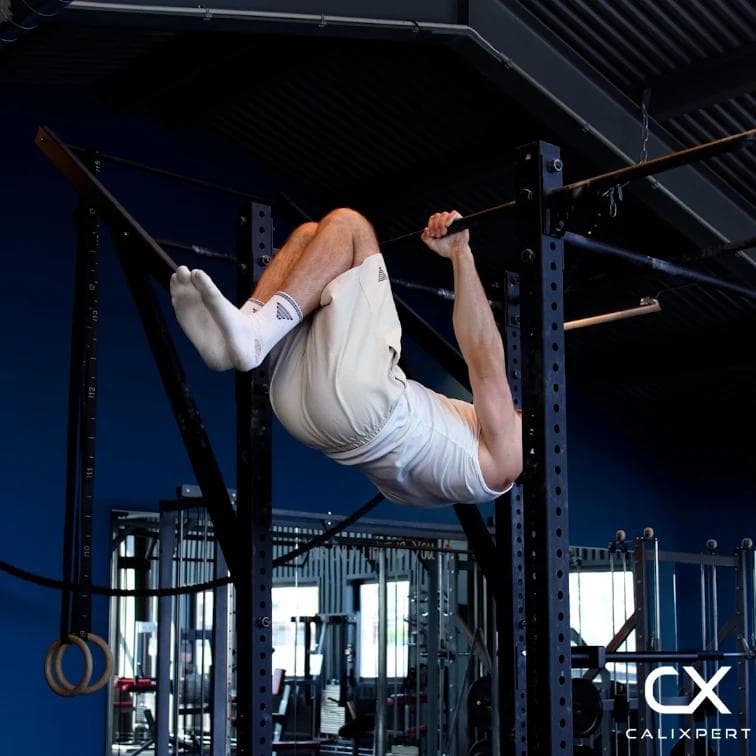
Take an overhand grip a little wider than your shoulders and hang with your arms straight. Bend both knees to roughly 90 degrees and keep your hips straight, so you are already in the halflay shape while you are still hanging. This is the start position for every rep.
Dead hang, knees bent.
2. Set The Retraction First
Pull your shoulder blades back and down before anything else happens. You pull hard into retraction in order to end up neutral, because the lever will spend the whole rep trying to drag your shoulders forward. If you start the pull with the shoulders already rolled forward, the lats never get to work.
Shoulders back and down first.
3. Pull With Straight Arms
Keep the elbows straight and drive your hands down toward your hips rather than bending your arms. Keep the retraction while you are moving up, because this is the part of the rep that decides whether the lats or the shoulder joint takes the load. The moment the elbows bend, the biceps take over and you are doing a different exercise.
Elbows locked, retraction kept.
4. Push The Hip Up
As you rise, try to push your hip up instead of letting it fold. We do not want the sitting position while you do the raise, rather the back almost slightly arched. Squeeze the glutes so the thighs stay in line with your torso and the knees stay where they started.
Hip leads, do not sit.
5. Pull All The Way Up
Do not stop at horizontal. Keep pulling, and keep the shoulders retracted, until your hips are above your shoulders and you finish close to inverted. That top half of the range is what makes this a full movement instead of a partial, and it is where a lot of the useful work lives.
Go past horizontal.
6. Lower With Control
Come back down under control, but it does not need to be a super slow negative. Passing back through horizontal is where the shoulders usually give up retraction, so hold them set until you are hanging again. Come to a full stop and rebuild the shape before the next rep.
Controlled, not a slow negative.
Start in a dead hang with the knees bent, so you are already in the halflay shape before you move. What is really crucial here is to keep the retraction while you are moving up. And also try to push your hip up. We do not want the sitting position while we do the raise, rather the back almost slightly arched. On the way down you can control it, but it does not need to be a super slow negative.
Muscles Worked During Halflay Front Lever Raises
Primary Muscles:
Secondary Muscles:
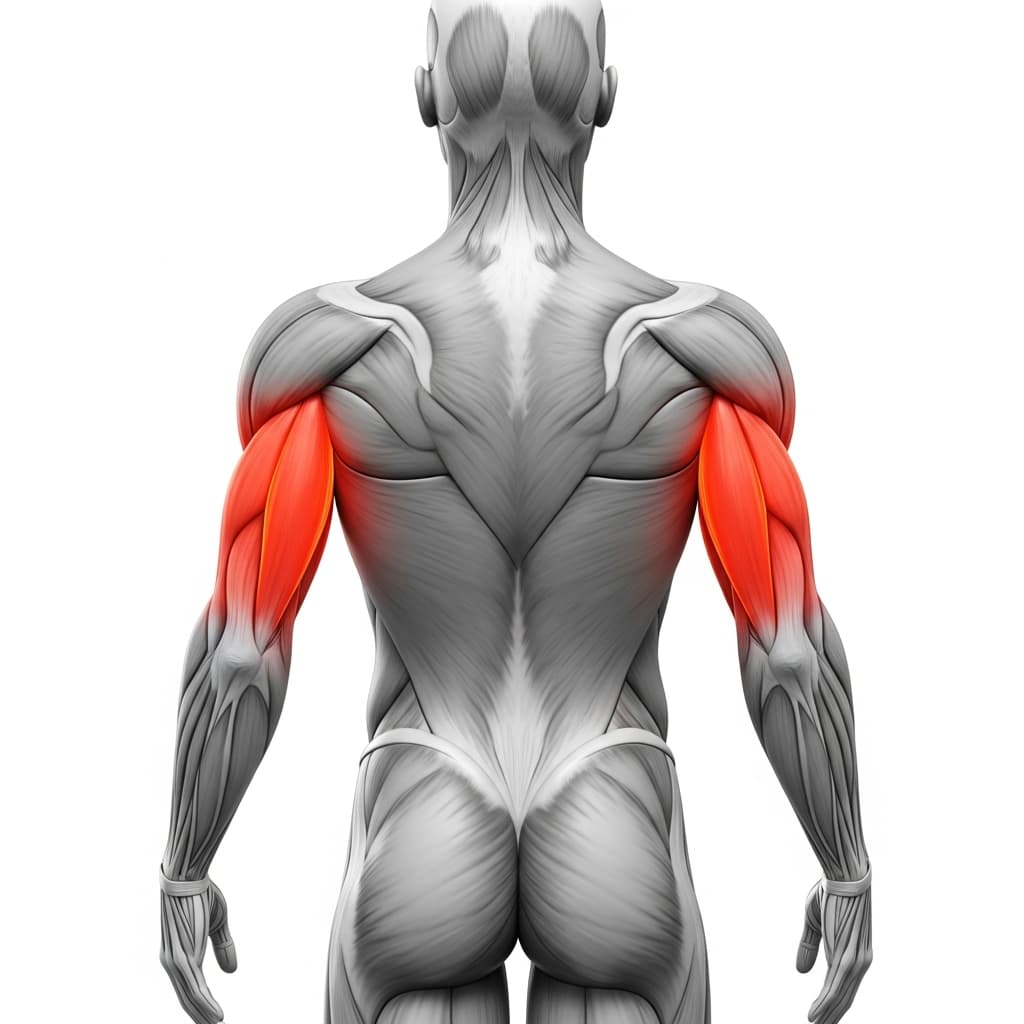
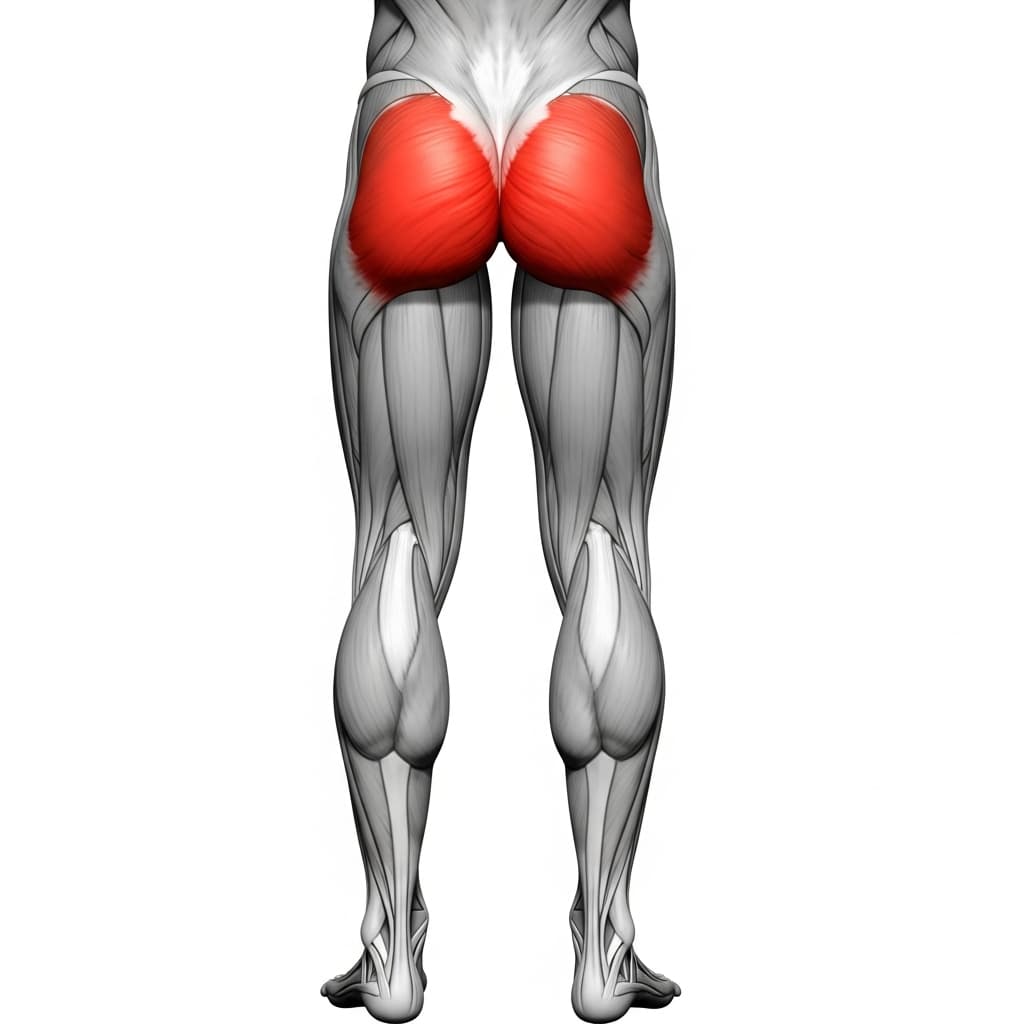
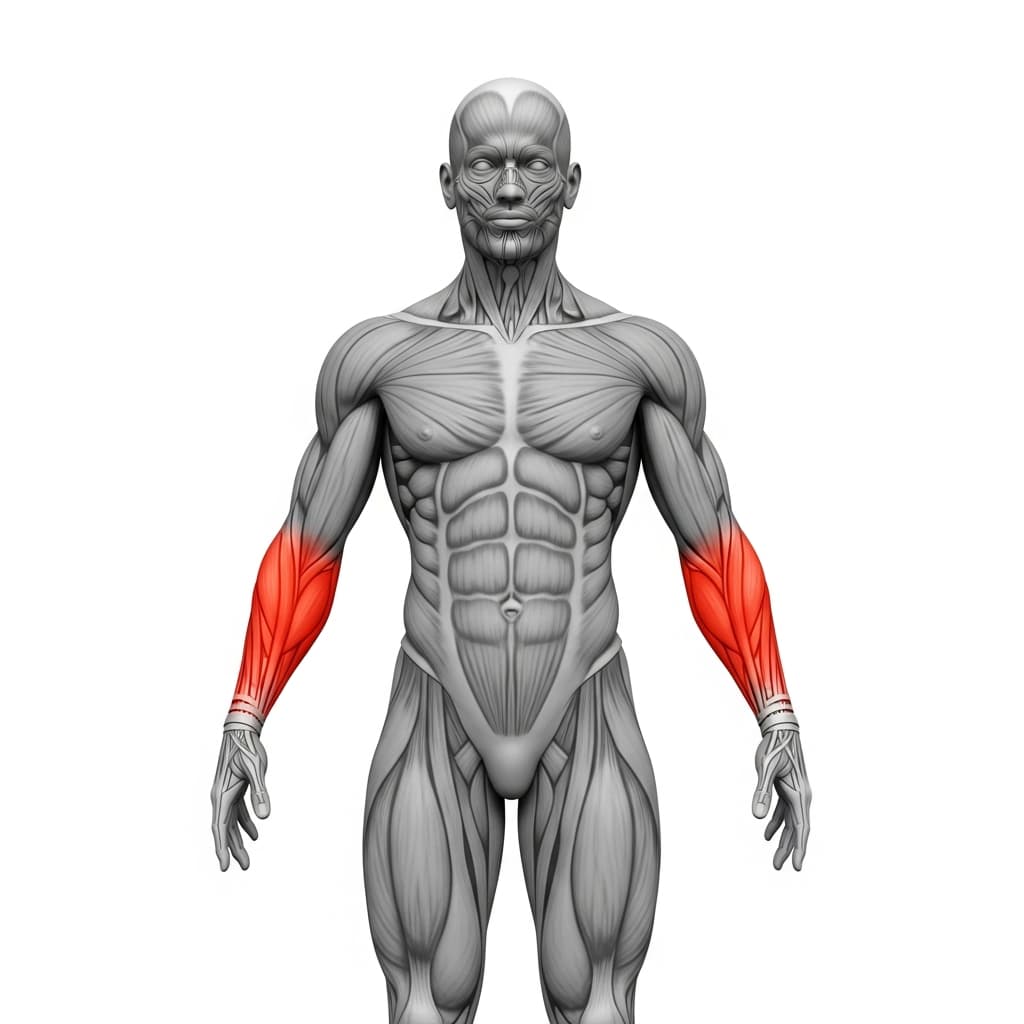
Primary Muscles
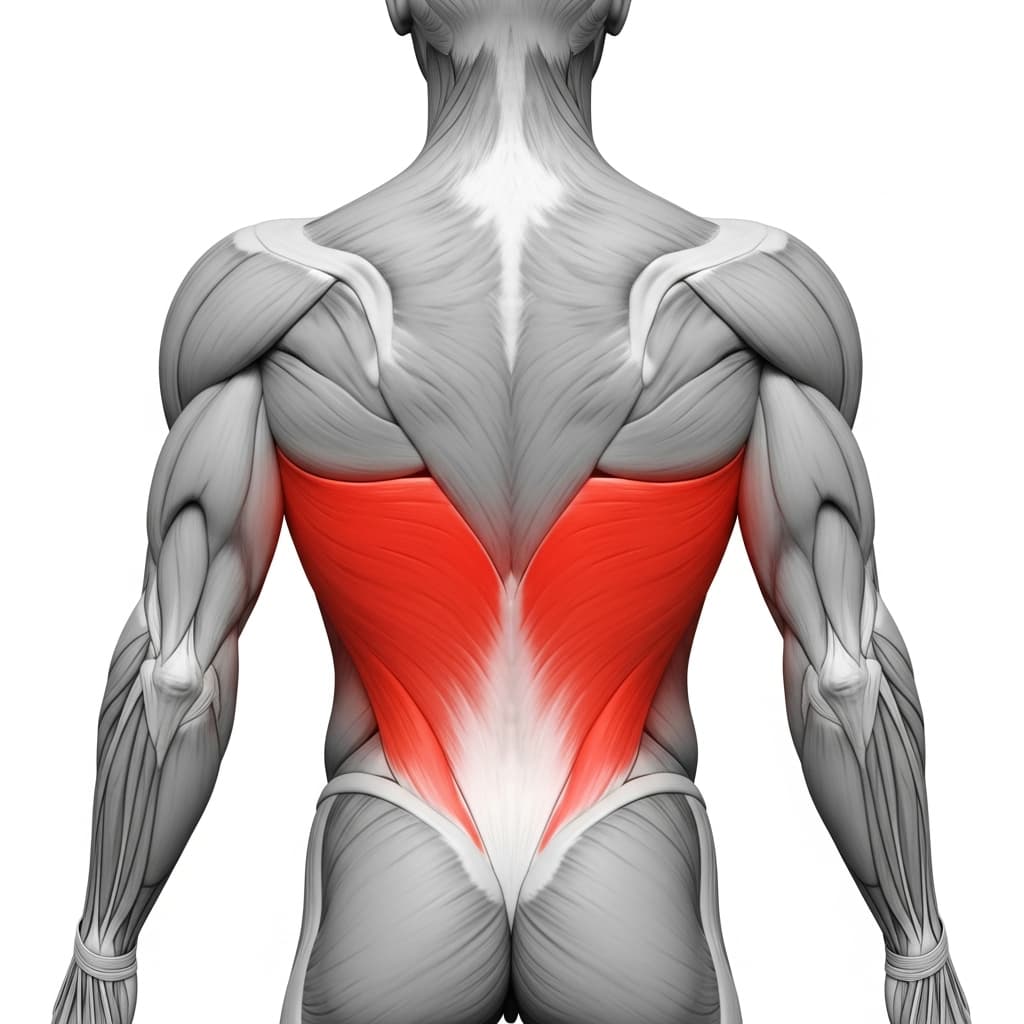
Latissimus Dorsi (Lats) - The lats pull your body up around the shoulder joint with the elbows straight, which is why this is a back exercise and not an ab exercise.
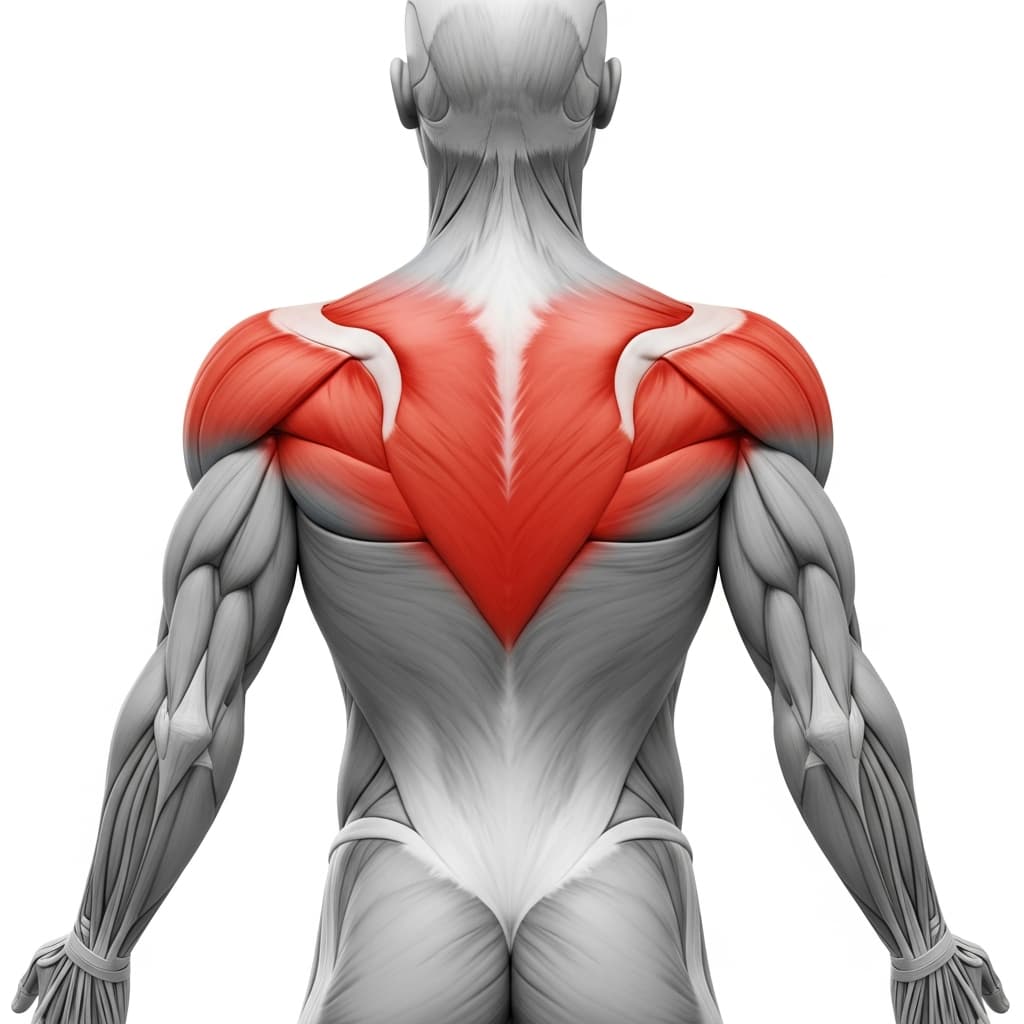
Rhomboids & Upper Trapezius (Upper Back) - The upper back holds the shoulder blades back and down against a load that is trying to drag them forward the entire rep.
Secondary Muscles
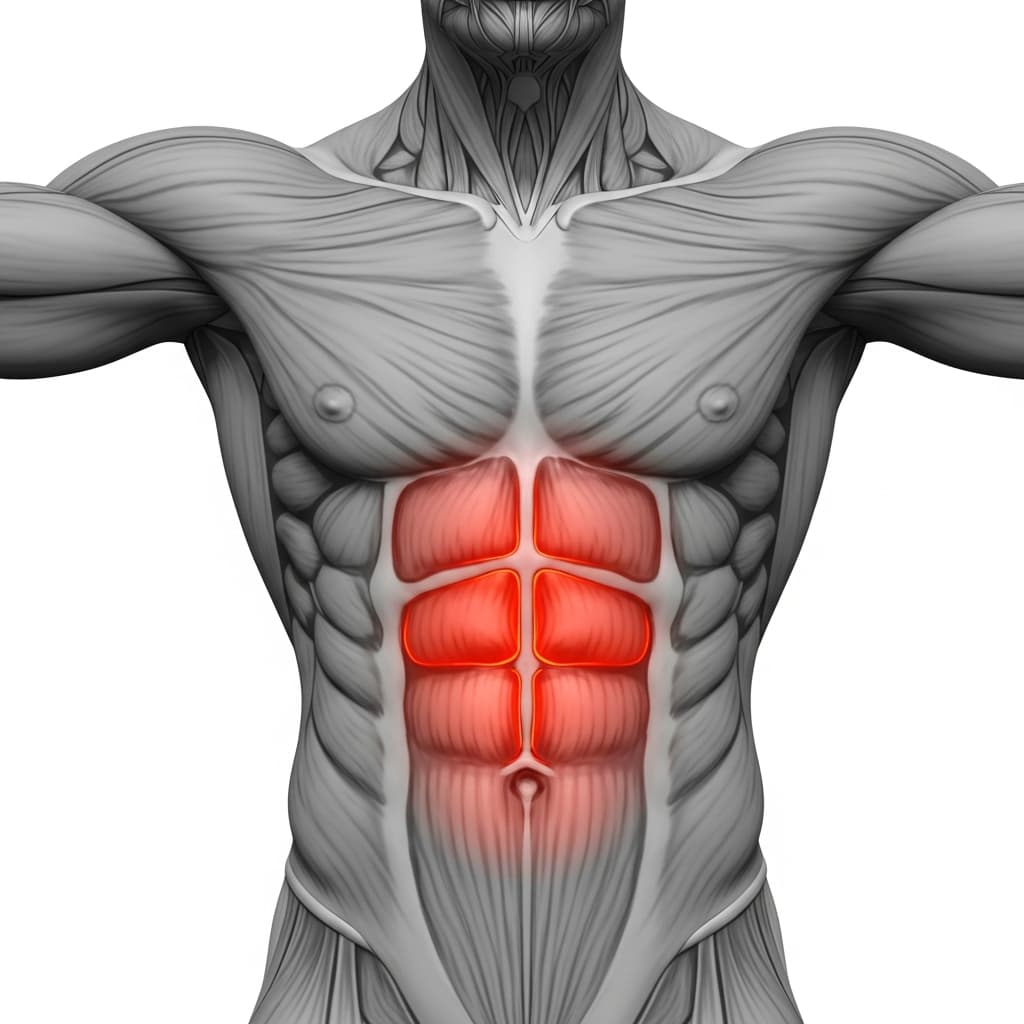
Rectus Abdominis (Abs) - The abs keep the ribs down so the pull travels through a connected body instead of getting lost in the spine.
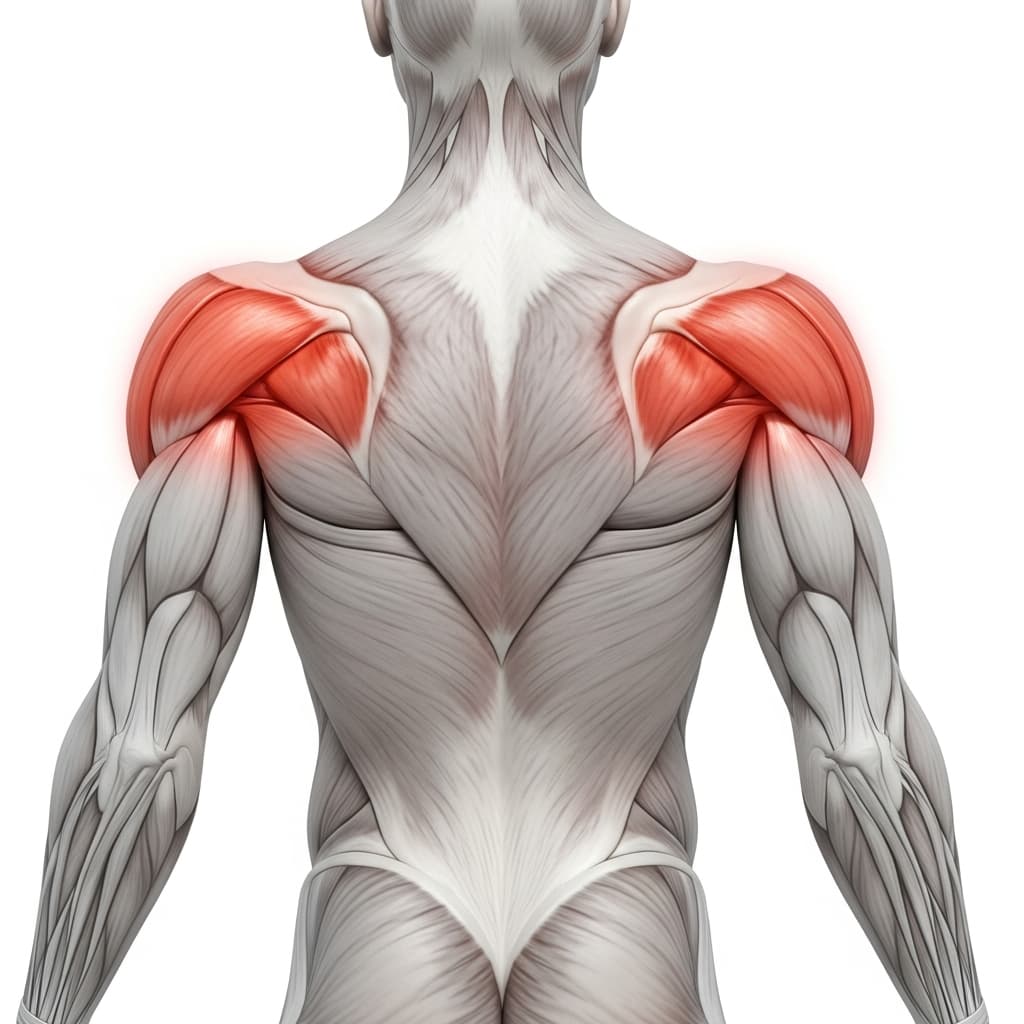
Posterior Deltoid (Rear Deltoid) - The rear deltoids help drive the arms back behind the body as you rotate up past horizontal.
Triceps Brachii (Triceps) - The long head of the triceps crosses the shoulder and assists the pull, and it is also what keeps the elbow actively locked out.
Gluteus Maximus (Glutes) - The glutes hold the hips extended so you push the hip up rather than folding into a sitting position.
Forearm Flexors & Extensors (Forearms) - The grip has to hold you on the bar for the whole set, and it is usually the first thing to complain once the reps add up.
Benefits of Halflay Front Lever Raises
- Builds straight arm pulling strength across the whole range rather than at the single angle a hold trains.
- Trains scapular retraction and depression under load in the exact position where most people lose it.
- Teaches you to produce the front lever position instead of only resisting gravity in it, which is what lets you pull into the skill.
- Loads the glutes and abs in hip extension, the combination that fails first when the hips sag in a hold.
- Gives you a rep based way to measure progress on a skill that otherwise only moves in seconds of hold time.
Who Is This Exercise For?
You should already own the halflay front lever hold before you try to move through it, meaning a clean 10 seconds with the hips extended and the shoulders held back and down. That normally means the advanced tuck front lever is easy and halflay is your working shape. You also want a real base of straight arm hanging behind you, scapula pull ups, skin the cat and German hang work, so your elbows and shoulders tolerate loaded straight arm positions before you start dragging your bodyweight through them.
Common Mistakes to Avoid
Losing retraction on the way up: This is the fault the whole rep turns on, and it happens because the load peaks exactly where the shoulders are weakest, around horizontal. The shoulder blades slide forward, the lats stop pulling, and the whole body sinks even though you are pulling harder. Set retraction before the first rep, keep fighting for it through the middle of the range, and end the set on the rep where it goes.
Sitting into the raise instead of pushing the hip up: When the glutes let go, the hips fold and the knees drift toward the chest, which quietly turns halflay into a shorter and easier lever. It still looks like a rep, so nobody notices. Squeeze the glutes and try to push the hip up so the thighs stay in line with the torso, with the back almost slightly arched rather than piked.
Bending the elbows to get up: Bent arms shorten the lever at the elbow and hand a large part of the job to the biceps, so the rep looks similar and trains something else. If the arms fold as soon as you pass horizontal, the shape is too heavy for you today. Drop back to the advanced tuck version or cut the reps rather than letting the elbows bend.
Swinging out of the dead hang: Kicking into the first rep carries you through the hardest part of the range on momentum, which is the exact part you came here to train. Come to a complete stop in the hang, set the shoulders, then pull. If you cannot start a rep from a dead stop, that tells you more about where you are than the rep count does.
Variations & Progressions
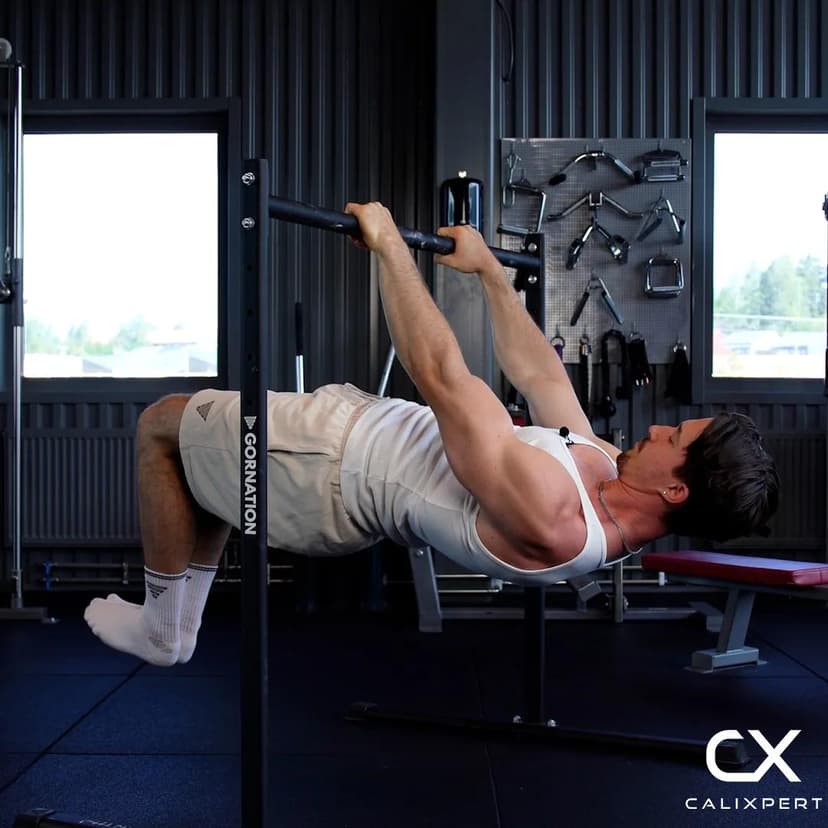
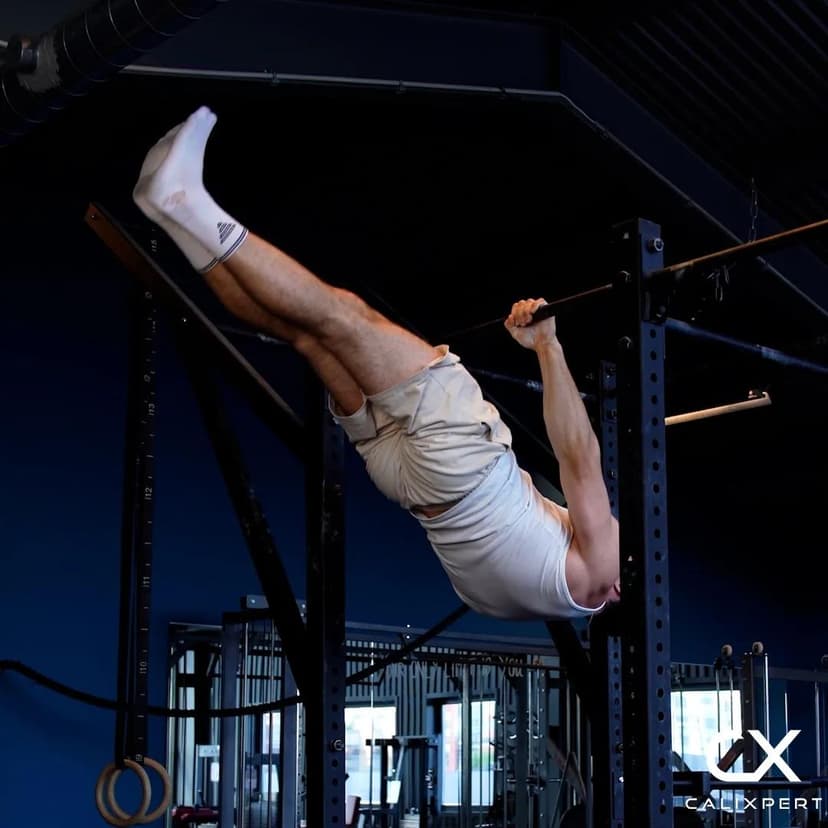
Full Front Lever Raises
The same movement with the legs completely straight, the last rung in the family and the one every other version is building toward.