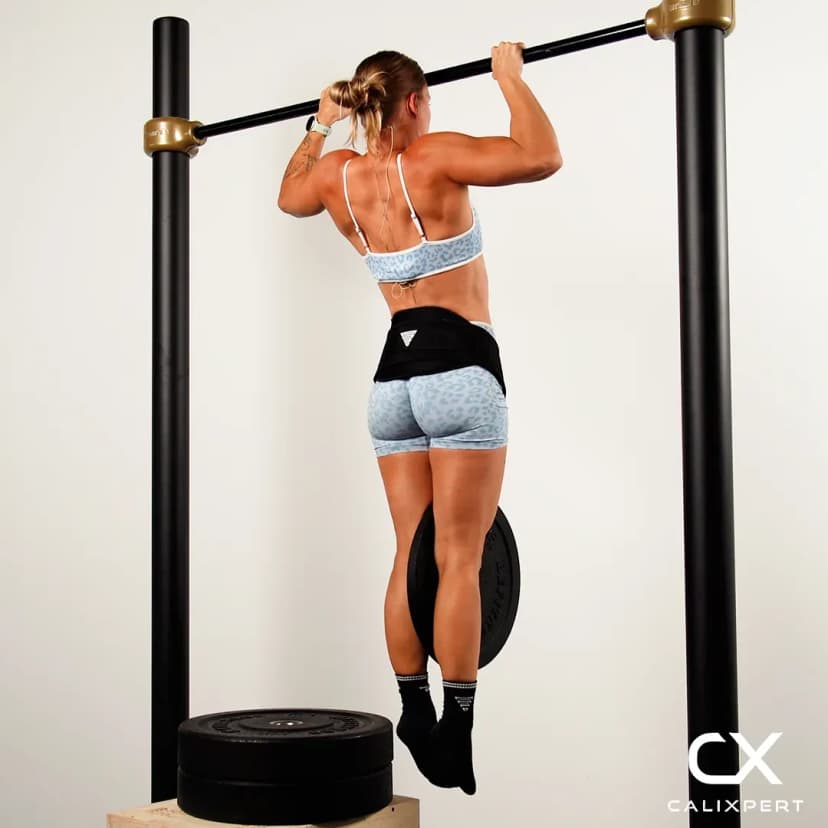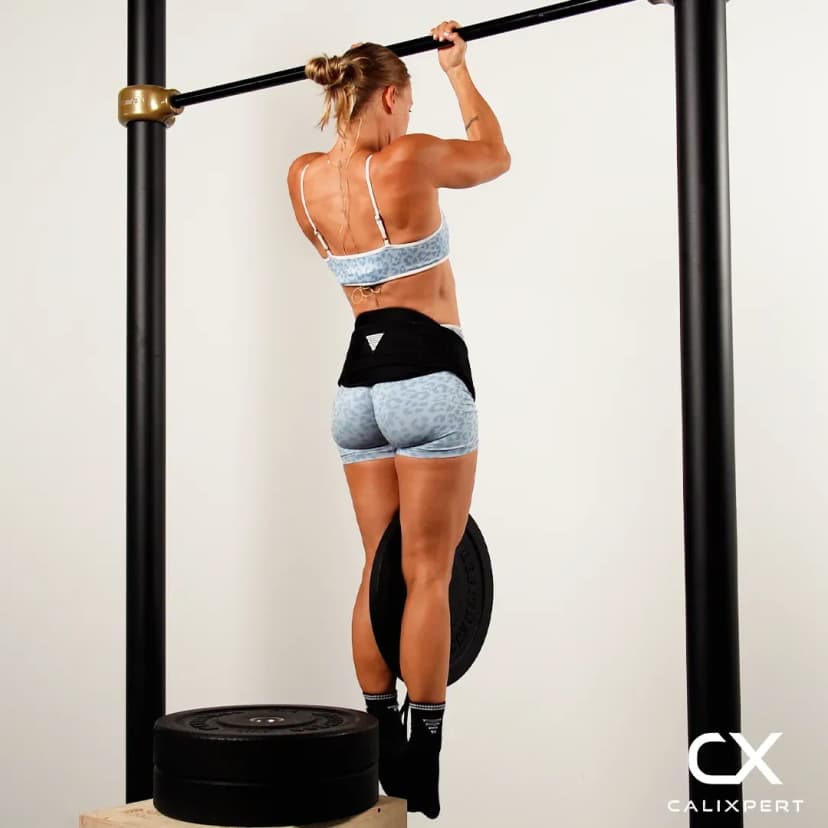
Half Negative Handstand Press
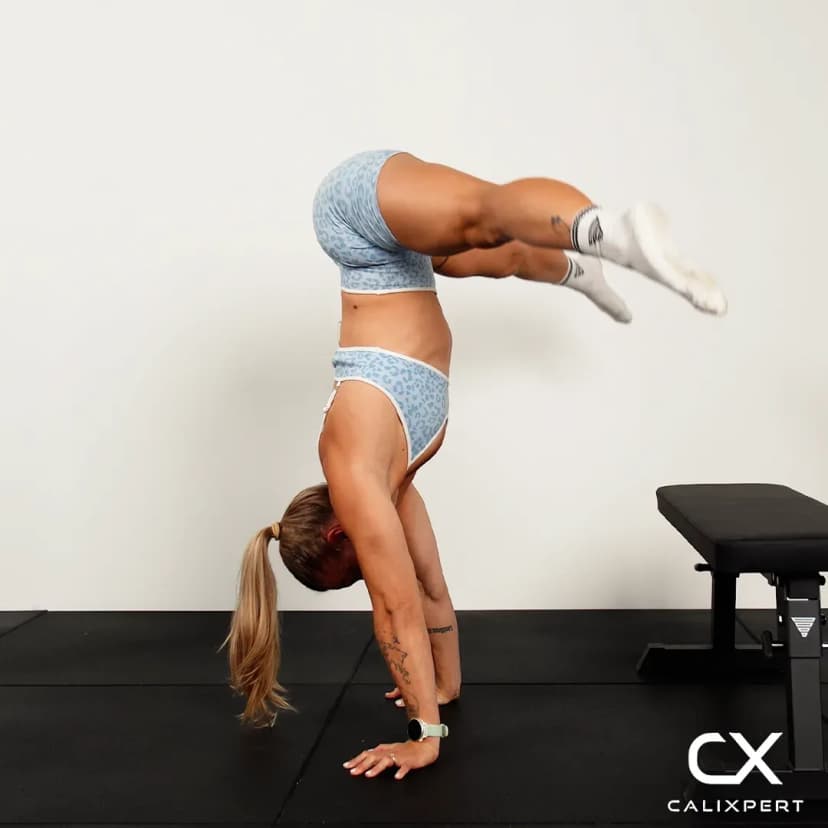
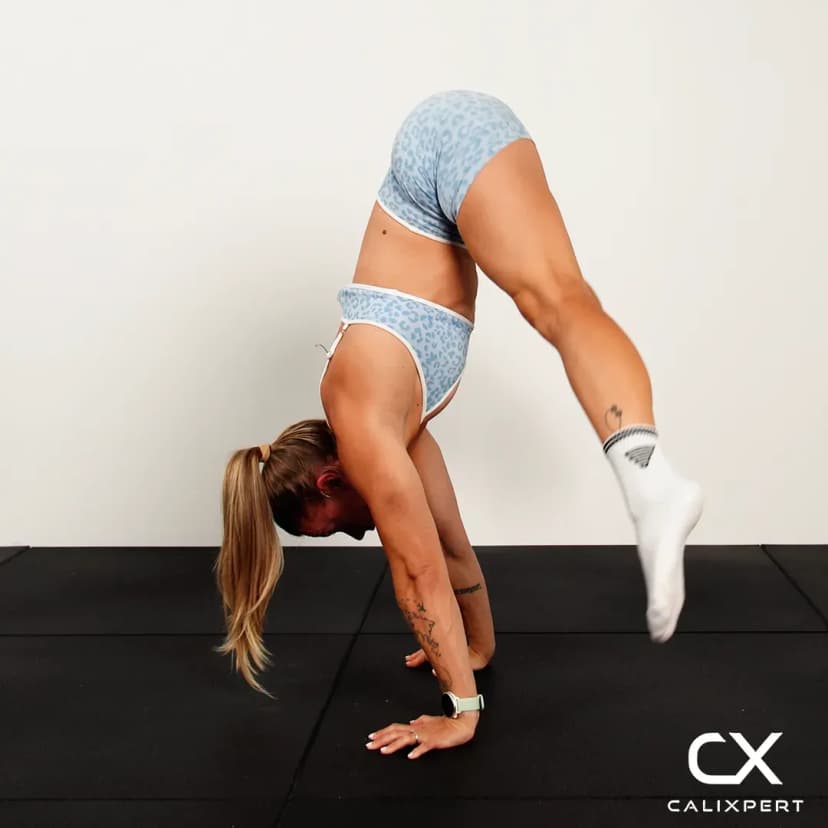
The half negative handstand press is the lowering part of the handstand press, done from a bench instead of a full handstand, and mainly works the shoulders and core. You start in roughly an L shape, hips high over your hands, then lift the feet off and lower them slowly to the floor in a straddle. It trains the bottom of the Negative Handstand Press, where the lowering often turns into a drop, while the Half Handstand Press presses up from the same setup.

The half negative handstand press is the lowering part of the handstand press, done from a bench instead of a full handstand, and mainly works the shoulders and core. You start in roughly an L shape, hips high over your hands, then lift the feet off and lower them slowly to the floor in a straddle. It trains the bottom of the Negative Handstand Press, where the lowering often turns into a drop, while the Half Handstand Press presses up from the same setup.
How to Do Half Negative Handstand Press
1. Set Up The Bench
Place a stable flat bench, box or something similar behind you, kneel facing away from it, put your hands flat on the floor and step your feet up one at a time. Keep your hands close enough to the bench to get the hips high, because hands too far away leave you too far from your legs to hold the lean.
Hands down, feet up
2. Lift Into The L Shape
Straighten your arms and lift your hips high into roughly an L shape, hips over hands and legs reaching back to the bench. Go into a straddle, or fully into a pike if the straddle feels too easy. Lock your elbows and push yourself off the ground as much as possible, so your shoulders are strong and you are as tall as you can be.
Arms locked, push tall
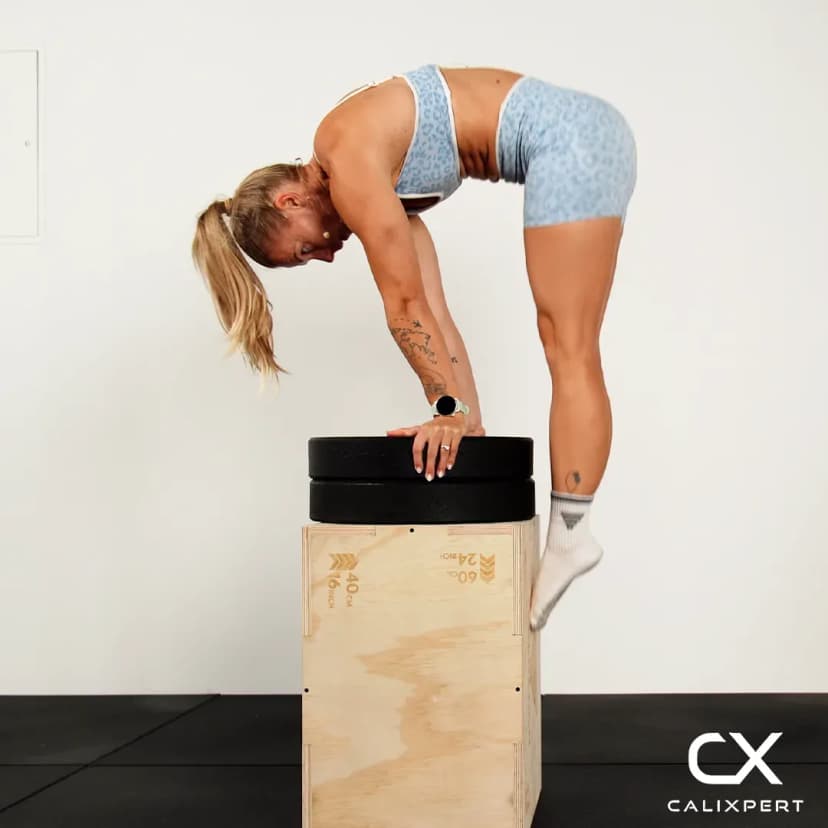
3. Lean And Suck In
Lean into your shoulders so more of your weight moves onto your hands, then apply the suck-in by drawing your belly button toward your spine to switch on the transverse abs. Do not lean too much: really work on core control instead, because that makes your presses stronger and easier to do in different variations.
Lean in, belly button to spine
4. Get The Hips High And Lift Off
Slide your toes on the bench and get your hips up as high as possible, specifically when you are about to lift off the bench. Then lift your feet off the bench, and try to hold it there for a little bit if you can.
Hips high, then lift off
5. Lower Slowly To The Floor
Open the straddle and lower your feet slowly and with control all the way down to the floor. Keep the arms locked and keep leaning into the shoulders so your weight stays over your hands, and hold the same slow speed until your feet touch down.
Same speed all the way down
6. Reset For The Next Rep
Step your feet back up onto the bench and set the L shape, the lean and the suck-in again before the next rep. End the set on the rep where you can no longer slow the last part down.
Reset every rep
It is tempting to push the shoulders further forward until the feet come off. Instead, lean only as much as you need and raise the hips with the suck-in and by sliding the toes, because core control over lean makes your presses stronger and easier in different variations. Then treat the lowering as the working rep, and end the set when the feet crash, because a crash trains a drop, not a negative.
Muscles Worked During Half Negative Handstand Press
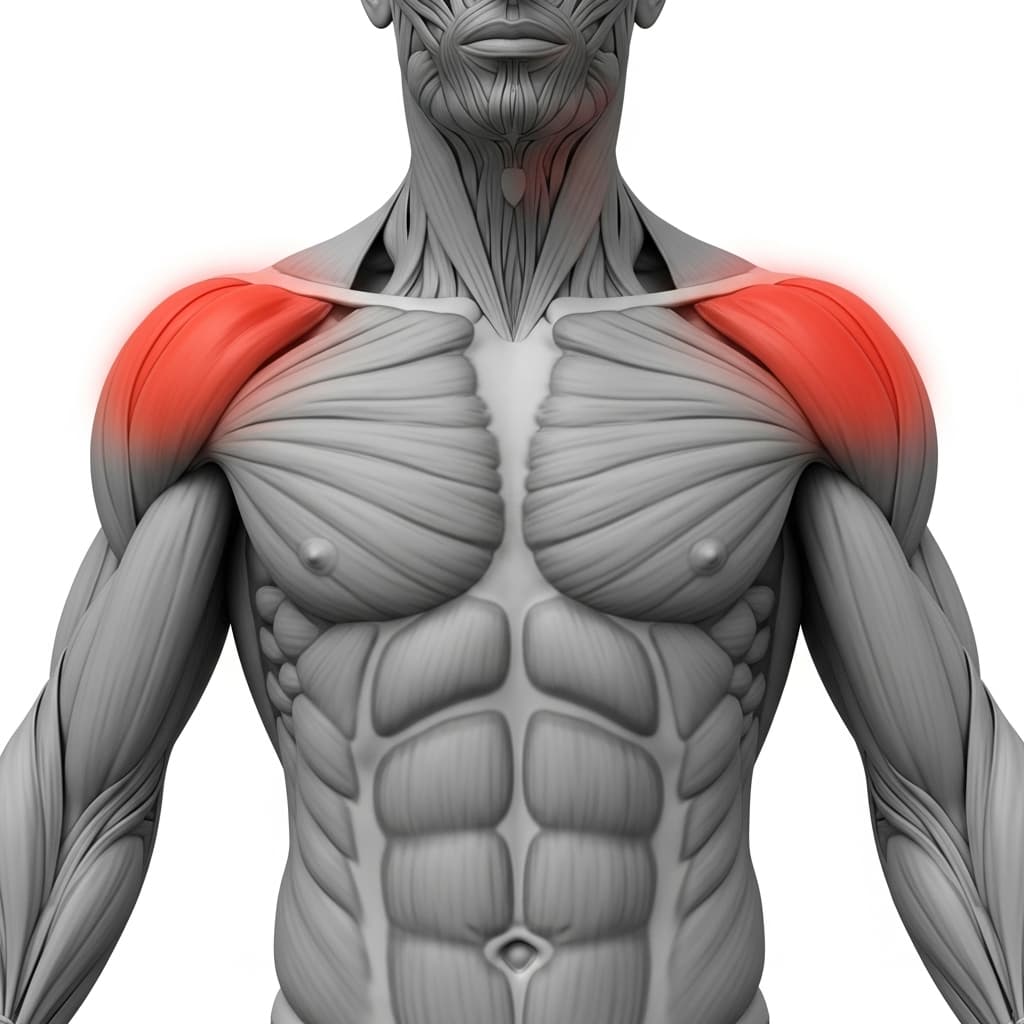
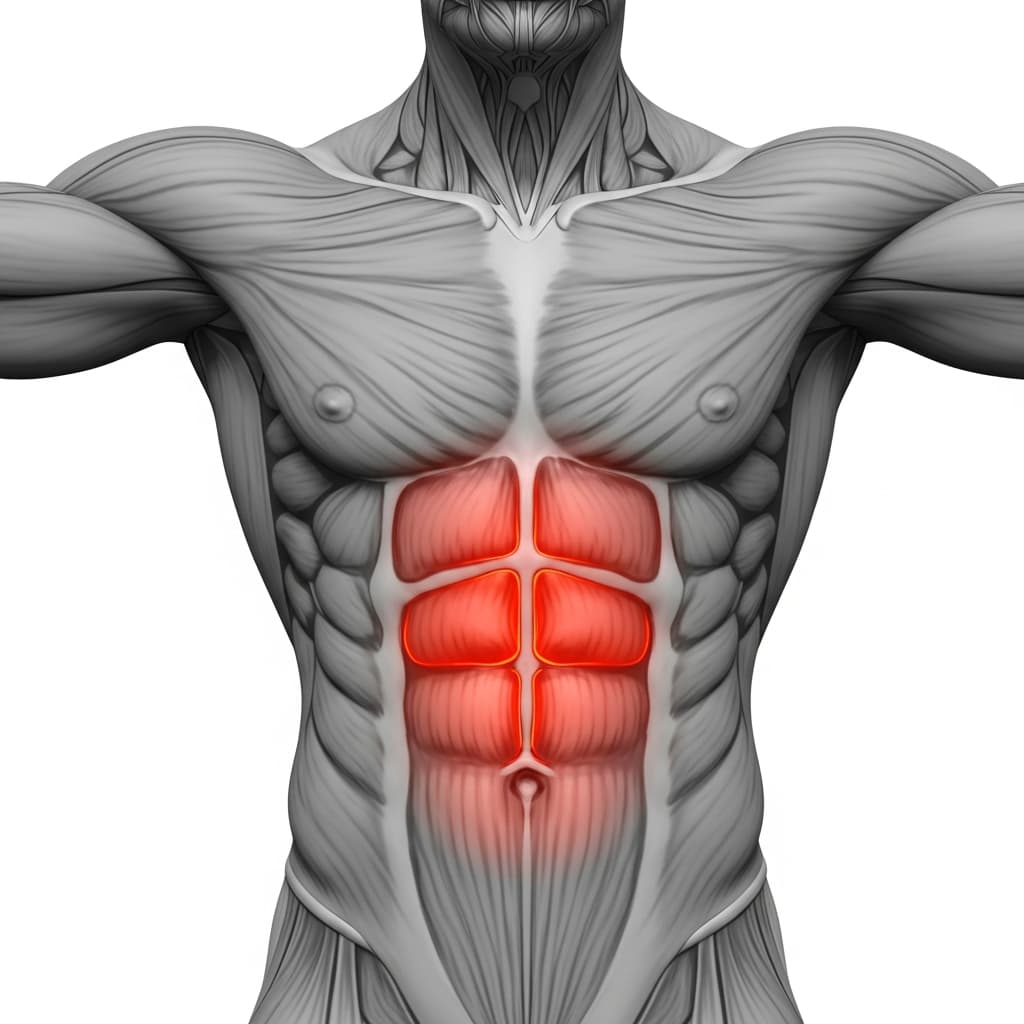
Primary Muscles:
Secondary Muscles:
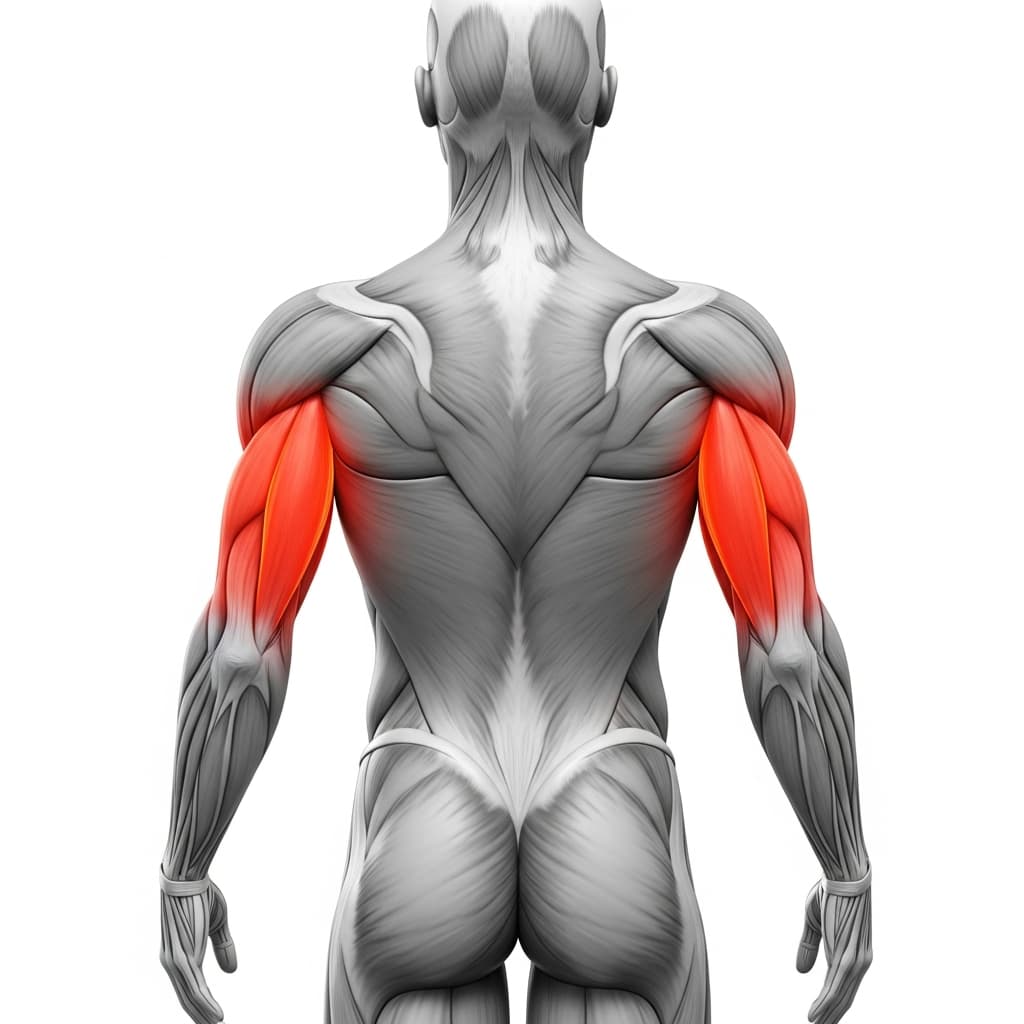
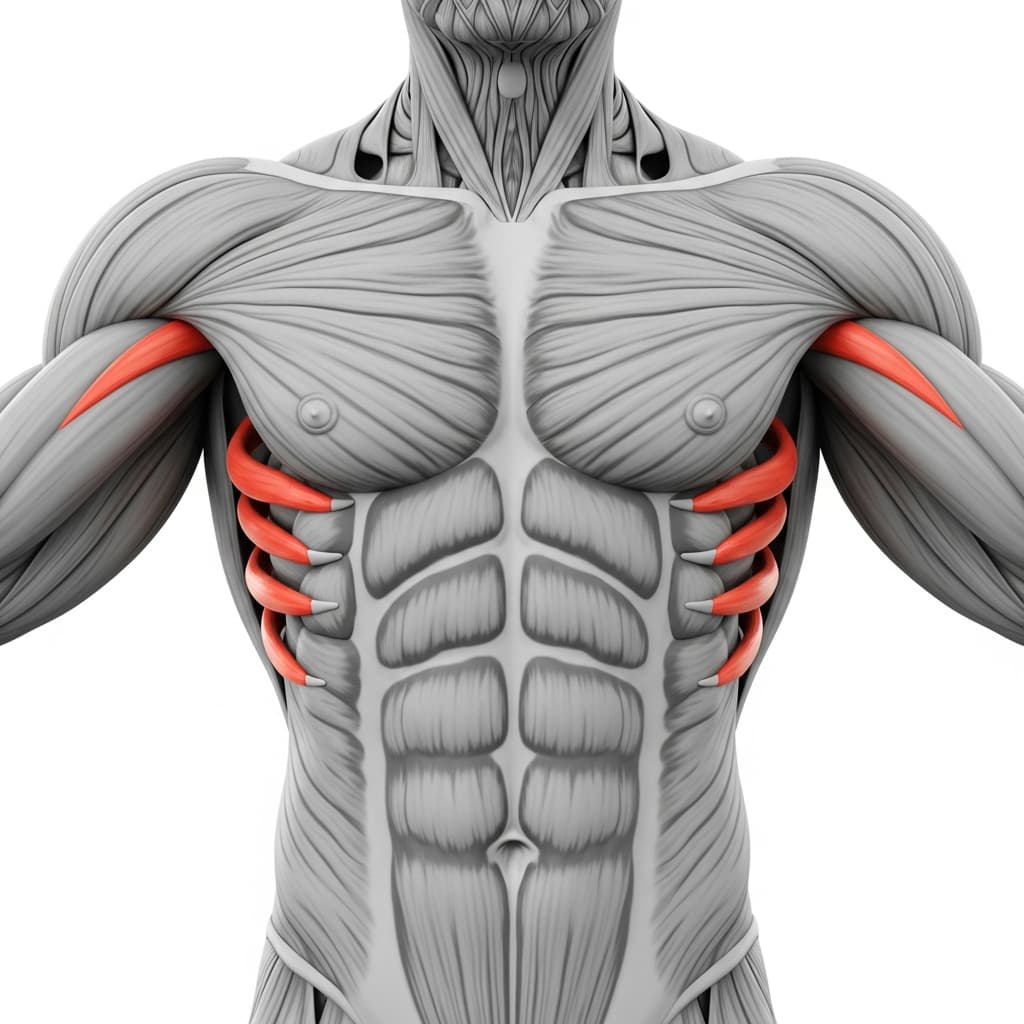
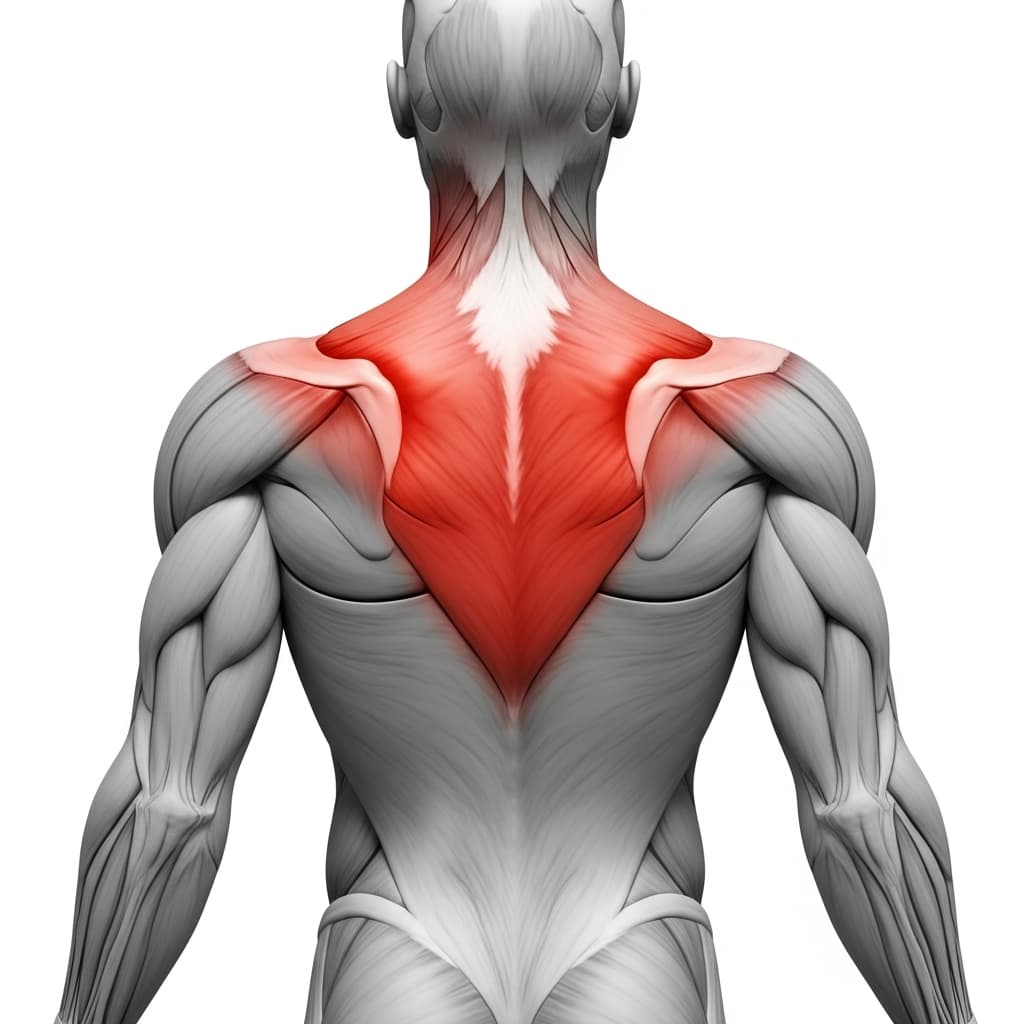
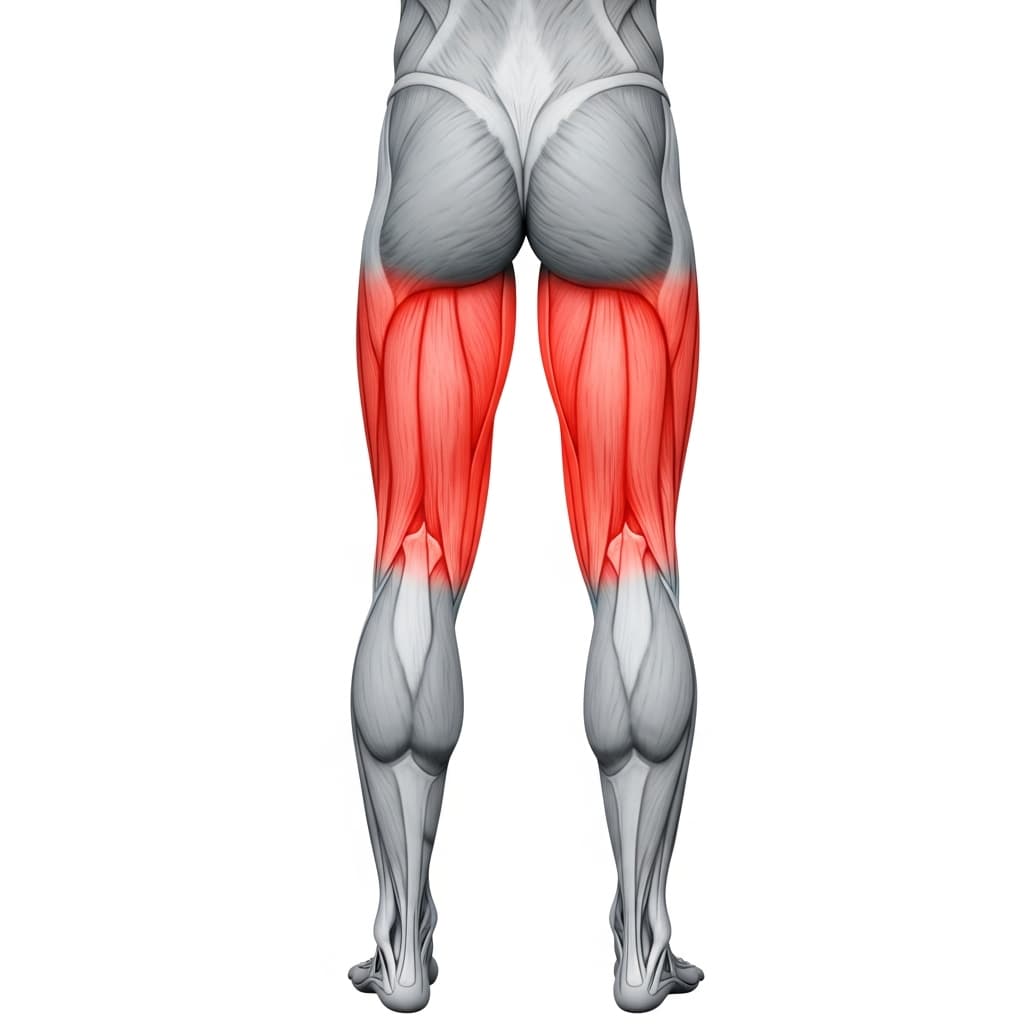
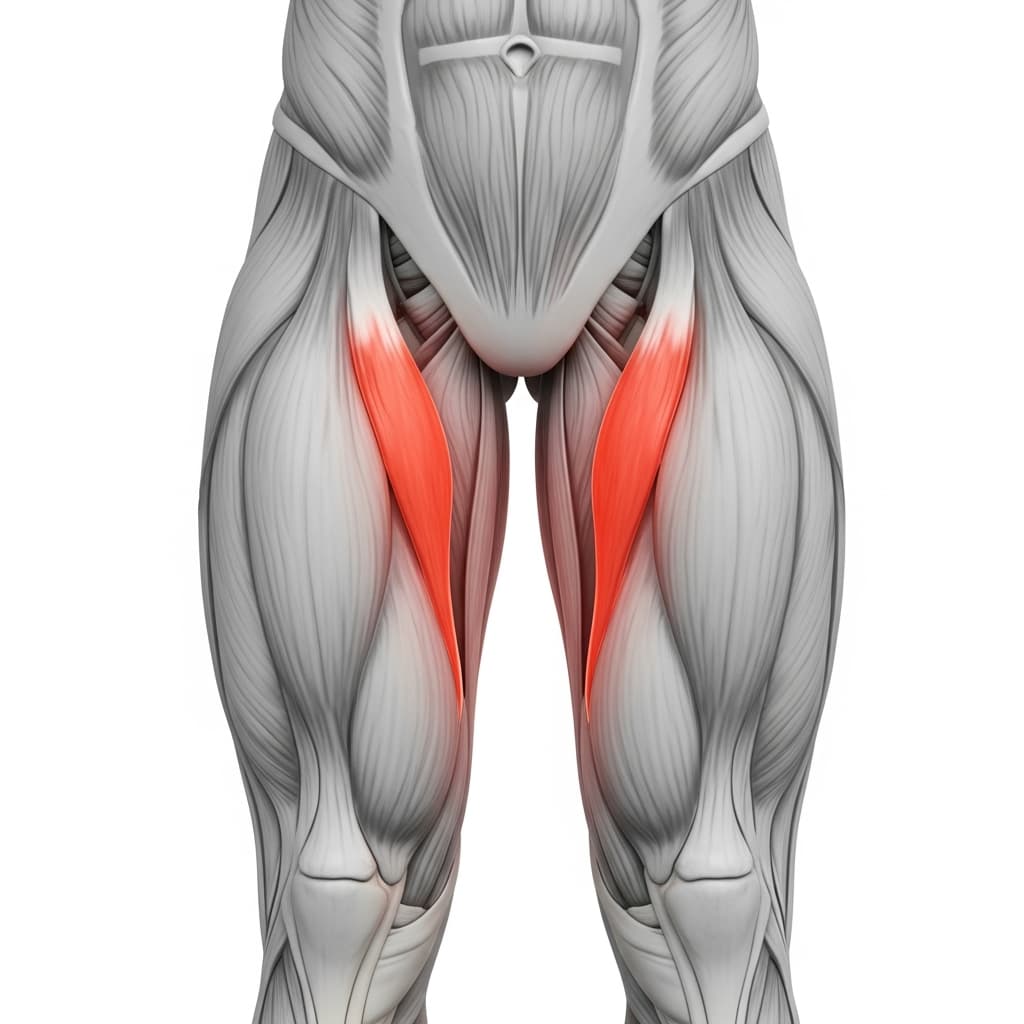
Primary Muscles
Anterior Deltoid (Front Deltoid) - The front deltoids hold the lean that keeps your weight over your hands, from the moment the feet leave the bench until they touch the floor.
Rectus Abdominis (Abs) - The abs, switched on by the suck-in, keep the hips high and the body folded so the legs come down under control instead of swinging.
Secondary Muscles
Triceps Brachii (Triceps) - The triceps keep the elbows locked out for the whole rep, which is what makes this a straight arm press drill.
Serratus Anterior (Serratus Anterior) - The serratus helps you push yourself off the ground and stay tall through the shoulders while you lean over your hands.
Trapezius (Trapezius) - The traps work with the serratus to push the shoulders up toward your ears, so you stay tall and strong instead of sinking into the shoulders.
Hamstring Group (Hamstrings) - The hamstrings are stretched in the deep fold with straight legs, and they help control the legs as they are lowered toward the floor.
Hip Adductors (Adductors) - The inner thighs lengthen in the straddle, and the wider it is, the less leg weight hangs behind you and the easier the drill is to control.
Benefits of Half Negative Handstand Press
- Trains the bottom part of the press negative, where the lowering often turns into a drop, without needing a freestanding handstand first.
- Teaches the lean in the shoulders and the fold at the hips to work together while your weight stays over your hands.
- Builds straight arm shoulder strength, since you hold your full body weight on locked arms while pushing yourself tall off the floor.
- Trains the suck-in core control that lifts the hips higher so you lean less, making your presses stronger and easier in different variations.
- Scales without new equipment: start in a straddle, then go fully in a pike when the straddle feels too easy.
Who Is This Exercise For?
You need to be comfortable upside down on locked arms, with wrists that handle your full weight and shoulders strong enough to lean over your hands. A freestanding handstand is not required, but mobility is key: some hamstring flexibility and a reasonable straddle make it much easier to keep the hips high. If lifting the hips over straight arms is new, build it first with Compression Lift On A Box.
Common Mistakes to Avoid
Letting the last part turn into a drop: Pick a speed you can hold until your feet touch down, and keep leaning into your shoulders, because once your weight falls behind your hands you are out of position. End the set when you can no longer slow the last part down.
Leaning too much into the shoulders: Instead of solving every lift off by leaning further over your hands, really work on core control. Lean only as much as you need, then use the suck-in to get the hips higher, which makes your presses stronger and easier in different variations.
Low hips when the feet leave the bench: The lower the hips, the further you have to lean to get the feet off the bench. Slide your toes on the bench and get the hips as high as possible, specifically when you are about to lift off.
Bending the elbows: Keep your arms locked out for the whole rep and push yourself off the ground as much as possible. A straight arm press has to be trained with straight arms, and bending the elbows turns it into a different skill.
Hands too far from the bench: Hands placed far from the bench leave you too far from your legs, and you cannot hold the lean. Bring them in until you can get the hips high over your hands while your feet are still on the bench.
Variations & Progressions
Pike Half Negative Handstand Press
The same drill with the legs together, fully in a pike, for when the straddle feels too easy. The legs make a longer lever, so you need more compression and more lean to control the way down.