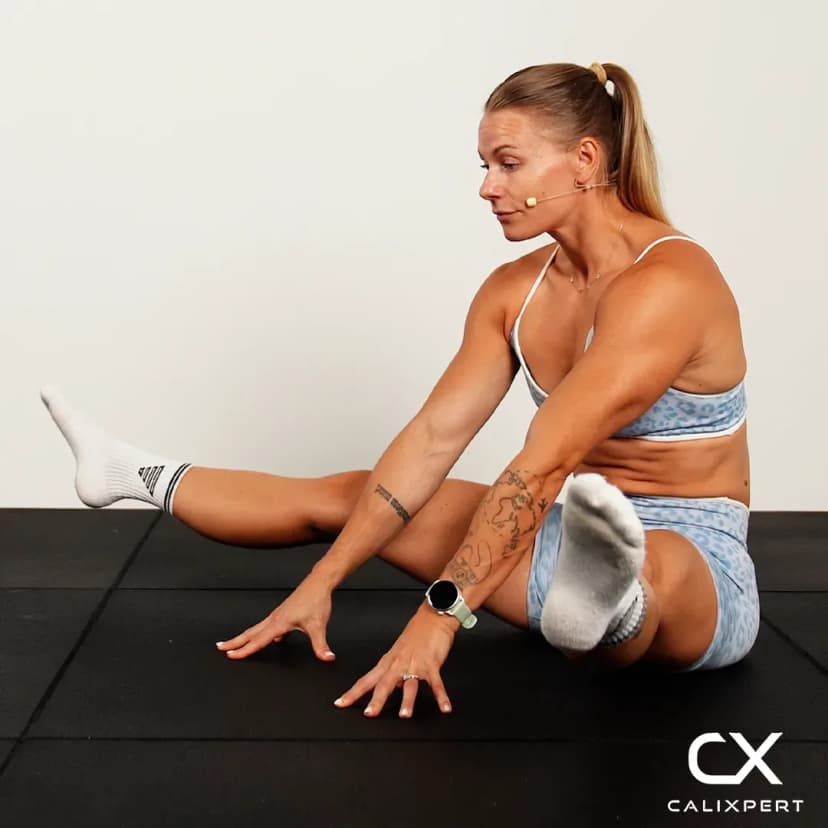
Compression Lift On A Box
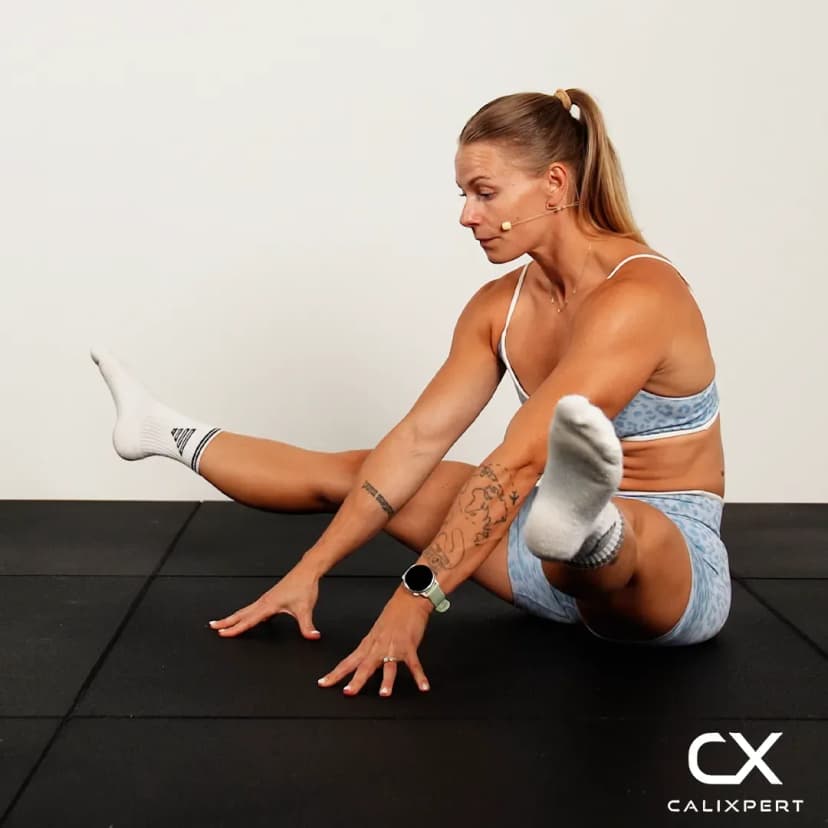
The compression lift on a box is a standing abs and hip flexor drill for the hip lift of the handstand press. From a support hold on a box tall enough to stand straight with locked arms, you suck in the core and lift the hips as high as possible, toes sliding up the box. It lets you practice the lift before you can do it from a low support hold, as in Support Hold Raises, or the floor, as in Handstand Press Lift Holds.

The compression lift on a box is a standing abs and hip flexor drill for the hip lift of the handstand press. From a support hold on a box tall enough to stand straight with locked arms, you suck in the core and lift the hips as high as possible, toes sliding up the box. It lets you practice the lift before you can do it from a low support hold, as in Support Hold Raises, or the floor, as in Handstand Press Lift Holds.
How to Do Compression Lift On A Box
1. Set The Box Height
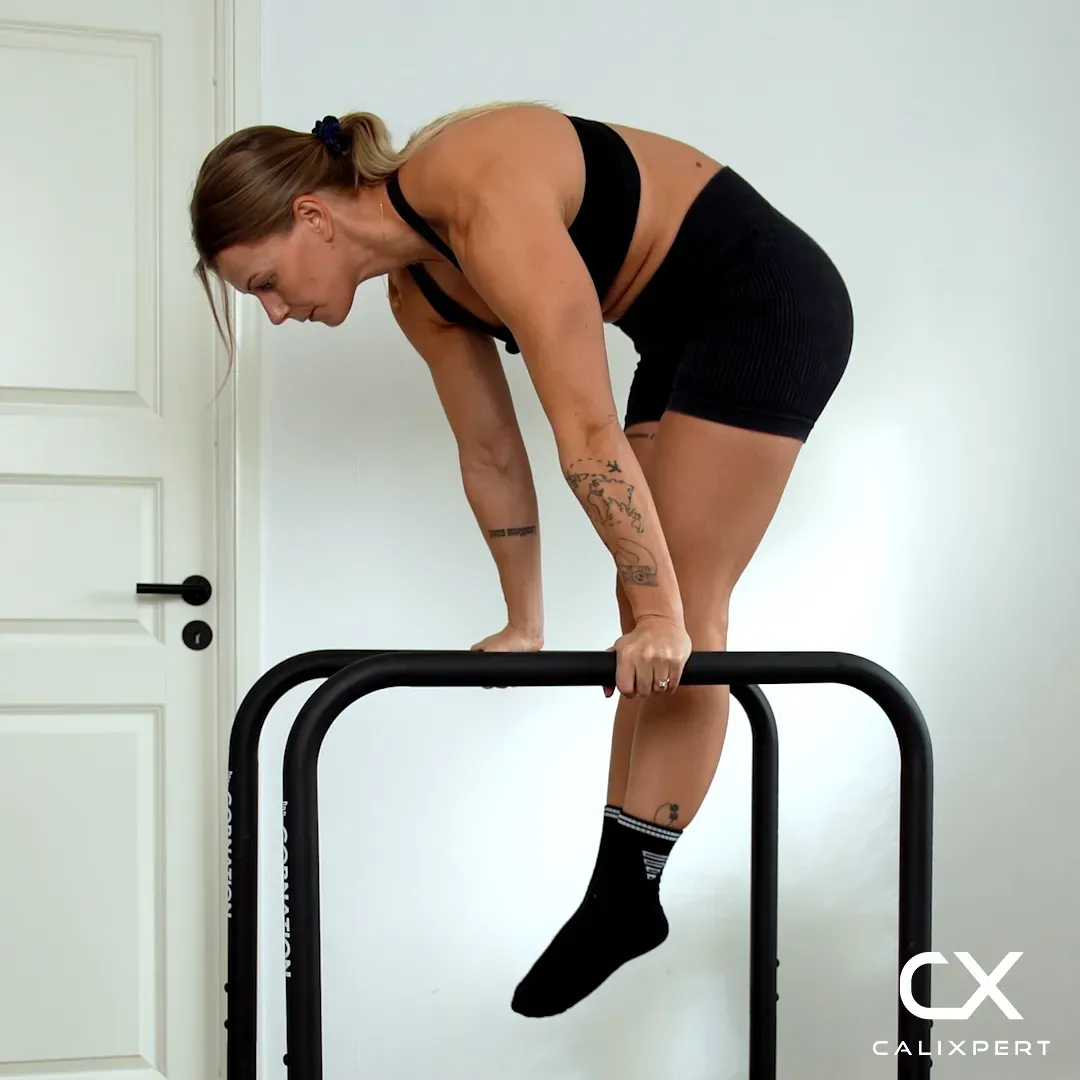
Use a box high enough for you to stand straight up with your arms fully locked and your hands on top. If it is too low, you start already folded, partly in the compression lift before the rep has begun, so stack weight plates on it until the height is right.
Stand tall, arms locked.
2. Place Your Hands With The Fingers Turned Out
Stand close behind the box with your toes up to it and put both hands on top. Rotate the hands so the fingers point outwards a little bit, which is easier on the wrists, because this drill puts a lot of pressure on them. If the edge lets you grip it, grip it.
Fingers slightly out.
3. Lean Into A Support Hold
Lean into your arms until you are in a support hold, with the arms straight and the shoulders pushed down. Your core is not relaxed, but there is no hip lift yet. This is the start position of every rep.
Lean in, no hip lift yet.
4. Suck In The Core
From the support hold, pull your belly button toward your spine. This suck-in switches on the transverse abs and creates the core compression that lifts the hips, so apply it before the hips move.
Belly button to spine.
5. Lift The Hips As High As Possible
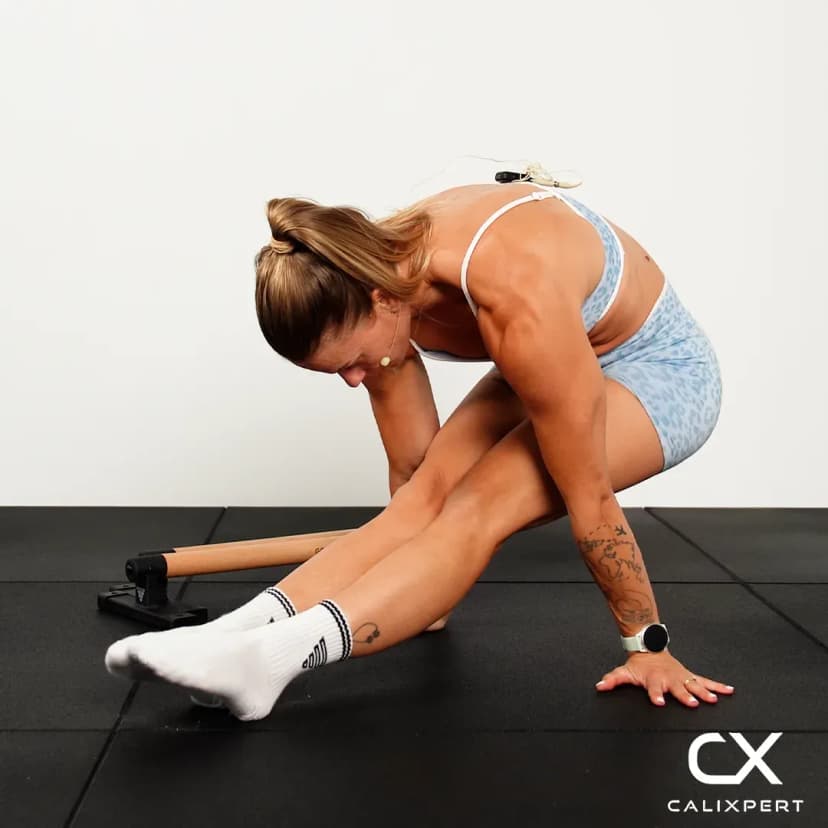
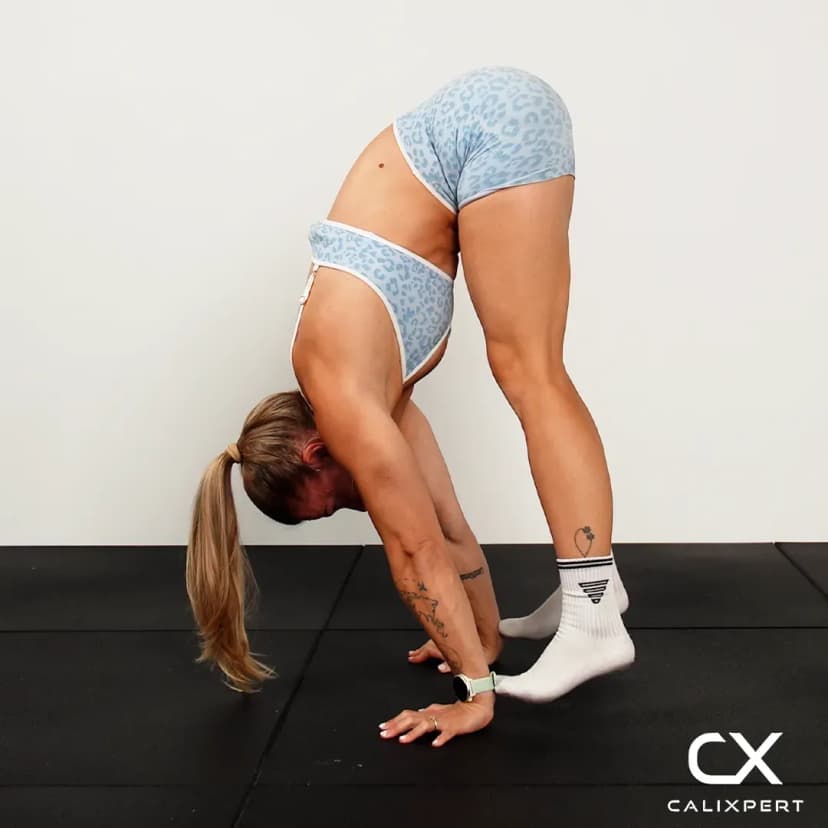
Keep the suck-in and lift your hips as high as possible while you stay straight in the arms with the shoulders pushed down. Let your toes slide up the box as the hips rise. The legs stay straight, and the upper back can round as you reach the top.
Hips up, arms straight, shoulders down.
6. Slide Back Down And Repeat
Bring the hips back down with the toes sliding down the box until you are back in the start position with no hip lift, then go again. Every rep is the toes sliding up and down on the box.
Toes slide up, toes slide down.
Get the box height right before anything else: you should start standing straight with the arms locked and no hip lift, so stack plates on a low box. Then set the suck-in and let the core compression do the lifting, arms straight and shoulders pushed down the whole time. Let the toes slide up the box instead of pushing off with the legs.
Muscles Worked During Compression Lift On A Box
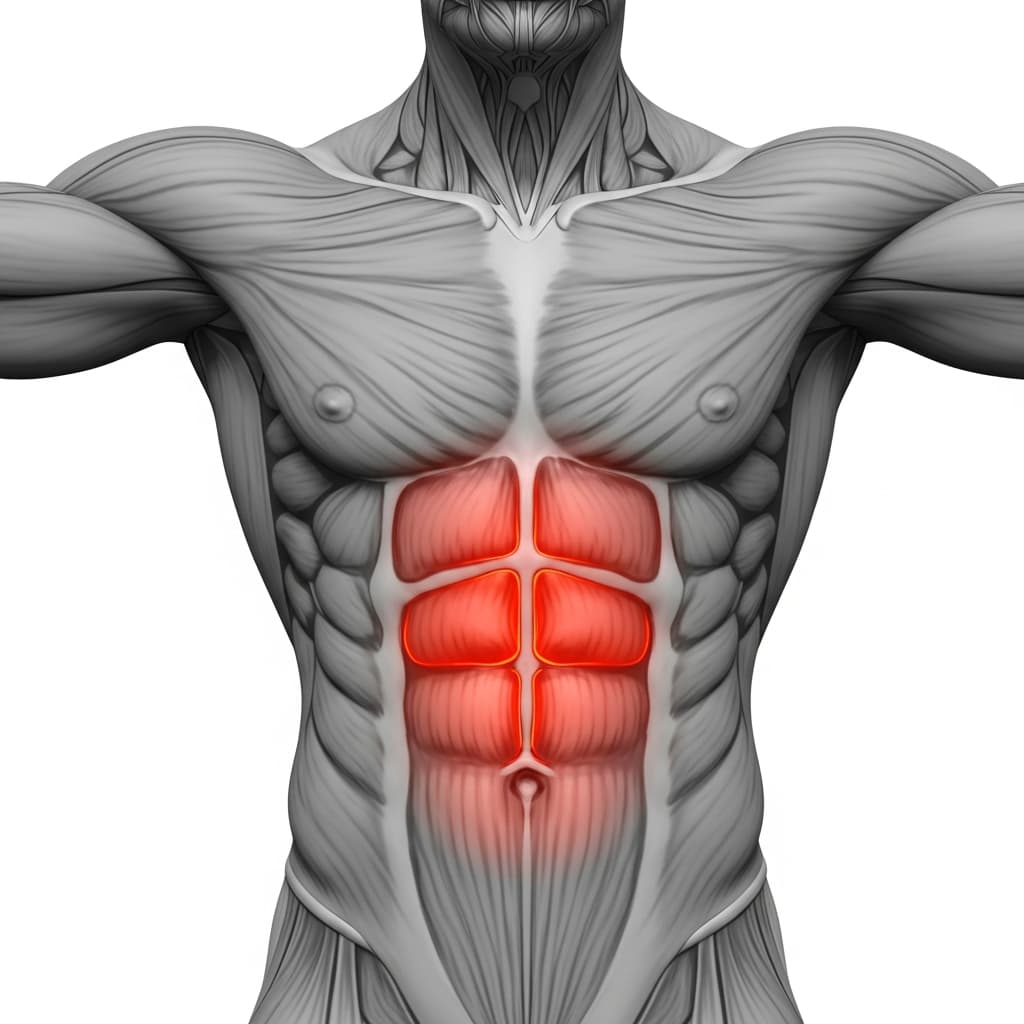
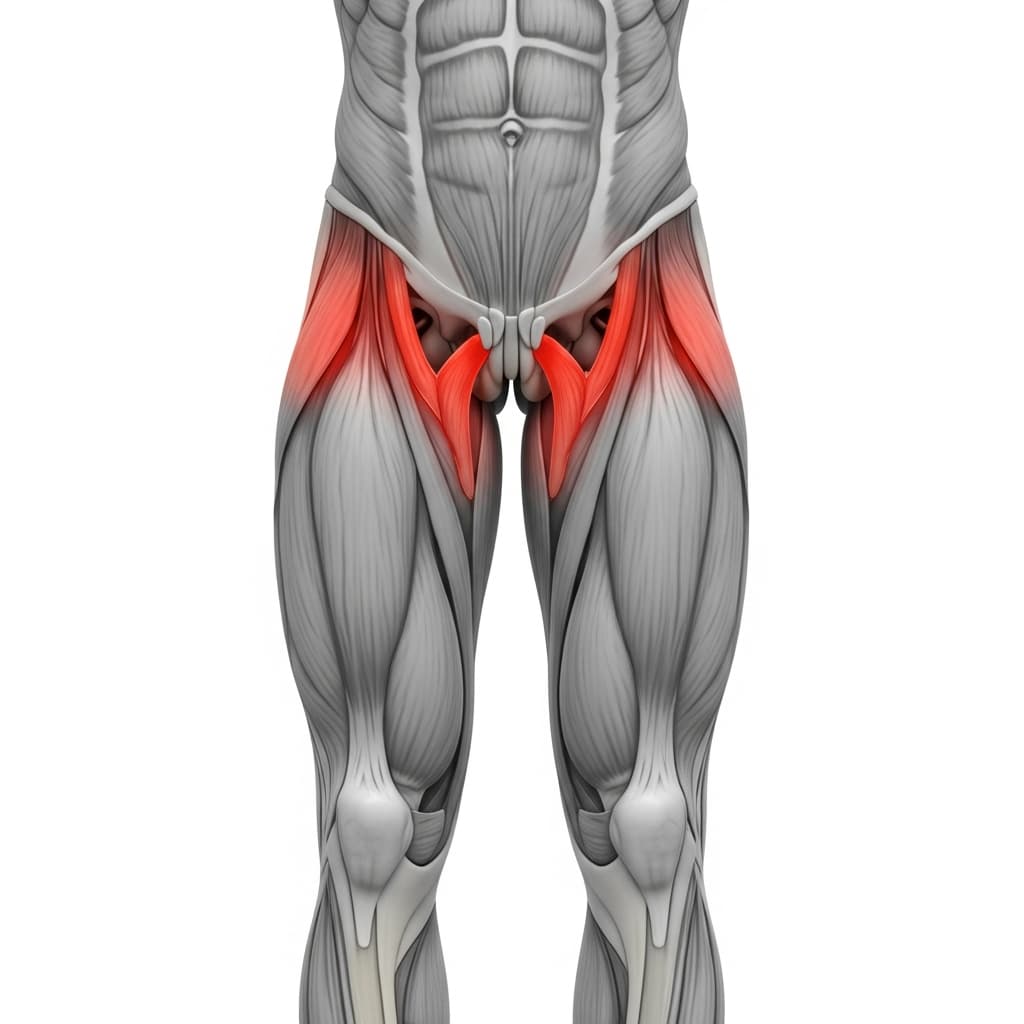
Primary Muscles:
Secondary Muscles:
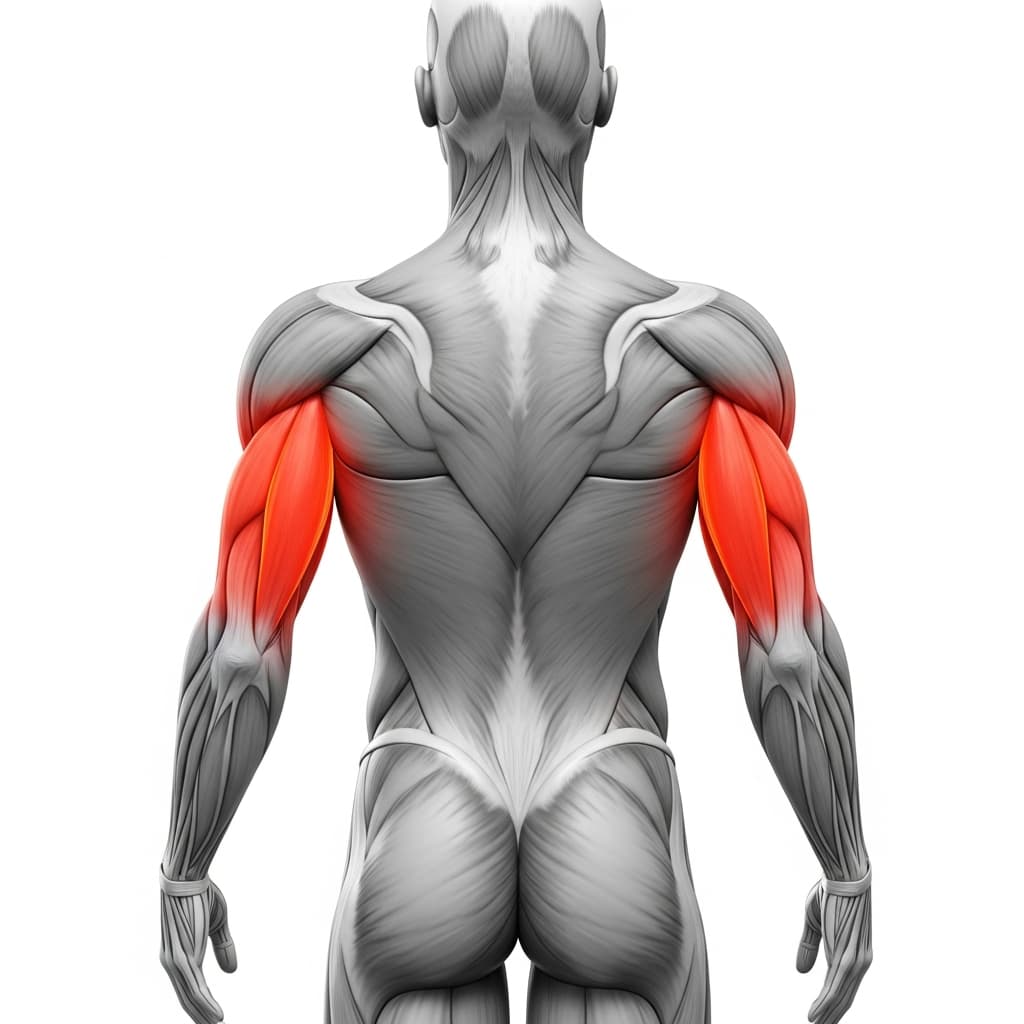
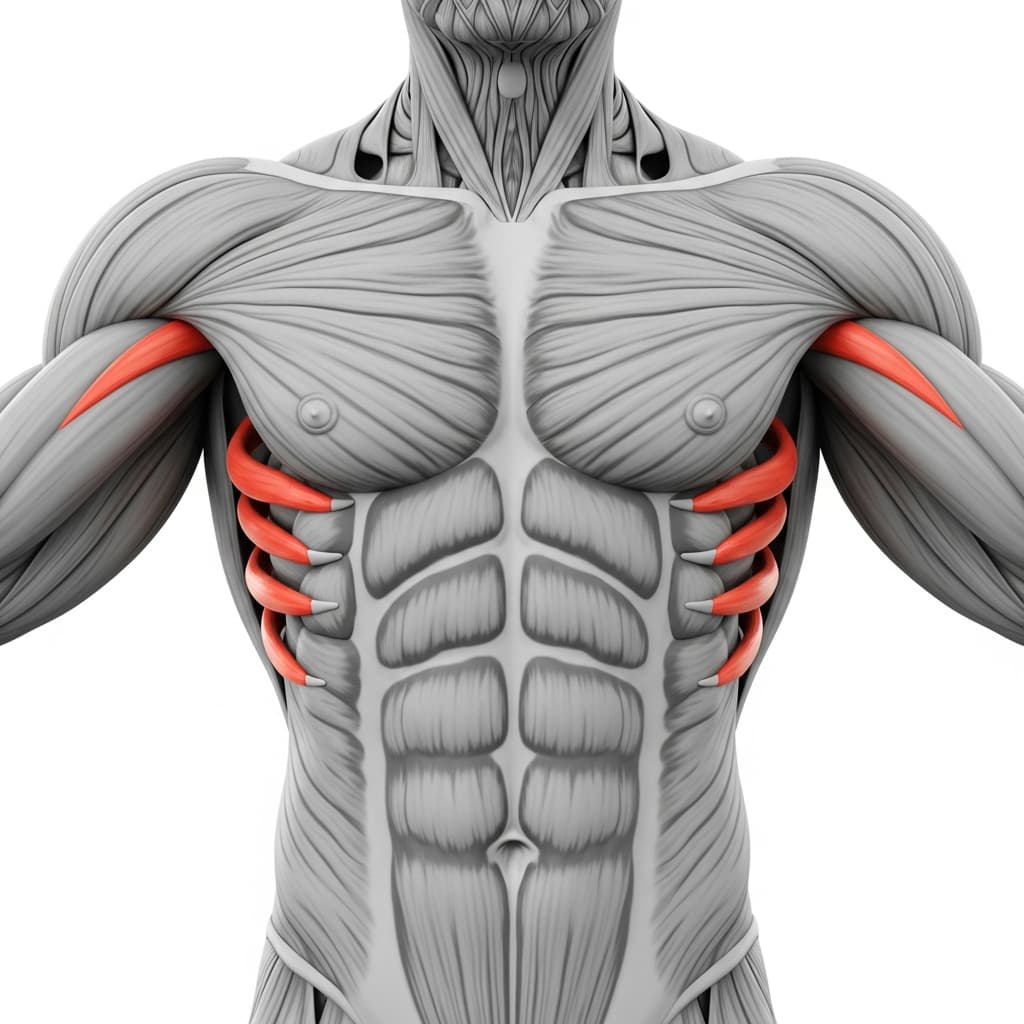
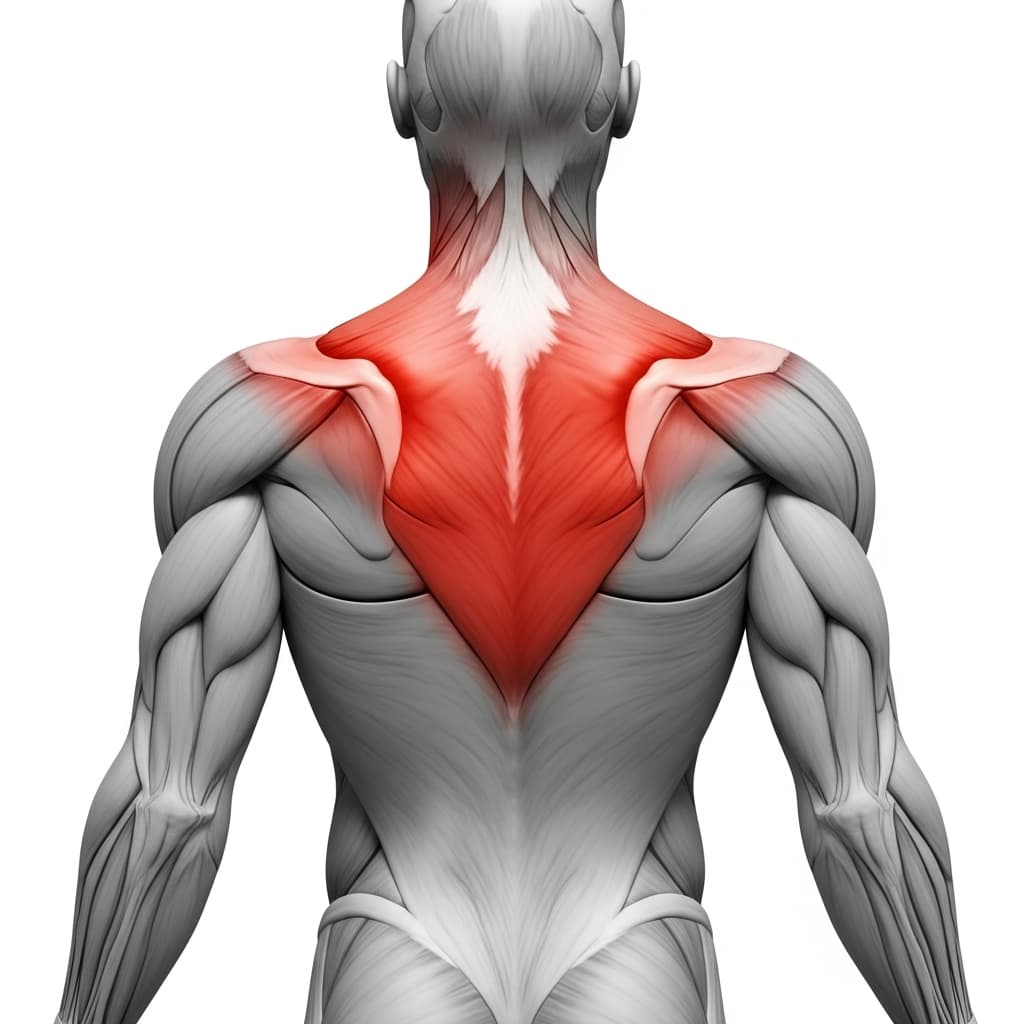
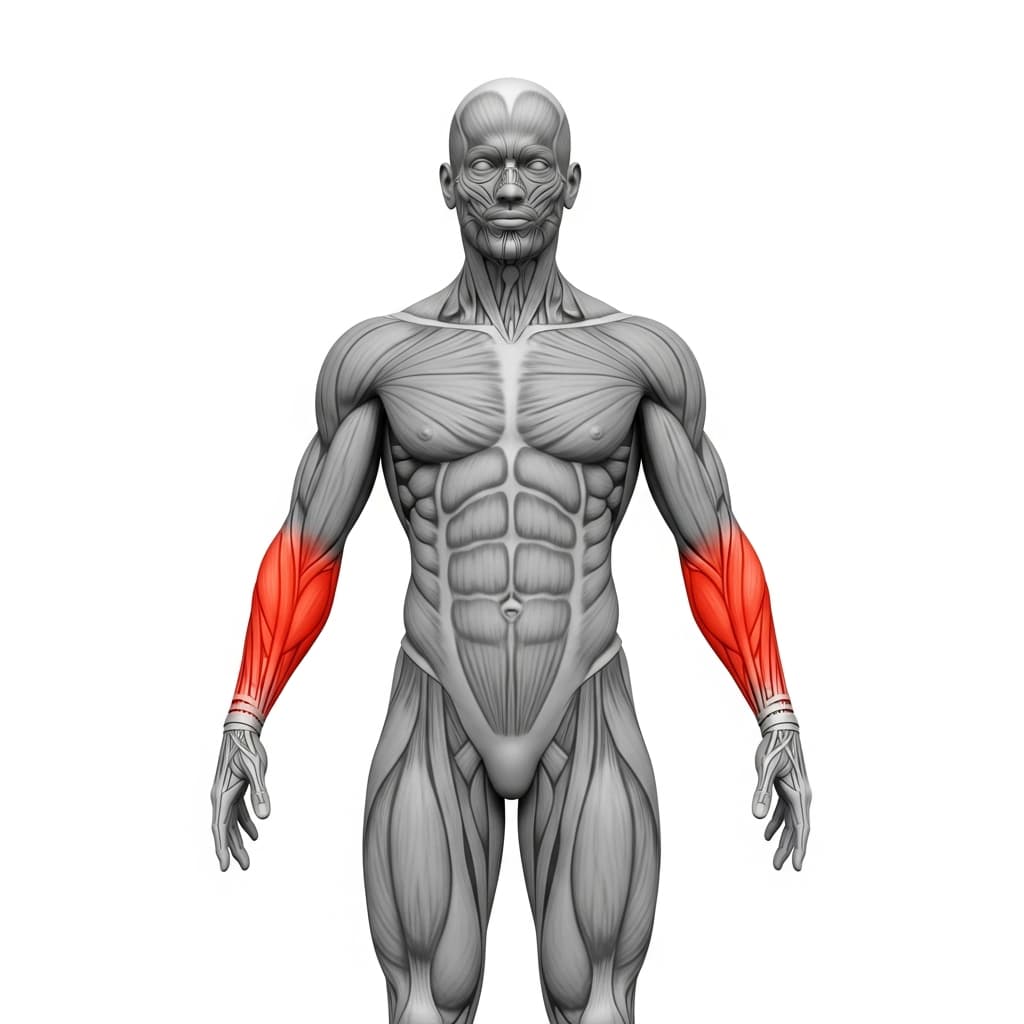
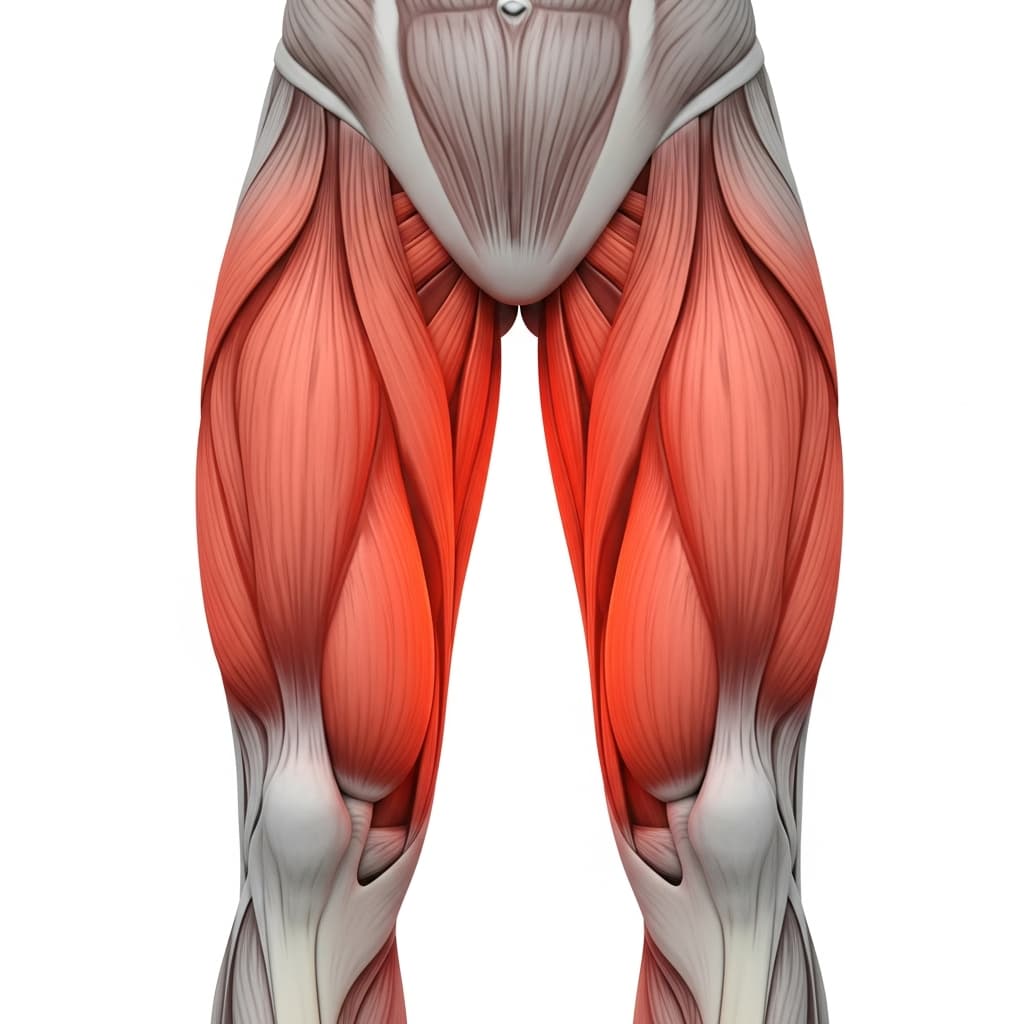
Primary Muscles
Rectus Abdominis (Abs) - The abs, especially the deep transverse abs, do the main work, drawing the belly button in to create the core compression that lifts the hips.
Iliopsoas (Hip Flexors) - The hip flexors close the angle between your torso and your legs as the hips rise, working with the abs to fold you into compression.
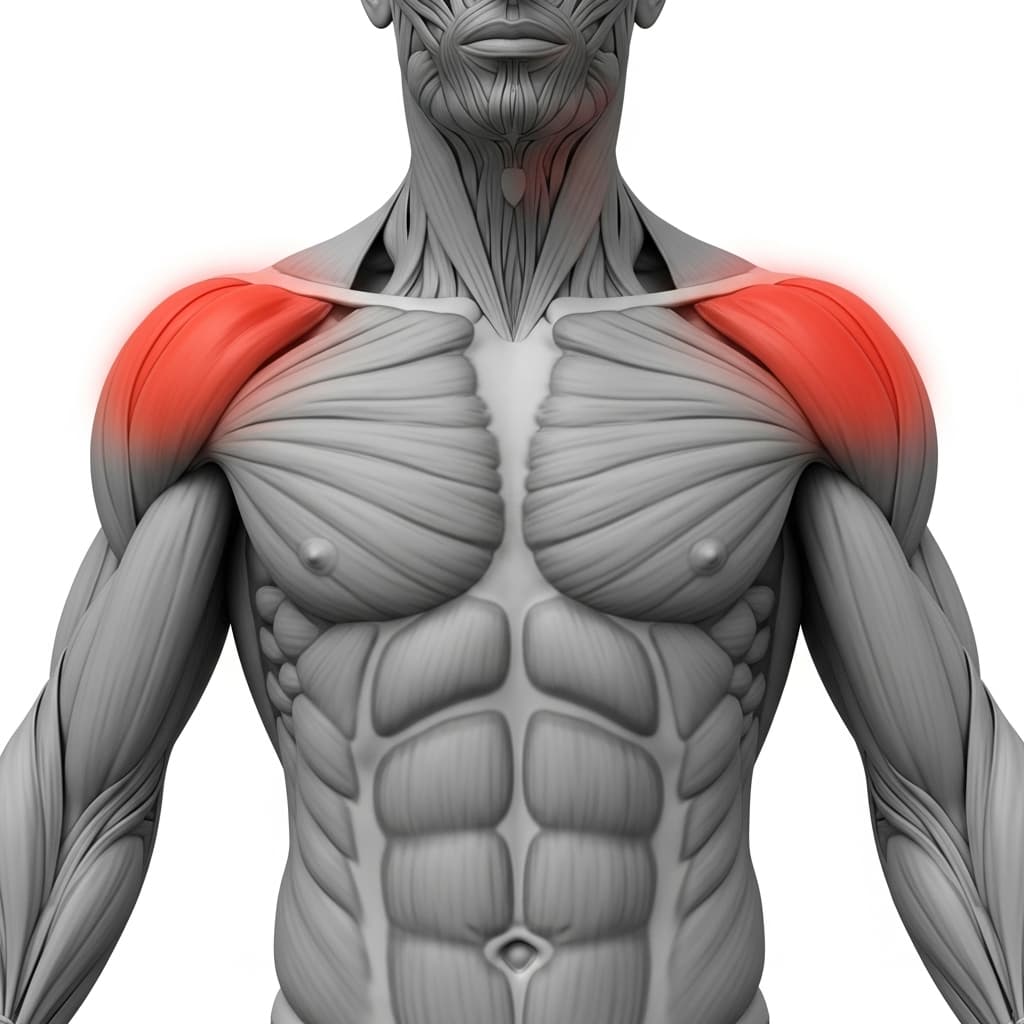
Secondary Muscles
Anterior Deltoid (Front Deltoid) - The front deltoids hold the arm angle as your shoulders travel forward over your hands and the hips rise above them.
Triceps Brachii (Triceps) - The triceps keep the arms locked straight from the lean into the support hold to the top of the lift.
Serratus Anterior (Serratus Anterior) - The serratus anterior holds the shoulder blades against the ribcage so the support position stays solid while your weight shifts onto the hands.
Trapezius (Trapezius) - The lower trapezius keeps the shoulders pushed down, away from the ears, while the hips go up.
Forearm Flexors & Extensors (Forearms) - The forearms take the pressure through the wrists and grip the edge of the box or plate when you have one to hold.
Quadriceps (Quads) - The quads keep the knees straight so the legs stay long while the toes slide up and down the box.
Benefits of Compression Lift On A Box
- Lets you practice the hip lift of the handstand press with the hands high on a box, before you can lift from the floor.
- Trains the suck-in of the transverse abs to lift the hips, the same core compression the floor press drills are built on.
- Builds straight-arm support with the shoulders pushed down, the position the hips have to rise over in a press.
- Needs no handstand balance, because your toes keep contact with the box, so all of your attention goes to the lift.
- Works with simple equipment, a sturdy box with weight plates stacked on top if it is too low.
Who Is This Exercise For?
You need to be comfortable taking your weight on straight arms with the shoulders pushed down, as in a support hold, and your wrists need to handle a fair amount of pressure. You also need a stable box high enough to stand straight with locked arms, stacking weight plates on it if it is too low. Some hamstring flexibility helps, because the legs stay straight while the hips rise.
Common Mistakes to Avoid
Using a box that is too low: If you cannot stand straight with your arms locked, you start folded and partly in the compression lift. Raise the surface, with weight plates on top if you need them, until the start position has no hip lift.
Bending the arms to get the hips higher: Stay straight in the arms for the whole rep. The hips only go as high as your compression takes them with locked arms, so lift a little less high rather than letting the arms bend.
Letting the shoulders creep up toward the ears: Keep the shoulders pushed down as you lean in and while the hips rise. If they start creeping up, bring the hips down, reset the support hold and go again.
Pointing the fingers straight forward: This drill puts a lot of pressure on the wrists, so rotate the hands until the fingers point outwards a little bit. Grip the edge too if your box or plate allows it.
Hopping the hips up with the legs: Set the suck-in first and let the core lift the hips while the toes simply slide up the box. Pushing off the floor turns the rep into a jump and takes the work away from the abs and hip flexors.