Incline Front Raises
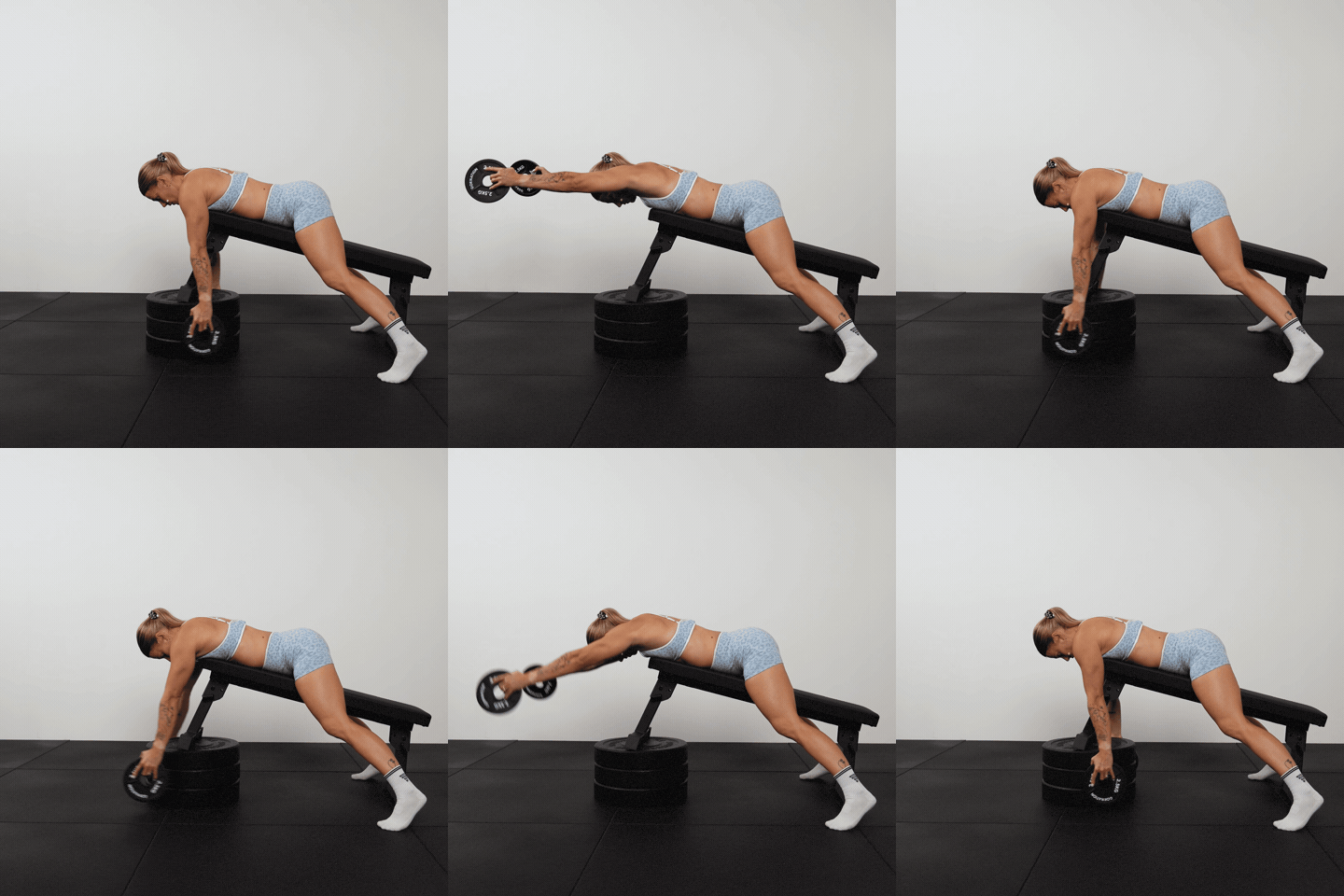
Incline front raises are a shoulder exercise where you lie chest down on an incline bench and lift a pair of weights in front of you with straight arms. The key is lifting without elevating your shoulders, with your chest relaxed against the bench and your head in a neutral position. Since the bench supports your body and takes away momentum, the front deltoids have to do the lifting, which builds shoulder strength for straight arm positions.
Incline front raises are a shoulder exercise where you lie chest down on an incline bench and lift a pair of weights in front of you with straight arms. The key is lifting without elevating your shoulders, with your chest relaxed against the bench and your head in a neutral position. Since the bench supports your body and takes away momentum, the front deltoids have to do the lifting, which builds shoulder strength for straight arm positions.
How to Do Incline Front Raises
1. Set Up The Bench And Weights
You need an incline bench and a pair of weights. Dumbbells are preferable, but it also works with weight plates. Place the weights on the floor in front of the bench, so you can reach them once you are lying down.
Incline bench, preferably dumbbells
2. Place Your Chest Outside The Bench
Lie down with a foot on each side of the bench and place your chest as far outside of the bench as possible, so that you are able to move your shoulders. How far depends on how wide your bench is, and a wide bench means you need to be further out.
Chest outside, shoulders free to move
3. Relax With Straight Arms
Relax your chest against the bench and let your arms hang straight down. Hold the weights in a neutral grip, with your thumbs pointing inwards towards each other. This is the position you start every rep from.
Chest relaxed, thumbs pointing inwards
4. Lift Your Arms Up
Lift your arms up in front of you, until they are about in line with your body, and keep them straight the whole way. Stay relaxed against the bench and let your shoulders do the work, with no swing from the rest of your body.
Straight arms all the way up
5. Keep Your Shoulders Down
Lift your arms without elevating your shoulders. Try to keep your shoulders down and away from your ears for the whole rep. If they start to shrug as your arms rise, the weight is too heavy or you have reached the top of your range.
Shoulders down, away from your ears
6. Lower With A Neutral Head
Keep a neutral position of the head throughout, looking down and not up at the weights. Lower your arms under control until they hang straight down again, then start the next rep from the same relaxed position.
Neutral head, lower under control
Are you over 30 and struggling with pull-ups, handstands or muscle-ups?
We have helped thousands of people master these skills, and we will help thousands more. If you want a systematic and supportive approach to your calisthenics goals, Calixpert is the platform for you.
Start 7-day free trialMost people go too heavy on this one and end up shrugging the weights up with their neck. Pick a weight you can lift with straight arms and your shoulders down, even if it feels almost too light. A smaller lift done right does far more for your shoulders than a big swing.
Muscles Worked During Incline Front Raises
Primary Muscles:

Secondary Muscles:
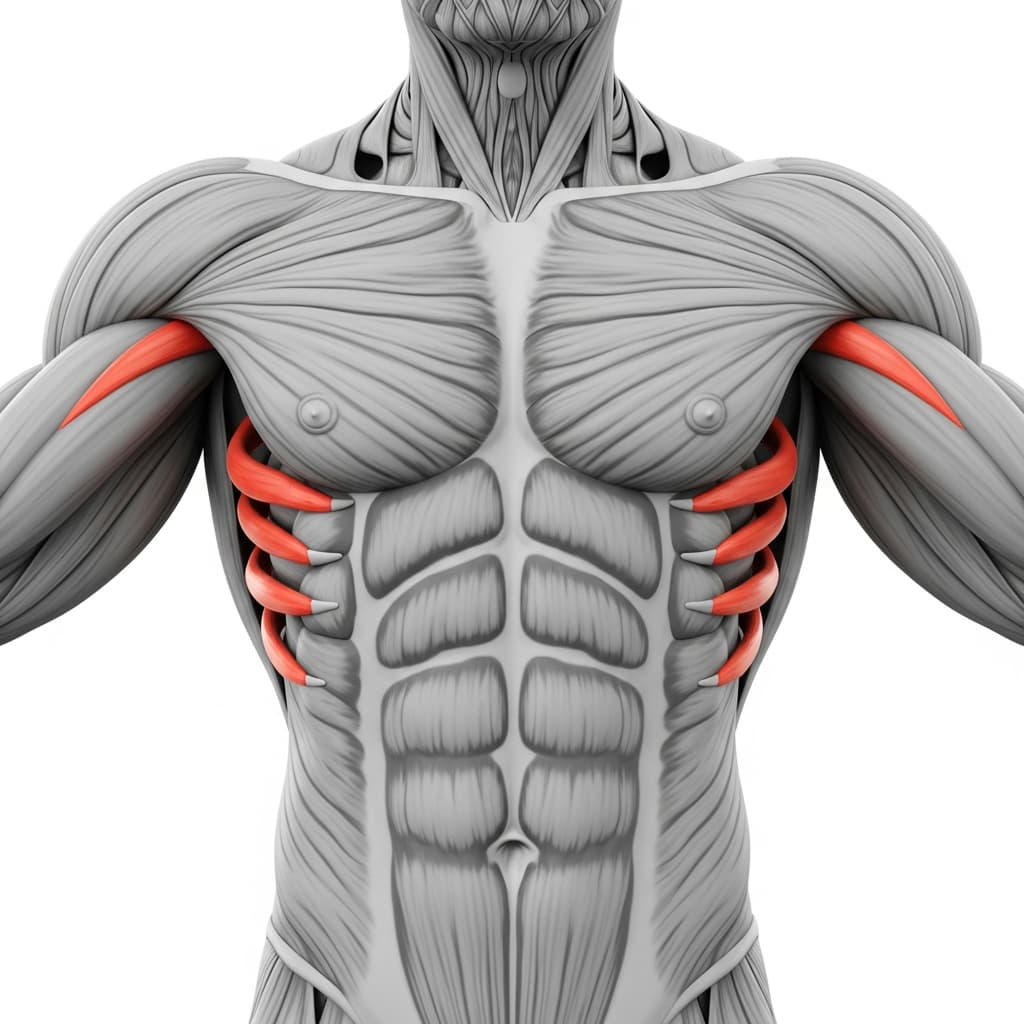
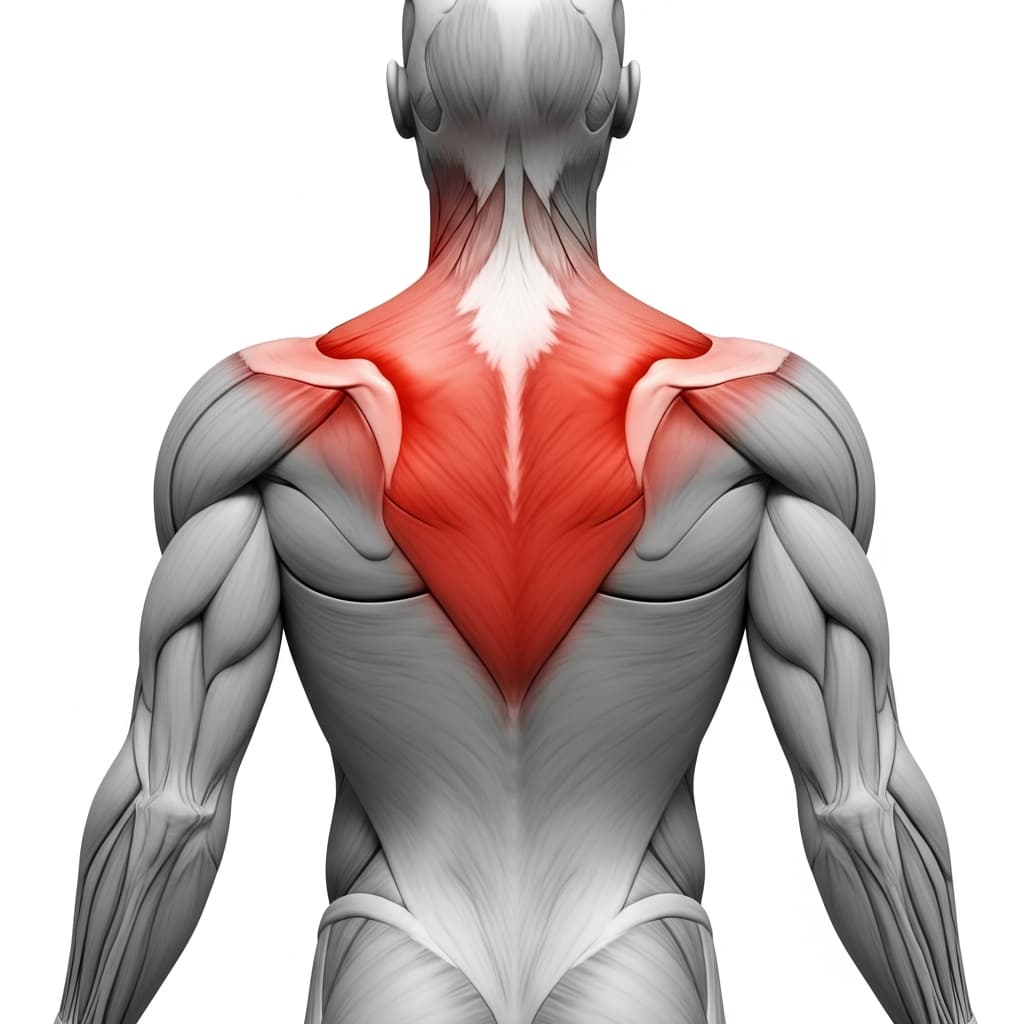
Primary Muscles
Anterior Deltoid (Front Deltoid) - The front deltoids are the main movers, lifting your straight arms up in front of you against the weight.
Secondary Muscles
Serratus Anterior (Serratus Anterior) - The serratus helps rotate your shoulder blades and hold them against your ribcage as your arms rise higher.
Trapezius (Trapezius) - The traps help control your shoulder blades, and keeping your shoulders down stops them from shrugging the weight up.
Benefits of Incline Front Raises
- Strengthens the front deltoids with straight arms, using a light load through a long range of motion
- The bench supports your body and takes away momentum, so your shoulders have to do the lifting
- Teaches you to lift your arms without elevating your shoulders, a control you also need in straight arm skills
- Preferably dumbbells, but it also works with weight plates, so a light pair of weights and a bench is all you need
- Keeps your lower back out of the lift, since the bench holds your body in place the whole time
Who Is This Exercise For?
You should be able to lie chest down on a bench and lift your straight arms in front of you without shrugging your shoulders. Try the movement with no weight first. If your shoulders still creep up toward your ears, stay without weight until you can keep them down.
Common Mistakes to Avoid
Keeping your chest too far onto the bench: The bench gets in the way of your shoulders when your chest sits on top of it. Move your chest as far outside of the bench as possible, and further out if your bench is wide.
Elevating the shoulders as you lift: Try to keep your shoulders down and away from your ears on every rep. If they keep creeping up, switch to lighter weights until you can.
Bending the elbows: Keep your arms straight the whole way up and the whole way down. Bent arms make the weight easier to lift and take work away from the shoulders.
Lifting the head to watch the weights: Keep a neutral position of the head and look down. Craning your neck to follow the weights adds tension there and does nothing for the lift.
Swinging the weights up: Start each rep from a still, relaxed position and lift under control. If you need a swing to get the weights up, they are too heavy for now.
Variations & Progressions
Incline Front Raises Without Weights
Do the same movement with empty hands. It lets you practice keeping your shoulders down and your arms straight before you add any load.
One Arm Incline Front Raises
Lift one arm at a time from the same position on the bench. With only one arm to control, it is easier to focus on keeping that shoulder down.
Incline Y Raises
Lift your arms out at an angle so your body forms a Y. The wider angle moves more of the work to the lower traps, so most people need lighter weights here.