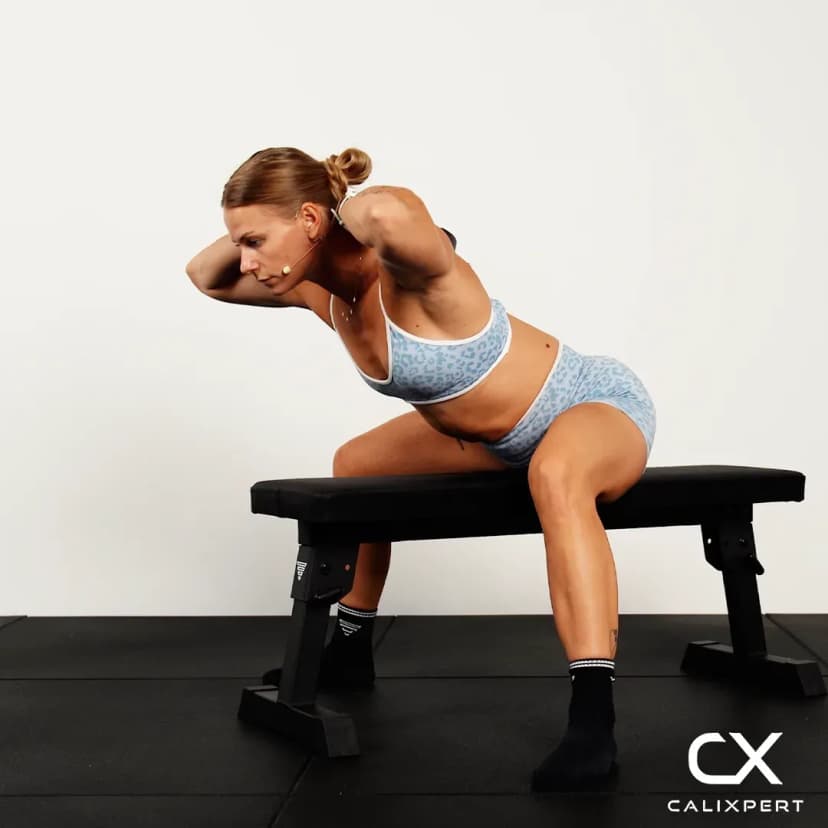
Support Hold Raises
Support hold raises are an abs and hip flexor compression drill for the handstand press, done from a low support hold on parallettes with your legs straight in front of you. With your arms locked and shoulders pushed down, you lift your hips as high as you can, up and behind your arms, while your heels slide in along the floor. Unlike L-sit support raises, the legs rest on the floor, and the hardest level drops the parallettes for hands flat on the floor.
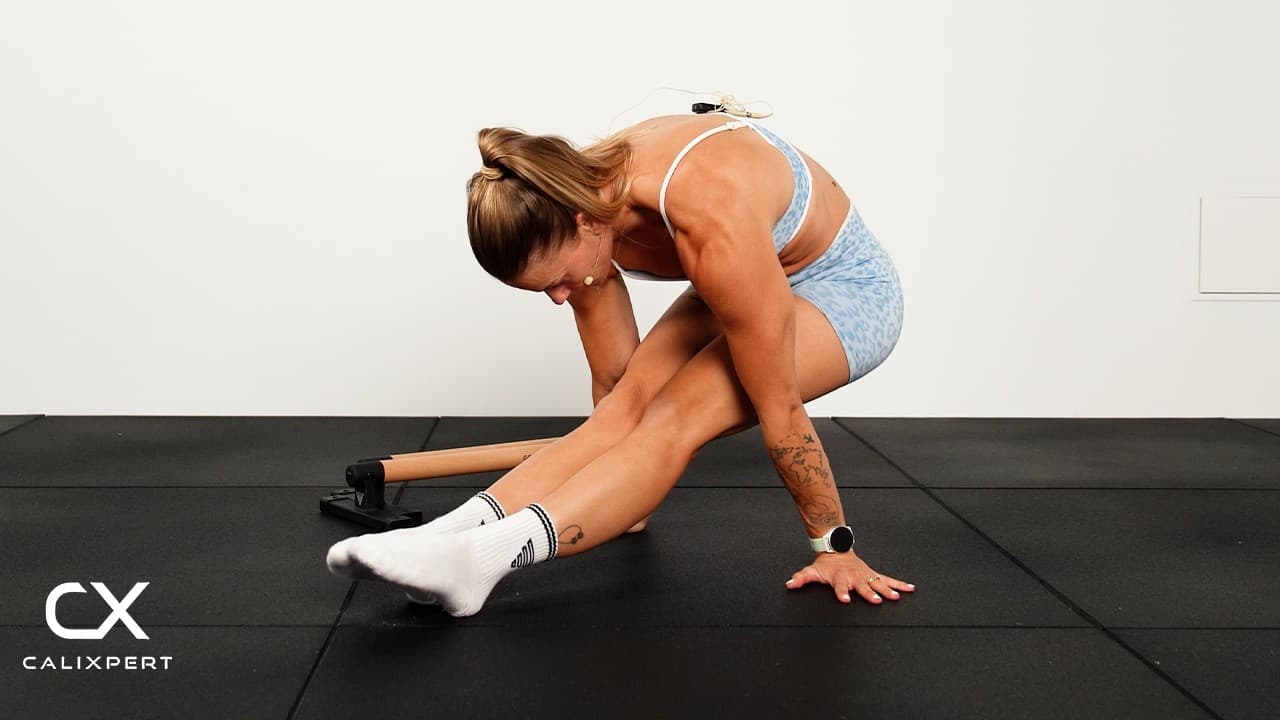
Support hold raises are an abs and hip flexor compression drill for the handstand press, done from a low support hold on parallettes with your legs straight in front of you. With your arms locked and shoulders pushed down, you lift your hips as high as you can, up and behind your arms, while your heels slide in along the floor. Unlike L-sit support raises, the legs rest on the floor, and the hardest level drops the parallettes for hands flat on the floor.
How to Do Support Hold Raises
1. Set Up Beside The Parallettes
Sit on the floor with your legs straight out in front of you and place a pair of parallettes beside your hips, one on each side. Preferably use a slippery floor, since your heels slide along it during the rep. A gym mat is not the optimal floor, but you can make it work.
Parallettes beside the hips, legs straight.
2. Press Up Into A Support Hold
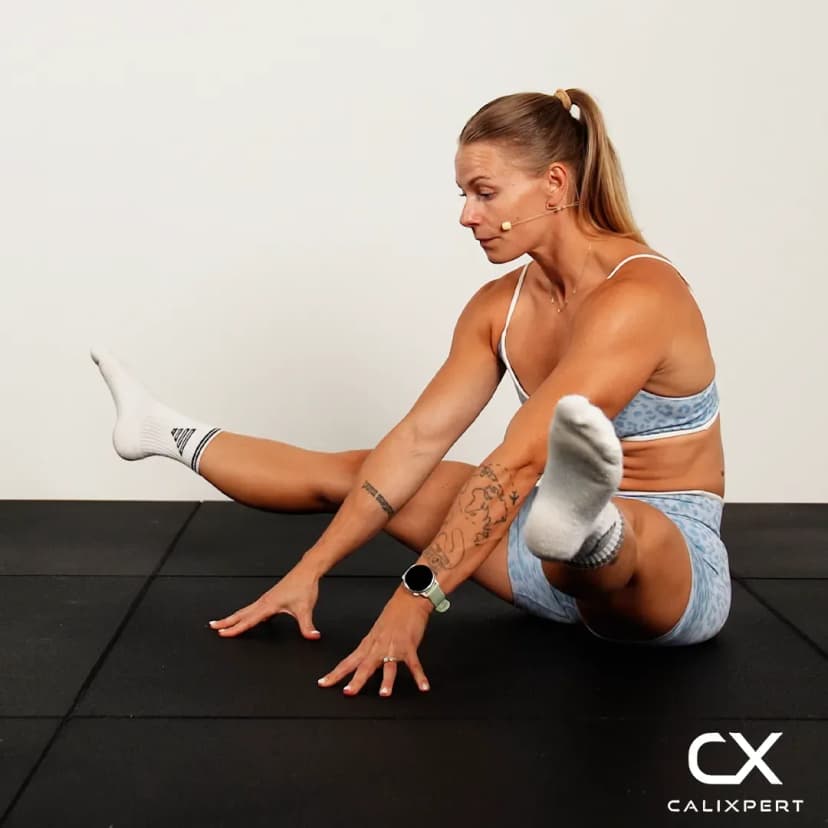
Grab the parallettes and press yourself up into a support hold, so your hips come off the floor. Lock your arms and push your shoulders down, away from your ears. This is the starting position, with your hips next to your arms.
Arms locked, shoulders down.
3. Suck The Belly In
Activate your transverse abs by sucking your belly in toward your spine. Set the arms, the shoulders and the belly before you start to move, then take the first rep.
Belly in toward the spine.
4. Lift The Hips Up And Behind Your Arms
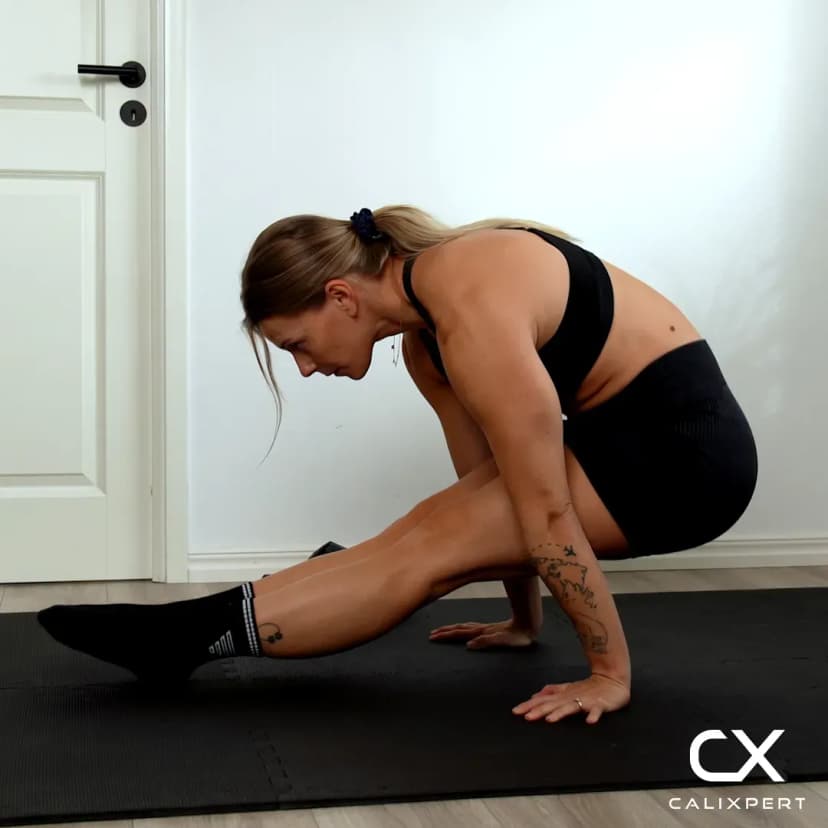
Lift your hips up and back behind your arms, as high as you can without the elbows bending or the shoulders creeping up. Keep your legs straight and let your heels slide in toward you along the floor as the hips rise. Your back rounds and your chest folds down toward your knees as you compress.
Hips up and behind the arms.
5. Lower Back To The Start
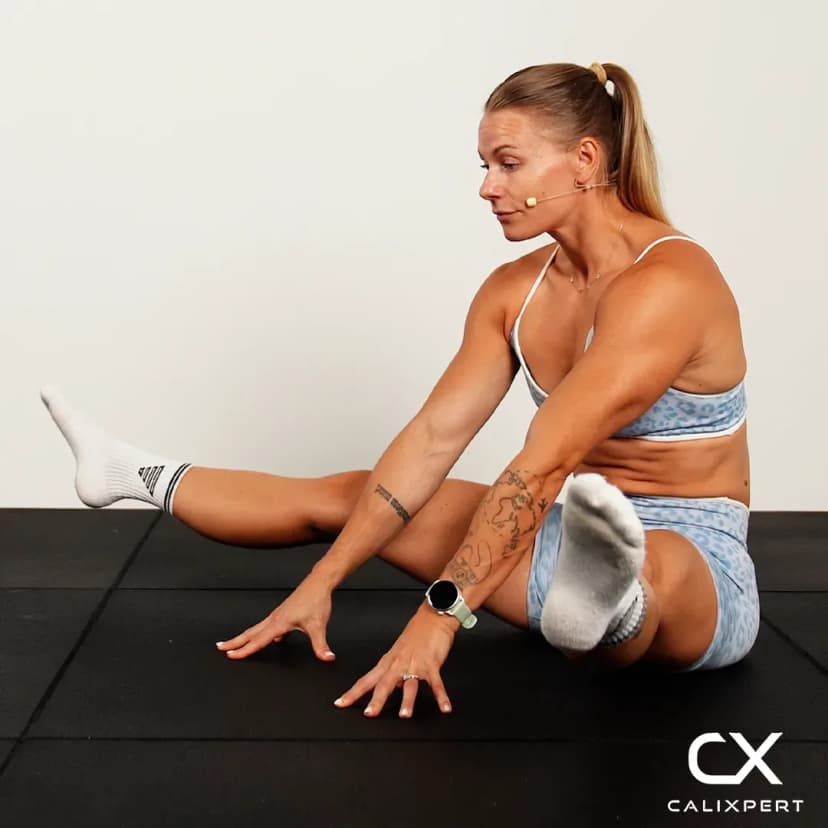
Lower your hips back down to where they started, next to your arms, and let your heels slide back out. Keep the arms locked and the shoulders pushed down on the way down as well, then go again.
Hips back beside the hands.
6. Move To The Floor When It Gets Easy
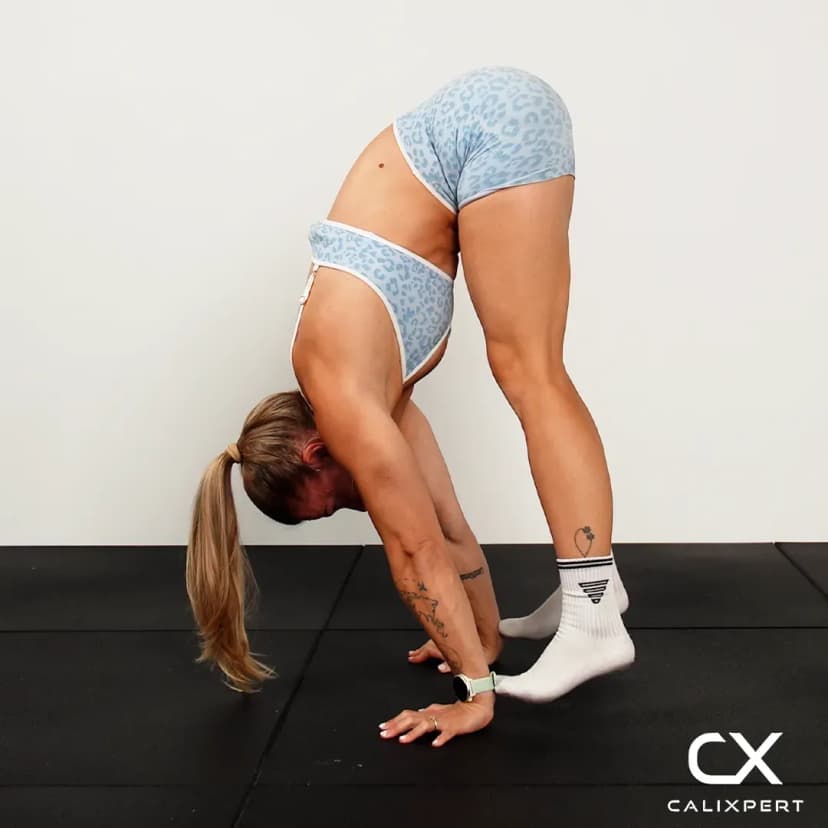
If the parallettes feel too easy, you can remove them and do exactly the same thing with your hands flat on the floor beside your hips. With no height under your hands, this is the hardest level, the final boss.
No parallettes, same lift.
Set the support first, arms locked, shoulders pushed down and belly sucked in, and only then lift the hips. The moment the shoulders shrug or the elbows soften, the set is over, even if the hips could go a little higher. When the last rep reaches the same height as the first with no bounce, you can take the parallettes away.
Muscles Worked During Support Hold Raises
Primary Muscles:
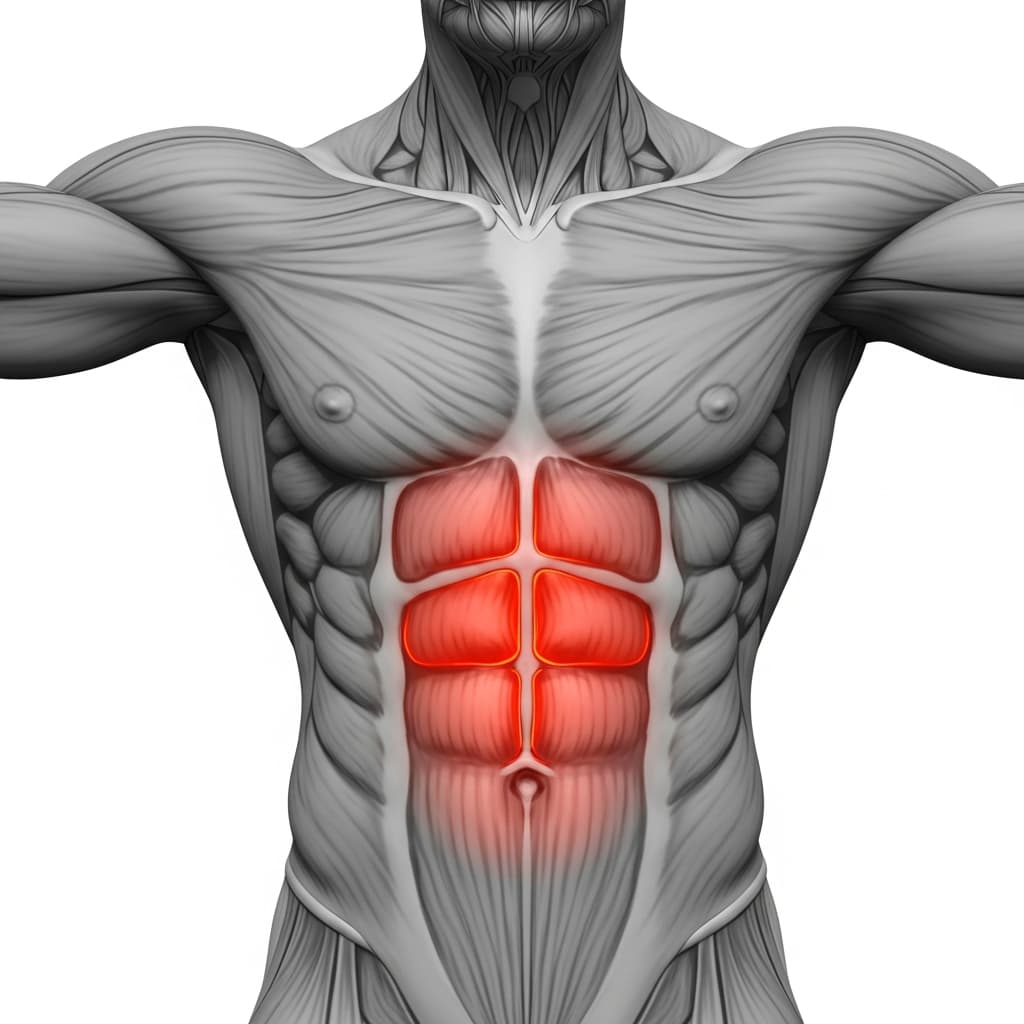
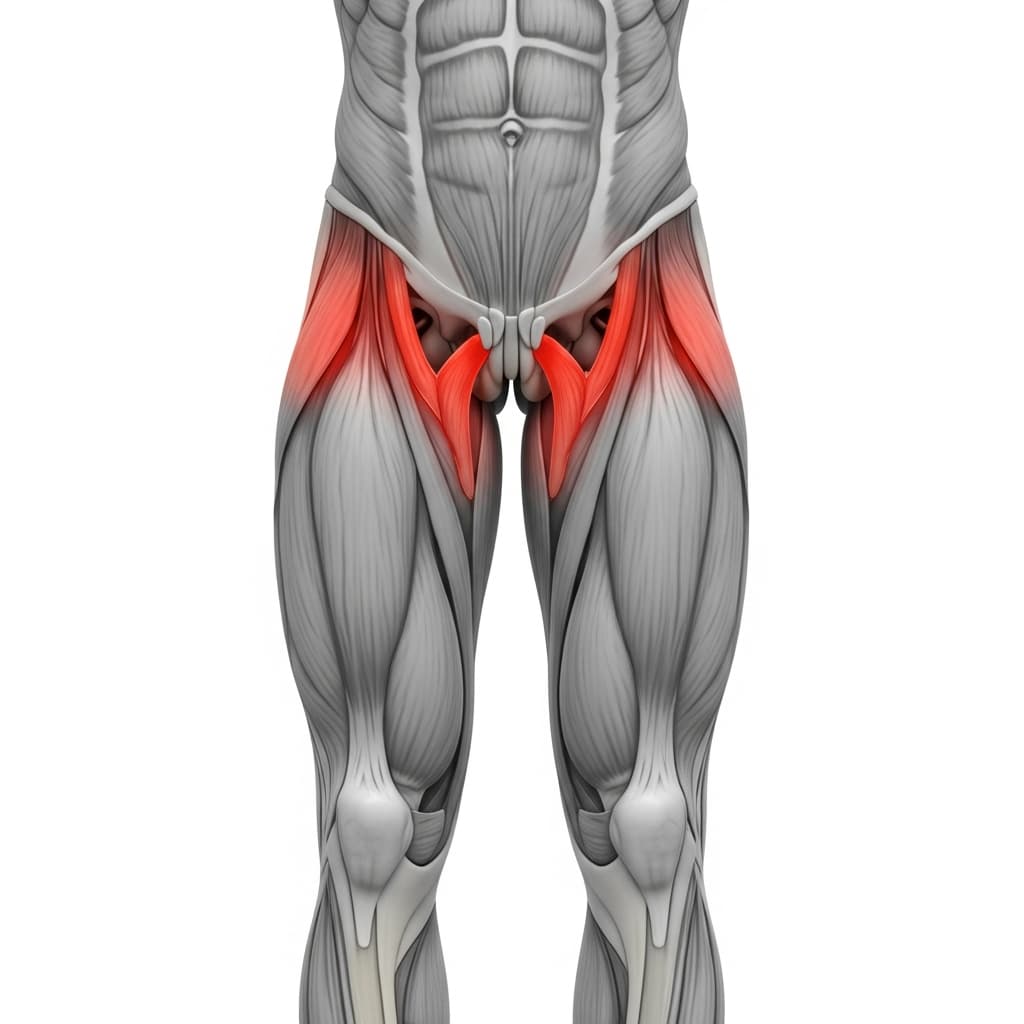
Primary Muscles
Rectus Abdominis (Abs) - The abs, including the transverse abdominis you switch on with the suck-in, round the back, lift the hips behind the arms and control them on the way down.
Iliopsoas (Hip Flexors) - The hip flexors close the angle between your torso and straight legs as the hips rise and the heels slide in, the compression this drill trains.
Secondary Muscles
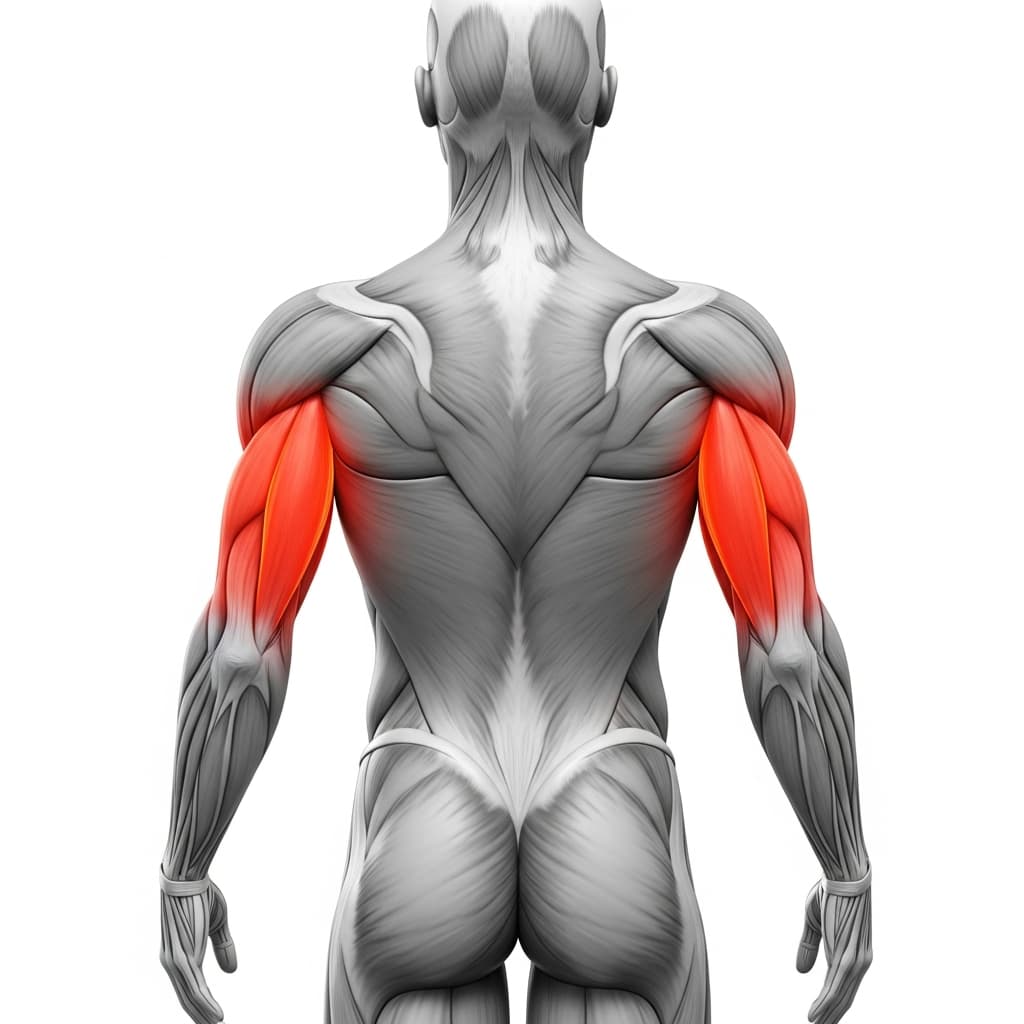
Triceps Brachii (Triceps) - The triceps keep the elbows locked on the parallettes or the floor, so the arms stay straight while the hips move over them.
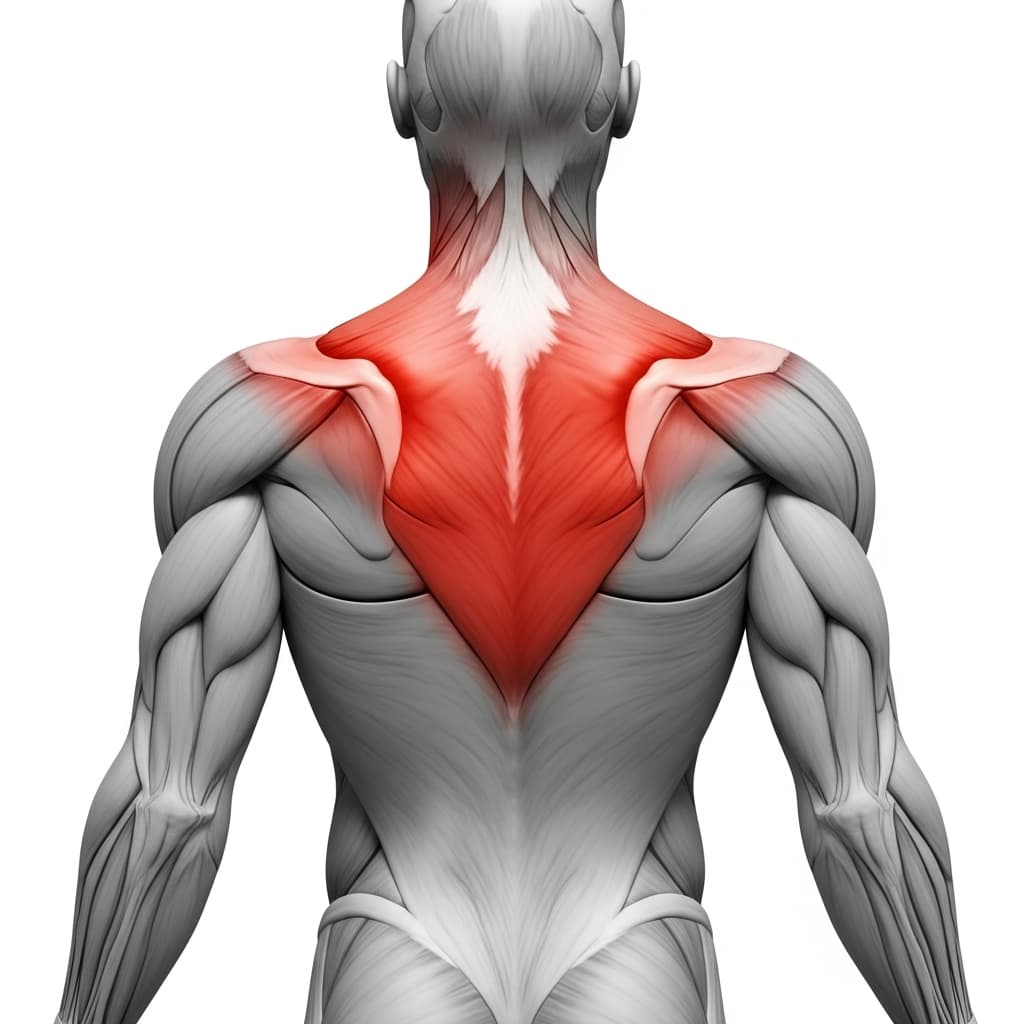
Trapezius (Trapezius) - The lower trapezius pulls the shoulders down away from the ears and holds them there, the pushed down position you set before the first rep.
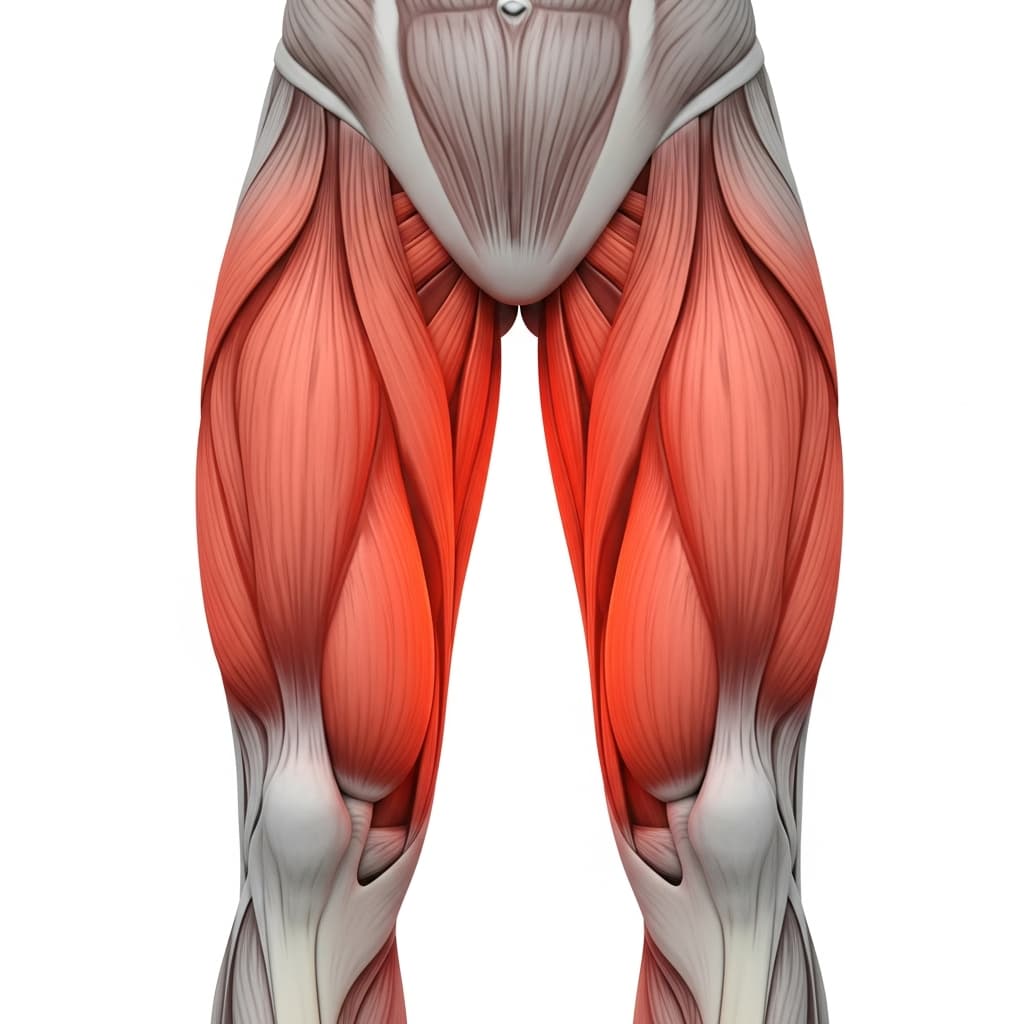
Quadriceps (Quads) - The quadriceps keep the knees straight while the heels slide in and out along the floor, so the legs stay long through every rep.
Benefits of Support Hold Raises
- Trains the hip lift over straight arms that the first part of a handstand press depends on, without ever going upside down.
- Builds compression strength in the abs and hip flexors while the heels on the floor take part of your weight.
- Teaches you to keep the arms locked and shoulders down while the lower body moves, the same support position used in L-sit work.
- Scales with the height of your hands, from parallettes down to the floor, so the same drill can be done at different levels.
- Practises the suck-in of the belly toward the spine on every rep, the same core activation used in the handstand press.
Who Is This Exercise For?
You should be able to press into a steady support hold on parallettes, arms locked and shoulders pushed down, which the Dip Support Hold trains. You also need to be able to sit with straight legs, since tight hamstrings can stop the hips travelling up behind your hands. If you cannot yet lift your hips behind your arms on parallettes, start with Compression Lift On A Box, where your hands start much higher.
Common Mistakes to Avoid
Shoulders creeping up toward the ears: Push down into the parallettes before you move and keep the shoulders pushed down for the whole rep. Once the shoulders shrug, the support position is gone and you are training something else, so end the set there.
Bending the elbows to get the hips higher: Keep the arms locked from the first rep to the last. If the hips only go higher when the elbows soften, lift a little less high with straight arms instead, because bent arms hide a lack of strength or flexibility rather than fixing it.
Bouncing or throwing the hips up: Lift slower so the core has to do the work. The drill is about lifting the hips with compression, and a rep that is swung up lets momentum do the work the core is meant to do.
Starting before the position is set: Get the arms locked, the shoulders down and the belly sucked in first, then take the first rep. Rushing into the lift usually means the shoulders are already up before the hips have moved.
Bending the knees to make room: Keep the legs straight and let the heels slide in along the floor instead. If the hips stall, that is the height you own for now, so work from there rather than shortening the legs to get further.
Variations & Progressions
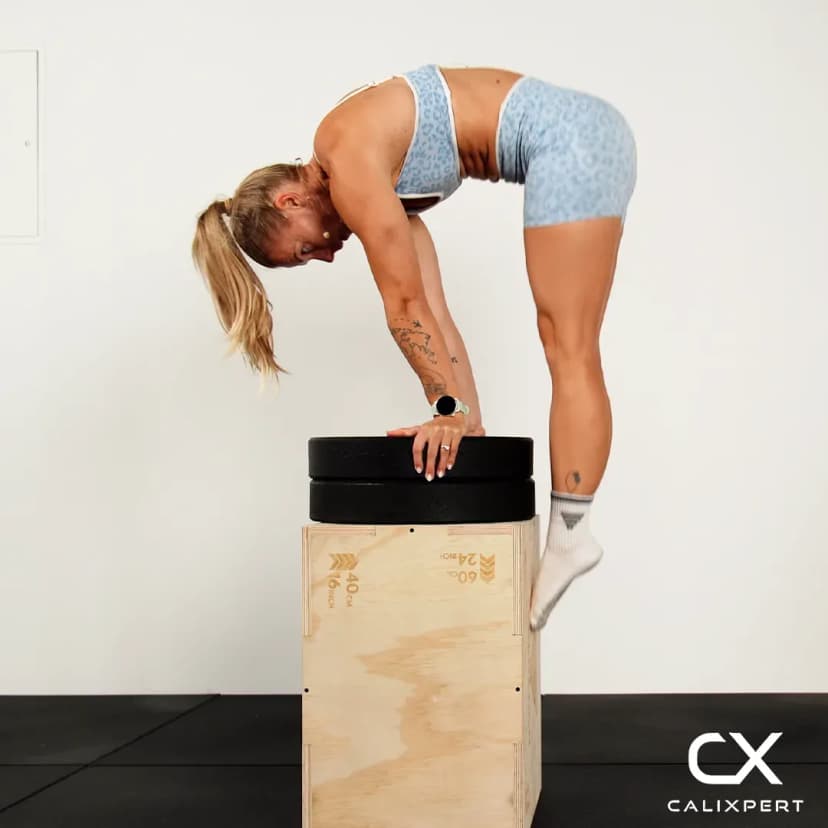
Floor Support Hold Raises
The exact same drill with your hands flat on the floor beside your hips instead of on parallettes. With no extra height under your hands, it is the final boss of this drill.