Dynamic Compression Lifts
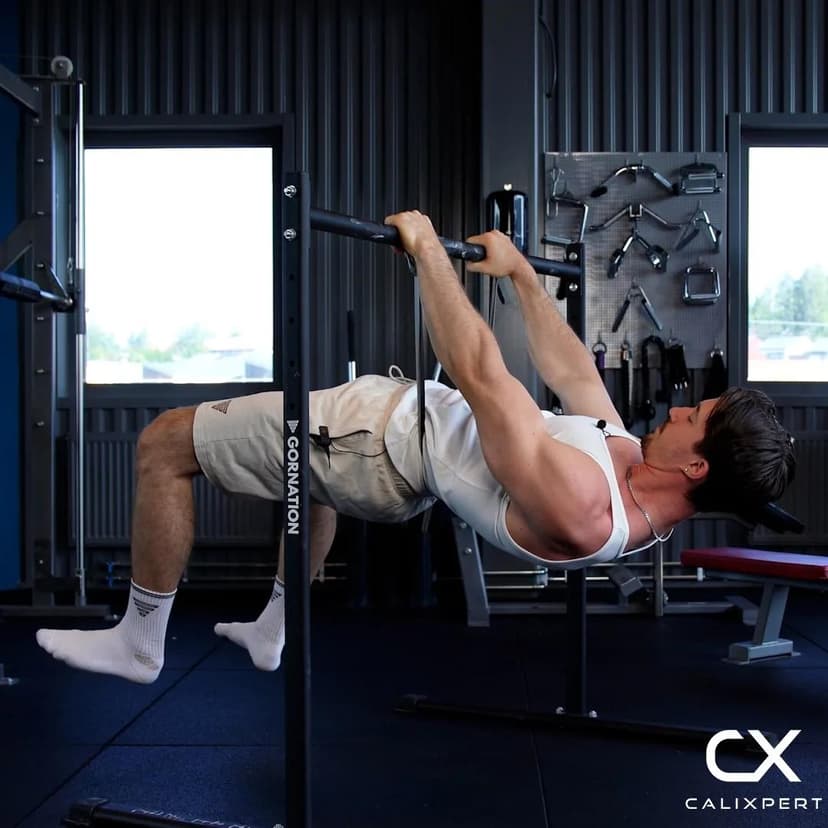
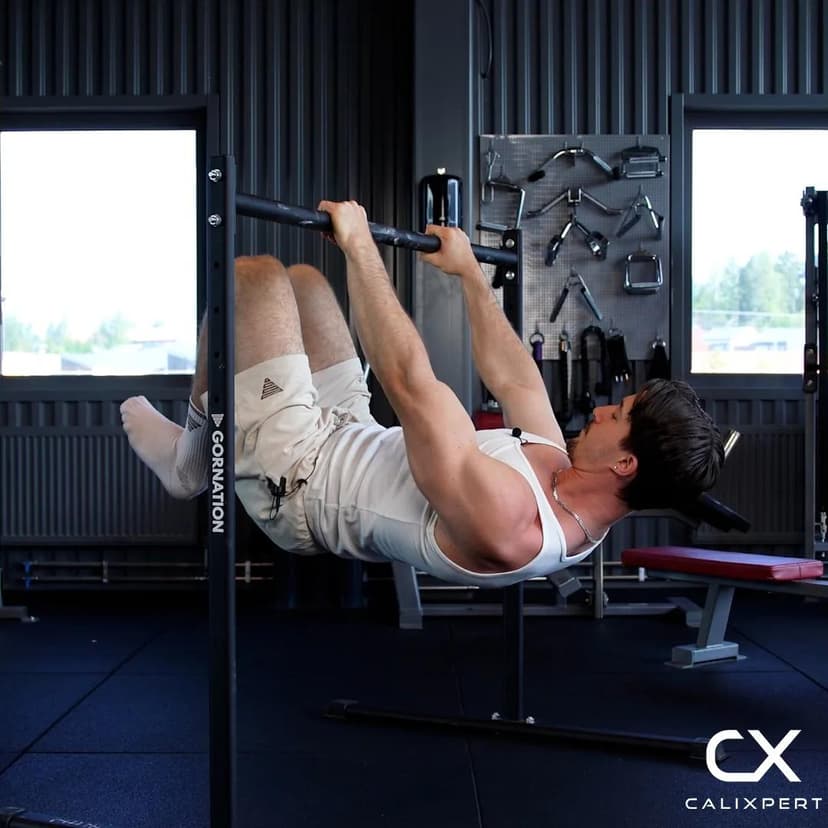
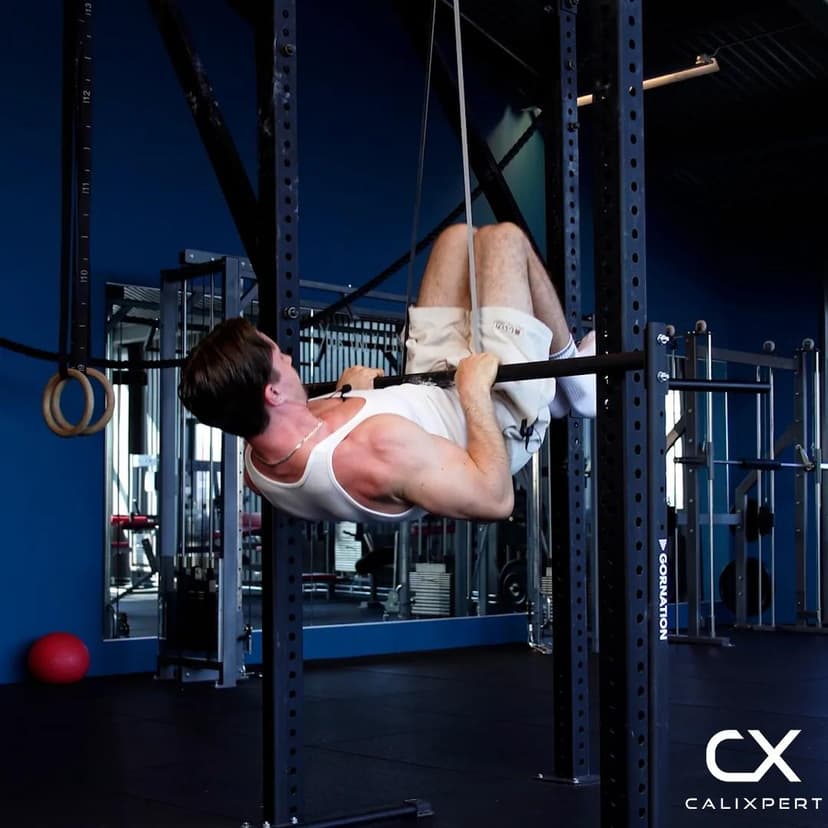
Dynamic compression lifts are a core and hip flexor exercise performed on parallel bars that builds the active compression strength needed for L-sits, V-sits, and press handstands. Starting from a support hold, you compress your core and drive your hips upward, training the abs and hip flexors to work under load through a demanding range of motion. This movement bridges the gap between static holds and dynamic calisthenics skills by developing the explosive hip elevation that most athletes lack.
Dynamic compression lifts are a core and hip flexor exercise performed on parallel bars that builds the active compression strength needed for L-sits, V-sits, and press handstands. Starting from a support hold, you compress your core and drive your hips upward, training the abs and hip flexors to work under load through a demanding range of motion. This movement bridges the gap between static holds and dynamic calisthenics skills by developing the explosive hip elevation that most athletes lack.
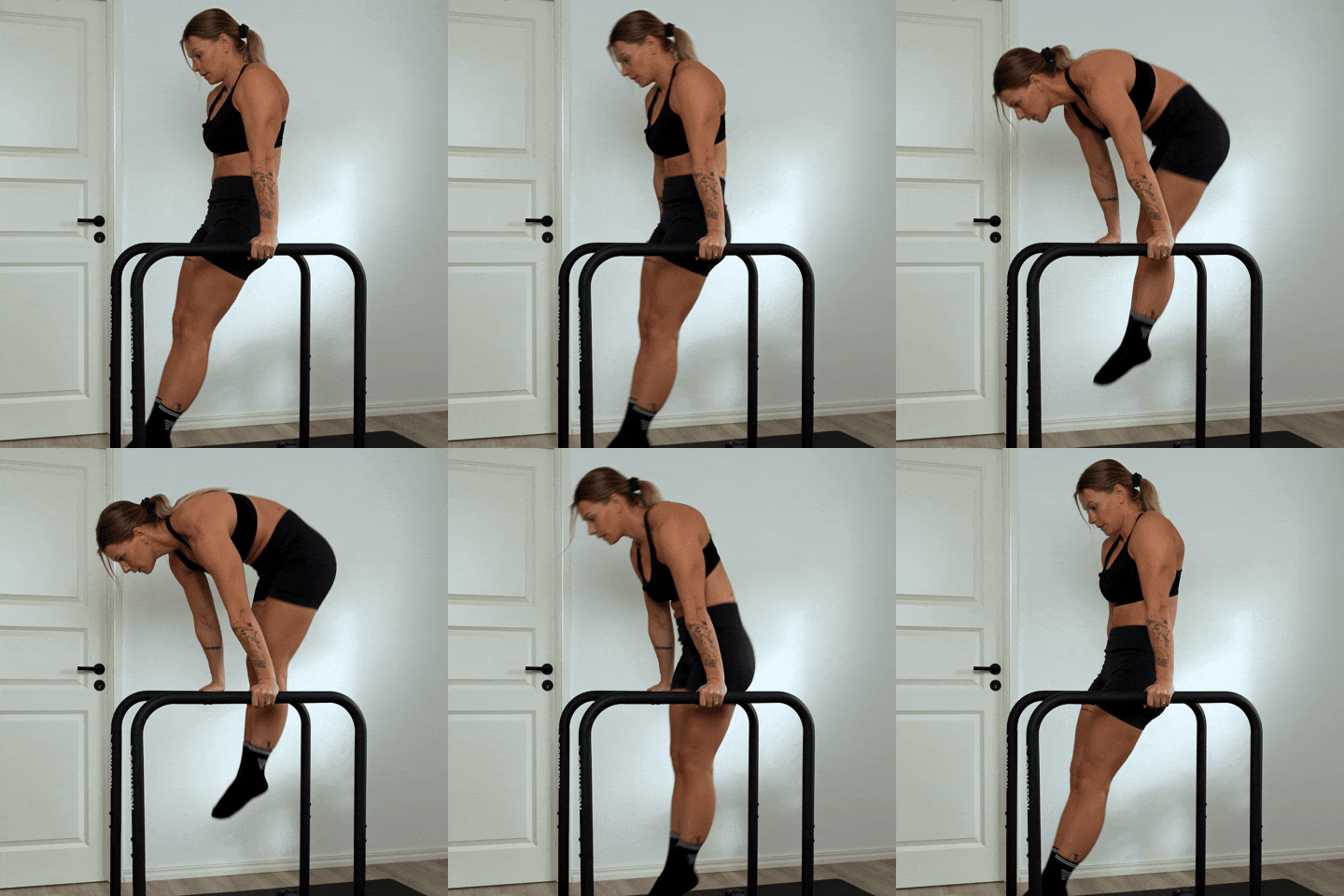
How to Do Dynamic Compression Lifts
1. Set Up in Support Hold
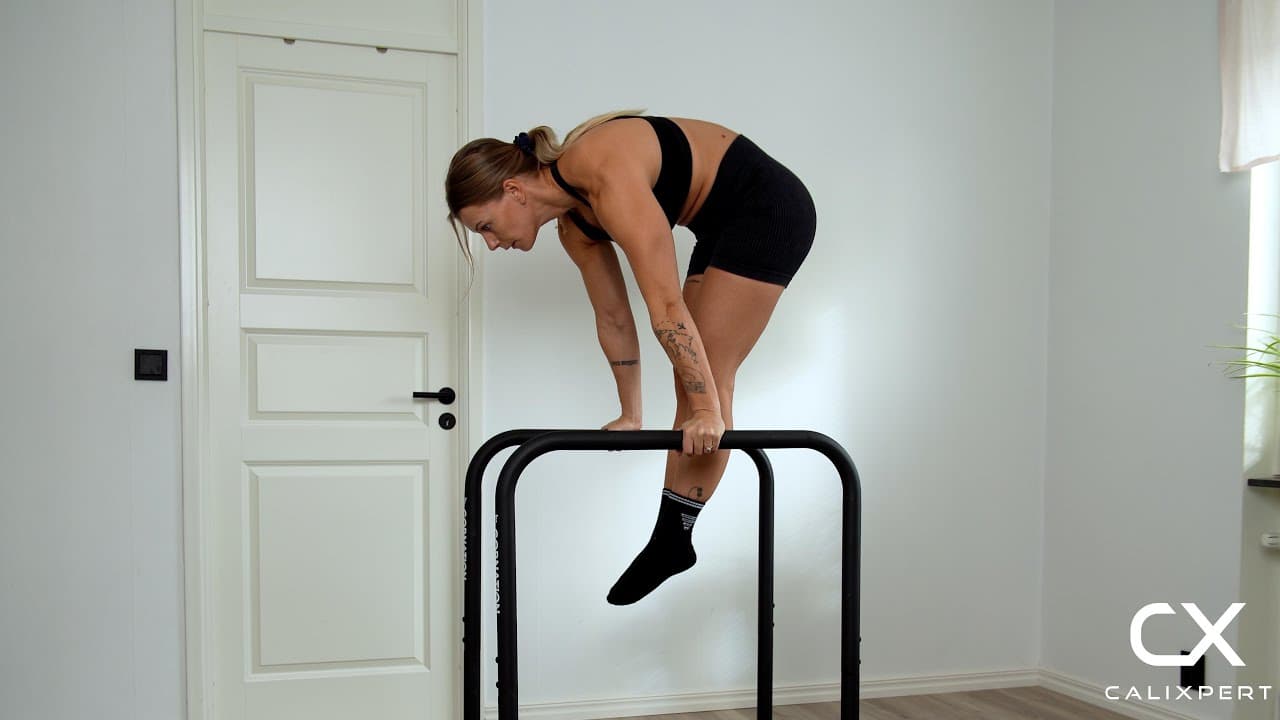
Grab a pair of parallel bars and press yourself up into a support hold with fully locked arms. Depress your shoulders by pushing the bars down and away from your ears. Keep your body upright with a slight forward lean and your legs hanging straight below you.
Lock the arms, push the shoulders down
2. Compress the Core Tight
Before initiating the lift, actively suck your belly toward your spine and brace your abs hard. This compression creates the foundation for the entire movement and prevents your torso from swinging. Think of shortening the distance between your ribcage and your pelvis.
Belly to spine, ribs to hips
3. Drive Hips Up With Force
Using your abs and hip flexors, drive your hips upward as high as you can while maintaining the compressed core position. Focus on lifting the hips up rather than swinging them backward. In the beginning, it is completely fine to use some momentum to make the lift more dynamic.
Hips up, not back
4. Control the Descent
Lower your hips back to the starting support position under control, resisting gravity on the way down. Do not let your body simply drop or swing freely. Maintain the shoulder depression and core brace throughout the lowering phase.
Resist the drop, stay tight
5. Progress Toward Slow Reps
As you build strength, reduce the momentum and perform each rep as slowly and controlled as possible. The end goal is a smooth, deliberate lift with zero swing or kip. Slow reps develop significantly more compression strength than fast, momentum-driven ones.
Slower is stronger
Most people try to kick their legs up and wonder why their compression never improves. The key is the setup before the lift. Suck your belly in toward your spine and think about driving your hips up, not your feet. When you shift the focus from the legs to the hips, the abs and hip flexors finally do the work they are supposed to do, and your compression strength will improve much faster.
Muscles Worked During Dynamic Compression Lifts
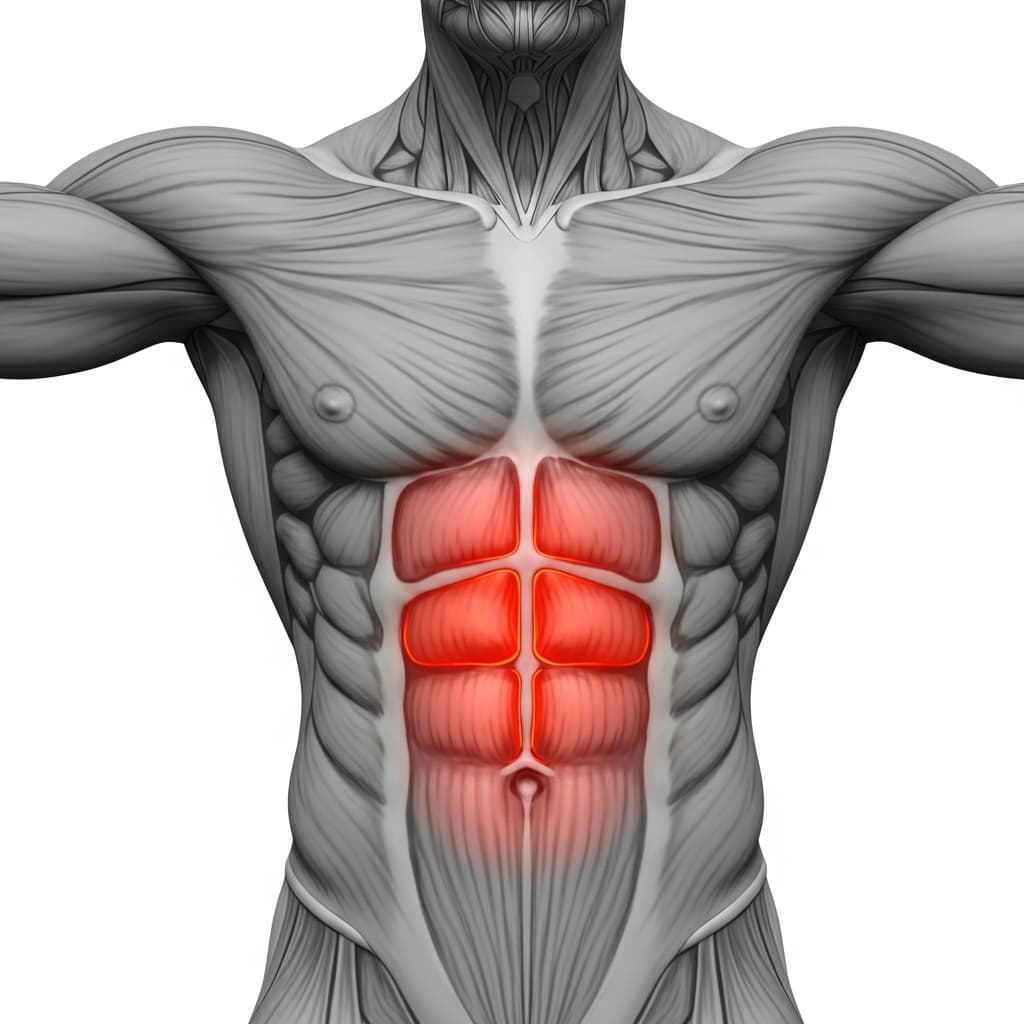
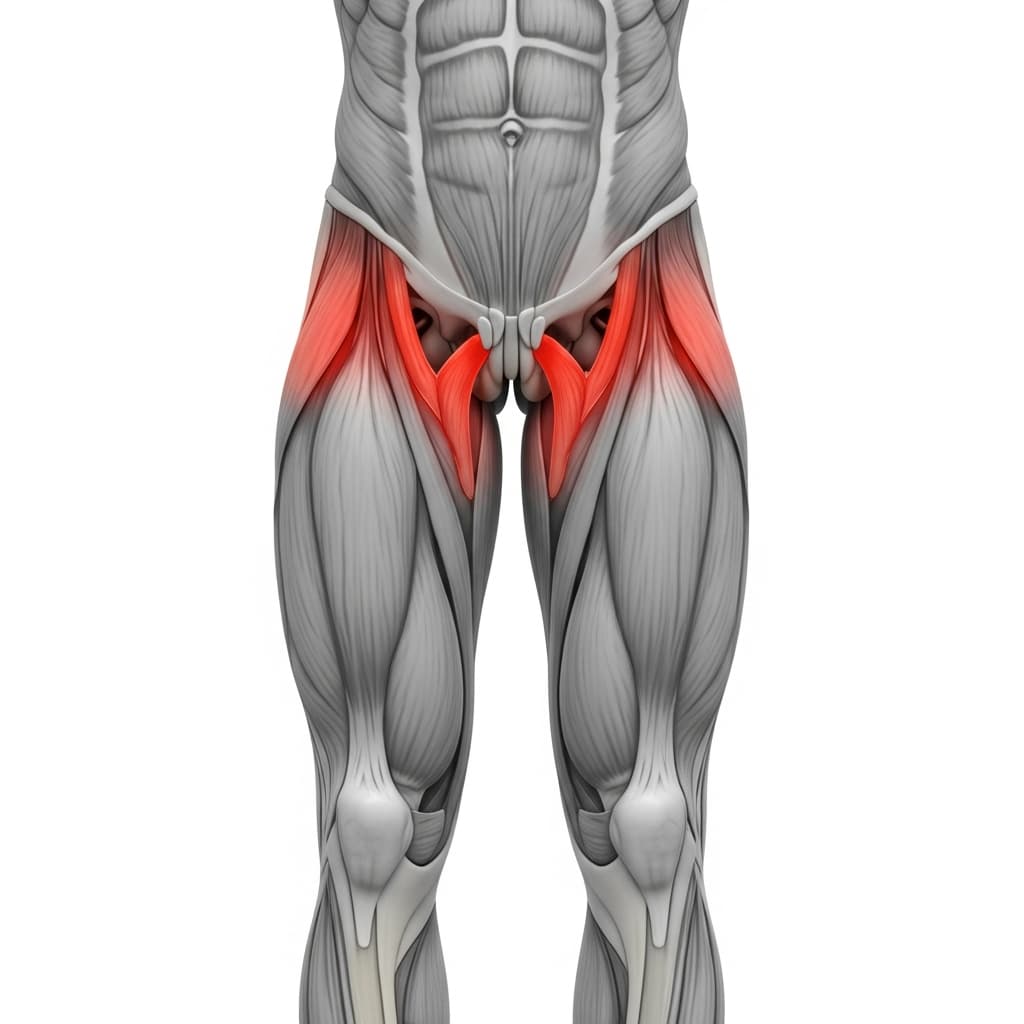
Primary Muscles:
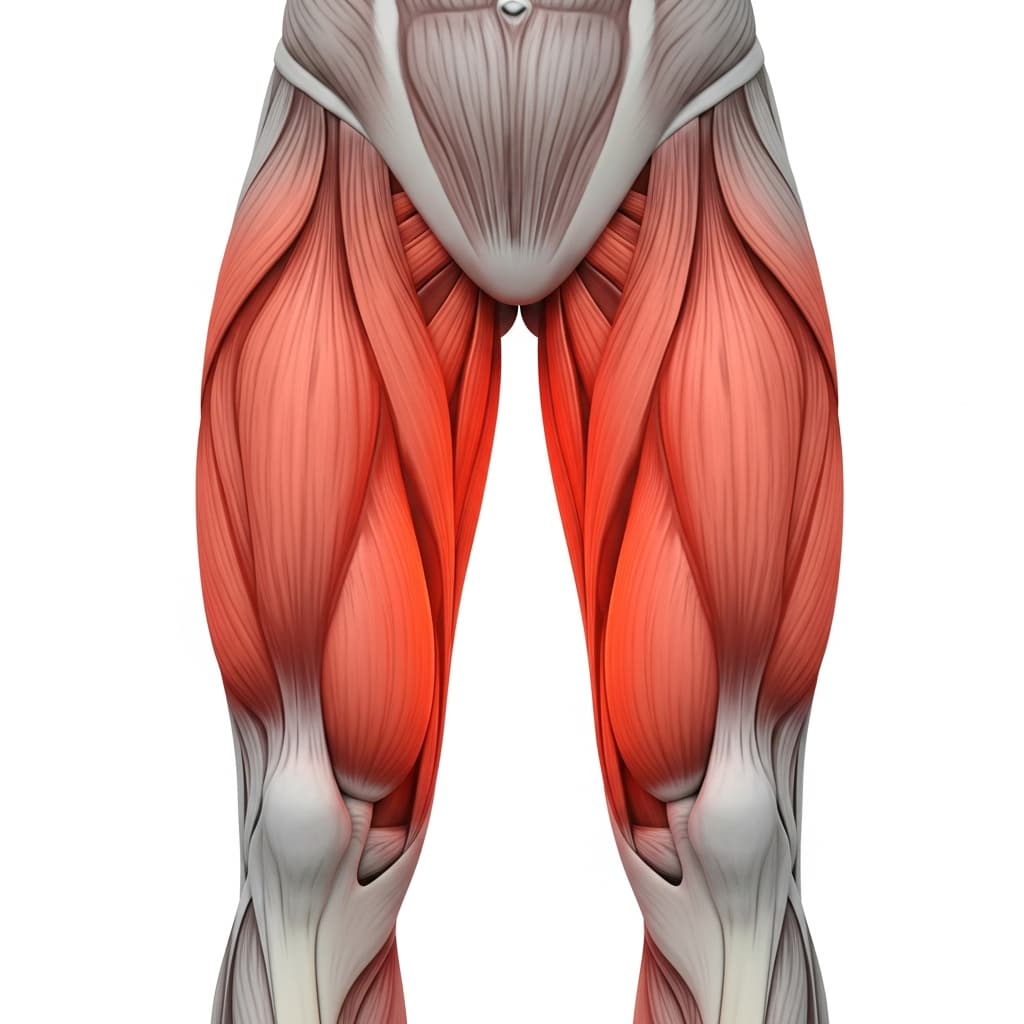
Secondary Muscles:
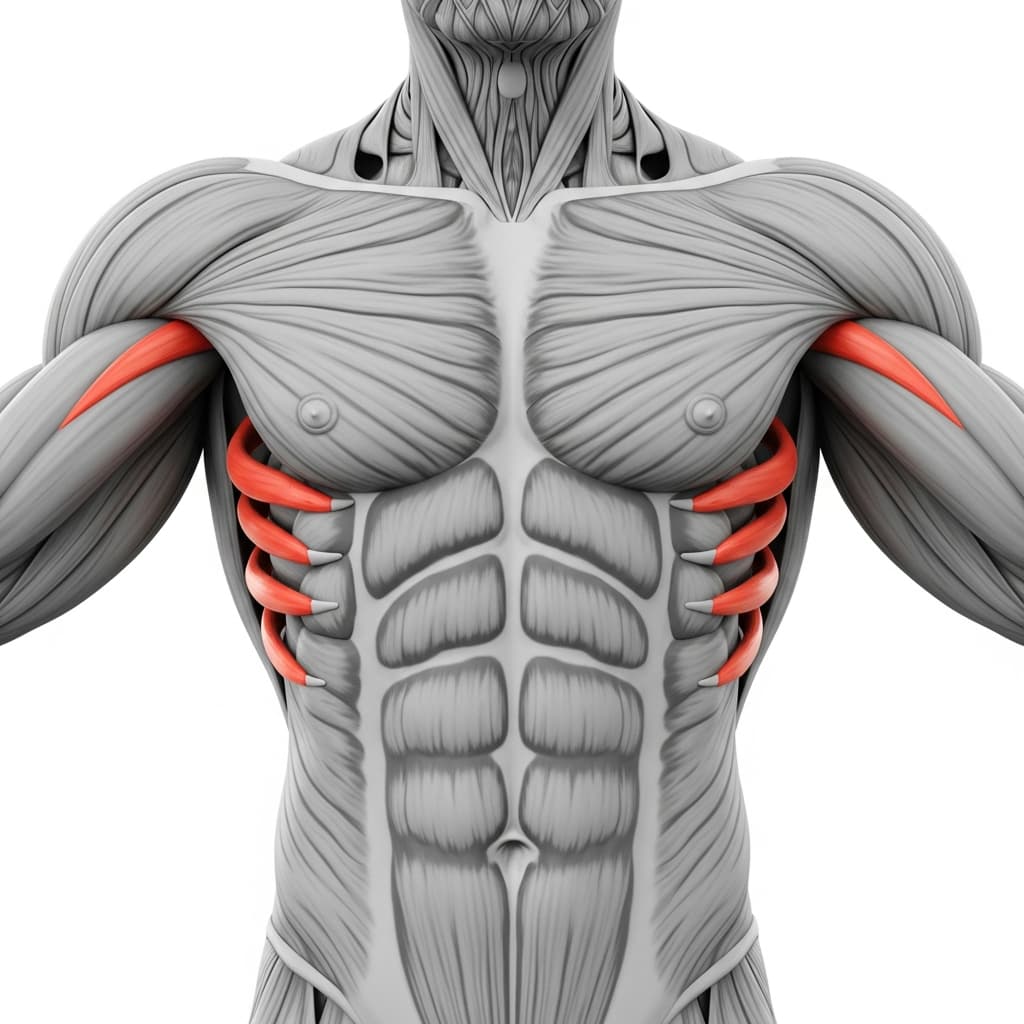
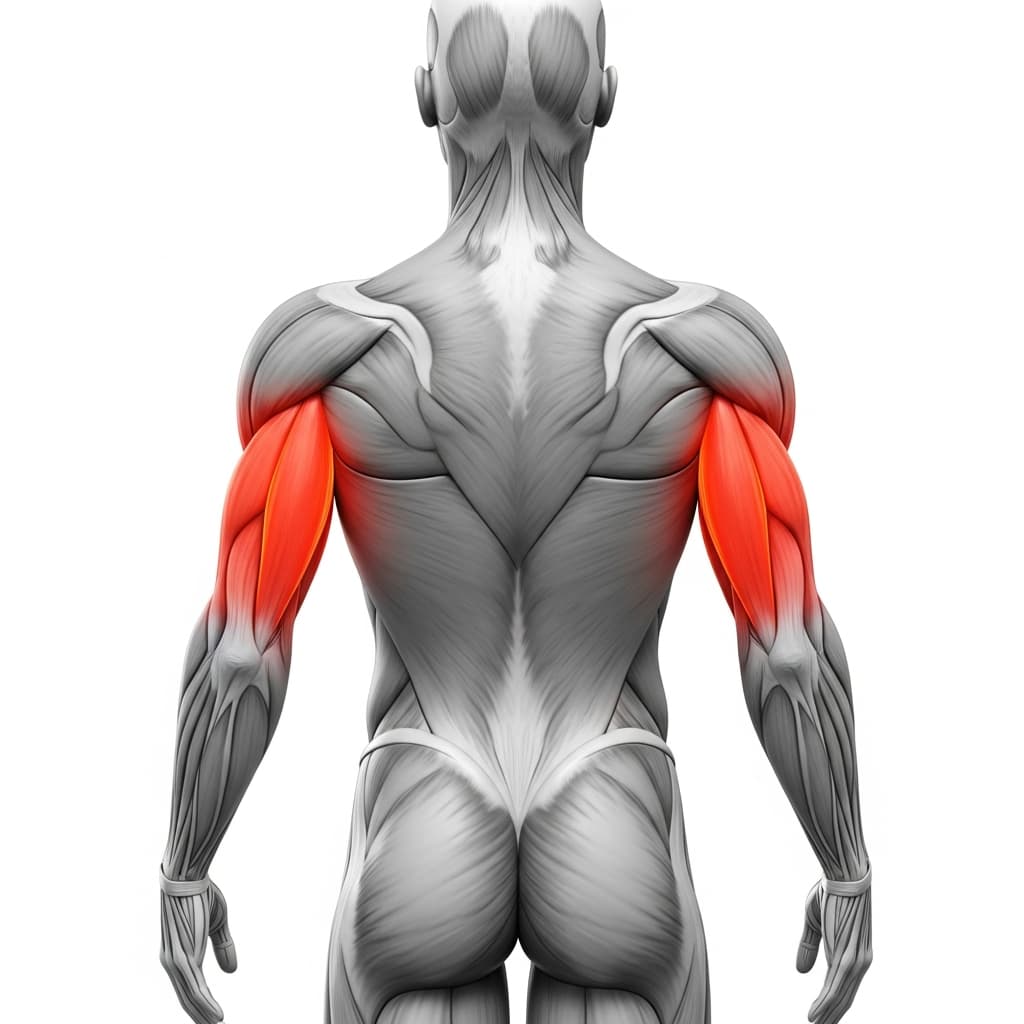
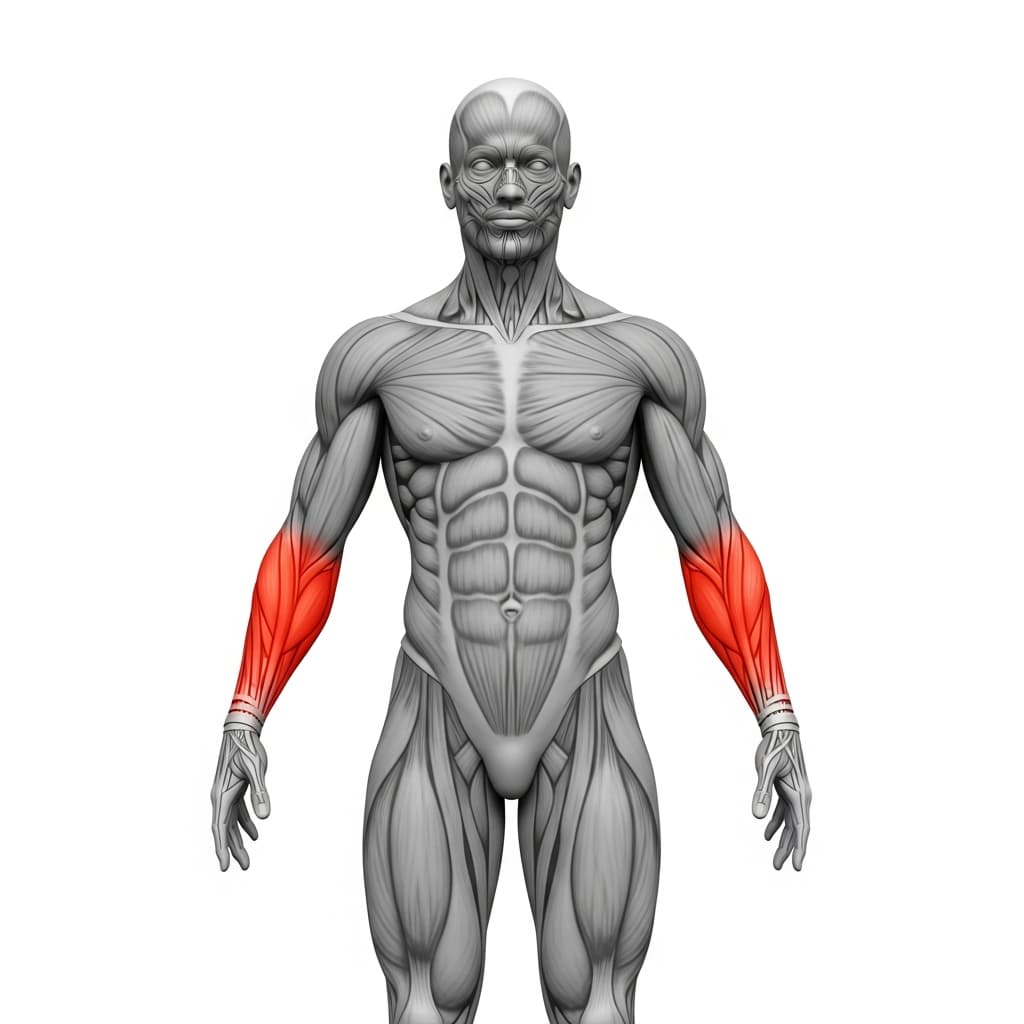
Primary Muscles
Rectus Abdominis (Abs) - The abs create the trunk flexion that compresses the torso and drives the hips upward against gravity during each rep.
Iliopsoas (Hip Flexors) - The hip flexors pull the pelvis and legs upward through active hip flexion, producing the primary lifting force of the movement.
Secondary Muscles
Quadriceps (Quads) - The quads maintain knee extension to keep the legs straight during the lift, increasing the lever arm and overall difficulty.
Serratus Anterior (Serratus Anterior) - The serratus anterior stabilizes the scapulae in a depressed and protracted position throughout the support hold, preventing the shoulders from collapsing.
Triceps Brachii (Triceps) - The triceps keep the elbows fully locked during the support hold, maintaining the stable base from which the compression lift is performed.
Forearm Flexors & Extensors (Forearms) - The forearms maintain grip on the parallel bars and stabilize the wrists under the full bodyweight load for the duration of each set.
Benefits of Dynamic Compression Lifts
- Develops the active hip flexor and core compression strength that directly transfers to L-sits, V-sits, and press handstands
- Builds scapular depression endurance by requiring sustained shoulder stability in the support hold throughout every rep
- Trains the ability to generate force through a full range of hip flexion under load, which is the limiting factor in most advanced calisthenics skills
- Improves coordination between the deep core stabilizers and the hip flexors, a connection that static holds alone do not develop as effectively
Who Is This Exercise For?
You should be able to hold a stable support hold on parallel bars for at least 15 seconds with depressed shoulders and locked arms before attempting dynamic compression lifts. A solid tucked L-sit hold of 5 to 10 seconds is also a strong indicator that your core and hip flexors are ready for this movement. If you cannot maintain a support hold without your shoulders shrugging up toward your ears, work on scapular depression and dip bar support drills first.
Common Mistakes to Avoid
Swinging the legs instead of lifting the hips: Focus on driving the hips upward by contracting the abs and hip flexors, not by kicking the legs forward. The movement should originate from the core, not from leg momentum.
Shrugging the shoulders during the lift: Keep your shoulders actively depressed throughout every rep by pressing the bars down. If your shoulders creep up toward your ears, your support hold is not strong enough yet and you should regress to support hold practice.
Losing core compression at the bottom: Reset the belly-to-spine brace before each rep. Letting the core go slack between reps turns this into a swinging movement and removes the training stimulus from the muscles that matter most.
Bending the arms during the lift: Keep your elbows fully locked throughout the entire set. Bending the arms shifts load to the triceps and chest, turning a compression exercise into a partial dip.
Variations & Progressions
Tucked Compression Lifts
Bend your knees and tuck them toward your chest instead of keeping the legs straight. The shorter lever reduces the load on the hip flexors and abs, making the lift accessible while you build compression strength.
Slow Tempo Compression Lifts
Perform each rep with a 3-second lift and a 3-second descent with zero momentum. Eliminating all dynamic assistance forces the abs and hip flexors to produce force through the entire range under full control.
Straight Leg Compression Lifts to L-Sit
Lift with straight legs and pause at the top in an L-sit position for 2 to 3 seconds before lowering. This adds an isometric hold at the hardest point of the range, building both dynamic and static compression strength.