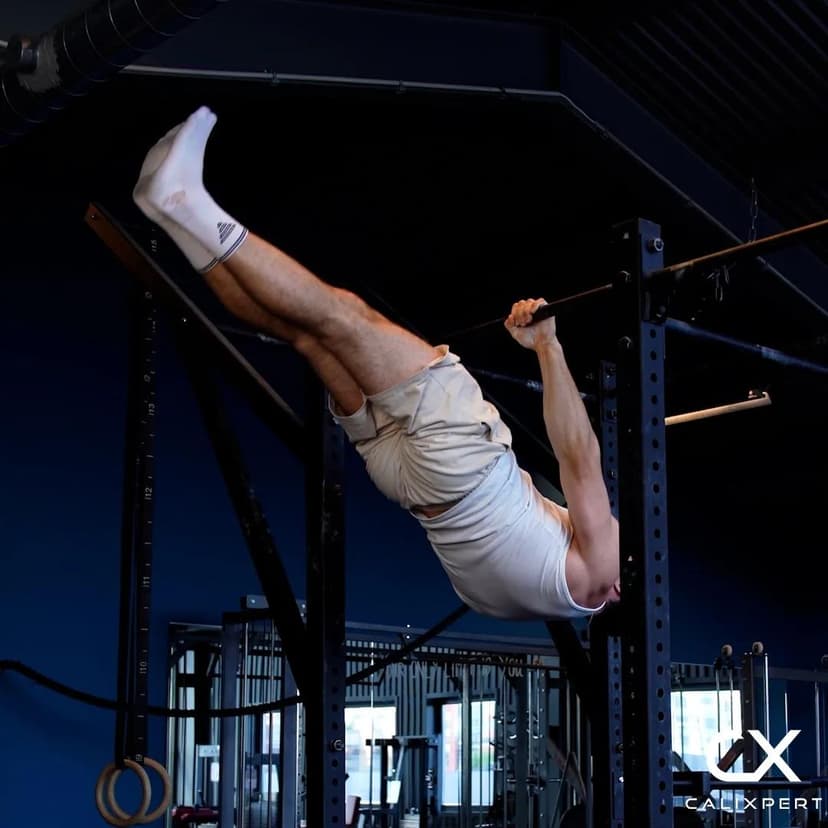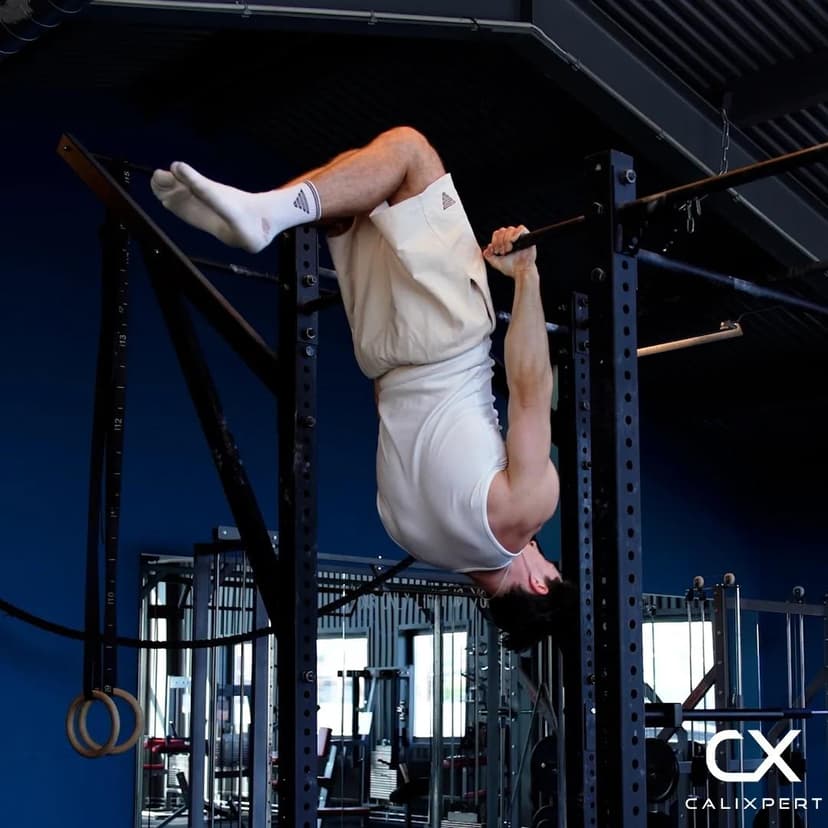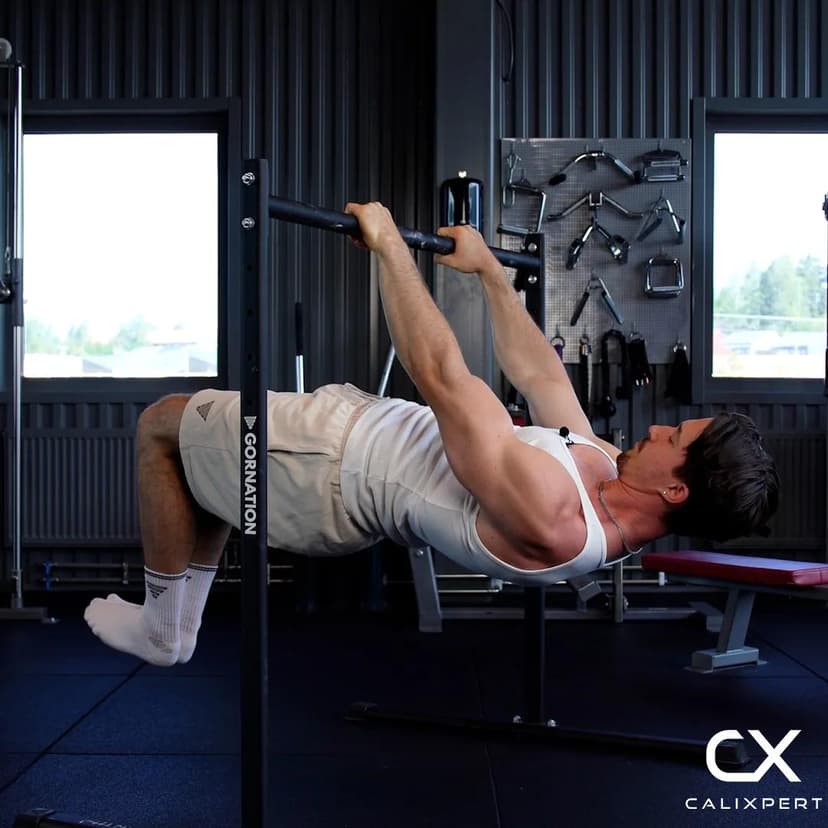
Bent Arm Handstand Hold
The bent arm handstand hold is an intermediate isometric pressing skill performed on parallettes or dip bars, targeting the front deltoids, triceps, and chest while demanding total body tension from head to toe. The key to this hold is maintaining all of your weight through the hands with elbows tucked close to the body, not resting on the shoulders despite the inverted position resembling a shoulder stand. Mastered with proper alignment, the bent arm handstand hold builds the static pressing strength and overhead stability that directly transfers to handstand push-ups and planche progressions.
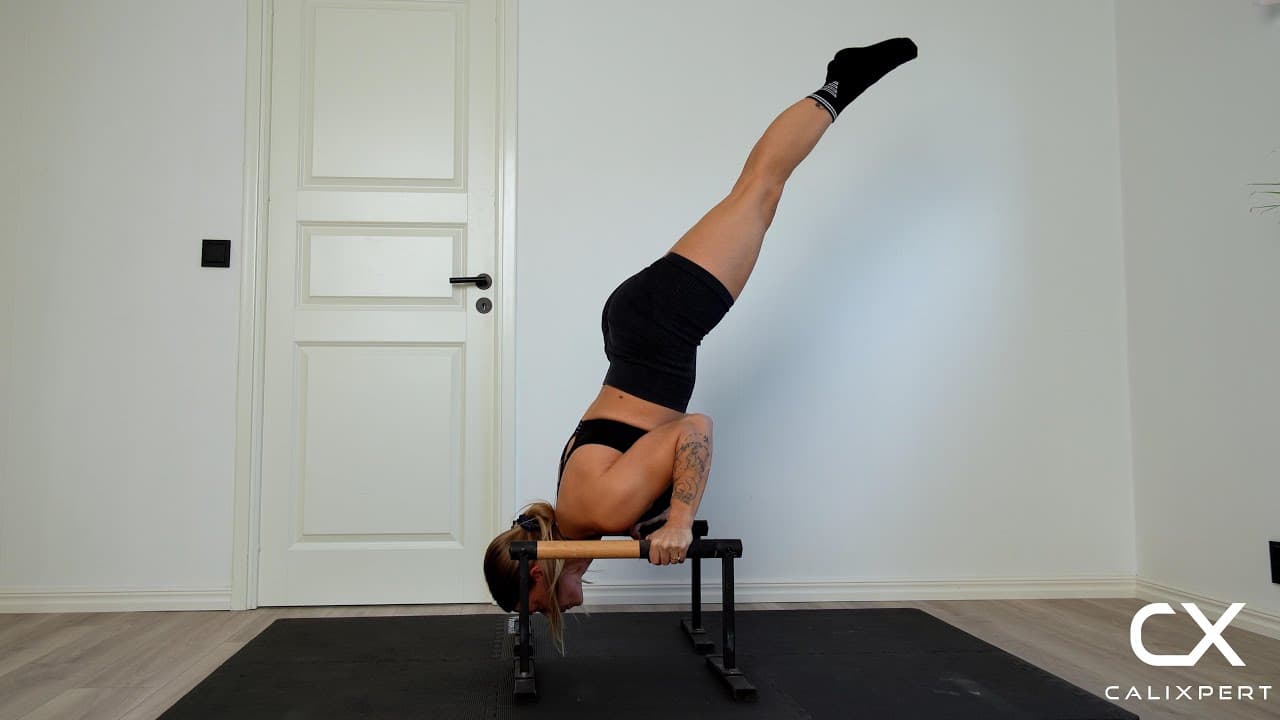
The bent arm handstand hold is an intermediate isometric pressing skill performed on parallettes or dip bars, targeting the front deltoids, triceps, and chest while demanding total body tension from head to toe. The key to this hold is maintaining all of your weight through the hands with elbows tucked close to the body, not resting on the shoulders despite the inverted position resembling a shoulder stand. Mastered with proper alignment, the bent arm handstand hold builds the static pressing strength and overhead stability that directly transfers to handstand push-ups and planche progressions.
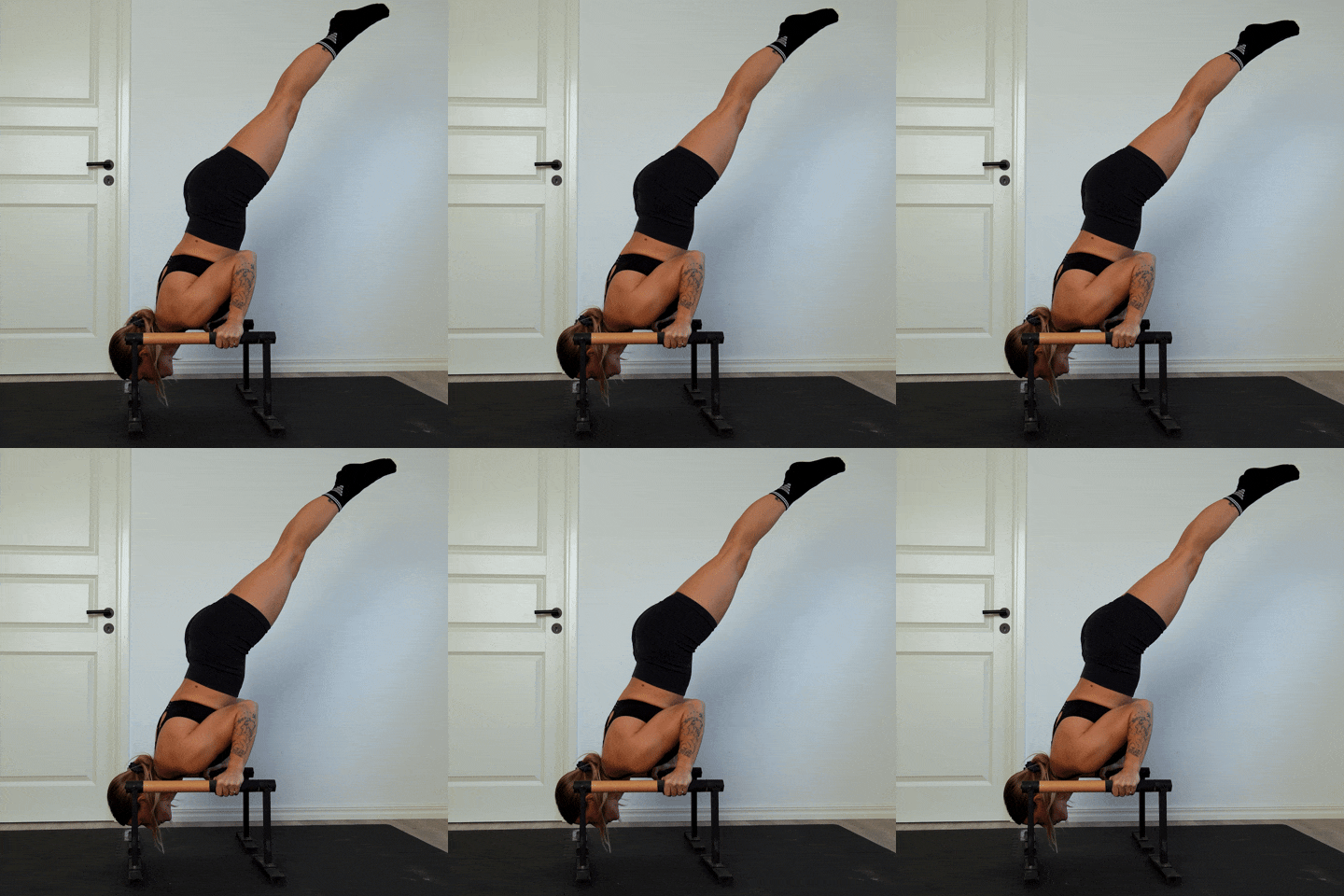
How to Do Bent Arm Handstand Hold
1. Set Up on Parallettes or Dip Bars
Place your hands on a pair of medium-height parallettes or dip bars, roughly shoulder width apart. Wrap your fingers fully around the handles with a neutral grip. The bars need to be tall enough that your head can pass between them without touching the ground when you are fully inverted with bent arms.
Firm grip, wrists straight
2. Position Hands and Head in a Triangle
Lean forward so that the space between your two hands and where your head would rest forms a triangle shape. This triangle base gives you the stability needed to balance in the inverted position. Your head should hover between and slightly in front of the bars, not resting on anything.
Hands and head form a triangle
3. Enter the Inverted Position
From the leaning position, kick up, jump, or press your legs overhead into the bent arm handstand. Use whichever entry method you can control. The goal is to arrive in an inverted position with your elbows bent and tucked close to your body, not flared out to the sides.
Controlled entry, no wild kicking
4. Engage Full Body Tension
Once inverted, compress your core by sucking your belly in and squeezing your glutes hard. Press your legs together and point your toes. This full body tension turns your lower body into a single rigid unit, making balance dramatically easier to maintain.
Squeeze glutes, compress core, legs together
5. Press Through the Hands
Actively push through the parallettes so that all of your weight stays in your hands. Even though the position looks like a shoulder stand, your shoulders should not rest on or be supported by the bars. Keep your elbows tucked in close to your torso throughout the hold.
All weight in the hands, never the shoulders
6. Hold and Breathe Steadily
Maintain the position for your target hold time while breathing in a controlled rhythm. Make small adjustments through your fingers and wrists to stay balanced. When you can no longer maintain clean form or full hand pressure, lower yourself down with control rather than collapsing out of the hold.
Controlled breathing, bail with control
Most people turn this into a headstand or shoulder stand without realizing it. The entire point of the bent arm handstand hold is that your weight stays in your hands the whole time. If you feel your shoulders pressing into the bars or your head pressing into the floor, you are doing a different exercise. Think about pushing the bars away from you even while holding still, and you will feel the shoulders and triceps engage the way they are supposed to.
Muscles Worked During Bent Arm Handstand Hold
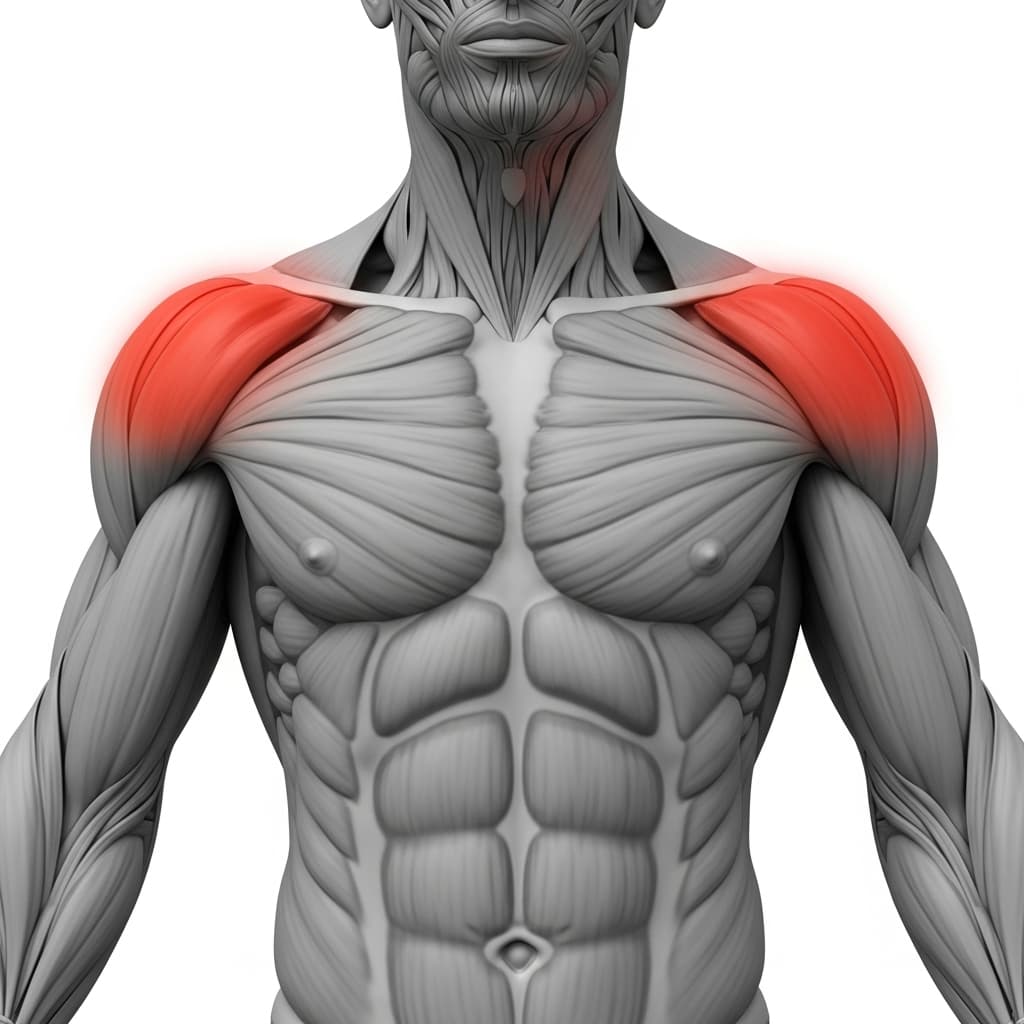
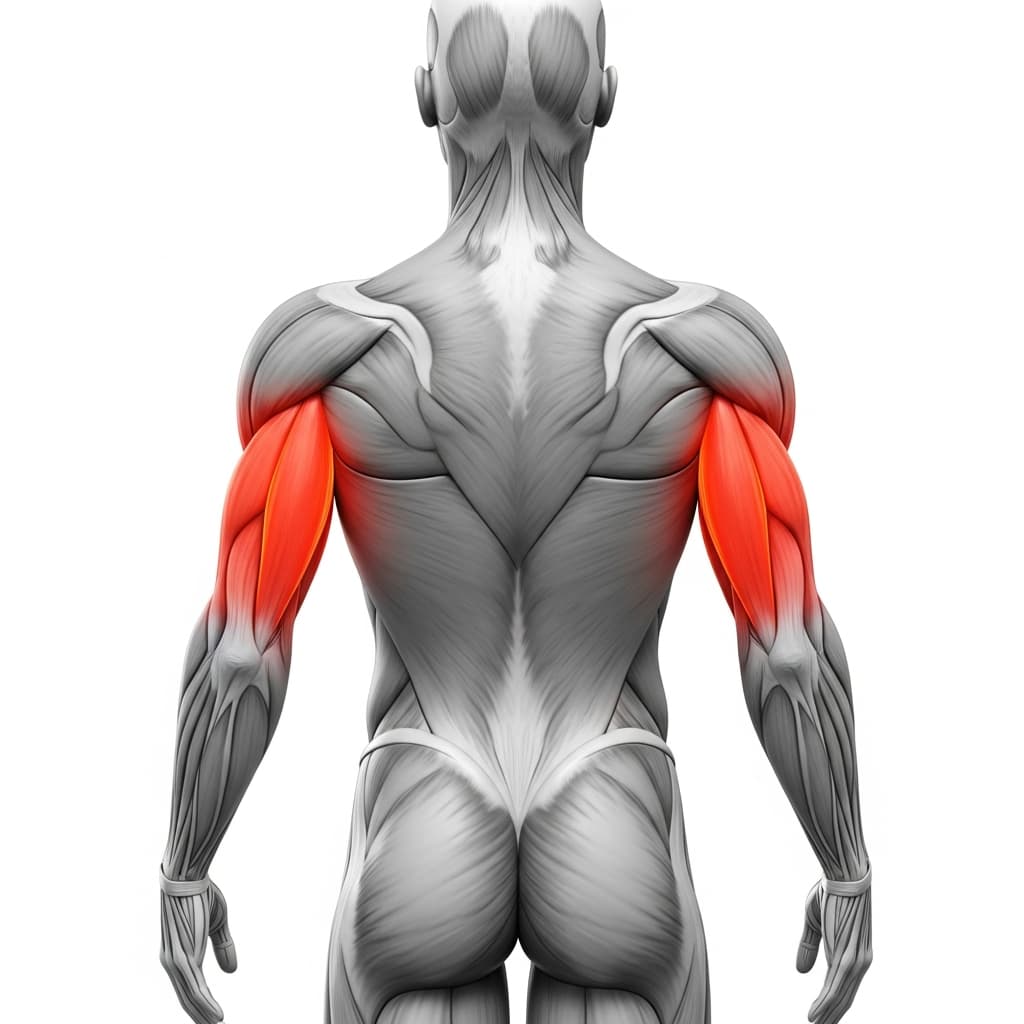
Primary Muscles:
Secondary Muscles:
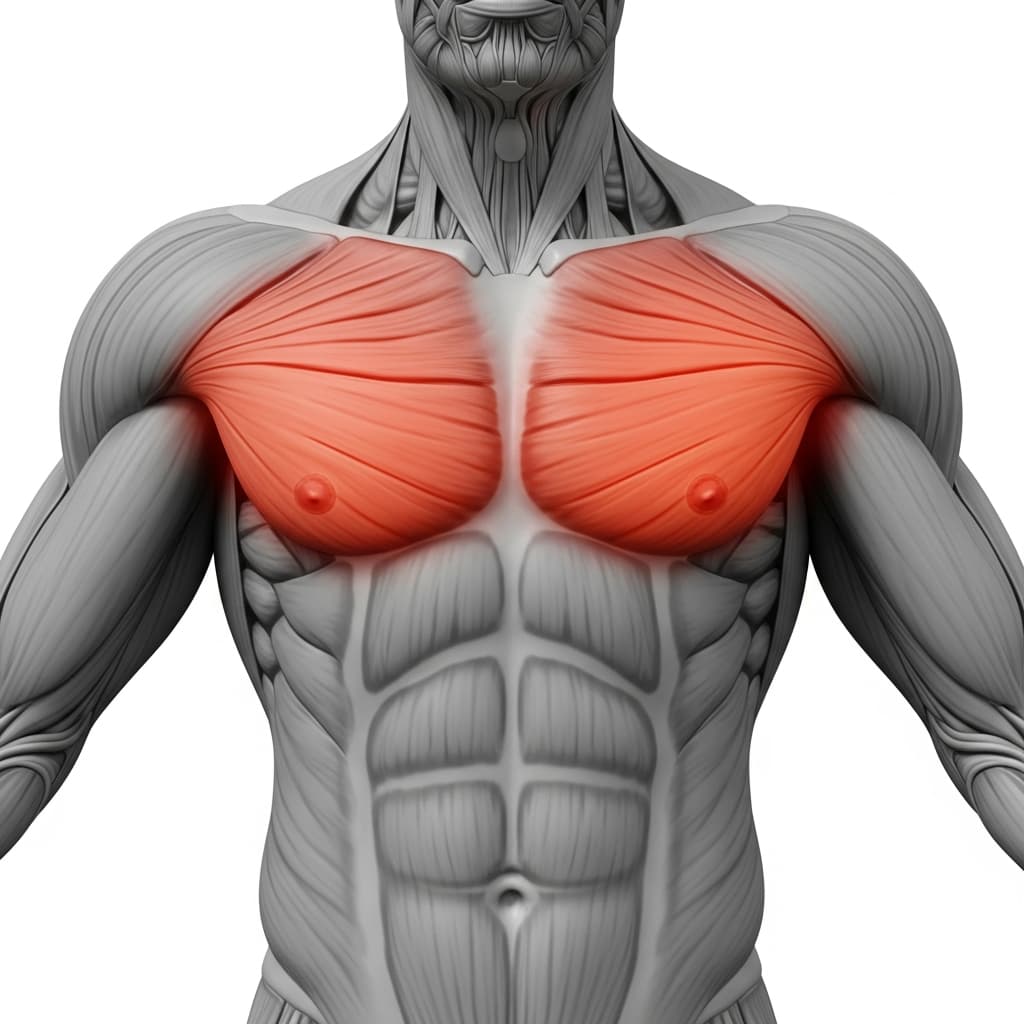
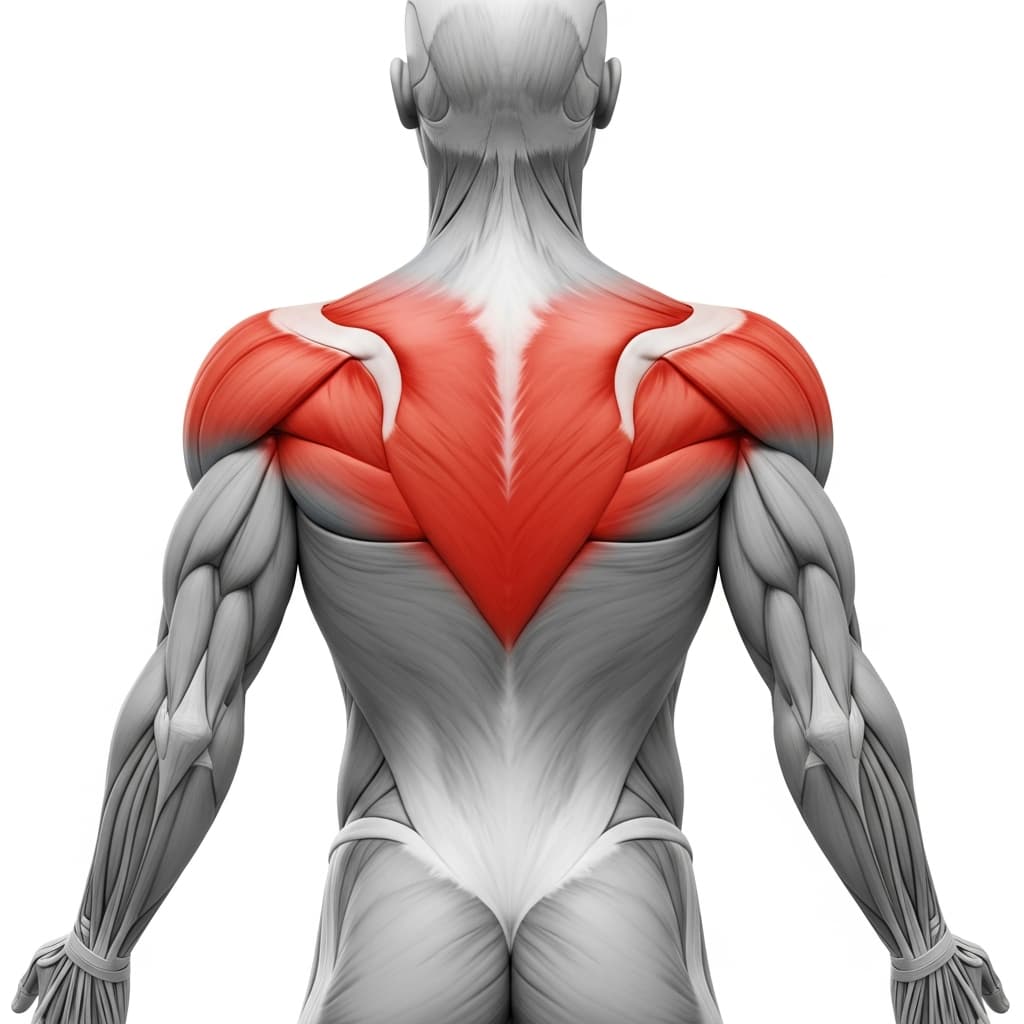
Primary Muscles
Anterior Deltoid (Front Deltoid) - The front deltoids work isometrically to stabilize the shoulder joint and support the entire body in the inverted bent arm position, bearing the majority of the pressing load throughout the hold.
Triceps Brachii (Triceps) - The triceps maintain the bent elbow angle under load, preventing the arms from collapsing further and keeping the body elevated throughout the hold.
Secondary Muscles
Pectoralis Major (Chest) - The chest assists the front deltoids in stabilizing the shoulder joint and contributes to the pressing force needed to keep the body from sinking deeper into the bent arm position.
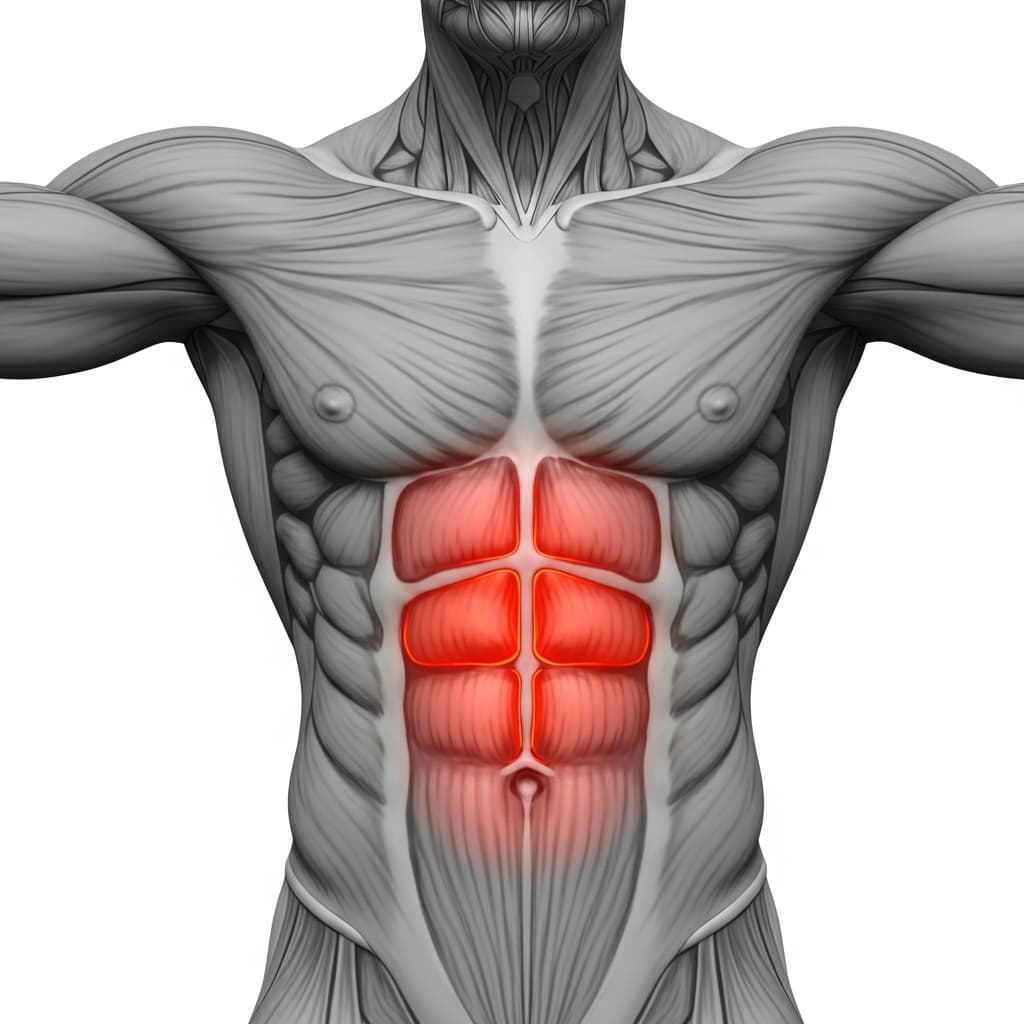
Rectus Abdominis (Abs) - The abs brace the midsection and prevent the hips from drifting or the lower back from arching, maintaining a rigid body line that makes balance possible.
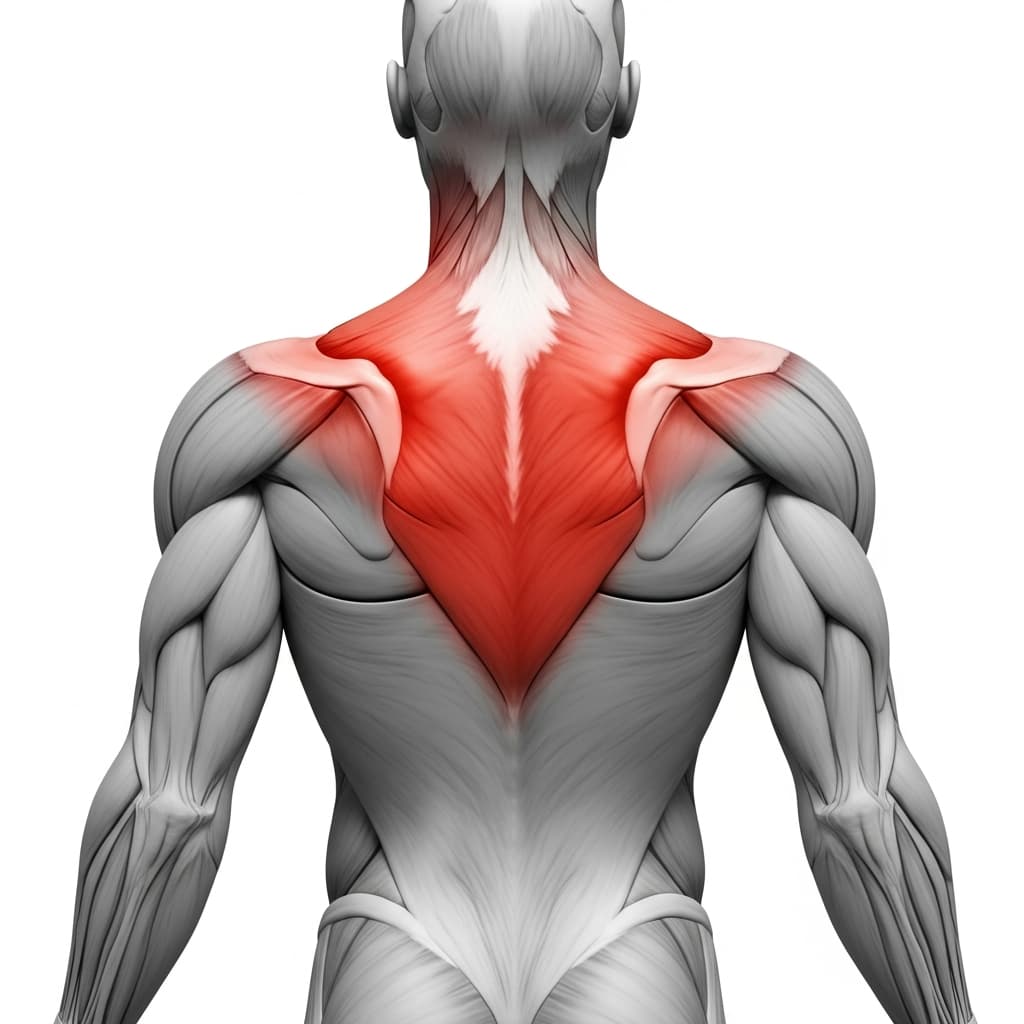
Trapezius (Trapezius) - The traps stabilize the scapulae in the inverted position, preventing the shoulders from collapsing under the compressive load of the hold.
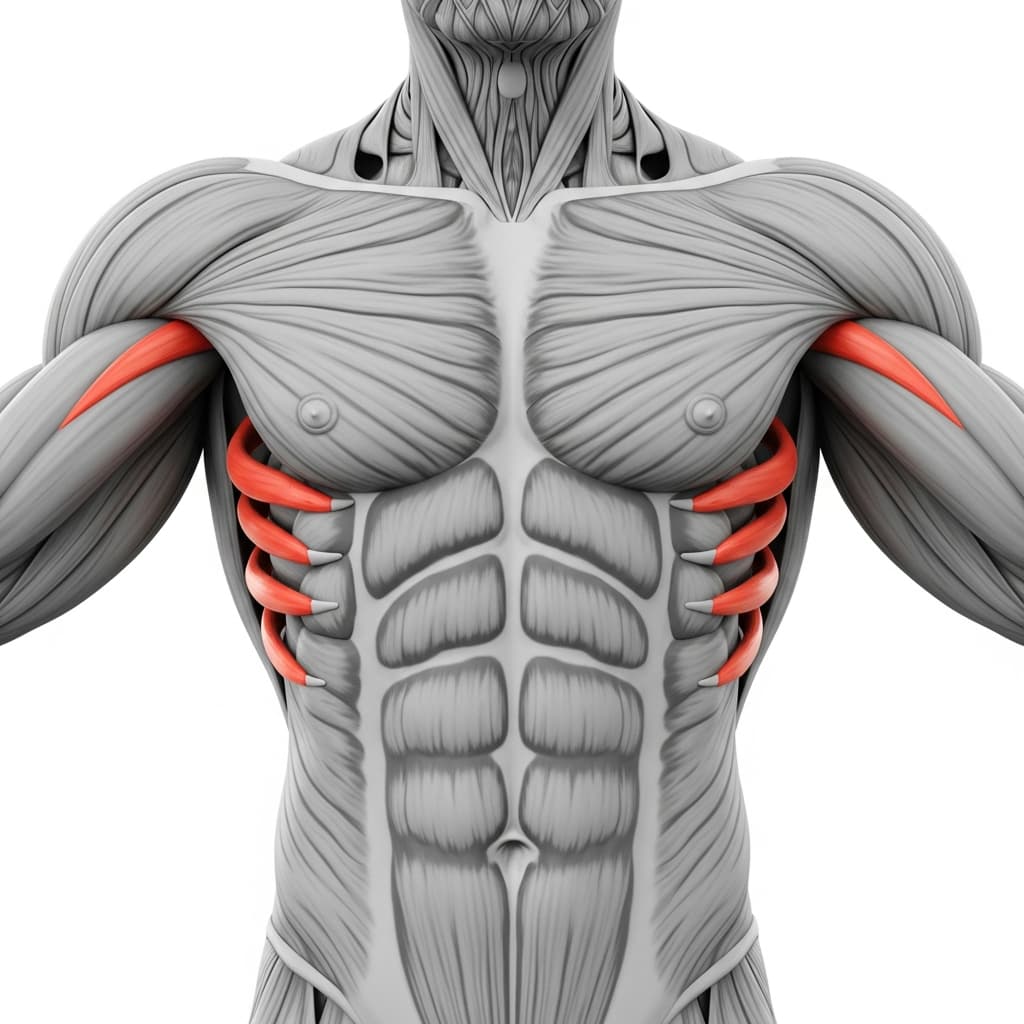
Serratus Anterior (Serratus Anterior) - The serratus anterior protracts and stabilizes the shoulder blades against the ribcage, keeping the scapulae locked in position while pressing through the hands.
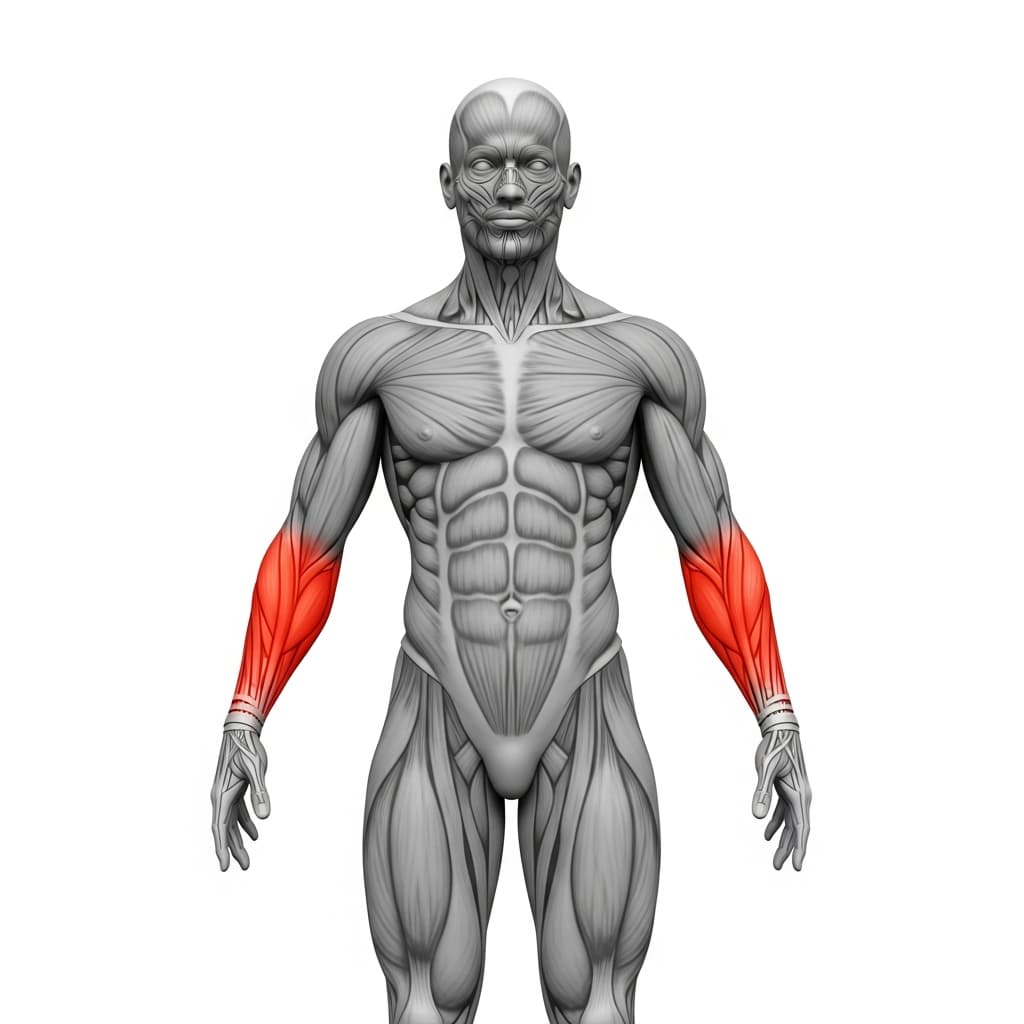
Forearm Flexors & Extensors (Forearms) - The forearms maintain grip on the parallettes and make constant micro-adjustments through the wrists to control balance in the inverted position.
Rhomboids & Upper Trapezius (Upper Back) - The upper back muscles work isometrically to keep the thoracic spine stable and prevent the shoulder girdle from rounding forward under load.
Benefits of Bent Arm Handstand Hold
- Builds isometric pressing strength in the front deltoids and triceps at a joint angle that directly transfers to handstand push-ups and planche training
- Develops full-body tension and midline stability under load in an inverted position, which carries over to every advanced calisthenics skill
- Strengthens the wrists and forearms under compressive load, conditioning the joints for heavier overhead pressing work
- Improves proprioception and balance in an inverted bent arm position, a skill set that straight arm handstand training alone does not build
Who Is This Exercise For?
You should be able to hold a wall-assisted handstand for at least 20 seconds and perform 8 or more pike push-ups with controlled form before attempting the bent arm handstand hold. Comfortable wrist mobility under load and experience with inverted positions are essential, as the bent arm position places significant compressive force on the wrist joints. If a straight arm headstand on the floor still feels unstable, spend more time building overhead pressing strength and inverted balance first.
Common Mistakes to Avoid
Resting weight on the shoulders: The bent arm handstand hold is not a headstand or shoulder stand. Push actively through the parallettes so your shoulders carry zero load from the bars. If you feel pressure on your shoulders, you have lost the pressing component entirely.
Flaring elbows out to the sides: Keep your elbows tucked in close to your body throughout the entire hold. Flared elbows shift the load away from the triceps and place the shoulder joint in a weaker, more injury-prone position.
Losing core tension: A loose core causes your hips to drift and your lower back to arch, making balance nearly impossible to maintain. Actively compress your midsection and squeeze the glutes on every rep before you even think about holding the position.
Using bars that are too low: If the bars are too short, your head will contact the ground and turn the exercise into a supported headstand. Use medium-height parallettes or dip bars that allow your head to hang freely between them when fully inverted.
Variations & Progressions
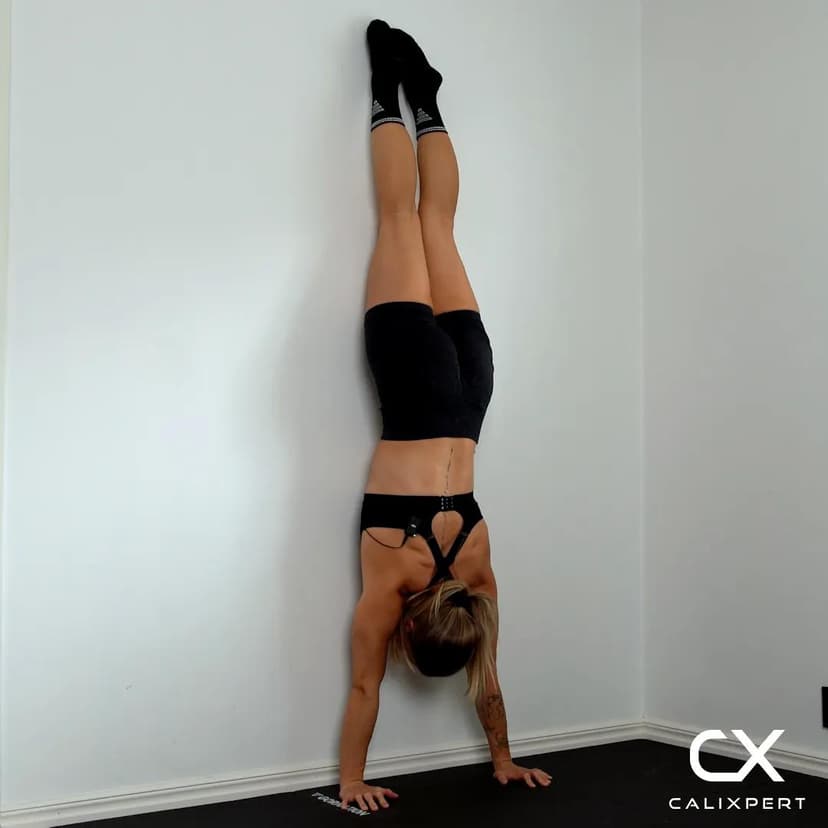
Bent Arm Handstand to Press Out
From the bent arm hold, press your arms to full extension into a straight arm handstand, then lower back to the bent arm position. This dynamic variation builds significantly more pressing strength and requires greater shoulder stability than the static hold alone.
Floor Bent Arm Handstand Hold
Perform the bent arm hold on the floor without parallettes, which requires deeper wrist flexibility and eliminates the extra depth that elevated bars provide. The reduced clearance for your head makes the balance and strength demands more challenging.