Wall Pike Pulses
Wall Pike Pulses are a strict hip flexor and core compression exercise where you sit with your lower back pressed against a wall and pulse your straight legs upward from a pike position. The wall removes any ability to lean back, which forces the hip flexors and lower abs to handle the full load without compensation. This makes it one of the most effective drills for building the active compression strength required for L-sits, V-sits, and pike holds.
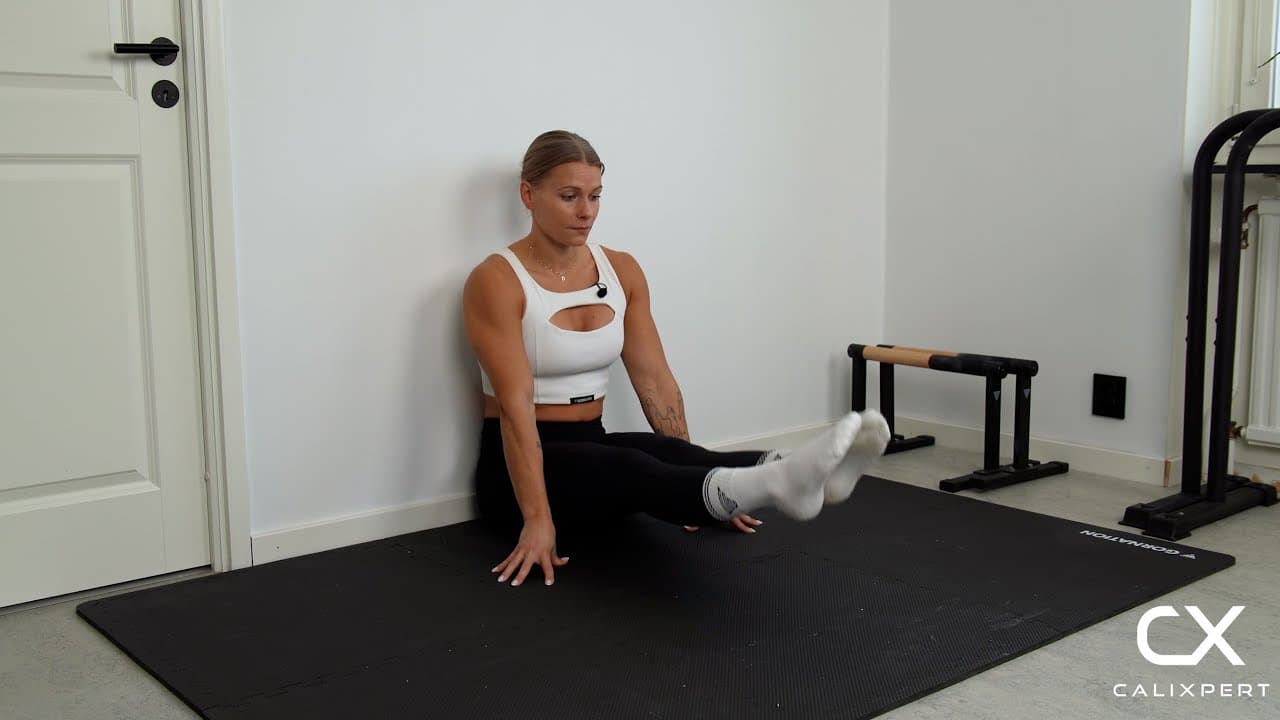
Wall Pike Pulses are a strict hip flexor and core compression exercise where you sit with your lower back pressed against a wall and pulse your straight legs upward from a pike position. The wall removes any ability to lean back, which forces the hip flexors and lower abs to handle the full load without compensation. This makes it one of the most effective drills for building the active compression strength required for L-sits, V-sits, and pike holds.
How to Do Wall Pike Pulses
1. Sit Against the Wall
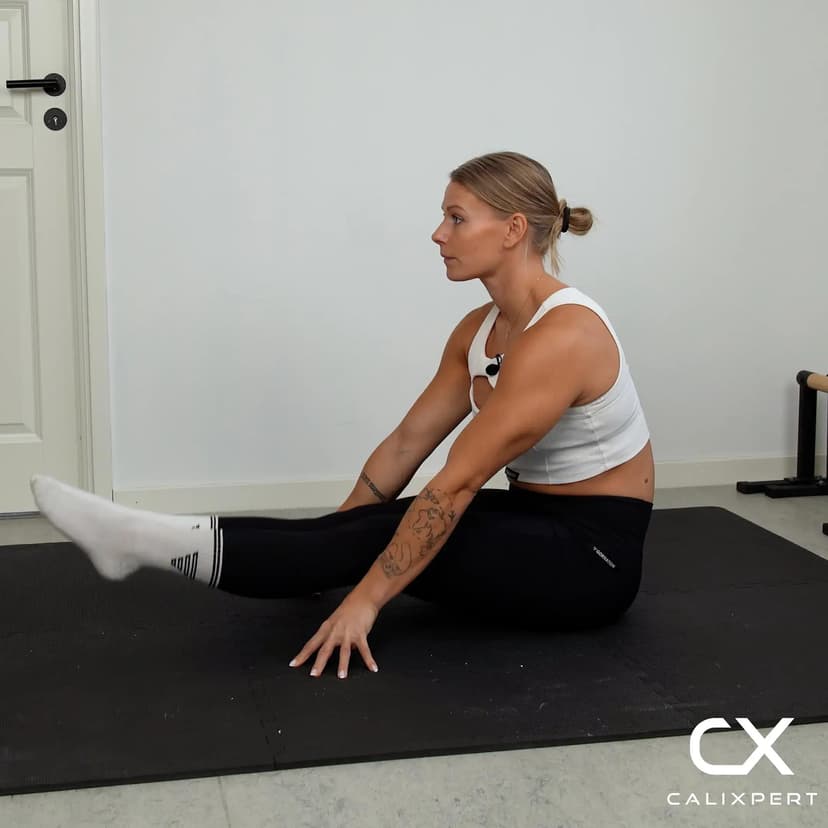
Sit on the floor with your lower back pressed firmly against a wall. Your upper back does not need to touch the wall, and you can lean your torso slightly forward. Keep your legs straight and together with toes pointed, resting your heels on the ground.
Lower back glued to the wall
2. Place Your Fingertips Down
Place your fingertips on the floor at approximately knee height, with your hands just outside your legs. You are using fingertip contact for light balance, not pressing hard through your palms. Keep your arms relatively straight without locking the elbows.
Fingertips light, not palms flat
3. Engage Your Core
Before lifting, draw your belly button in toward your spine and brace your midsection. This core engagement stabilizes the pelvis and prevents your lower back from peeling away from the wall during the lift. Maintain this bracing throughout every rep.
Suck the belly toward the spine
4. Pulse Your Legs Upward
Lift both legs as high as you can while keeping them straight and together. Squeeze your quads hard to lock the knees and drive the lift through your hip flexors. The range of motion may be small at first, and that is completely fine. Focus on the quality of each contraction rather than the height of the lift.
Squeeze and lift, legs locked straight
5. Lower With Control
Slowly lower your legs back down without letting your heels crash to the floor. Keep constant tension in the hip flexors by stopping just above the ground before initiating the next pulse. Each descent should take at least one full second.
Heels hover, never rest on the floor
Most people fail this exercise because they try to lift their legs too high too soon and end up peeling their back off the wall. Forget about height. Focus on keeping your lower back glued to the wall and squeezing your hip flexors as hard as you can, even if your feet only come up a few centimeters. That strict contraction under a fixed torso position is what builds real compression strength.
Muscles Worked During Wall Pike Pulses
Primary Muscles:
Secondary Muscles:
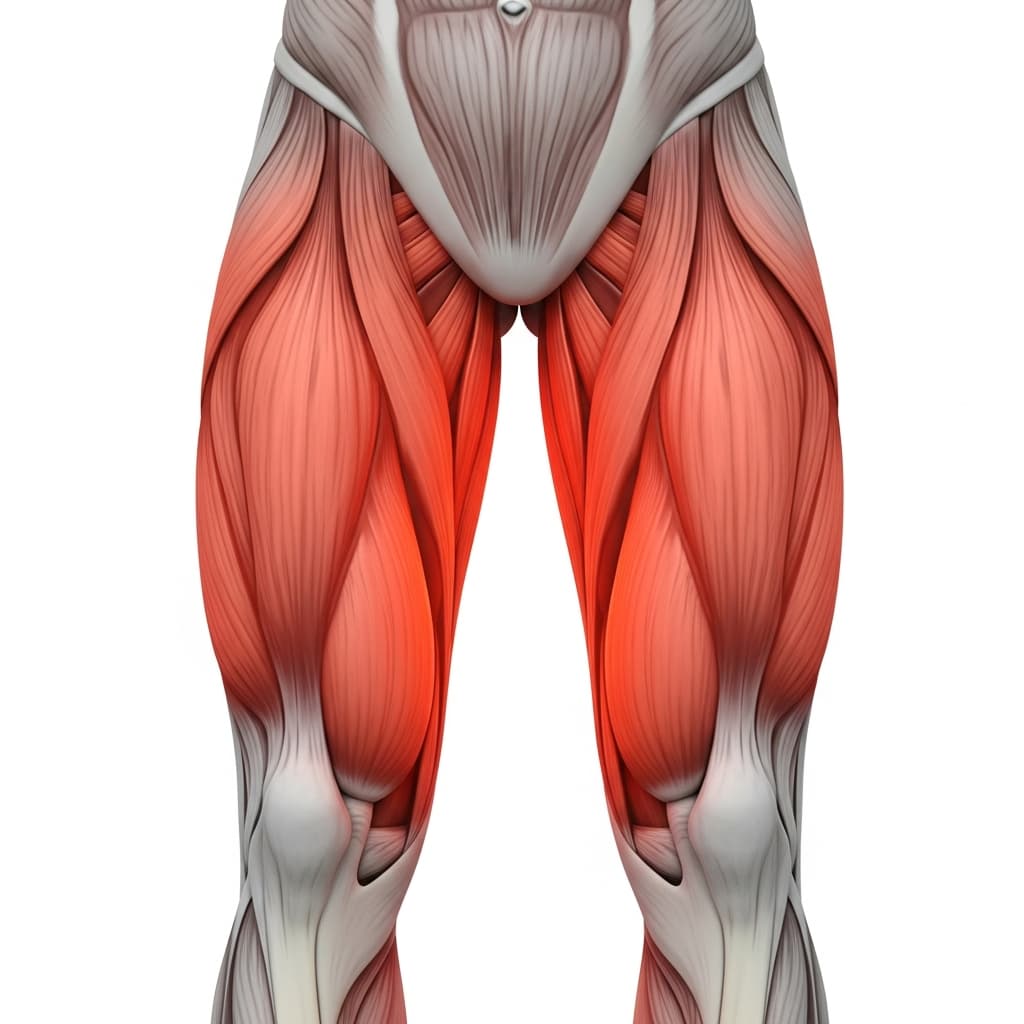
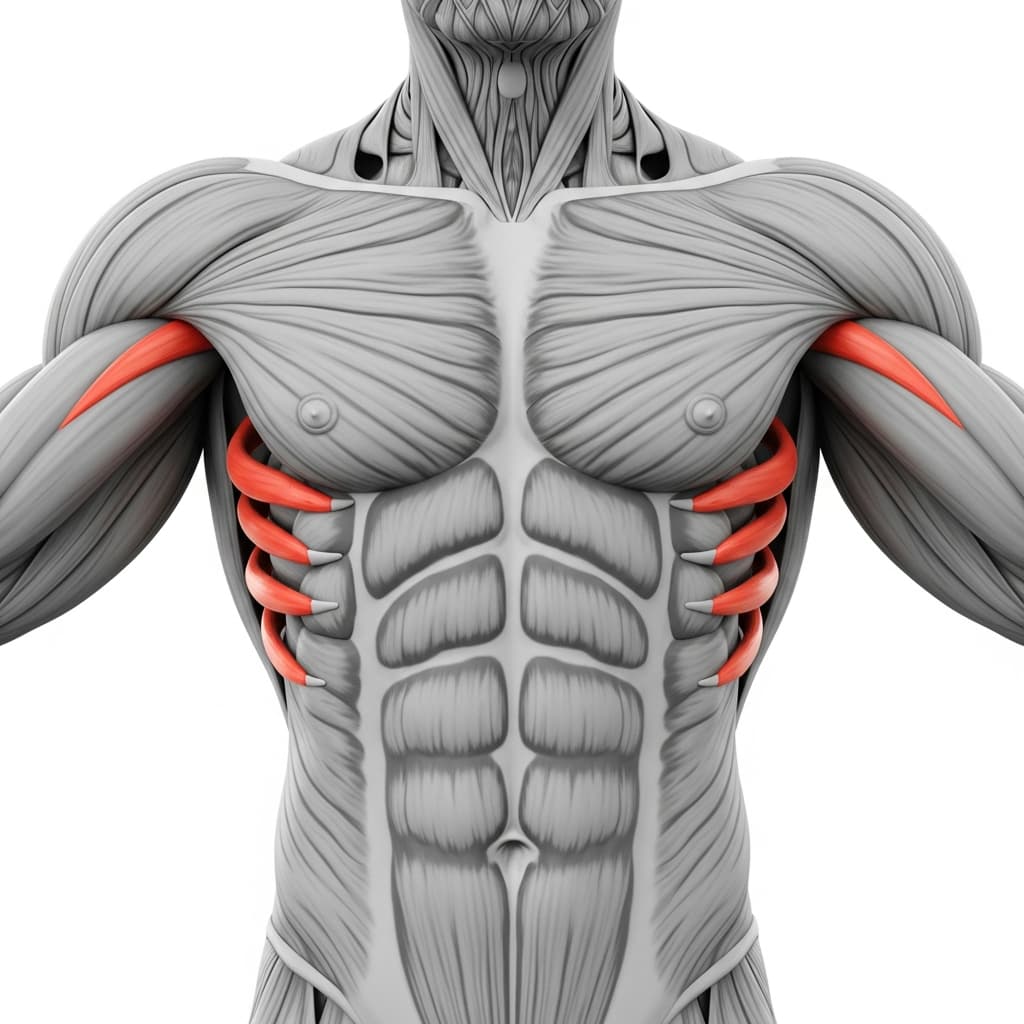
Primary Muscles
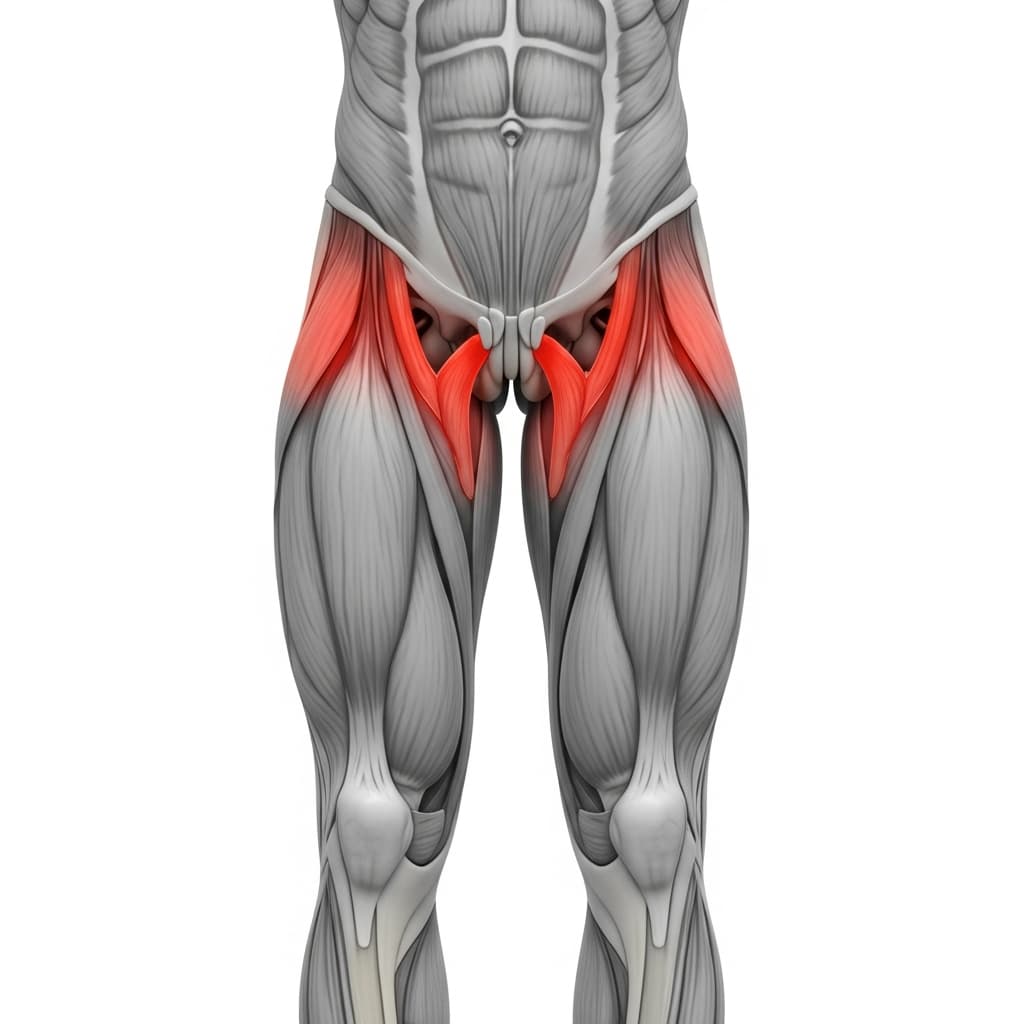
Iliopsoas (Hip Flexors) - The hip flexors drive the entire leg lift by flexing the hip joint against gravity while the wall prevents any backward lean that would reduce their workload.
Secondary Muscles
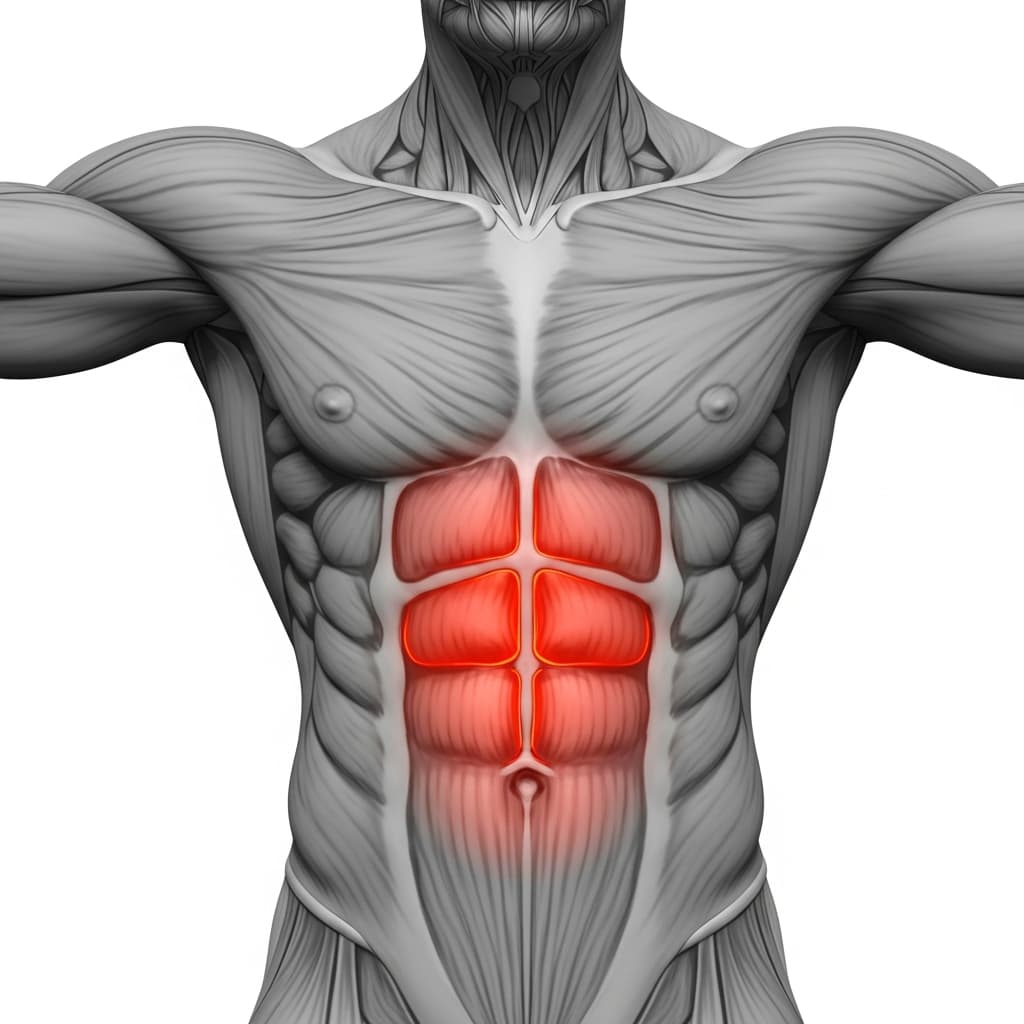
Rectus Abdominis (Abs) - The abdominals brace the pelvis and lumbar spine against the wall, preventing the lower back from arching and keeping the torso stable during each pulse.
Quadriceps (Quads) - The quadriceps lock the knees into full extension throughout the movement, maintaining the straight-leg position that maximizes the lever arm on the hip flexors.
Serratus Anterior (Serratus Anterior) - The serratus anterior stabilizes the scapulae and assists in maintaining an upright torso position as the fingertips press lightly into the ground for balance.
Benefits of Wall Pike Pulses
- Isolates the hip flexors under strict conditions by eliminating the ability to lean back, which is the most common compensation pattern in seated leg lifts
- Builds active pike compression strength that transfers directly to L-sits, V-sits, and pike press movements
- Strengthens the quads in a fully locked position, which develops the straight-leg control needed for calisthenics skill work
- Trains core stability under load without spinal flexion, making it a low-risk option for athletes with lower back sensitivity
Who Is This Exercise For?
You should be able to hold a seated pike position on the floor with your back straight and legs extended for at least 10 seconds before adding the wall constraint. If you cannot sit upright in a pike without rounding your lower back, work on hamstring flexibility and basic seated leg lifts first. Athletes who lack the hip flexor strength to lift their heels off the ground in a flat pike are not ready for this variation.
Common Mistakes to Avoid
Lower back peeling off the wall: Your lower back must stay in contact with the wall throughout every rep. If it lifts off, you are compensating by leaning back to make the exercise easier. Reduce the height of your leg lift until you can maintain wall contact.
Bending the knees during the lift: Keep your legs fully locked out with your quads engaged on every rep. Bending the knees shortens the lever arm and removes load from the hip flexors, which defeats the purpose of the exercise.
Pressing hard through the hands: Your fingertips should provide light balance, not generate force. If you are pushing through your palms to help lift the legs, your hip flexors are not doing the work. Use only fingertip contact.
Holding the breath: Exhale as you lift your legs and inhale as you lower them. Holding your breath increases intra-abdominal pressure in a way that reduces your ability to sustain multiple reps and makes the set feel harder than it should.