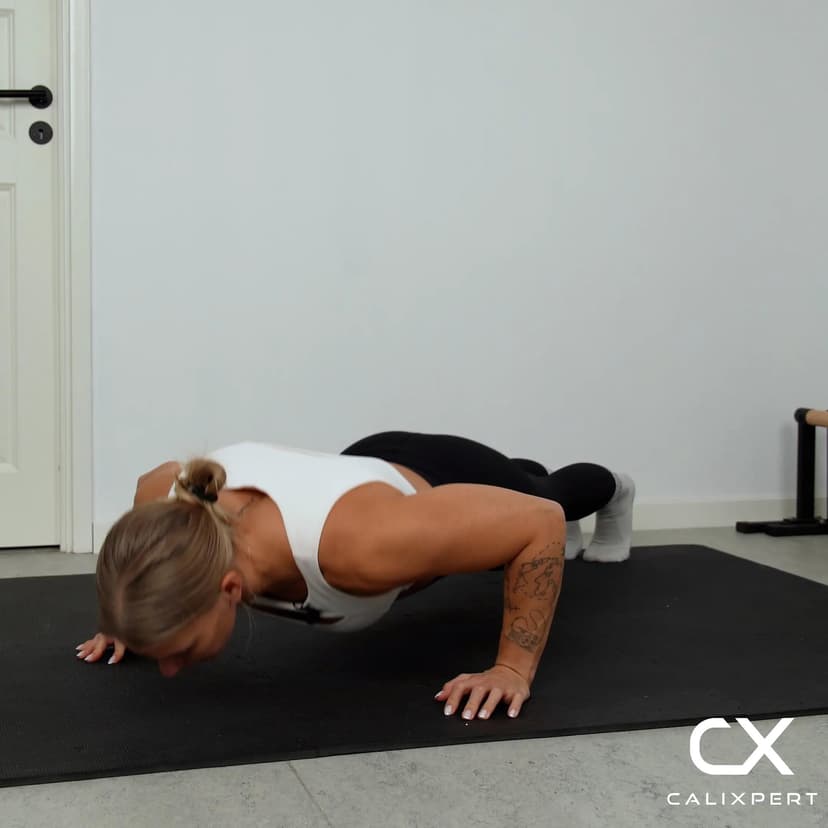
Pike Push Ups
Pike push-ups are a bodyweight vertical pressing exercise that targets the front deltoids, triceps, and upper traps by placing the body in an inverted V position and pressing overhead. The movement closely mimics a handstand push-up but with feet on the ground, making it the most effective progression toward freestanding overhead pressing strength. When performed with correct alignment and controlled tempo, pike push-ups build serious shoulder pressing power and overhead stability that transfer directly into handstand work.
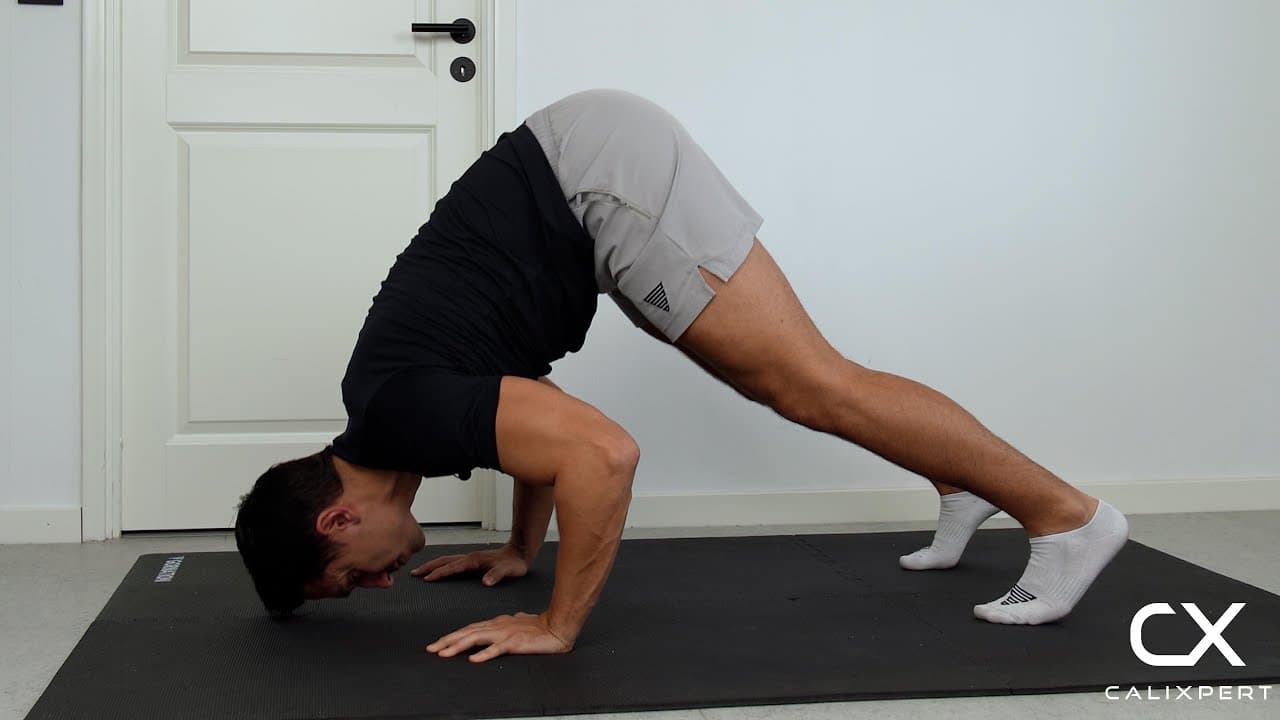
Pike push-ups are a bodyweight vertical pressing exercise that targets the front deltoids, triceps, and upper traps by placing the body in an inverted V position and pressing overhead. The movement closely mimics a handstand push-up but with feet on the ground, making it the most effective progression toward freestanding overhead pressing strength. When performed with correct alignment and controlled tempo, pike push-ups build serious shoulder pressing power and overhead stability that transfer directly into handstand work.
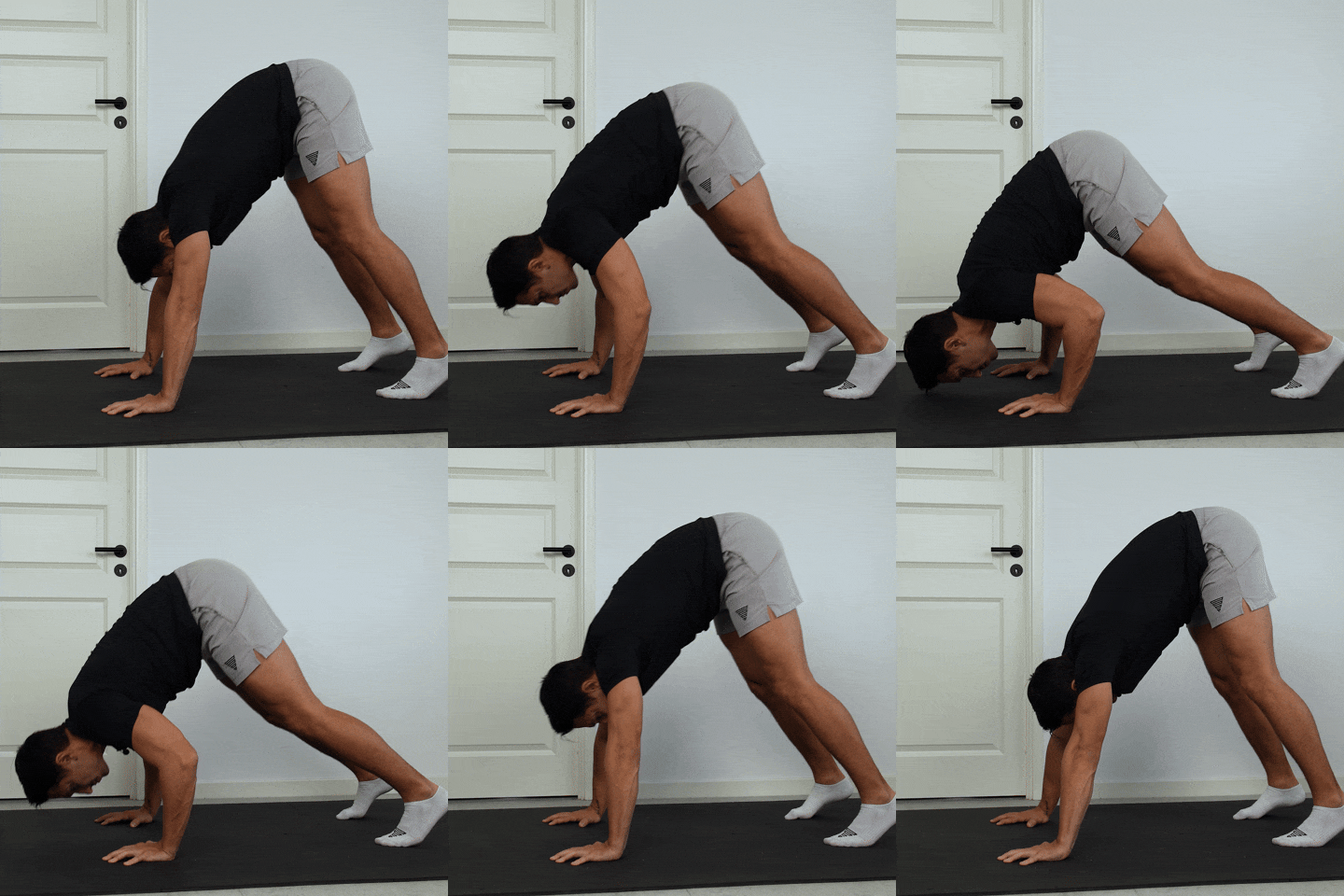
How to Do Pike Push Ups
1. Place Your Hands on the Floor
Set your hands on the floor slightly wider than shoulder width apart. Point your middle fingers straight forward and spread all fingers wide to create a stable base. This hand position distributes the load evenly across the palm and prevents the wrists from collapsing inward under pressure.
Fingers spread, middle fingers forward
2. Set the Inverted V Position
Push up onto your toes and drive your hips high toward the ceiling to form an inverted V shape. Keep your legs slightly apart so you do not have to fight for balance during the movement. Your shoulders should not be stacked directly above your hands. Lean your torso back so your weight shifts into the shoulders, as if you were pressing into a handstand.
Hips high, shoulders behind the hands
3. Lower Your Head Toward the Floor
Bend your elbows at roughly 45 degrees from your body and lower your forehead toward the ground. Your head should form a triangle with your two hands at the bottom of the rep. Keep your gaze directed at the floor between your hands throughout the descent. Do not look forward or let your chin tilt up, as this breaks neck alignment and shifts load away from the shoulders.
Forehead to the floor, eyes down
4. Press Back to the Top
Drive through your palms and push your body back up to the starting inverted V position. Keep your hips high and your core braced throughout the press. Focus on pushing the floor away from you rather than lifting your body up. Lock out your elbows fully at the top before starting the next rep.
Push the floor away, lock out fully
5. Reset and Repeat
At the top of each rep, confirm your hips are still high and your weight is loaded into the shoulders, not drifting forward over your hands. Re-engage your core and check that your feet have not shifted. Each rep should start from the same stable inverted V position.
Reset the V shape before every rep
Most people set up with their shoulders directly above their hands and end up doing a glorified incline push-up. The fix is simple: after you set your hands, walk your feet closer and push your hips back until you feel the weight load into your shoulders, not your chest. If you film yourself from the side, your torso should be angled steeply toward vertical, not at 45 degrees.
Muscles Worked During Pike Push Ups
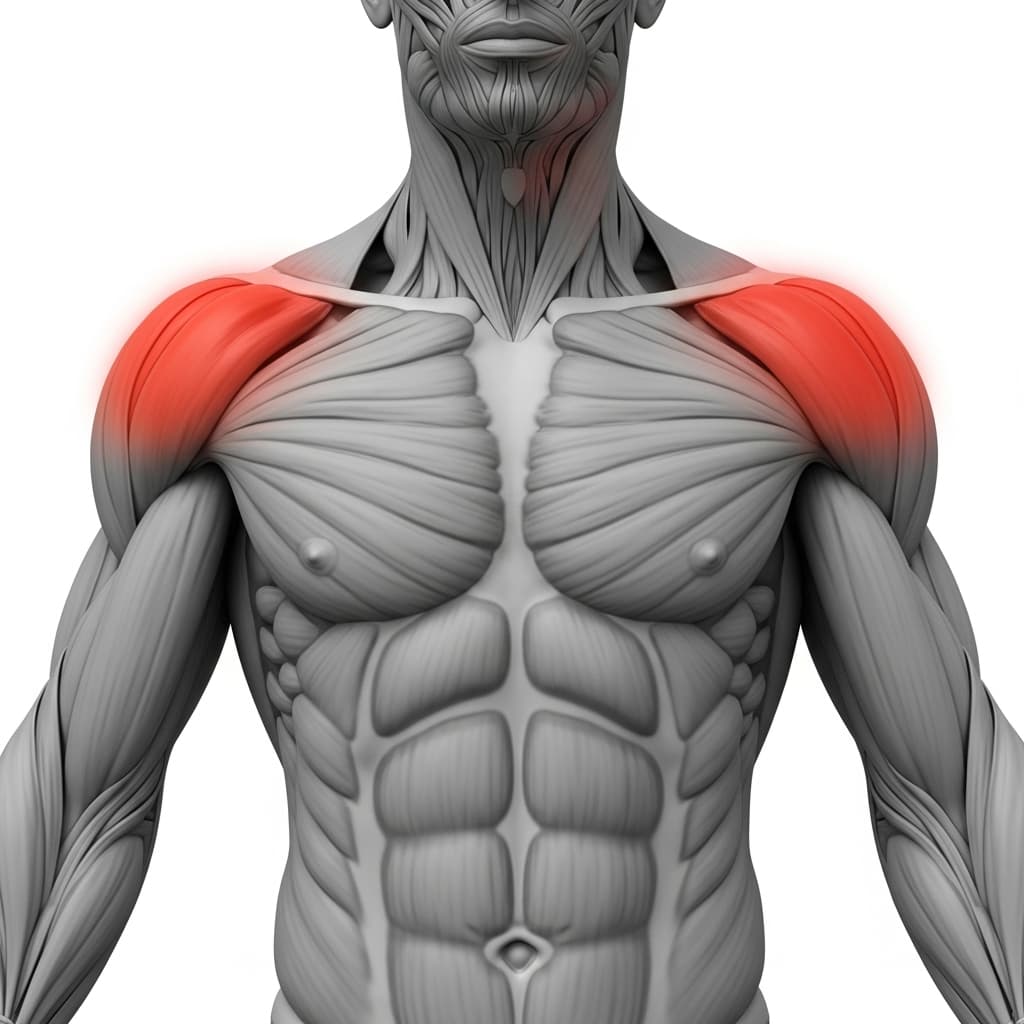
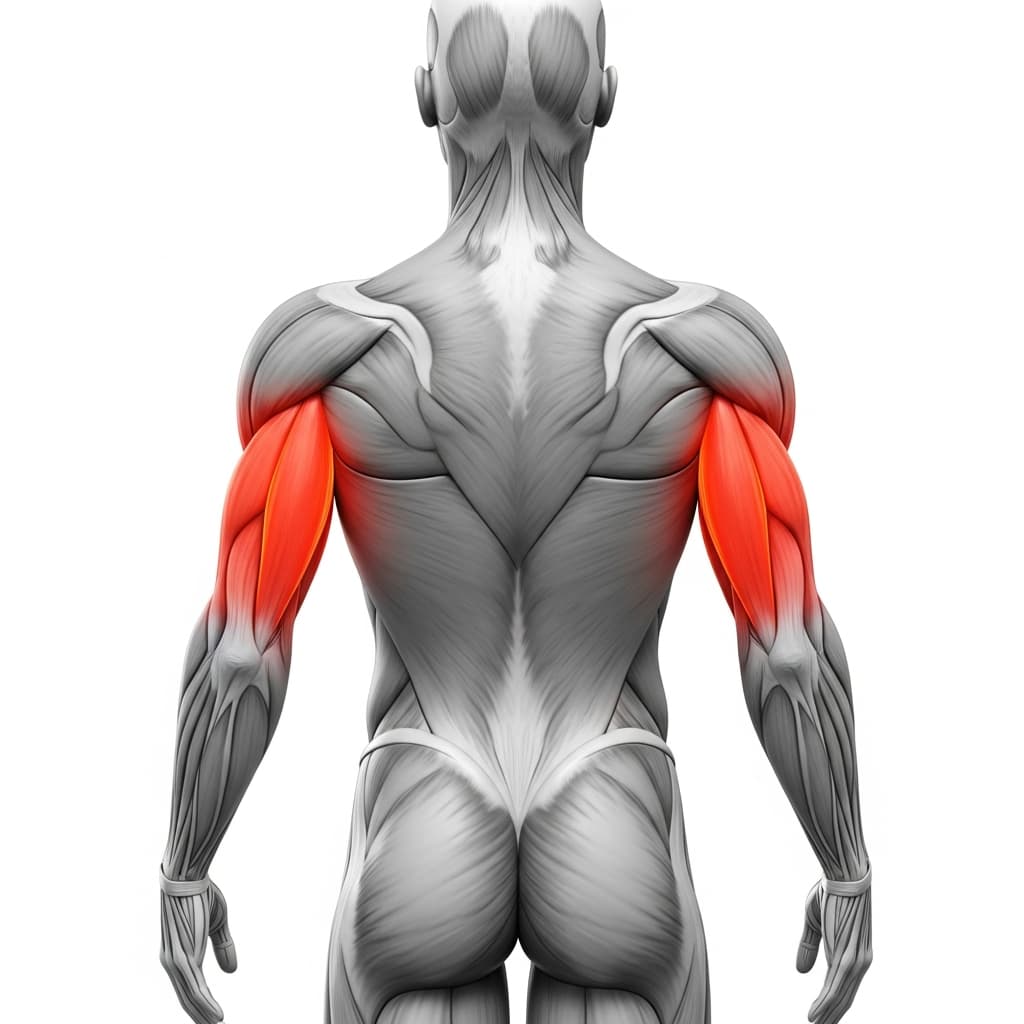
Primary Muscles:
Secondary Muscles:
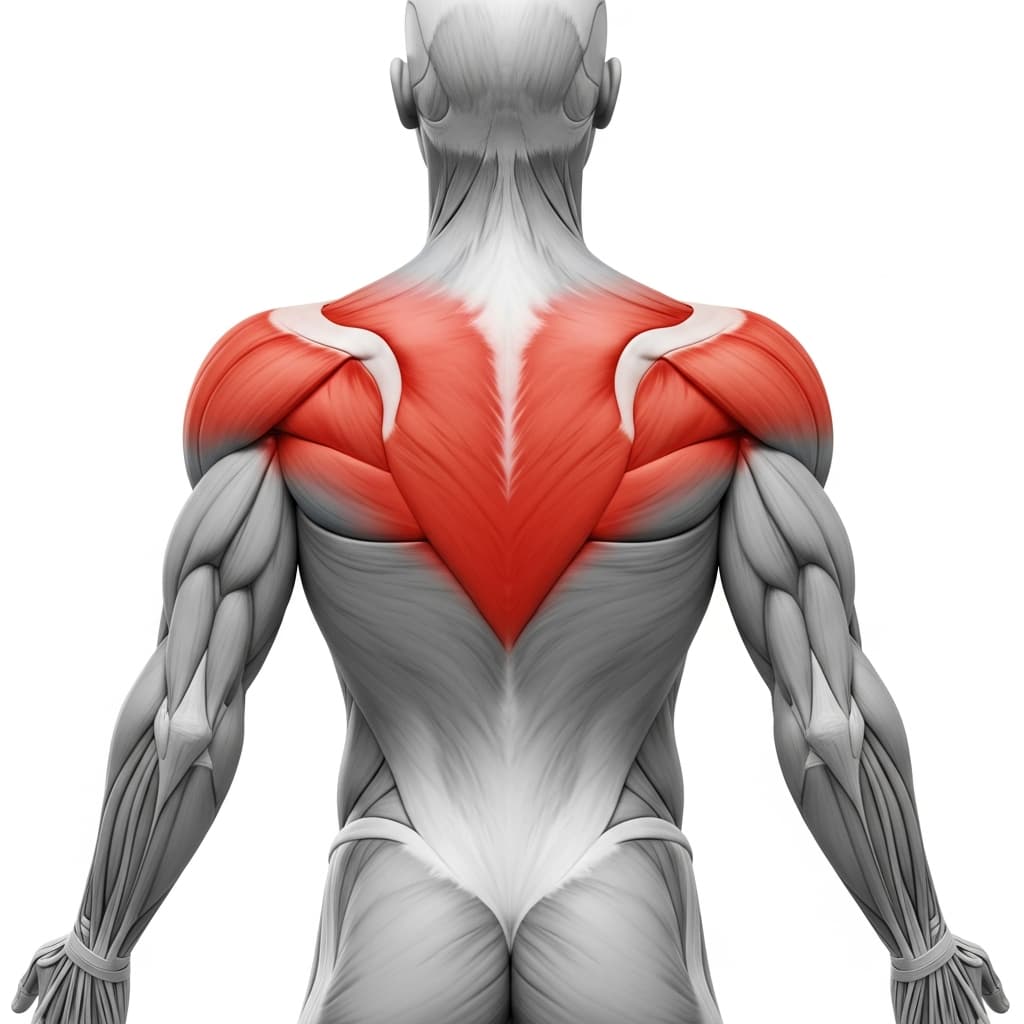
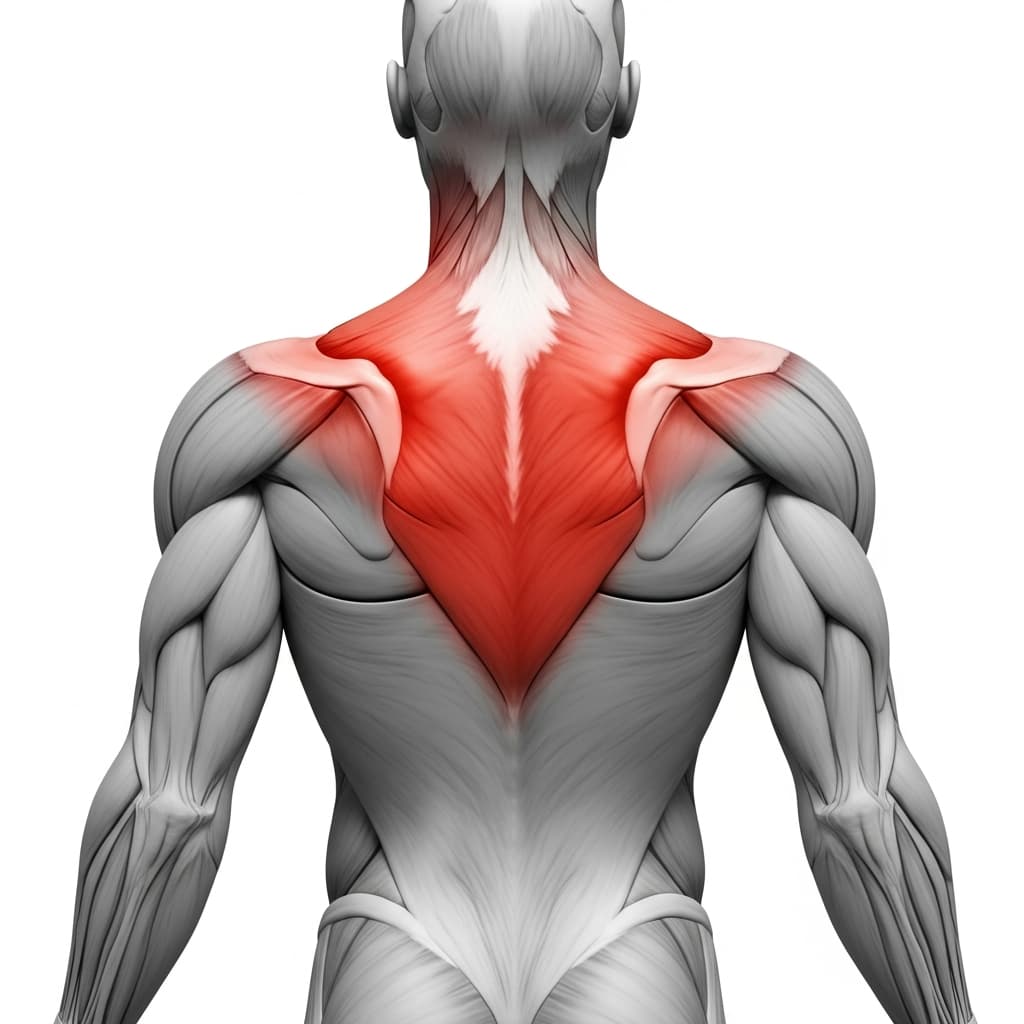
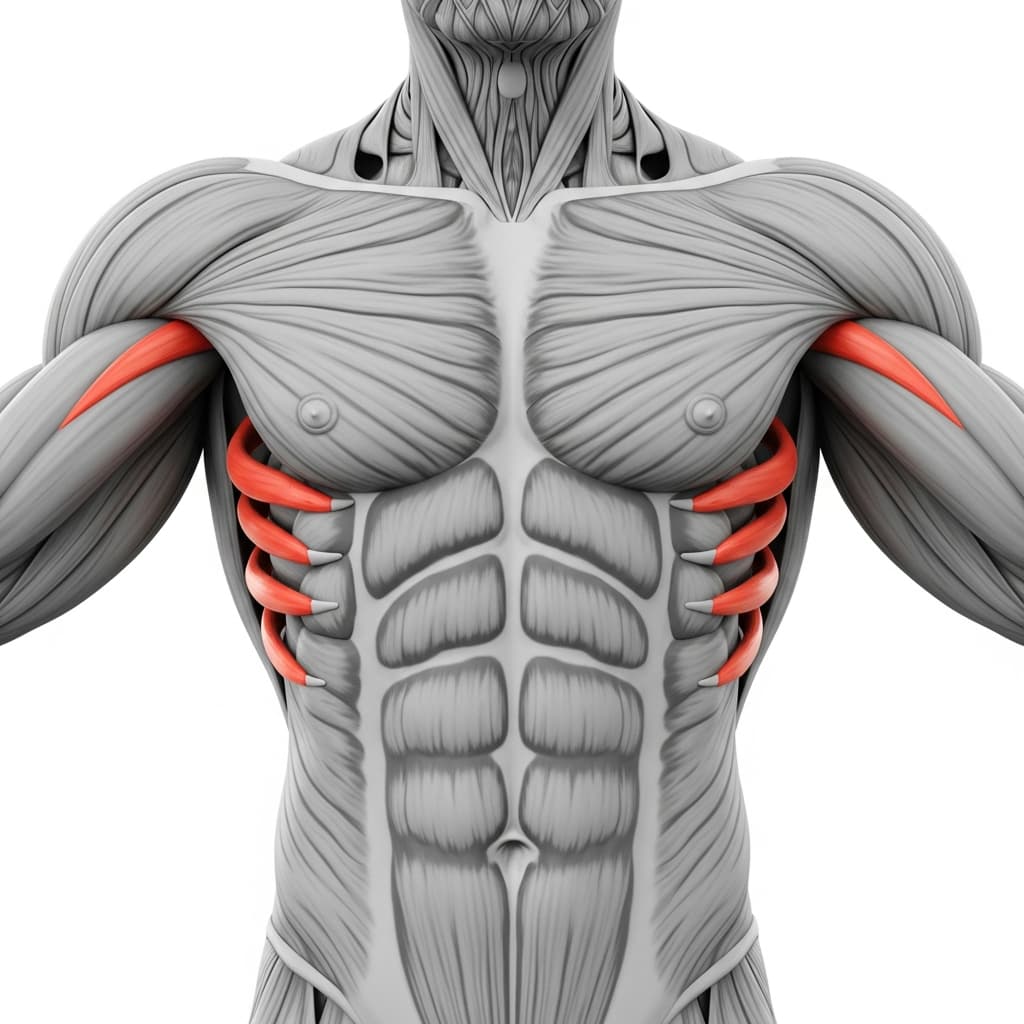
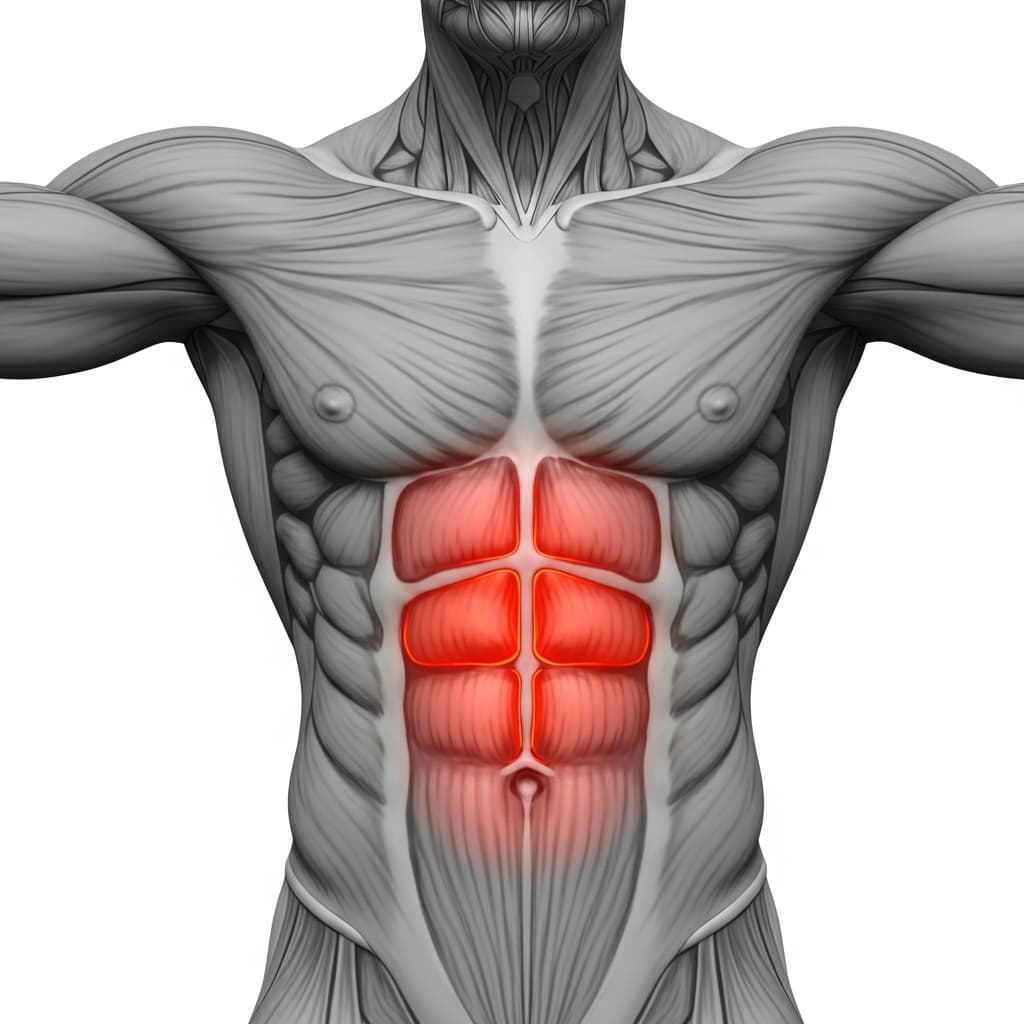
Primary Muscles
Anterior Deltoid (Front Deltoid) - The front deltoids are the primary movers, driving the overhead pressing action as you push your body away from the floor through the inverted V position.
Triceps Brachii (Triceps) - The triceps extend the elbows during the pressing phase, working hardest in the top half of the movement as you lock out each rep.
Secondary Muscles
Rhomboids & Upper Trapezius (Upper Back) - The upper back muscles stabilize the scapulae throughout the press, preventing the shoulder blades from winging or shifting under load.
Trapezius (Trapezius) - The trapezius controls scapular elevation and upward rotation, supporting the shoulders as they press overhead and maintaining stability at the top of each rep.
Serratus Anterior (Serratus Anterior) - The serratus anterior protracts and upwardly rotates the scapulae during the press, keeping the shoulder blades flush against the ribcage throughout the movement.
Rectus Abdominis (Abs) - The abdominals brace the torso and maintain the inverted V position, preventing the hips from sagging and keeping the pressing angle steep.
Benefits of Pike Push Ups
- Builds pressing strength in the front deltoids and triceps through a vertical pressing angle that standard push-ups cannot replicate
- Serves as the most direct progression toward handstand push-ups by training the same overhead pressing pattern with reduced load
- Strengthens the scapular stabilizers and serratus anterior, which protects the shoulder joint during all overhead and inverted movements
- Requires zero equipment and can be performed anywhere with enough floor space, making it one of the most accessible shoulder exercises in calisthenics
Who Is This Exercise For?
You should be able to hold a plank for at least 30 seconds and perform 10 clean push-ups before attempting pike push-ups. If your shoulders fatigue quickly in a downward dog position or you lack the hamstring flexibility to keep your hips high, work on shoulder endurance and posterior chain mobility first.
Common Mistakes to Avoid
Shoulders stacking over the hands: Lean your torso backward so your shoulders sit behind your wrists, not directly above them. When the shoulders drift forward, the movement turns into an incline push-up and the deltoids lose their mechanical advantage.
Letting the hips sag: Keep your hips as high as possible throughout the entire set. If your hips drop, the exercise shifts from a vertical press into a standard push-up, reducing shoulder activation significantly.
Flaring elbows straight out to the sides: Maintain roughly 45 degrees of elbow flare from the body, not 90. Elbows flared straight out places excessive stress on the shoulder joint and reduces pressing power.
Looking forward instead of down: Keep your gaze on the floor between your hands throughout the movement. Looking forward hyperextends the neck and shifts your center of gravity, making the press less efficient and putting the cervical spine in a compromised position.