Ring Push Ups
Ring push-ups are a bodyweight horizontal pressing exercise that targets the chest, triceps, and front deltoids while demanding constant stabilization from the core and shoulder girdle. The instability of the rings forces each arm to work independently, which exposes and corrects strength imbalances that floor push-ups hide. Mastered with strict form, ring push-ups build pressing strength and shoulder stability that transfer directly into dips, muscle-ups, and every advanced ring skill in calisthenics.
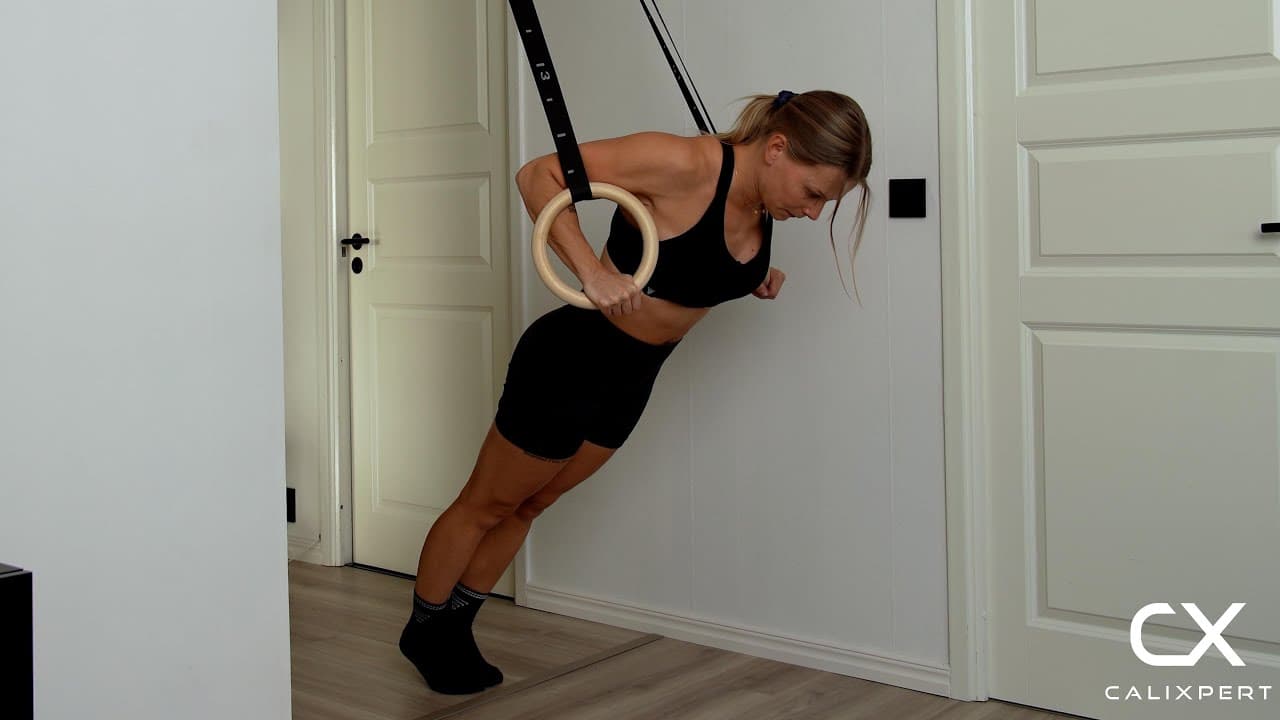
Ring push-ups are a bodyweight horizontal pressing exercise that targets the chest, triceps, and front deltoids while demanding constant stabilization from the core and shoulder girdle. The instability of the rings forces each arm to work independently, which exposes and corrects strength imbalances that floor push-ups hide. Mastered with strict form, ring push-ups build pressing strength and shoulder stability that transfer directly into dips, muscle-ups, and every advanced ring skill in calisthenics.
How to Do Ring Push Ups
1. Set the Ring Height
Start with the rings set at about hip height. This is the standard starting progression that gives enough challenge without overwhelming your stabilizers. If this feels too easy, lower the rings or step your feet further back. If it feels too hard, raise the rings or walk your feet forward.
Hip height first, adjust from there
2. Grip the Rings and Set Position
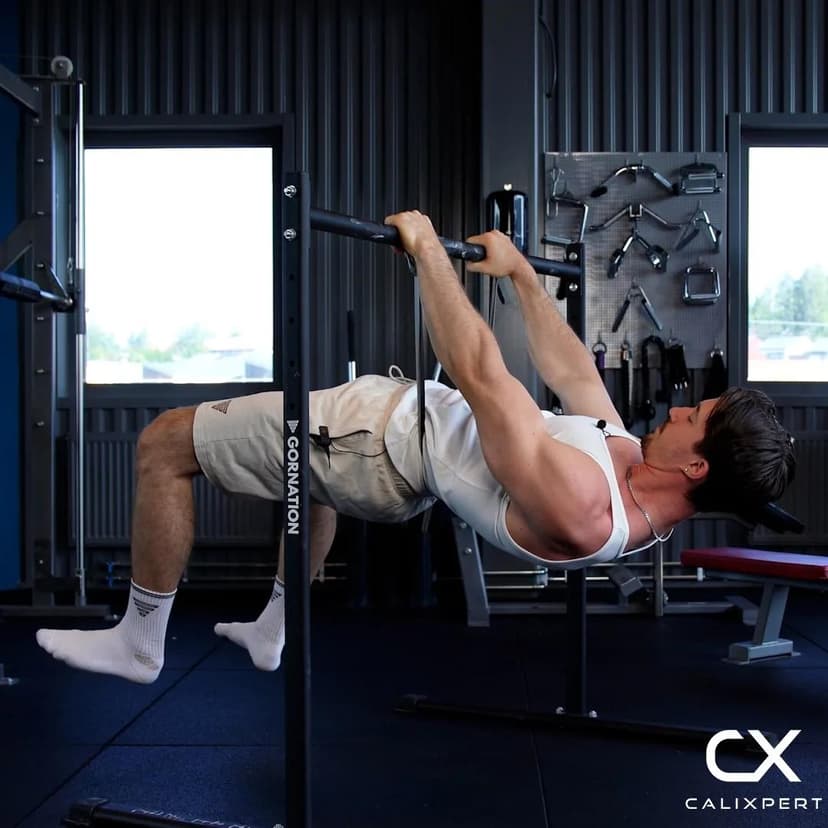
Grip each ring firmly with your full hand wrapped around the handle. Walk your feet back until your body forms a straight line from head to heels with your arms extended. Position the rings directly below your shoulders with your palms facing each other in a neutral grip.
Rings under shoulders, full grip
3. Engage Full Body Tension
Squeeze your glutes, brace your core, and press your legs together before you begin the descent. This full-body tension turns your body into a rigid plank and prevents the rings from drifting apart or wobbling. Without this tension, the instability of the rings will control you instead of the other way around.
Squeeze everything before you move
4. Lower Your Chest to Ring Height
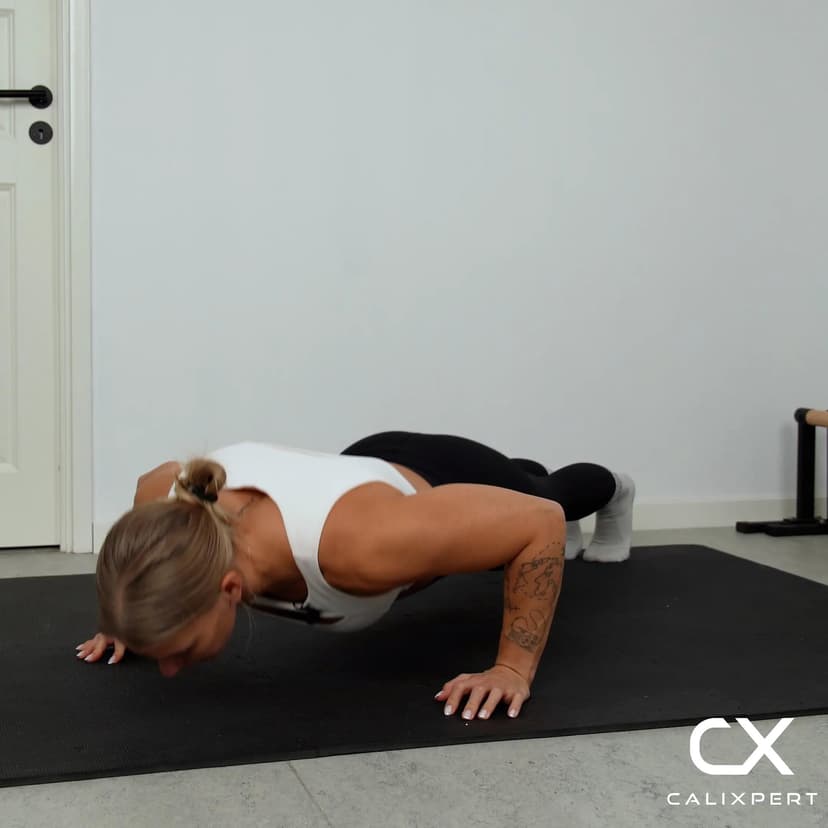
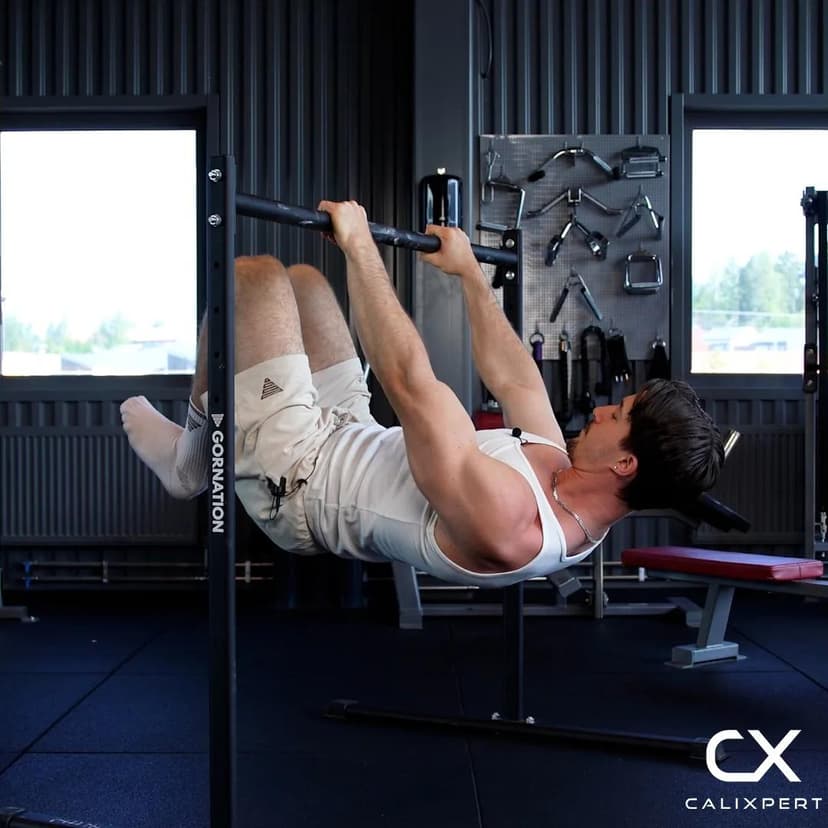
Bend your elbows and lower yourself in a controlled descent, aiming to bring your chest down to the level of the rings. Keep your elbows at roughly 45 degrees from your body, not flared wide and not pinned to your sides. Allow the rings to move slightly outward as you descend, but maintain control throughout.
Elbows at 45 degrees, chest to the rings
5. Press Back Up With Control
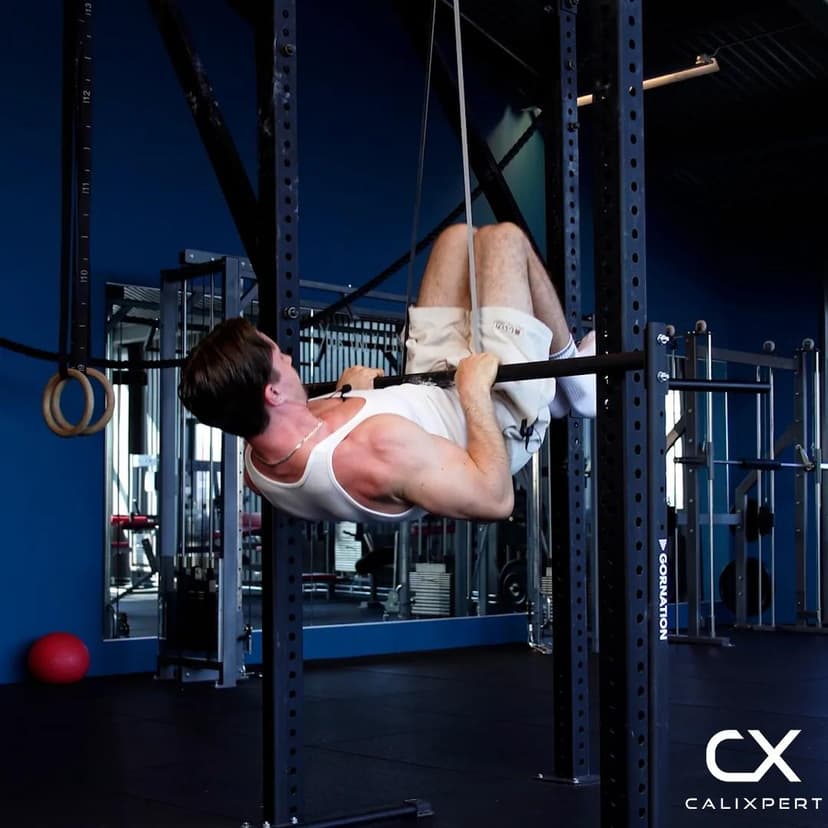
Push through your palms and extend your elbows to drive your body back to the starting position. As you press up, actively bring the rings back toward each other to engage the chest through its full contraction. Keep your core braced and your body in a straight line throughout the ascent.
Press and squeeze the rings together
6. Turn Rings Out at the Top
At full lockout, rotate the rings outward so your palms face forward. This external rotation, called a ring turnout, activates the stabilizers of the shoulder and completes the full range of motion. Hold briefly with straight arms and steady rings before starting the next rep.
Palms forward at the top
Most people fail ring push-ups because they try to muscle through the instability instead of building tension before they move. Lock in your whole body, squeeze the glutes, brace the core, press the legs together, and only then start lowering. When everything is tight, the rings stop shaking and you can actually load the chest properly. Treat ring push-ups as a full-body skill, not just a chest exercise.
Muscles Worked During Ring Push Ups
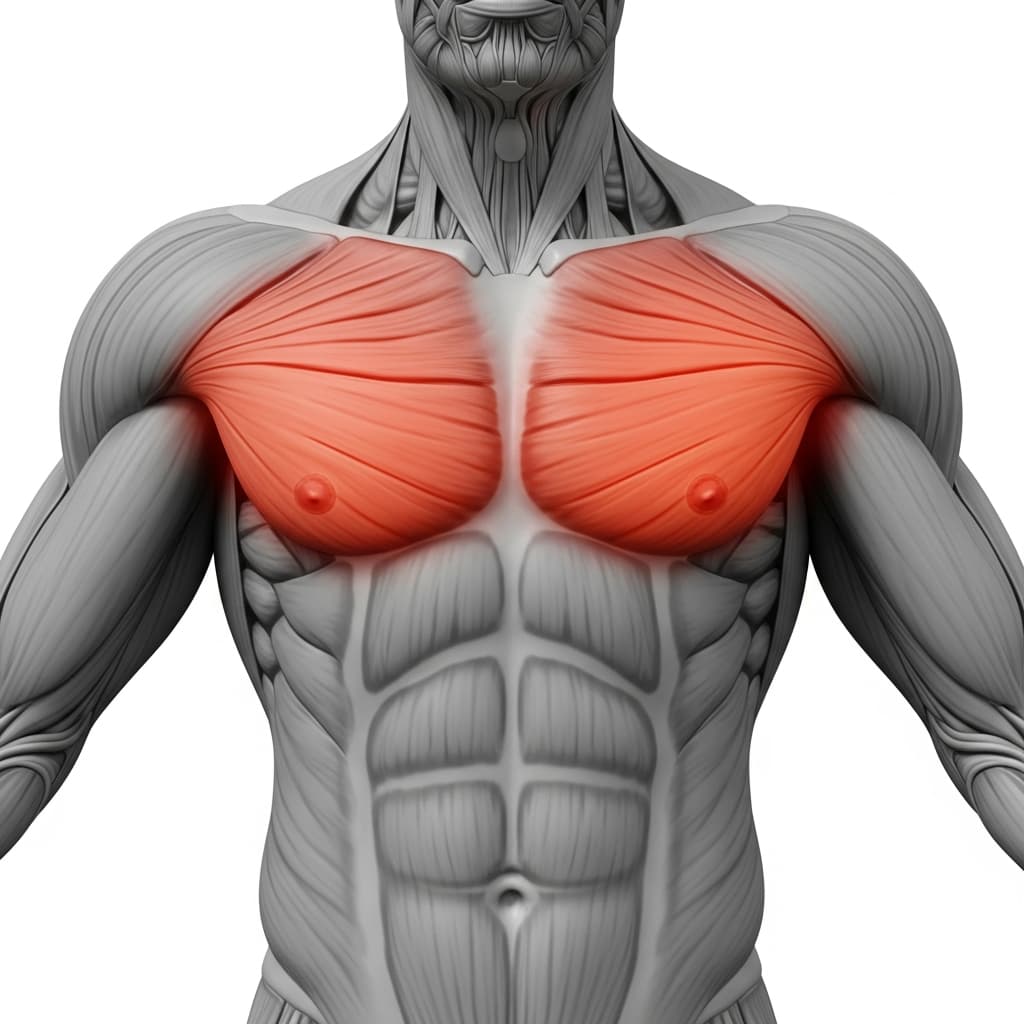
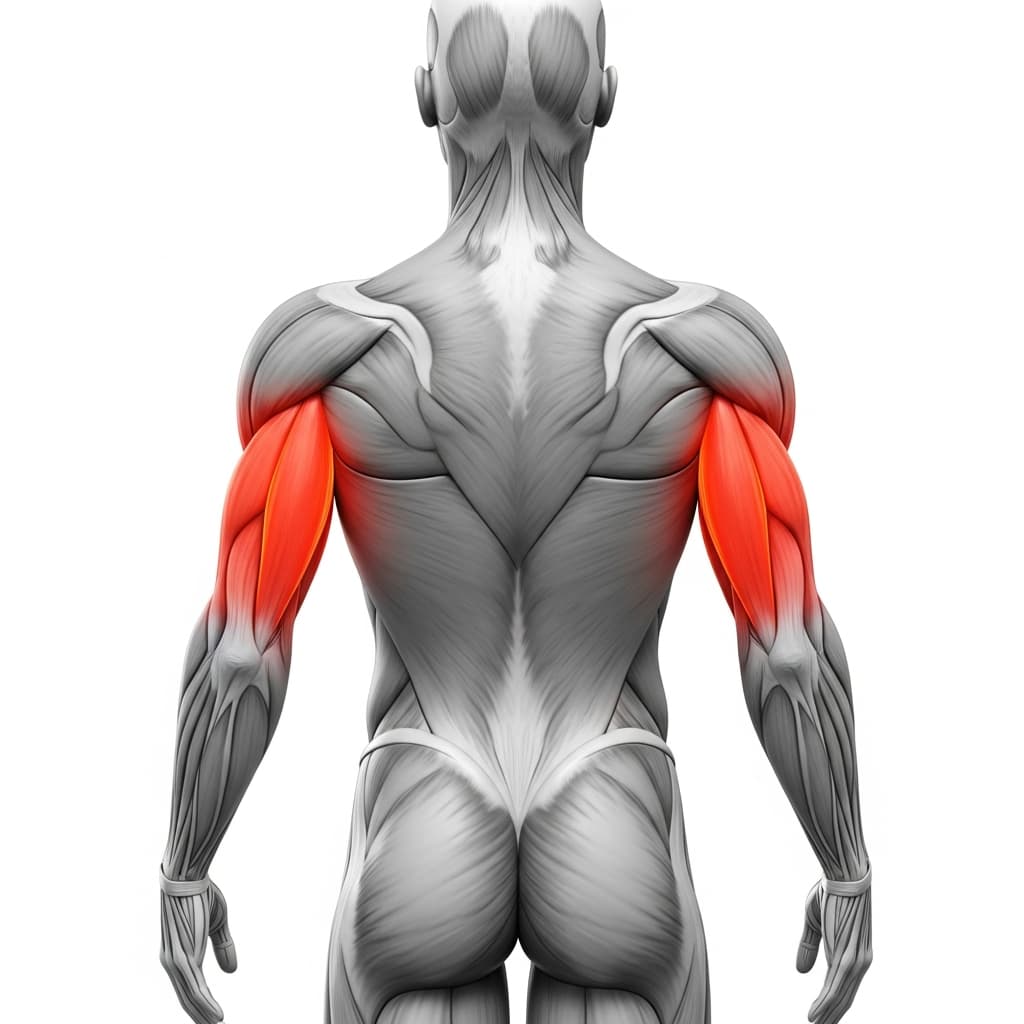
Secondary Muscles:
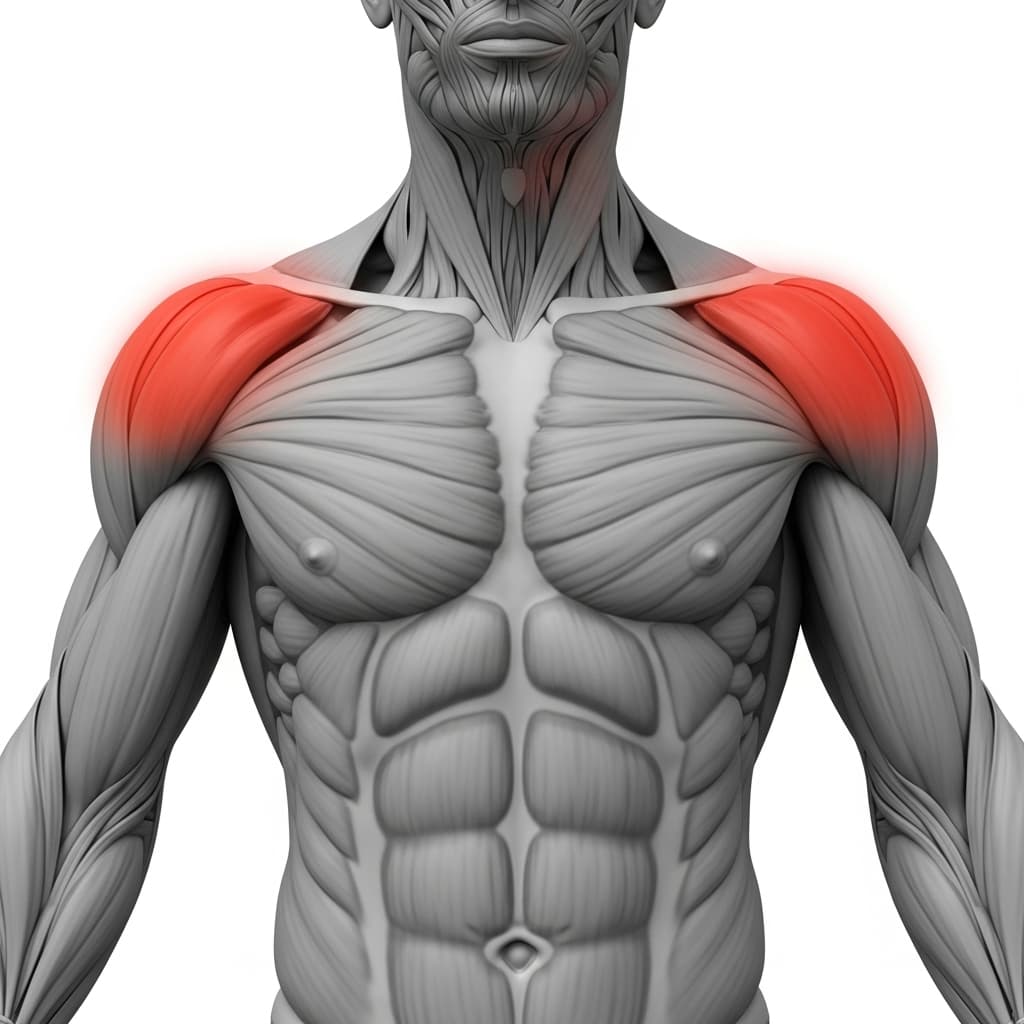
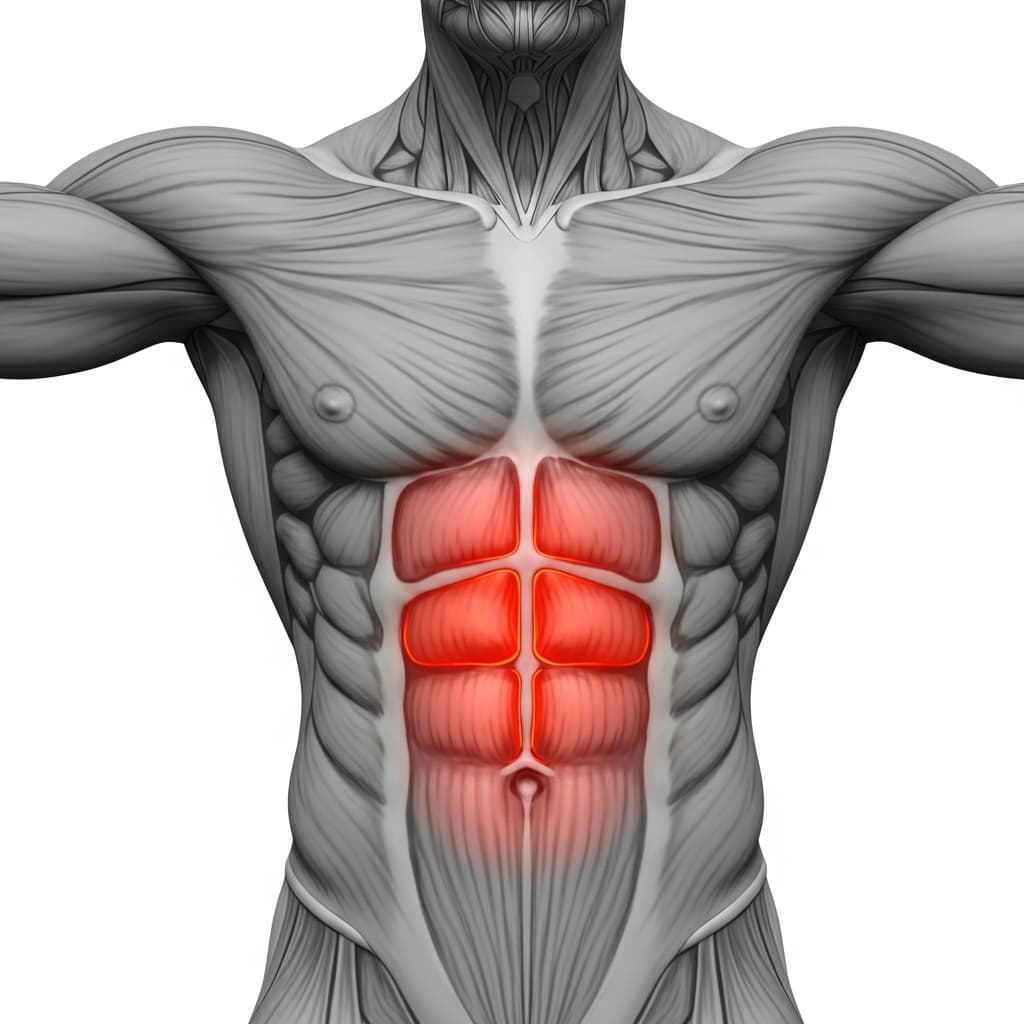
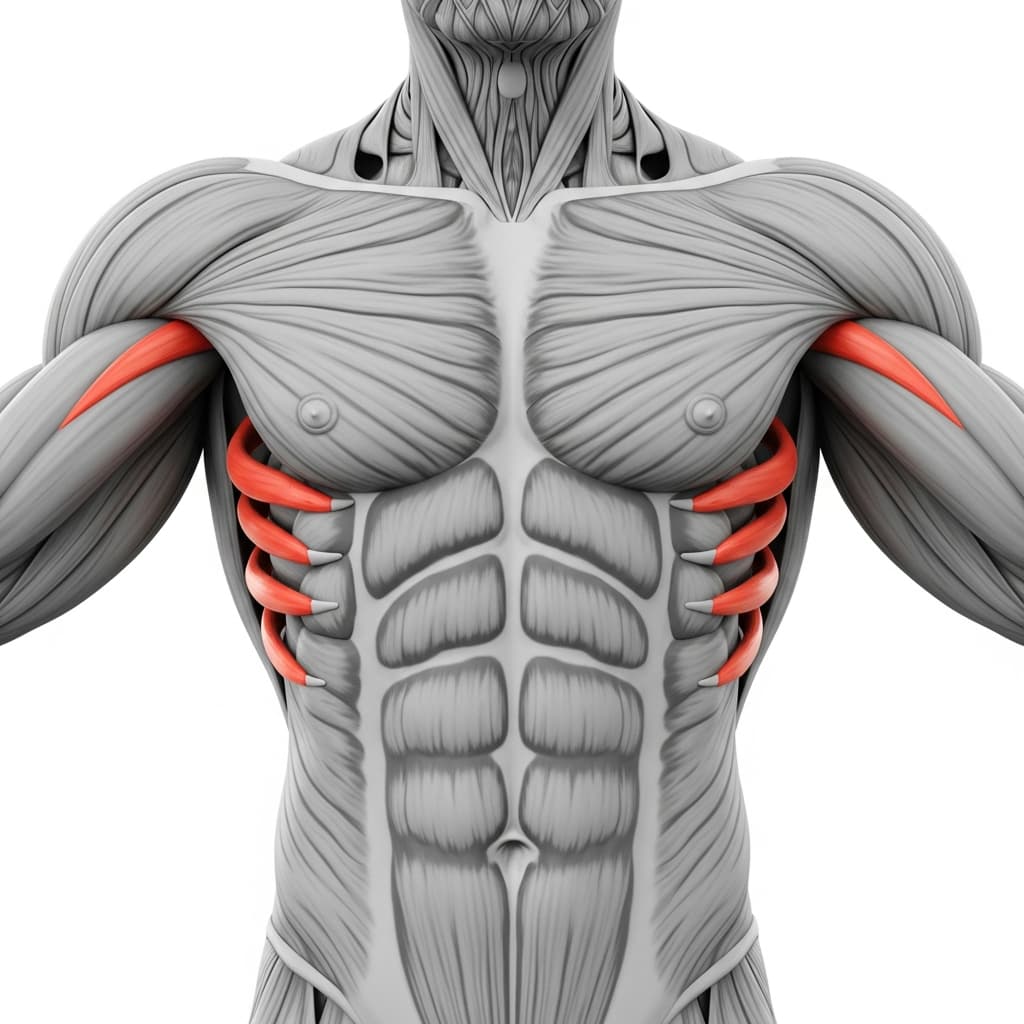
Primary Muscles
Pectoralis Major (Chest) - Drives the horizontal pressing motion through the full descent and ascent, with increased activation due to the deeper range of motion the rings allow.
Triceps Brachii (Triceps) - Extends the elbows during the pushing phase to lock out each rep, working harder than in floor push-ups because each arm must stabilize independently.
Secondary Muscles
Anterior Deltoid (Front Deltoid) - Assists the chest in pressing the body upward and stabilizes the shoulder joint against the lateral pull of the rings throughout each rep.
Rectus Abdominis (Abs) - Maintains a rigid plank position against the instability of the rings, preventing the torso from sagging or rotating during the press.
Serratus Anterior (Serratus Anterior) - Protracts the shoulder blades at the top of each rep and activates strongly during the ring turnout to stabilize the scapula against the ribcage.
Benefits of Ring Push Ups
- Develops independent arm stabilization that exposes and corrects left-right strength imbalances hidden by barbell and floor pressing
- Builds shoulder joint stability under load through the constant demand of controlling two free-moving rings
- Allows a deeper range of motion than floor push-ups because the hands can travel past the chest line, increasing chest muscle activation
- Strengthens the serratus anterior through the ring turnout at lockout, which is critical for overhead stability in handstands and presses
- Provides a natural, joint-friendly wrist position because the rings rotate freely instead of locking the wrist flat against the floor
Who Is This Exercise For?
You should be able to perform at least 15 clean floor push-ups with full range of motion and a stable plank position before moving to rings. A 10-second ring support hold with locked arms and steady rings is also essential, as it proves you have the baseline shoulder stability the movement demands. If the rings shake uncontrollably when you hold the top position, spend more time on ring support holds before adding the push-up.
Common Mistakes to Avoid
Letting the rings swing uncontrolled: Grip harder and engage your core before each rep. If the rings are swinging, you are lowering too fast or lack the stabilizer strength for your current ring height. Raise the rings until you can control every inch of the movement.
Flaring elbows out past 60 degrees: Keep your elbows at roughly 45 degrees from your torso throughout the descent and ascent. Excessive flare puts the shoulder joint in a vulnerable position, especially on an unstable surface like rings.
Sagging hips during the set: Squeeze your glutes and brace your core before each rep. If your hips sag, your lower back absorbs the load and the chest and triceps lose tension. Think of your body as one rigid plank from head to heels.
Skipping the ring turnout at the top: Rotate the rings outward at lockout on every rep. The turnout completes the shoulder's full range of motion and builds the stability needed for more advanced ring work like dips and muscle-ups.