Jumping Squats
Jumping squats are an explosive lower body exercise that combines a full-depth squat with a maximal vertical jump, targeting the quads, glutes, and calves through rapid force production. The movement trains both strength and power by requiring you to decelerate into the squat and then reverse direction as fast as possible. When performed with clean technique, jumping squats develop the reactive leg power that carries over directly to sprinting, box jumps, and every dynamic calisthenics skill.
Jumping squats are an explosive lower body exercise that combines a full-depth squat with a maximal vertical jump, targeting the quads, glutes, and calves through rapid force production. The movement trains both strength and power by requiring you to decelerate into the squat and then reverse direction as fast as possible. When performed with clean technique, jumping squats develop the reactive leg power that carries over directly to sprinting, box jumps, and every dynamic calisthenics skill.
How to Do Jumping Squats
1. Set Your Stance
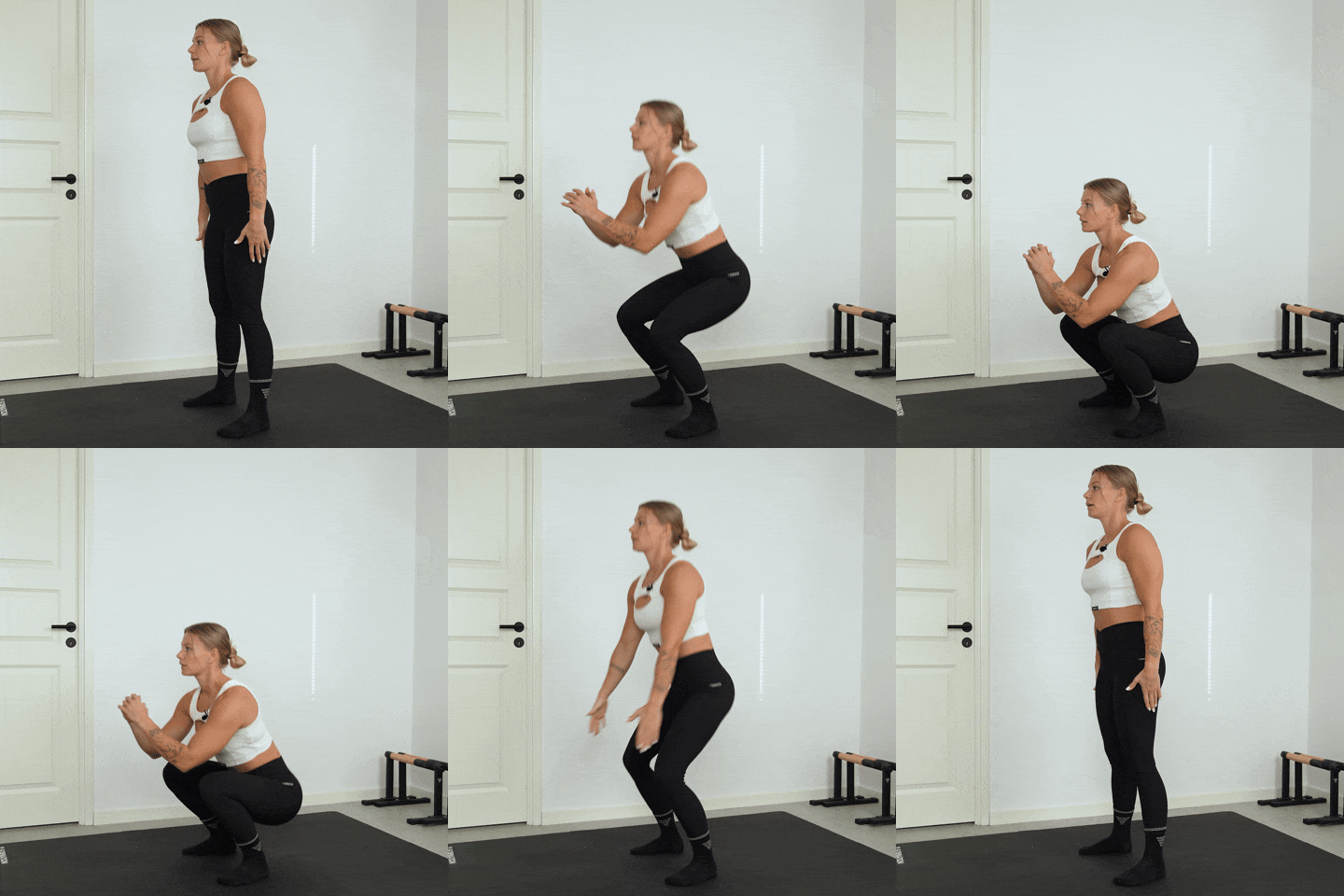
Stand with your feet hip-width apart and your toes pointing slightly outward. Keep your chest lifted, your core braced, and your arms relaxed at your sides. This starting position keeps your center of gravity balanced and sets up a straight bar path for the jump.
Feet hip-width, chest tall
2. Lower Into the Squat
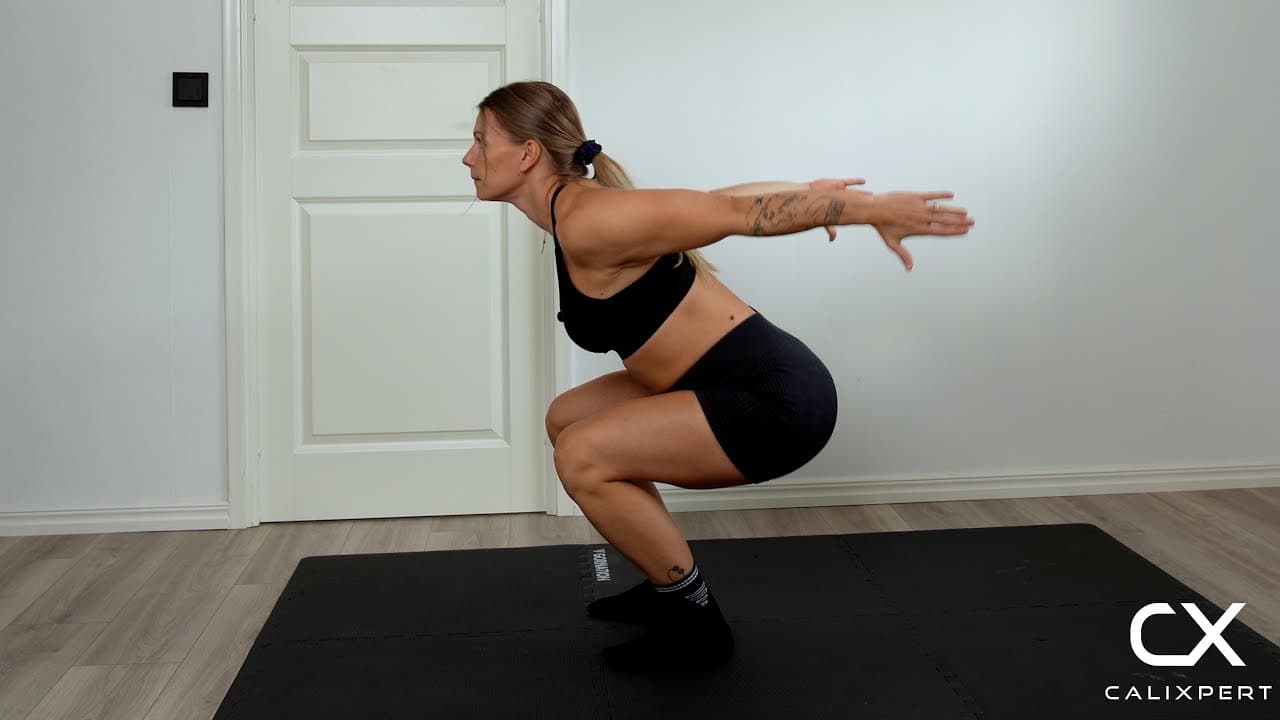
Push your hips back and bend your knees to lower into a squat until your thighs reach at least parallel with the floor. Keep your knees tracking over your toes and your heels firmly on the ground throughout the descent. Your weight should stay centered over the middle of your foot, not shifting forward onto the balls of your feet.
Knees in line with toes, heels down
3. Drive Up and Swing Your Arms
From the bottom of the squat, push explosively through your entire foot and extend your hips and knees as fast as possible. Swing your arms forward and upward to add momentum to the jump. The arm swing should be aggressive and timed with the leg drive so that everything reaches full extension at the same moment.
Arms and legs explode together
4. Jump as High as You Can
Leave the ground with full triple extension at the ankles, knees, and hips. Point your toes at the top of the jump and keep your body straight. The goal is maximum height on every single rep, not just clearing the floor.
Full extension, maximum height
5. Land Softly and Reload
Touch down on the balls of your feet first, then roll onto your heels while bending your knees and hips to absorb the impact. Your landing should be quiet, not loud. Let your body sink back into the squat position to reload for the next rep. Pause briefly at the bottom to reset your balance before jumping again.
Land quiet, absorb with bent knees
Most people rush through jumping squats and turn them into sloppy bouncing. The power comes from the reload, not the jump itself. Sink into a full squat, pause for a split second to kill the stretch reflex, then explode upward. That brief pause forces your muscles to generate all the power from a dead stop, which builds real explosive strength instead of just relying on momentum.
Muscles Worked During Jumping Squats
Secondary Muscles:
Primary Muscles
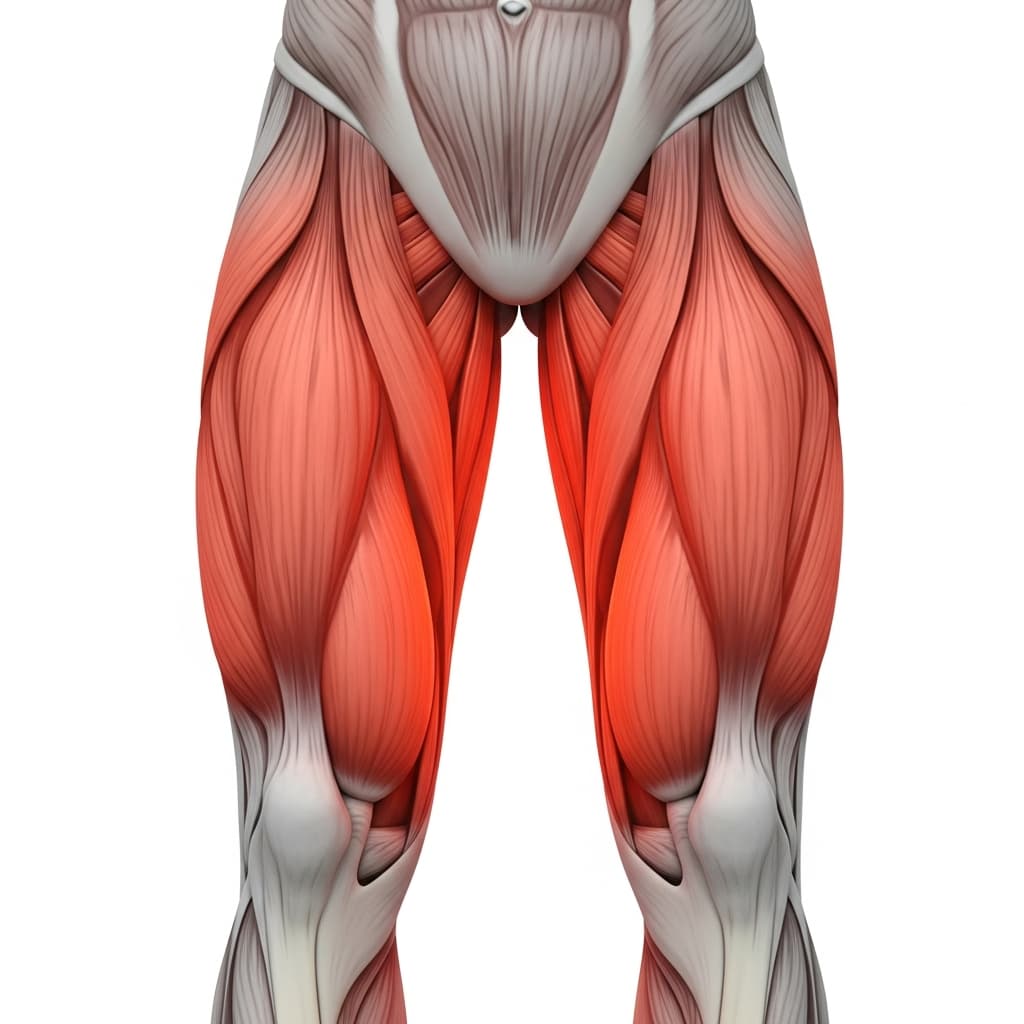
Quadriceps (Quads) - The quadriceps extend the knee joint during the upward drive and absorb force during the landing, producing the majority of the jumping power.
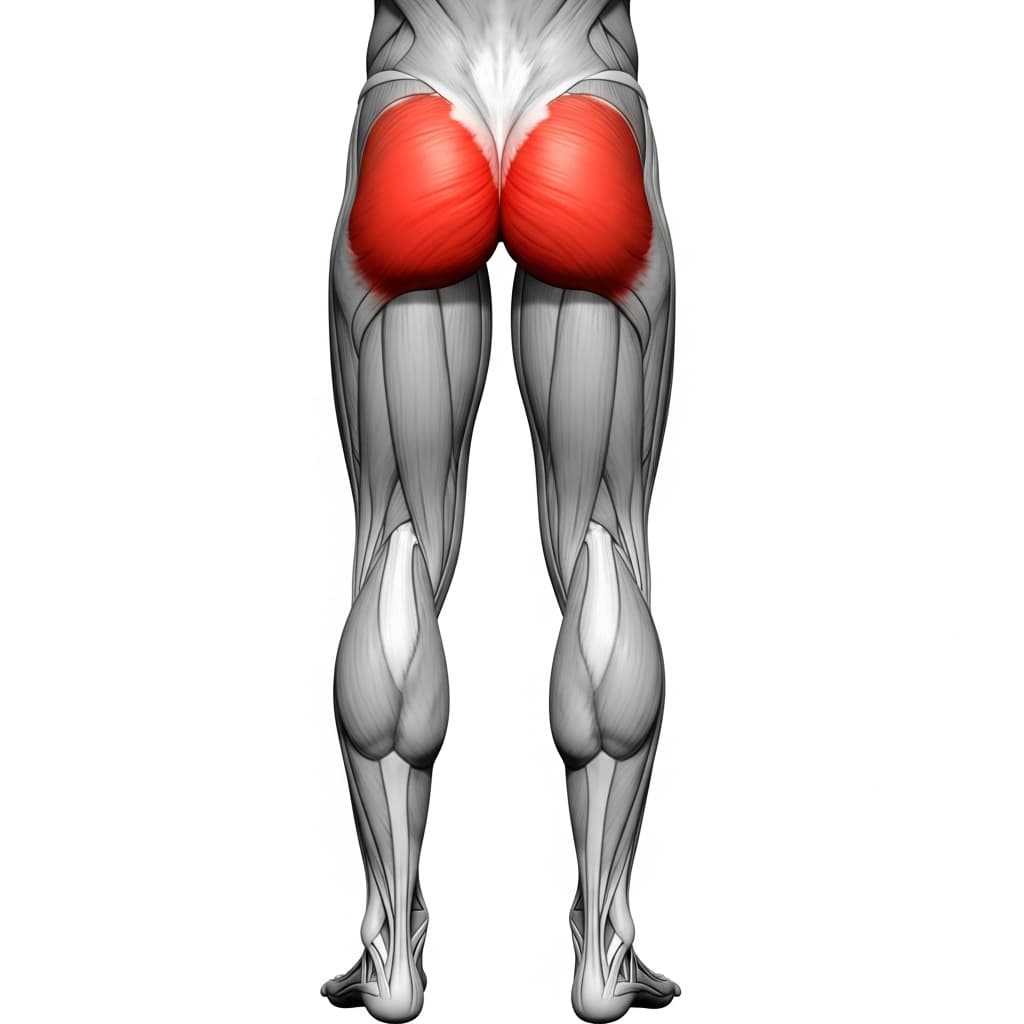
Gluteus Maximus (Glutes) - The glutes extend the hips explosively at takeoff and control hip flexion during the squat descent and landing.
Secondary Muscles
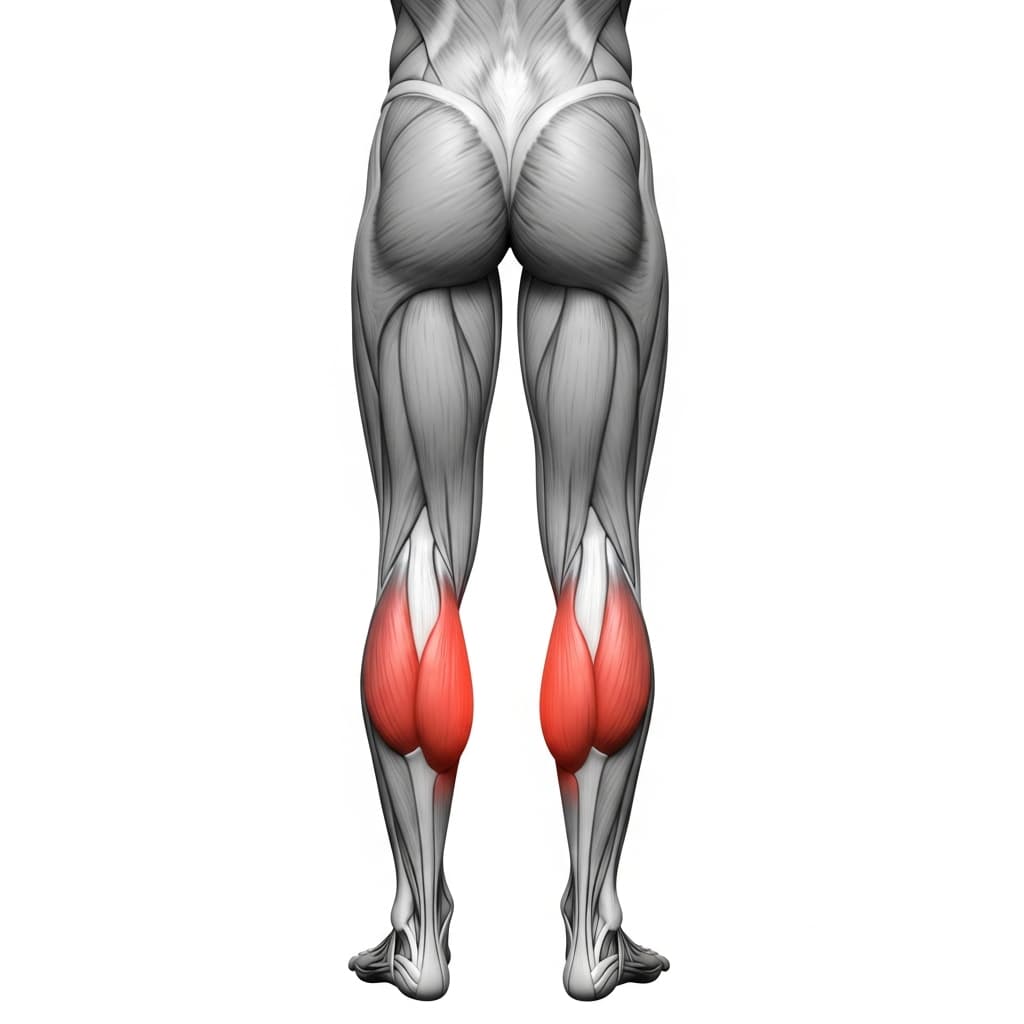
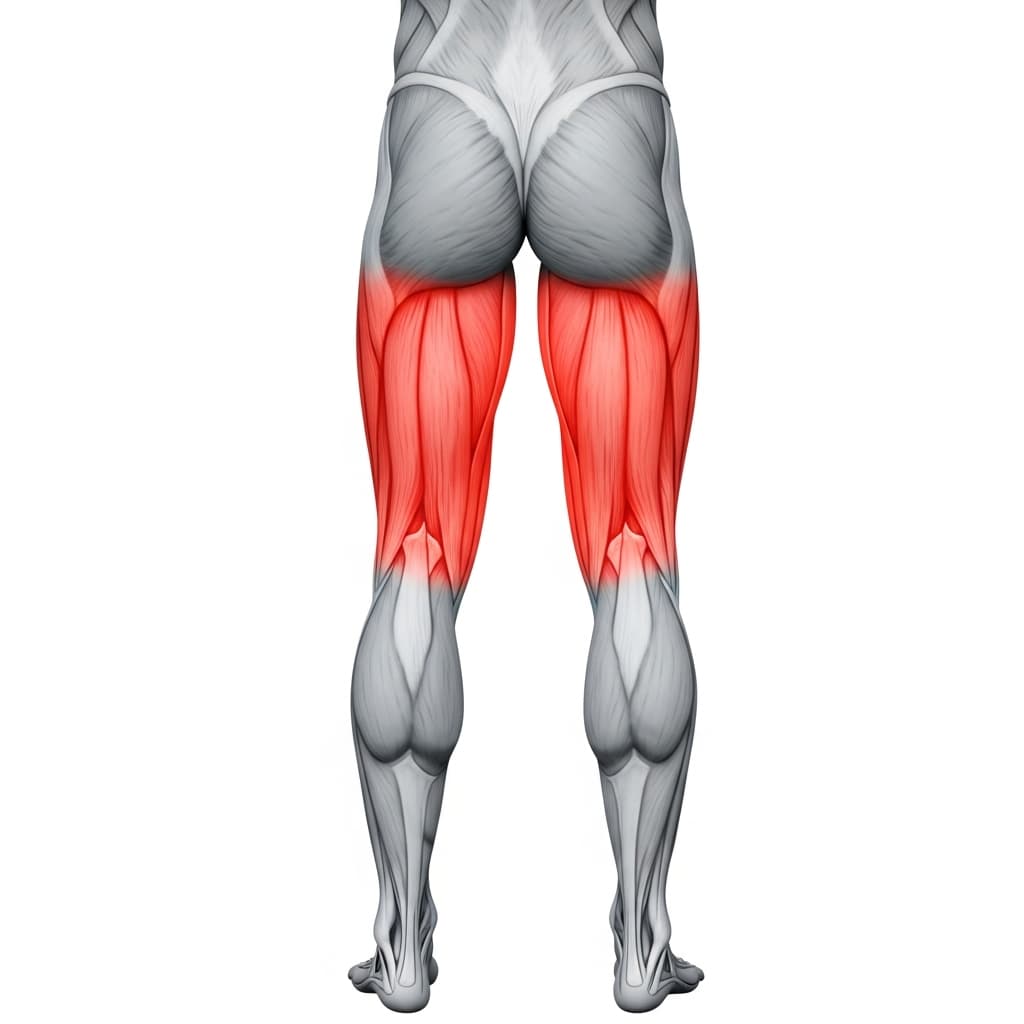
Gastrocnemius & Soleus (Calves) - The calves plantar flex the ankle at the final moment of takeoff and cushion the initial ground contact on every landing.
Hamstring Group (Hamstrings) - The hamstrings assist hip extension during the jump and work eccentrically to control knee flexion during the descent into the squat.
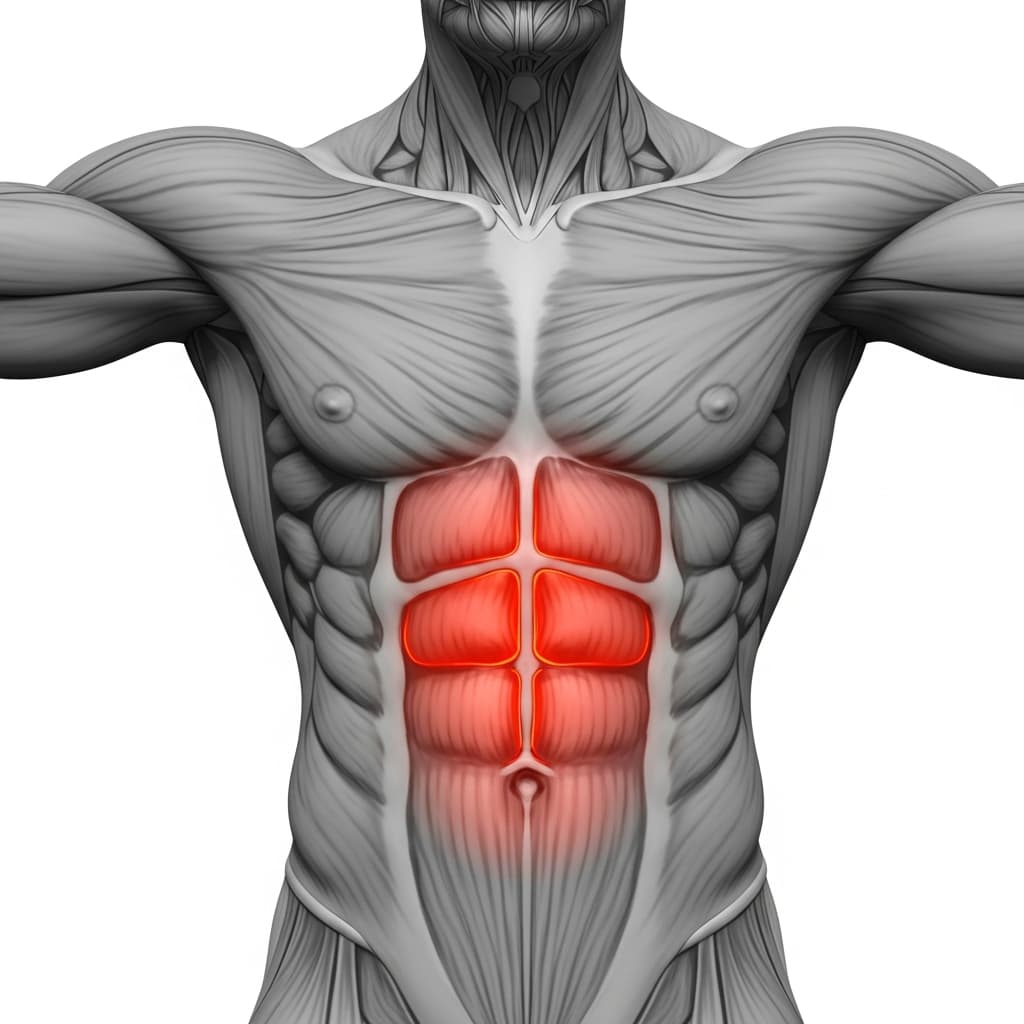
Rectus Abdominis (Abs) - The abdominals brace the torso to maintain an upright position throughout the squat and stabilize the spine during the impact of each landing.
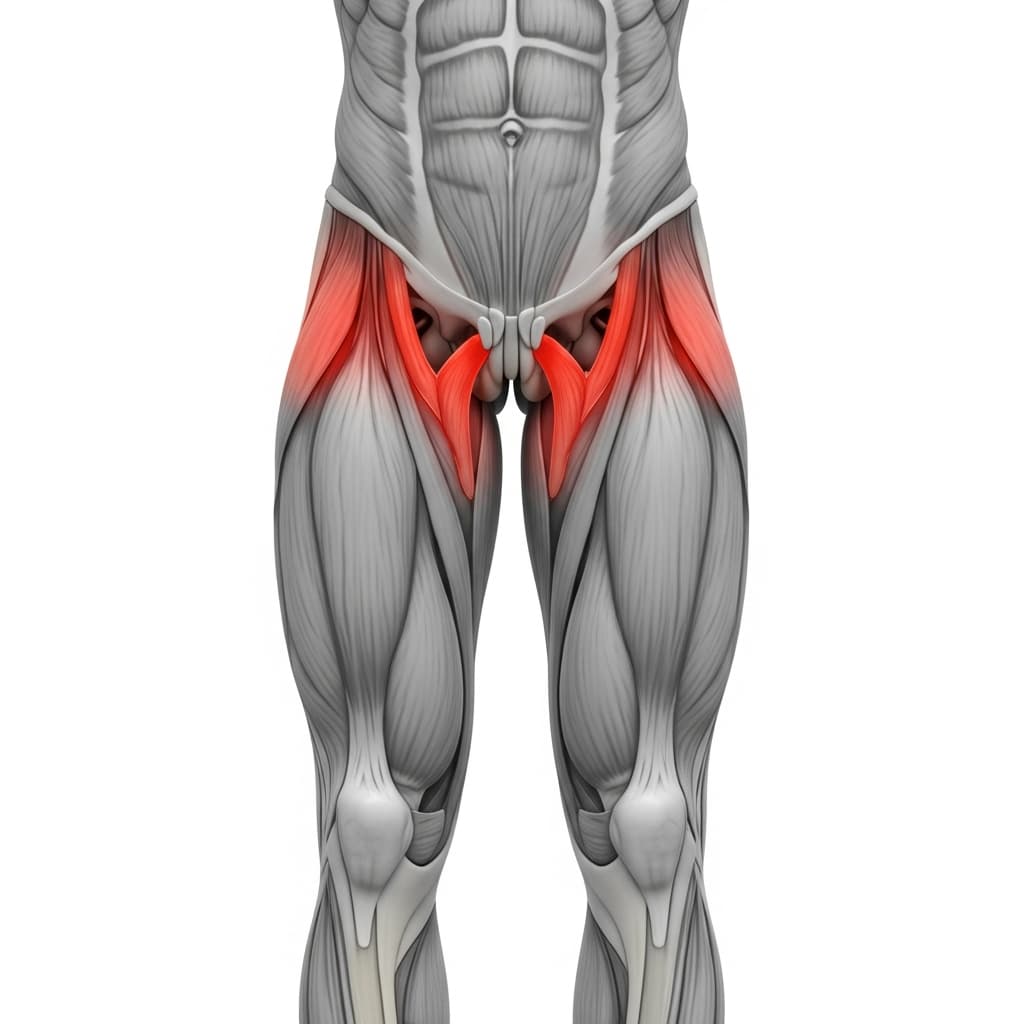
Iliopsoas (Hip Flexors) - The hip flexors help pull the thighs upward during the airborne phase and assist in quickly transitioning from landing back into the squat position.
Benefits of Jumping Squats
- Develops explosive leg power and vertical jump height by training the quads and glutes through rapid force production
- Strengthens the tendons and connective tissue around the knee and ankle joints through repeated controlled impact absorption
- Elevates heart rate quickly, making it one of the most time-efficient bodyweight exercises for conditioning and calorie expenditure
- Builds reactive strength that transfers directly to sprinting, box jumps, and any calisthenics skill requiring a powerful takeoff
- Trains soft landing mechanics and deceleration control, which reduces injury risk in all dynamic lower body movements
Who Is This Exercise For?
You should be able to perform 15 bodyweight squats to parallel with controlled form and stable knees before adding the jump. If your knees cave inward during regular squats or you cannot land softly from a small hop, work on squat mechanics and basic landing drills first. Anyone with active knee or ankle injuries should clear the exercise with a professional before attempting it.
Common Mistakes to Avoid
Knees collapsing inward on takeoff or landing: Actively push your knees outward over your toes during both the squat and the landing. If your knees still cave, reduce the jump height and focus on controlled squats with a resistance band around the knees until the pattern is automatic.
Landing with stiff legs: Always land with soft, bent knees and absorb the impact by sinking into the next squat position. Stiff landings send all the force directly through the knee and ankle joints, which leads to pain and injury over time.
Cutting squat depth short: Lower until your thighs are at least parallel to the floor on every rep. Shallow squats limit quad and glute activation and reduce the power you can generate on the jump.
Leaning too far forward: Keep your chest up and your torso as vertical as possible throughout the movement. Excessive forward lean shifts the load to your lower back and reduces the explosive power of the jump.
Variations & Progressions
Half squat jumps
Lower only to a quarter or half squat before jumping. This reduces the range of motion and joint stress, making it a good entry point for beginners or anyone building up knee tolerance.
Tuck jumps
At the top of the jump, drive your knees up toward your chest before landing. This demands greater hip flexor power, higher jumps, and faster reaction time on the landing.
Single-leg squat jumps
Perform the entire squat and jump on one leg. This doubles the load on each leg and exposes any balance or strength asymmetries that bilateral jumps can hide.