Seated Close Grip Pull Ups
Seated close grip pull-ups are a bodyweight pulling exercise performed from a seated position under a low bar, targeting the lats, biceps, and upper back with a narrow hand placement that shifts emphasis toward the inner back and arms. The seated position removes lower body momentum entirely, forcing the pulling muscles to do all the work without any kip or swing. This makes it an excellent drill for building strict pulling strength and learning proper elbow mechanics before progressing to full hanging pull-up variations.
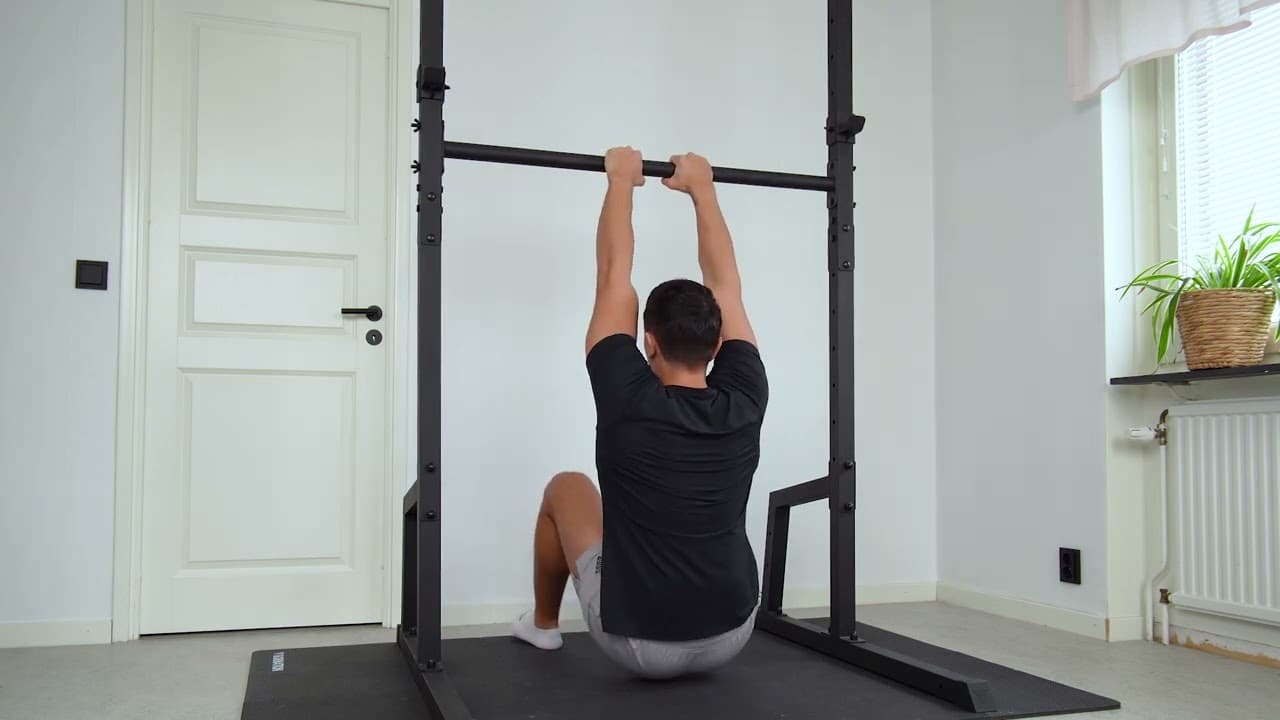
Seated close grip pull-ups are a bodyweight pulling exercise performed from a seated position under a low bar, targeting the lats, biceps, and upper back with a narrow hand placement that shifts emphasis toward the inner back and arms. The seated position removes lower body momentum entirely, forcing the pulling muscles to do all the work without any kip or swing. This makes it an excellent drill for building strict pulling strength and learning proper elbow mechanics before progressing to full hanging pull-up variations.
How to Do Seated Close Grip Pull Ups
1. Position Yourself Under the Bar
Find a low straight bar set at roughly chest height when seated. Sit directly underneath it with your back upright and your legs extended straight out in front of you. Your feet should rest flat on the floor or with heels down to create a stable base. The bar should be directly above your head when you look up.
Sit directly beneath the bar
2. Set Your Close Grip
Reach up and grab the bar with both hands placed close together, roughly 4 to 6 inches apart. Use a full overhand grip with your knuckles pointing straight up toward the ceiling and thumbs wrapped around the bar. This narrow hand position shifts more demand onto the biceps and inner lats compared to a standard-width pull-up grip.
Knuckles to the ceiling, thumbs around
3. Engage Your Scapula Before Pulling
Before bending your elbows, depress your shoulder blades by pulling them down and slightly together. This scapular set activates the stabilizers of the upper back and protects the shoulder joint under load. You should feel your shoulders drop away from your ears before any upward movement begins.
Shoulders down before you pull
4. Pull With Elbows Close to Your Body
Begin pulling yourself upward by driving your elbows straight down and close to your ribcage. Do not let the elbows flare outward. Keeping the elbows tight to the body maximizes bicep and inner lat engagement, which is the entire purpose of the close grip position. Maintain a slight lean back to create a clean pulling line.
Elbows tight, no flare
5. Pull Chin Toward the Bar
Continue pulling until your chin reaches bar height or as close to it as possible. The close grip and arm position make it harder to clear the bar fully compared to a wider grip, so getting your chin level with the bar is acceptable. Keep your chest lifted and your neck neutral throughout the top of the movement.
Chest up, chin to bar level
6. Lower Under Control
Slowly extend your arms on the way down, resisting gravity for a 2 to 3 second descent. Return to a full arm extension at the bottom and re-set your scapular position before starting the next rep. Controlled negatives build more strength than dropping quickly and protect the elbow and shoulder joints over time.
Slow descent, full extension
Most people lose the close grip benefit within the first two reps because their elbows start drifting wide. Think of it like pulling your elbows into your back pockets. If you keep that mental image, your lats and biceps will stay loaded the entire set. The seated position is your advantage here, so use it to focus purely on elbow path and scapular control instead of worrying about swinging.
Muscles Worked During Seated Close Grip Pull Ups
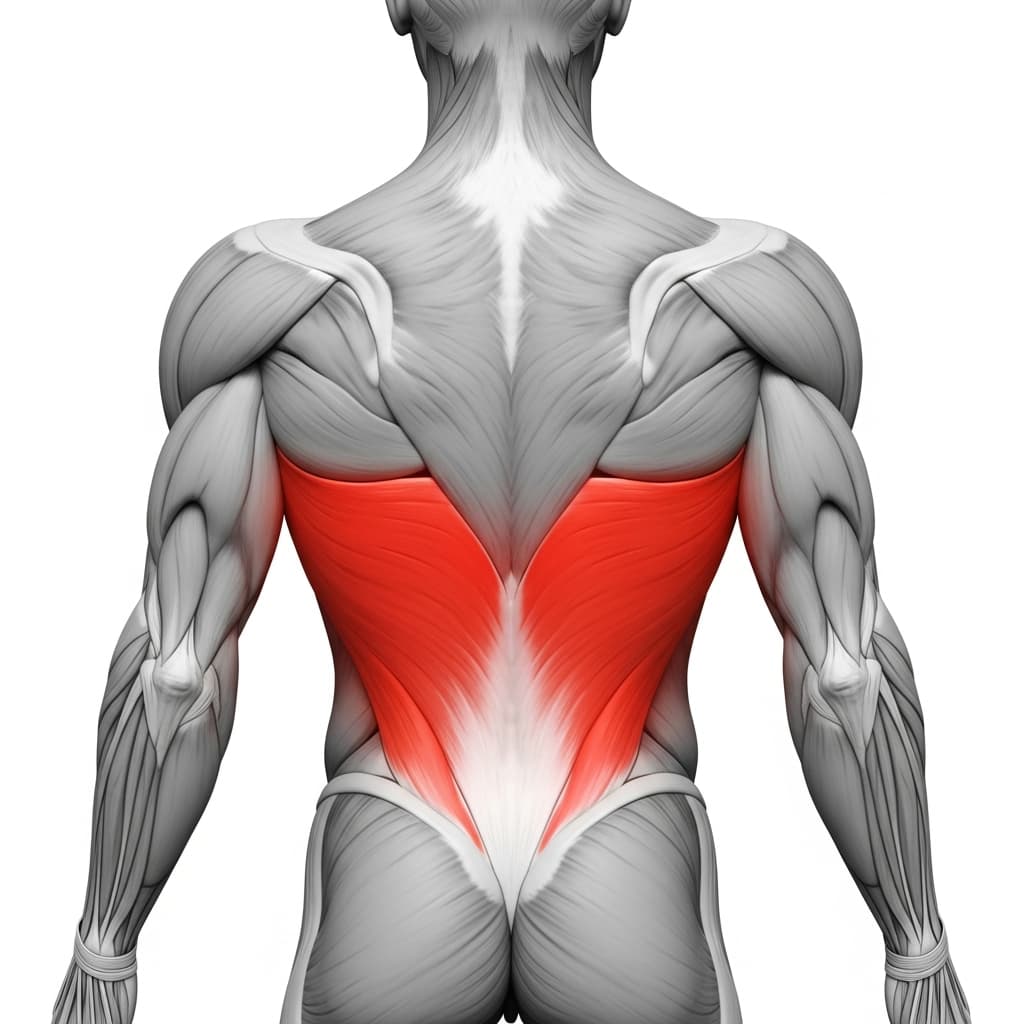
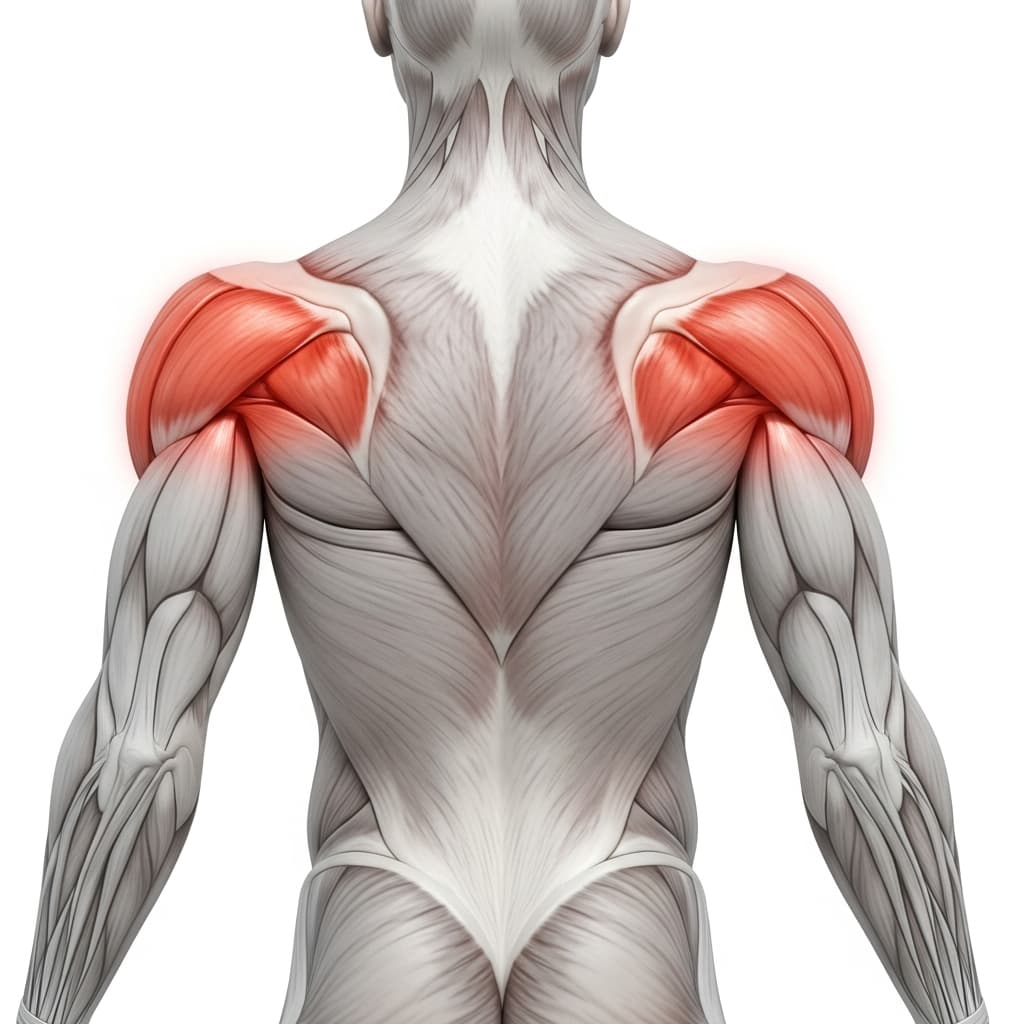
Secondary Muscles:
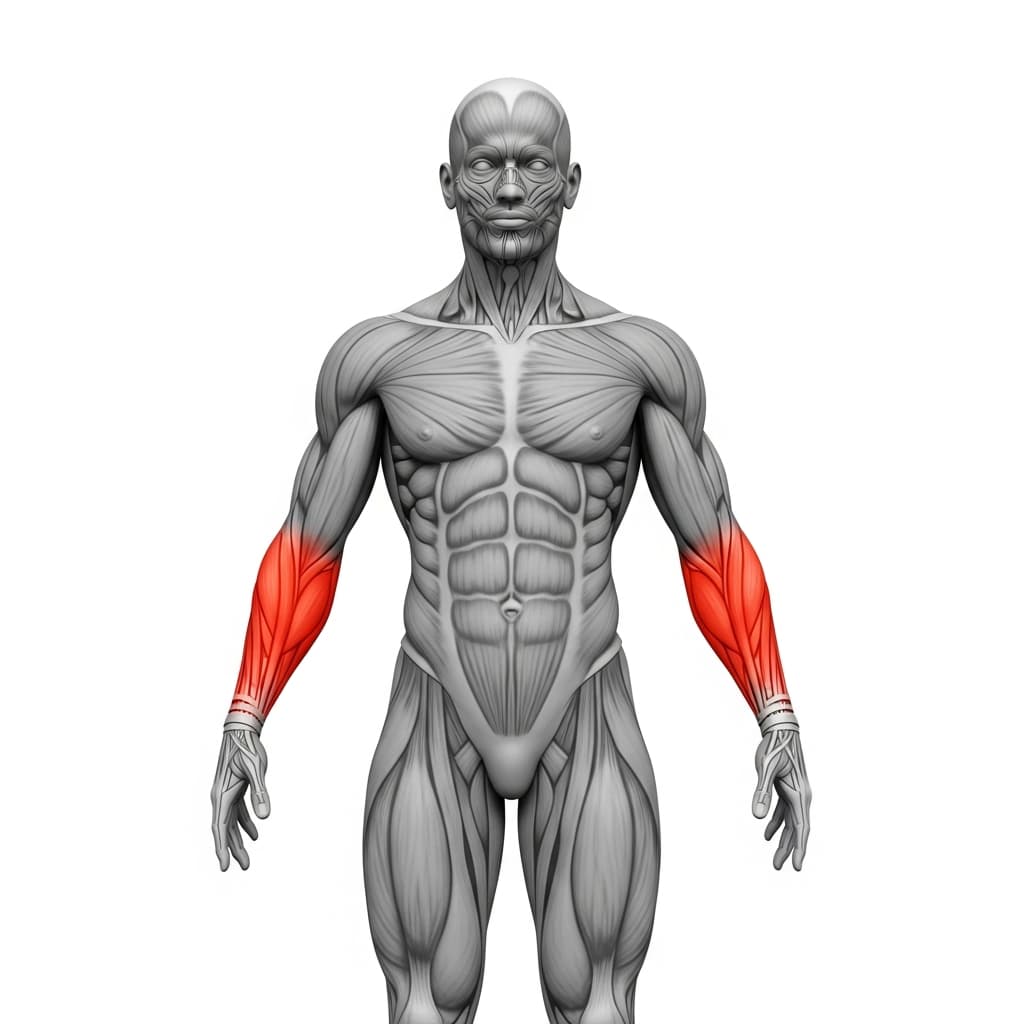
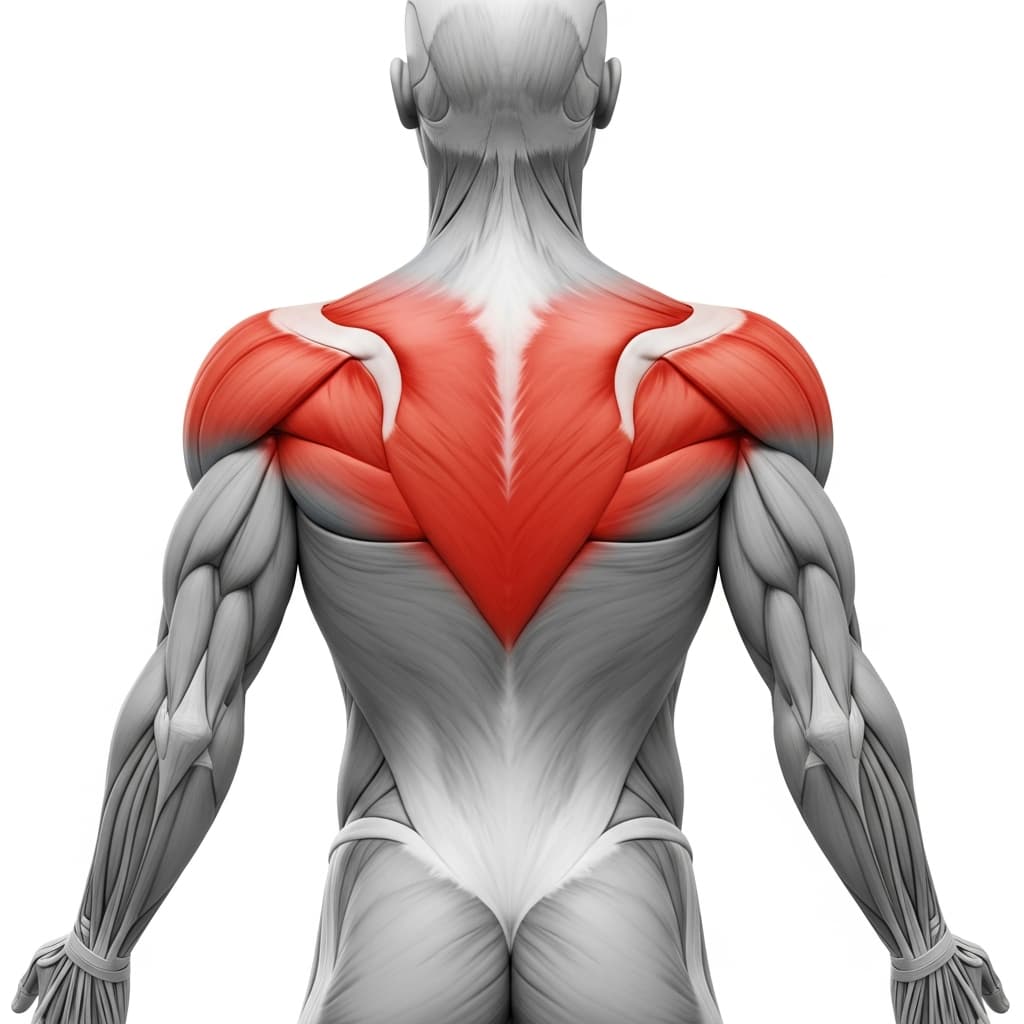
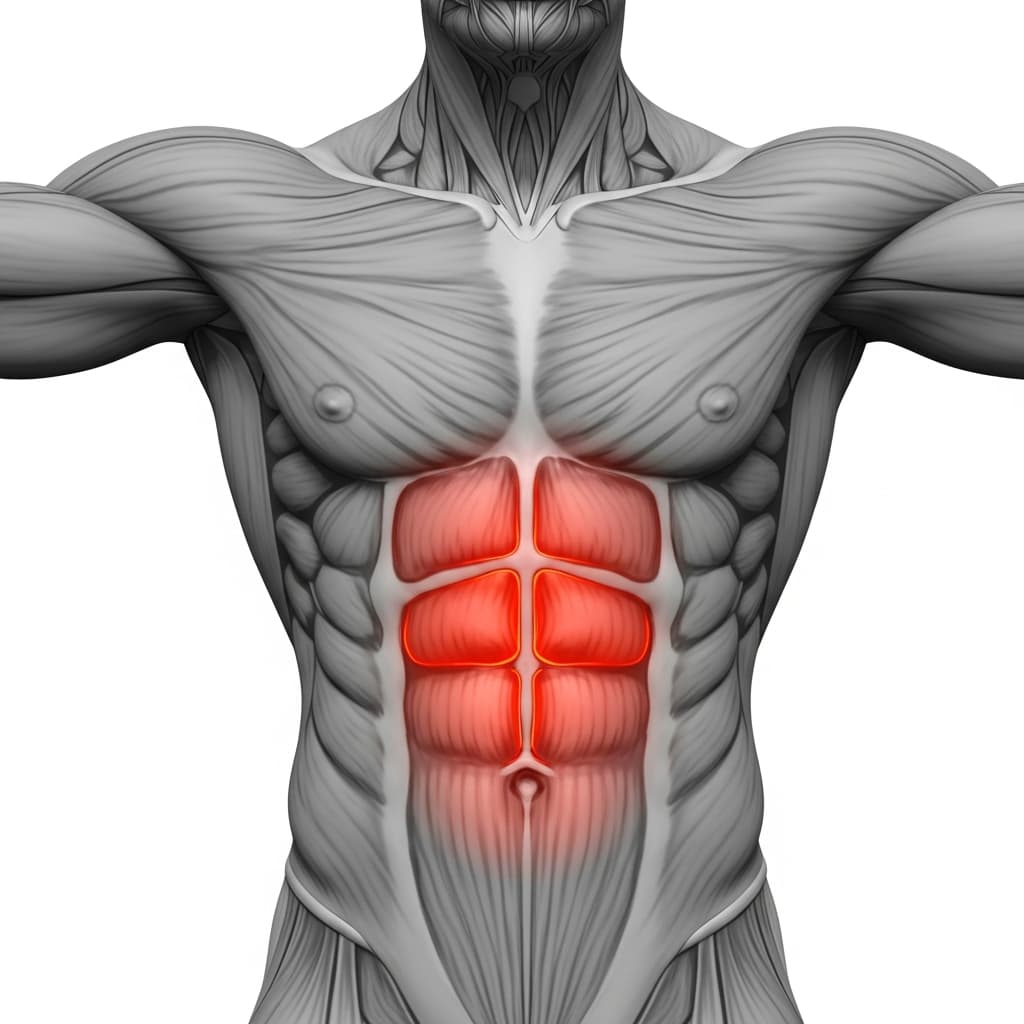
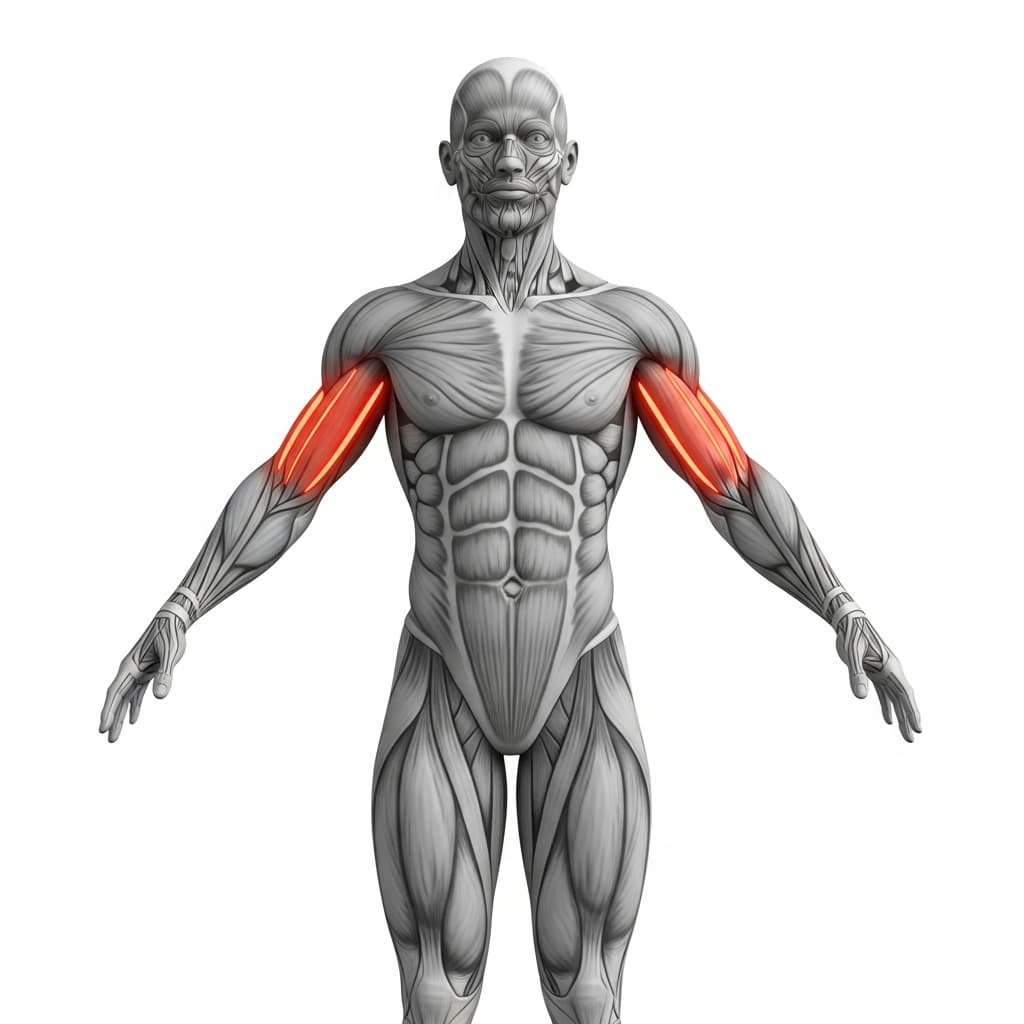
Primary Muscles
Latissimus Dorsi (Lats) - The lats drive shoulder extension and adduction during the pull, bringing the torso upward toward the bar through the full range of motion.
Biceps Brachii (Biceps) - The biceps flex the elbow joint throughout the pulling phase, bearing increased load due to the close grip and narrow elbow path.
Secondary Muscles
Posterior Deltoid (Rear Deltoid) - The rear deltoids assist in pulling the upper arm backward and stabilizing the shoulder joint during the top portion of the movement.
Forearm Flexors & Extensors (Forearms) - The forearm muscles maintain grip on the bar under a narrow hand position that demands sustained wrist and finger strength.
Rhomboids & Upper Trapezius (Upper Back) - The rhomboids and mid-traps retract the scapulae at the top of each rep, completing the pulling motion and stabilizing the shoulder blades.
Rectus Abdominis (Abs) - The abdominals brace the torso and prevent the lower back from arching during each rep, keeping the body stable in the seated position.
Benefits of Seated Close Grip Pull Ups
- Develops inner lat thickness and bicep strength through the close elbow path, which standard-width pull-ups do not emphasize as effectively
- Eliminates momentum and lower body assistance entirely, forcing strict pulling mechanics that transfer directly to full hanging pull-ups
- Builds grip strength and forearm endurance under a narrow hand position that challenges wrist stability differently than wider grips
- Serves as a scalable pulling progression for athletes who cannot yet perform full hanging pull-ups but need more challenge than bodyweight rows
Who Is This Exercise For?
You should be able to hold a dead hang for at least 10 seconds and perform 5 or more bodyweight rows with controlled form before attempting seated close grip pull-ups. If maintaining a stable seated position with your legs extended feels unstable, work on core bracing and hamstring flexibility first. Beginners who cannot yet do a single pull-up will find this variation more accessible due to the reduced load from the seated position.
Common Mistakes to Avoid
Flaring the elbows outward: Keep your elbows tight against your ribcage throughout the entire pull. The moment your elbows flare wide, the close grip loses its purpose and the load shifts away from the biceps and inner lats.
Using leg drive or hip thrust to assist the pull: Your legs should remain still and extended throughout the movement. If you need to push off the ground to complete a rep, the exercise is too heavy and you should reduce range of motion or switch to an easier rowing variation.
Skipping scapular engagement at the bottom: Depress your shoulder blades before every rep. Starting the pull with shrugged shoulders puts unnecessary stress on the rotator cuff and shifts the load into the arms instead of the back.
Gripping too wide for a close grip: Hands should be 4 to 6 inches apart, not shoulder width. If your grip is too wide, you are doing a standard seated pull-up, not the close grip variation that targets the inner back and biceps.