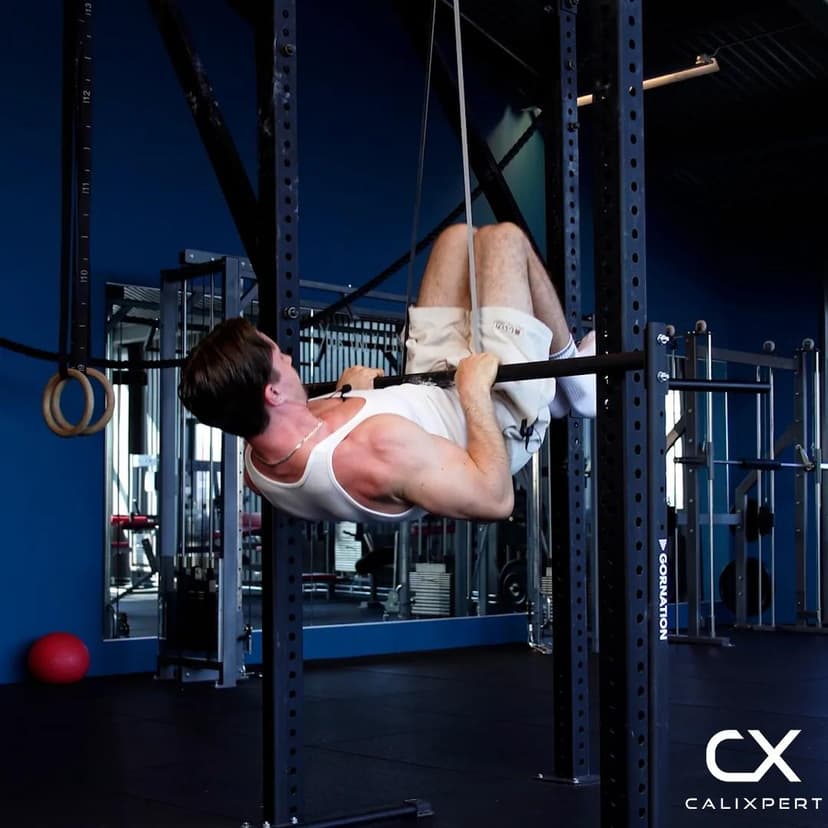
Close Grip Pull ups
Close grip pull-ups are a vertical pulling variation where the hands are placed as close together as possible on the bar, shifting emphasis toward the inner lats, biceps, and forearms compared to a standard-width pull-up. The narrow hand position with knuckles pointing toward the ceiling increases the demand on grip strength and forearm engagement while forcing the lats to work through a different line of pull. This variation is an excellent tool for building pulling power that transfers directly into rope climbs, muscle-ups, and other close-hand calisthenics skills.
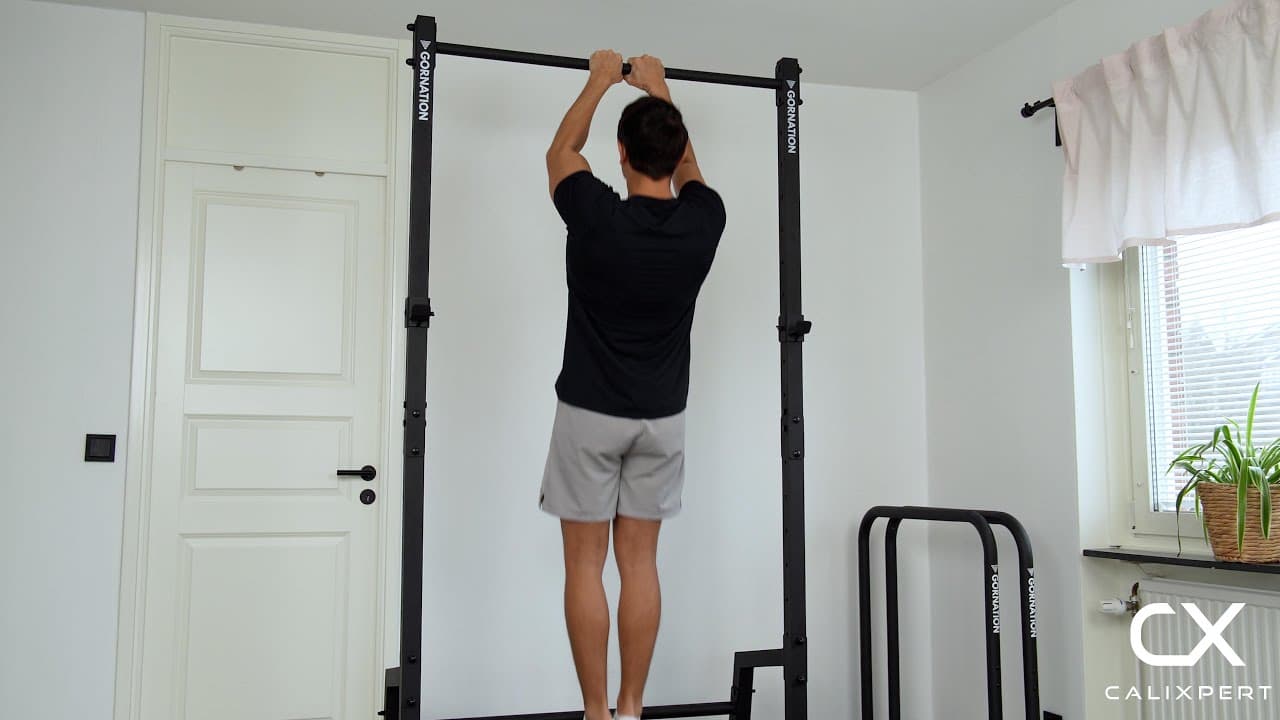
Close grip pull-ups are a vertical pulling variation where the hands are placed as close together as possible on the bar, shifting emphasis toward the inner lats, biceps, and forearms compared to a standard-width pull-up. The narrow hand position with knuckles pointing toward the ceiling increases the demand on grip strength and forearm engagement while forcing the lats to work through a different line of pull. This variation is an excellent tool for building pulling power that transfers directly into rope climbs, muscle-ups, and other close-hand calisthenics skills.
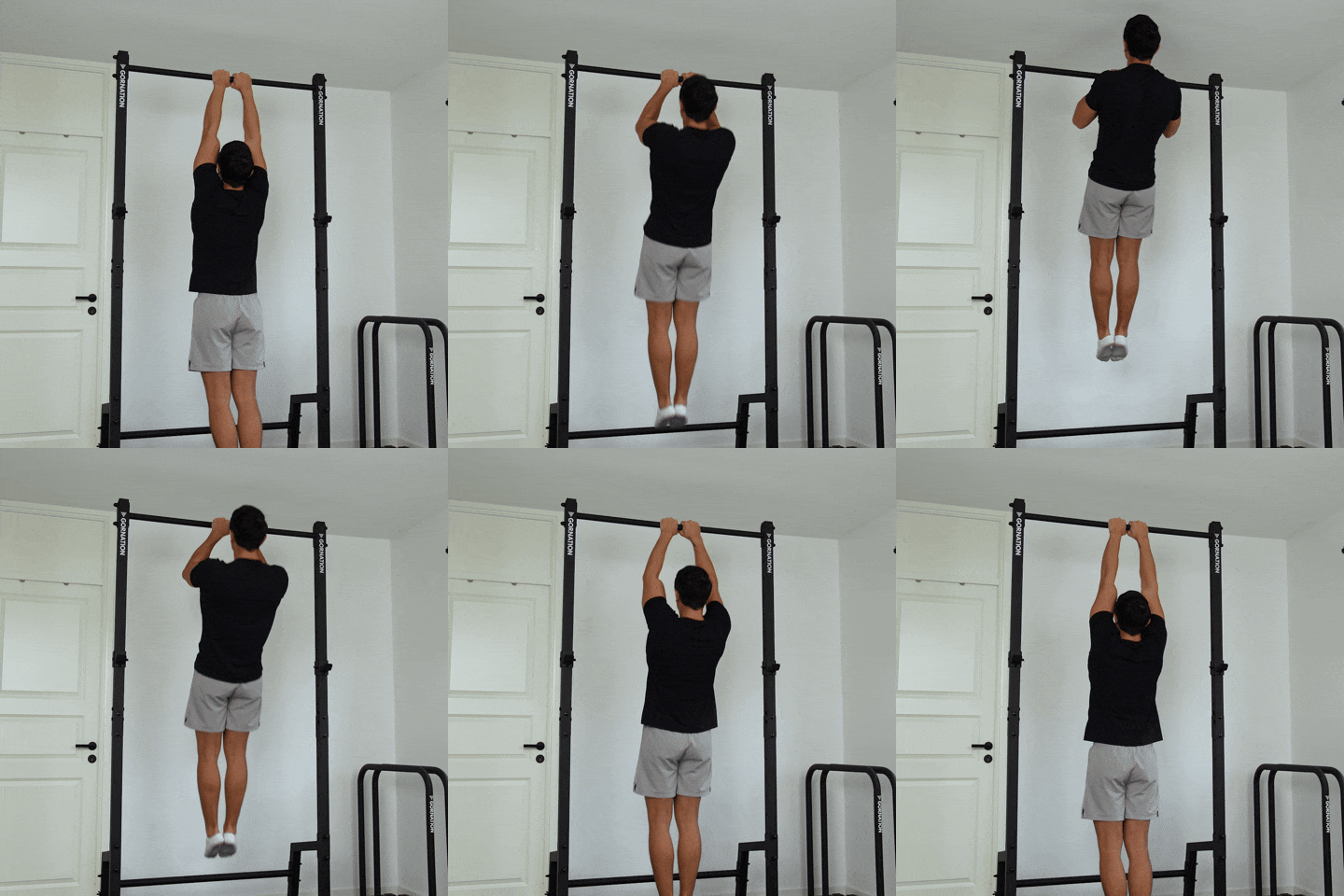
How to Do Close Grip Pull ups
1. Set Your Close Grip
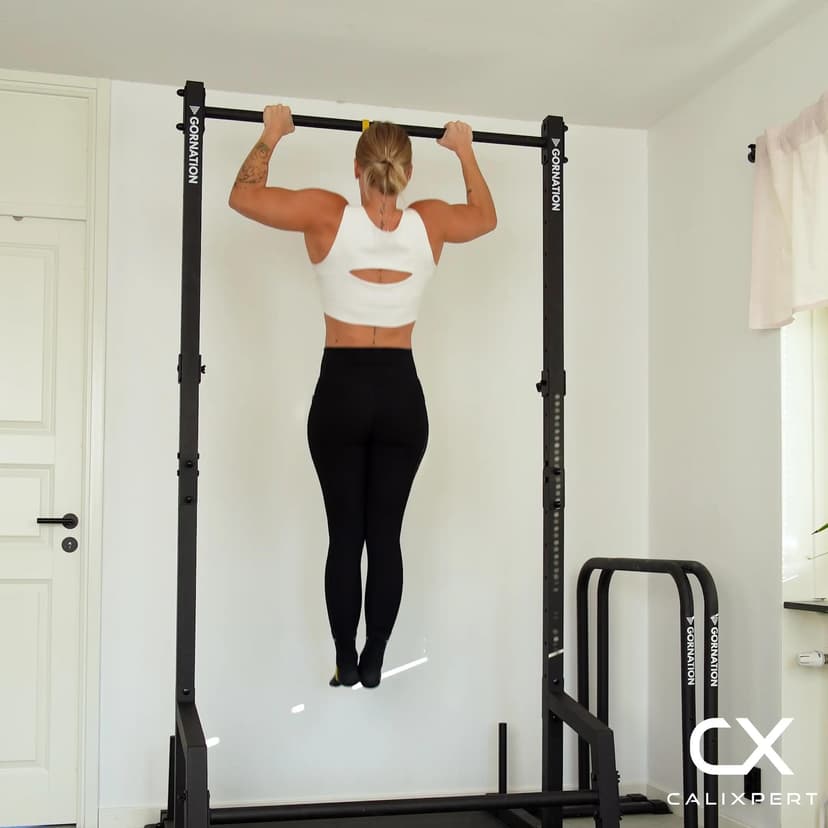
Grab a straight bar with your hands as close together as possible, ideally touching or with only a small gap between them. Position your knuckles pointing straight up toward the ceiling. Wrap your thumbs fully around the bar for a secure grip. If you are new to this variation, start with a slight gap and gradually bring your hands closer over time as your forearm strength develops.
Knuckles up, hands together
2. Hang and Set Tension
From a full dead hang, engage your entire body before pulling. Maintain a slight arch in your upper back while keeping your core, glutes, and legs tensioned throughout. This full-body tension prevents swinging and creates a stable base for the pull. Your shoulders should be packed down away from your ears.
Tension everything before you pull
3. Initiate With the Scapula
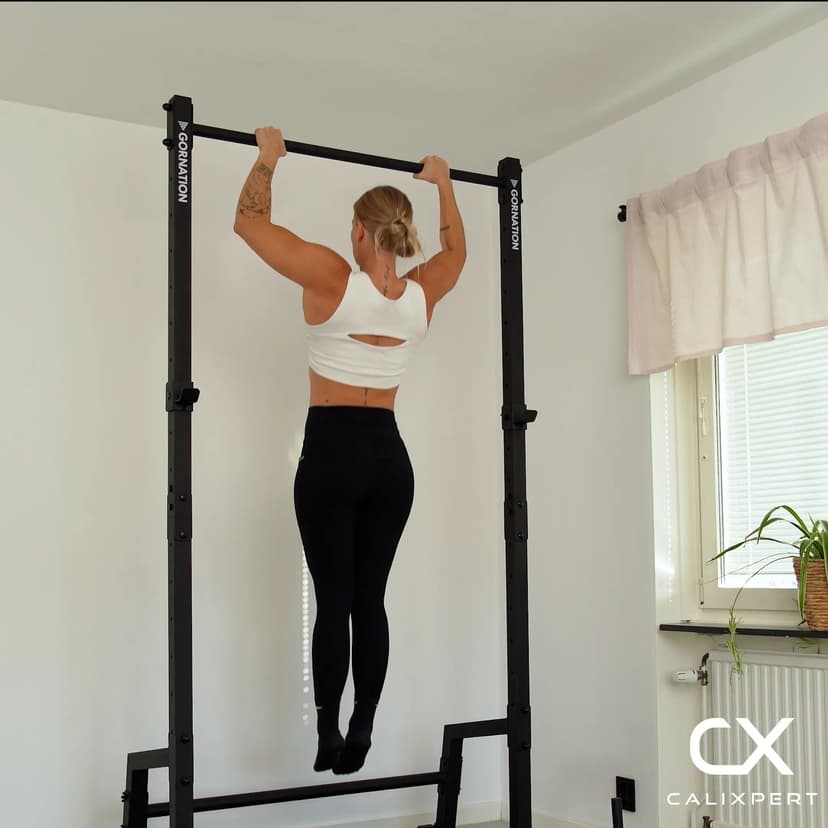
Pull your shoulder blades down and together before bending your elbows. This scapular depression activates the lats and upper back stabilizers, ensuring the right muscles drive the movement from the start. Skipping this step shifts the entire load onto the biceps and forearms.
Shoulders down first, then bend
4. Pull Chin Over the Bar
Drive your elbows down and slightly back as you pull your body upward. The close grip naturally keeps the elbows in a tighter path compared to standard pull-ups. Continue pulling until your chin clears above the bar. Keep your chest lifted and your neck neutral throughout the ascent.
Chest up, chin clears the bar
5. Squeeze at the Top
At the top of the movement, squeeze your shoulder blades together and hold for a brief moment. This contraction at the peak ensures the inner lats and upper back complete their full range of motion. Avoid shrugging your shoulders up toward your ears at this point.
Squeeze the shoulder blades together
6. Lower Under Control
Slowly extend your arms on the way down, resisting gravity for a controlled 3-second descent. Return to a full dead hang with arms completely extended before initiating the next rep. Re-set your scapula and full-body tension at the bottom before pulling again. This eccentric phase is where significant forearm and bicep strength is built.
Three seconds down, full extension
Most people grab the bar close and just try to muscle through it with their arms. The real difference is in the knuckle position. When you rotate your knuckles to point straight up at the ceiling, you create a direct force line through the forearms into the back. Combine that with full-body tension and a slight upper back arch, and the lats light up in a way that a lazy close grip never will.
Muscles Worked During Close Grip Pull ups
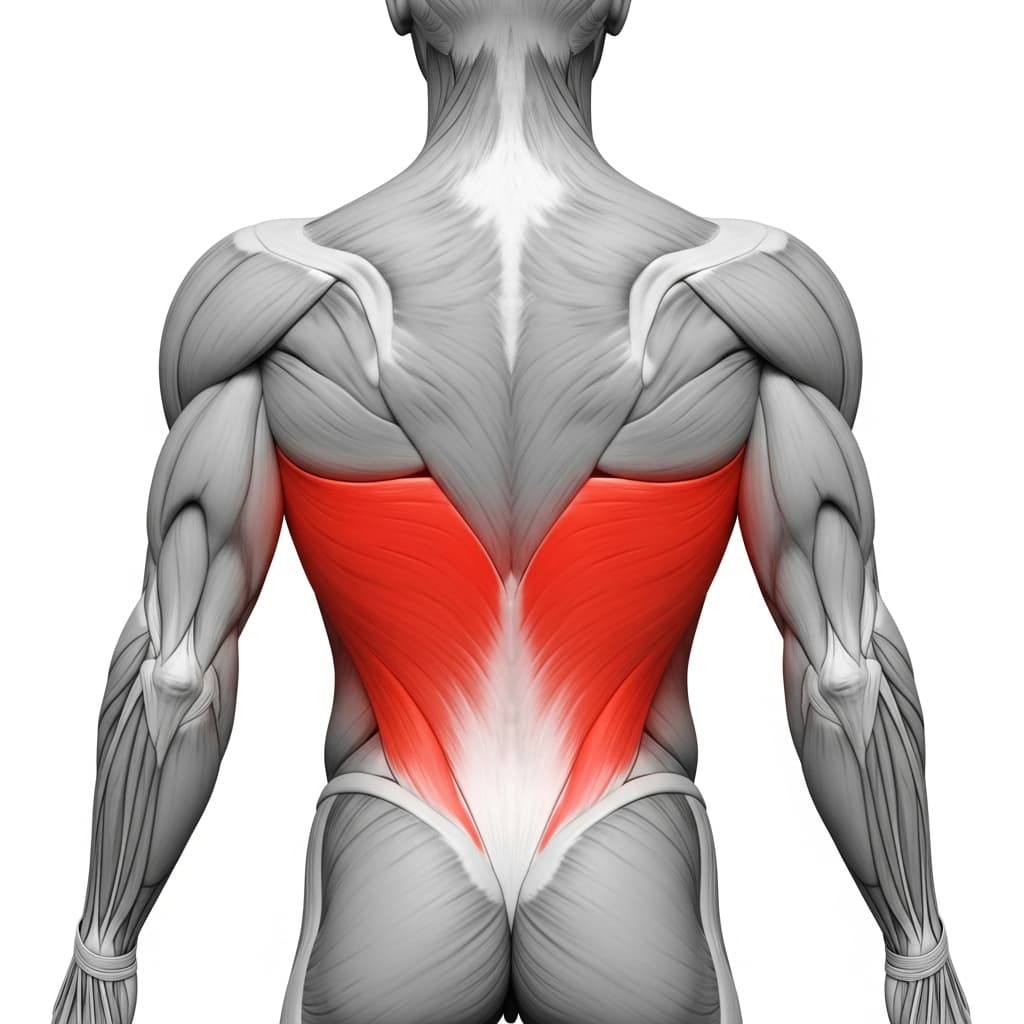
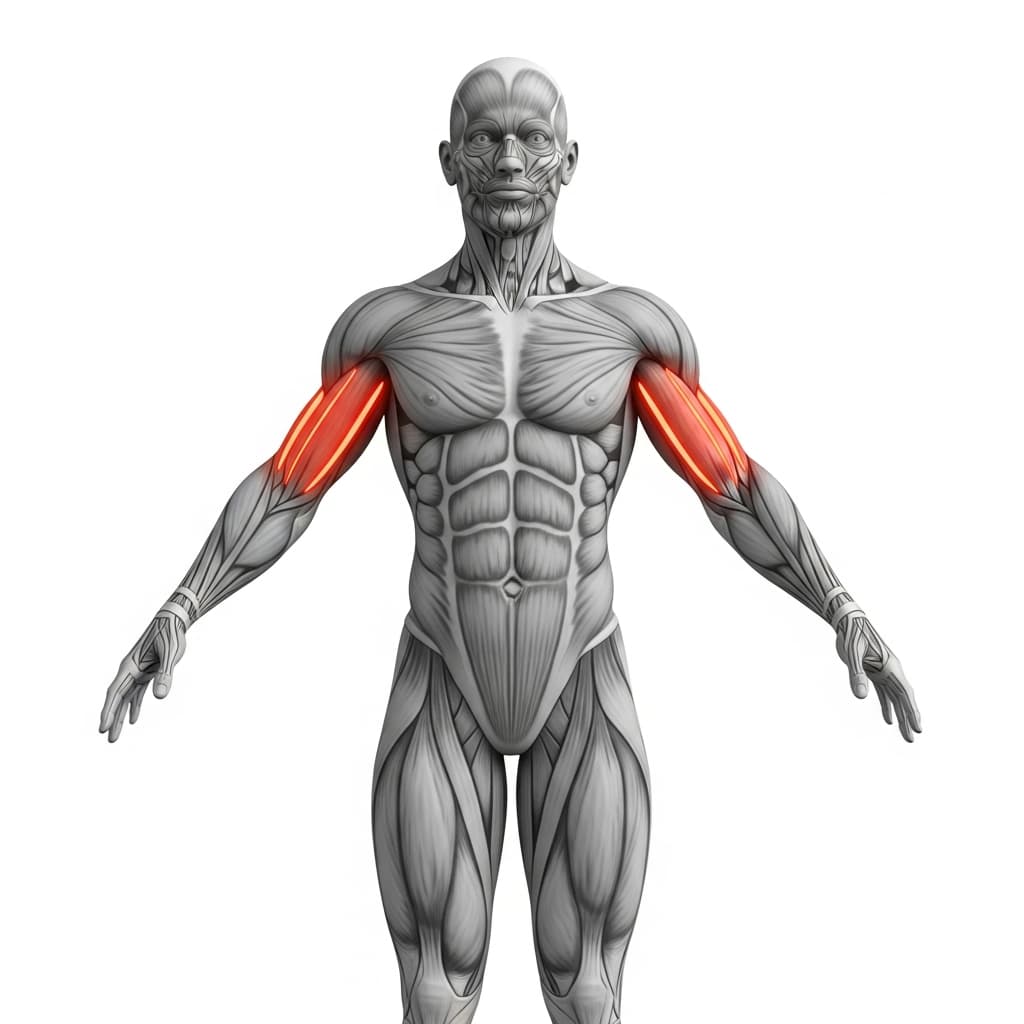
Secondary Muscles:
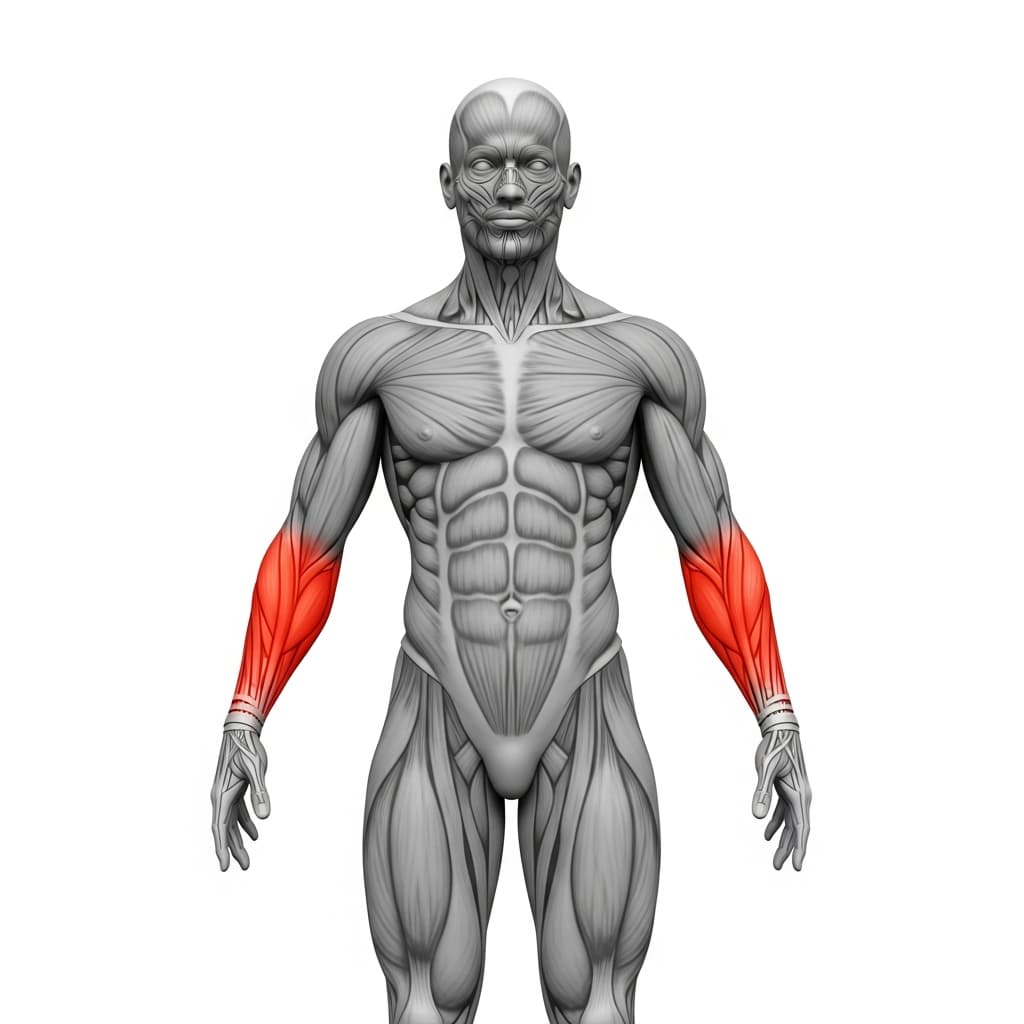
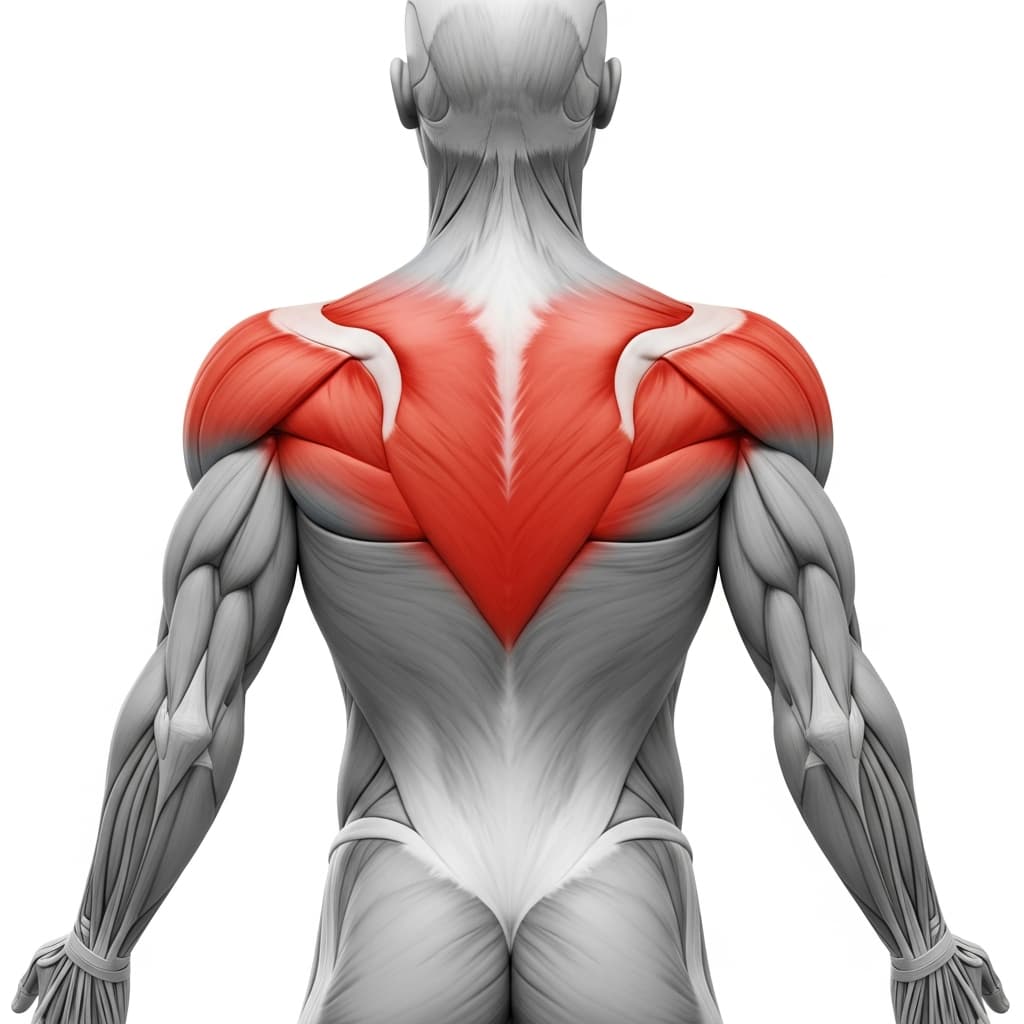
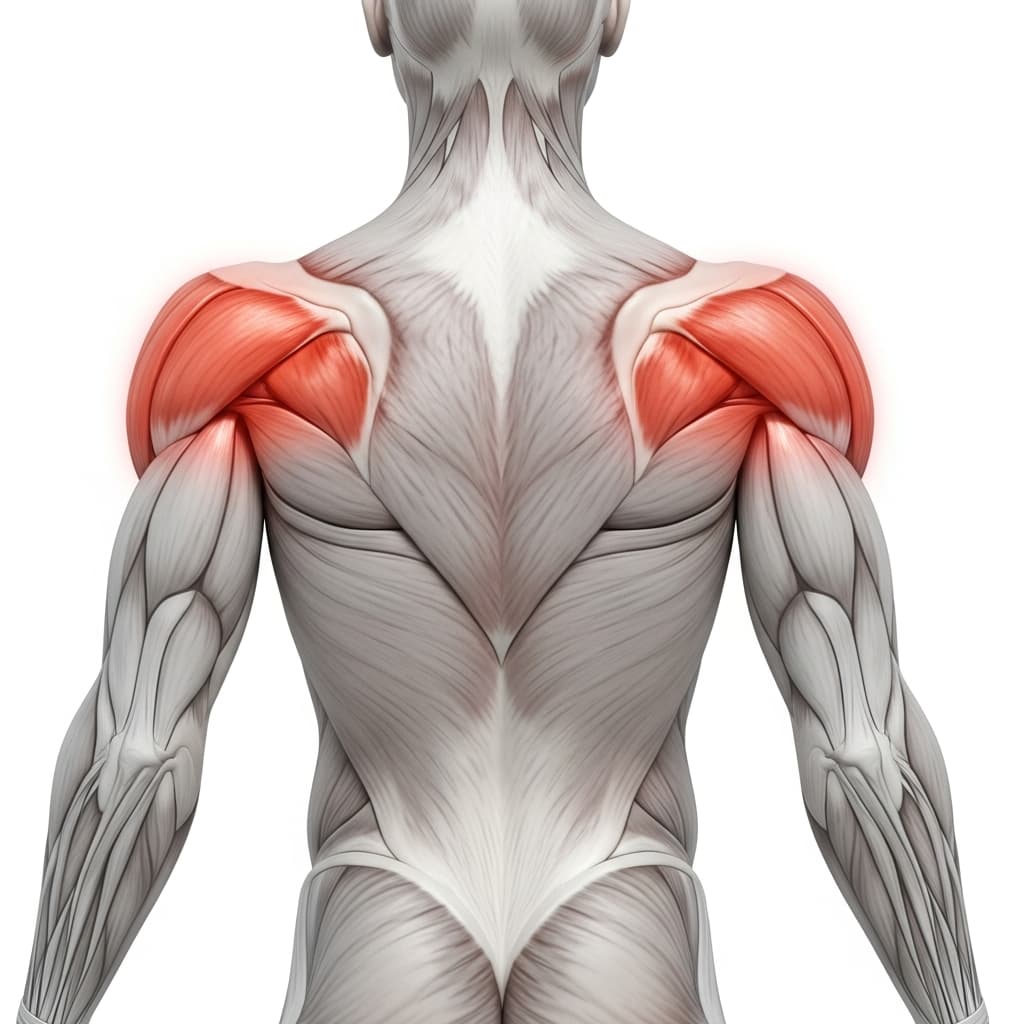
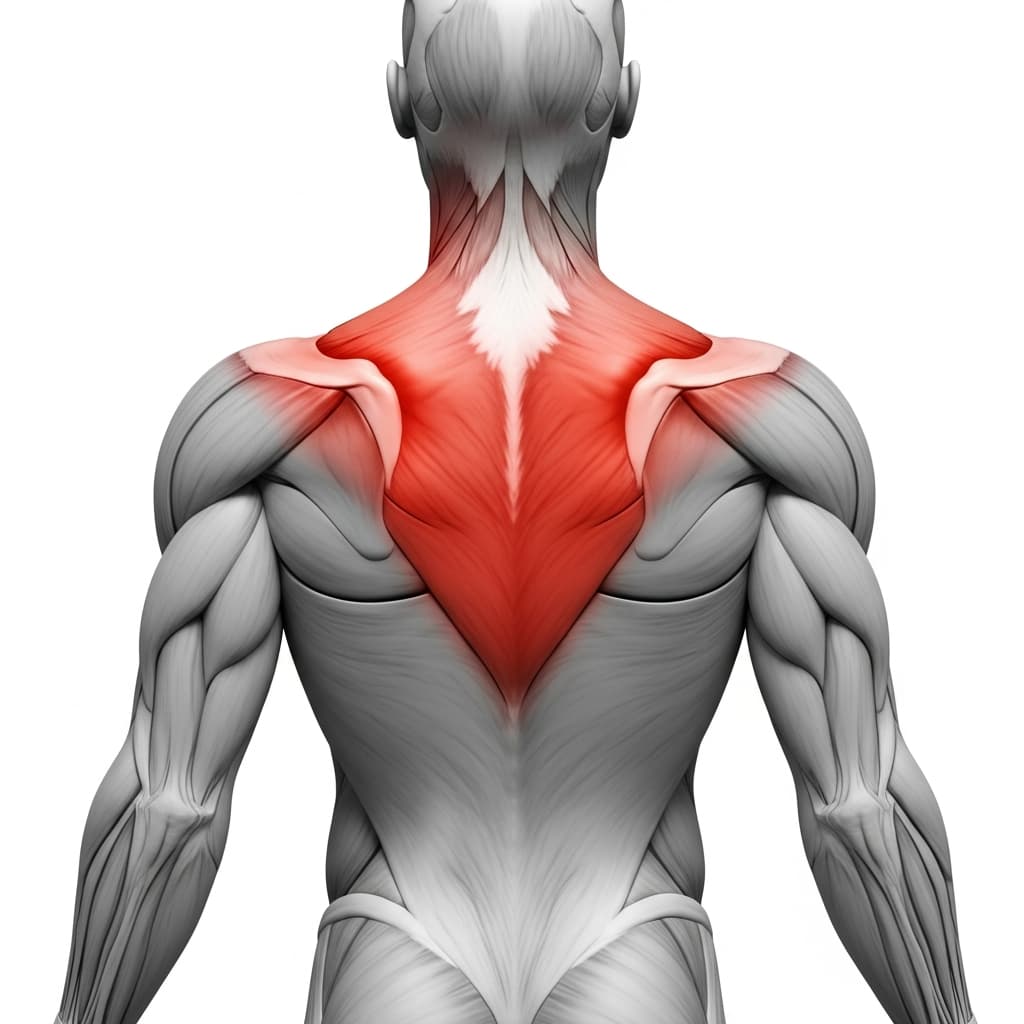
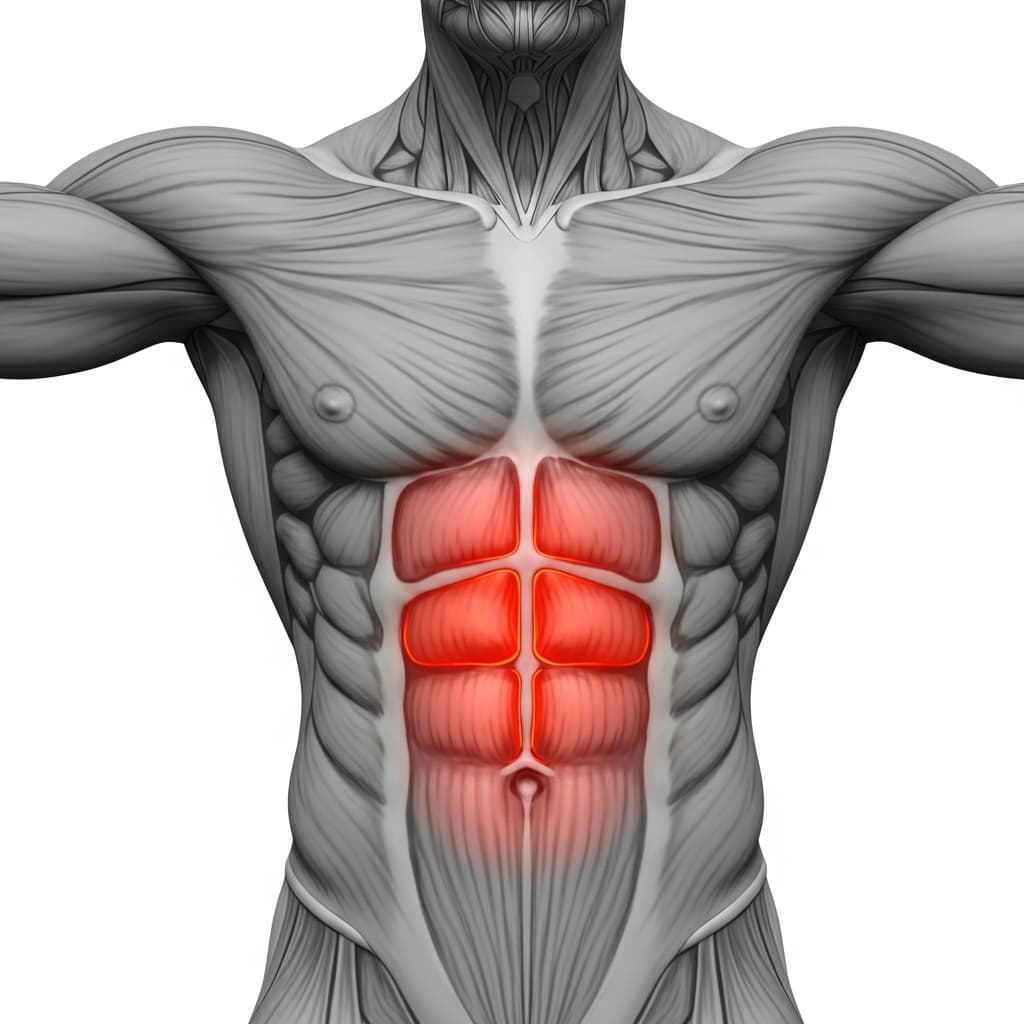
Primary Muscles
Latissimus Dorsi (Lats) - The lats drive the primary pulling force, adducting and extending the shoulder as the body rises toward the bar through the close grip line of pull.
Biceps Brachii (Biceps) - The biceps flex the elbow throughout the pull and bear increased load compared to wider variations due to the narrow hand position.
Secondary Muscles
Forearm Flexors & Extensors (Forearms) - The forearms maintain grip on the bar under high demand, as the close hand placement and knuckles-up orientation create intense sustained contraction in the wrist flexors and finger flexors.
Rhomboids & Upper Trapezius (Upper Back) - The rhomboids and mid-traps retract the scapulae during the pull and squeeze at the top, completing the full range of motion for the back.
Posterior Deltoid (Rear Deltoid) - The rear deltoids assist in shoulder extension and horizontal abduction as the elbows drive back during the pulling phase.
Trapezius (Trapezius) - The lower and middle traps depress and stabilize the scapulae during the hang and throughout the pulling movement, preventing the shoulders from shrugging upward.
Rectus Abdominis (Abs) - The abdominals maintain core rigidity and prevent excessive arching or swinging, keeping the torso stable as a platform for the pulling muscles to work against.
Benefits of Close Grip Pull ups
- Develops the inner lats and lower traps more aggressively than standard pull-ups due to the narrower elbow path and increased range of scapular retraction
- Builds forearm strength and grip endurance that transfers directly to rope climbs, towel hangs, and other grip-intensive calisthenics movements
- Increases bicep recruitment compared to wider pull-up variations, making it an effective arm builder without isolating away from the back
- Strengthens the wrist stabilizers and finger flexors under load, reducing the likelihood of grip failure during advanced pulling skills
- Improves pulling mechanics for muscle-ups and close-hand bar skills where a narrow grip position is required
Who Is This Exercise For?
You should be able to perform at least 5 clean standard pull-ups with full range of motion before attempting close grip pull-ups, as the narrower grip places significantly more demand on the forearms and biceps. Mastering scapular pull-ups and having a solid dead hang of at least 25 seconds with hands close together ensures your grip and shoulder stabilizers are ready. If your wrists or forearms fatigue before your back does during regular pull-ups, you are not ready for this variation yet.
Common Mistakes to Avoid
Knuckles facing forward instead of up: Rotate your hands so your knuckles point directly toward the ceiling. This position generates more force through the forearms and creates a stronger connection to the lats throughout the pull.
Losing full-body tension: Keep your glutes, legs, and core actively engaged throughout every rep. When the lower body goes slack, the torso swings and the pulling muscles lose their mechanical advantage.
Skipping scapular initiation: Depress and retract your shoulder blades before bending your elbows on every single rep. Without this step, the biceps and forearms take over and the lats never fully engage.
Using momentum or kipping: Start each rep from a controlled dead hang with zero swing. If you cannot complete a rep without kipping, reduce your target reps or use a band for assistance until strict form is achievable.
Cutting the range of motion short: Pull until your chin fully clears the bar at the top and return to a complete dead hang at the bottom. Partial reps at either end leave the most valuable portions of the movement untrained.