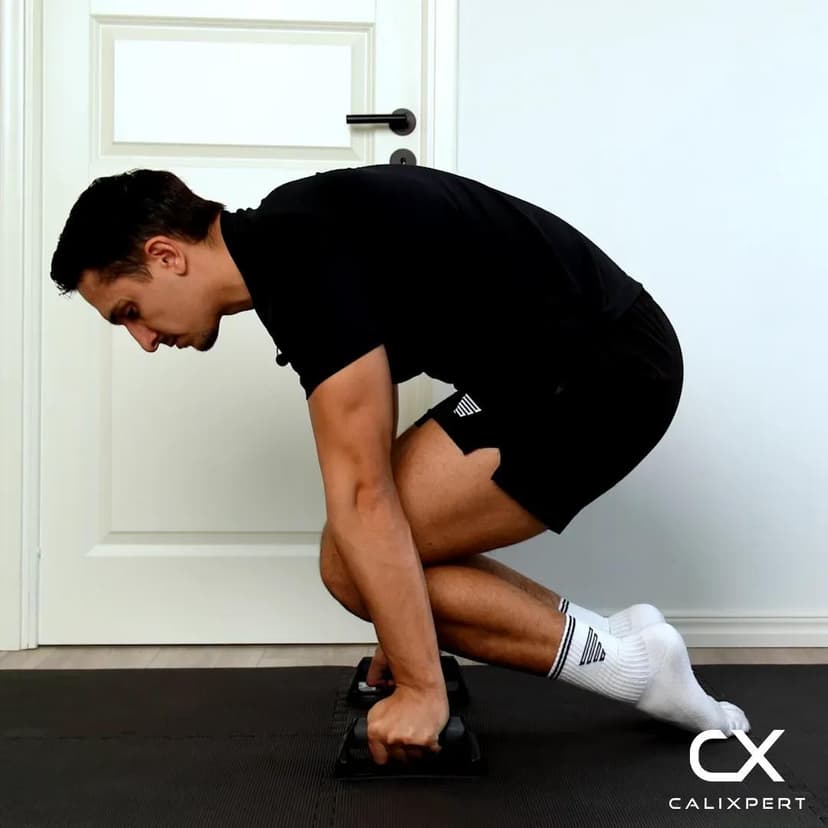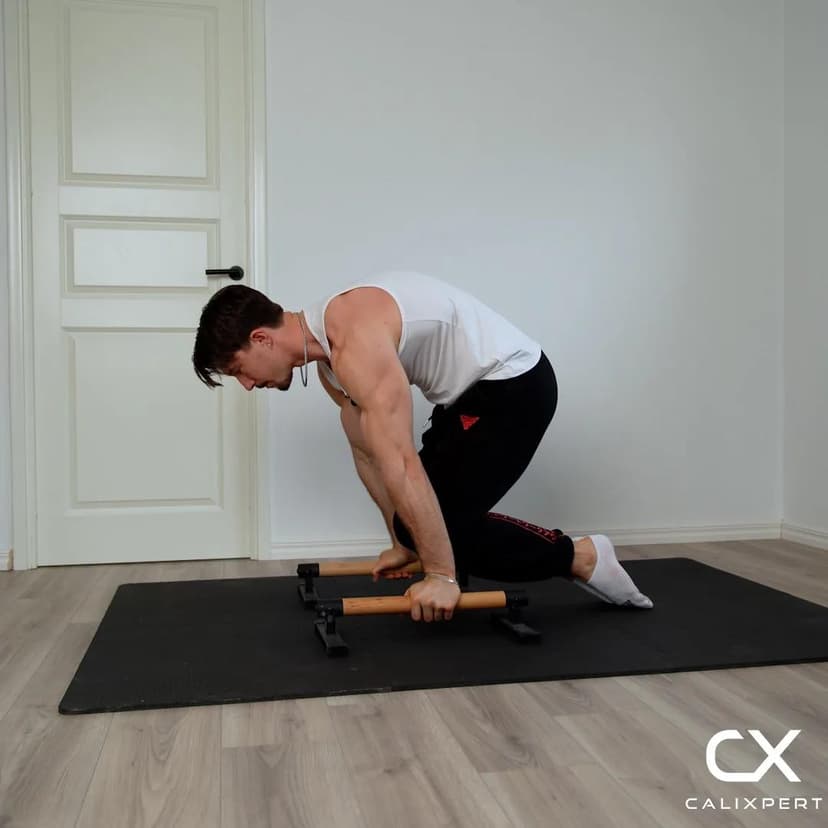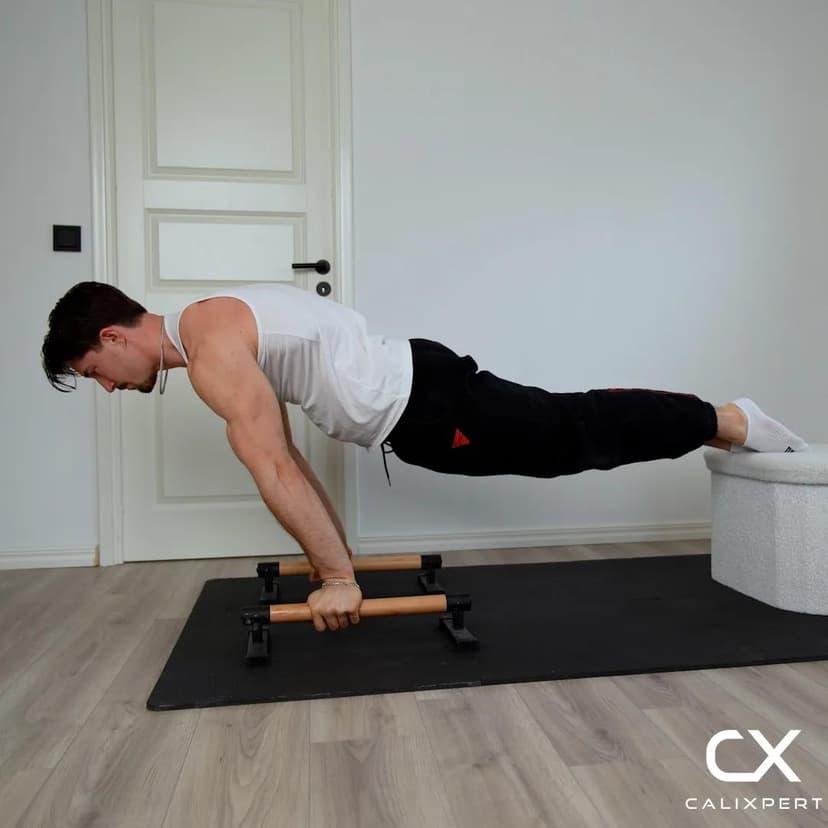
Floor Assisted Negative Muscle Up
The floor assisted negative muscle up is a regression of the full muscle up that isolates the lowering phase, training the lats, chest, triceps, and forearms through the entire muscle-up range of motion in reverse. By keeping the feet on the floor for partial support, you can control the speed of the descent and focus on the transition zone between the dip and the pull, which is the hardest part of any muscle up. This exercise builds the specific eccentric strength and movement pattern needed to unlock strict muscle ups on a bar.
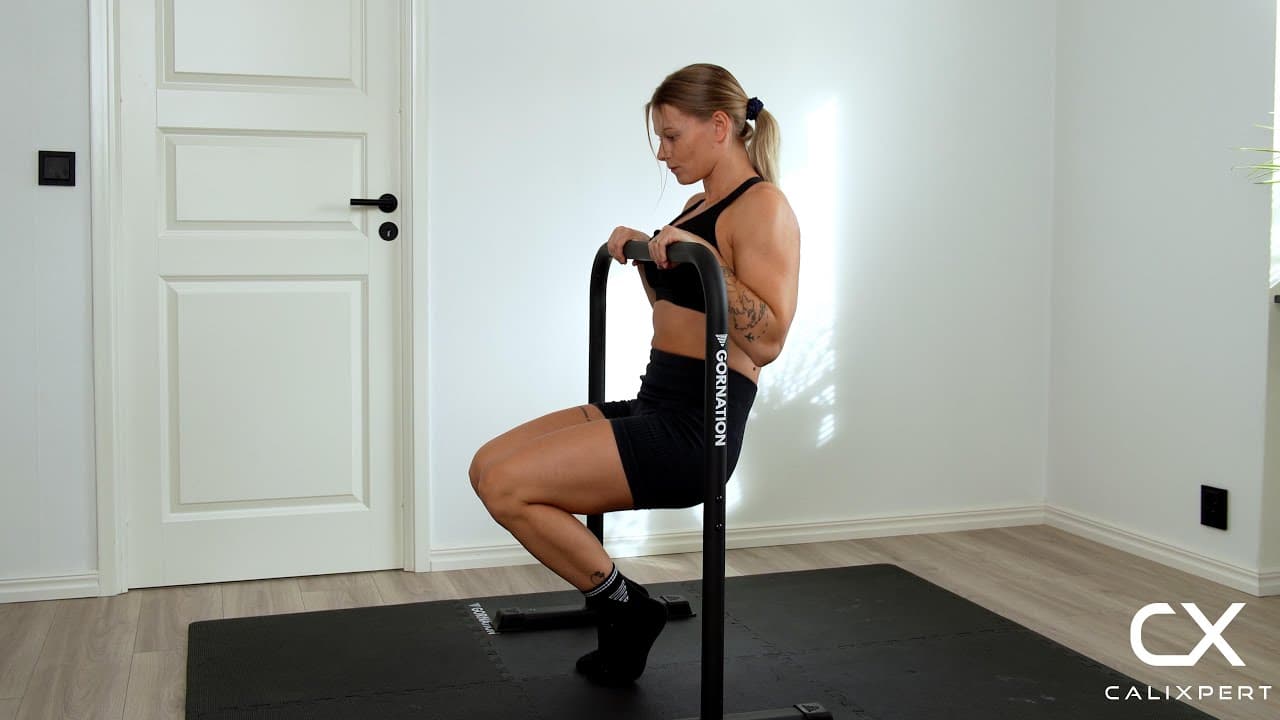
The floor assisted negative muscle up is a regression of the full muscle up that isolates the lowering phase, training the lats, chest, triceps, and forearms through the entire muscle-up range of motion in reverse. By keeping the feet on the floor for partial support, you can control the speed of the descent and focus on the transition zone between the dip and the pull, which is the hardest part of any muscle up. This exercise builds the specific eccentric strength and movement pattern needed to unlock strict muscle ups on a bar.
How to Do Floor Assisted Negative Muscle Up
1. Set Up Your False Grip
Grab a low dip bar with an overhand grip roughly hip-width apart. Roll your knuckles over the top of the bar so your wrists sit on the bar, not just your fingers. Rotate your hands slightly outward and load more pressure onto the pinky side of each hand. This false grip position is what allows you to stay connected to the bar through the entire transition.
Knuckles over the bar, weight on pinkies
2. Position Your Feet for Support
Place your toes on the floor directly under or slightly in front of the dip bar. Your feet stay in contact with the ground throughout the entire movement. Use only as much leg support as you need to maintain control. As you get stronger, reduce the amount of push from your legs.
Toes down, only push what you need
3. Start at the Top of the Dip
Press yourself up to the top of a dip position with your arms straight and your torso above the bar. Keep your shoulders depressed and your core tight. This is your starting point for every rep.
Arms locked, shoulders down, chest up
4. Lower Through the Dip Phase
Begin bending your arms and slowly lowering your body through the dip portion. Keep your elbows tucked close to your torso rather than flaring them out. Lean your chest forward over the bar as much as you can during this phase. The forward lean is critical because it sets you up for a smooth transition into the pull-up position.
Elbows tucked, lean forward over the bar
5. Pass Through the Transition
Continue lowering as your chest passes below the bar and your body shifts from above the bar to below it. Maintain the false grip and keep your elbows close to your body throughout this zone. This is the hardest part of the movement, so slow down and use your feet for support as needed. Control the rotation of your shoulders rather than dropping through it.
Slow through the transition, do not drop
6. Lower to Full Extension
Once you clear the transition, continue lowering under control until your arms are fully extended and you reach the bottom of a pull-up hang. Resist gravity the entire way down and maintain false grip as long as possible. Reset your grip and stance at the bottom before starting the next rep.
Full extension, then reset and repeat
Most people rush through the transition because it feels awkward and unstable. That discomfort is exactly where the strength gets built. Spend more time in the transition zone, not less. If you can hold a 2-second pause right where the dip ends and the pull begins, you are building the specific strength that will carry over directly to your first strict muscle up.
Muscles Worked During Floor Assisted Negative Muscle Up
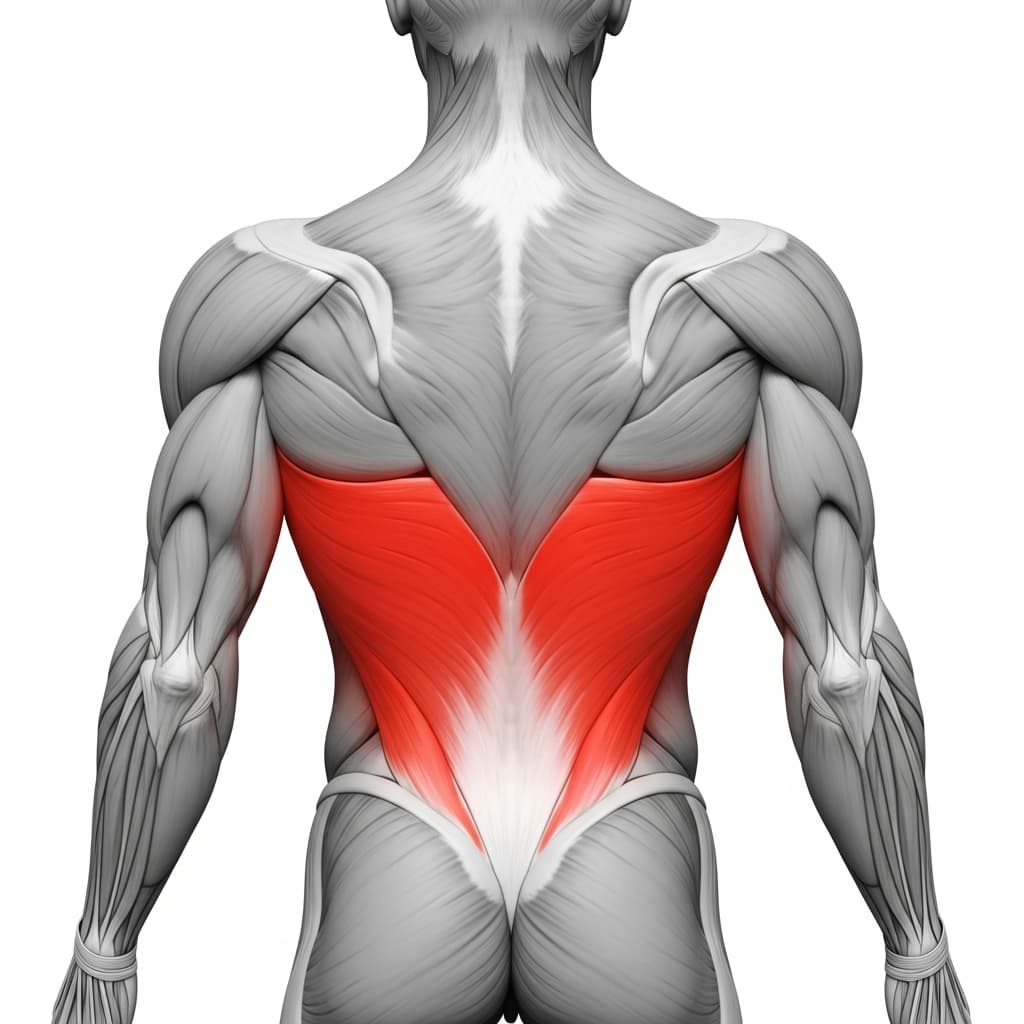
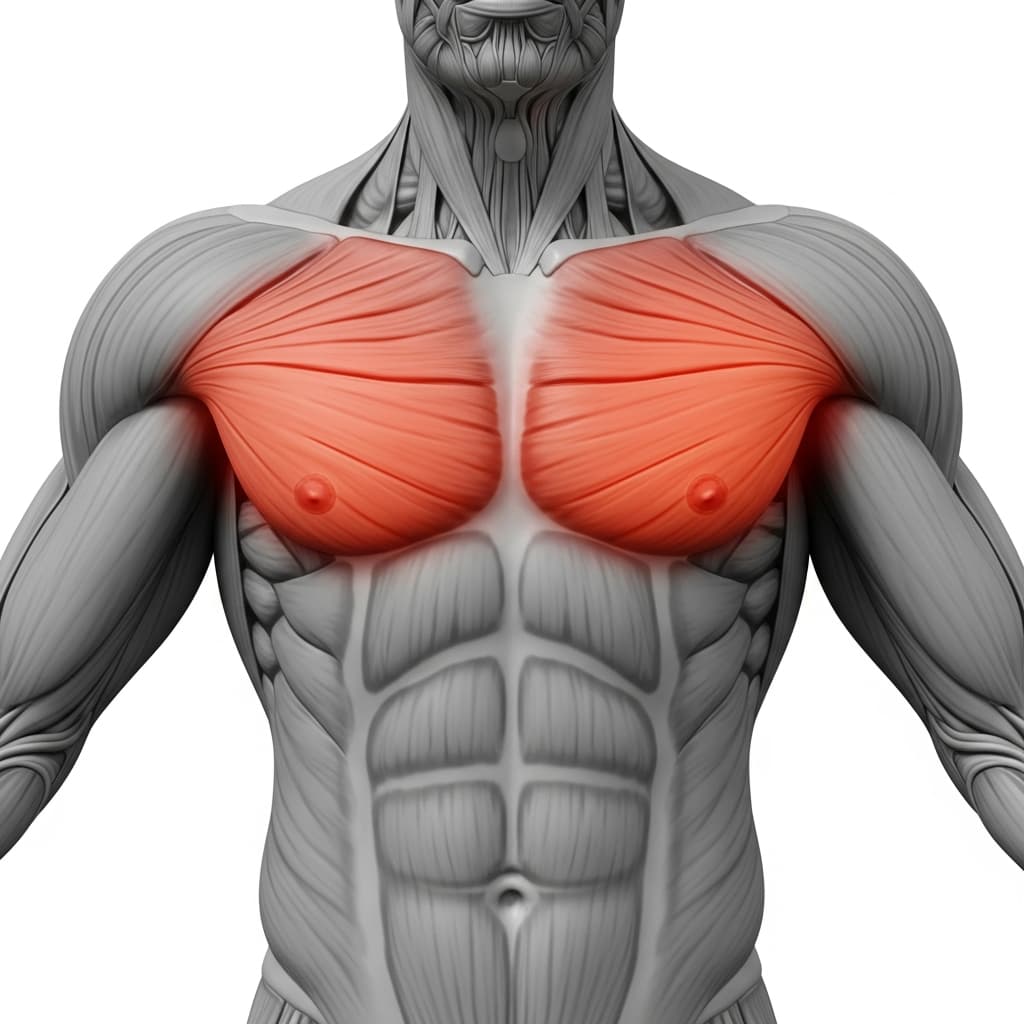
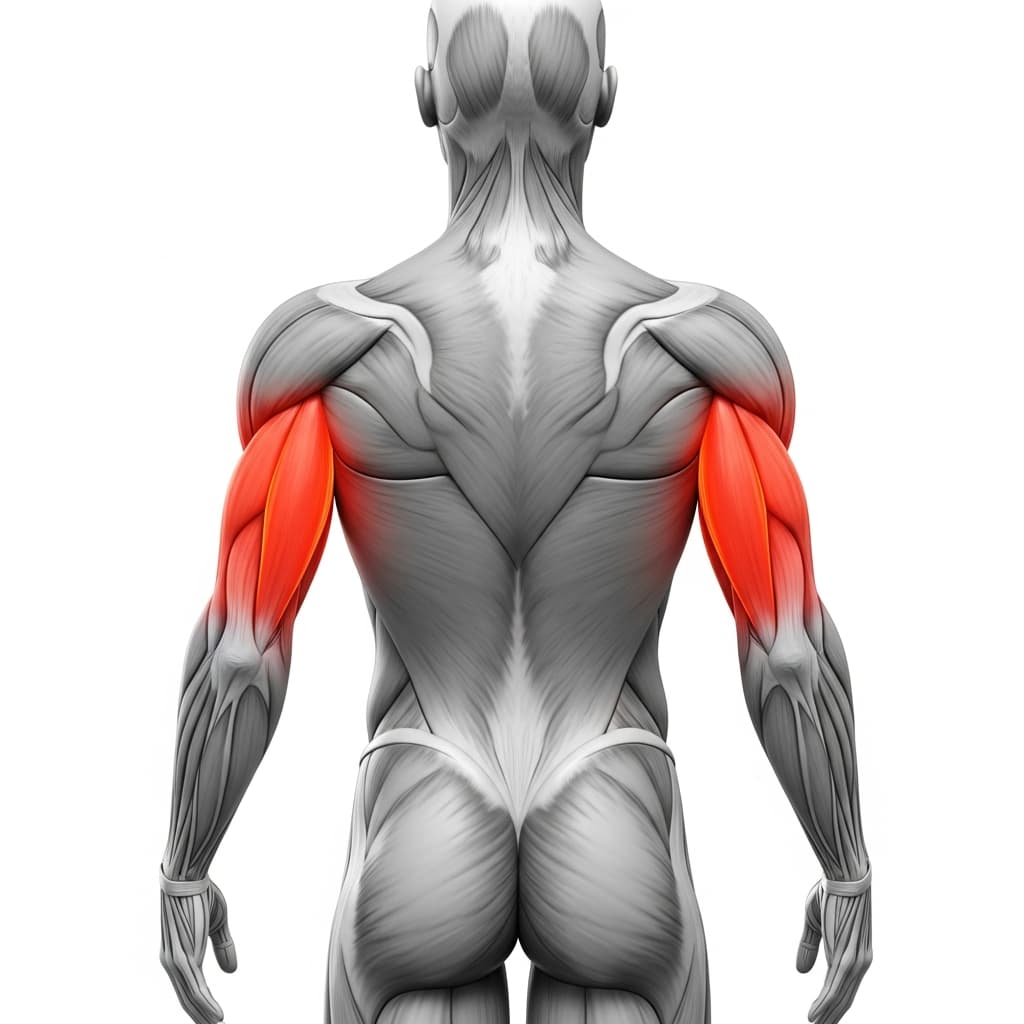
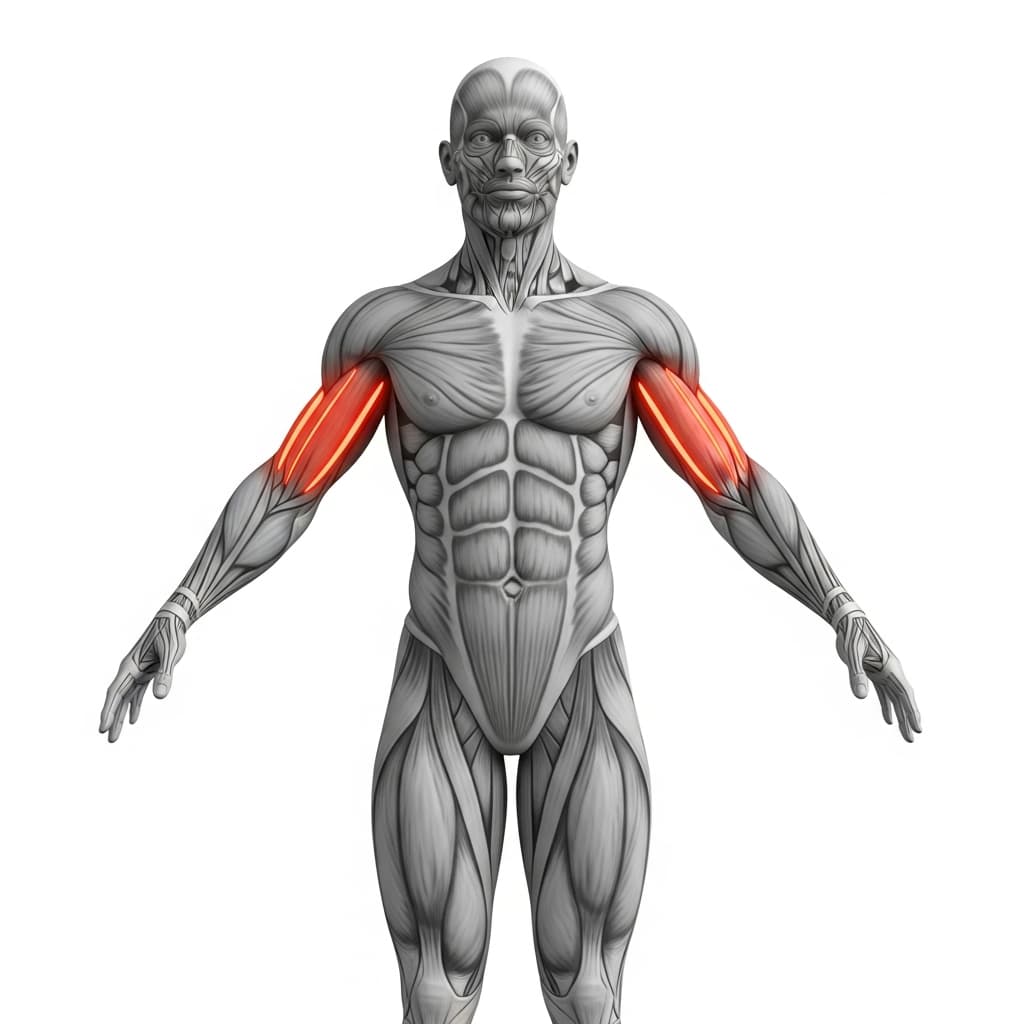
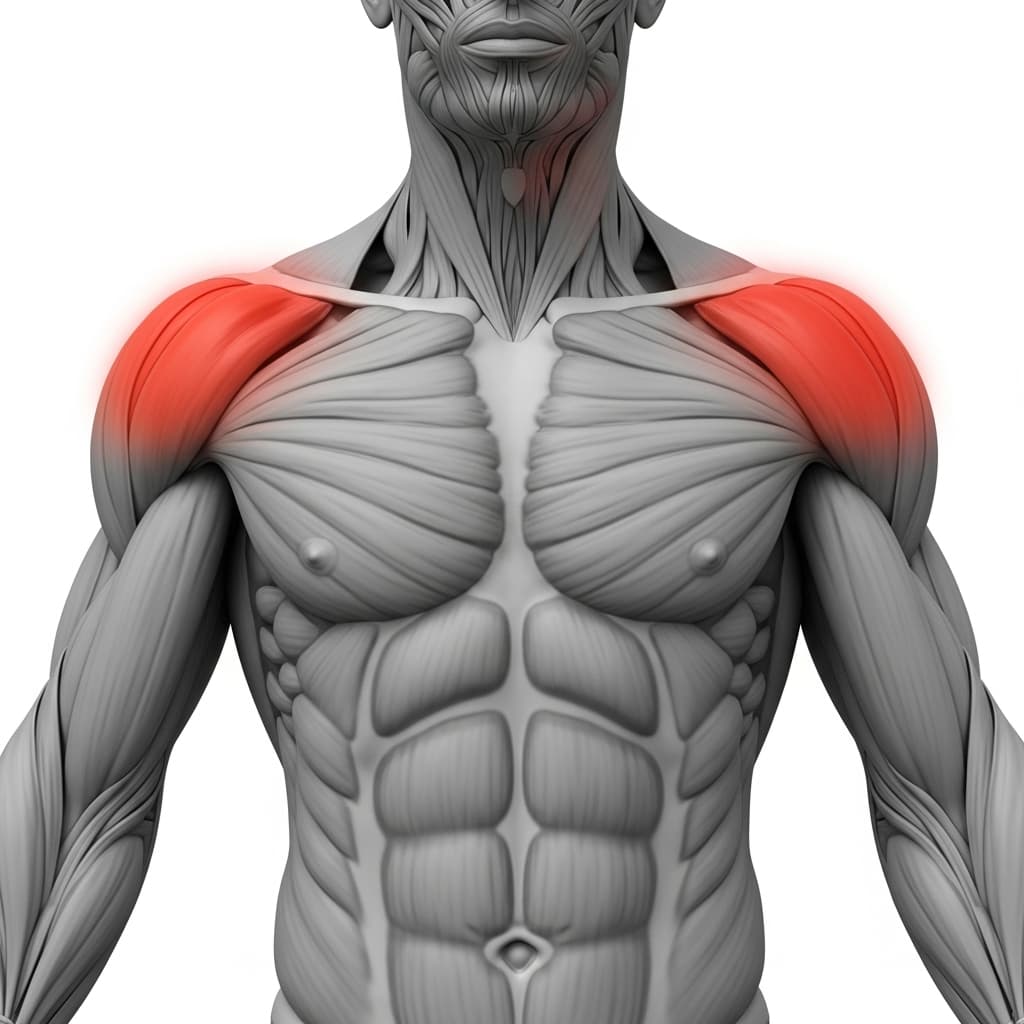
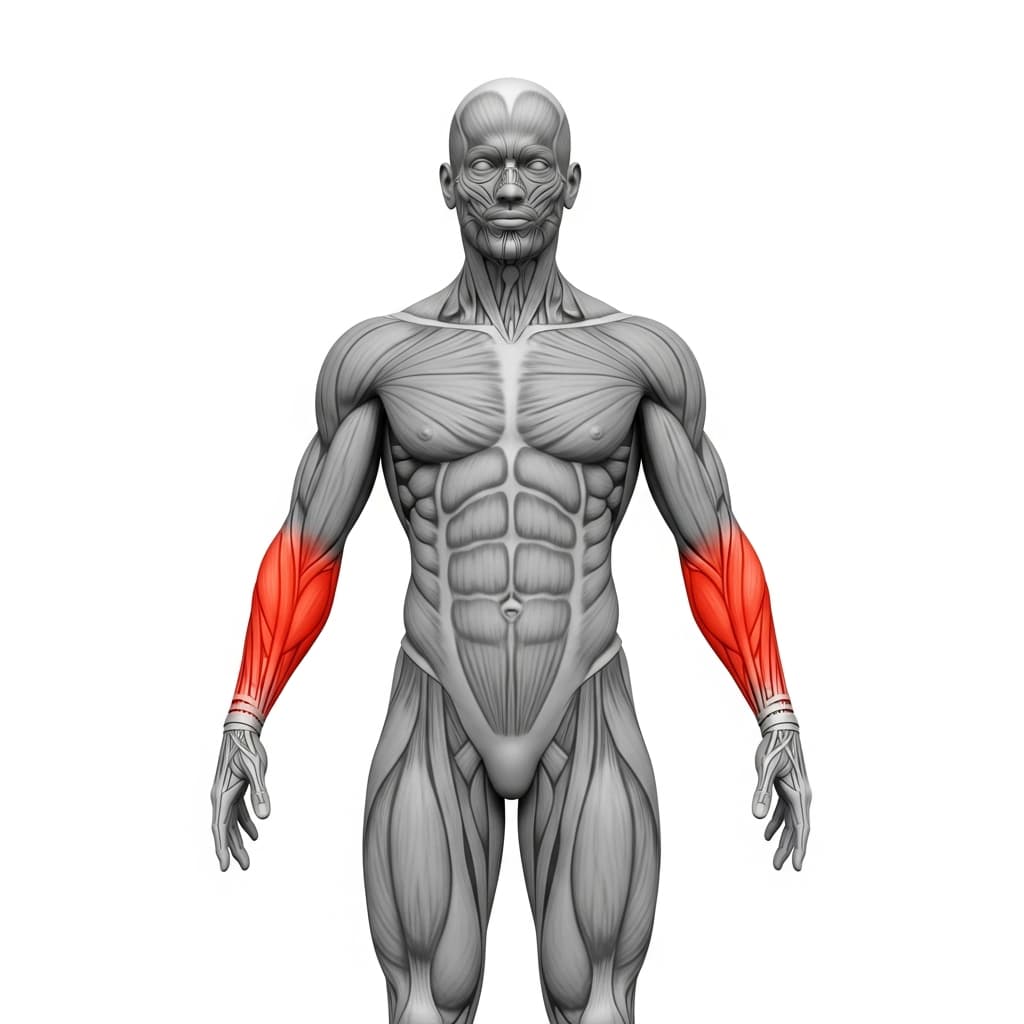
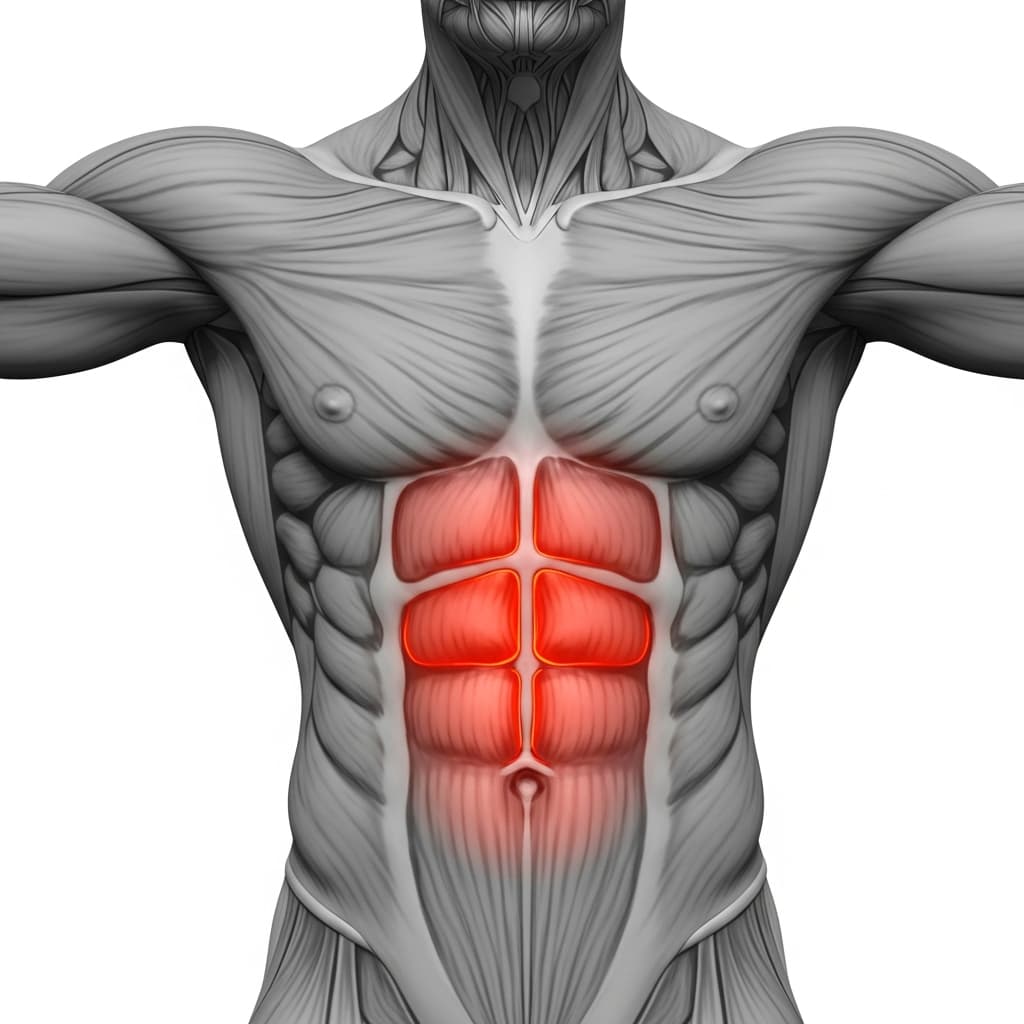
Primary Muscles
Latissimus Dorsi (Lats) - The lats control the eccentric lowering from the transition zone to full arm extension, resisting gravity as the body moves away from the bar.
Pectoralis Major (Chest) - The chest works eccentrically during the dip phase and through the transition, controlling the forward lean and descent of the torso past the bar.
Secondary Muscles
Triceps Brachii (Triceps) - The triceps resist elbow extension during the dip lowering phase, controlling the speed of the descent from the top position.
Biceps Brachii (Biceps) - The biceps engage eccentrically during the pull-up lowering phase, controlling elbow extension as the body drops below the bar.
Anterior Deltoid (Front Deltoid) - The front deltoids stabilize the shoulder joint through the transition zone where the load shifts from a pushing to a pulling angle.
Forearm Flexors & Extensors (Forearms) - The forearms maintain the false grip on the bar throughout the full descent, resisting the tendency of the wrists to slip off under load.
Rectus Abdominis (Abs) - The abs brace the trunk and prevent excessive arching or swinging during the transition and lowering phases.
Benefits of Floor Assisted Negative Muscle Up
- Builds eccentric strength through the exact range of motion required for a full muscle up, specifically the transition zone that most athletes struggle with
- Trains the false grip under load, developing the wrist and forearm conditioning needed for bar muscle ups
- Allows controlled exposure to the muscle-up transition at a manageable difficulty, reducing shoulder injury risk compared to jumping or kipping into muscle ups
- Develops coordination between the pushing and pulling muscle groups, teaching the body to shift smoothly from dip to pull-up position
Who Is This Exercise For?
You should be able to perform at least 5 straight bar dips and 5 pull-ups with clean form before attempting this exercise. Comfort with false grip on a low bar is also essential, so practice holding a false grip dead hang for 10 to 15 seconds first. If you cannot control a basic negative pull-up with a 3-second descent, you are not ready for the full transition movement yet.
Common Mistakes to Avoid
Dropping through the transition: The transition zone between the dip and the pull is where most people lose control and fall through. Slow down deliberately at this point and increase floor assistance until you can pass through it at a controlled 2 to 3 second pace.
Losing the false grip mid-rep: If your wrists slide off the bar during the descent, your false grip setup was too shallow. Roll your knuckles further over the bar at the start and actively press your pinky side into the bar throughout the movement.
Flaring elbows wide during the transition: Keep your elbows tucked close to your ribcage as you pass through the transition. Flared elbows shift the load onto the shoulders in a vulnerable position and make the transition harder to control.
Using too much leg assistance: Your feet are there for safety and control, not to do the work. If you are pushing hard through your toes on every rep, you are not getting enough eccentric loading in the upper body. Reduce leg push gradually over time.
Variations & Progressions
Band Assisted Negative Muscle Up
Loop a resistance band over the bar and place it under your feet or knees. The band provides consistent support throughout the descent, making the transition zone less demanding than floor assistance alone.
Unassisted Negative Muscle Up
Perform the same lowering movement on a high bar with no foot contact on the ground. This requires full bodyweight control through the transition and is the direct precursor to a strict muscle up.