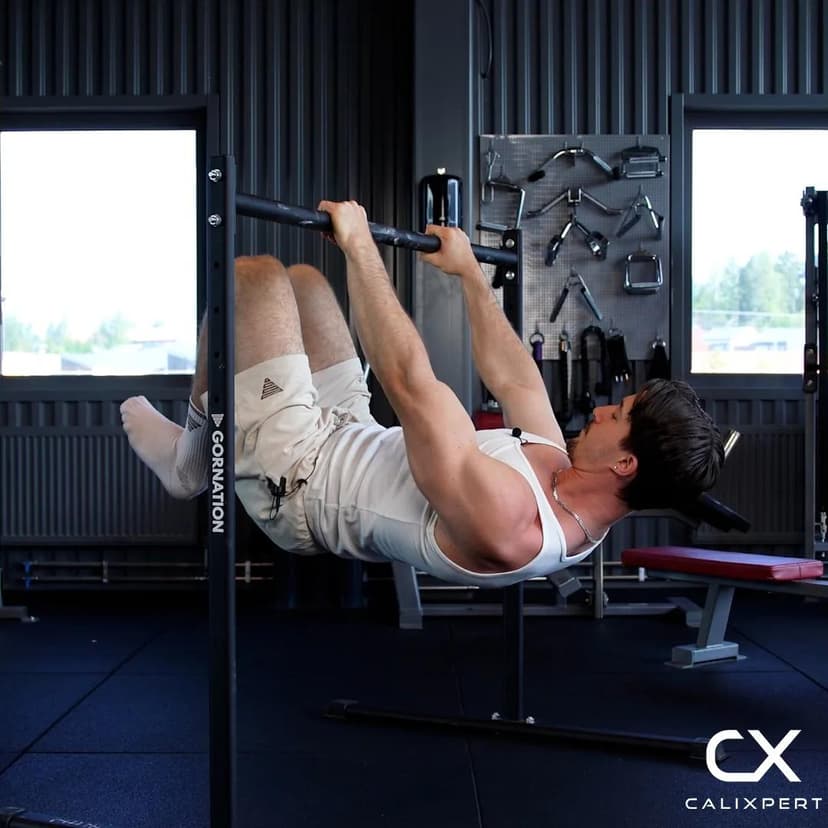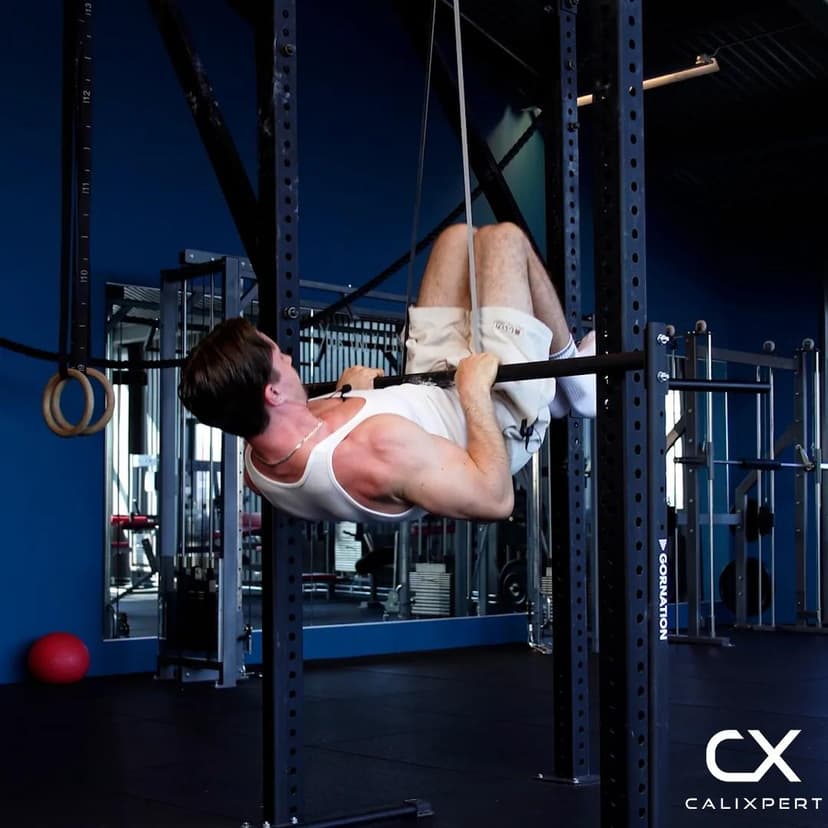
90 Degree Chin Ups
90 Degree Chin Ups are an advanced partial-range pulling exercise where you begin at a 90-degree elbow angle and pull only through the top half of the chin-up. This movement hammers the biceps, upper back, and forearms by isolating the strongest contraction zone of the pull, where most people lose tension. Training this range specifically builds the peak pulling strength and scapular control needed for one-arm chin-up progressions and other high-level calisthenics skills.
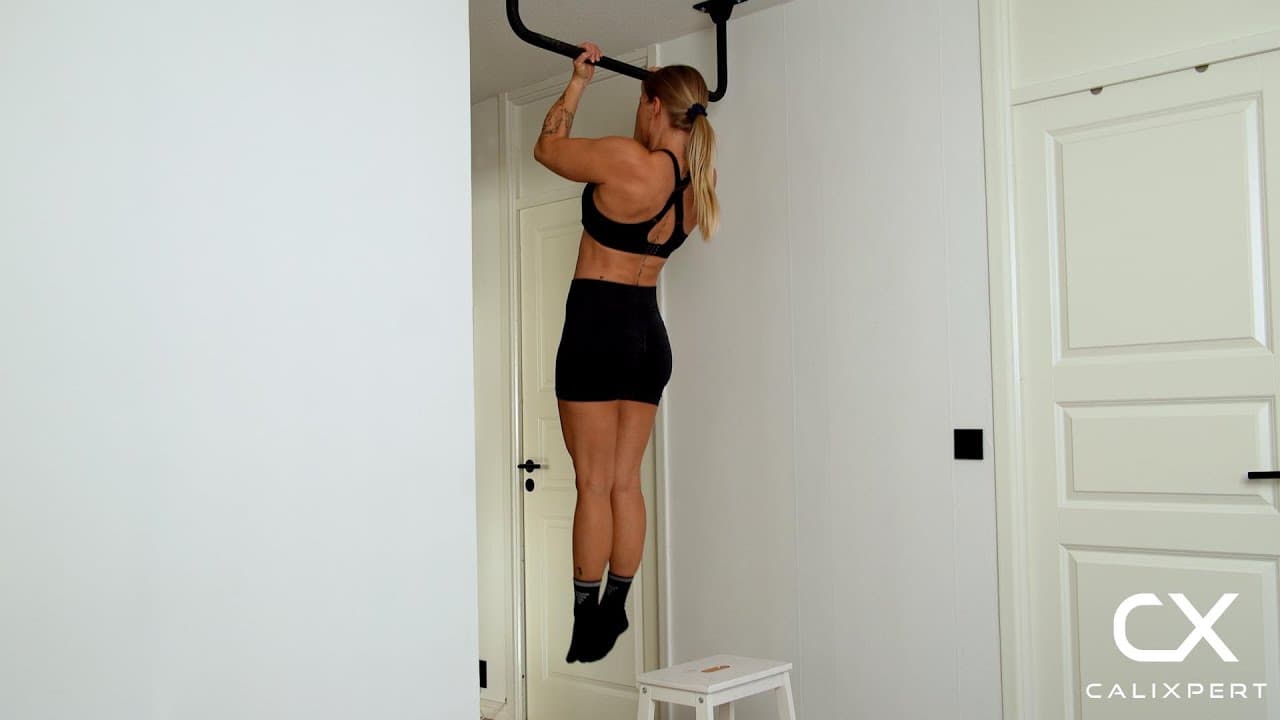
90 Degree Chin Ups are an advanced partial-range pulling exercise where you begin at a 90-degree elbow angle and pull only through the top half of the chin-up. This movement hammers the biceps, upper back, and forearms by isolating the strongest contraction zone of the pull, where most people lose tension. Training this range specifically builds the peak pulling strength and scapular control needed for one-arm chin-up progressions and other high-level calisthenics skills.
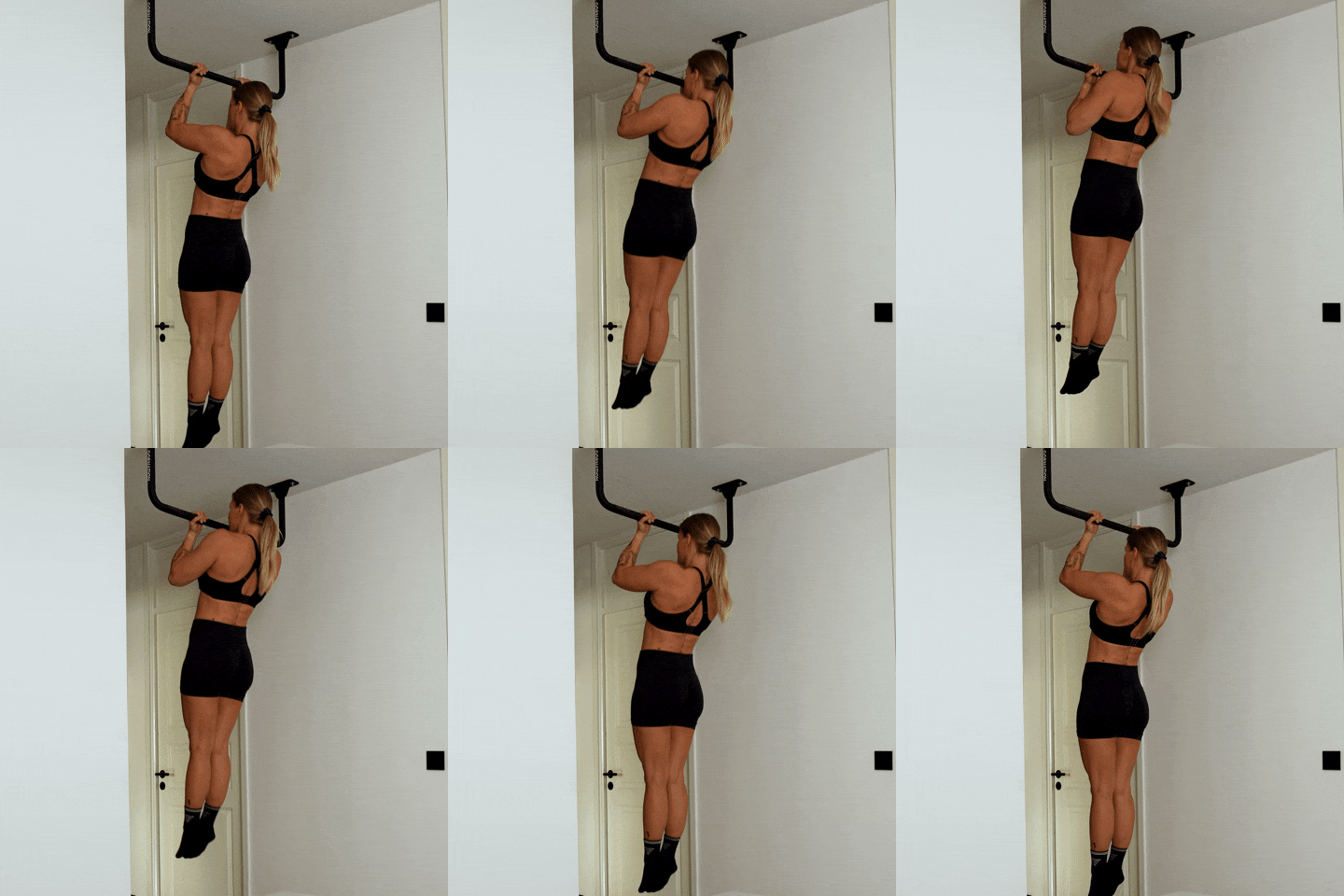
How to Do 90 Degree Chin Ups
1. Grip the Bar Supinated
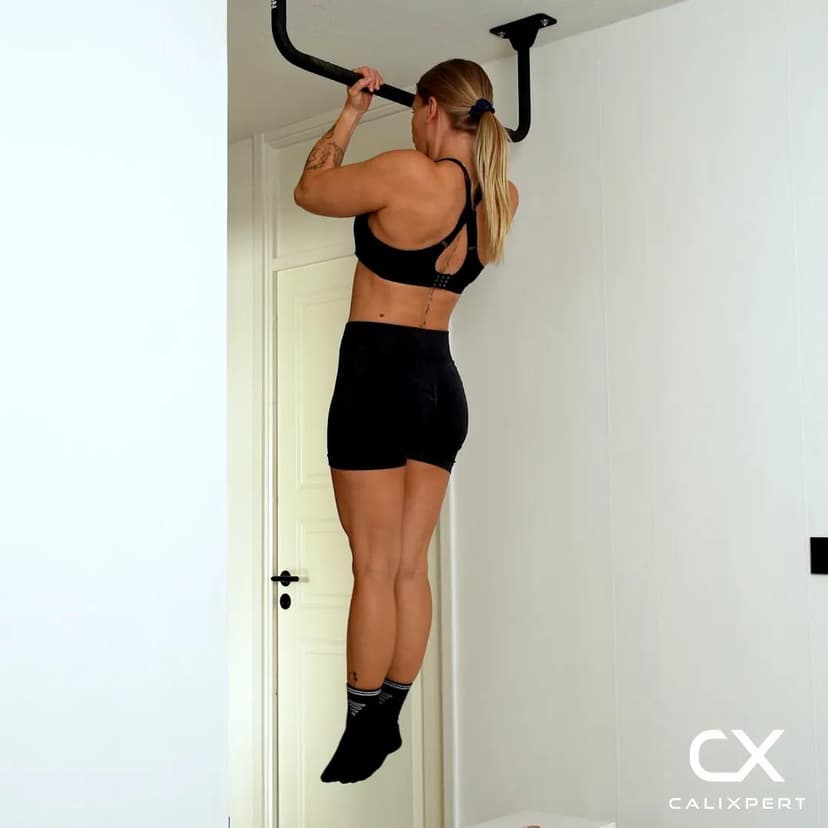
Grab a straight bar with a supinated grip, palms facing toward you, at shoulder width. Wrap your thumbs fully around the bar for a secure hold. This underhand position places the biceps in their strongest line of pull and allows maximum contraction through the top range.
Palms toward you, thumbs locked around
2. Step Into the 90-Degree Position
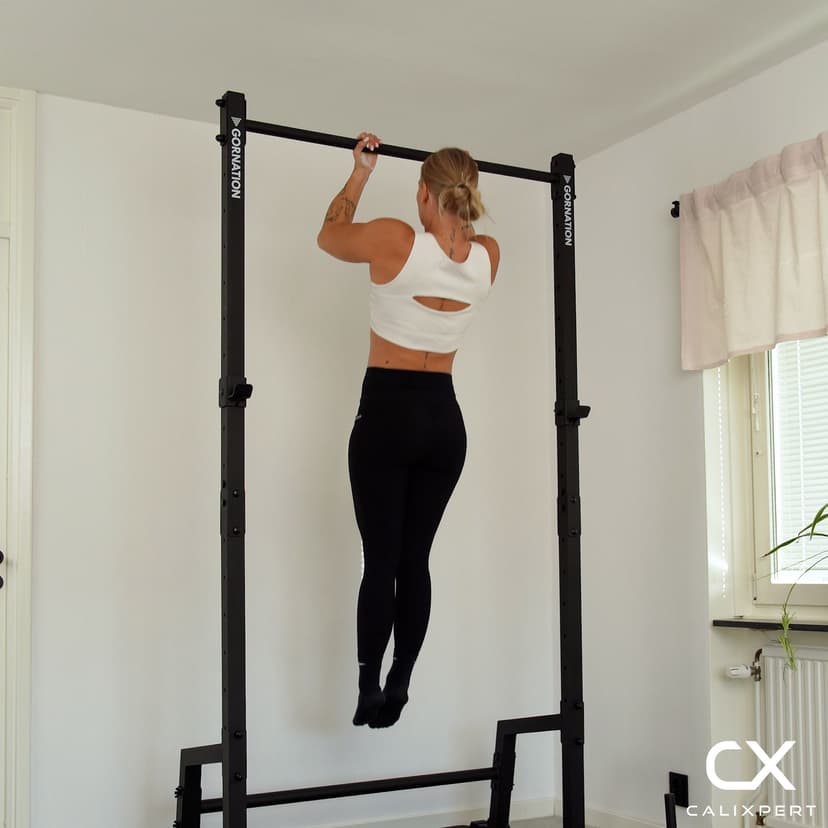
Pull yourself up or use a box to position yourself with your elbows bent at exactly 90 degrees. Your chin should be roughly at bar height. Depress your shoulders and squeeze your shoulder blades together before beginning any reps. This locked scapular position must be maintained throughout every rep.
Shoulders down, blades squeezed tight
3. Set Full Body Tension
Engage your core, squeeze your glutes, and press your legs together. This full-body tension eliminates swing and keeps the load directed through the pulling muscles. A loose body leaks energy and makes the hold position unstable.
Core tight, glutes squeezed, legs together
4. Pull Chin Over the Bar
From the 90-degree position, pull your chin above the bar by driving your elbows down and back. Stay as close to the bar as possible with your head and chest throughout the pull. Keep your neck neutral and let the pulling effort bring your chin over, not a forward head jut.
Stay close to the bar, chin clears clean
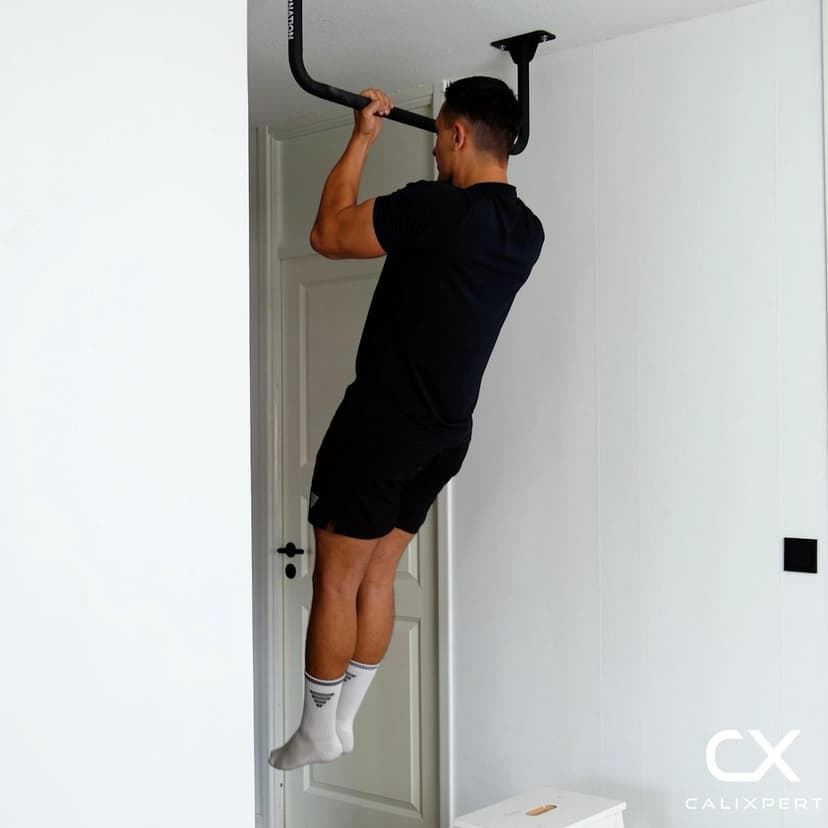
5. Lower Back to 90 Degrees
Slowly lower yourself back to the exact 90-degree elbow angle under full control. Do not drop or relax at the bottom of each rep. Maintain shoulder blade retraction and core tension as you return to the starting position. Each rep begins and ends at 90 degrees, never below.
Controlled descent, stop at 90
6. Reset and Repeat
Re-confirm your scapular position and full-body tension before initiating the next rep. Every rep should look identical, with no gradual loss of form or sinking below the 90-degree mark. If you cannot hold the starting position between reps, the set is over.
If you sink below 90, the set is done
Most people rush through the top of a chin-up without ever truly owning that range. The 90 Degree Chin Up forces you to prove you have control where it counts most. Stay glued to the bar, keep the shoulder blades pinned back, and think about driving your elbows into your ribcage on every rep. If you can do 5 clean reps without sinking below 90, your chin-up strength is legitimate.
Muscles Worked During 90 Degree Chin Ups
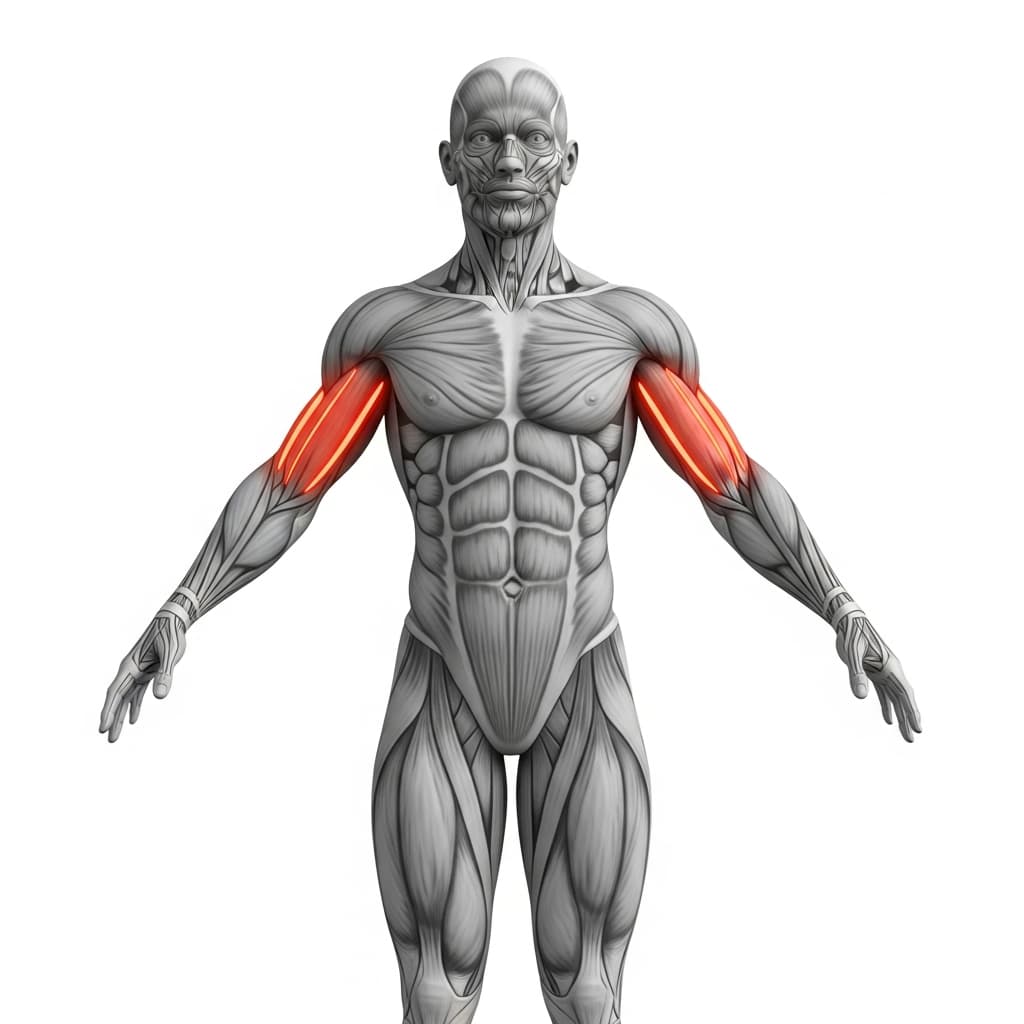
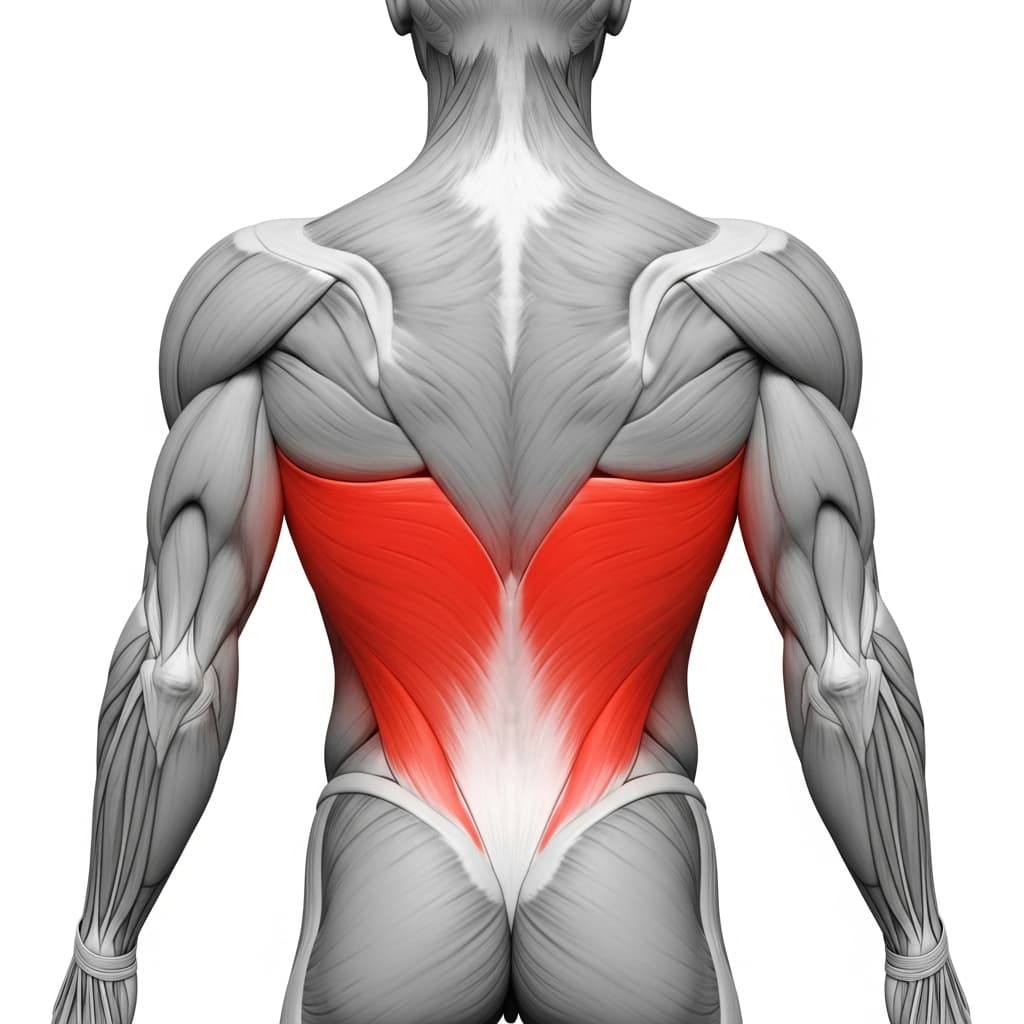
Secondary Muscles:
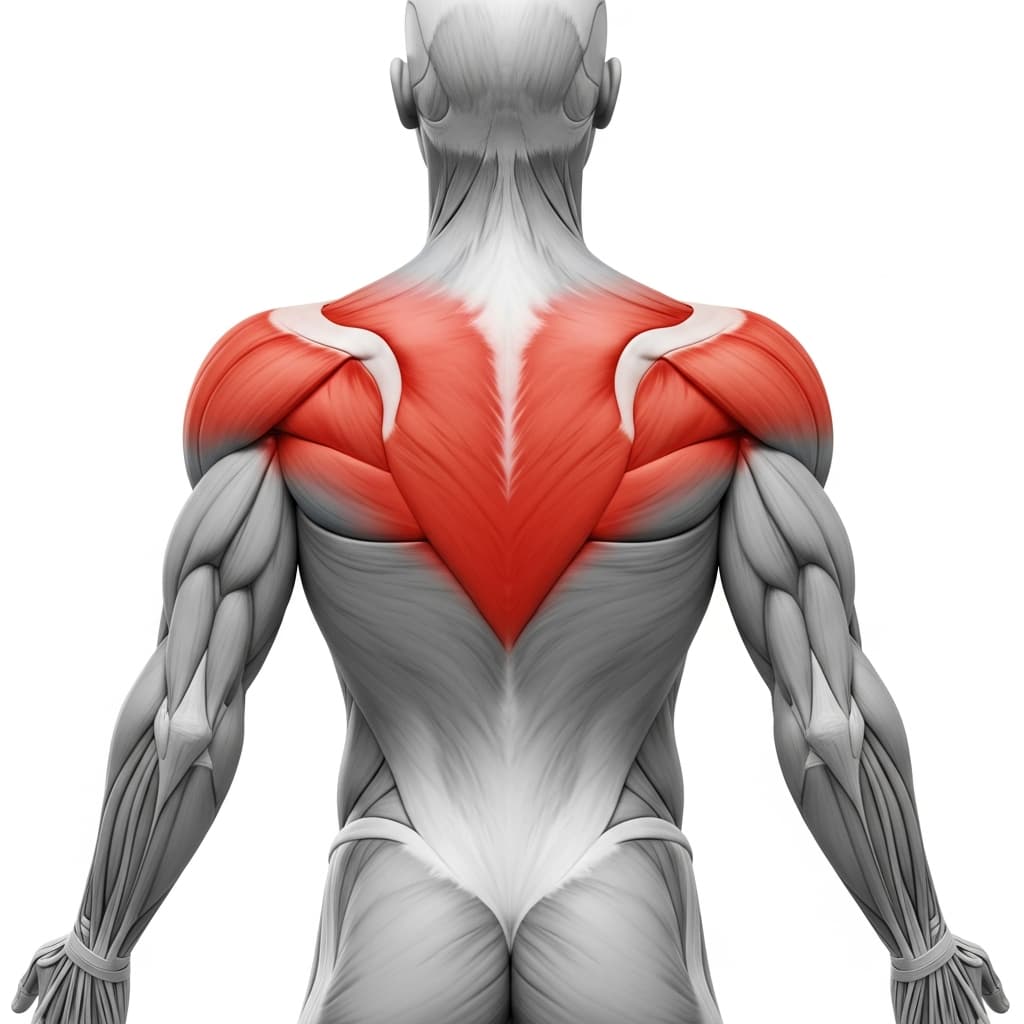
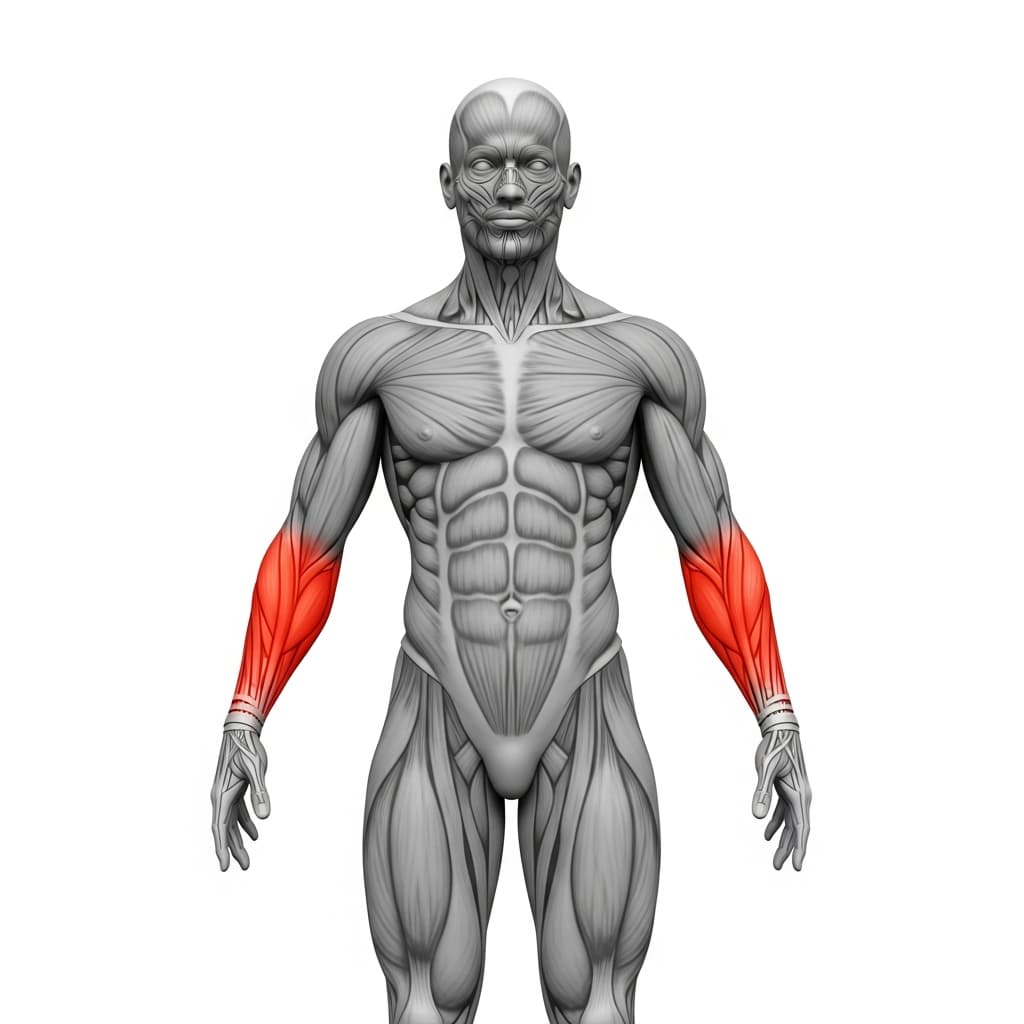
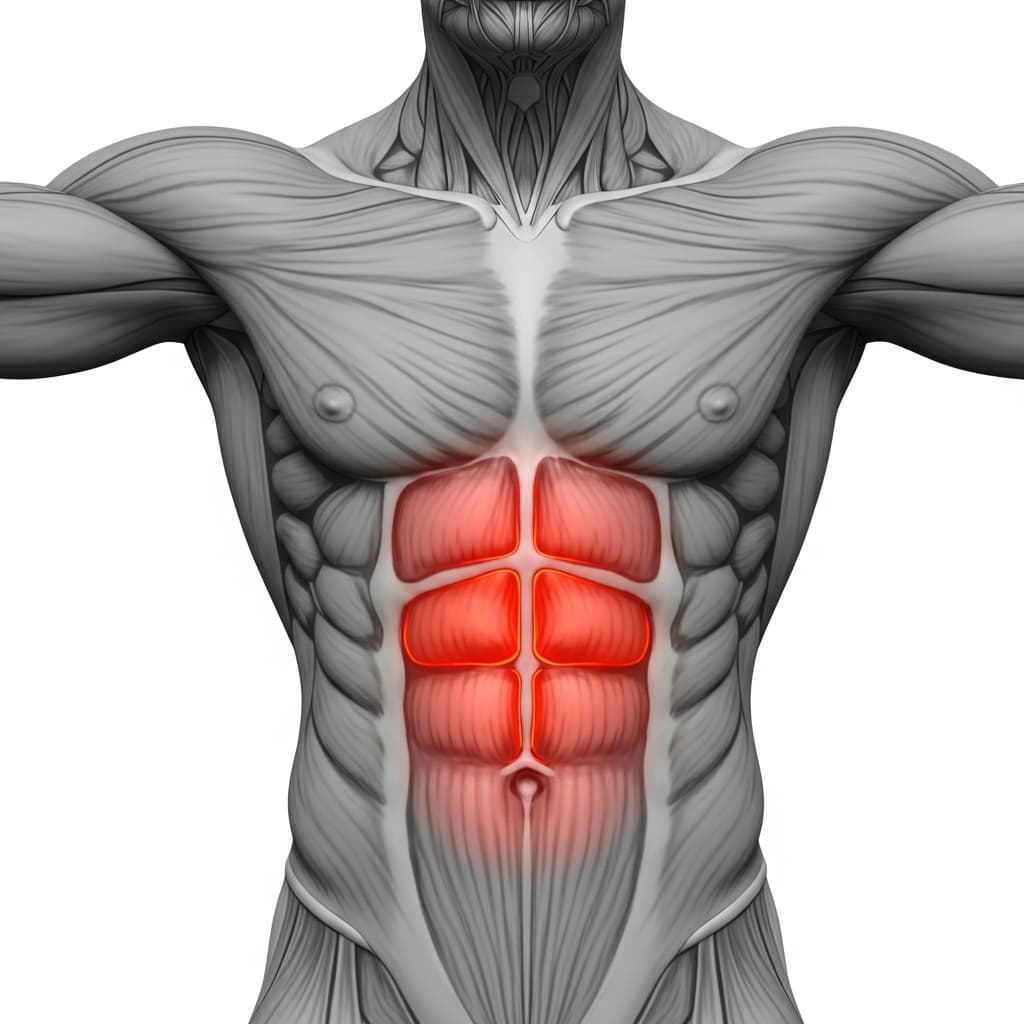
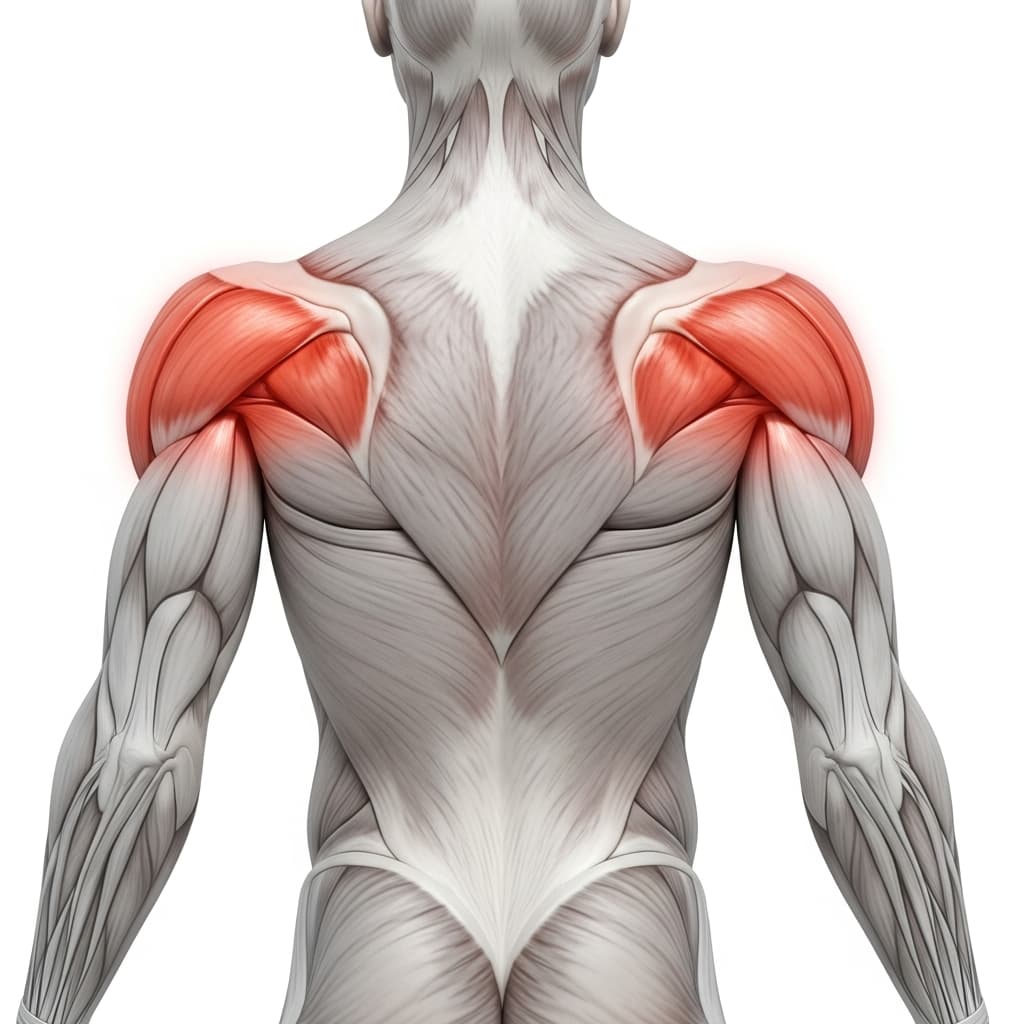
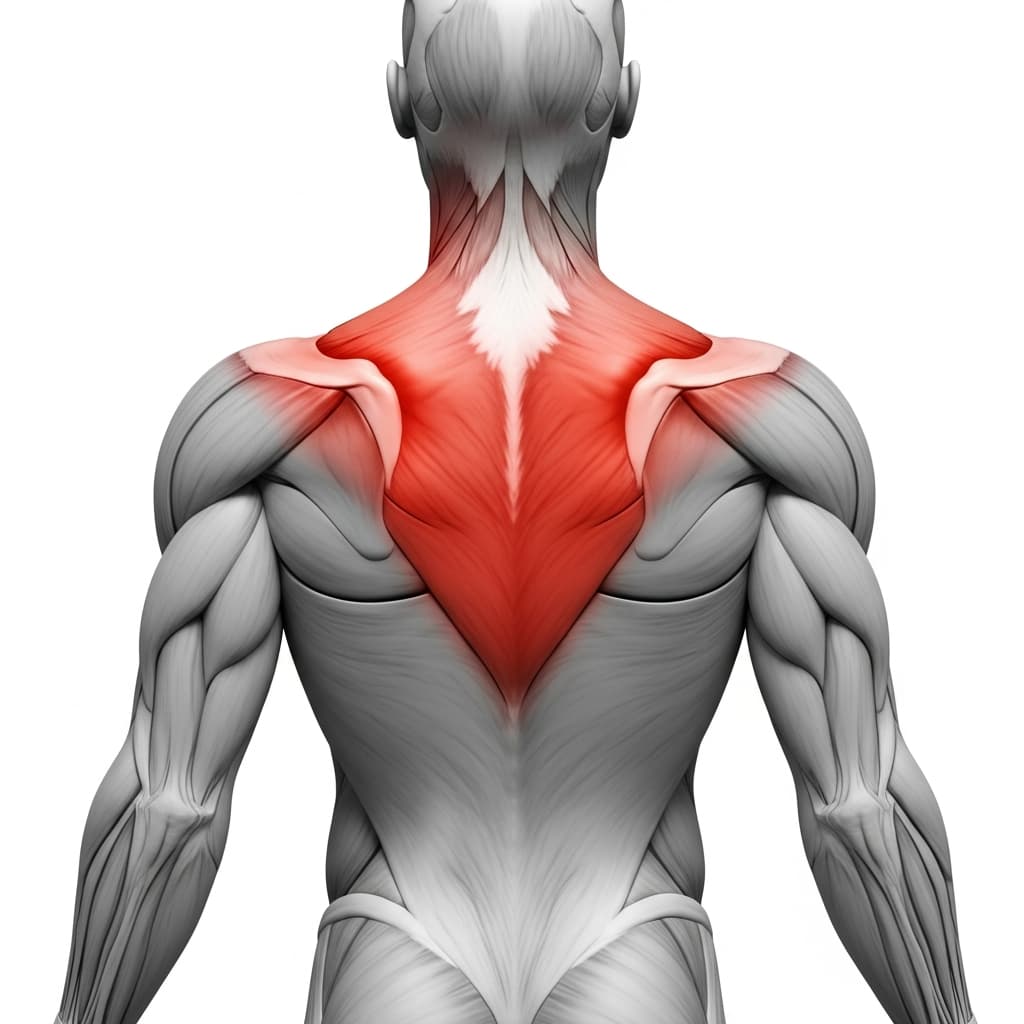
Primary Muscles
Biceps Brachii (Biceps) - The biceps maintain the 90-degree hold and generate the pulling force to bring the chin over the bar through sustained elbow flexion under load.
Latissimus Dorsi (Lats) - The lats drive shoulder adduction and extension, pulling the body upward toward the bar from the 90-degree starting position.
Secondary Muscles
Rhomboids & Upper Trapezius (Upper Back) - The upper back muscles maintain scapular retraction throughout each rep, keeping the shoulder blades squeezed together under load.
Forearm Flexors & Extensors (Forearms) - The forearms sustain grip on the bar during the prolonged time under tension that the isometric hold and partial reps demand.
Rectus Abdominis (Abs) - The abdominals brace the trunk and prevent the lower body from swinging, keeping force directed through the pulling muscles.
Posterior Deltoid (Rear Deltoid) - The rear deltoids assist shoulder extension during the pull and help stabilize the shoulder joint in the retracted position.
Trapezius (Trapezius) - The traps work with the rhomboids to depress and retract the scapulae, maintaining the locked shoulder-blade position throughout the set.
Benefits of 90 Degree Chin Ups
- Builds peak contraction strength in the biceps and lats through the most mechanically demanding portion of the chin-up
- Develops the isometric holding capacity at 90 degrees that directly transfers to one-arm chin-up progressions
- Strengthens scapular retractors under sustained load, improving shoulder stability across all pulling and pressing movements
- Trains forearm and grip endurance through prolonged time under tension at a challenging joint angle
- Eliminates the stretch reflex and momentum that full-range reps allow, forcing pure muscular effort through every rep
Who Is This Exercise For?
You should be able to perform at least 8 clean full-range chin-ups before adding 90 Degree Chin Ups to your training. A solid isometric chin-up hold at 90 degrees for 10 seconds is also a reliable indicator that you have the baseline strength for this movement. If holding the 90-degree position causes elbow pain or you cannot maintain stable shoulders, continue building strength with standard chin-ups and static holds first.
Common Mistakes to Avoid
Sinking below 90 degrees between reps: Each rep must start and end at exactly 90 degrees. If you drift lower, you are turning the exercise into a standard chin-up and losing the specific training effect. Use a mirror or training partner to verify your elbow angle.
Losing scapular retraction: Your shoulder blades must stay squeezed together throughout the entire set. When the scapulae protract mid-set, the load shifts away from the upper back and onto the biceps tendons, increasing elbow strain.
Swinging or using momentum: Any body swing eliminates the isolation that makes this exercise valuable. Squeeze your glutes, press your legs together, and brace your core before every rep. If you need momentum to clear the bar, reduce your rep target.
Jutting the chin forward to clear the bar: Your chin should pass the bar as a result of full pulling effort, not by craning your neck forward. Keep your chest up and neck neutral. If your chin cannot clear without a forward head position, you are not strong enough for the full rep yet.