Seated Close Grip Chin Ups
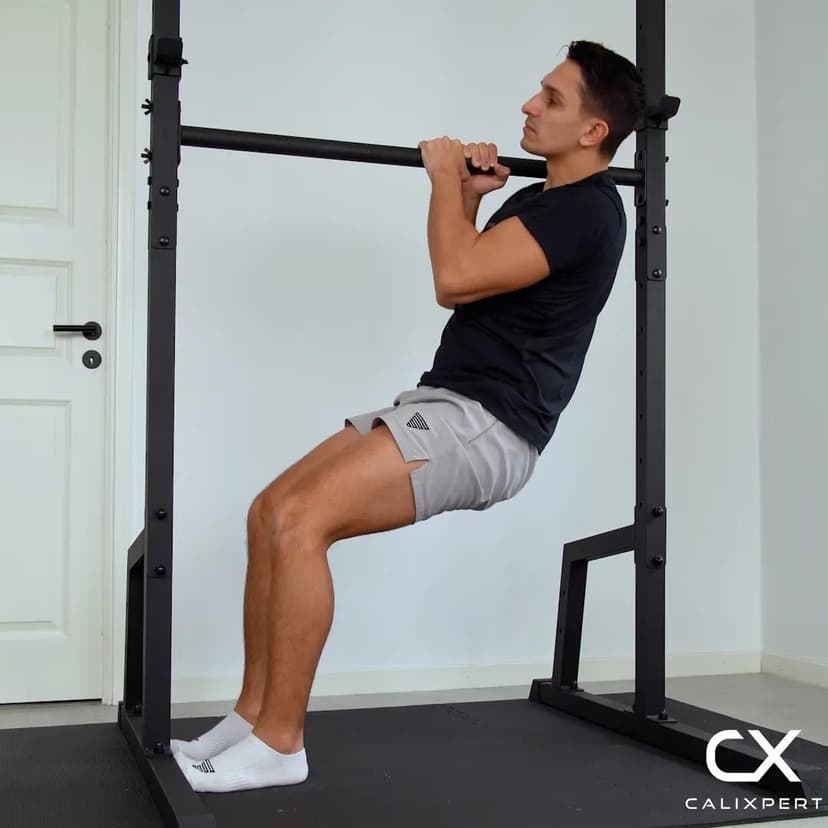
Seated close grip chin-ups are a beginner-friendly pulling exercise performed from a low bar with a supinated close grip, targeting the biceps and lats through a reduced-load range of motion. The close hand placement and underhand grip shift more demand onto the biceps compared to wider grip variations, while the seated position with legs extended on the ground reduces the total bodyweight you need to pull. This makes it an excellent progression exercise for building the pulling strength and muscle activation patterns needed for full hanging chin-ups.
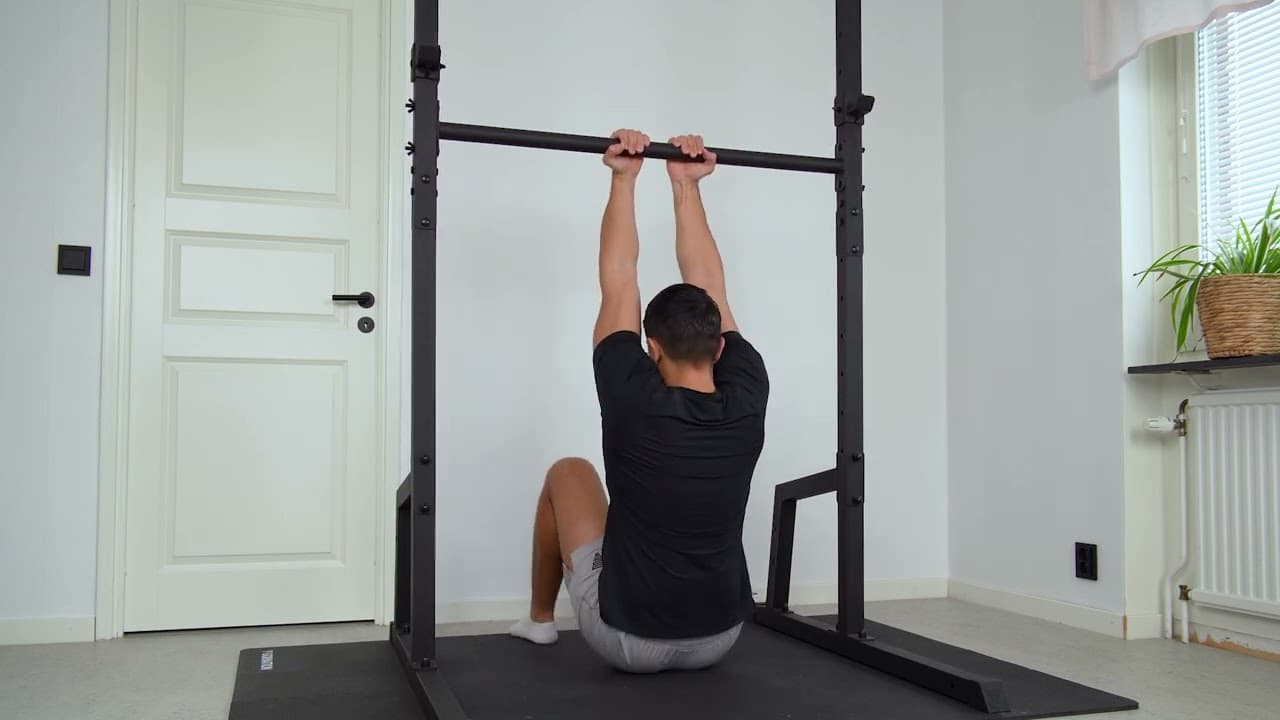
Seated close grip chin-ups are a beginner-friendly pulling exercise performed from a low bar with a supinated close grip, targeting the biceps and lats through a reduced-load range of motion. The close hand placement and underhand grip shift more demand onto the biceps compared to wider grip variations, while the seated position with legs extended on the ground reduces the total bodyweight you need to pull. This makes it an excellent progression exercise for building the pulling strength and muscle activation patterns needed for full hanging chin-ups.
How to Do Seated Close Grip Chin Ups
1. Position Yourself Under the Bar
Find a low straight bar set at roughly chest height when seated. Sit directly underneath the bar with your legs extended straight out in front of you. Your chest should be aligned below the bar so you can pull vertically without shifting forward or backward.
Chest directly under the bar
2. Set Your Close Grip
Reach up and grab the bar with an underhand grip, palms facing toward you, with your hands placed close together. Wrap your thumbs fully around the bar for a secure hold. A close grip width of roughly 15 to 20 centimeters between hands works well for most people.
Thumbs around, palms facing you
3. Engage Your Back Before Pulling
Before bending your elbows, depress your shoulder blades by pulling them down and slightly together. This scapular set activates the lats and upper back stabilizers, preventing the biceps from doing all the work. Hold this position as you begin the pull.
Shoulders down before you bend
4. Pull With Elbows Tight
Drive your elbows straight down and close to your ribcage as you pull your body upward toward the bar. Keep your elbows tucked in throughout the entire pull. Flaring the elbows outward changes the mechanics and makes the movement significantly harder to complete.
Elbows glued to your sides
5. Clear the Bar With Your Chin
Continue pulling until your chin passes above the bar. Keep your chest lifted and your neck in a neutral position throughout. Your chin should clear the bar as a result of full pulling effort, not by craning your neck forward.
Chest up, chin over naturally
6. Lower Under Control
Slowly extend your arms on the way back down, resisting gravity through the entire descent. Lower until your arms are fully extended, then reset your shoulder blades before starting the next rep. A controlled 2 to 3 second descent builds more strength than dropping quickly.
Slow descent, full extension
Most people fail this exercise because they let their elbows drift outward halfway through the pull. Think of it as driving your elbows straight into your pockets, not just pulling your chin to the bar. When you keep the elbows tight and initiate from the shoulder blades, the lats and biceps share the work evenly and every rep feels noticeably stronger.
Muscles Worked During Seated Close Grip Chin Ups
Secondary Muscles:
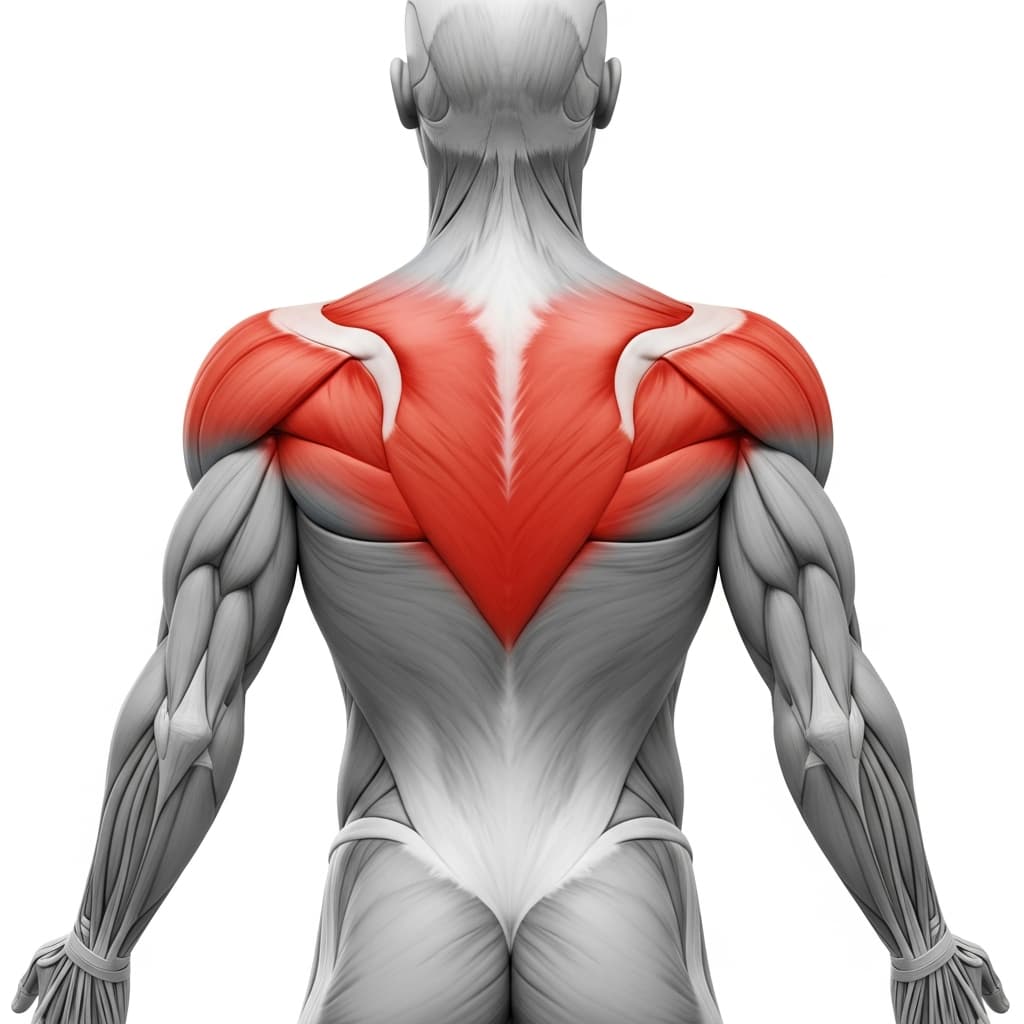
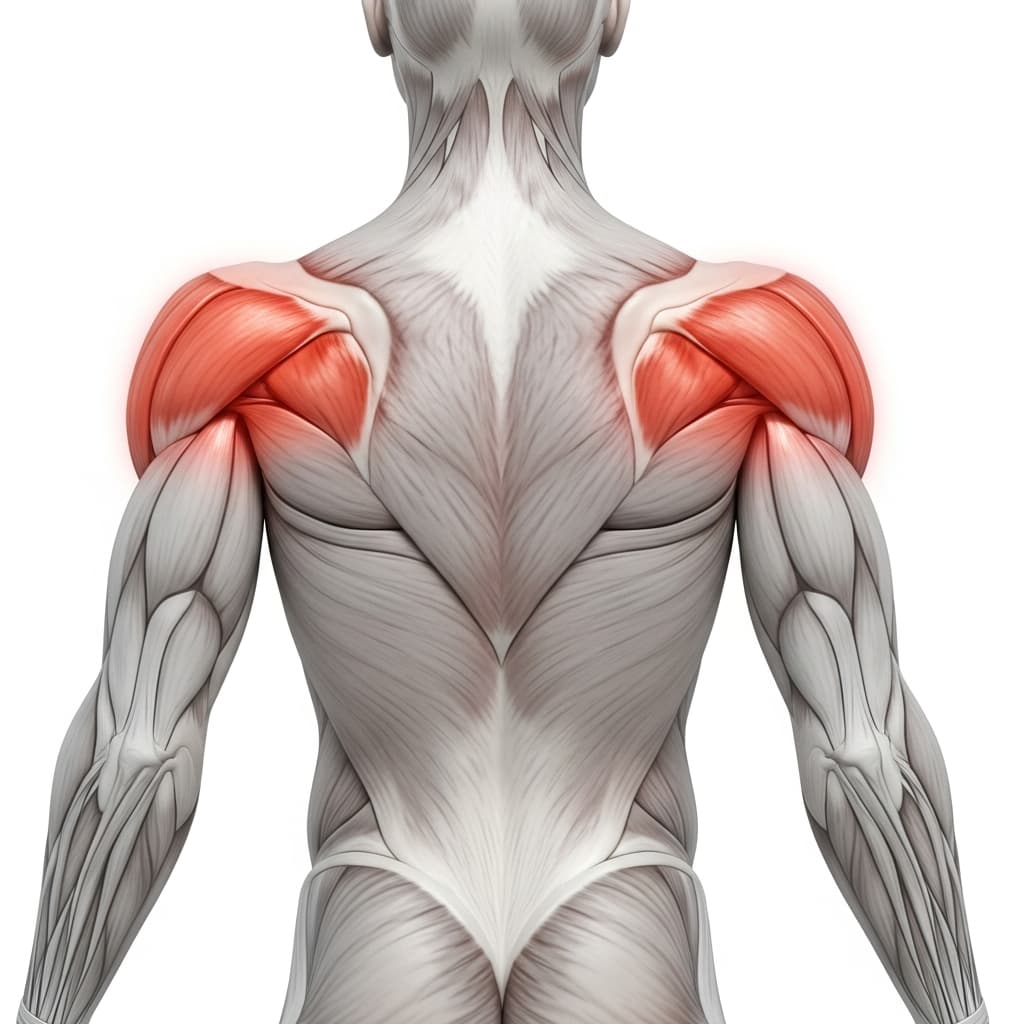
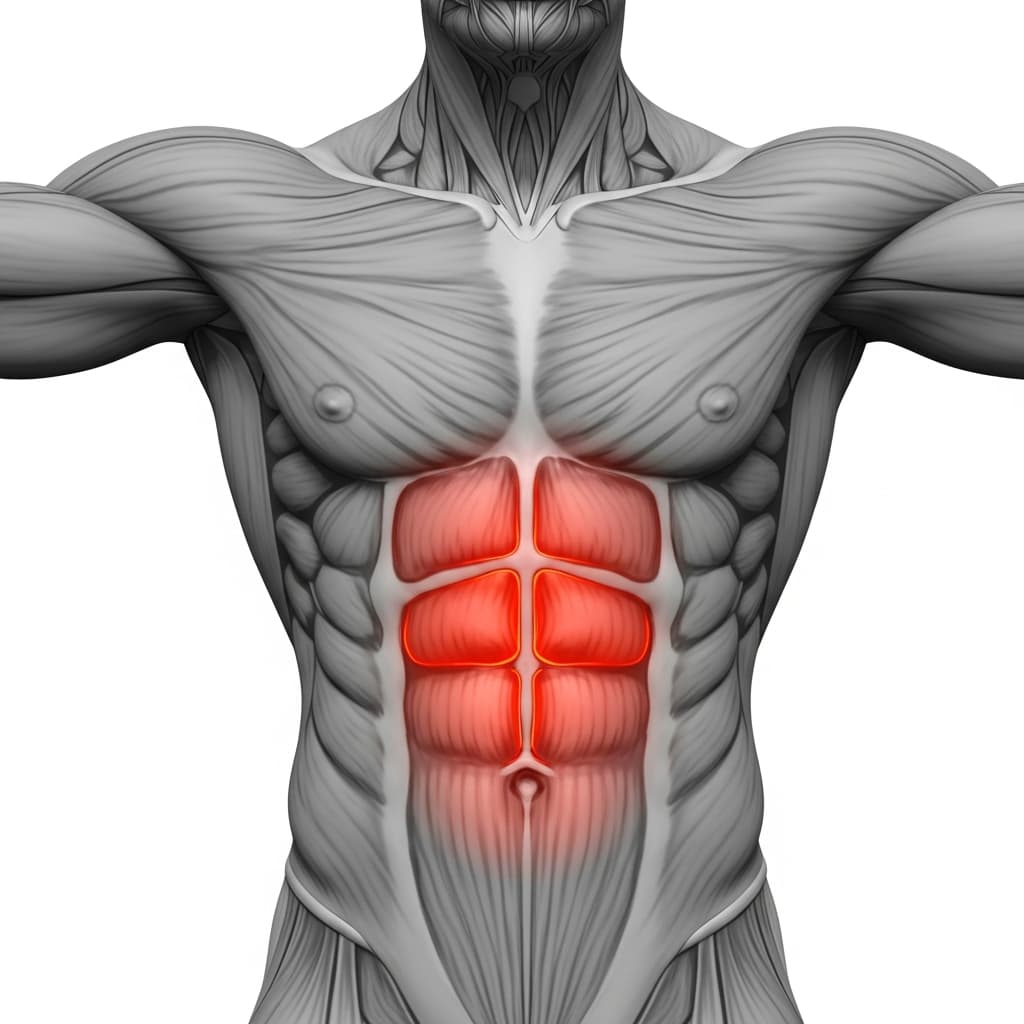
Primary Muscles
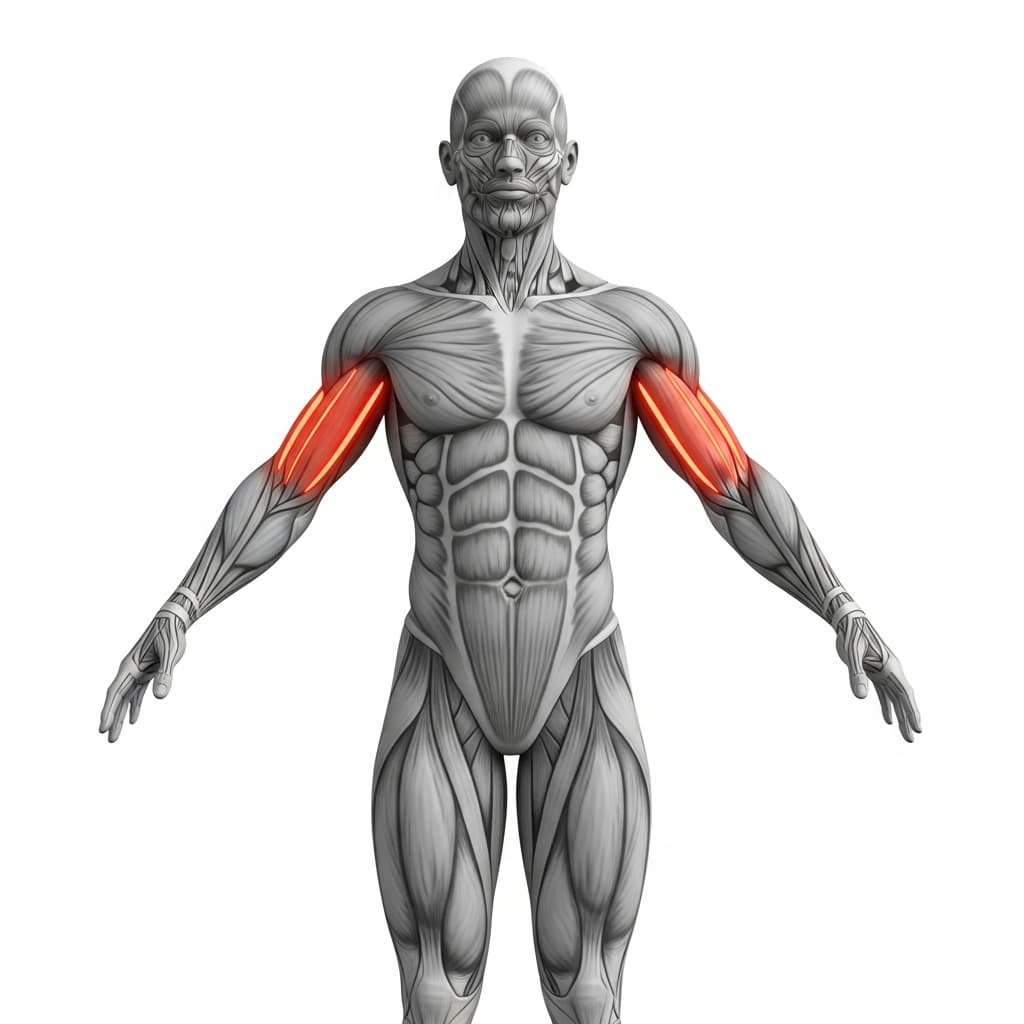
Biceps Brachii (Biceps) - The biceps flex the elbow joint against your bodyweight during the pulling phase, with the supinated close grip placing them in their strongest line of pull.
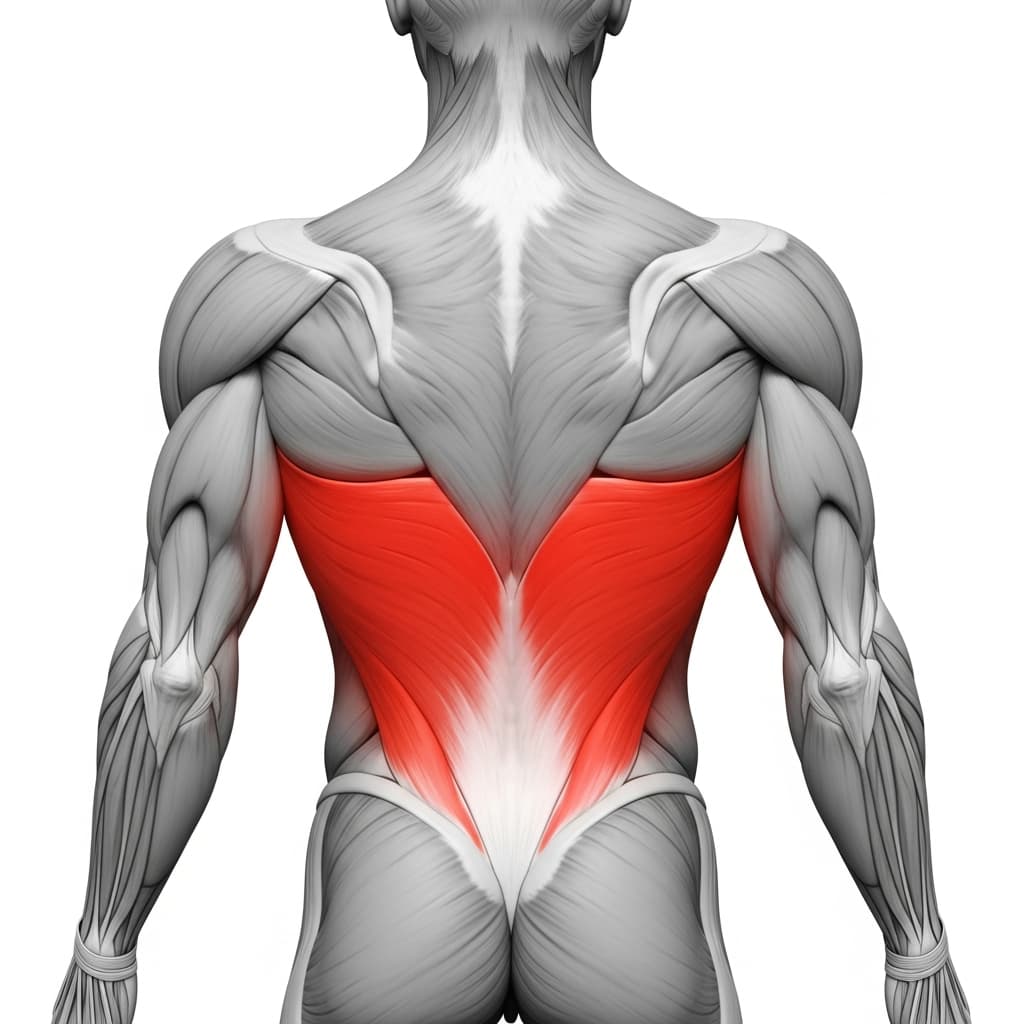
Latissimus Dorsi (Lats) - The lats drive shoulder extension and adduction as you pull your body toward the bar, providing the primary pulling force from the back.
Secondary Muscles
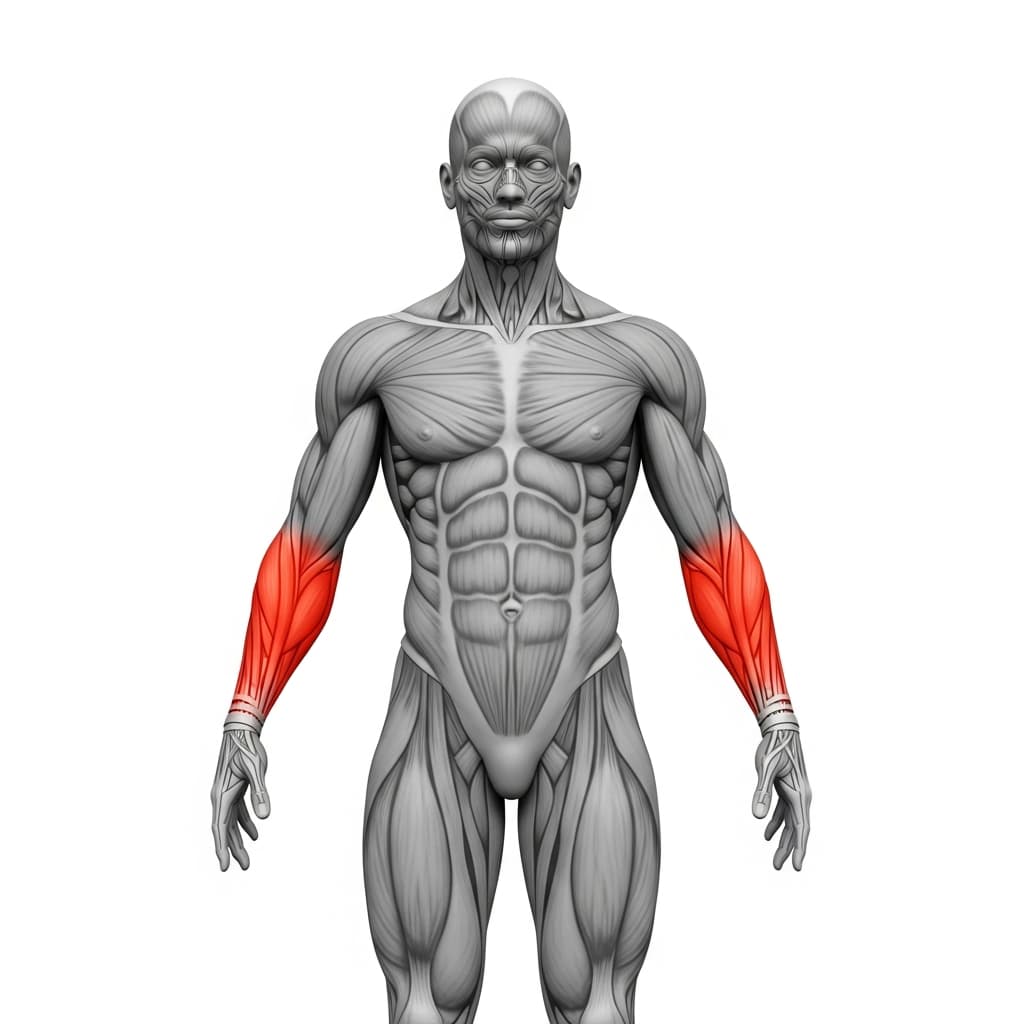
Forearm Flexors & Extensors (Forearms) - The forearm flexors maintain grip on the bar throughout each rep, working continuously to prevent the hands from slipping under load.
Rhomboids & Upper Trapezius (Upper Back) - The upper back muscles retract and depress the scapulae during the pull, stabilizing the shoulder blades and completing the top range of motion.
Posterior Deltoid (Rear Deltoid) - The rear deltoids assist with shoulder extension during the pulling phase, helping draw the upper arms backward as you approach the bar.
Rectus Abdominis (Abs) - The abdominals brace the torso and prevent excessive arching, keeping the body aligned and stable throughout the seated pulling position.
Benefits of Seated Close Grip Chin Ups
- Builds bicep strength and size through a supinated pulling pattern that places the biceps in their strongest mechanical position
- Develops lat activation and scapular control in a reduced-load position, making it an effective stepping stone toward full hanging chin-ups
- Strengthens grip and forearm endurance through sustained bar contact under pulling load
- Trains the elbows-in pulling pattern that transfers directly to muscle-ups, rope climbs, and other advanced calisthenics pulling skills
Who Is This Exercise For?
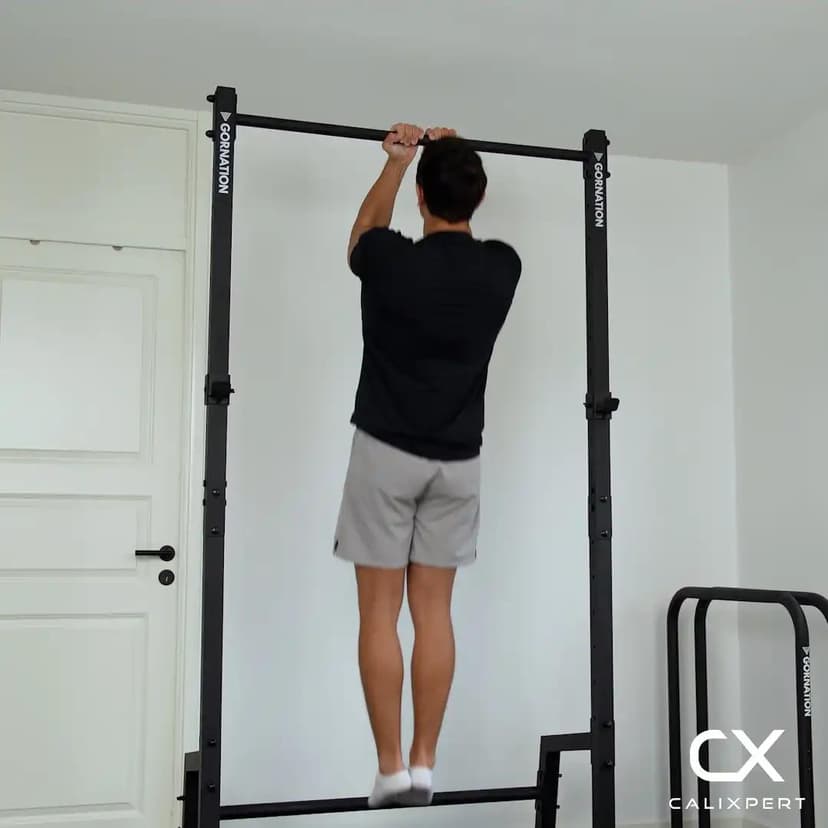
You should be able to hold a dead hang from a bar for at least 10 seconds and perform basic Australian rows with controlled form before attempting seated close grip chin-ups. If gripping a bar and pulling any portion of your bodyweight feels unstable, start with passive hangs and scapular retractions to build baseline grip and shoulder readiness.
Common Mistakes to Avoid
Flaring elbows outward: Keep your elbows tight against your ribcage throughout the entire pull. When elbows flare out, the close grip advantage is lost and the movement becomes mechanically inefficient.
Skipping the scapular set: Depress your shoulder blades before bending your elbows on every rep. Without this activation step, the biceps take over and the lats barely contribute to the movement.
Using legs to push off the ground: Keep your legs straight and relaxed on the ground. Pushing through the heels or bending the knees to generate momentum removes the pulling demand from the upper body.
Dropping on the descent: Lower yourself with a controlled 2 to 3 second eccentric on every rep. The lowering phase builds strength and protects the shoulder and elbow joints from unnecessary stress.