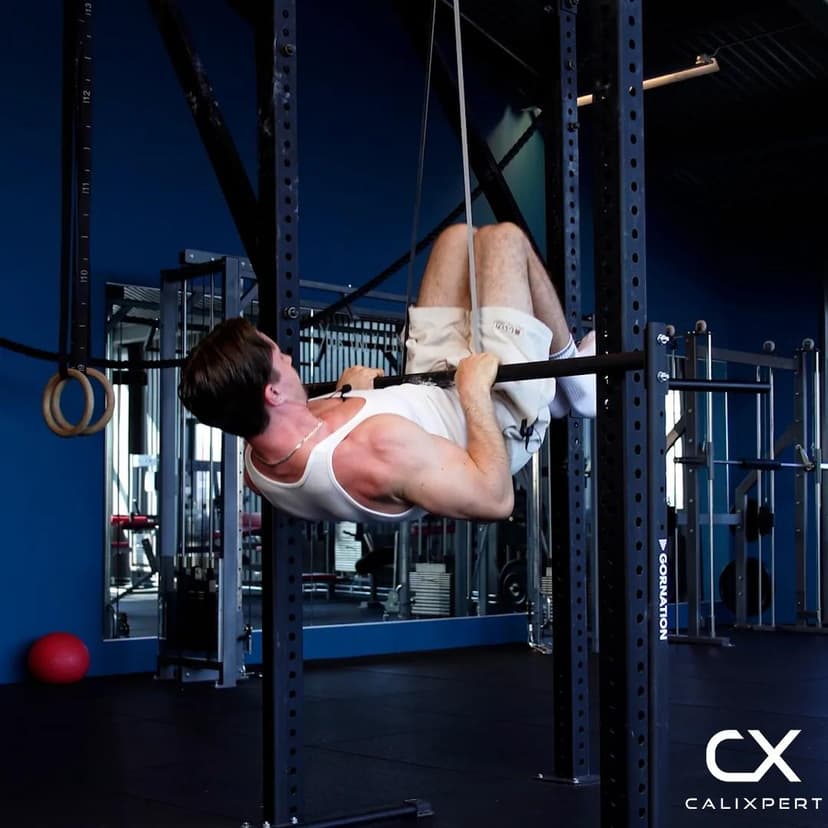
Close Grip Chin Ups
Close grip chin-ups are a vertical pulling variation that uses a narrow, supinated grip to place heavy emphasis on the biceps, lats, and forearms through a full range of motion. The close hand position shortens the moment arm for the biceps and forces the elbows to travel tight along the body, creating a stronger bicep contraction than standard chin-ups. When performed with proper core tension and a slight arch, this exercise builds serious arm thickness and pulling strength that carries over directly to rope climbs, muscle-ups, and weighted pulling work.
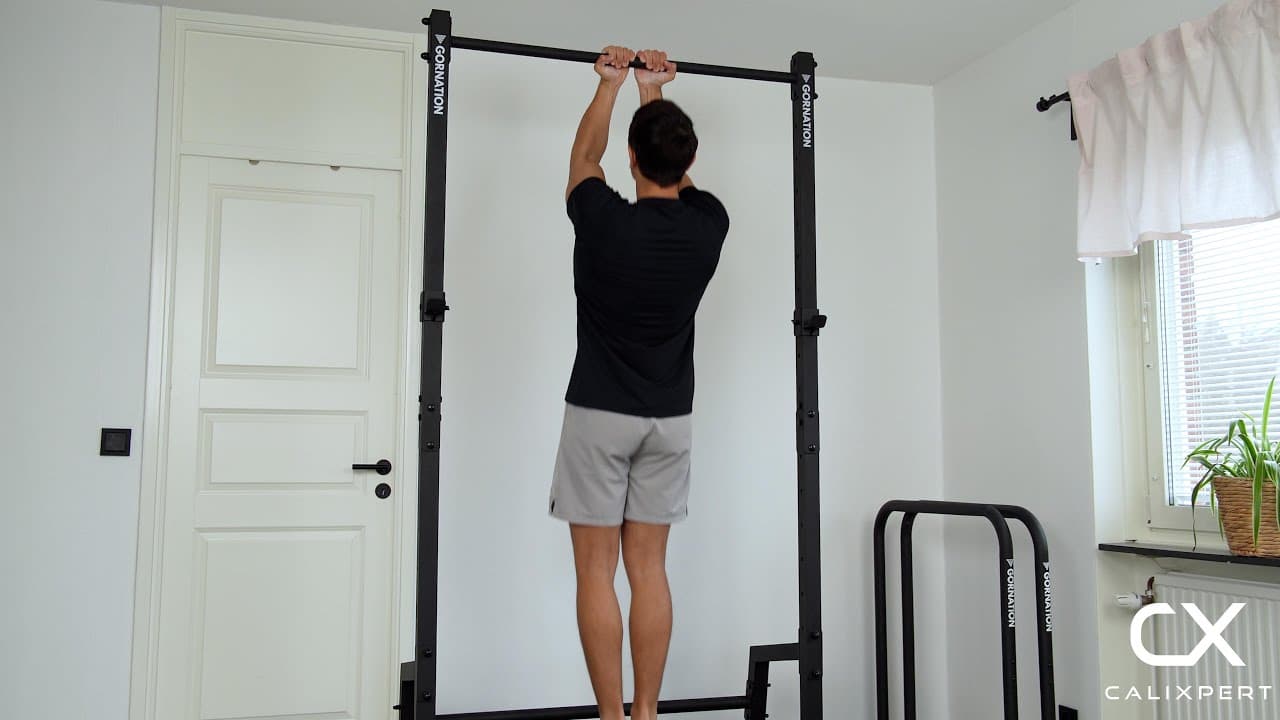
Close grip chin-ups are a vertical pulling variation that uses a narrow, supinated grip to place heavy emphasis on the biceps, lats, and forearms through a full range of motion. The close hand position shortens the moment arm for the biceps and forces the elbows to travel tight along the body, creating a stronger bicep contraction than standard chin-ups. When performed with proper core tension and a slight arch, this exercise builds serious arm thickness and pulling strength that carries over directly to rope climbs, muscle-ups, and weighted pulling work.
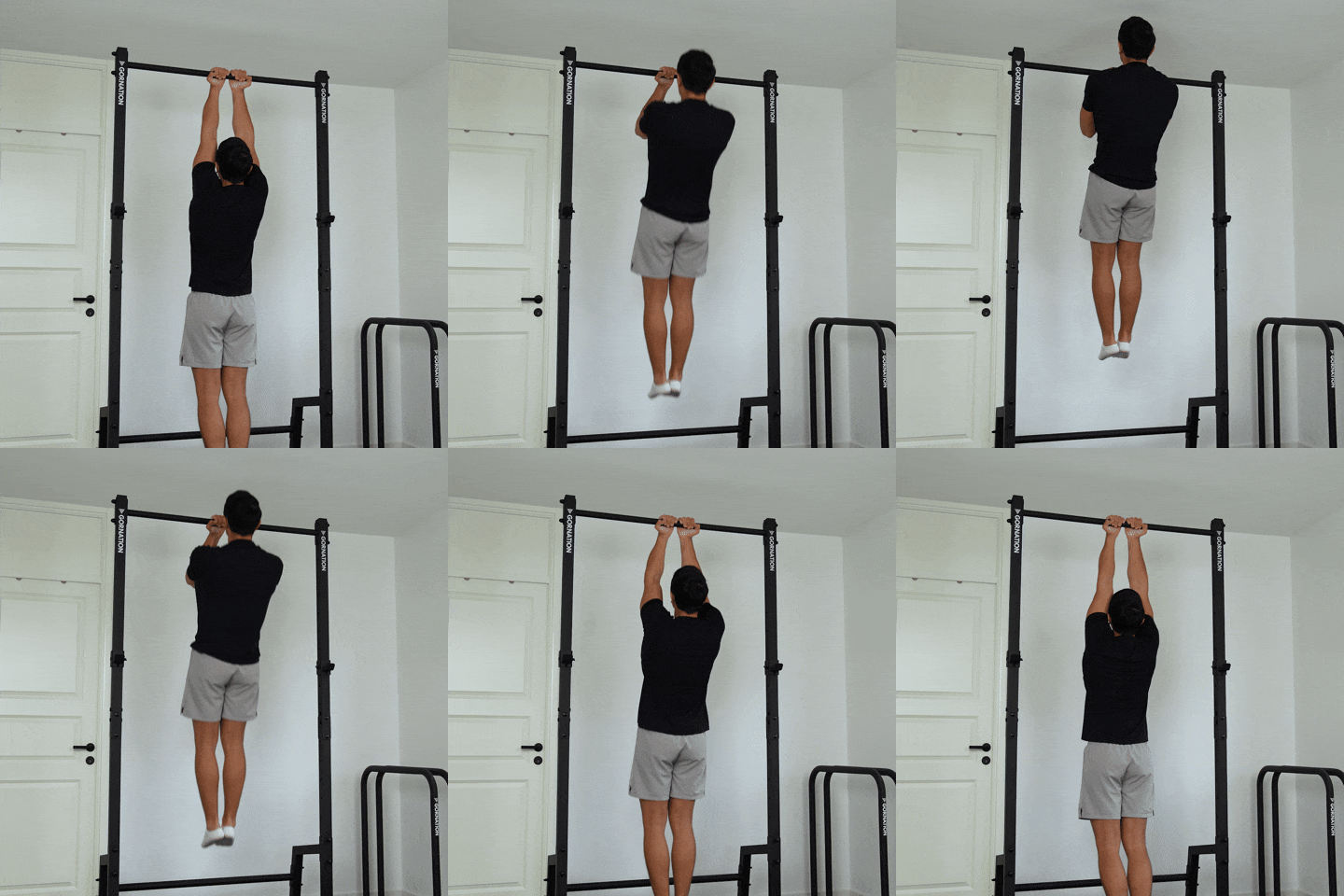
How to Do Close Grip Chin Ups
1. Set Your Close Grip
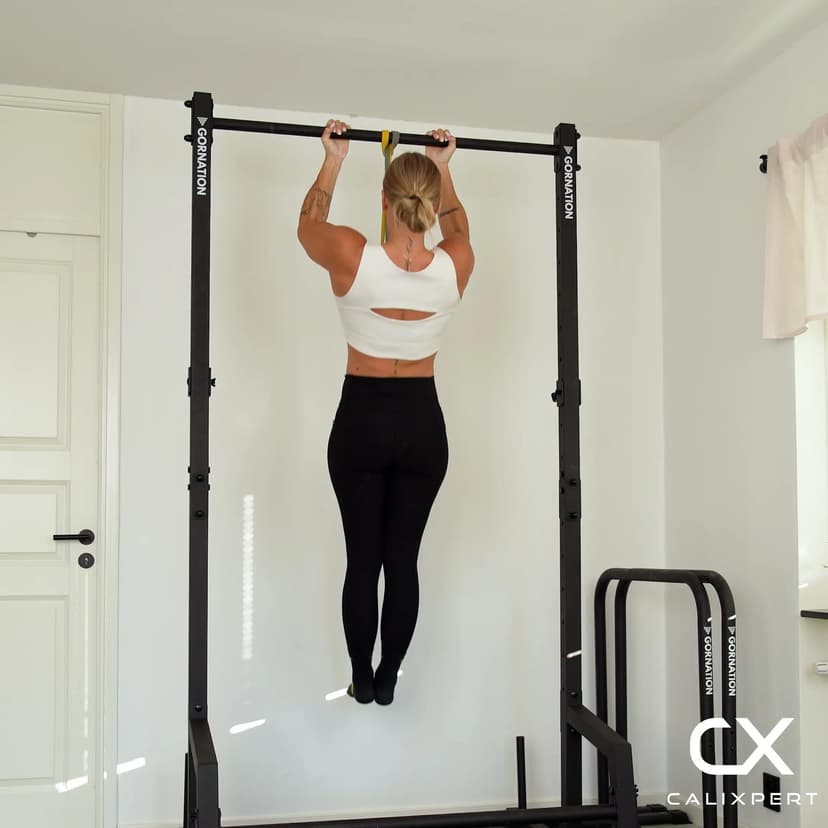
Grab a straight bar with an underhand grip, palms facing you, with your hands as close together as possible. If shoulder mobility limits how narrow you can go, widen slightly until you can hang without discomfort. Wrap your thumbs fully around the bar to maximize grip security and force transfer into the forearms and back.
Thumbs wrapped, hands as close as possible
2. Hang and Create Full-Body Tension
From the hang, brace your core and maintain a slight arch in the upper back. Tense your legs together and point your toes slightly forward to prevent swinging. This full-body tension keeps the load on the pulling muscles and protects the shoulder joint under the narrow grip.
Core tight, legs together, slight arch
3. Initiate With the Scapula
Before bending the elbows, depress your shoulder blades by pulling them down and slightly back. This scapular set engages the lats from the very start of the rep and prevents the biceps from doing all the early work. You should feel the bottom of your shoulder blades squeeze toward your spine.
Shoulders down before elbows bend
4. Pull Elbows Down to Your Sides
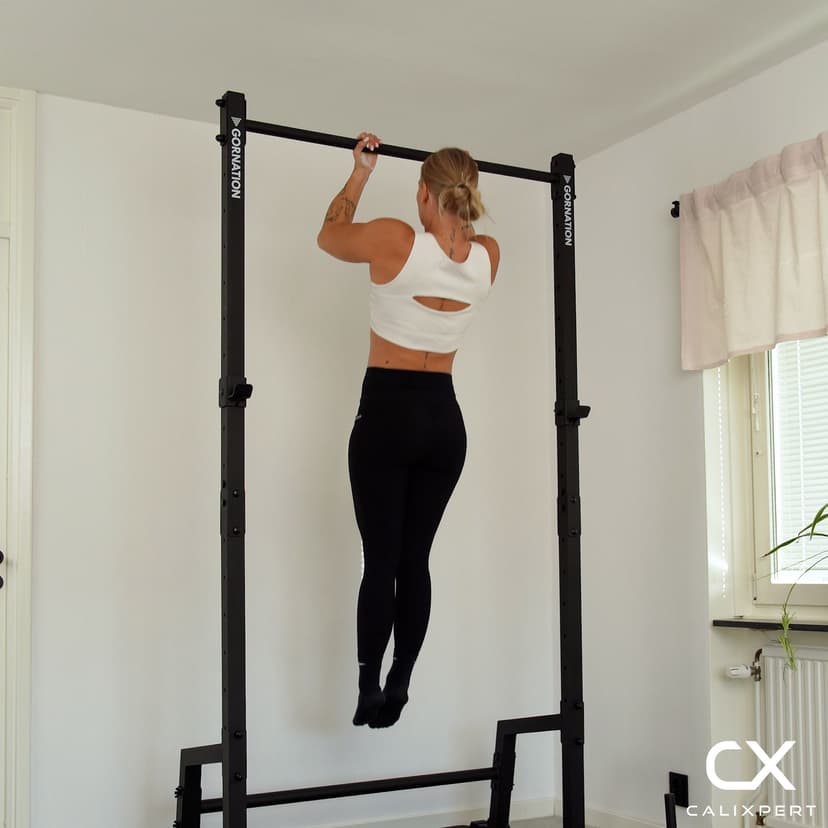
Drive your elbows straight down and tight along the sides of your torso. The close grip naturally keeps the elbows in a narrow path, which loads the biceps more heavily than a wide pull. Focus on pulling the bar toward your upper chest rather than just getting your chin over.
Elbows tight to the ribs
5. Get Your Chin Over the Bar
Continue pulling until your chin clears above the bar. Keep your chest lifted and your neck neutral throughout the top portion. Your chin should clear as a result of pulling power, not by craning your neck forward or shrugging your shoulders up.
Chest up, chin over, neck stays neutral
6. Lower Under Control
Slowly extend your arms on the way down, resisting gravity for a 2 to 3 second descent. You may not reach a completely straight-arm dead hang position if your shoulder mobility is limited at this grip width, and that is acceptable. Re-establish your scapular set and full-body tension before beginning the next rep.
Slow descent, reset before each rep
Most people rush through the bottom of this movement and miss the strongest part of the exercise. Pause for a full second at the dead hang, set your scapula, then pull. That one-second pause eliminates all momentum and forces the biceps and lats to do honest work from the hardest position. You will do fewer reps, but every rep will actually count.
Muscles Worked During Close Grip Chin Ups
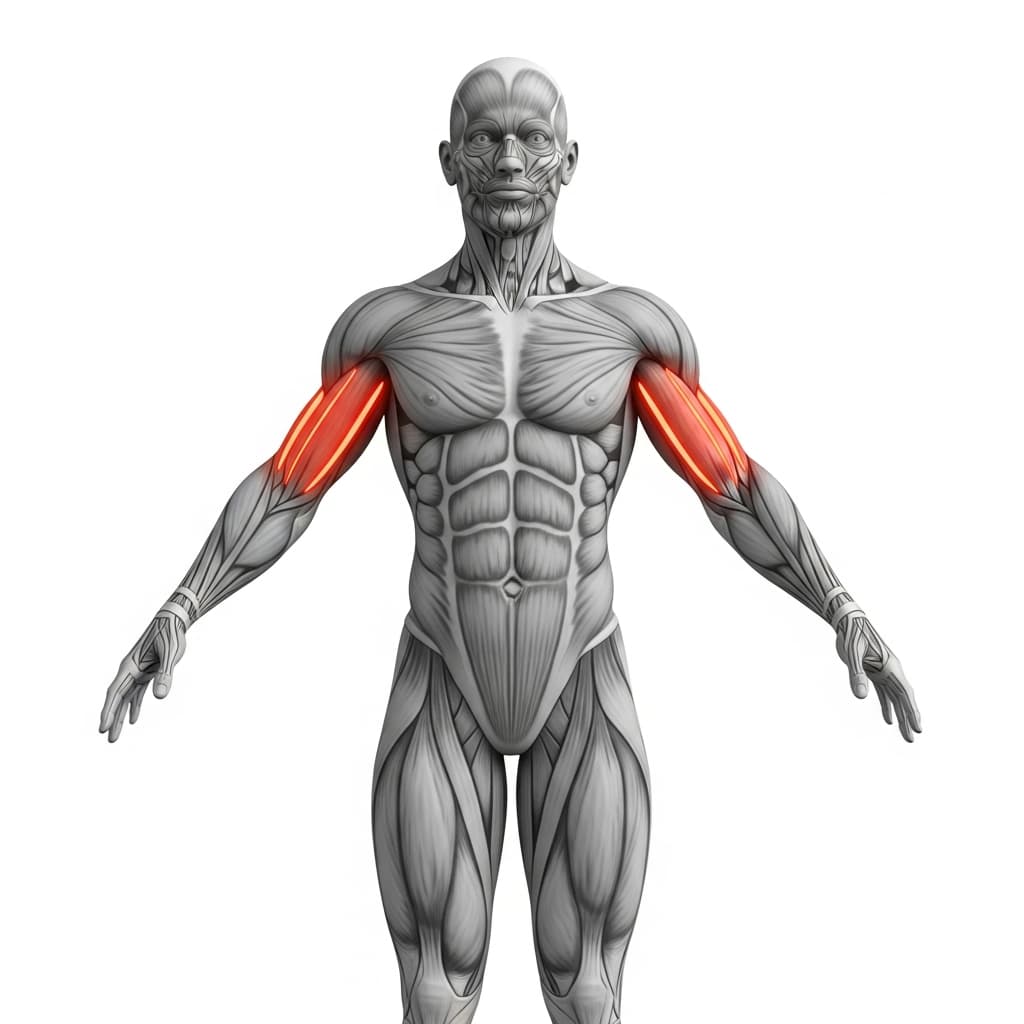
Secondary Muscles:
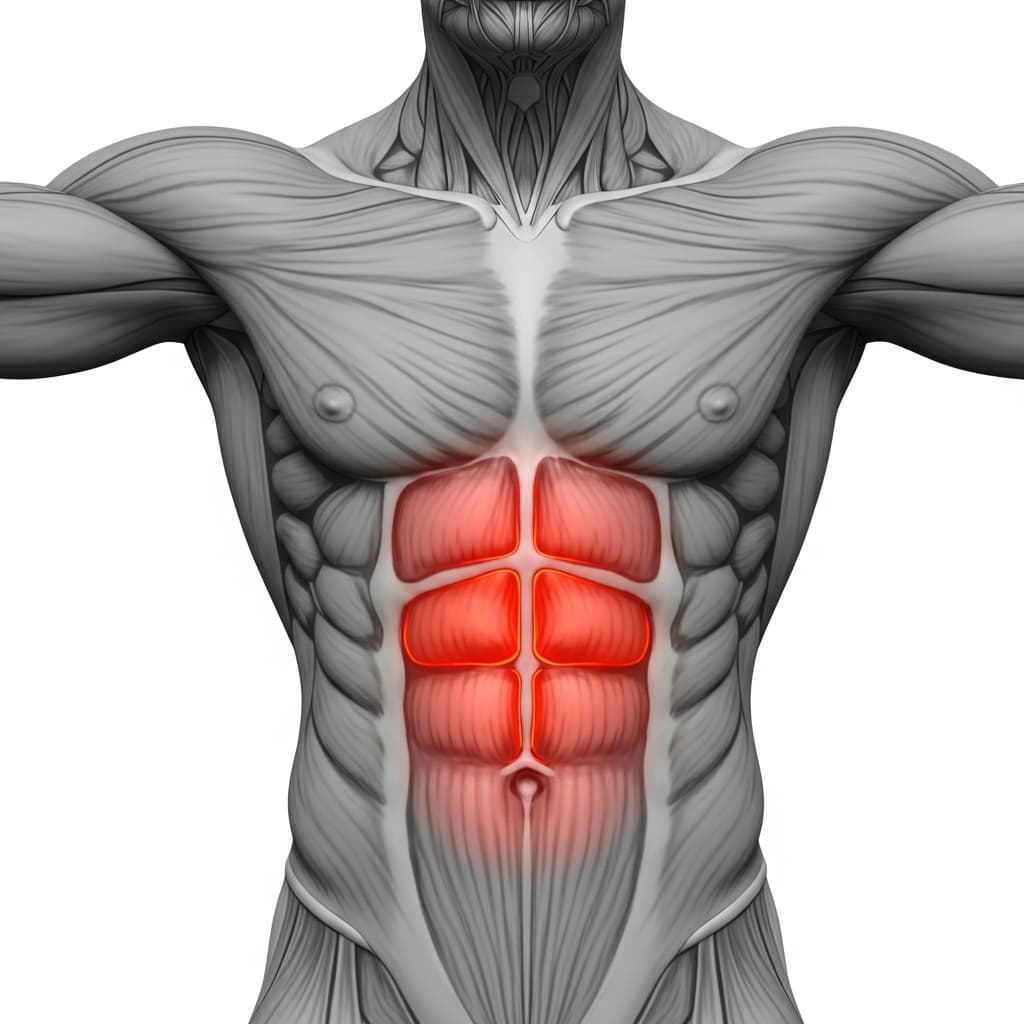
Primary Muscles
Biceps Brachii (Biceps) - The biceps flex the elbow under heavy load throughout the entire pulling phase, with the supinated close grip placing them in a shortened, peak-contraction position at the top.
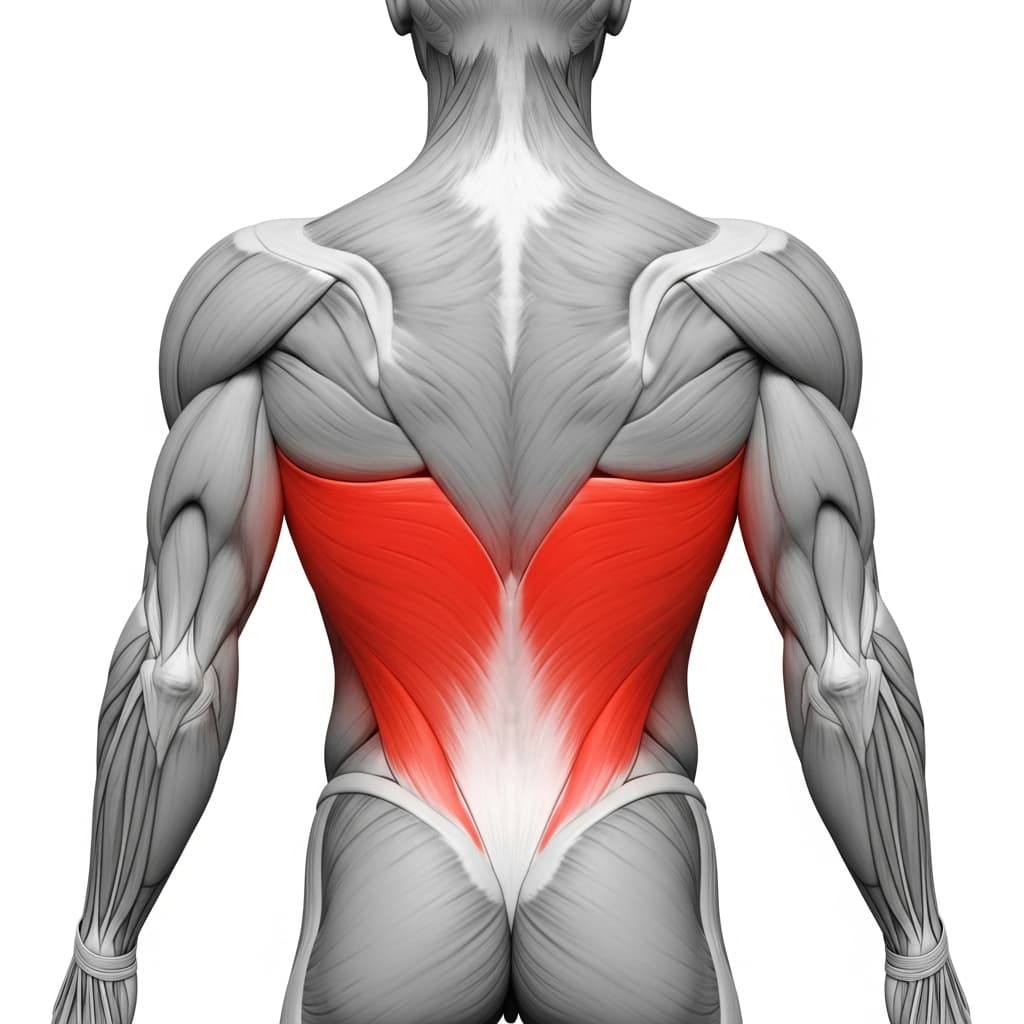
Latissimus Dorsi (Lats) - The lats drive shoulder extension and adduction, pulling the upper arms down toward the torso from the dead hang through to the top of each rep.
Secondary Muscles
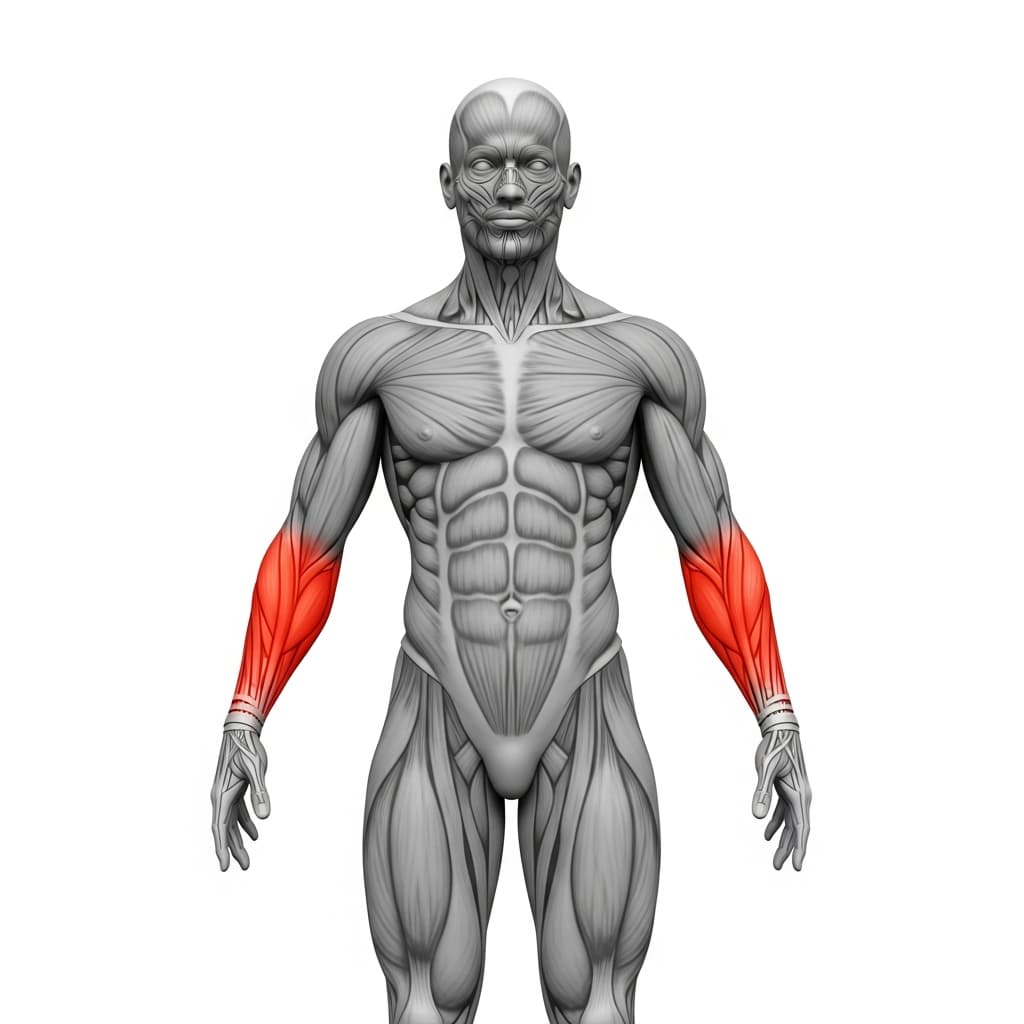
Forearm Flexors & Extensors (Forearms) - The forearm flexors maintain a secure grip on the bar throughout the set, working harder than in wider grips due to the narrow hand placement and full thumb wrap.
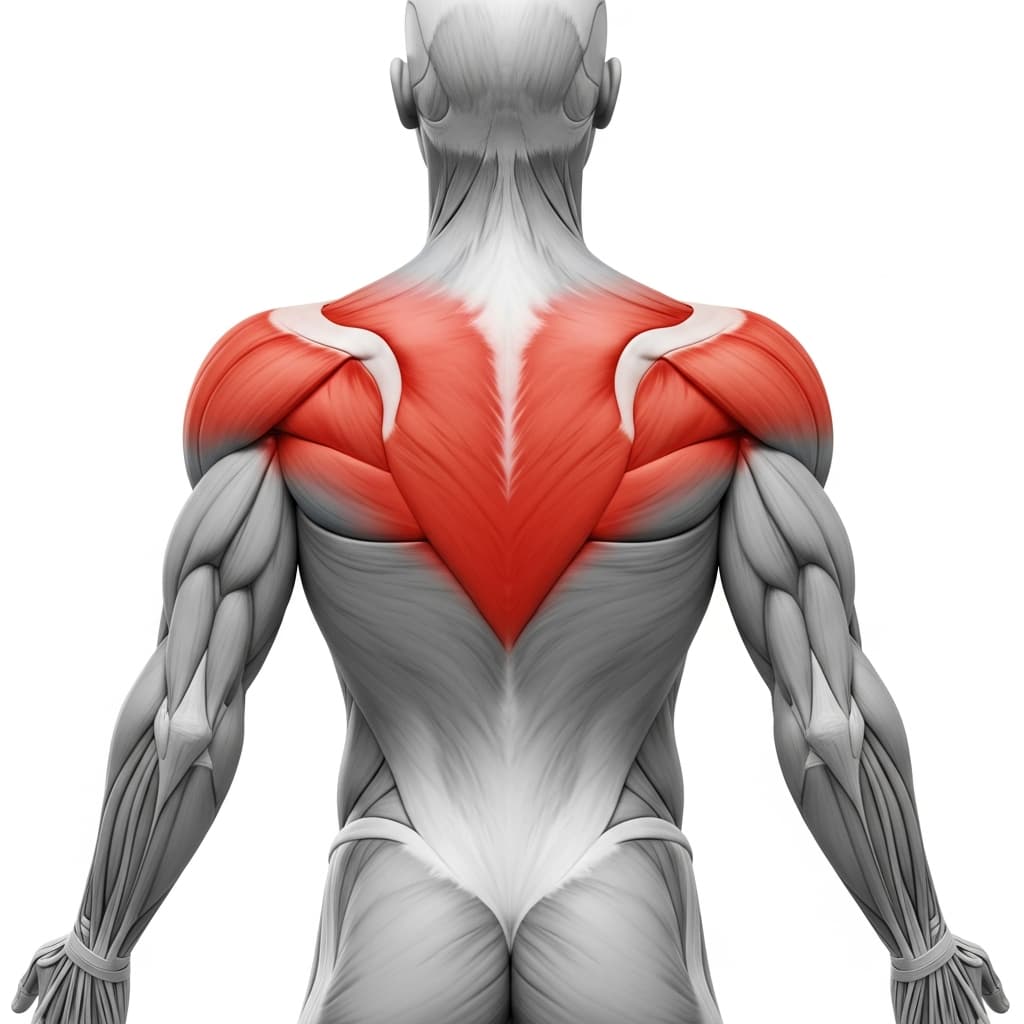
Rhomboids & Upper Trapezius (Upper Back) - The upper back muscles, including the rhomboids and mid-traps, retract and stabilize the scapulae during the top portion of the pull to complete the full range of motion.
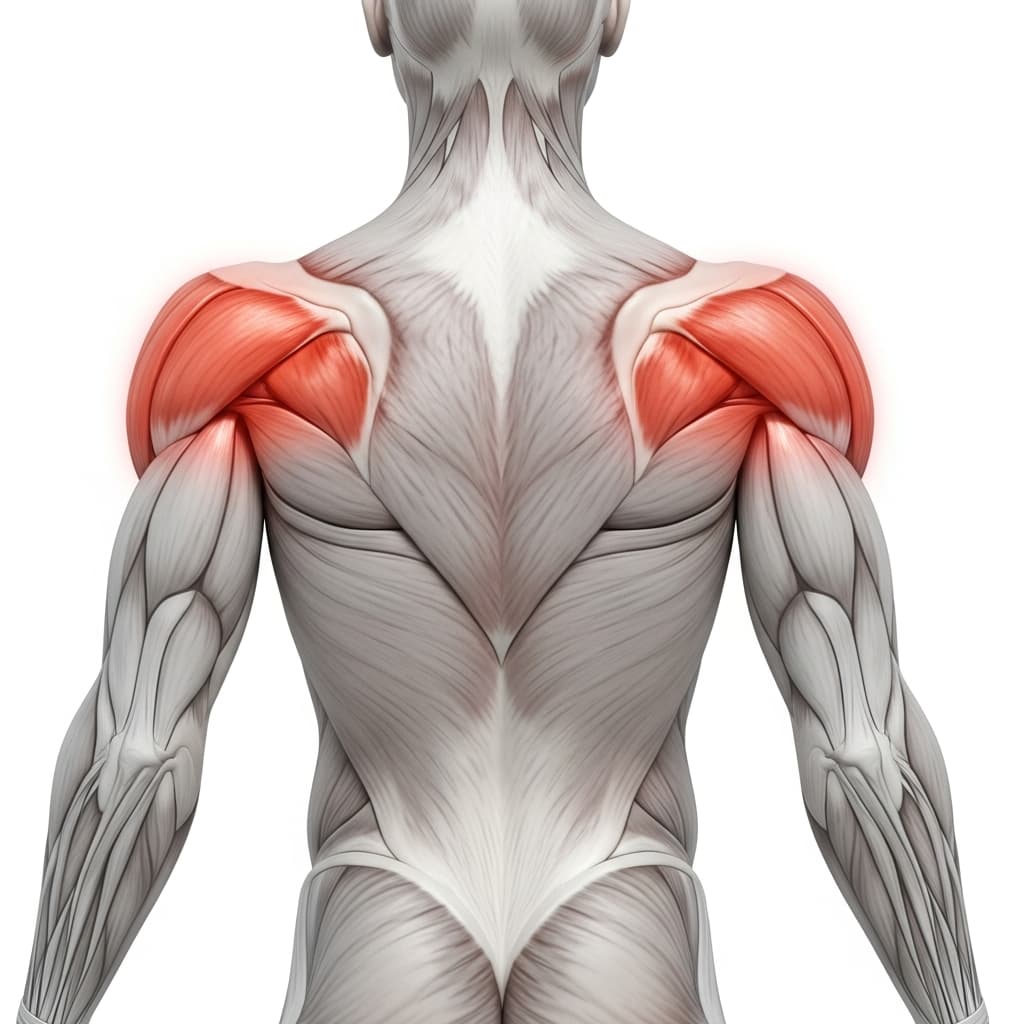
Posterior Deltoid (Rear Deltoid) - The rear deltoids assist in shoulder extension during the pulling phase, helping to draw the elbows back and behind the body at the top of each rep.
Rectus Abdominis (Abs) - The abdominals brace the trunk and prevent excessive arching or swinging, maintaining full-body tension so that pulling force transfers efficiently through the torso.
Benefits of Close Grip Chin Ups
- Develops peak bicep contraction and arm thickness by placing the biceps in a mechanically shortened position throughout the pull
- Builds forearm and grip strength through the demanding narrow hand position and full thumb wrap under bodyweight load
- Strengthens the lats through a long range of motion while keeping the elbows in a tight path that transfers directly to rope climbs and muscle-up transitions
- Trains the scapular depressors and lower traps in a unique line of pull that standard-width chin-ups do not replicate as effectively
Who Is This Exercise For?
You should be able to perform at least 5 clean standard chin-ups with full range of motion before moving to the close grip variation. If you lack the shoulder mobility to hang comfortably with your hands close together, work on overhead stretching and standard-width dead hangs first. Limited shoulder mobility under load at this narrow grip width puts the wrist and shoulder joints at risk.
Common Mistakes to Avoid
Letting the elbows flare wide: Keep your elbows driving straight down and pinned close to your ribcage throughout the pull. Flaring the elbows shifts the exercise into a standard chin-up pattern and reduces the bicep emphasis that the close grip is designed to create.
Skipping the scapular set at the bottom: Depress your shoulder blades before every single rep. Without this initiation, the biceps absorb the entire load in the first half of the pull and fatigue much faster than they should.
Using momentum or kipping: Start every rep from a controlled hang with zero swing. Brace the core and tense the legs to eliminate any body movement that is not part of the pull.
Craning the neck to clear the bar: If your chin does not clear the bar through pulling effort alone, you have not completed the rep. Jutting the head forward compresses the cervical spine and gives a false sense of range of motion.
Gripping too wide and calling it close grip: Your hands should be touching or within a fist-width of each other. Anything wider than that changes the muscle recruitment pattern and defeats the purpose of the variation.