German Hang
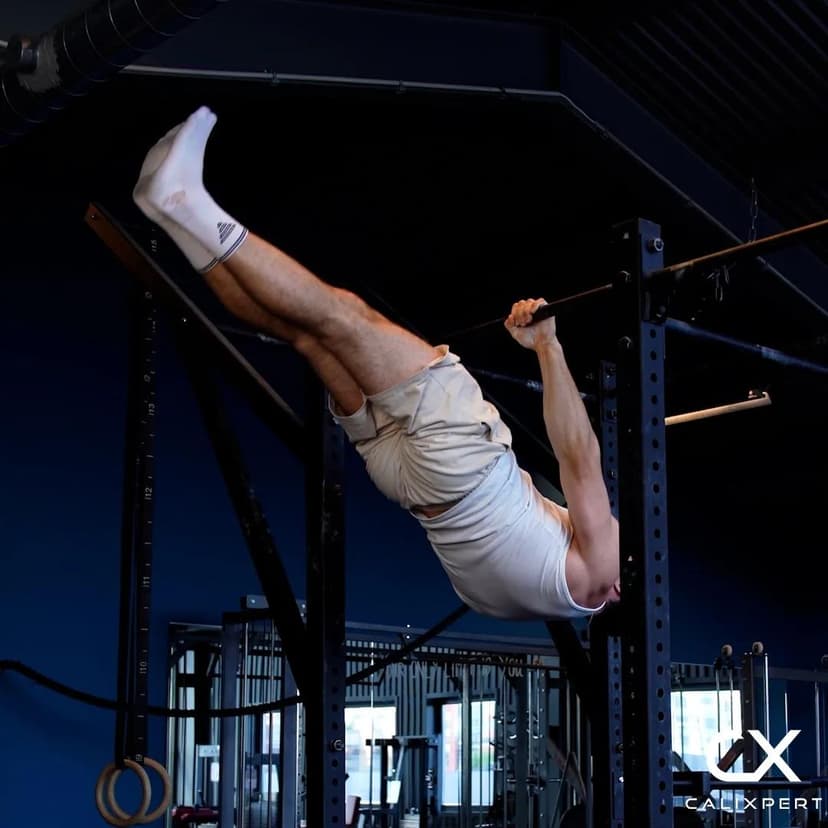
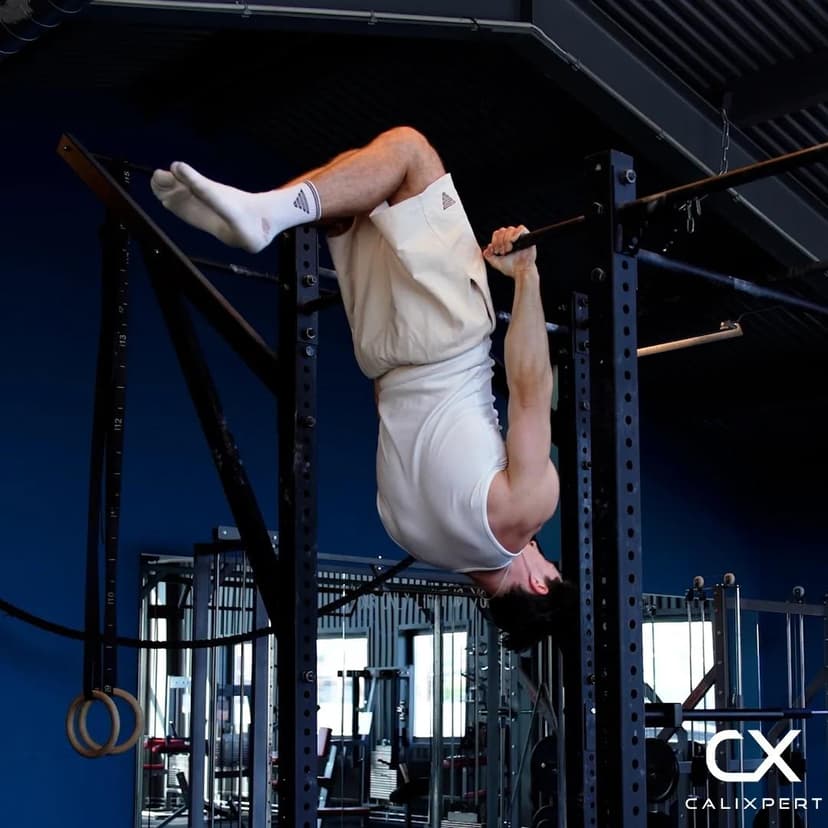
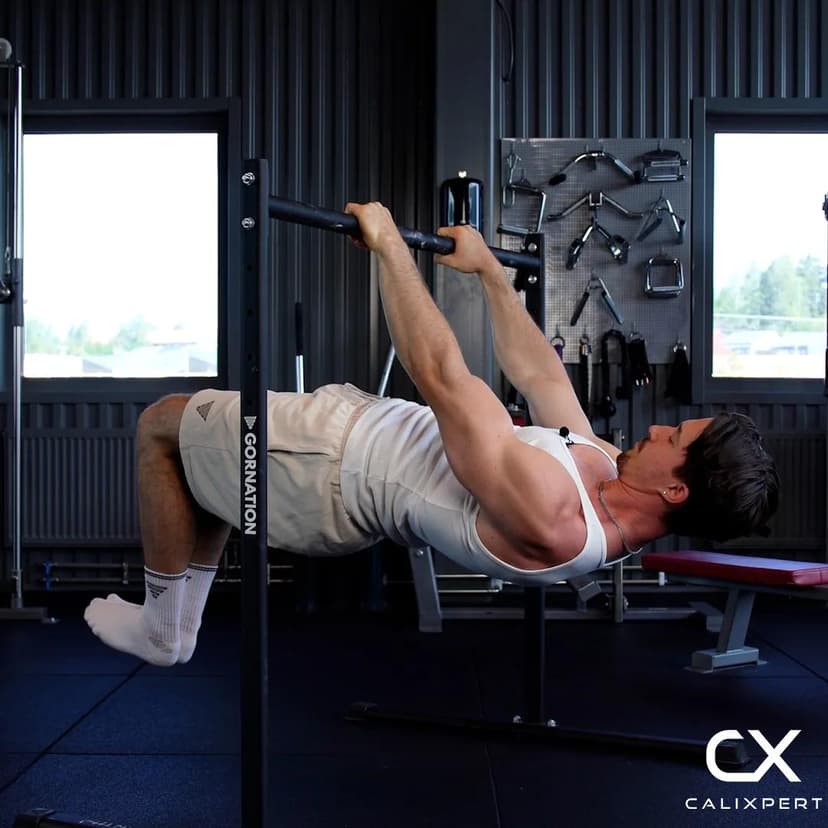
The German Hang is an advanced shoulder mobility and strengthening position performed on a bar or rings that places the shoulders in deep extension, targeting the chest, front deltoids, and biceps under a loaded stretch. You enter the position by rotating backward over the bar, similar to a skin the cat, then holding with your arms behind your torso and your body hanging beneath. Practiced consistently, the German Hang unlocks the shoulder extension range required for back levers, muscle-ups, and virtually every advanced calisthenics skill on rings or bar.
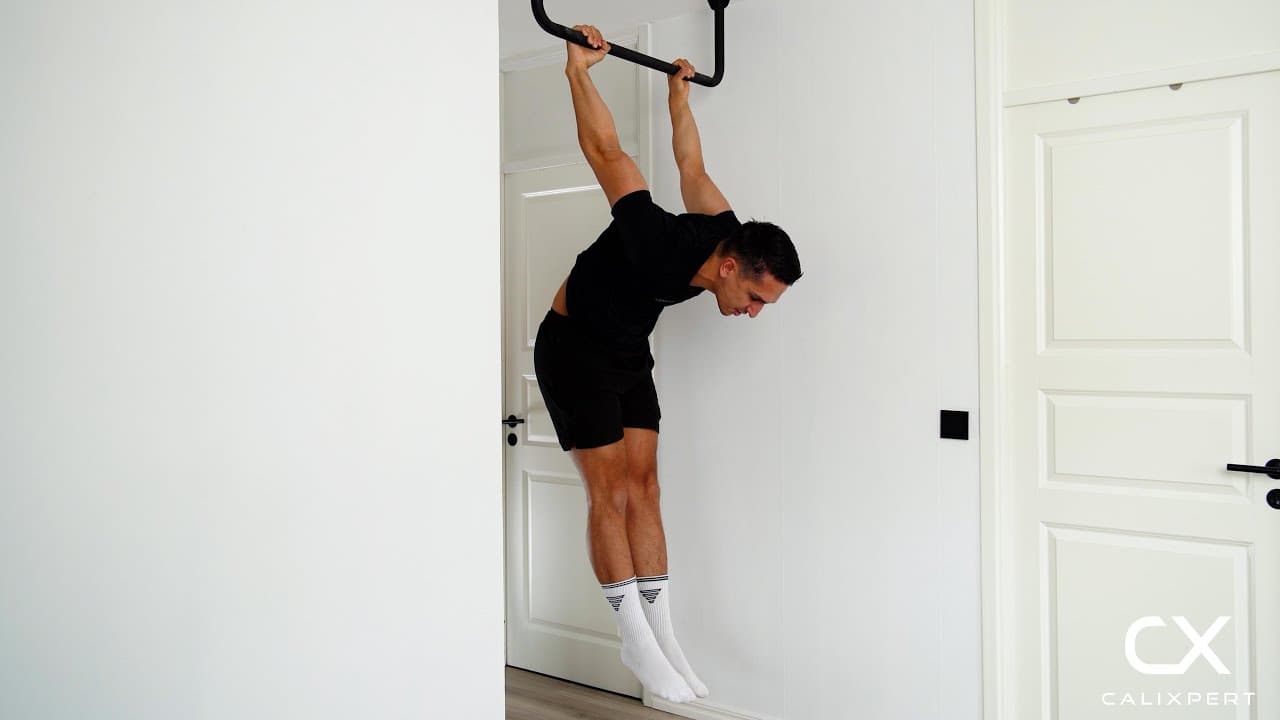
The German Hang is an advanced shoulder mobility and strengthening position performed on a bar or rings that places the shoulders in deep extension, targeting the chest, front deltoids, and biceps under a loaded stretch. You enter the position by rotating backward over the bar, similar to a skin the cat, then holding with your arms behind your torso and your body hanging beneath. Practiced consistently, the German Hang unlocks the shoulder extension range required for back levers, muscle-ups, and virtually every advanced calisthenics skill on rings or bar.
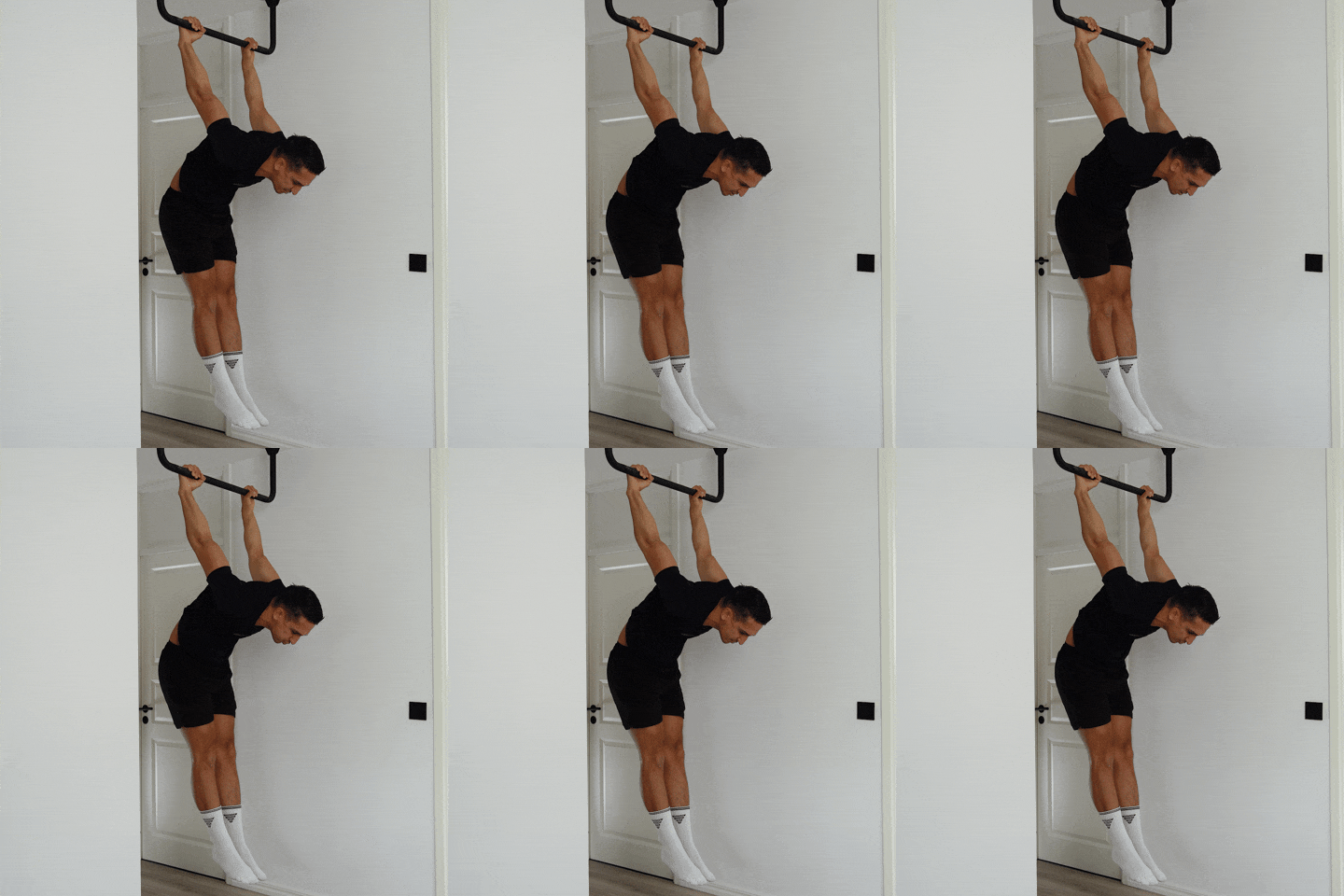
How to Do German Hang
1. Grip the Bar Overhead
Grab a high straight bar with an overhand grip, palms facing away from you, at about shoulder width. Wrap your thumbs fully around the bar for a secure hold. Start from a dead hang with arms fully extended and shoulders engaged. Your body should be still with no swing before you begin the rotation.
Thumbs locked around the bar
2. Tuck and Rotate Over the Bar
Bring your knees toward your chest and begin rotating your body backward through your arms, just like the first half of a skin the cat. Keep your grip firm and your arms as straight as possible throughout the rotation. Move slowly and let your shoulders gradually open as your body passes under and behind the bar.
Slow rotation, straight arms
3. Lower Into the Hang Position
Continue rotating until your arms are behind your torso and your body hangs below the bar with your chest facing the ground. Allow your shoulders to settle into extension without forcing the end range. Keep your core lightly braced and your legs relaxed or slightly extended. You should feel a deep stretch across your chest, front deltoids, and biceps.
Settle into the stretch, do not force
4. Hold With Control
Maintain the position for your target hold time, breathing steadily throughout. Keep your grip firm and resist the urge to bend your elbows, which reduces the stretch and increases elbow strain. Focus on relaxing into the stretch with each exhale while keeping your shoulders active, not just hanging passively on the ligaments.
Breathe and relax deeper each exhale
5. Exit the Position Safely
There are two ways to exit. The first is to reverse the rotation by tucking your knees and pulling back over the bar to your starting hang position. The second is to simply release your grip and drop down, which works best on a lower bar where your feet are close to the ground. If you are new to this exercise, always use a low bar so you can let go safely if the stretch becomes too intense.
Reverse the rotation or drop from a low bar
Most people try to rush into the full German Hang and wonder why their shoulders or biceps hurt the next day. Start on a low bar where your feet can touch the ground, spend two to three weeks building up your hold time there, and only then move to a high bar. The shoulder range you need for this position is earned in small increments, not forced in a single session.
Muscles Worked During German Hang
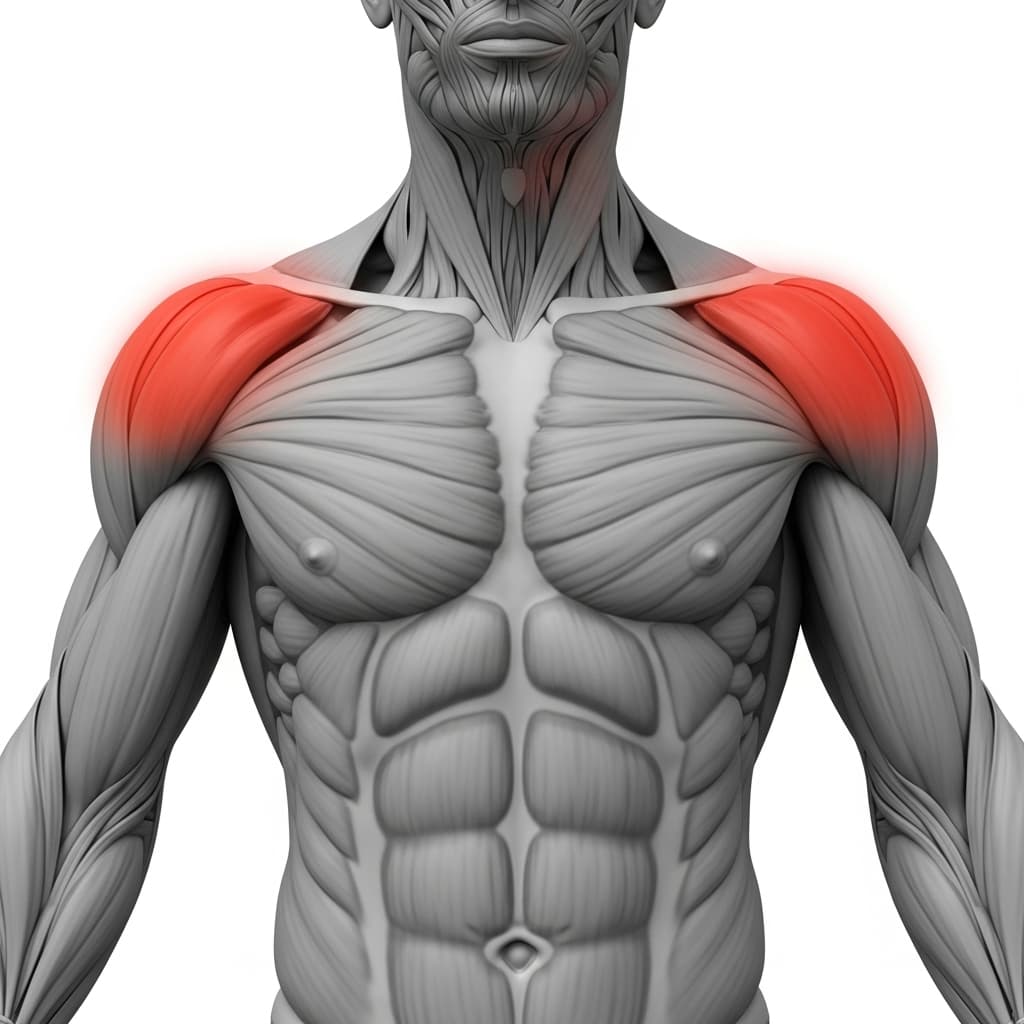
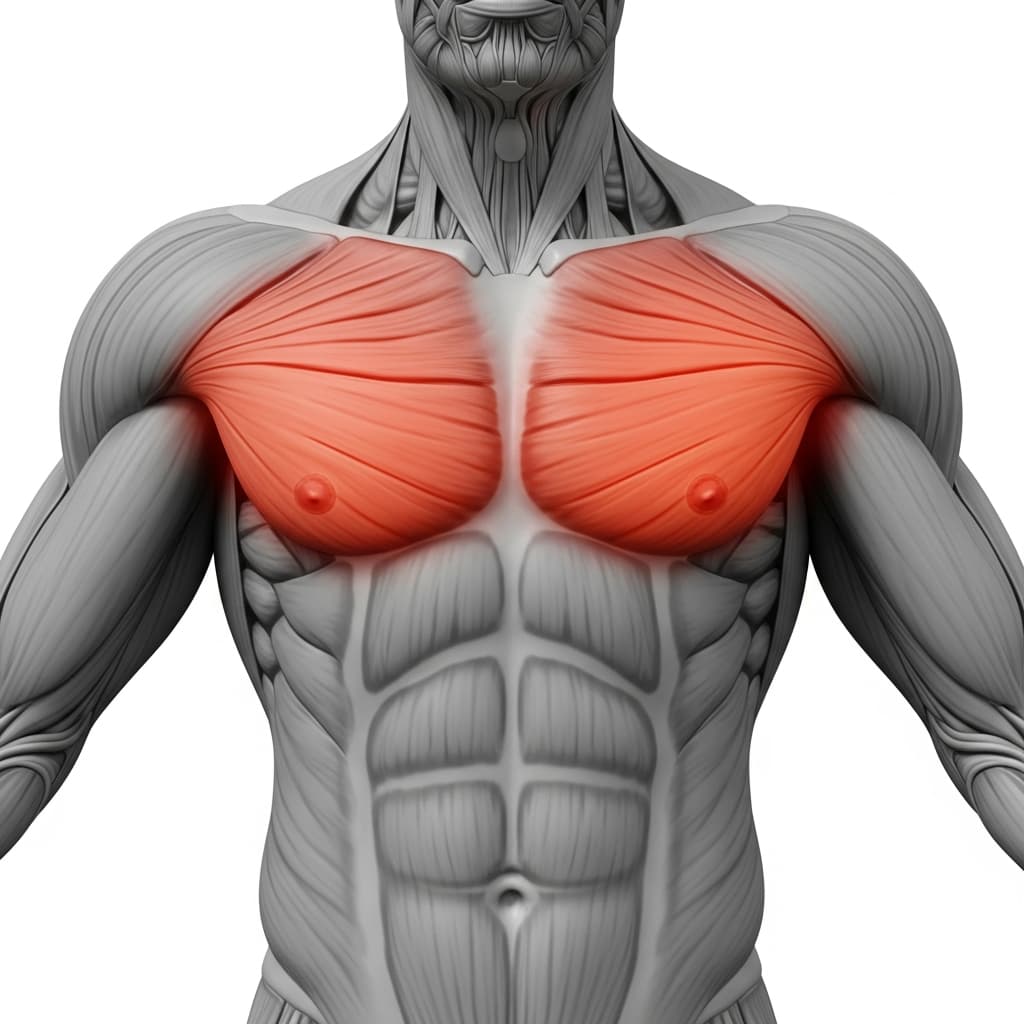
Primary Muscles:
Secondary Muscles:
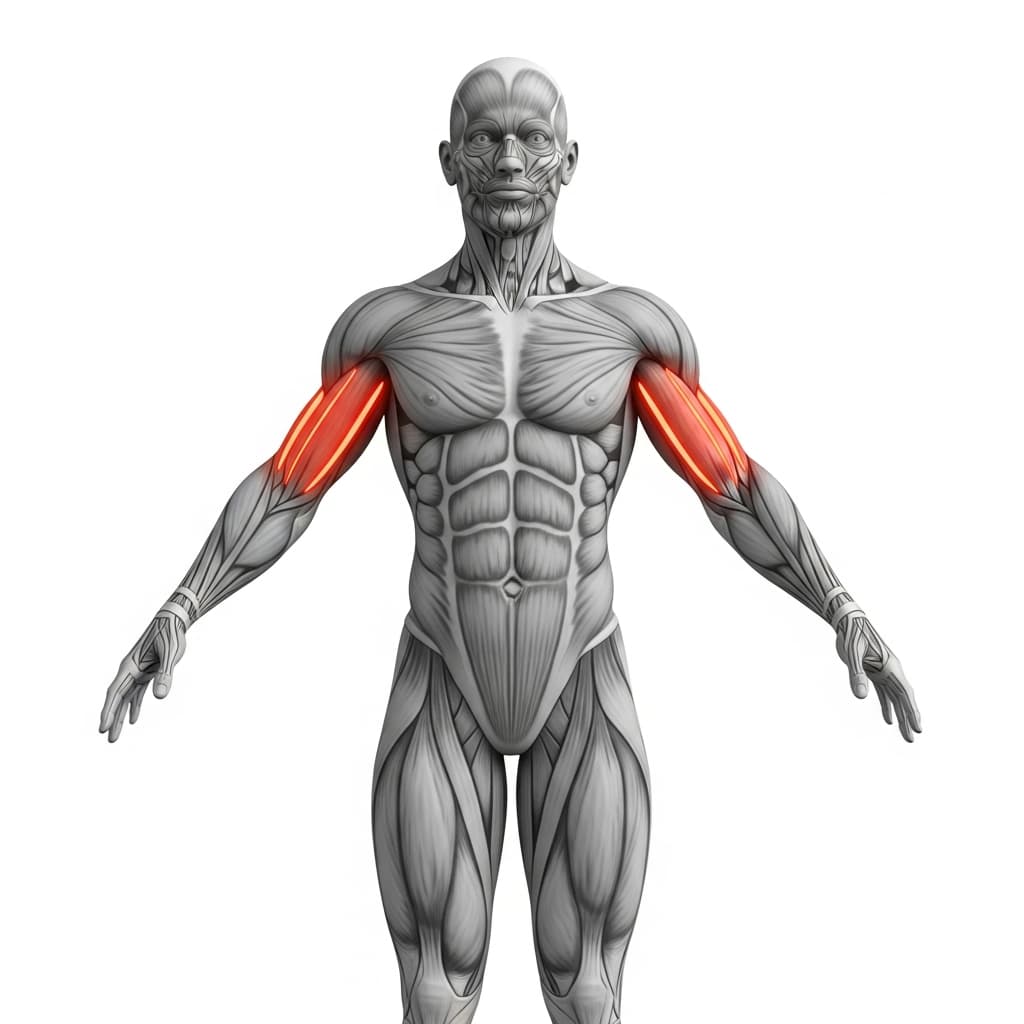
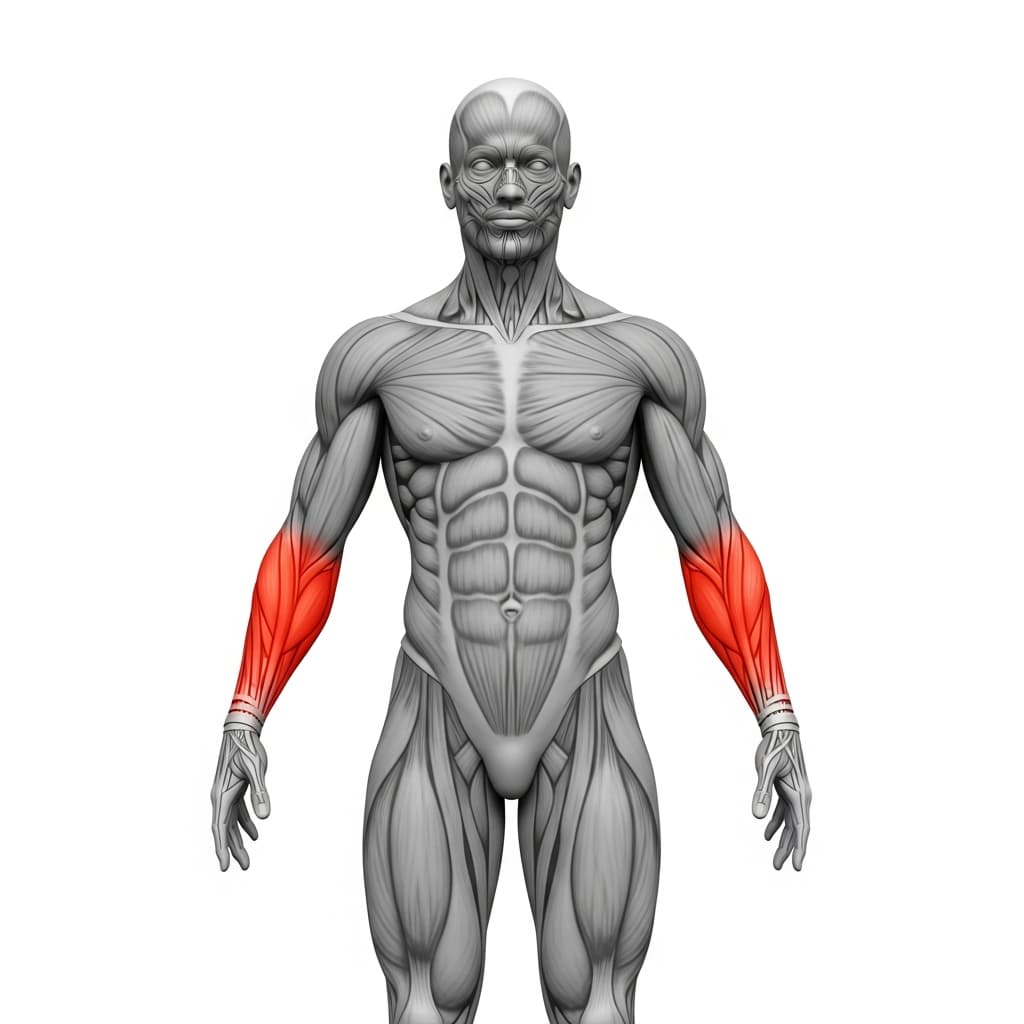
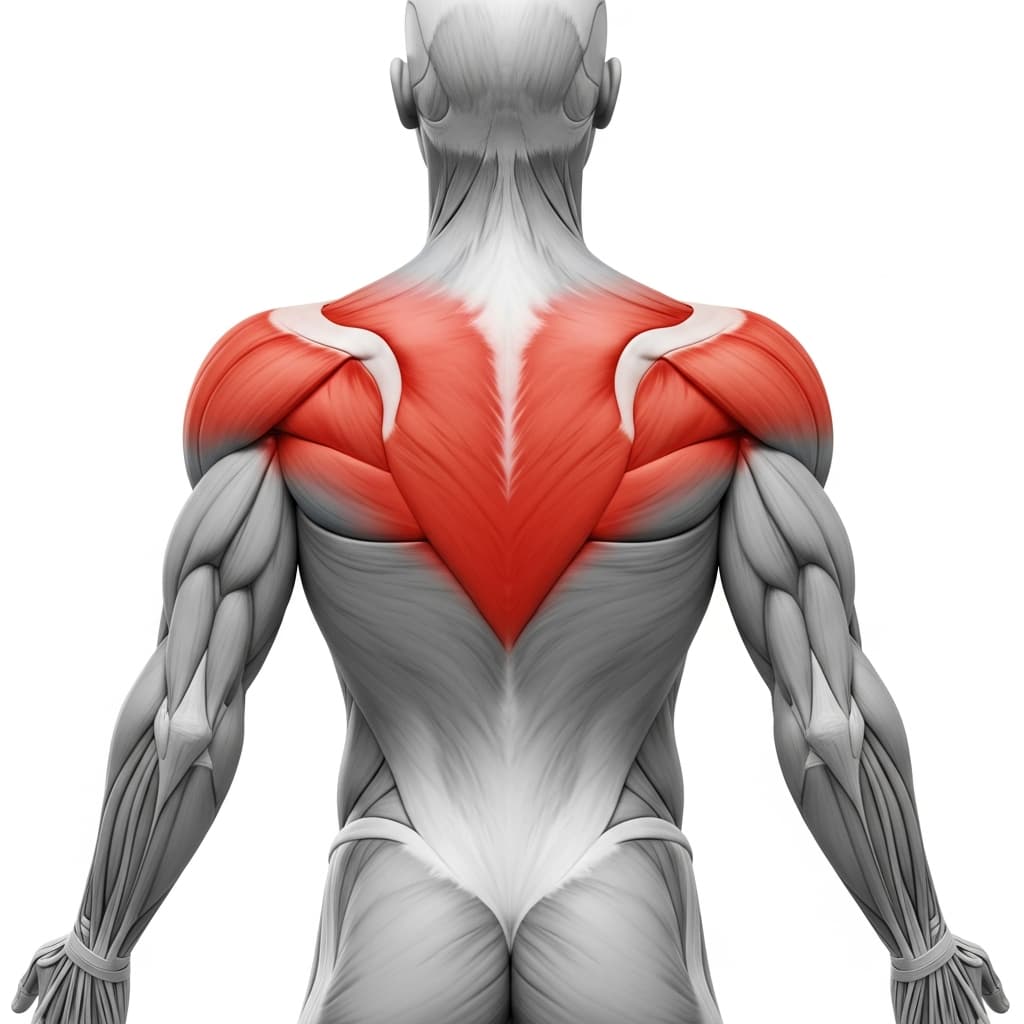
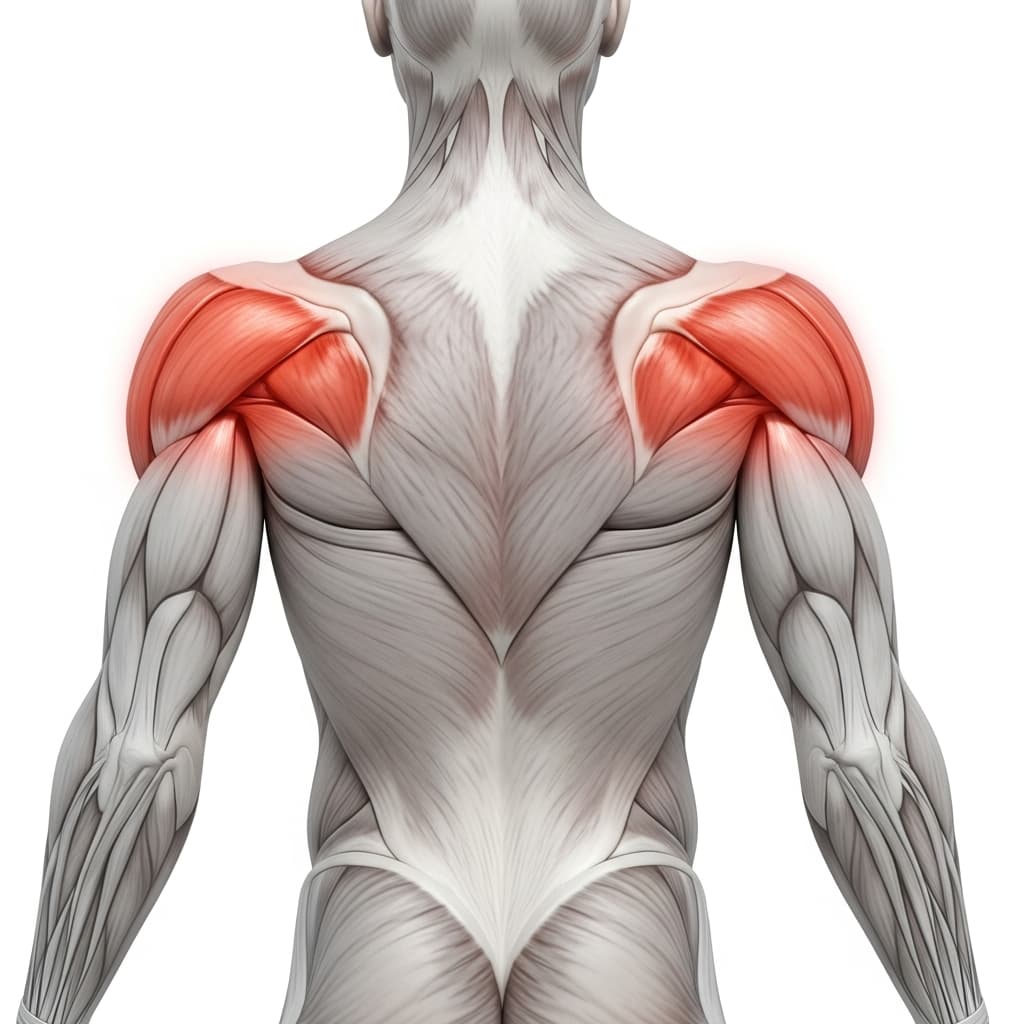
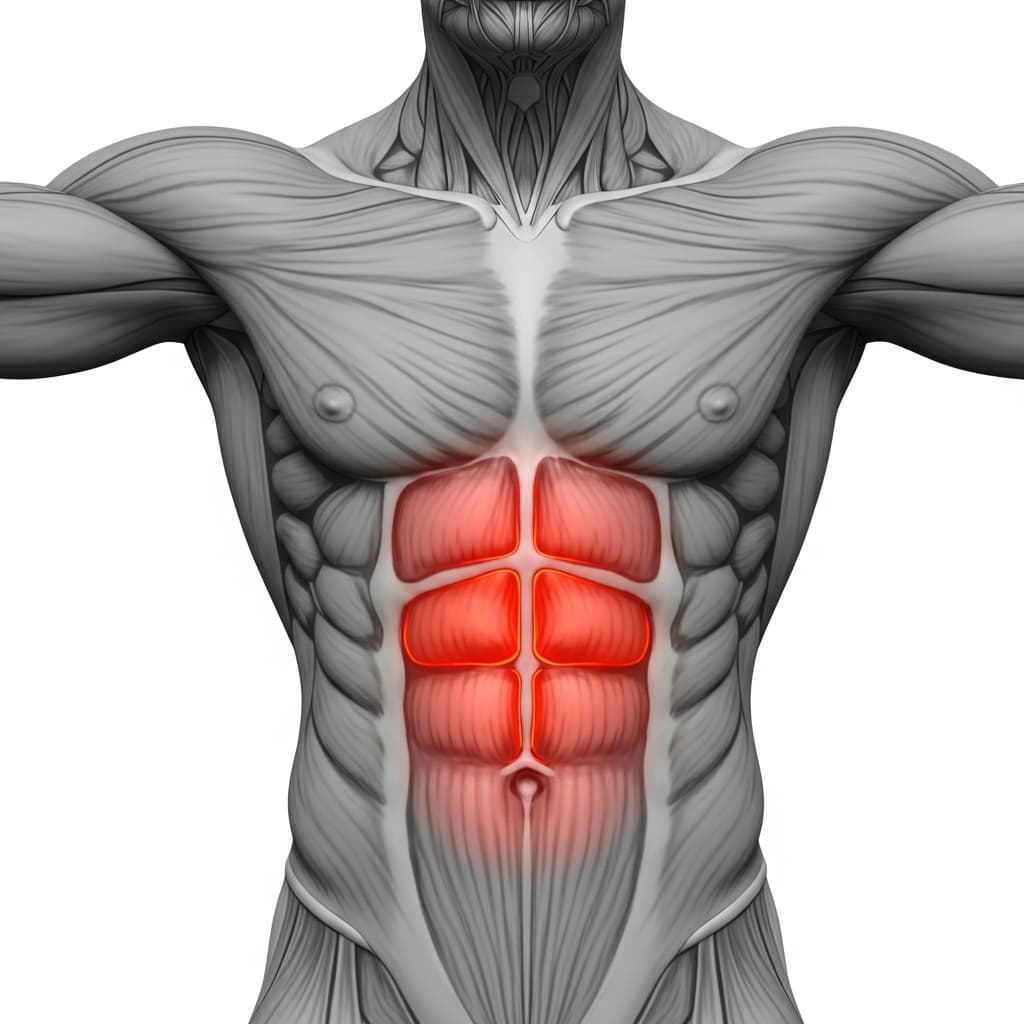
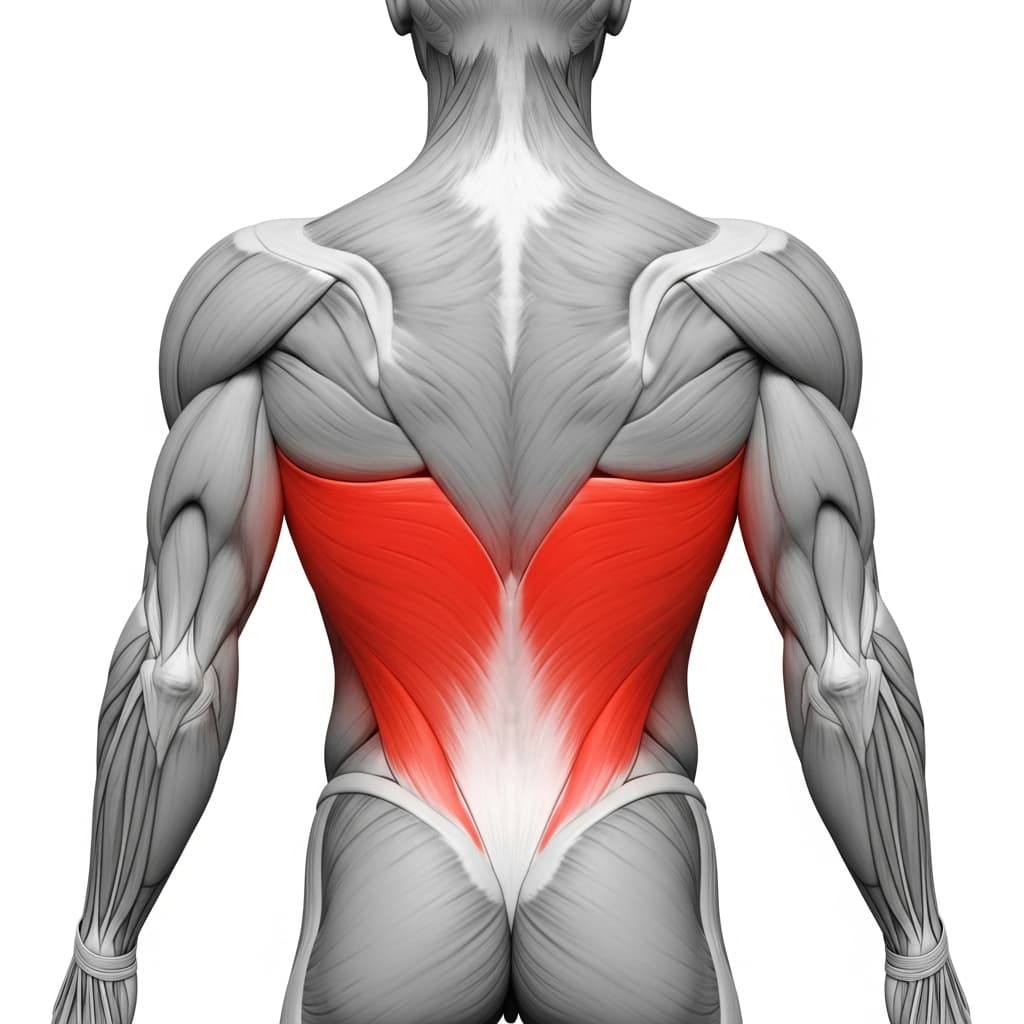
Primary Muscles
Anterior Deltoid (Front Deltoid) - The front deltoid is placed under a deep loaded stretch as the shoulders move into full extension behind the torso, making it one of the primary targets for both mobility and strengthening.
Pectoralis Major (Chest) - The pectorals are stretched significantly as the arms move behind the body, opening the chest and loading the muscle at its longest position.
Secondary Muscles
Biceps Brachii (Biceps) - The biceps are stretched under load with the arms extended behind the torso, conditioning the long head and bicep tendon for deep shoulder extension positions.
Forearm Flexors & Extensors (Forearms) - The forearms maintain grip on the bar throughout the hold, supporting full bodyweight while the shoulders are in a demanding position.
Rhomboids & Upper Trapezius (Upper Back) - The upper back muscles work to stabilize the scapulae and maintain controlled positioning of the shoulder blades during the hold.
Posterior Deltoid (Rear Deltoid) - The rear deltoid actively stabilizes the shoulder joint from behind, helping to control the depth and safety of the extended position.
Rectus Abdominis (Abs) - The abdominals brace lightly to prevent excessive arching of the lower back and keep the body in a controlled hanging position.
Latissimus Dorsi (Lats) - The lats assist in stabilizing the shoulder joint and controlling the rotation as the body passes through and hangs behind the bar.
Benefits of German Hang
- Develops deep shoulder extension mobility that directly transfers to back levers, muscle-ups, and ring skills
- Strengthens the chest, front deltoids, and bicep tendons under stretch, building resilience in the ranges where injuries are most common
- Conditions the bicep tendons and shoulder capsule for the demands of advanced calisthenics pulling and rotating movements
- Improves overhead and behind-the-back range of motion, which reduces compensatory movement patterns in pressing and pulling exercises
Who Is This Exercise For?
You should be able to hold a dead hang for at least 30 seconds and perform a tuck skin the cat with controlled movement in both directions before attempting the German Hang. If your shoulders feel pinched or restricted when you reach your arms behind your back, work on passive shoulder extension stretches and band dislocates first. This is not a beginner position, and forcing the range without adequate preparation risks shoulder impingement or bicep tendon strain.
Common Mistakes to Avoid
Bending the elbows during the hold: Keep your arms fully extended throughout the entire hang. Bending the elbows shifts the load from the shoulders to the bicep tendons and reduces the mobility benefit of the position.
Dropping into the position too fast: Rotate through the movement slowly and with control. Dropping quickly into deep shoulder extension without warming up can strain the bicep tendons or irritate the shoulder capsule.
Forcing depth beyond current range: Only go as deep as your shoulders allow without sharp pain. The range will increase over weeks of consistent practice. Pushing past your limit in a single session does not speed up progress and risks injury.
Hanging passively on joints and ligaments: Keep your shoulders slightly active by maintaining light tension through the upper back, even at the bottom of the hang. A fully passive hang shifts stress from muscles to connective tissue, which recovers much slower if irritated.
Variations & Progressions
Low Bar German Hang
Use a bar low enough that your feet can touch or nearly touch the ground. This lets you offload some bodyweight through your legs and exit safely by simply letting go, making it ideal for building confidence and shoulder range gradually.
Ring German Hang
Performing the German Hang on gymnastics rings adds instability, requiring greater shoulder stabilization and grip strength. The rings also allow your wrists to rotate freely, which can increase the depth of the stretch.
Extended Leg German Hang
Instead of tucking or relaxing the legs, extend them fully with pointed toes. This shifts the center of mass further from the bar, increasing the leverage and load on the shoulders.