Superman Hold
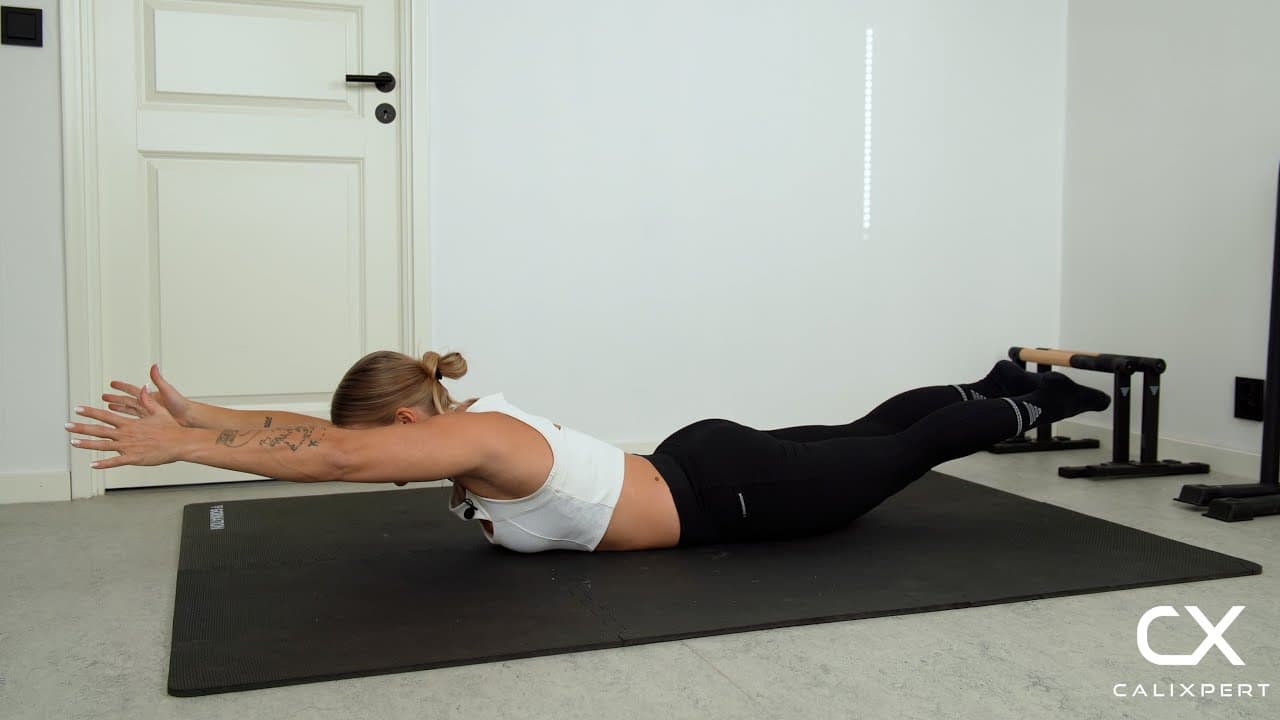
The Superman Hold is an isometric back extension exercise that trains the spinal erectors, glutes, and upper back by holding a prone position with the arms and legs lifted off the ground. The movement demands simultaneous hip extension and spinal extension, which forces the entire posterior chain to work as a coordinated unit under sustained tension. Consistent Superman Hold training builds the lower back endurance and postural strength that calisthenics athletes need for handstands, levers, and heavy pulling movements.
The Superman Hold is an isometric back extension exercise that trains the spinal erectors, glutes, and upper back by holding a prone position with the arms and legs lifted off the ground. The movement demands simultaneous hip extension and spinal extension, which forces the entire posterior chain to work as a coordinated unit under sustained tension. Consistent Superman Hold training builds the lower back endurance and postural strength that calisthenics athletes need for handstands, levers, and heavy pulling movements.
How to Do Superman Hold
1. Lie Prone With Arms Extended
Lie face down on a mat with your arms extended straight above your head and your legs fully extended behind you. Spread your feet about hip-width apart and point your toes. Place your forehead on the mat so your neck starts in a neutral position aligned with the rest of your spine.
Forehead down, arms and legs long
2. Squeeze Glutes and Engage Back
Before lifting anything off the ground, actively squeeze your glutes and brace your lower back. This pre-activation ensures the correct muscles fire first and prevents the lumbar spine from bearing the load passively. Think of creating tension through your entire posterior chain before the lift begins.
Squeeze glutes before you lift
3. Lift Arms and Legs Together
Raise your arms, chest, and legs off the ground at the same time by driving through the glutes and spinal erectors. Lift as high as you can while keeping your head in a neutral position, looking at the floor just ahead of you. Your shoulders should actively pull toward your ears as your arms rise, engaging the upper back and rear deltoids.
Everything lifts together, head stays neutral
4. Hold the Top Position
Maintain the lifted position with steady, controlled breathing for the prescribed hold time. Keep your arms and legs fully straight and your glutes contracted throughout. Your body should form a gentle arch from fingertips to toes, with the hips as the lowest point on the ground.
Breathe steady, squeeze everything
5. Lower With Control
Slowly lower your arms, chest, and legs back to the starting position without dropping. Maintain tension in the glutes and lower back through the entire descent. Rest briefly with your forehead on the mat before beginning the next rep or hold.
Lower slow, do not collapse
Most people try to arch as high as possible and end up cramping their lower back within seconds. The real goal is controlled height with maximum glute contraction. If your glutes are not burning before your lower back gives out, you are not squeezing hard enough at the top. Let the glutes do the heavy lifting and the hold becomes both safer and more effective.
Muscles Worked During Superman Hold
Primary Muscles:
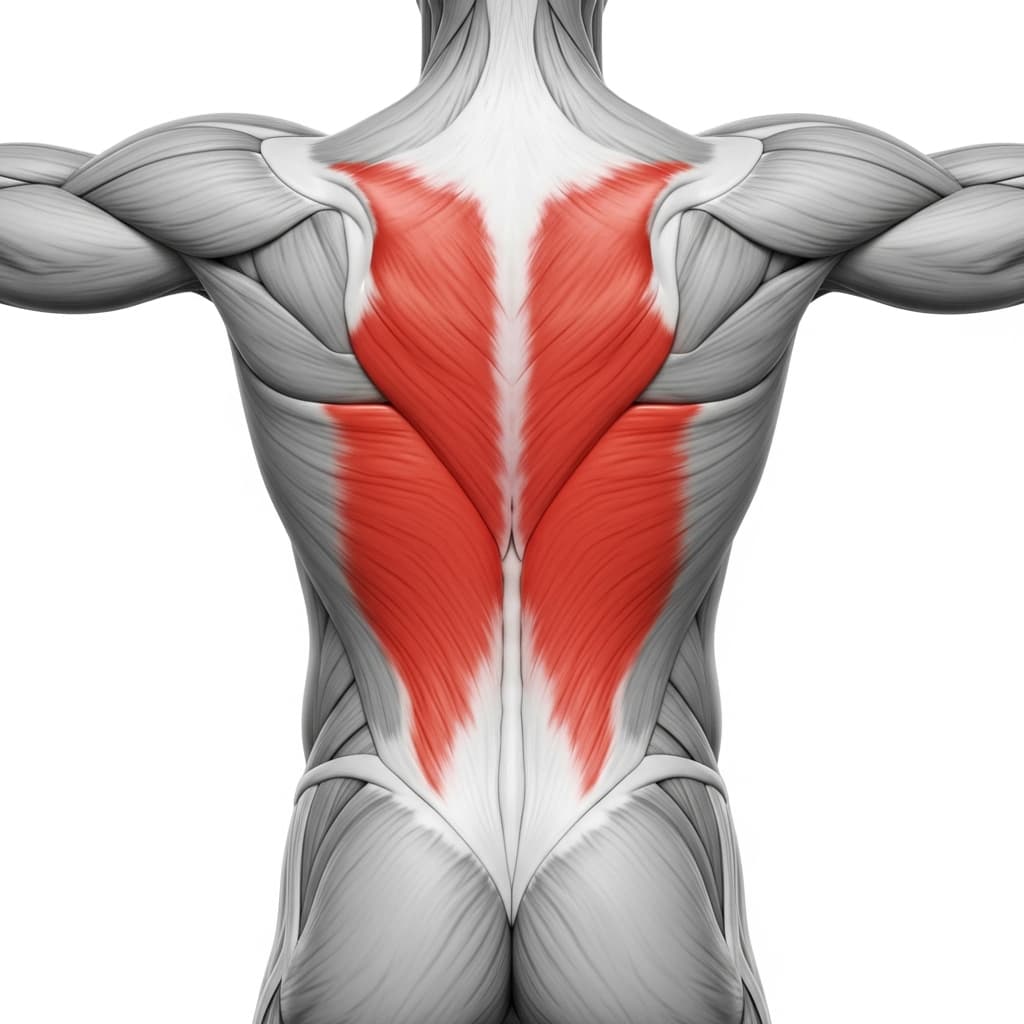
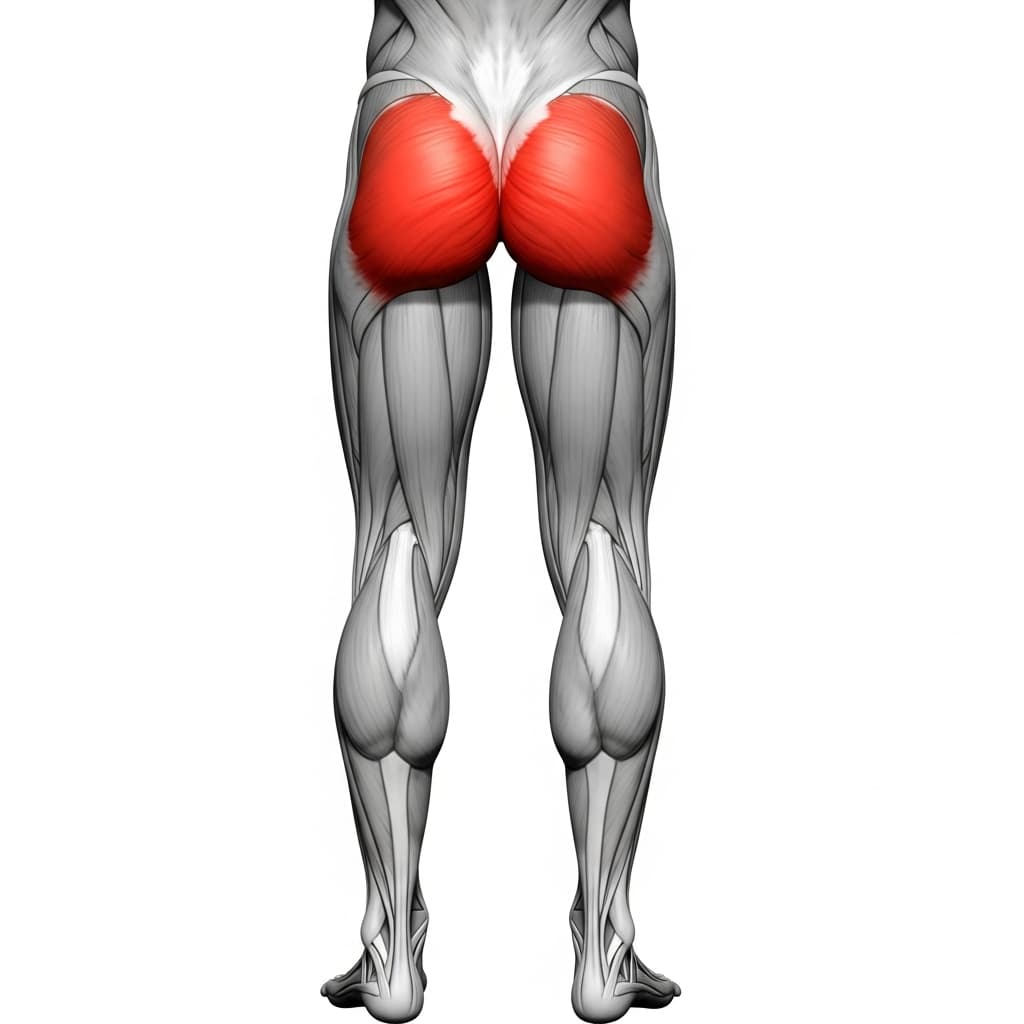
Secondary Muscles:
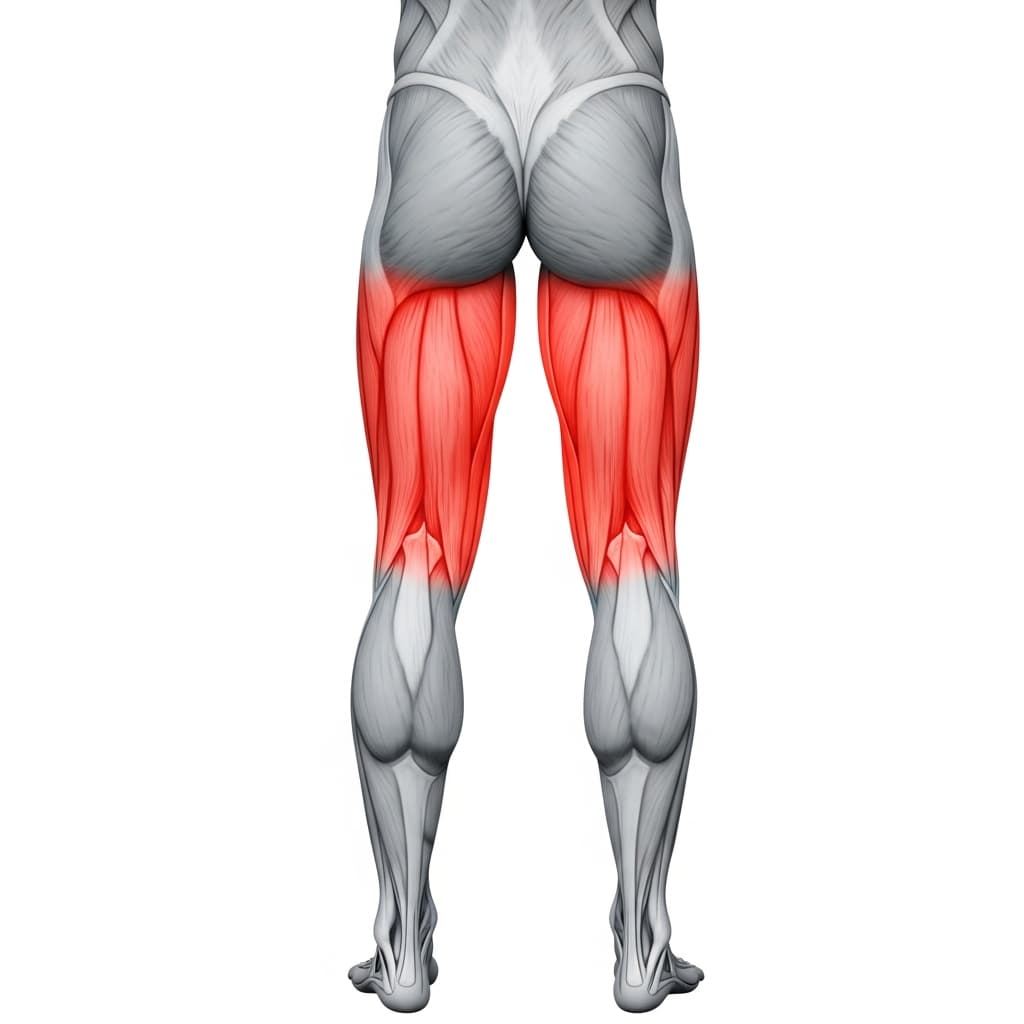
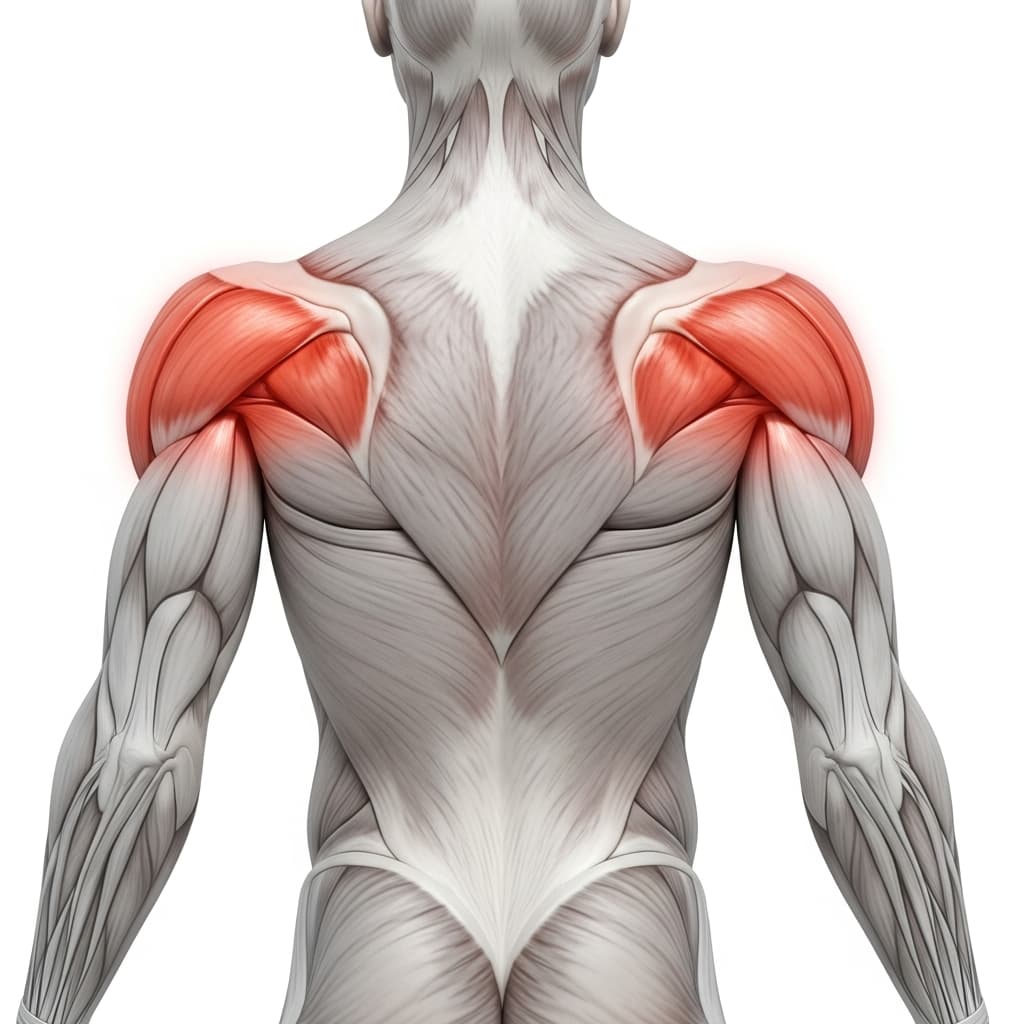
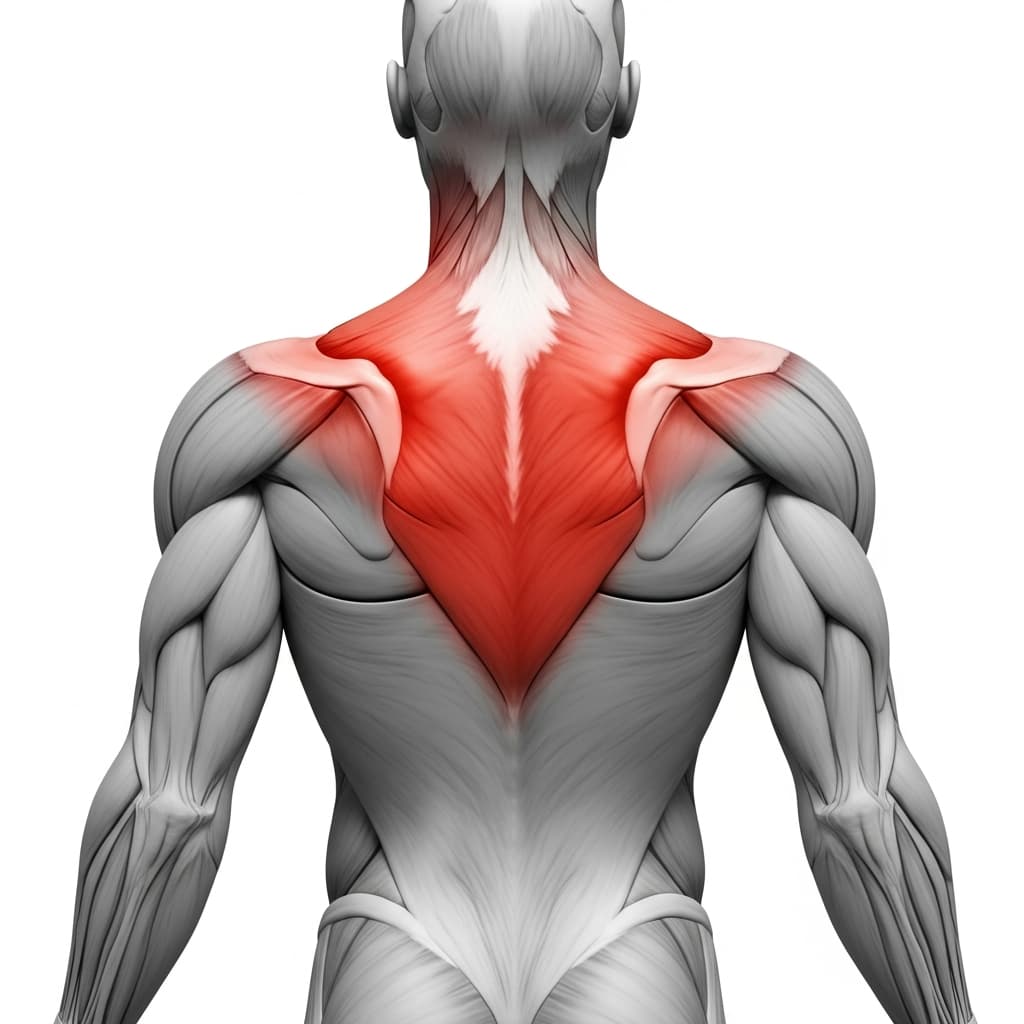
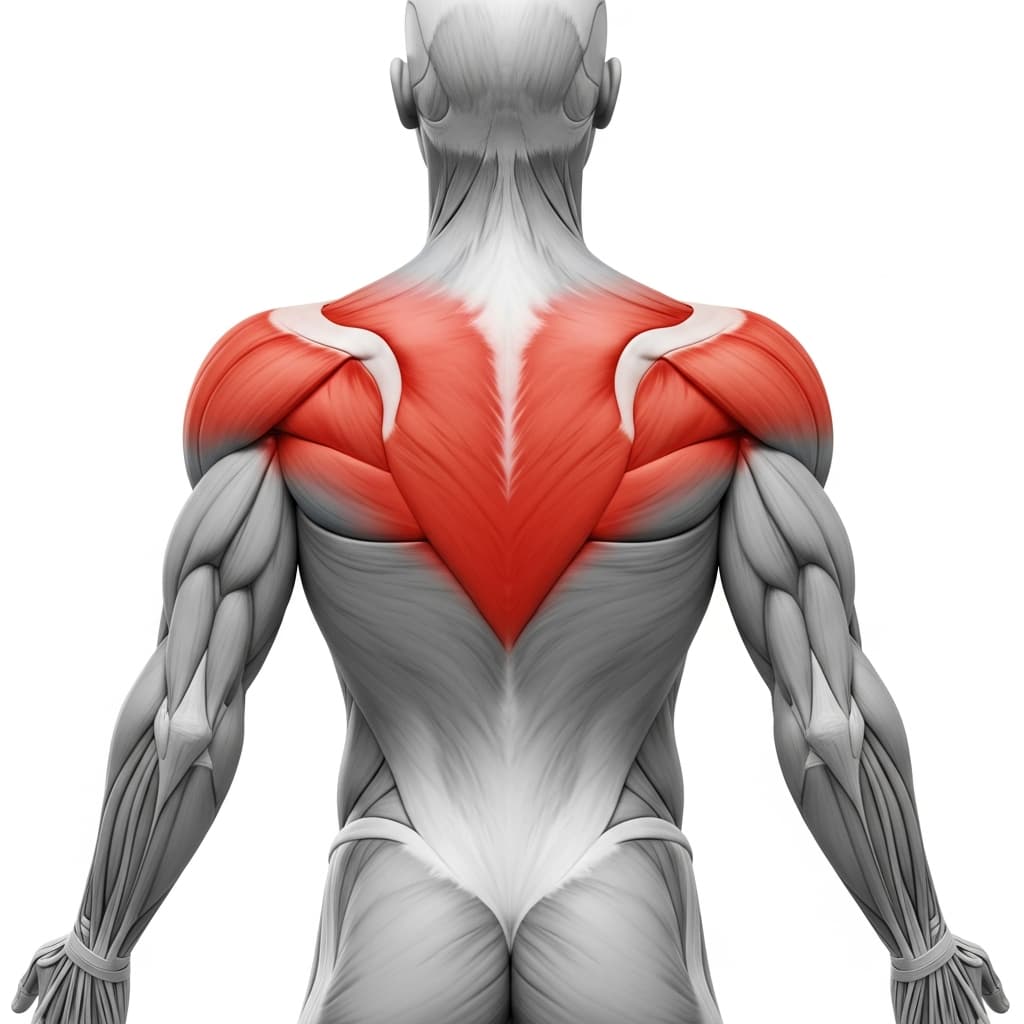
Primary Muscles
Erector Spinae (Spinal Erectors) - The spinal erectors extend the thoracic and lumbar spine to lift the chest off the ground and maintain the arched position throughout the hold.
Gluteus Maximus (Glutes) - The glutes drive hip extension to lift the legs off the ground and provide the primary force that sustains the lower body in the elevated position.
Secondary Muscles
Hamstring Group (Hamstrings) - The hamstrings assist the glutes in hip extension and help keep the legs elevated and straight during the hold.
Posterior Deltoid (Rear Deltoid) - The rear deltoids work to lift and hold the arms in the overhead position against gravity throughout the isometric hold.
Trapezius (Trapezius) - The traps retract and elevate the scapulae, pulling the shoulders toward the ears as the arms are held overhead in the lifted position.
Rhomboids & Upper Trapezius (Upper Back) - The upper back muscles assist in thoracic extension and scapular retraction, helping lift and hold the chest high off the ground.
Benefits of Superman Hold
- Builds isometric endurance in the spinal erectors, which directly reduces lower back fatigue during long training sessions and everyday activities
- Strengthens the glute-hamstring connection through sustained hip extension, improving posterior chain power for squats, deadlifts, and running
- Develops rear deltoid and upper back endurance that carries over to pulling movements, handstand holds, and overhead positions
- Reinforces proper posterior chain activation patterns, teaching the lower back and glutes to fire together as a coordinated unit
Who Is This Exercise For?
You should be able to lie face down and lift your chest a few inches off the ground without any sharp lower back discomfort. If basic prone extensions cause pain or cramping, work on glute bridges and gentle press-ups first to build baseline posterior chain activation before attempting the full Superman Hold.
Common Mistakes to Avoid
Cranking the neck upward: Keep your gaze directed at the floor throughout the hold. Your head should stay in line with your spine, not tilted back. Looking up compresses the cervical vertebrae and shifts tension away from the muscles that should be working.
Hyperextending the lower back: Lift only as high as your glutes and spinal erectors can support without sharp discomfort. If your lower back cramps or pinches, you are forcing range you have not earned yet. Focus on squeezing the glutes harder rather than arching higher.
Holding your breath: Breathe in a controlled rhythm throughout the hold. Holding your breath increases unnecessary intra-abdominal pressure and limits how long you can sustain the position.
Bending arms or legs during the hold: Keep your elbows and knees fully locked throughout. Bending the limbs shortens the lever arm and dramatically reduces the load on the posterior chain, making the exercise far less effective.
Variations & Progressions
Alternating Superman
Lift only the right arm and left leg simultaneously, then switch sides. This reduces the total load on the lower back and helps beginners build coordination before progressing to the full hold.
Arms-by-Sides Superman Hold
Perform the hold with your arms pinned along your sides instead of overhead. This shortens the upper body lever arm and makes the hold significantly easier while still training the glutes and spinal erectors.
Weighted Superman Hold
Hold a light weight plate or water bottle in your hands while performing the standard hold. The added load at the end of a long lever arm dramatically increases the demand on the spinal erectors and upper back.