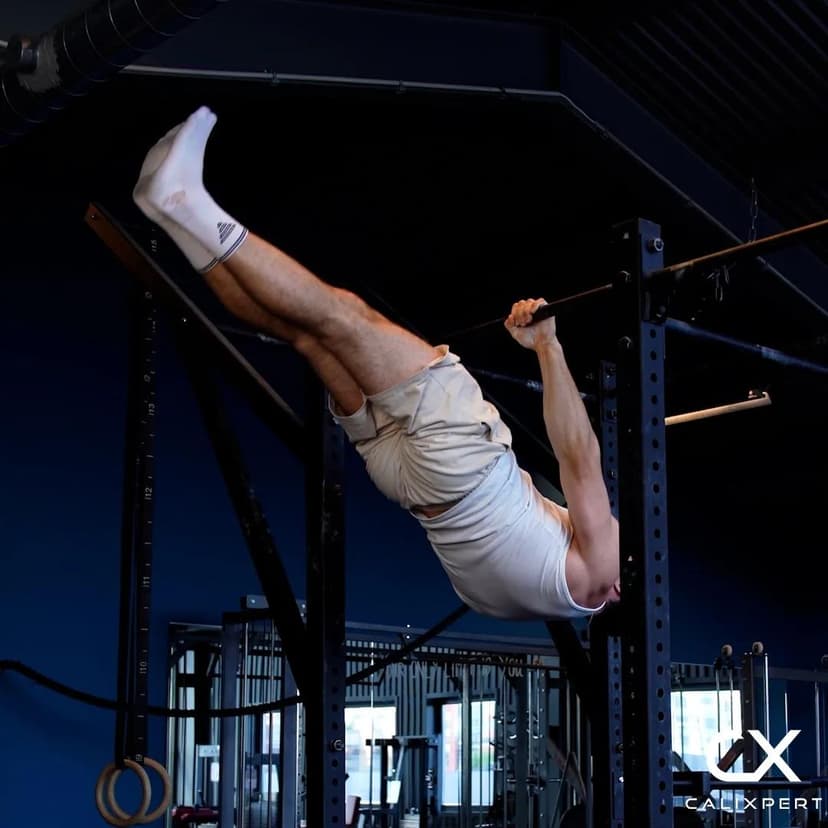
Tiger Push Ups
Tiger push-ups are a tricep-dominant push-up variation where the hands are positioned behind the shoulders instead of directly underneath them, shifting the load almost entirely onto the triceps. The movement resembles a bodyweight tricep extension performed from a plank position, targeting the triceps, front deltoids, and chest through a controlled lowering and pressing pattern. When performed with strict form, tiger push-ups build raw tricep pressing strength that transfers directly into harder calisthenics skills like planche push-ups and handstand push-ups.
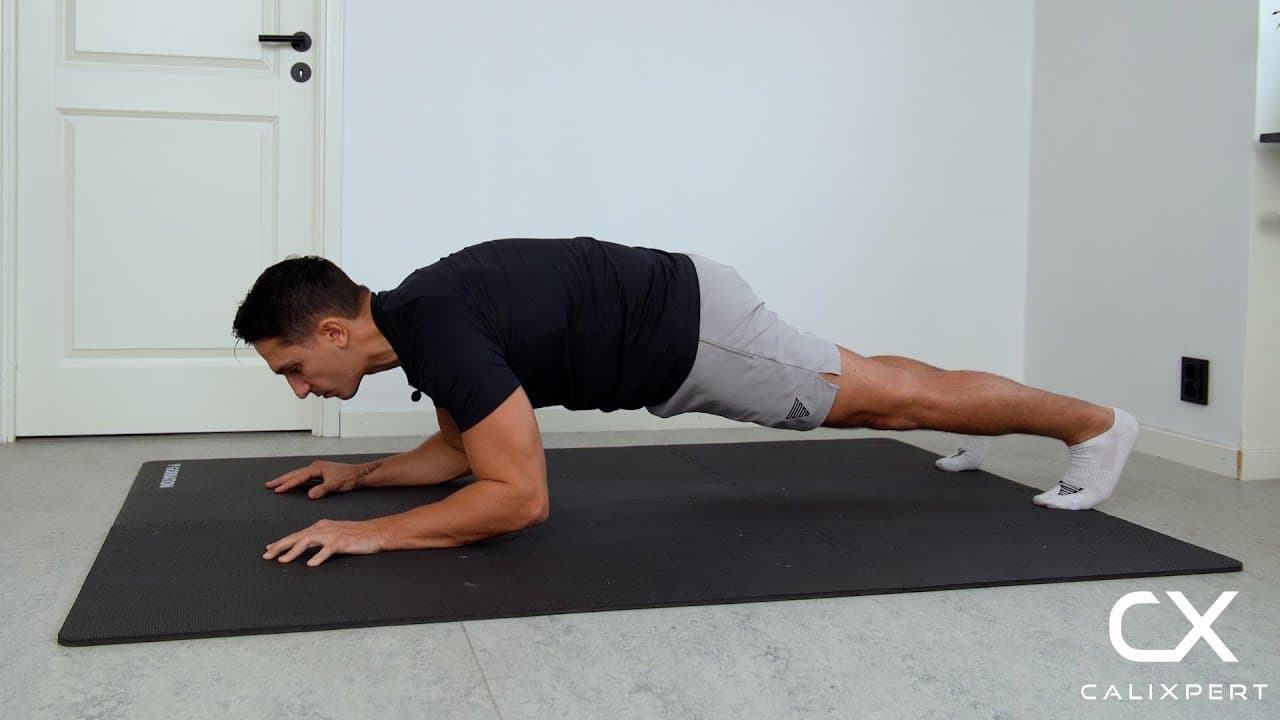
Tiger push-ups are a tricep-dominant push-up variation where the hands are positioned behind the shoulders instead of directly underneath them, shifting the load almost entirely onto the triceps. The movement resembles a bodyweight tricep extension performed from a plank position, targeting the triceps, front deltoids, and chest through a controlled lowering and pressing pattern. When performed with strict form, tiger push-ups build raw tricep pressing strength that transfers directly into harder calisthenics skills like planche push-ups and handstand push-ups.
How to Do Tiger Push Ups
1. Set Your Hand Position
Start in a standard push-up position, then walk your hands forward so they are slightly ahead of your shoulders. Your shoulders should be behind your hands, not stacked directly above them. Use a neutral or slightly narrow hand placement, roughly shoulder width apart. This offset is what shifts the load from your chest onto your triceps.
Shoulders behind the hands, not above
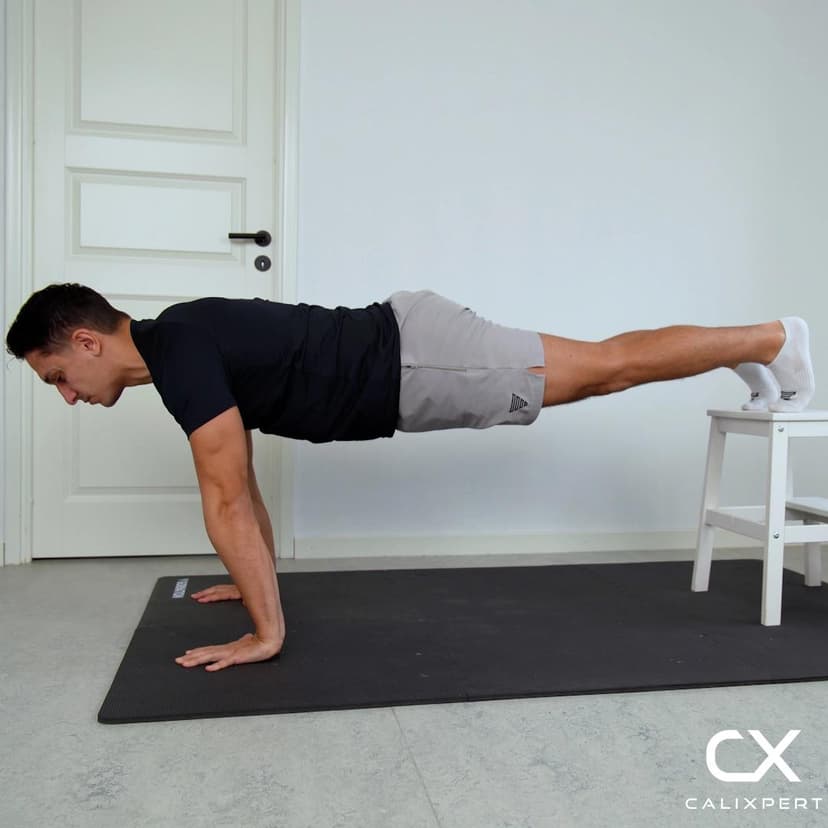
2. Brace Your Core and Set Your Base
Squeeze your glutes and tighten your core to lock your body into a straight line from head to heels. You can widen your feet slightly to improve balance, especially while learning the movement. Keep your hips neutral throughout, never letting them sag or pike upward.
Tight core, straight line from head to heels
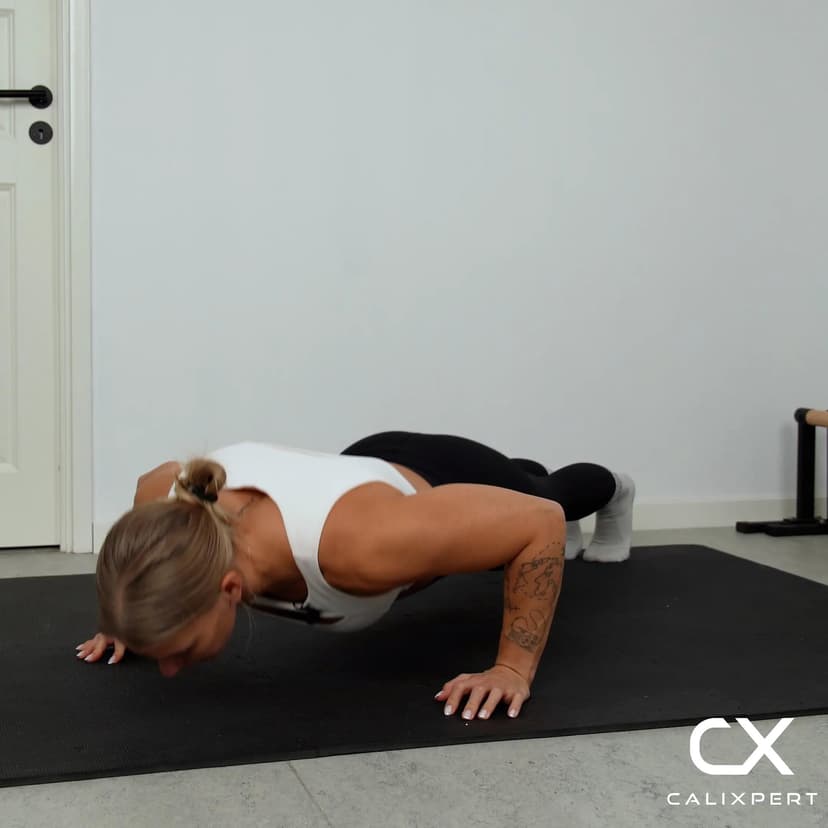
3. Lower Your Forearms Toward the Ground
Bend your elbows and lower yourself by hinging at the elbow joint, bringing your forearms toward the floor. Keep your elbows tucked close to your body and pointing backward, not flaring out to the sides. The movement should feel like a bodyweight tricep extension rather than a standard push-up. Lower until your forearms are close to or lightly touching the ground.
Elbows tight, lower like a tricep extension
4. Press Back Up With Both Arms
Push through both palms simultaneously, extending your elbows to return to the starting position. Focus on driving with the triceps rather than shifting your weight forward onto your chest. Keep your body rigid and avoid rocking or swinging to generate momentum.
Press with the triceps, not the chest
5. Reset and Repeat
At the top of each rep, confirm your shoulders are still positioned behind your hands and your core is braced. Take a short breath and re-establish full body tension before starting the next rep. Each repetition should be controlled and deliberate, not rushed.
Reset tension before every rep
Most people turn tiger push-ups into a regular push-up because they place their hands too far back. The fix is simple: set up in a normal push-up, then walk your hands one hand-length forward. From there, think about lowering your forearms to the ground rather than your chest. That mental shift locks in the correct elbow path and you will feel your triceps working immediately.
Muscles Worked During Tiger Push Ups
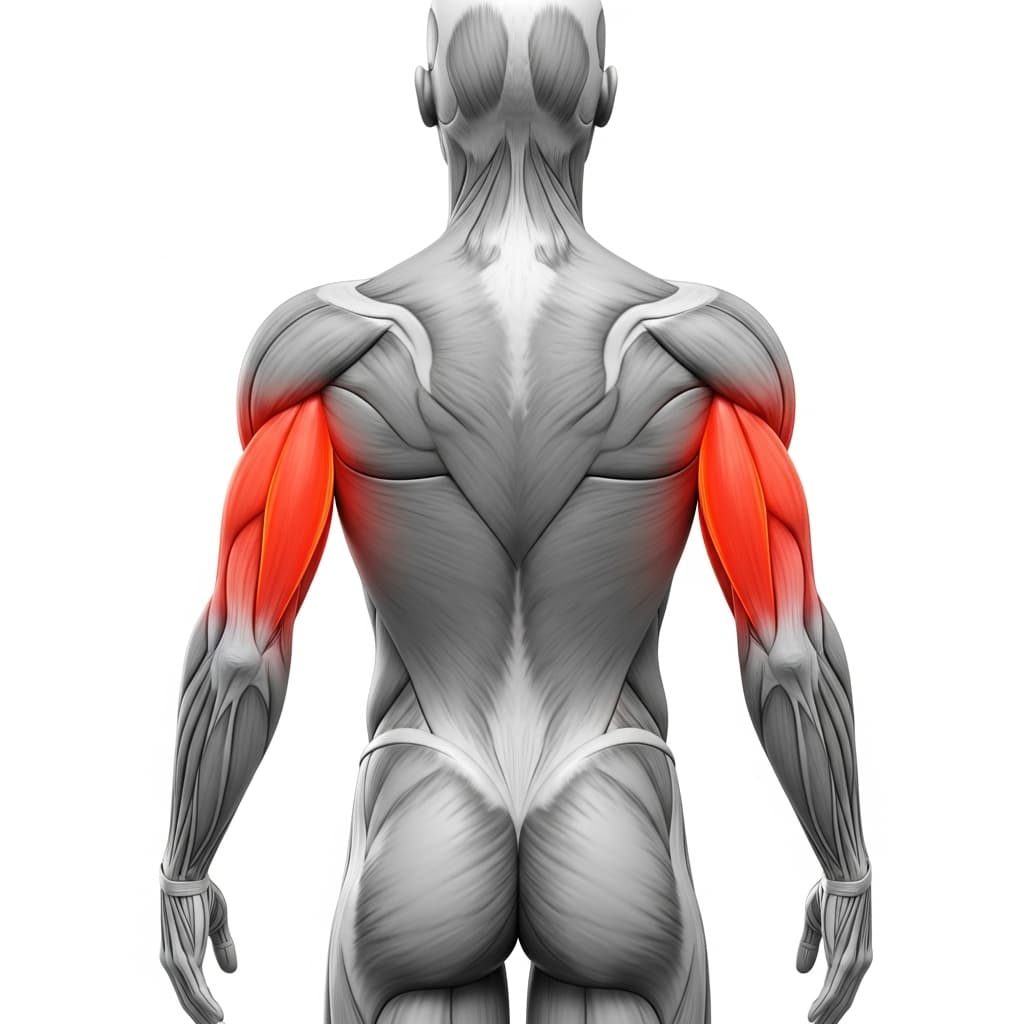
Primary Muscles:
Secondary Muscles:
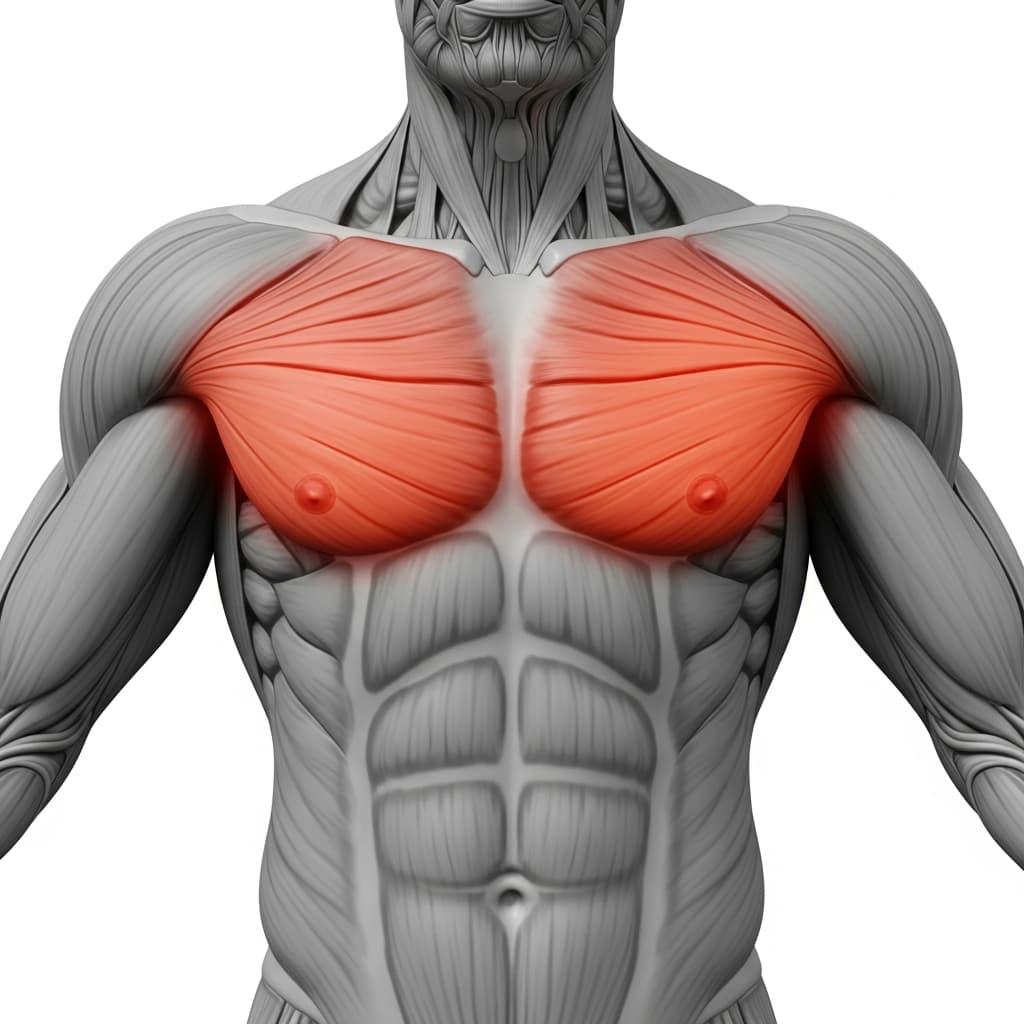
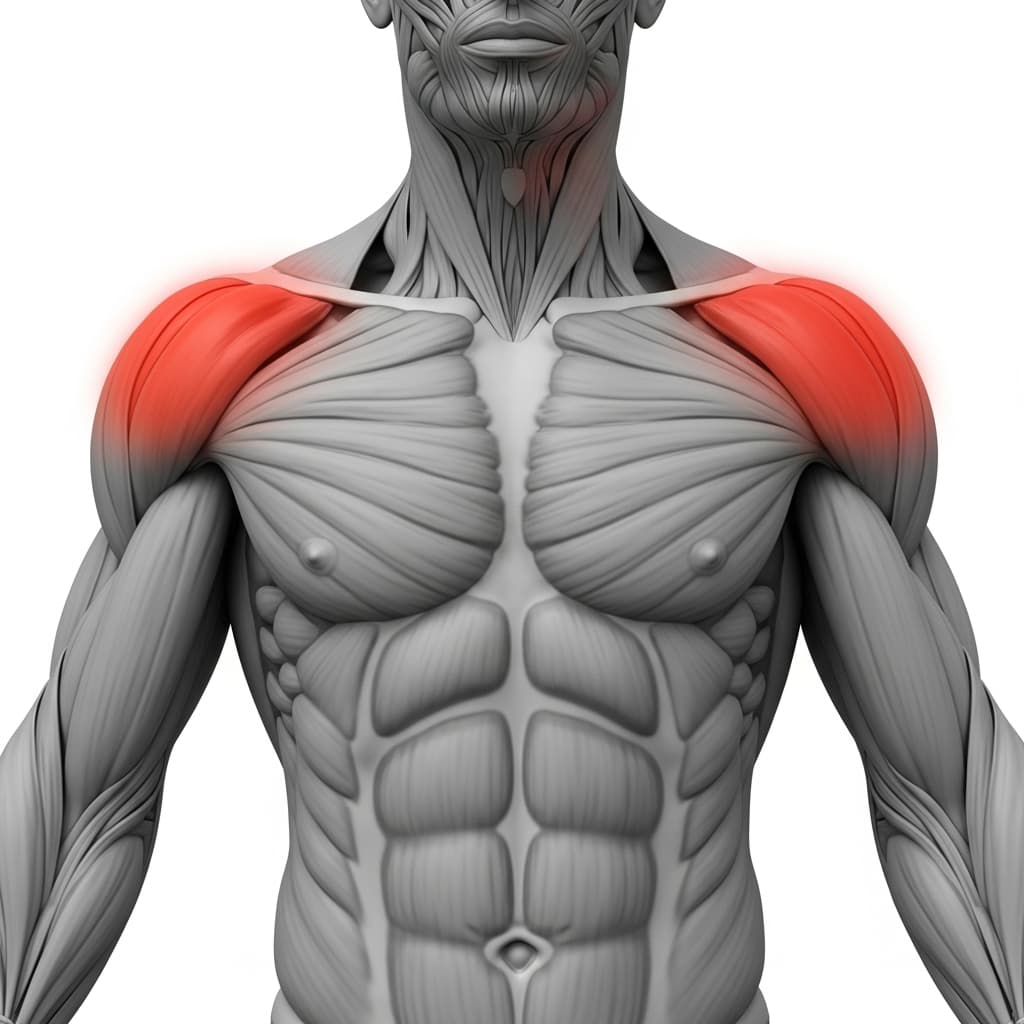
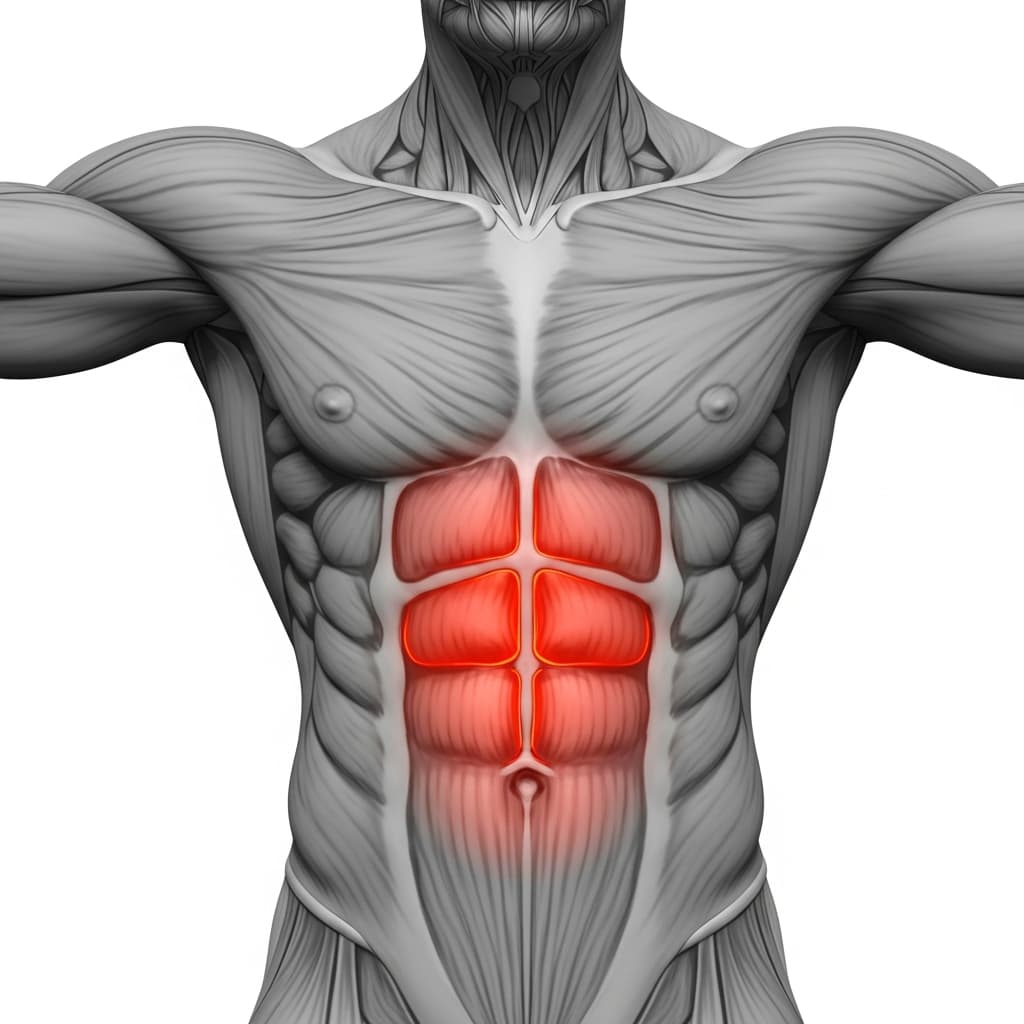
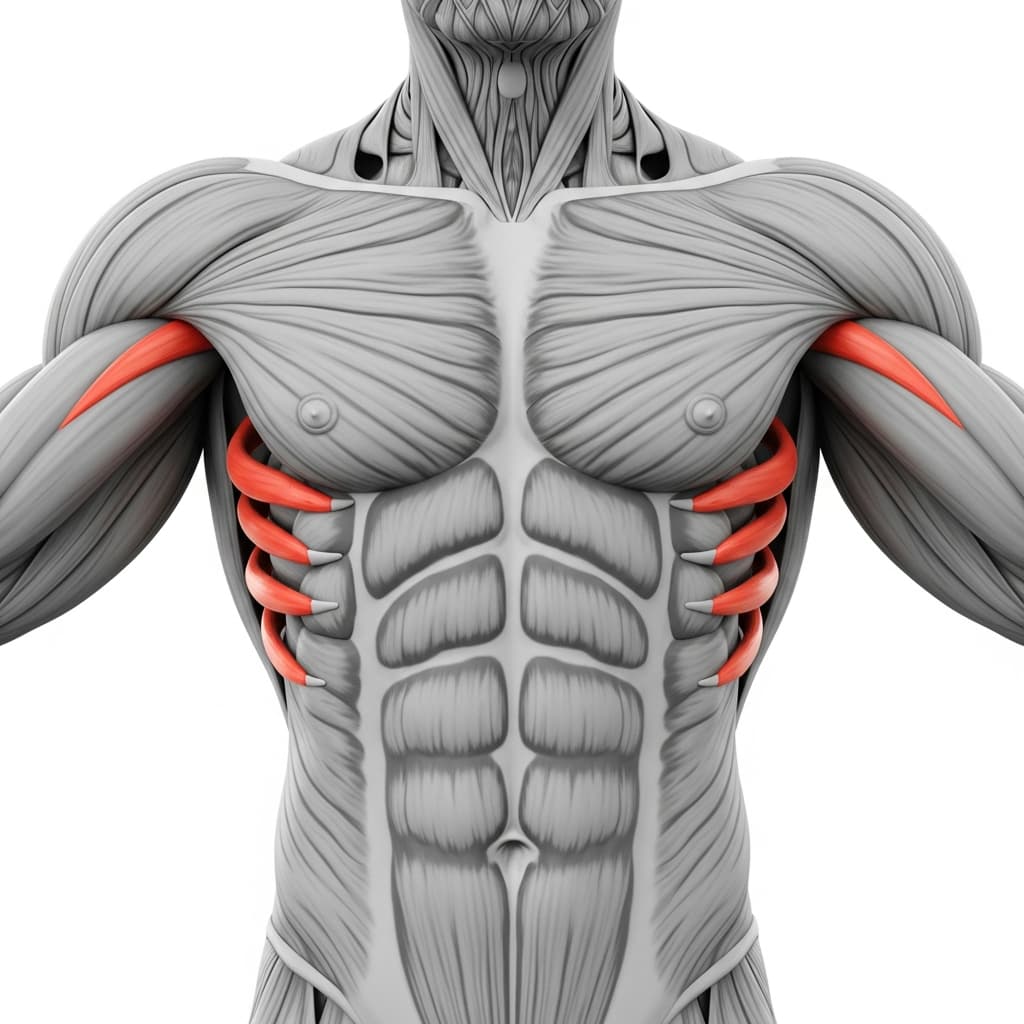
Primary Muscles
Triceps Brachii (Triceps) - The triceps are the primary movers in tiger push-ups, extending the elbow joint against bodyweight resistance through the full pressing phase of each rep.
Secondary Muscles
Pectoralis Major (Chest) - The chest assists during the pressing phase by helping to stabilize the shoulder joint, though the offset hand position significantly reduces its contribution compared to standard push-ups.
Anterior Deltoid (Front Deltoid) - The front deltoids stabilize the shoulder throughout the movement and assist in pressing the body back to the starting position, especially at the bottom of the range of motion.
Rectus Abdominis (Abs) - The abdominals hold the torso rigid in a straight line throughout the movement, preventing the hips from sagging and ensuring force transfers efficiently from the arms through the body.
Serratus Anterior (Serratus Anterior) - The serratus anterior protracts and stabilizes the scapula during the pressing phase, keeping the shoulder blades locked against the ribcage under load.
Benefits of Tiger Push Ups
- Isolates the triceps more effectively than any other push-up variation by positioning the shoulders behind the hands and forcing elbow-driven extension
- Builds the pressing strength and elbow stability needed for advanced calisthenics skills like planche lean push-ups and handstand push-ups
- Strengthens the long head of the triceps through a deep stretch at the bottom position, which standard push-ups and dips do not emphasize
- Requires zero equipment and can be performed anywhere, making it one of the most accessible tricep-dominant exercises in bodyweight training
Who Is This Exercise For?
You should be able to perform at least 10 clean standard push-ups with full range of motion and controlled tempo before attempting tiger push-ups. Diamond push-ups with elbows tracking close to your sides are the best preparation, as they build the tricep-dominant pressing pattern tiger push-ups require. If your elbows flare wide or your hips sag during diamond push-ups, you are not ready for this progression.
Common Mistakes to Avoid
Letting elbows flare out to the sides: Keep your elbows pointing straight back throughout the entire movement. When elbows flare wide, the chest and shoulders take over and the triceps lose their mechanical advantage.
Placing hands directly under the shoulders: Walk your hands slightly forward so your shoulders sit behind your wrists. Without this offset, the movement becomes a standard push-up and the tricep emphasis is lost.
Dropping the hips or losing core tension: Brace your core and squeeze your glutes before each rep. A sagging midsection puts stress on the lower back and makes it impossible to transfer force efficiently through the triceps.
Using momentum or rocking the body: Start each rep from a dead stop and press up with control. Rocking forward shifts the load onto the chest and shoulders, turning the exercise into a dive-bomber push-up instead of a tricep-focused movement.