Wide Push Ups
Wide push-ups are a chest-dominant push-up variation where the hands are placed significantly wider than shoulder width, shifting the load onto the outer chest and front deltoids. The wider hand position reduces triceps involvement and increases the stretch on the pectorals at the bottom of each rep. When performed with correct elbow tracking and full body tension, wide push-ups build horizontal pushing strength and chest development that transfers directly into dips, ring work, and planche progressions.
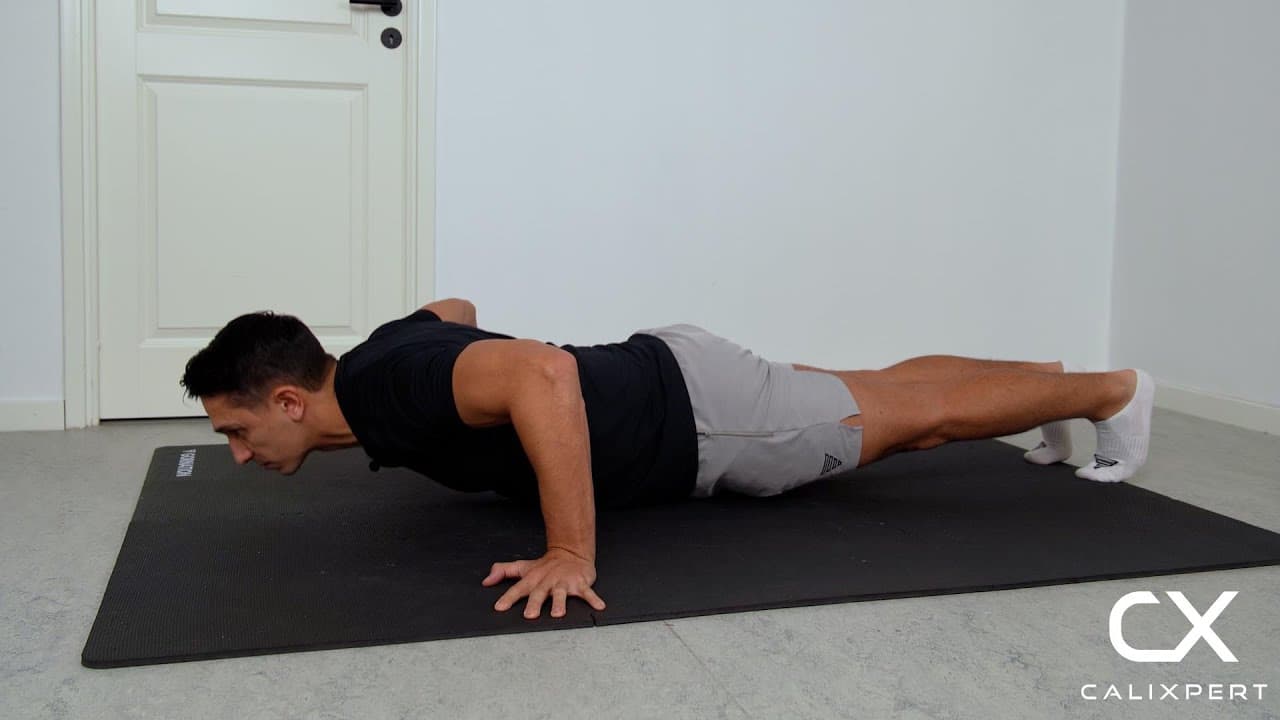
Wide push-ups are a chest-dominant push-up variation where the hands are placed significantly wider than shoulder width, shifting the load onto the outer chest and front deltoids. The wider hand position reduces triceps involvement and increases the stretch on the pectorals at the bottom of each rep. When performed with correct elbow tracking and full body tension, wide push-ups build horizontal pushing strength and chest development that transfers directly into dips, ring work, and planche progressions.
How to Do Wide Push Ups
1. Set Your Hand Position
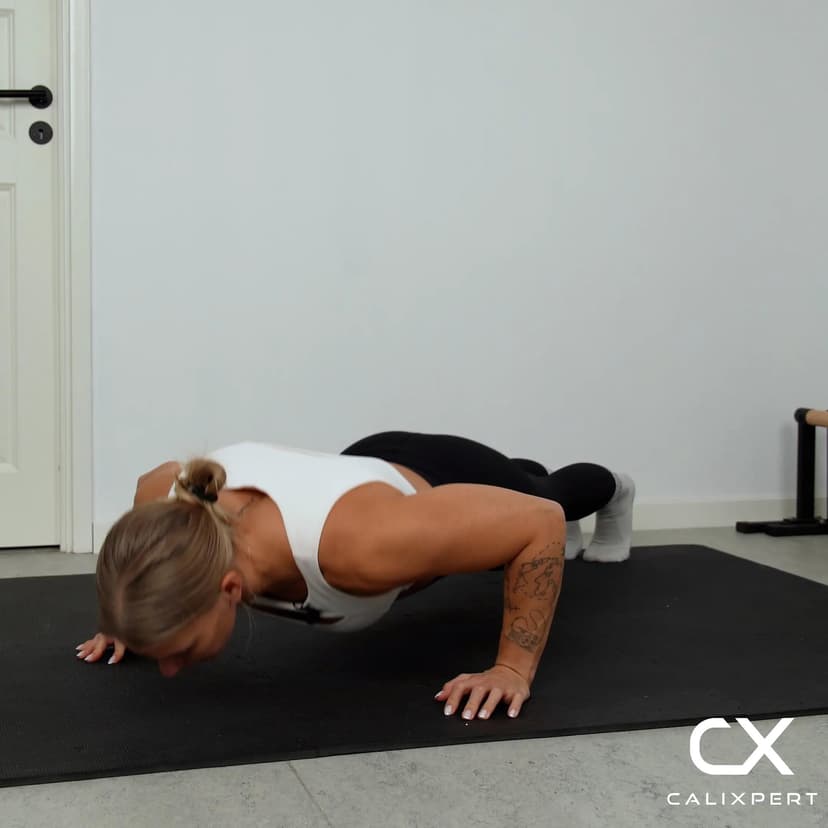
Place your hands on the ground roughly 1.5 times shoulder width apart, with your hands in line with your shoulders. Do not place them forward of your shoulders or behind them. Rotate your fingers slightly outward to reduce wrist strain and allow a more natural elbow path.
Hands wide, fingers turned slightly out
2. Lock In Full Body Tension
From the top position, squeeze your glutes, brace your abs, and press your legs together. Your body should form one rigid line from head to heels. This tension prevents your hips from sagging and keeps the load on your chest instead of dumping it into your lower back.
Squeeze everything from glutes to quads
3. Lower With Controlled Elbow Angle
Bend your elbows and lower your chest toward the ground. Your elbows should not point straight out to the sides. Angle them slightly backward so they track at roughly 45 to 60 degrees from your torso. Lower until your elbows reach a 90-degree bend and your chest is just above the floor.
Elbows angled back, not straight sideways
4. Look Slightly Forward
Keep your gaze directed a few inches in front of your hands rather than straight down. This small head position shift helps maintain a neutral spine and prevents your neck from dropping, which pulls the rest of your posture out of alignment.
Eyes just ahead of your fingertips
5. Push Through Your Palms
Press the ground away by driving through the heels of your palms. Focus on squeezing the chest at the top of each rep without locking out the elbows aggressively. Maintain your full body tension throughout the push so your hips rise at the same rate as your shoulders.
Push the floor away, chest tight at the top
Most people go too wide and turn this into a shoulder destroyer instead of a chest builder. Find the width where you feel a deep stretch across your chest at the bottom without any pinching in the front of the shoulder. If your shoulders hurt, bring the hands in slightly and angle the elbows back more.
Muscles Worked During Wide Push Ups
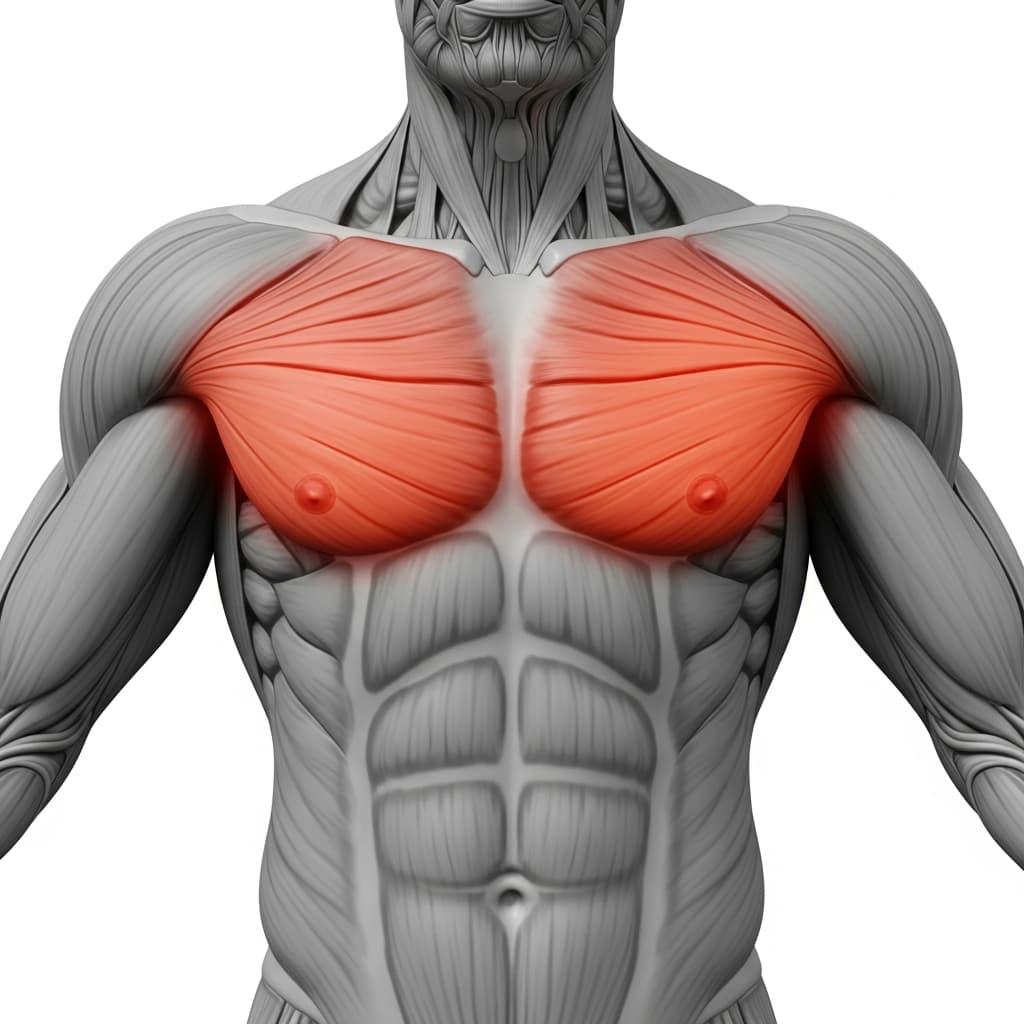
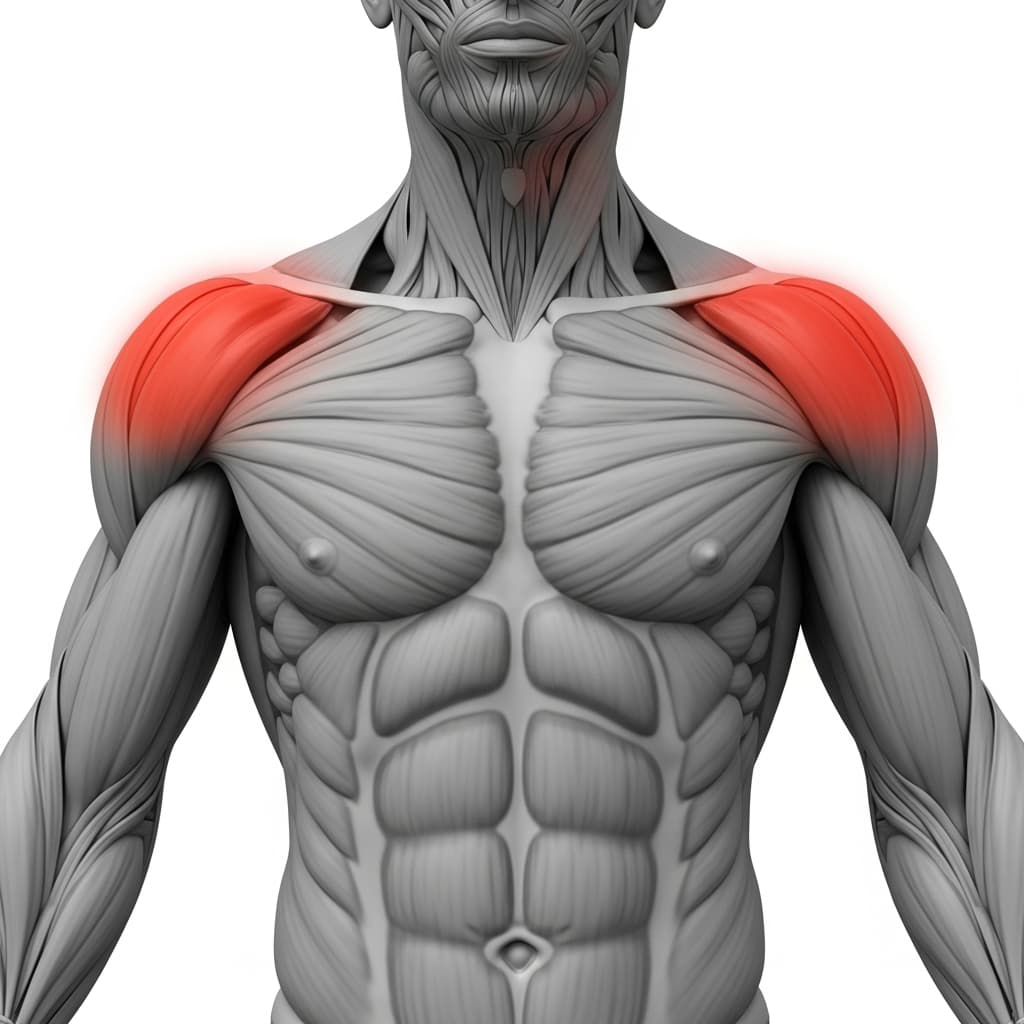
Primary Muscles:
Secondary Muscles:
Primary Muscles
Pectoralis Major (Chest) - The pectoralis major drives the horizontal pushing action and controls the lowering phase, working through a greater stretch than in standard push-ups due to the wider hand placement.
Anterior Deltoid (Front Deltoid) - The anterior deltoid assists the chest in pressing the body upward and stabilizes the shoulder joint throughout the wider arc of movement.
Secondary Muscles
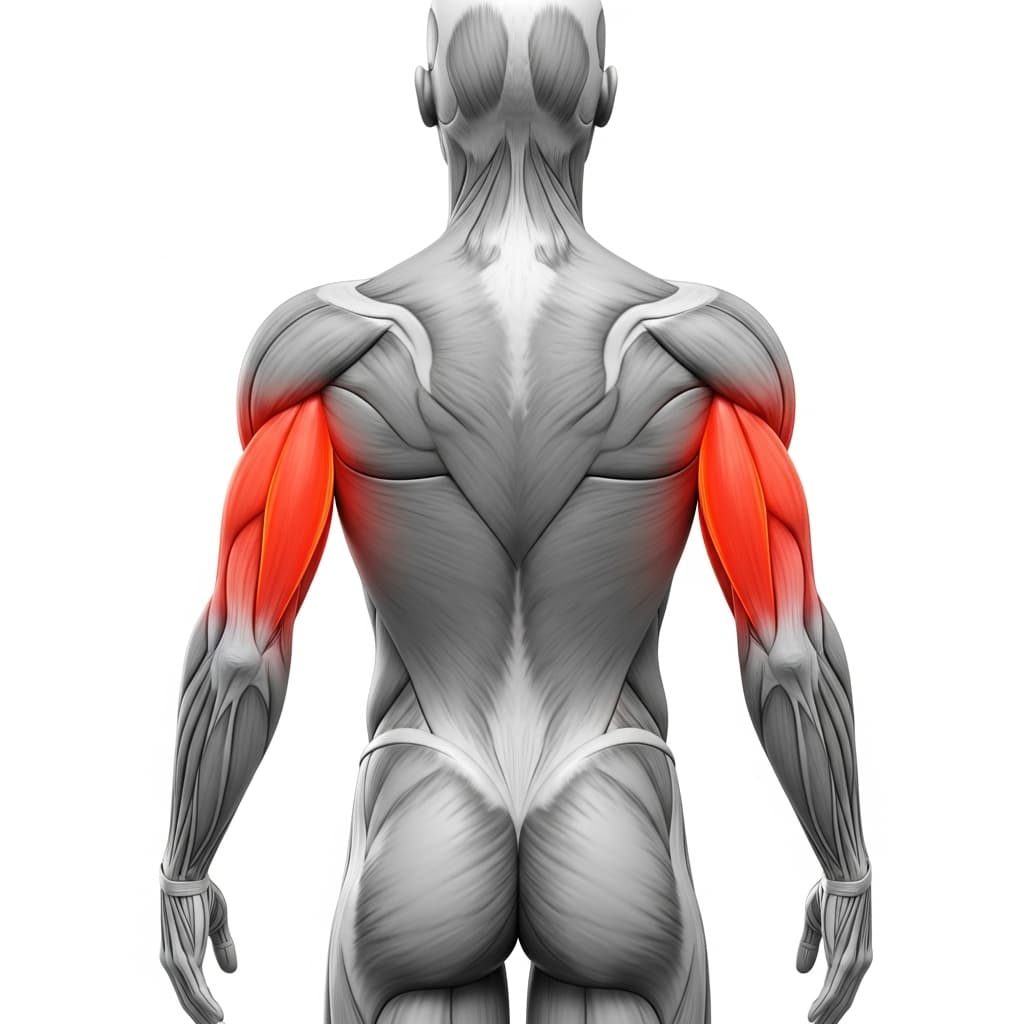
Triceps Brachii (Triceps) - The triceps extend the elbow during the pushing phase, though their contribution is reduced compared to a narrow grip because the wider hand position shortens their effective lever.
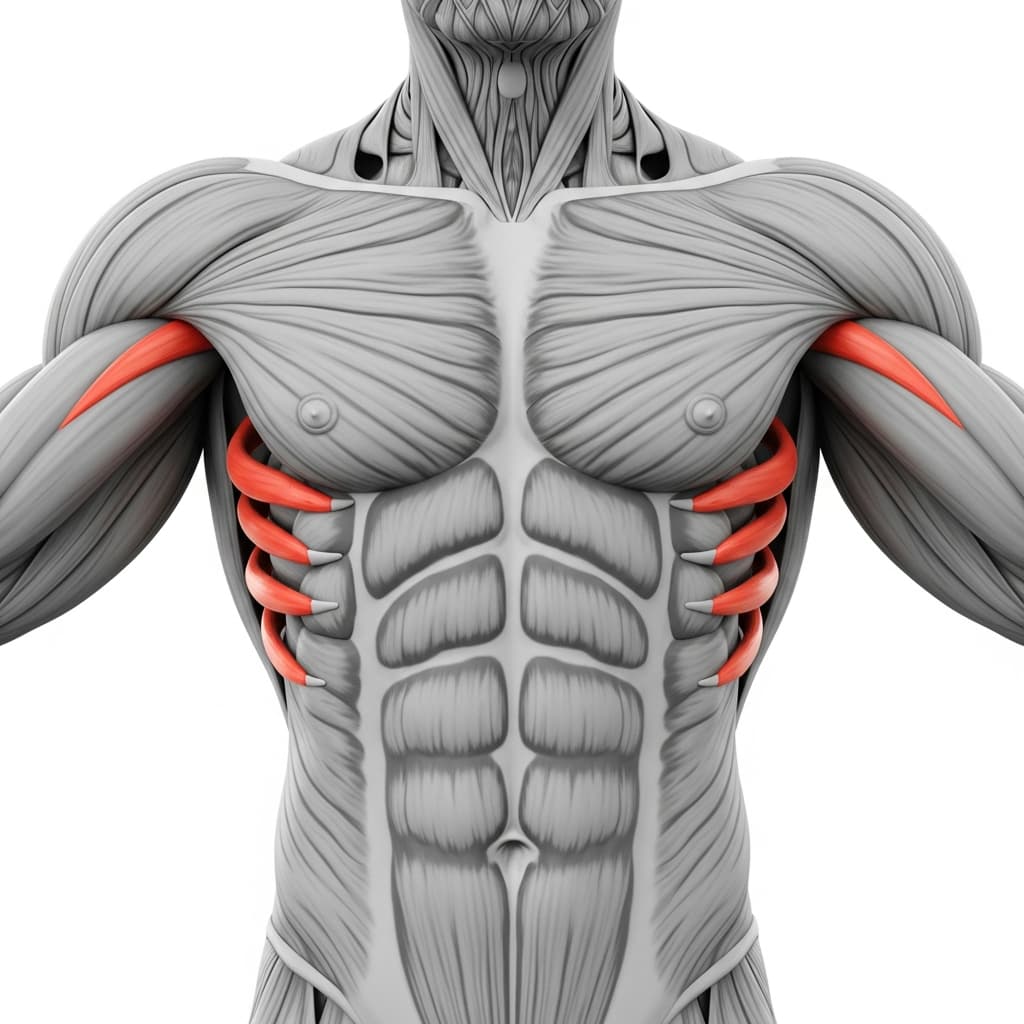
Serratus Anterior (Serratus Anterior) - The serratus anterior protracts the scapulae at the top of each rep, keeping the shoulder blades stable against the ribcage under load.
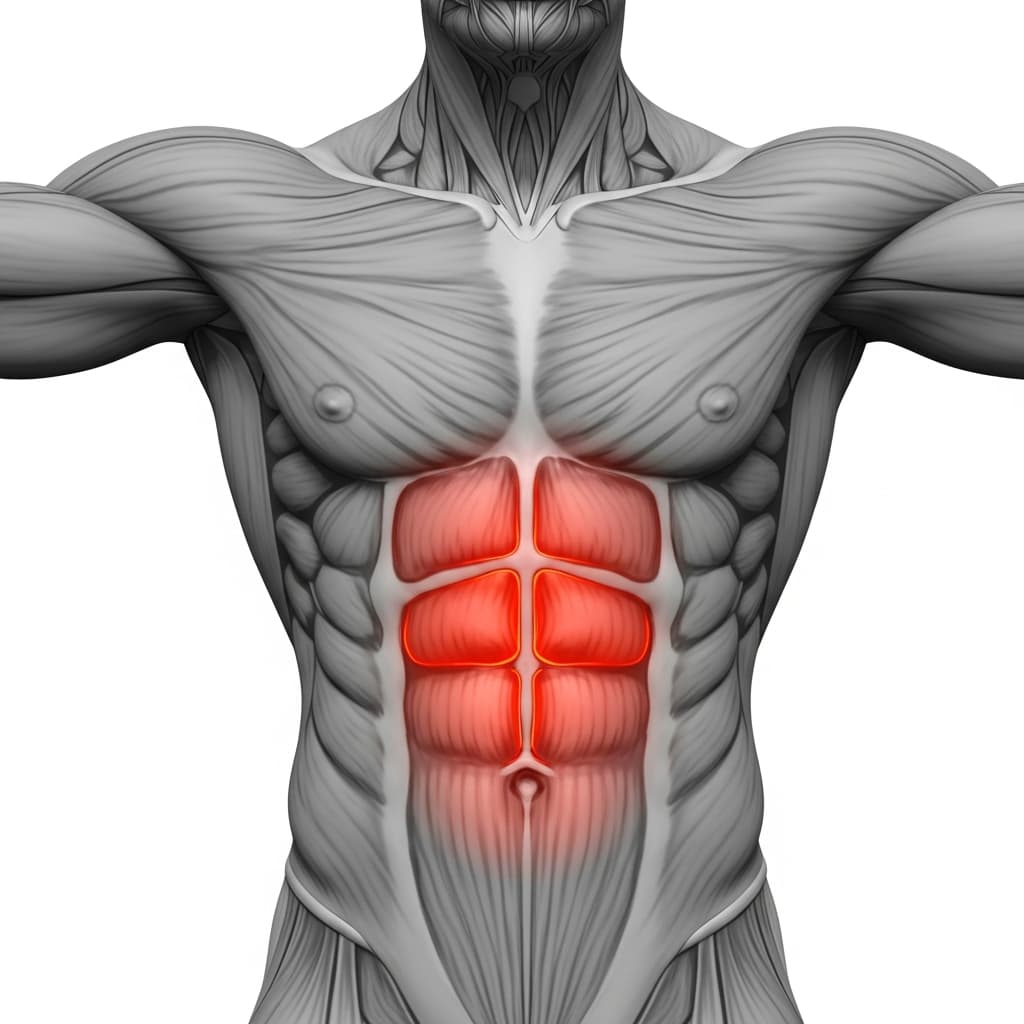
Rectus Abdominis (Abs) - The rectus abdominis and deep core muscles maintain a rigid torso line throughout the movement, preventing the hips from sagging under gravity.
Benefits of Wide Push Ups
- Increases chest activation compared to standard push-ups by placing the pectorals in a longer stretched position at the bottom of each rep
- Develops the serratus anterior through the full protraction required at the top of each rep, improving scapular stability for handstands and planche work
- Reduces triceps dominance in the push-up pattern, making it an effective tool for isolating chest weakness in athletes who over-rely on arm strength
- Builds shoulder stability in a wider range of abduction, which carries over to dips, ring push-ups, and muscle-up transitions
Who Is This Exercise For?
You should be able to perform at least 10 clean standard push-ups with full range of motion before moving to the wide variation. If your elbows flare uncontrollably or your hips sag during regular push-ups, fix those issues first because the wider hand position will amplify both problems.
Common Mistakes to Avoid
Flaring elbows straight out to 90 degrees: Angle your elbows slightly backward throughout the movement. Letting them point straight sideways places excessive stress on the shoulder joint and rotator cuff, especially under fatigue.
Hands placed in front of the shoulders: Position your hands directly in line with your shoulders, not forward toward your head. When the hands drift forward, the movement shifts into an awkward hybrid that overloads the front deltoids and reduces chest activation.
Letting hips sag or pike up: Squeeze your glutes and brace your core before every rep. If you cannot maintain a straight body line for the full set, reduce the rep count or elevate your hands to an incline surface.
Cutting depth short: Lower until your elbows reach at least a 90-degree angle and your chest is close to the floor. Partial reps reduce the stretch on the chest, which is the main reason you are using a wide hand position in the first place.