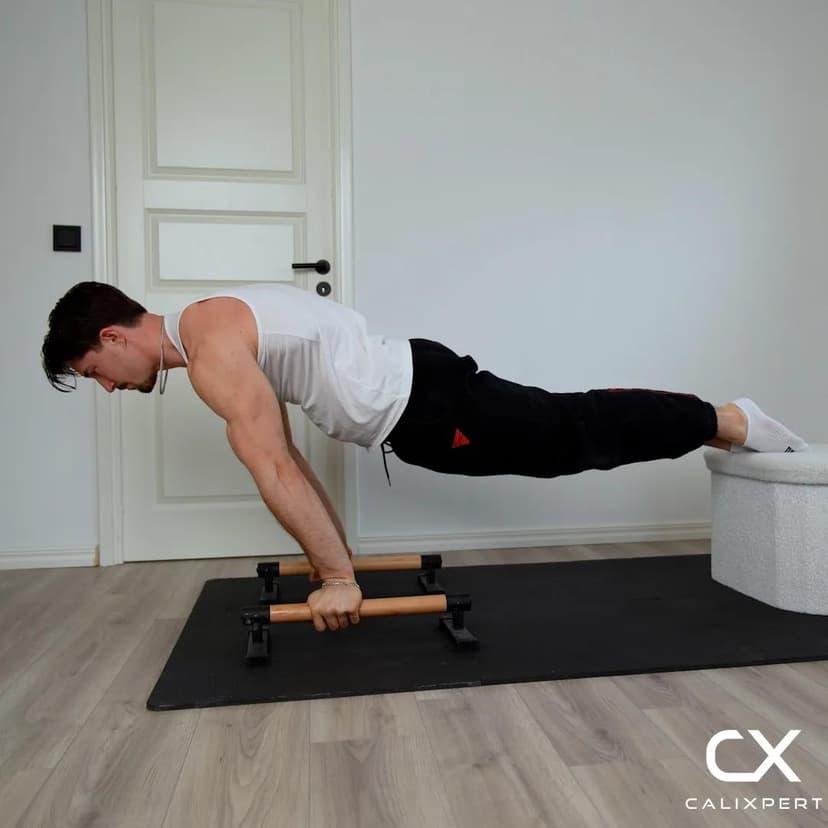
Reversed Bulgarian Split Squat
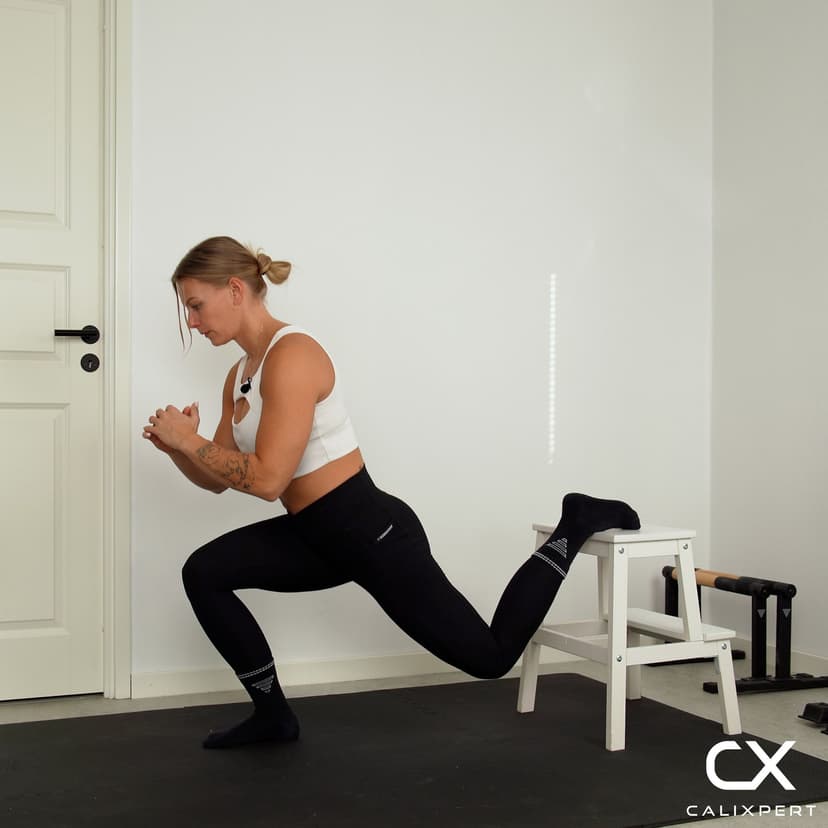
The Reversed Bulgarian Split Squat is a single-leg squat variation where the back foot is elevated and you intentionally drive the front knee far over the toes while leaning forward. This knee-over-toe emphasis shifts the load heavily onto the quadriceps, while the glutes, hamstrings, and calves work to stabilize and control the deep range of motion. It is one of the most effective calisthenics exercises for building bulletproof knees, deep single-leg strength, and ankle mobility that transfers directly to pistol squats and advanced leg skills.
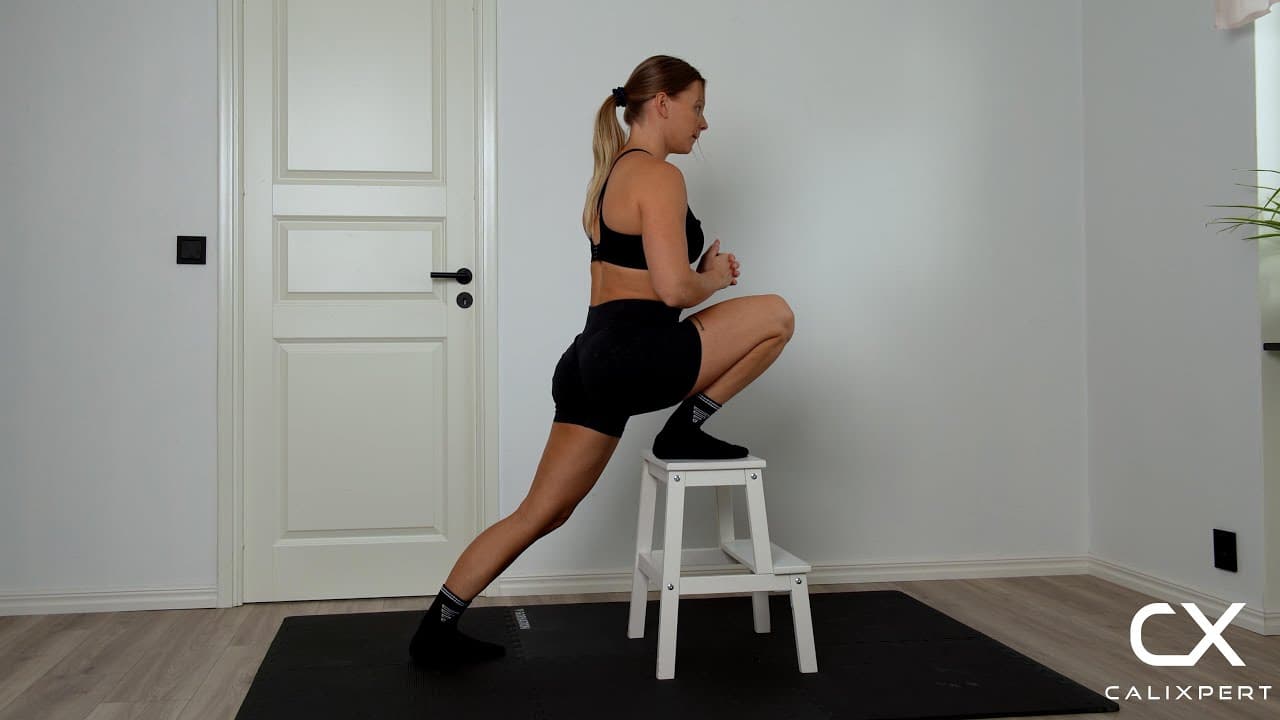
The Reversed Bulgarian Split Squat is a single-leg squat variation where the back foot is elevated and you intentionally drive the front knee far over the toes while leaning forward. This knee-over-toe emphasis shifts the load heavily onto the quadriceps, while the glutes, hamstrings, and calves work to stabilize and control the deep range of motion. It is one of the most effective calisthenics exercises for building bulletproof knees, deep single-leg strength, and ankle mobility that transfers directly to pistol squats and advanced leg skills.
How to Do Reversed Bulgarian Split Squat
1. Set Up the Elevated Surface
Place a bench, box, or sturdy surface at approximately knee height behind you. A lower surface makes the exercise easier, so start at knee height and adjust based on your mobility. Make sure the surface is stable and will not slide during the movement.
Knee height to start, lower if needed
2. Position Your Feet Correctly
Stand with your back to the bench and place the top of one foot on the surface behind you. Keep a hip-width distance between your front and back foot laterally, not in a tightrope stance. Your front foot should be flat on the ground with the heel firmly planted. Square your hips forward and brace your core before initiating the descent.
Hip width apart, heel flat, hips square
3. Lean Forward and Drive Knee Over Toes
Lower yourself by bending the front knee and deliberately leaning your torso forward toward that knee. Push the knee as far over the toes as your ankle mobility allows while keeping the heel on the ground. This forward lean and deep knee position is what separates this variation from a standard Bulgarian split squat. Control the descent for a full 2 to 3 seconds to build strength through the entire range.
Lean in, knee over toes, heel down
4. Reach Full Depth
Continue lowering until the back knee is close to the ground or until you reach the limit of your ankle and hip mobility. At the bottom, your shin angle should be steep and your torso should be tilted forward over the front thigh. Maintain tension in the quads and glutes throughout the bottom position.
Go as deep as your mobility allows
5. Push Back Up With Core Engaged
Drive through the entire front foot to push yourself back to the starting position. Keep your core braced throughout the ascent to prevent your torso from swaying or rotating. The push should come entirely from the front leg, with the back foot serving only as a balance point. Exhale as you push up and fully extend the front knee and hip at the top.
Push through the front foot, brace the core
Most people treat this like a regular split squat and stay too upright. The whole point is the forward lean and the deep knee drive over the toes. Think about pushing your shin forward as far as it will go while keeping the heel glued to the floor. That is where the real quad and ankle work happens, and it is what makes this variation so effective for building knees that can handle anything.
Muscles Worked During Reversed Bulgarian Split Squat
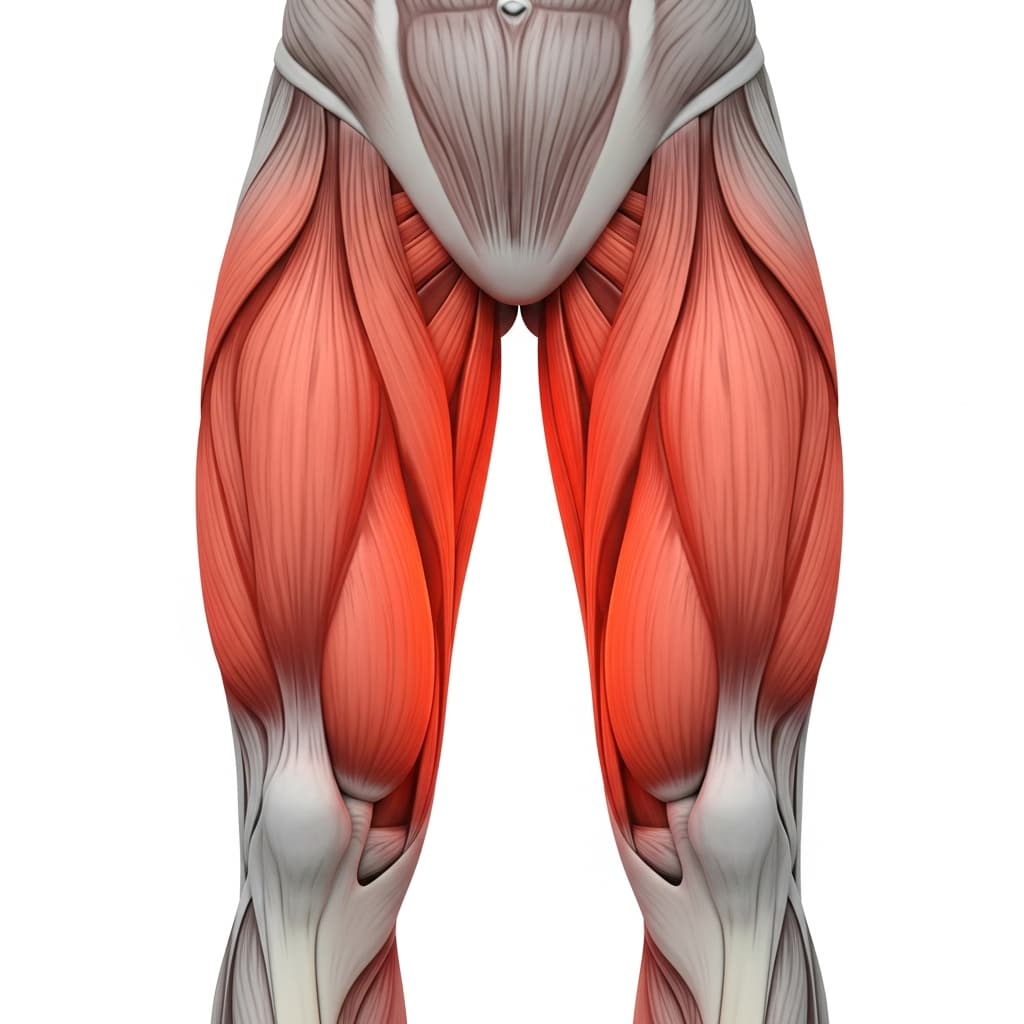
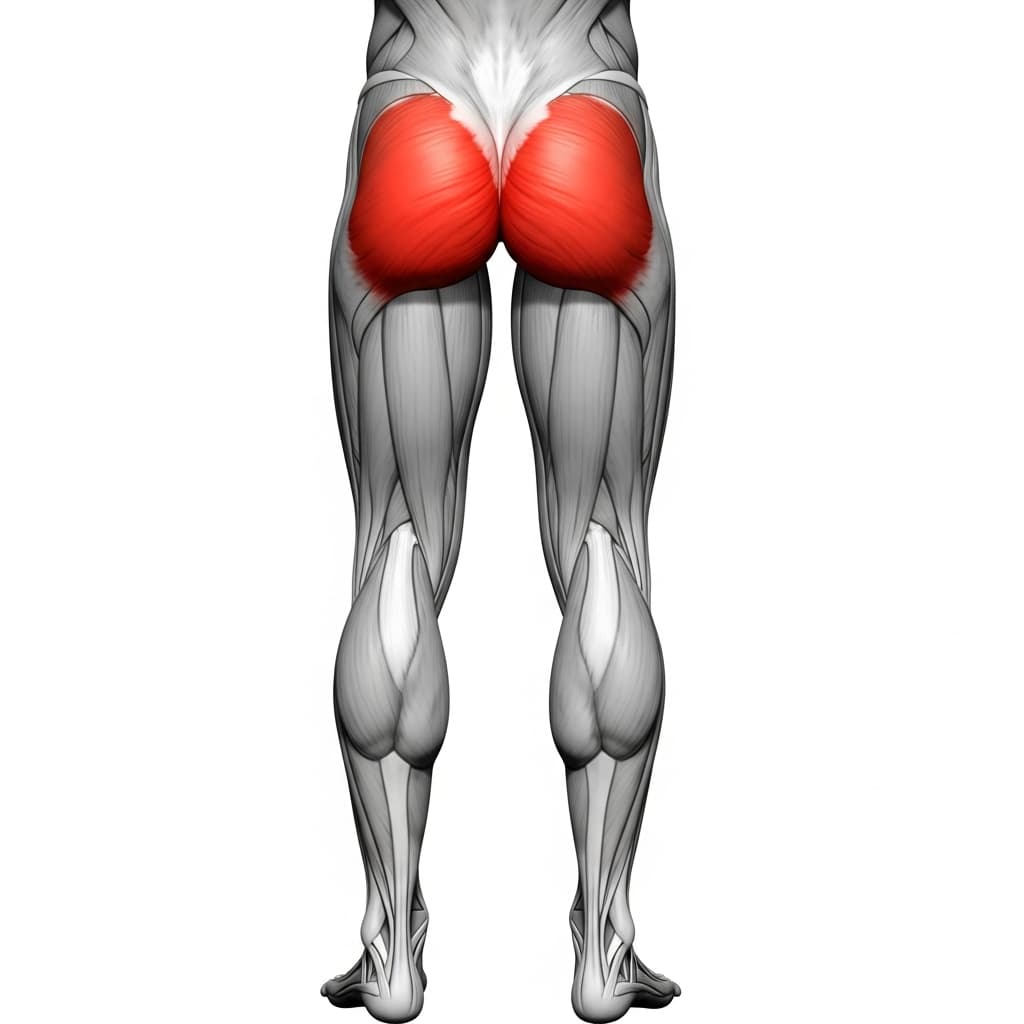
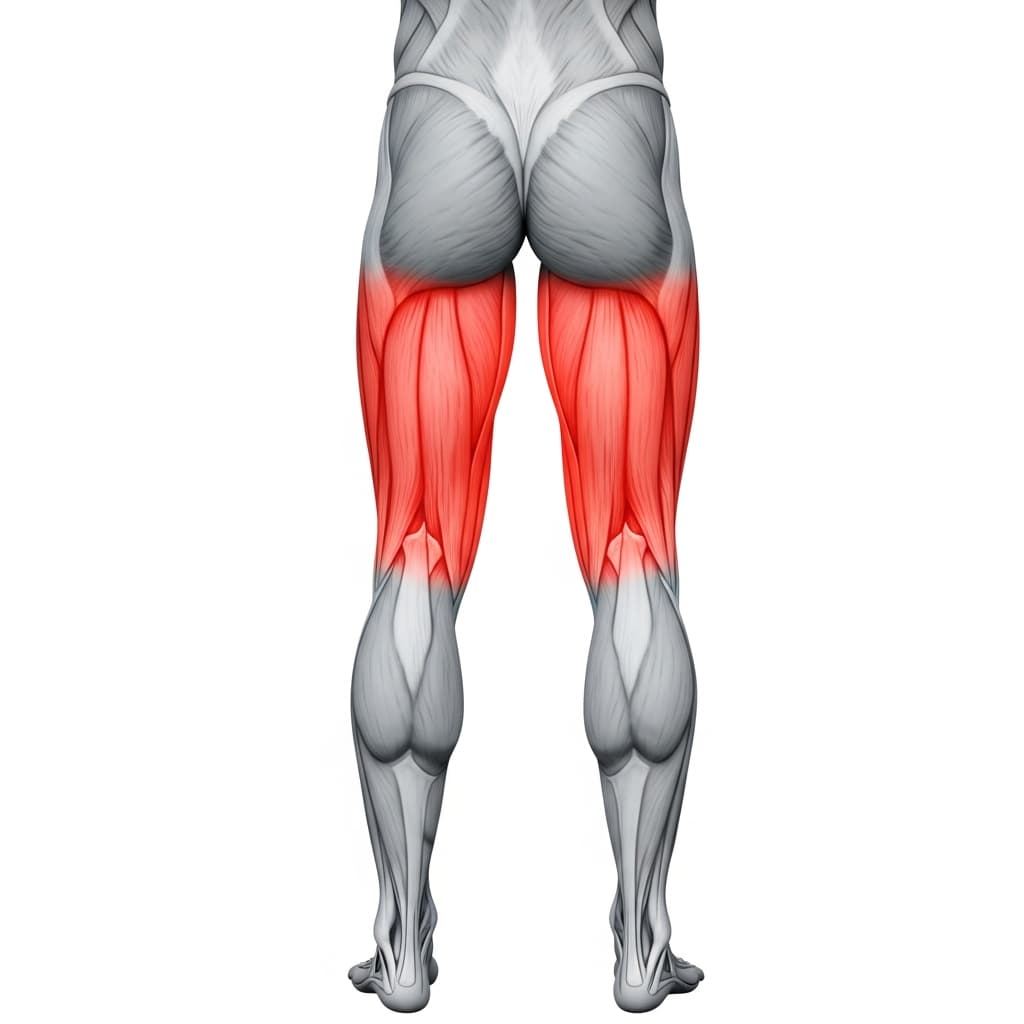
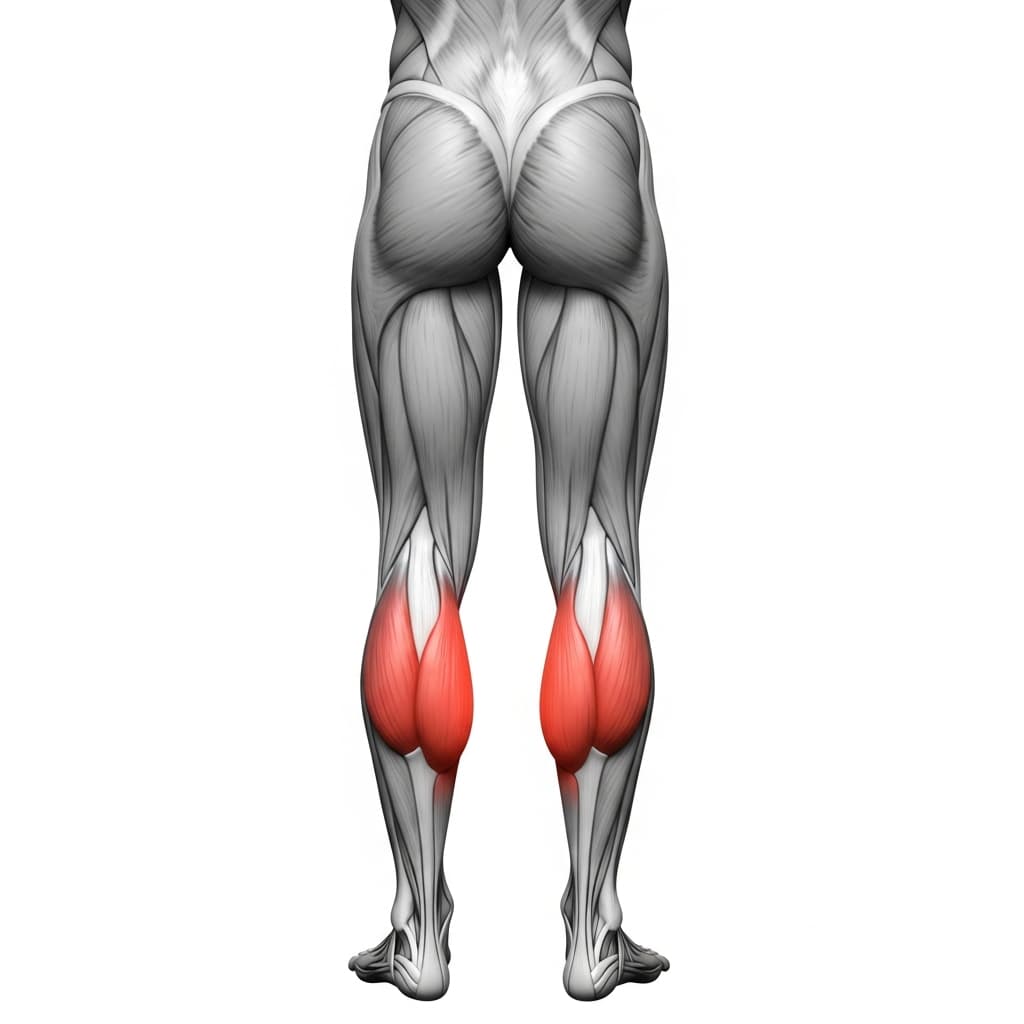
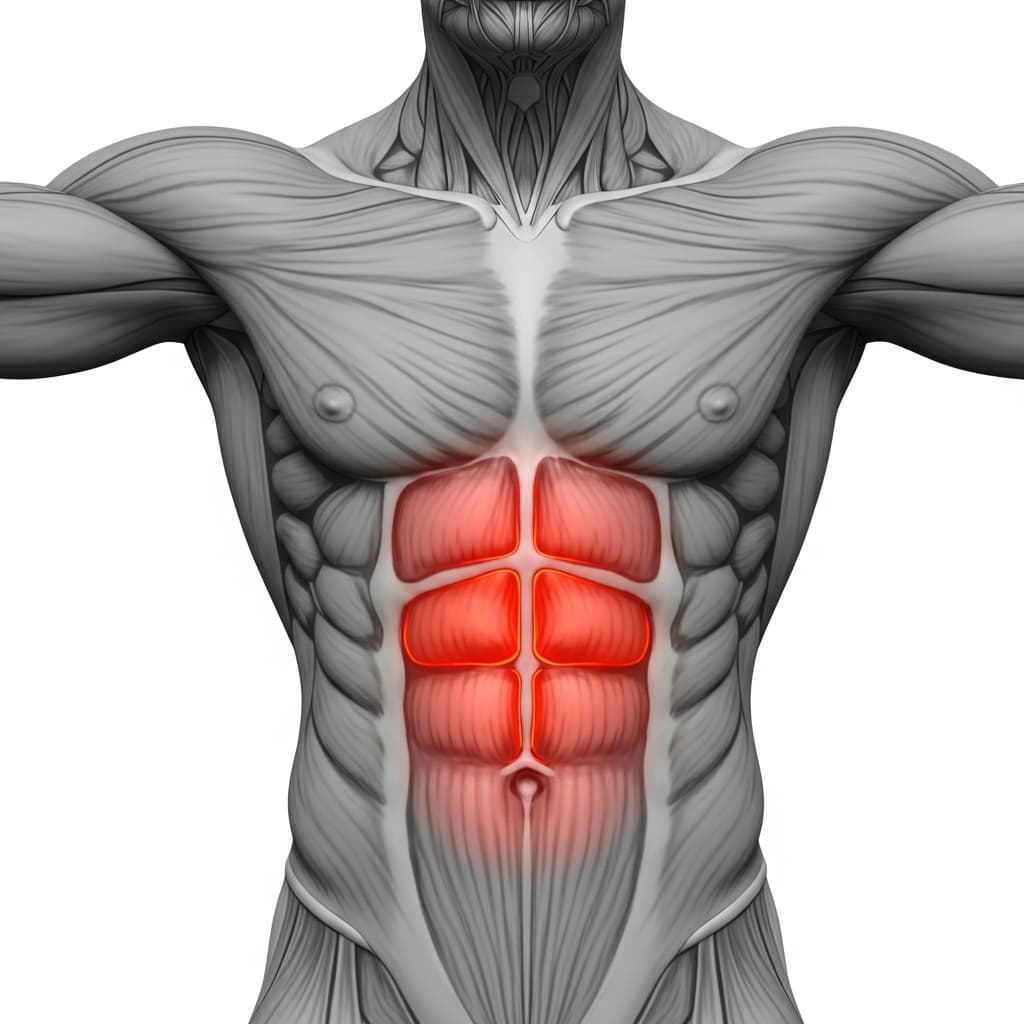
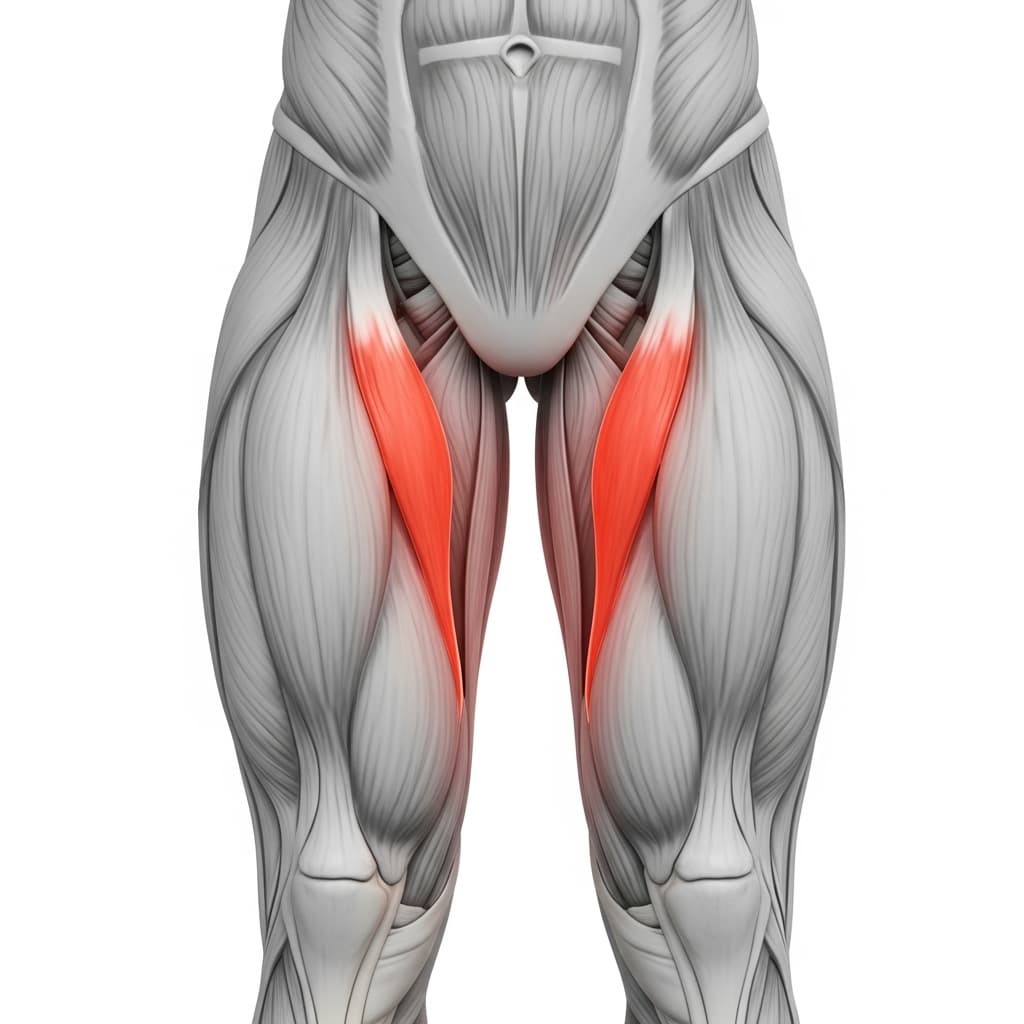
Primary Muscles
Quadriceps (Quads) - The quadriceps drive the knee extension on the way up and control the deep knee flexion on the way down, working through an extended range of motion due to the knee-over-toe position.
Gluteus Maximus (Glutes) - The glutes extend the hip as you push out of the bottom position and stabilize the pelvis throughout the single-leg stance.
Secondary Muscles
Hamstring Group (Hamstrings) - The hamstrings work as secondary hip extensors during the ascent and help control the rate of descent during the lowering phase.
Gastrocnemius & Soleus (Calves) - The calves stabilize the ankle joint and control dorsiflexion as the knee drives forward over the toes during the descent.
Rectus Abdominis (Abs) - The abdominals brace the trunk and prevent excessive forward collapse or lateral rotation during the forward-leaning single-leg position.
Hip Adductors (Adductors) - The adductors stabilize the inner thigh and prevent the knee from collapsing inward during the deep single-leg squat position.
Benefits of Reversed Bulgarian Split Squat
- Builds deep single-leg quad strength through a range of motion that most bilateral exercises cannot reach
- Develops ankle dorsiflexion and knee resilience by training the knee-over-toe position under load
- Corrects left-to-right strength and mobility imbalances by isolating each leg independently
- Strengthens the stabilizing muscles of the hip and ankle, which directly improves balance for pistol squats and advanced leg skills
- Targets the VMO and lower quad fibers that protect the knee joint during deep flexion movements
Who Is This Exercise For?
You should be able to perform 8 to 10 standard bodyweight squats with full depth and controlled tempo before attempting this exercise. Comfortable single-leg balance and basic ankle mobility are also required, so practice regular lunges and bodyweight Bulgarian split squats first. If you experience sharp knee pain during deep knee flexion or cannot keep your heel flat on the ground, work on ankle dorsiflexion and quad flexibility before progressing to this variation.
Common Mistakes to Avoid
Lifting the front heel off the ground: Keep your entire front foot flat on the ground throughout the movement. If your heel rises, it means your ankle mobility is the limiting factor. Lower the bench height or place a small wedge under your heel while you work on ankle dorsiflexion.
Staying too upright instead of leaning forward: The forward lean is what defines this variation and loads the quads through a deep range. Intentionally tilt your torso toward the front knee as you descend. Staying upright turns this into a standard Bulgarian split squat and removes the knee-over-toe benefit.
Pushing off the back foot: The back foot is only there for balance. All of the driving force should come from the front leg. If you feel your back foot doing significant work, shift more weight forward over the front knee.
Letting the front knee collapse inward: Track your knee directly over the second and third toe throughout the entire movement. If the knee caves inward, it reduces stability and places stress on the medial ligaments. Actively press the knee outward as you descend.
Variations & Progressions
Low Surface Reversed Split Squat
Use a surface at mid-shin height instead of knee height. The lower elevation reduces the range of motion and balance demand, making it accessible for beginners who are building ankle mobility.