Negative Chin Ups
Negative chin-ups isolate the eccentric (lowering) phase of the chin-up, training the lats, biceps, forearms, and upper back through a slow, controlled descent. By starting at the top of the movement using a box, you skip the hardest part of the pull and focus entirely on resisting gravity on the way down. This makes negative chin-ups one of the most effective progressions for anyone working toward their first full chin-up or pull-up.
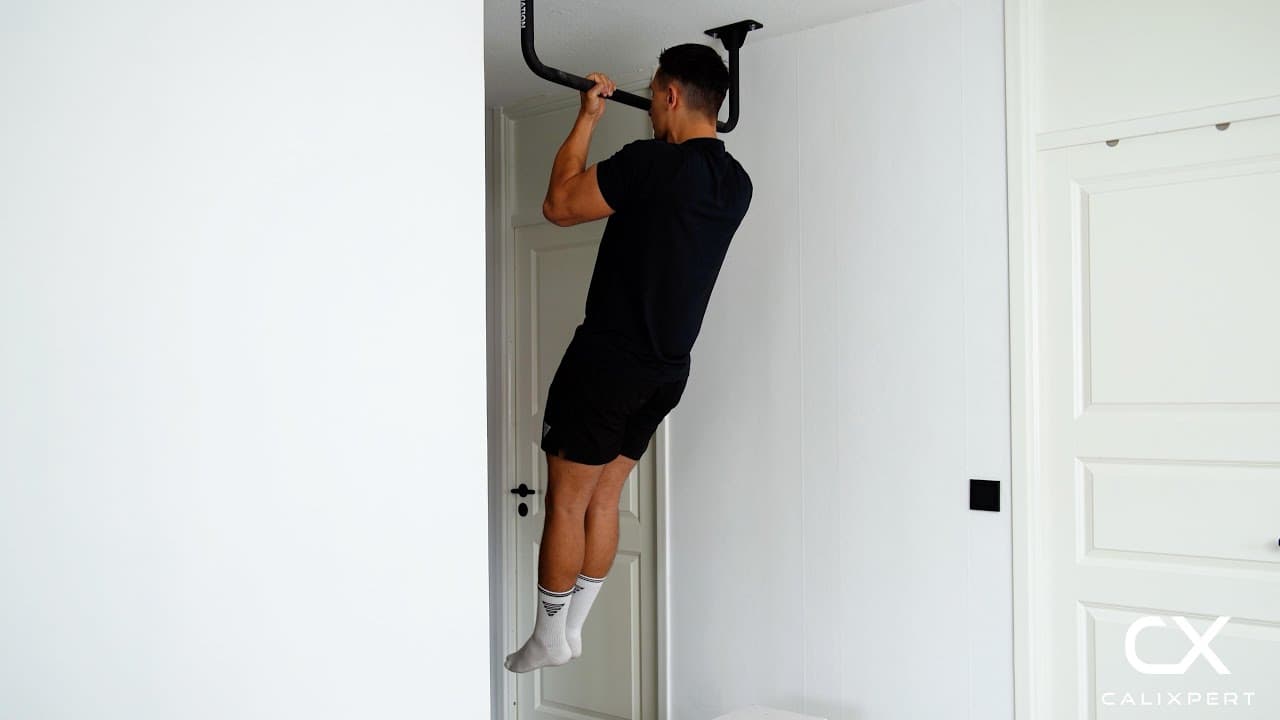
Negative chin-ups isolate the eccentric (lowering) phase of the chin-up, training the lats, biceps, forearms, and upper back through a slow, controlled descent. By starting at the top of the movement using a box, you skip the hardest part of the pull and focus entirely on resisting gravity on the way down. This makes negative chin-ups one of the most effective progressions for anyone working toward their first full chin-up or pull-up.
How to Do Negative Chin Ups
1. Set Up the Box and Bar
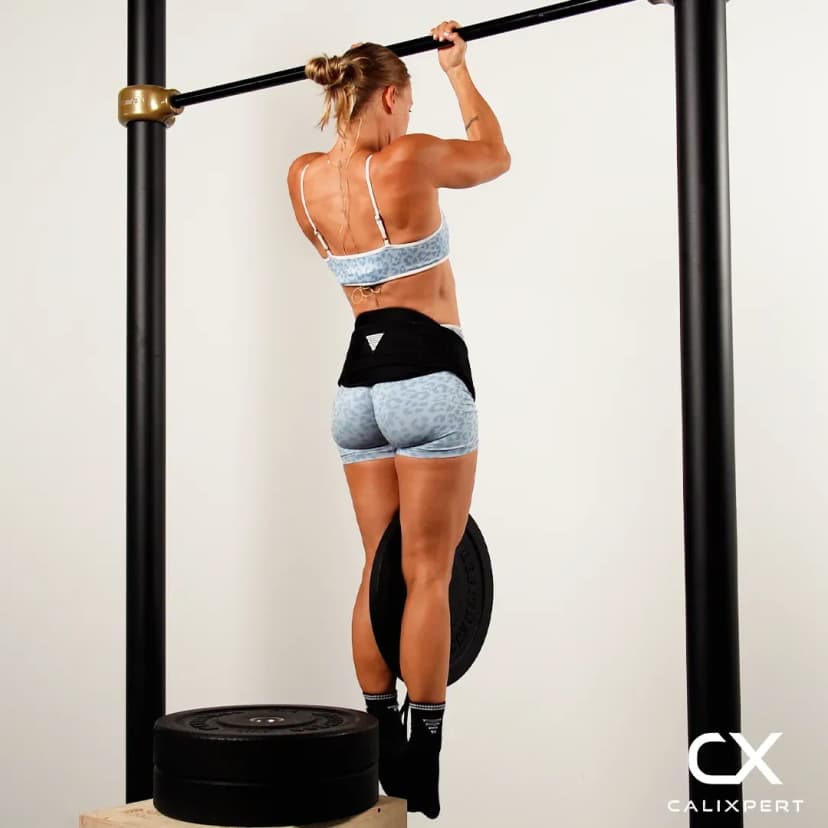
Place a box or sturdy platform beneath a pull-up bar. The box should be high enough that when you stand on it, your chin is already level with or above the bar. If the box is too low, you will have to jump into position, which makes it harder to start each rep with control.
Chin above the bar before you start
2. Grip the Bar Underhand
Grab the bar with an underhand grip, palms facing toward you. Place your hands slightly narrower than shoulder width apart. This grip is more comfortable on the wrists and allows a stronger bicep contribution during the descent. Wrap your thumbs fully around the bar for a secure hold.
Palms toward you, narrower than shoulders
3. Step Into the Top Position
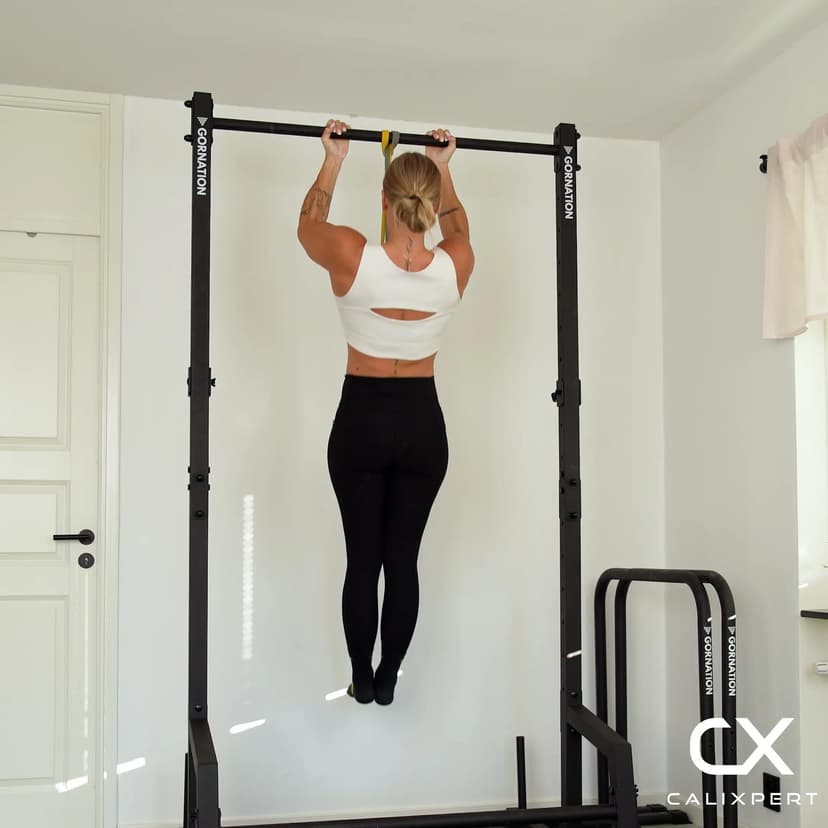
Step off the box so your full bodyweight hangs from the bar with your chin clearly above it. Engage your shoulder blades by pulling them down and together. Keep your chest lifted and your core braced to prevent swinging.
Shoulders set, chest up, no swing
4. Lower Yourself Slowly
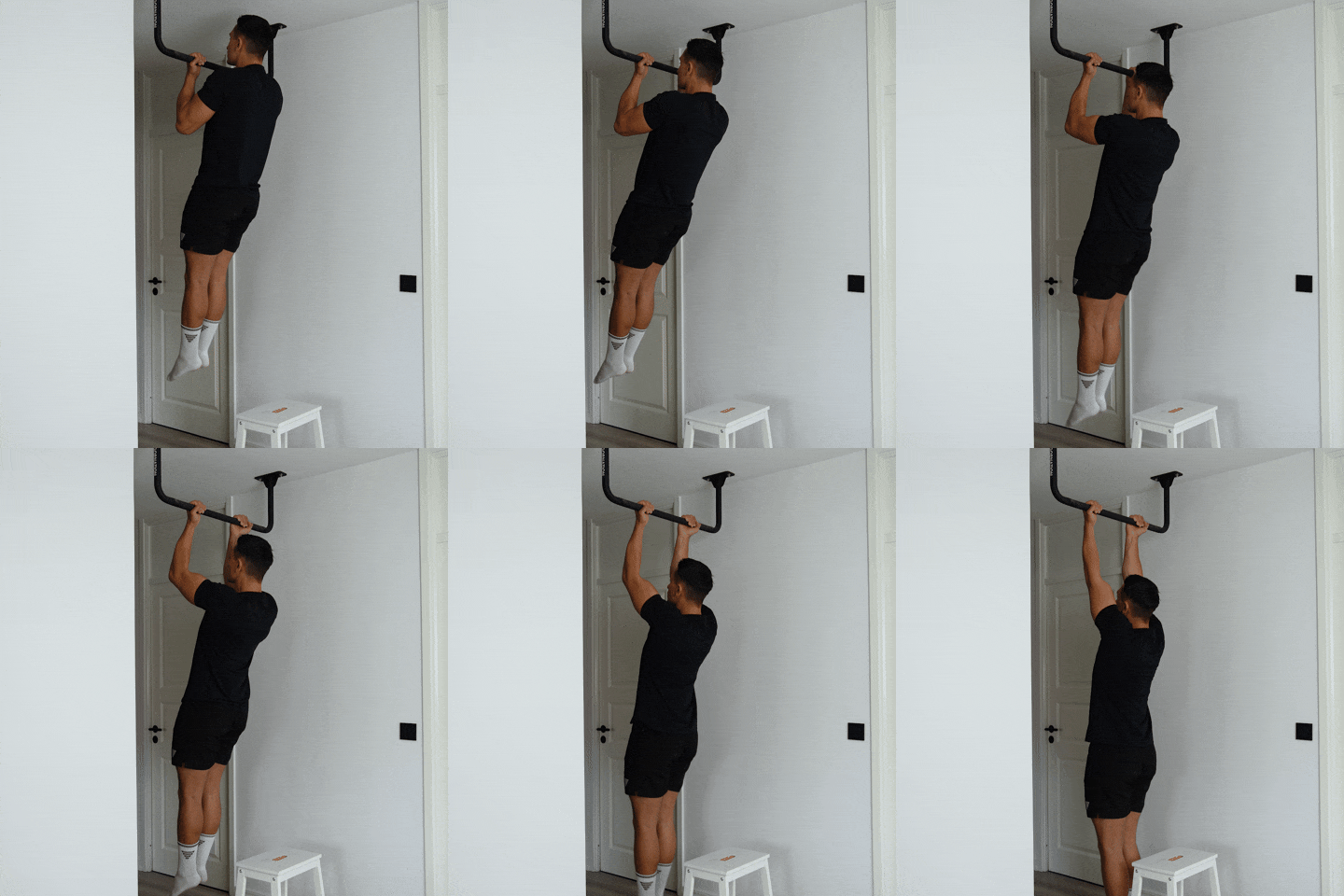
Begin lowering your body by slowly extending your arms while resisting gravity the entire way down. Focus on engaging your back muscles rather than just relaxing through the biceps. Aim for a 3 to 4 second descent on every rep. Maintain a slight hollow body position to keep your core active and prevent swaying.
Three to four seconds down, never drop
5. Reach Full Extension
Continue lowering until your arms are completely straight and you are in a dead hang. Do not stop short of full extension, as the bottom portion of the movement is where most people are weakest. Controlling this last stretch builds the strength needed for the initial pull of a full chin-up.
Straight arms at the bottom, every rep
6. Reset and Repeat
Step back onto the box and return to the top position with your chin above the bar. Re-engage your shoulder blades and brace your core before stepping off again. Do not rush the reset. Each rep should start from a controlled, stable position.
Reset fully, no sloppy starts
Most people rush the descent because they focus on getting reps done. The entire point of a negative is time under tension, not rep count. If you can only do 3 reps at a true 4-second descent, that is worth more than 8 reps where you drop in under a second. Slow down, feel your back working, and count every second on the way down.
Muscles Worked During Negative Chin Ups
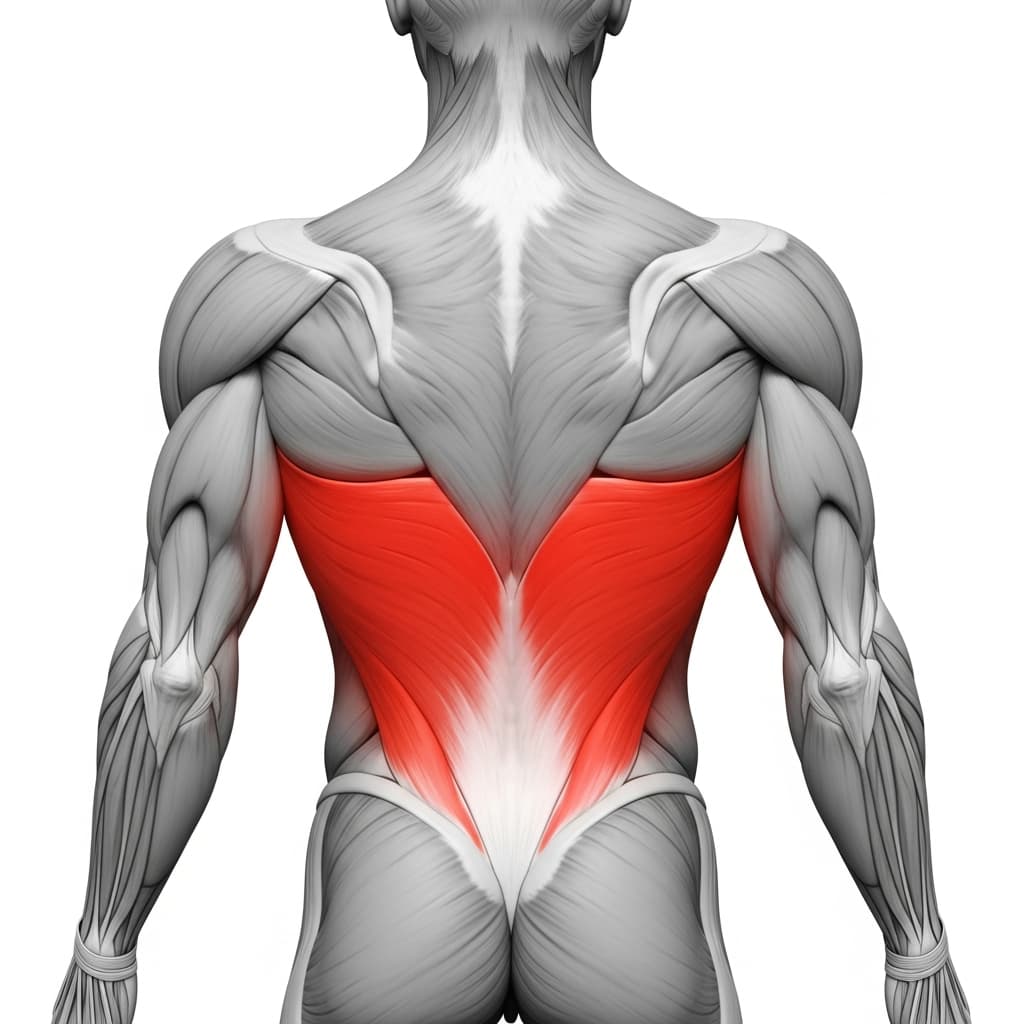
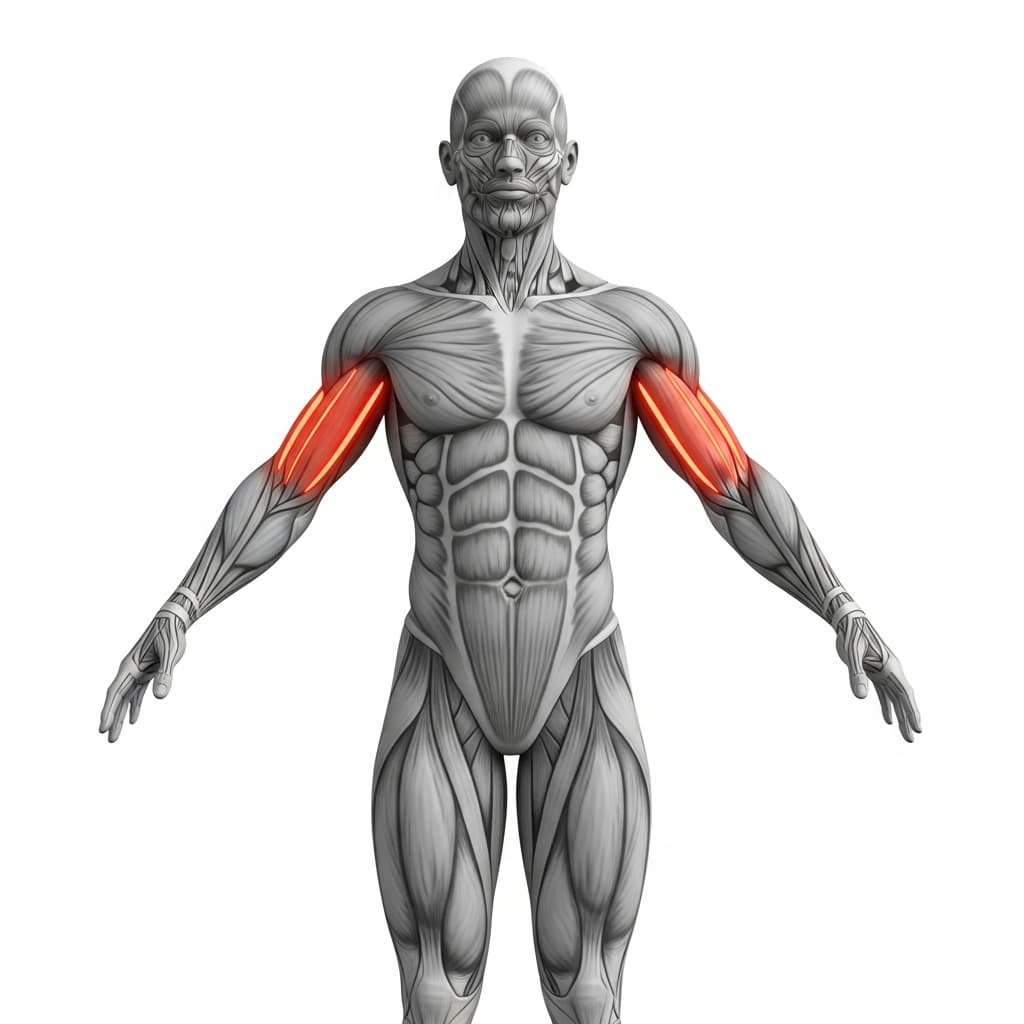
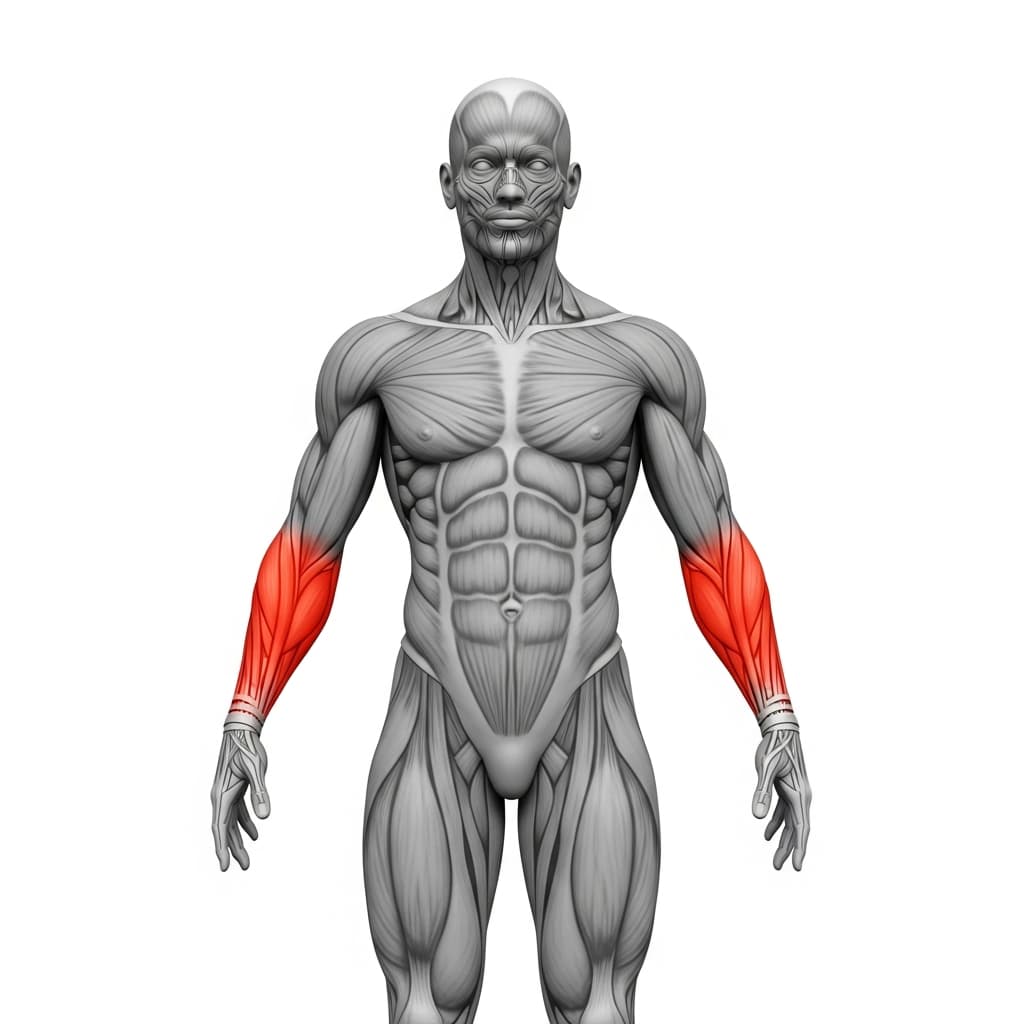
Secondary Muscles:
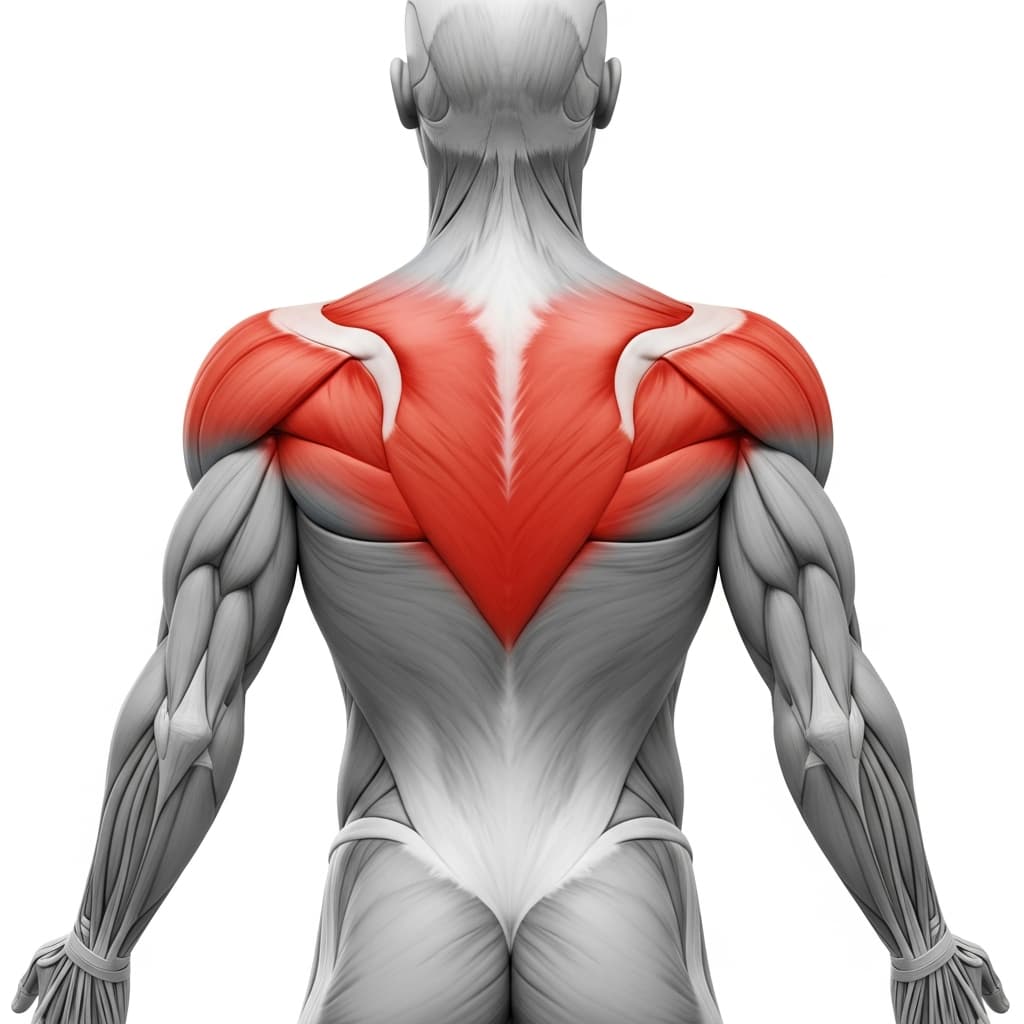
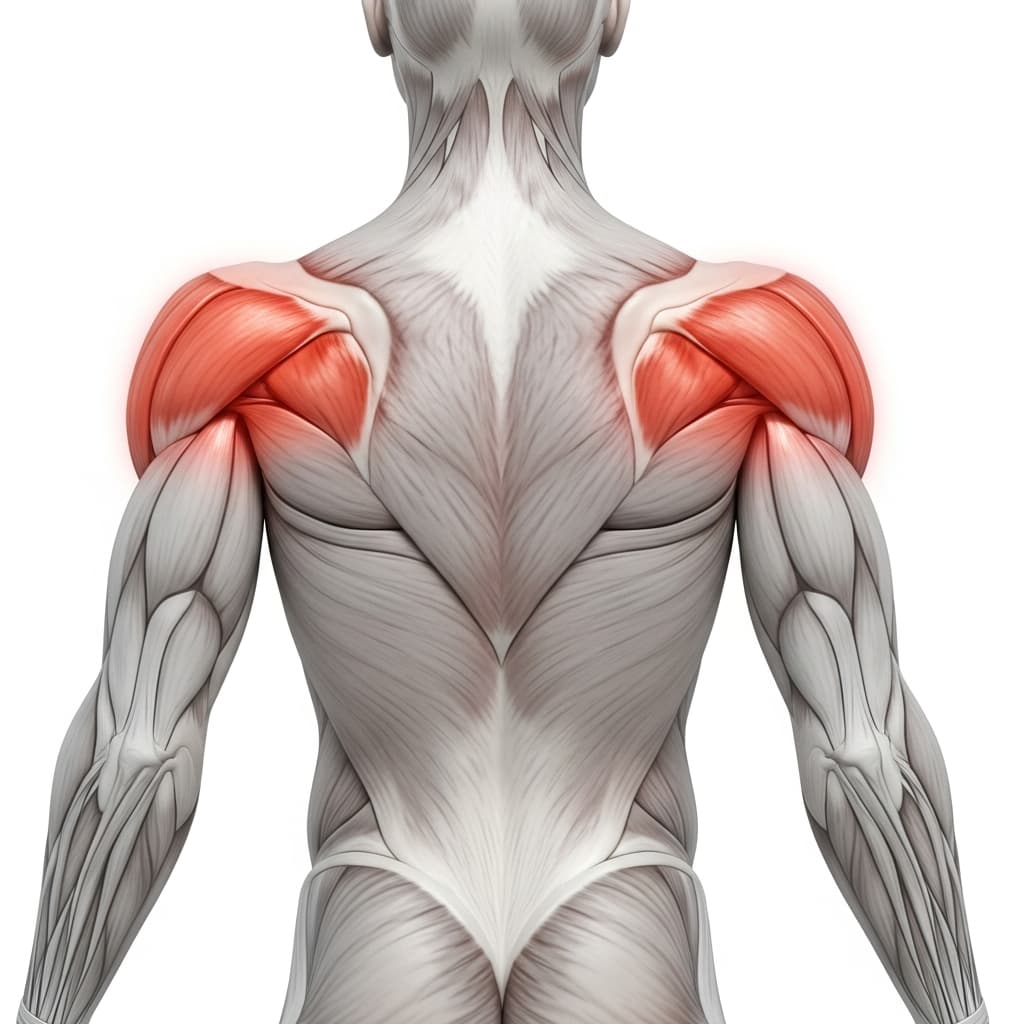
Primary Muscles
Latissimus Dorsi (Lats) - The lats control the deceleration of your body as you lower from the top position, resisting shoulder flexion and arm extension throughout the descent.
Biceps Brachii (Biceps) - The biceps resist elbow extension under load during the lowering phase, working eccentrically to slow the straightening of the arms.
Secondary Muscles
Forearm Flexors & Extensors (Forearms) - The forearm flexors maintain grip on the bar throughout the sustained hang and controlled descent, working under constant tension.
Rhomboids & Upper Trapezius (Upper Back) - The upper back muscles, including the rhomboids and mid-traps, stabilize the shoulder blades in a retracted position during the controlled lowering.
Posterior Deltoid (Rear Deltoid) - The rear deltoids assist in controlling shoulder extension and keeping the upper arm path stable as the body lowers away from the bar.
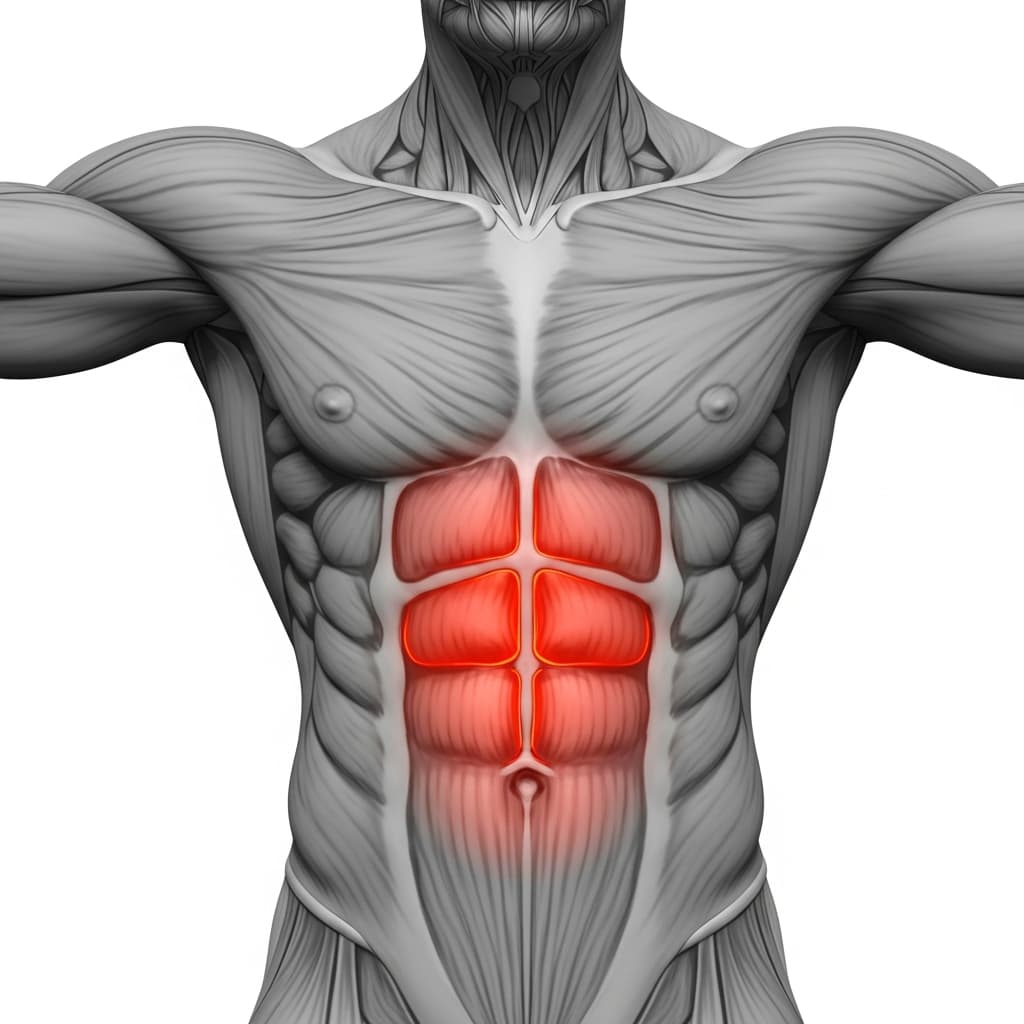
Rectus Abdominis (Abs) - The abdominals brace the torso in a slight hollow body position, preventing swinging and maintaining a controlled body line during the descent.
Benefits of Negative Chin Ups
- Builds the eccentric pulling strength needed to perform your first full chin-up or pull-up, targeting the exact muscle groups and movement pattern required
- Strengthens tendons and connective tissue in the elbows and shoulders through slow, loaded lengthening, which reduces injury risk during pulling movements
- Develops lat engagement and scapular control that transfers directly to full chin-ups, pull-ups, and muscle-ups
- Improves grip strength and forearm endurance through sustained time under tension at bodyweight
Who Is This Exercise For?
You should be able to hold a dead hang from the bar for at least 10 seconds with stable shoulders and a firm grip before attempting negative chin-ups. If you cannot maintain a controlled grip for that duration, focus on passive hanging and grip endurance work first. No prior chin-up or pull-up strength is required, as this exercise is designed to build that foundation.
Common Mistakes to Avoid
Dropping too fast: If you cannot hold a 3-second descent, the rep does not count. Slow the movement down deliberately and reduce your total reps if needed. Speed kills the strength-building benefit of the eccentric phase.
Letting the shoulders disengage: Keep your shoulder blades pulled down and together throughout the entire descent. When the shoulders creep up toward the ears, the load shifts to the joints instead of the muscles, increasing injury risk.
Stopping before full arm extension: Lower all the way to a dead hang with completely straight arms on every rep. Cutting the range of motion short avoids the weakest part of the movement, which is exactly the range you need to develop for full chin-ups.
Gripping too wide: Keep your hands at or slightly inside shoulder width for chin-ups. A wider grip shifts the exercise toward a pull-up pattern and places unnecessary stress on the wrists in a supinated position.