Spiderman Push Ups
Spiderman push-ups are a dynamic pressing variation that combines a standard push-up with a knee-to-elbow drive, targeting the chest, triceps, obliques, and hip flexors in a single coordinated movement. The knee drive forces the core to resist rotation under load while the upper body handles the full pressing pattern, creating a stability demand that standard push-ups cannot match. Performed with control, spiderman push-ups build pressing strength, rotational core stability, and hip mobility that transfer directly to advanced calisthenics skills.
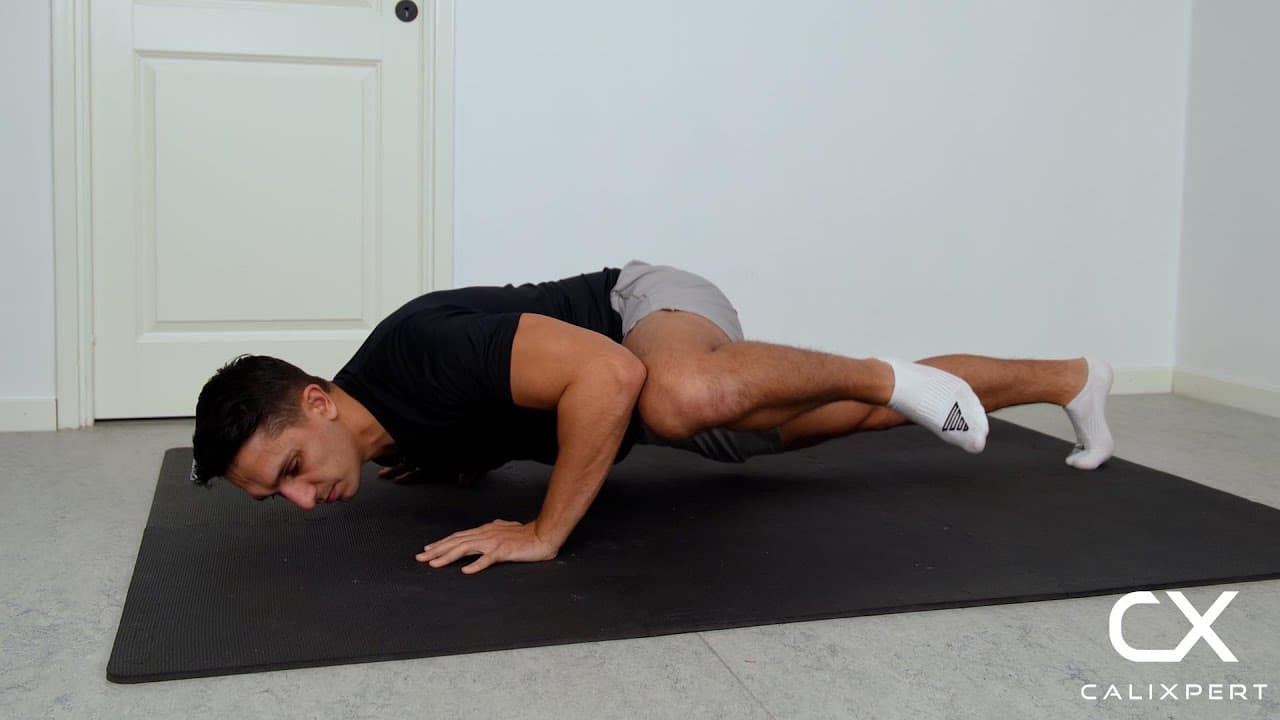
Spiderman push-ups are a dynamic pressing variation that combines a standard push-up with a knee-to-elbow drive, targeting the chest, triceps, obliques, and hip flexors in a single coordinated movement. The knee drive forces the core to resist rotation under load while the upper body handles the full pressing pattern, creating a stability demand that standard push-ups cannot match. Performed with control, spiderman push-ups build pressing strength, rotational core stability, and hip mobility that transfer directly to advanced calisthenics skills.
How to Do Spiderman Push Ups
1. Set Up in Push-Up Position
Place your hands slightly wider than shoulder-width apart on the floor with fingers pointing forward. Extend your legs fully behind you with feet hip-width apart. Your body should form a straight line from head to heels with no sag at the hips or pike at the waist. Look slightly ahead of your hands, not straight down.
Straight line from head to heels
2. Brace Your Core and Glutes
Squeeze your glutes and tighten your core before initiating the descent. This tension prevents your hips from dropping or rotating as you bring the knee forward. Without this brace, the knee drive will pull your pelvis out of alignment and reduce the effectiveness of the movement.
Glutes tight, core locked
3. Lower and Drive Knee to Elbow
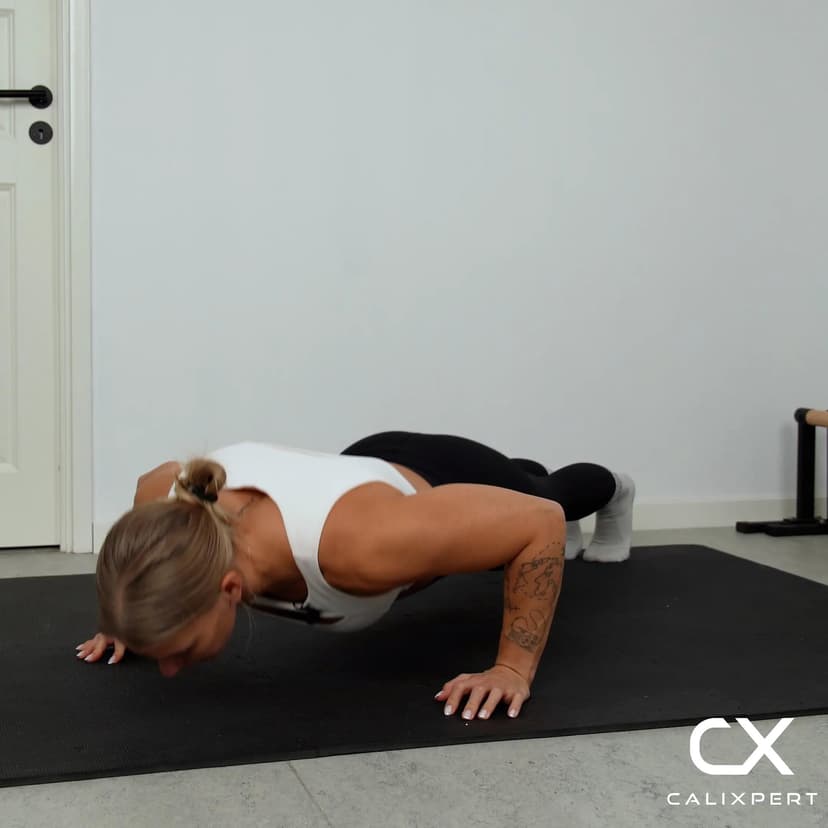
Bend your elbows to lower your chest toward the floor while simultaneously bringing one knee up and out toward the elbow on the same side. The knee and the chest should reach their lowest points at the same time. Keep the moving leg completely off the ground throughout the entire drive.
Knee meets elbow at the bottom
4. Touch Knee to Elbow at the Bottom
At the bottom of the push-up, your knee should make contact with or reach as close as possible to the outside of your elbow. Pause briefly in this position to confirm you have full control. If your knee falls short of the elbow, hip mobility is the limiting factor, not strength.
Pause and touch at the bottom
5. Push Back Up and Return the Leg
Press through your palms to push your body back to the top position while simultaneously returning the leg to its starting position. The hand push and leg return should happen as one coordinated movement. Lock out your arms fully at the top before starting the next rep.
Push and return the leg together
6. Alternate Sides Each Rep
On the next rep, lower again and drive the opposite knee to the opposite elbow. Alternate sides with every repetition to keep the loading balanced across both sides of the core and hips. Maintain the same tempo and control on both sides, even if one side feels weaker.
Switch legs every single rep
Most people rush through spiderman push-ups and lose everything that makes the exercise valuable. Slow the descent down, time the knee drive to arrive at the bottom of the push-up, and actually touch the knee to the elbow before pushing back up. When you control the tempo, you will feel your obliques and hip flexors working in a way that fast reps never deliver.
Muscles Worked During Spiderman Push Ups
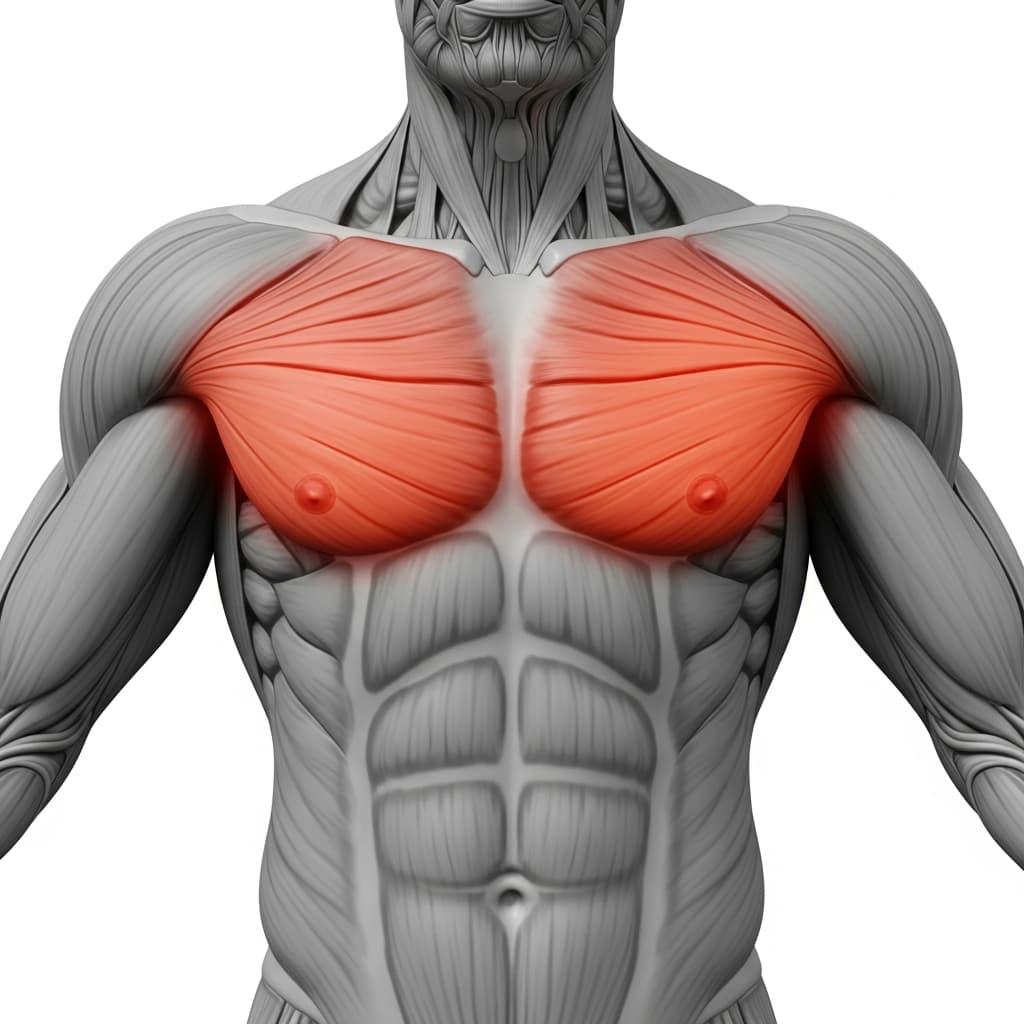
Primary Muscles:
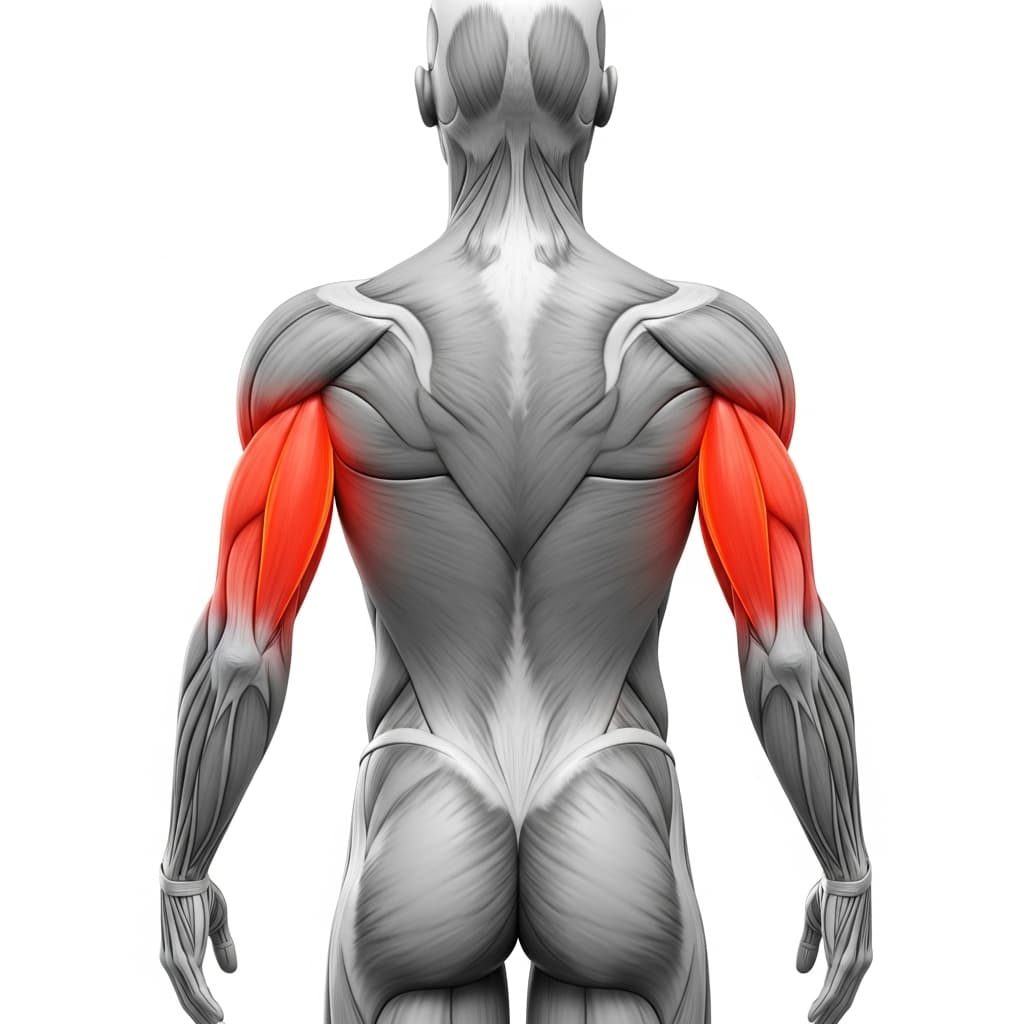
Secondary Muscles:
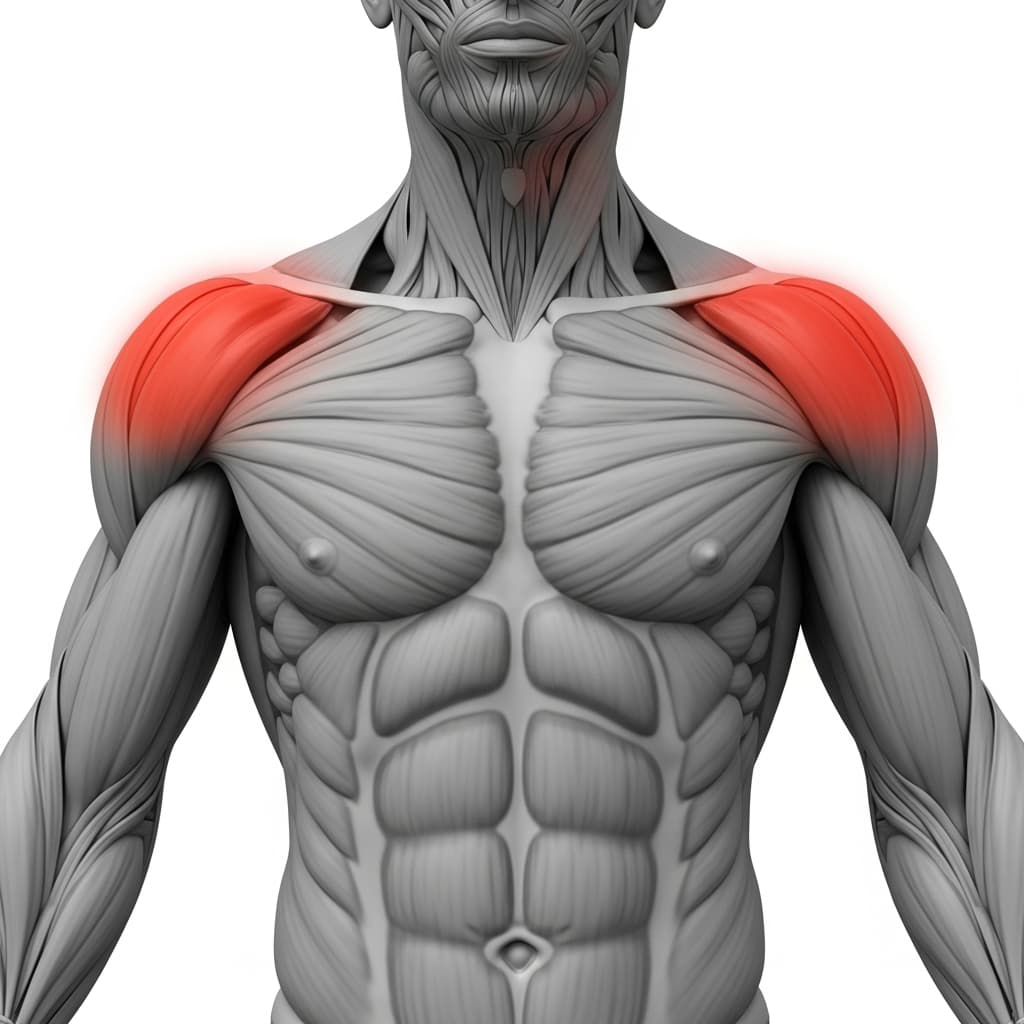
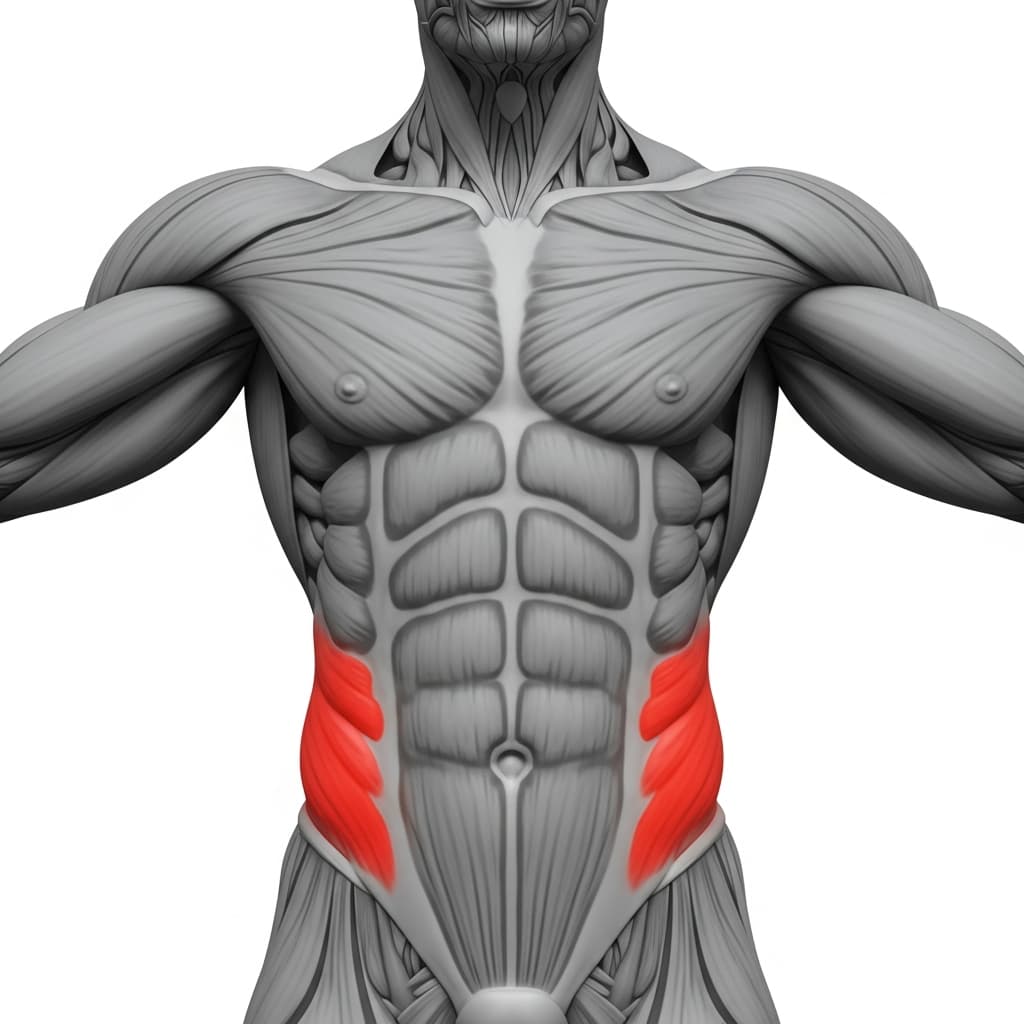
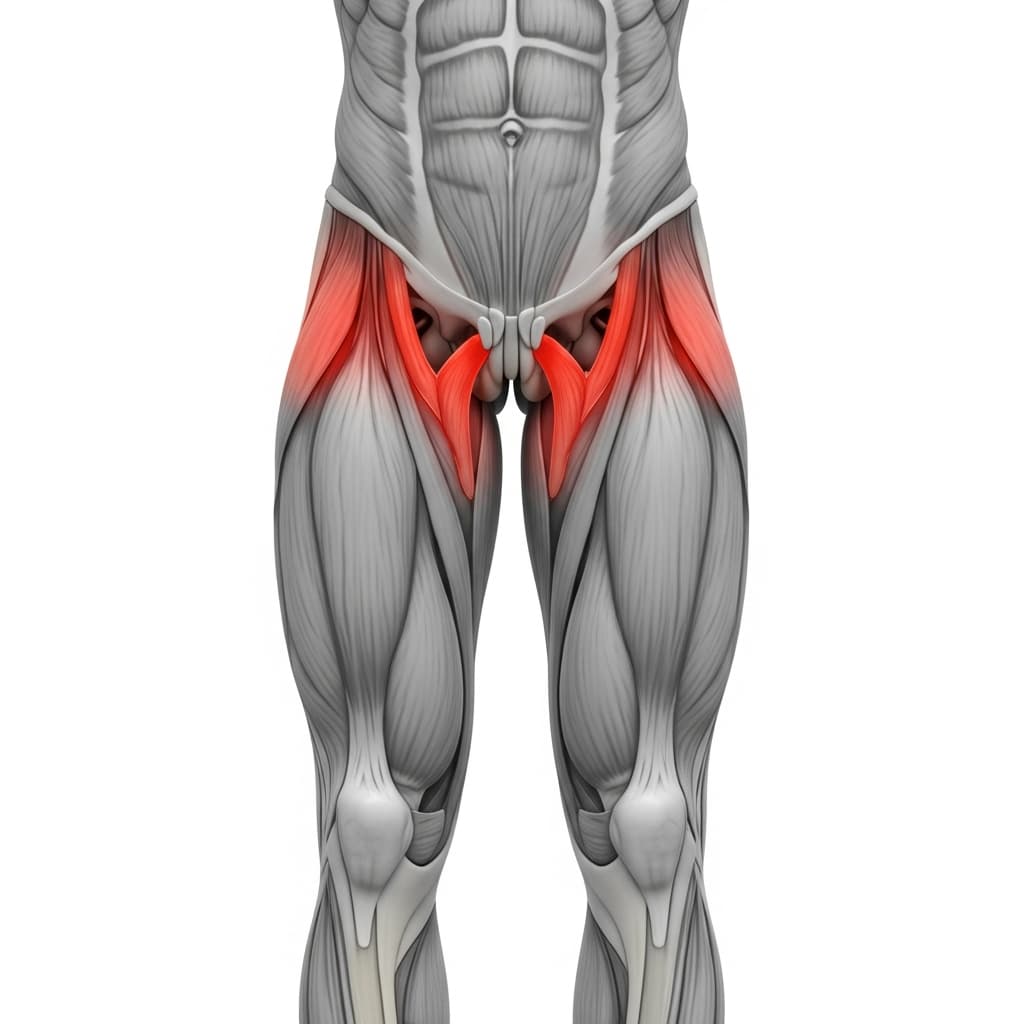
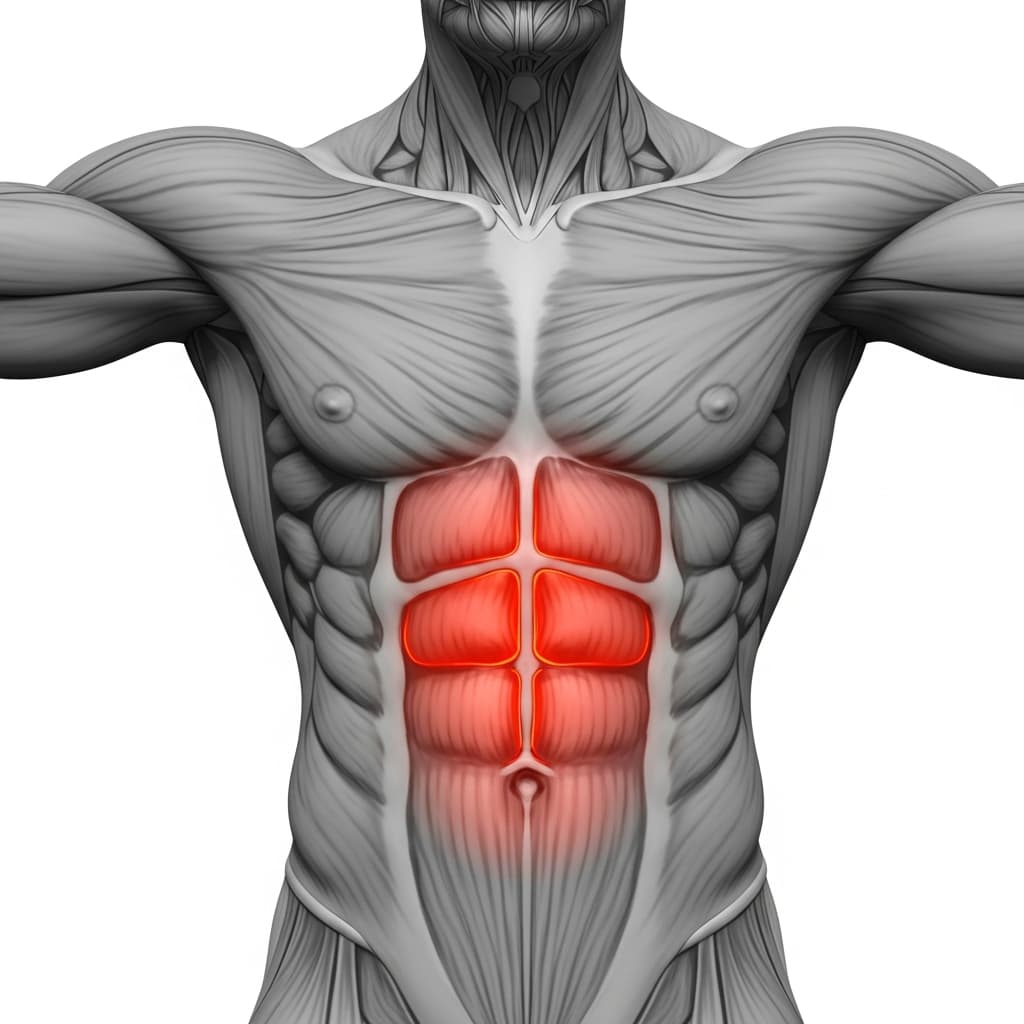
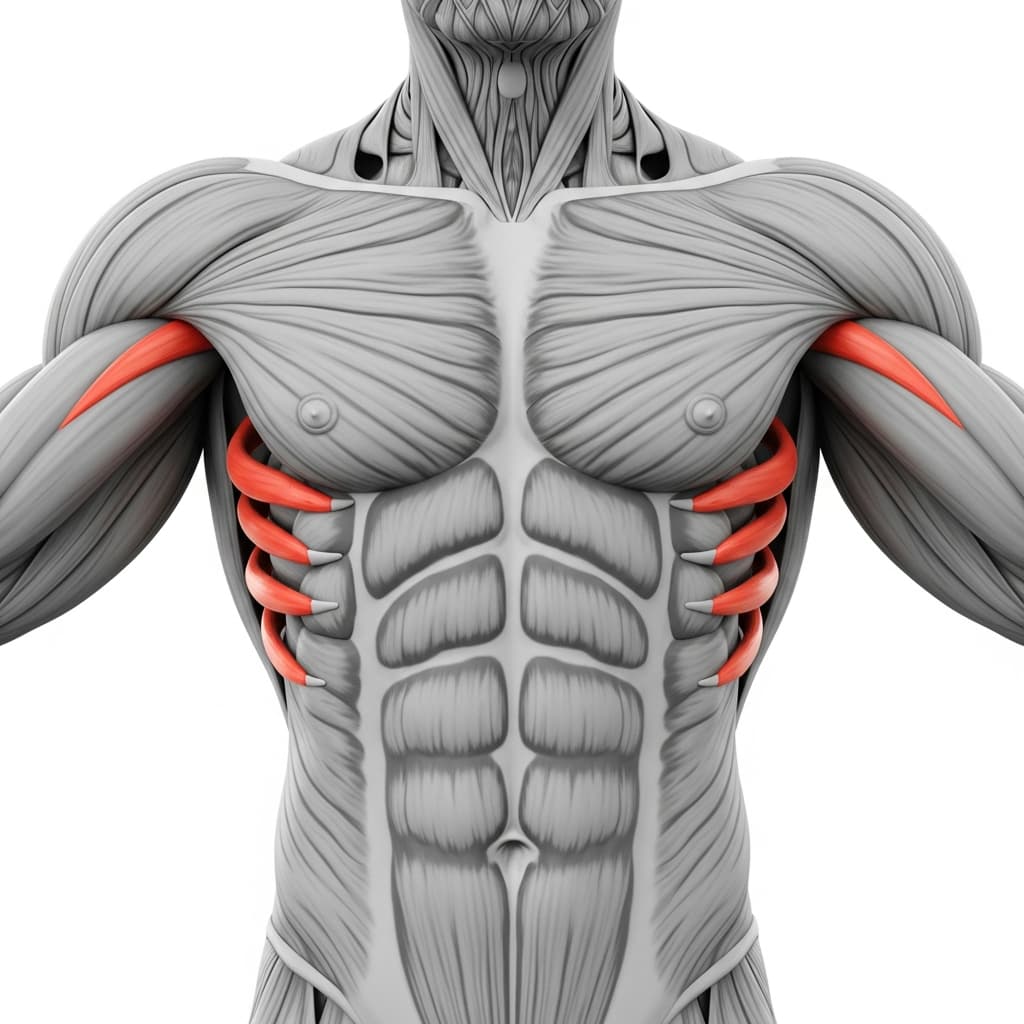
Primary Muscles
Pectoralis Major (Chest) - The pectorals drive the pressing movement, pushing the body away from the floor through the full range of motion on every rep.
Secondary Muscles
Triceps Brachii (Triceps) - The triceps extend the elbows during the push-up phase, working as the primary assisting muscle to the chest throughout the press.
Anterior Deltoid (Front Deltoid) - The anterior deltoids assist the chest in the pressing motion, stabilizing the shoulder joint as the arms extend.
Obliques (Obliques) - The obliques resist hip rotation and lateral collapse as the knee drives toward the elbow, working anti-rotationally under load.
Iliopsoas (Hip Flexors) - The hip flexors drive the knee up and forward toward the elbow on each rep, actively shortening under load throughout the knee drive phase.
Rectus Abdominis (Abs) - The rectus abdominis maintains a rigid torso throughout the movement, preventing the lower back from arching as the legs alternate.
Serratus Anterior (Serratus Anterior) - The serratus anterior protracts the shoulder blades at the top of each rep, stabilizing the scapula against the ribcage during the press.
Benefits of Spiderman Push Ups
- Develops rotational core stability under load, training the obliques to resist hip rotation while the upper body presses
- Improves hip flexor mobility and strength through the repeated knee-to-elbow drive pattern under bodyweight load
- Builds pressing endurance with an added coordination demand that standard push-ups do not provide
- Strengthens the serratus anterior through scapular protraction at the top of each rep, supporting overhead stability in calisthenics skills
Who Is This Exercise For?
You should be able to perform at least 10 strict push-ups with a straight body line and controlled tempo before attempting spiderman push-ups. The added coordination of the knee drive demands a solid baseline of pressing strength and core stability that beginners typically lack. If your hips sag or your elbows flare outward during regular push-ups, correct those issues first.
Common Mistakes to Avoid
Letting the hips sag or pike: Squeeze your glutes and brace your core before every rep. If your hips drop when the knee drives forward, your core is not engaged enough to stabilize the movement.
Timing the knee drive too early or too late: The knee should arrive at the elbow at the exact same moment your chest reaches its lowest point. Practice the timing slowly until the two movements sync naturally.
Dragging the knee along the ground: Keep the moving leg completely off the floor throughout the entire drive. The leg should travel through the air in a controlled arc from the start position to elbow contact.
Rushing through the reps: Use a controlled 2-second descent and a deliberate pause at the bottom. Speed removes the core stability demand that makes this exercise valuable in the first place.