Wall Sit
The wall sit is an isometric lower body hold that builds endurance and strength in the quadriceps, glutes, and hamstrings without any movement at the joint. You press your back flat against a wall and hold a seated position at 90 degrees, forcing the quads to sustain tension under load for extended periods. This exercise is one of the most accessible ways to develop muscular endurance in the legs and is a staple in calisthenics programming for building the work capacity needed for pistol squats, deep lunges, and prolonged holds.
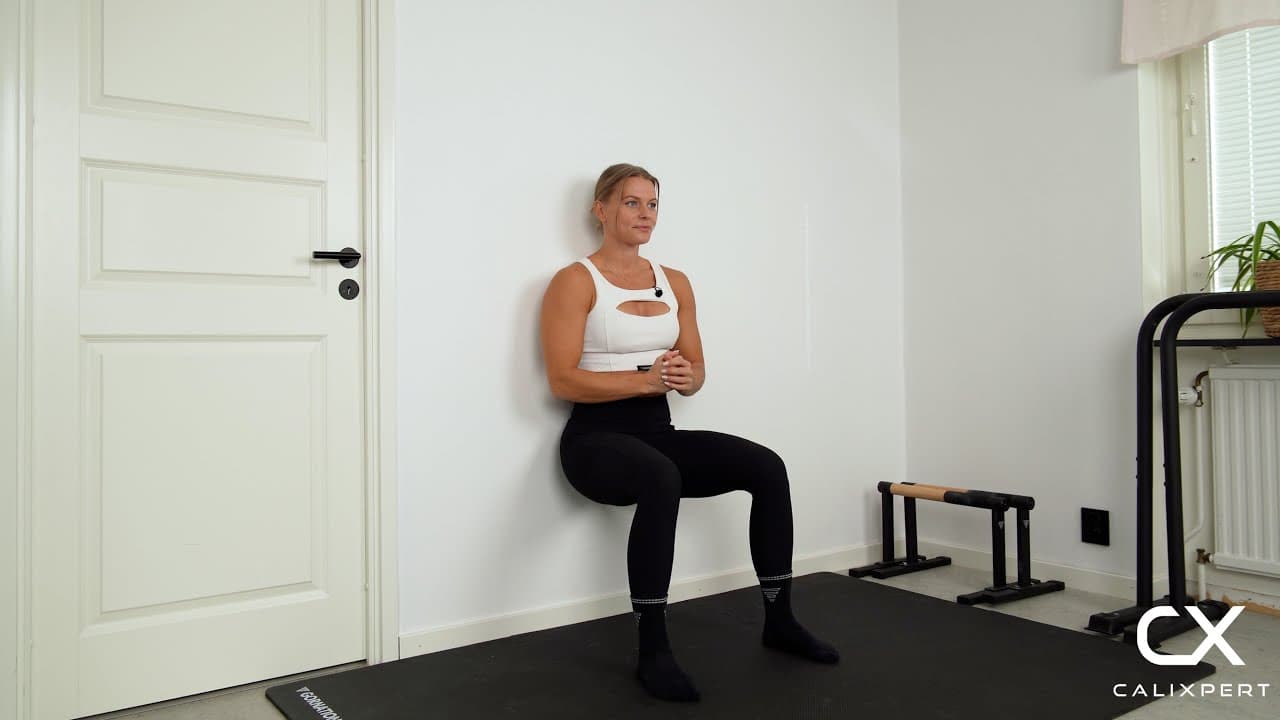
The wall sit is an isometric lower body hold that builds endurance and strength in the quadriceps, glutes, and hamstrings without any movement at the joint. You press your back flat against a wall and hold a seated position at 90 degrees, forcing the quads to sustain tension under load for extended periods. This exercise is one of the most accessible ways to develop muscular endurance in the legs and is a staple in calisthenics programming for building the work capacity needed for pistol squats, deep lunges, and prolonged holds.
How to Do Wall Sit
1. Set Your Back Against the Wall
Stand with your entire back flat against a smooth wall. Place your feet hip-width apart and step them out roughly two foot-lengths from the base of the wall. Keep your head, upper back, and lower back in full contact with the surface before you begin sliding down.
Flat back, no gap at the lower spine
2. Slide Down to 90 Degrees
Slowly bend your knees and slide your back down the wall until both your knees and hips reach a 90-degree angle. Your thighs should be parallel to the floor and your shins vertical. Adjust your foot distance from the wall so that your knees stack directly above your ankles, not forward over your toes.
Knees above ankles, thighs parallel
3. Press Through Your Heels
Drive your weight down through your heels, not your toes. This heel pressure keeps the quads and glutes engaged and prevents excessive forward loading on the knee joint. You should be able to wiggle your toes freely throughout the hold.
Heels heavy, toes light
4. Brace Your Core and Breathe
Tighten your abdominals to stabilize your torso against the wall. Breathe steadily through the entire hold. Holding your breath causes blood pressure spikes and will cut your hold time short. Inhale through your nose and exhale through your mouth in a controlled rhythm.
Tight core, steady breathing
5. Hold the Position
Maintain the 90-degree angle without letting your hips creep upward or your knees drift forward. Keep your arms relaxed at your sides or resting lightly on your thighs. Focus on pressing your lower back into the wall to prevent arching.
Hold the depth, do not rise
6. Slide Back Up to Finish
When the set is complete, press through your heels and slowly slide your back up the wall to a full standing position. Do not collapse forward or push off your knees with your hands. Step away from the wall and shake your legs out before the next set.
Slide up slow, no collapsing
Most people bail out of the wall sit the moment their quads start burning, but that is exactly where the training effect begins. Press your heels into the floor harder when the discomfort peaks, because that heel drive keeps the glutes engaged and takes just enough pressure off the quads to extend your hold. If you can add 10 seconds past the point where you want to quit, you will see real endurance gains within two weeks.
Muscles Worked During Wall Sit
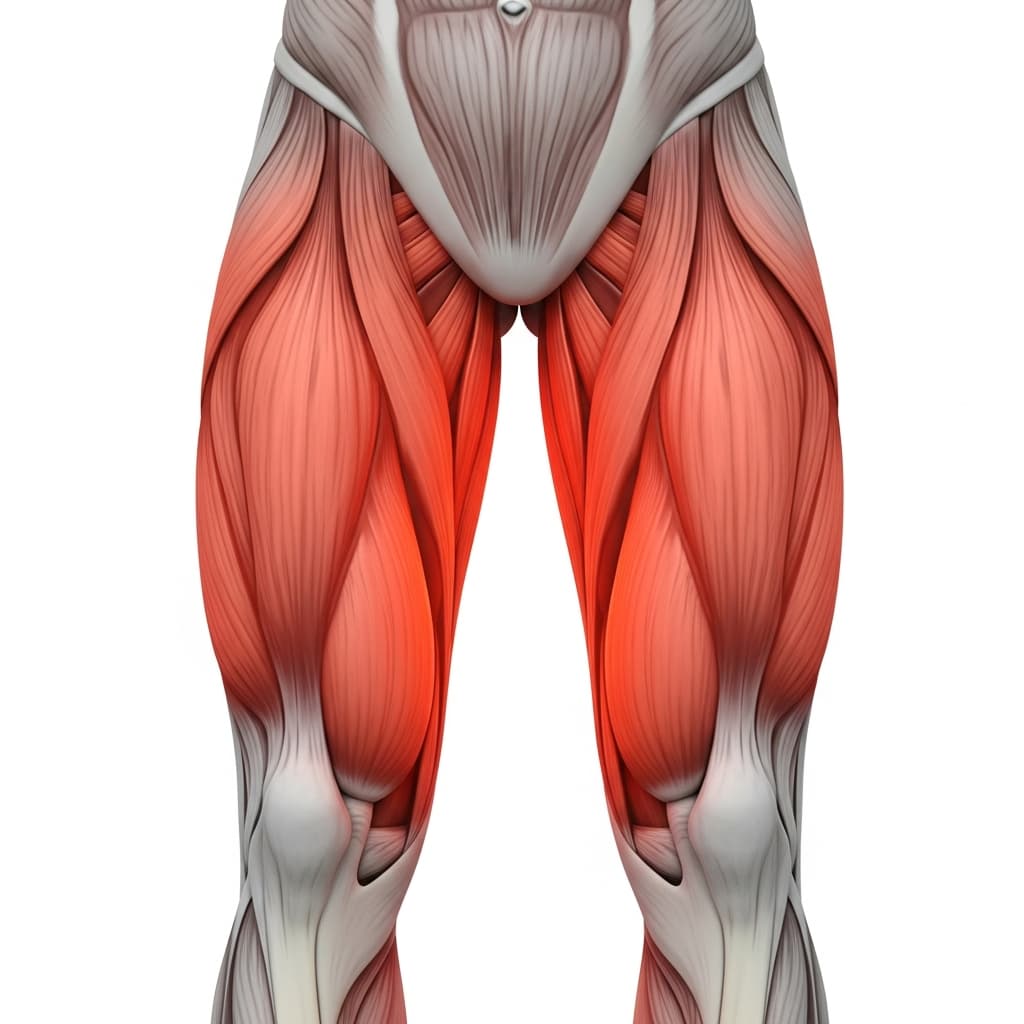
Primary Muscles
Quadriceps (Quads) - The quadriceps sustain an isometric contraction to hold the knee at 90 degrees against bodyweight, bearing the majority of the load throughout the entire hold.
Secondary Muscles
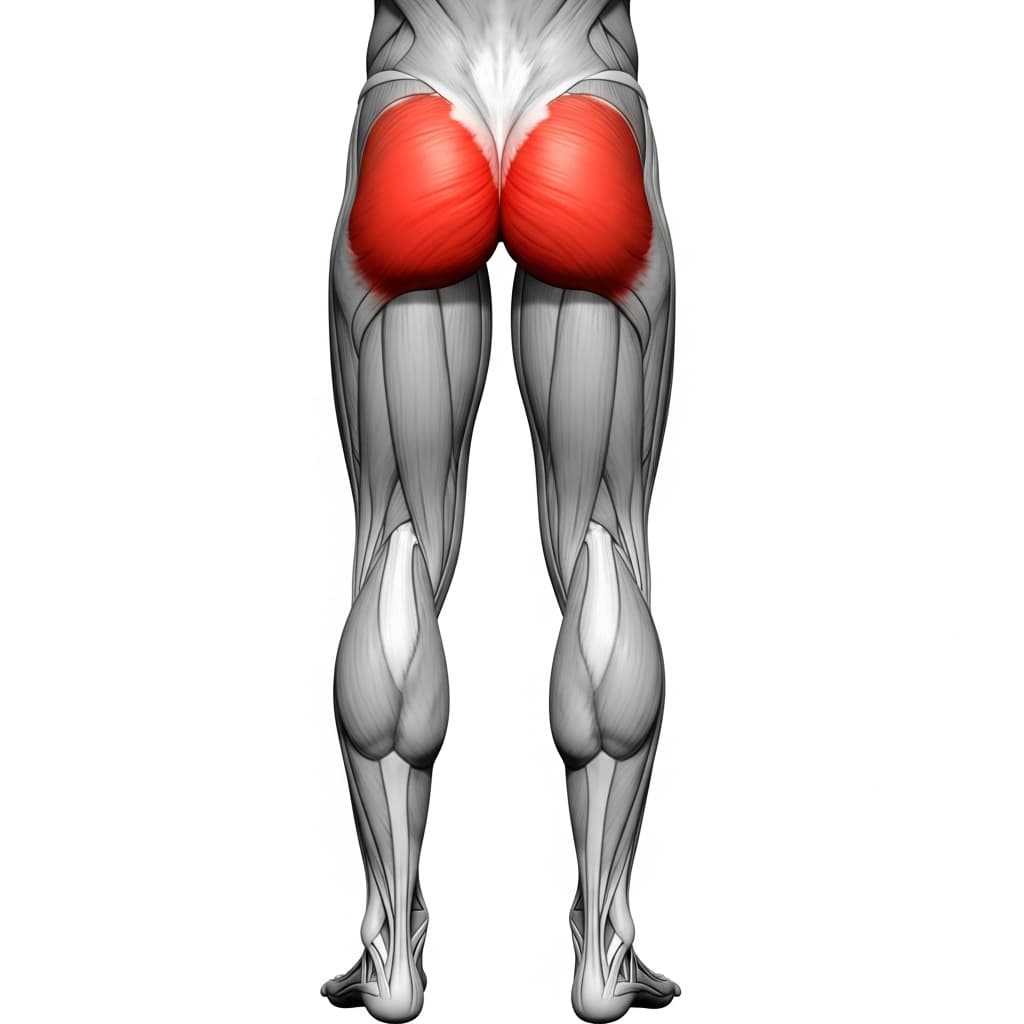
Gluteus Maximus (Glutes) - The glutes stabilize the hip joint and resist the downward pull of gravity, keeping the pelvis level and the torso pressed against the wall.
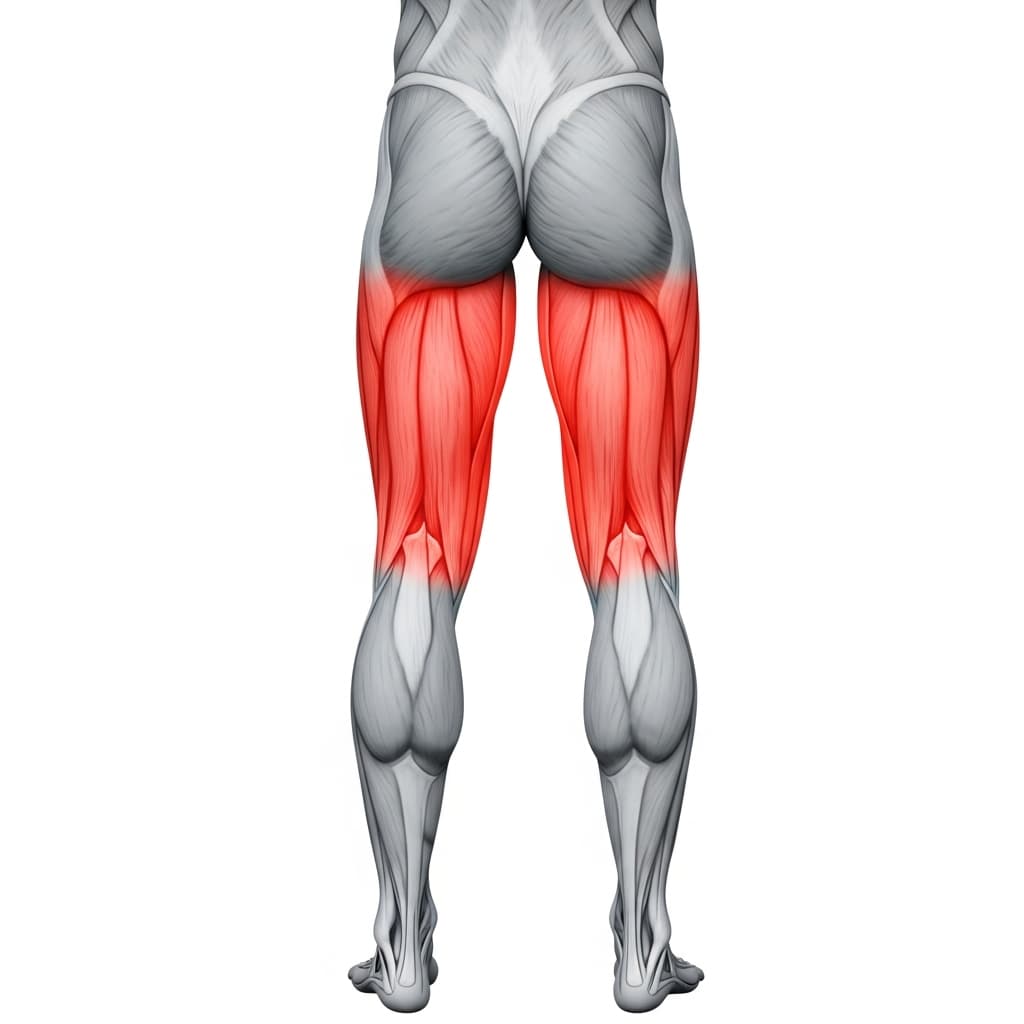
Hamstring Group (Hamstrings) - The hamstrings co-contract with the quads to stabilize the knee joint and assist in maintaining the fixed 90-degree position under sustained load.
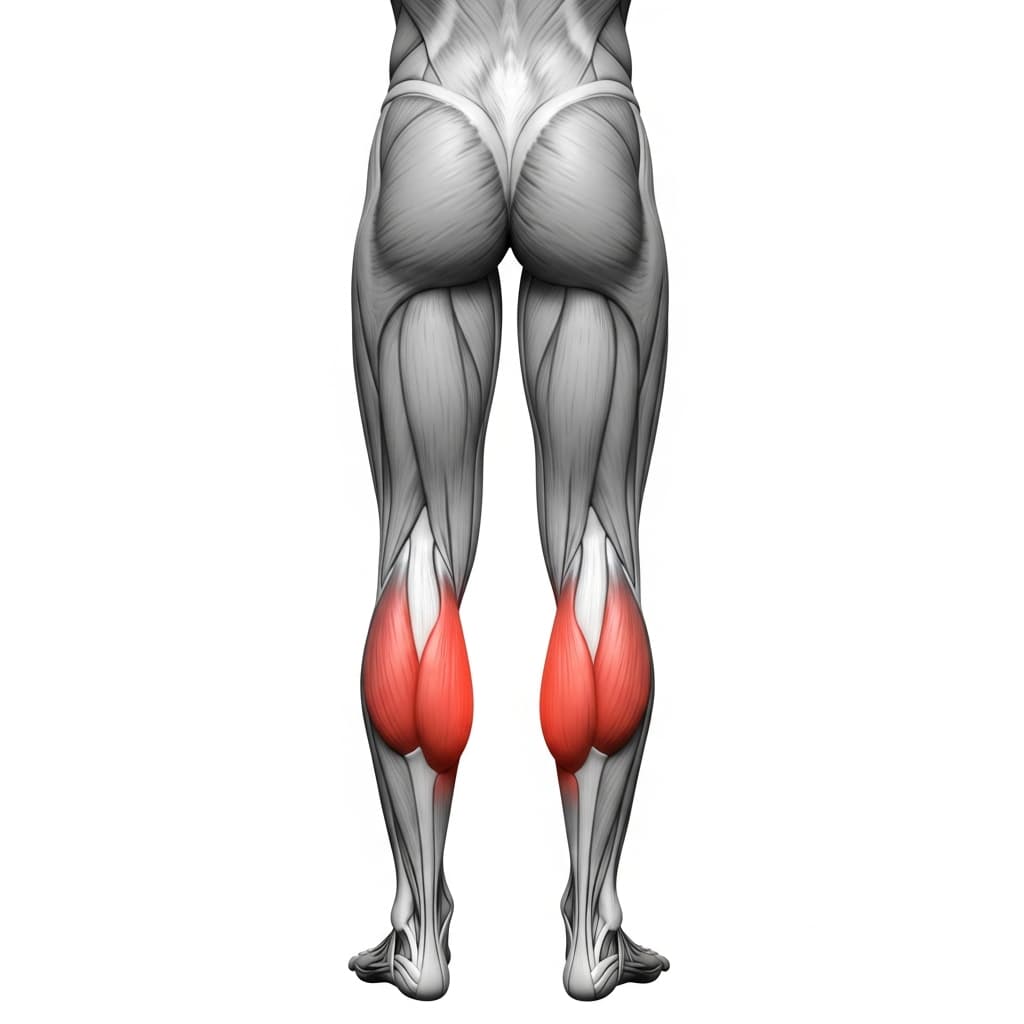
Gastrocnemius & Soleus (Calves) - The calves stabilize the ankle joint and assist in transferring force through the heels into the ground, preventing the feet from sliding forward.
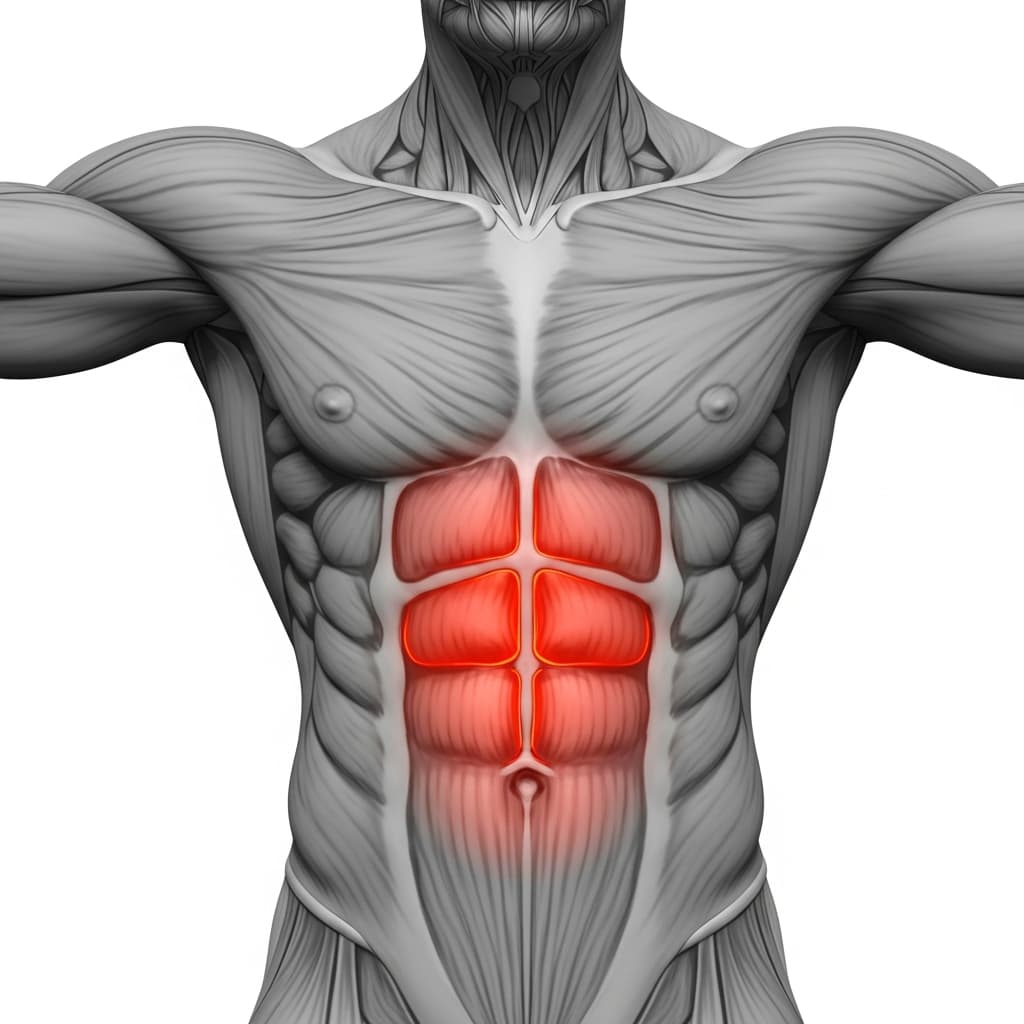
Rectus Abdominis (Abs) - The abdominals brace the torso and maintain a posterior pelvic tilt to keep the lower back flat against the wall throughout the hold.
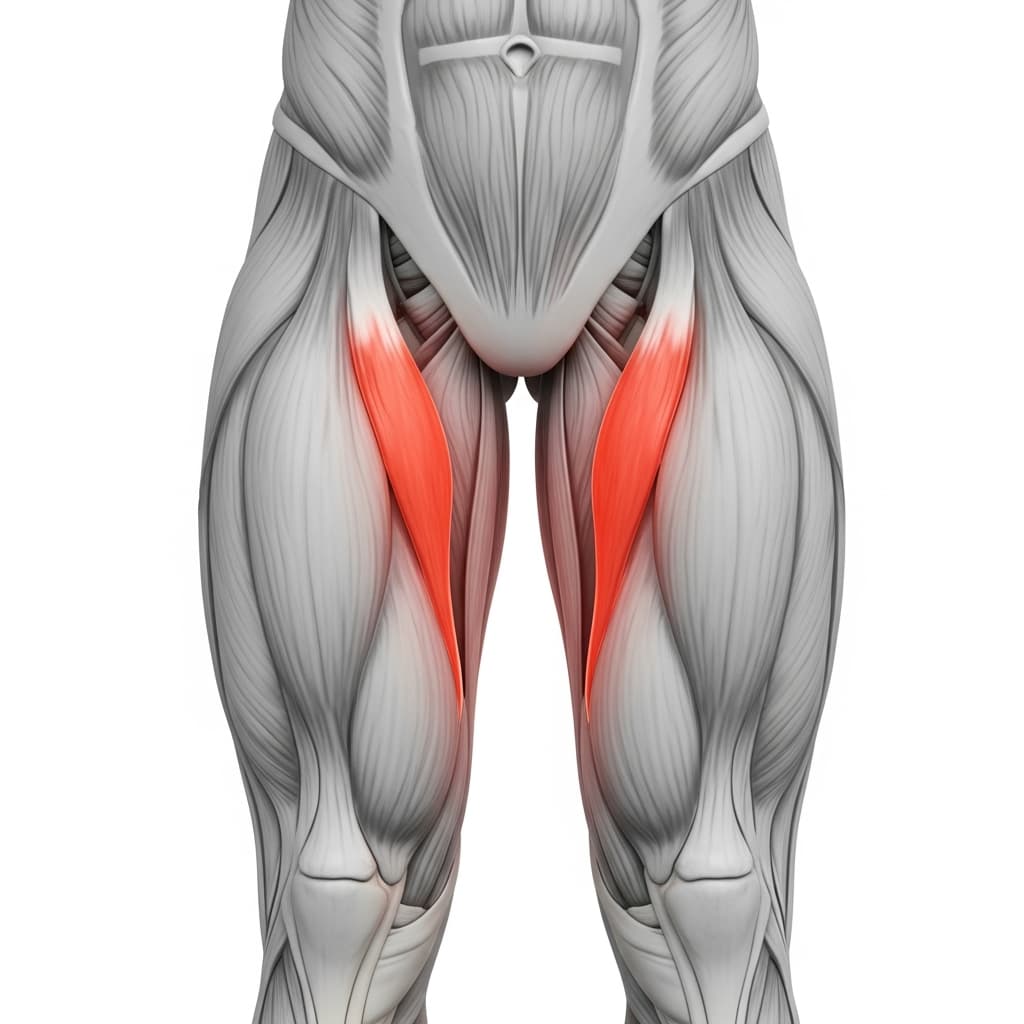
Hip Adductors (Adductors) - The adductors stabilize the inner thigh and prevent the knees from collapsing inward under the sustained isometric load of the hold.
Benefits of Wall Sit
- Builds isometric quad endurance, which directly improves hold capacity in pistol squat negatives, deep lunge positions, and L-sit transitions
- Strengthens the VMO and surrounding knee stabilizers, reducing injury risk during dynamic movements like jumping and sprinting
- Requires zero equipment beyond a flat wall, making it one of the most accessible lower body exercises for any training environment
- Develops mental toughness and pain tolerance under sustained muscular tension, a skill that transfers to every long-duration calisthenics hold
Who Is This Exercise For?
You should be able to perform a bodyweight squat to parallel with stable knees and no pain before holding a wall sit at full depth. If sitting at 90 degrees causes sharp discomfort in the knees, start with a higher seat position where your thighs are above parallel and build depth gradually over several weeks.
Common Mistakes to Avoid
Knees drifting past the toes: Step your feet further from the wall until your shins are vertical and your knees sit directly above your ankles. If you cannot reach 90 degrees without the knees drifting, hold at a higher position and work your way down over time.
Hips creeping above parallel: As the quads fatigue, the natural instinct is to rise out of the hold. Check your thigh angle every few seconds and actively press your back down the wall to maintain a true 90-degree bend at the knees.
Lower back lifting off the wall: Brace your core and tilt your pelvis slightly posteriorly to press your lumbar spine flat against the wall. A gap between your lower back and the wall shifts load away from the quads and places unnecessary stress on the spine.
Holding the breath: Breathe continuously throughout the hold. Breath-holding raises blood pressure and causes early fatigue. Set a breathing rhythm before you slide down and maintain it until you finish the set.
Variations & Progressions
Elevated Wall Sit
Hold the position with your thighs above parallel, roughly at a 120-degree knee angle. This reduces the isometric demand on the quads and is the best starting point for anyone who cannot hold 90 degrees for more than 10 seconds.
Single-Leg Wall Sit
Hold the standard wall sit position and extend one leg straight out in front of you. This doubles the load on the working leg and adds a significant hip flexor and balance challenge.
Weighted Wall Sit
Hold a weight plate, dumbbell, or heavy bag on your lap while in the standard position. The added load increases quad and glute activation without changing the mechanics of the hold.