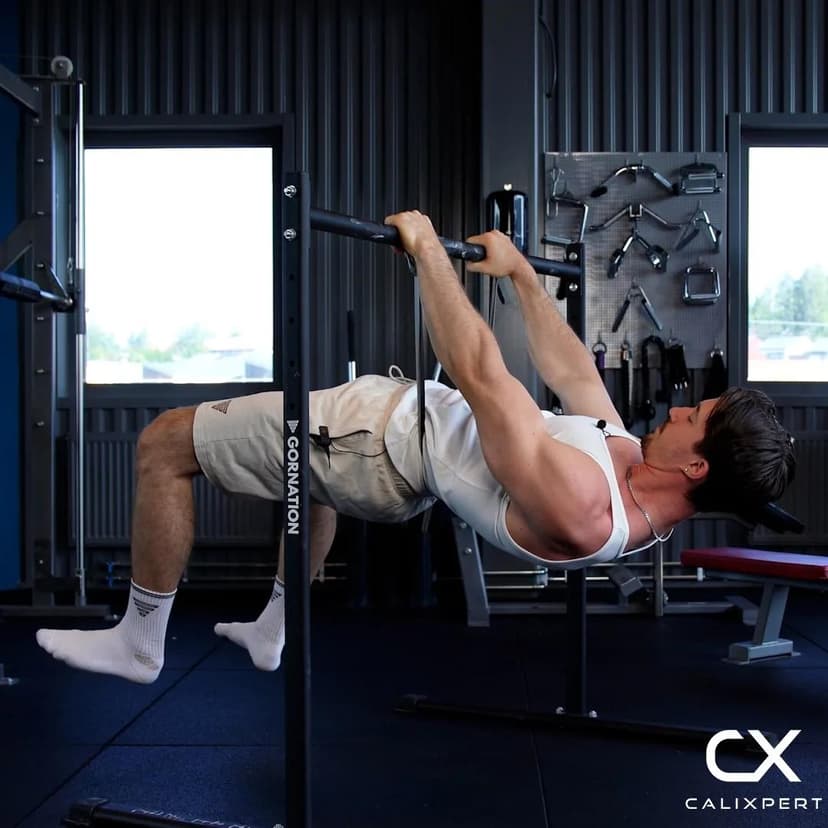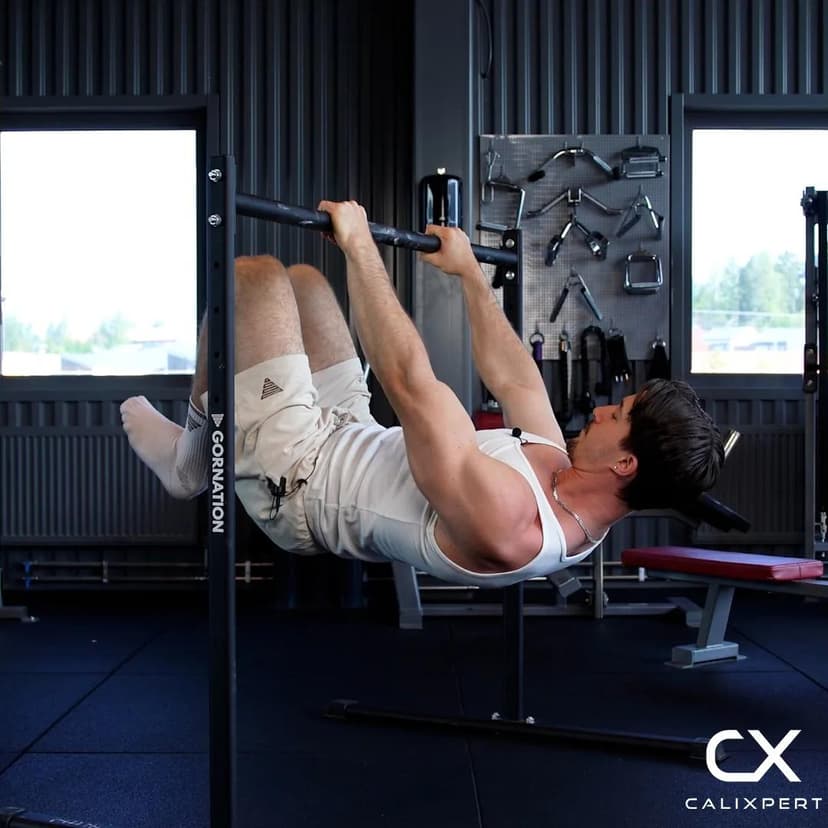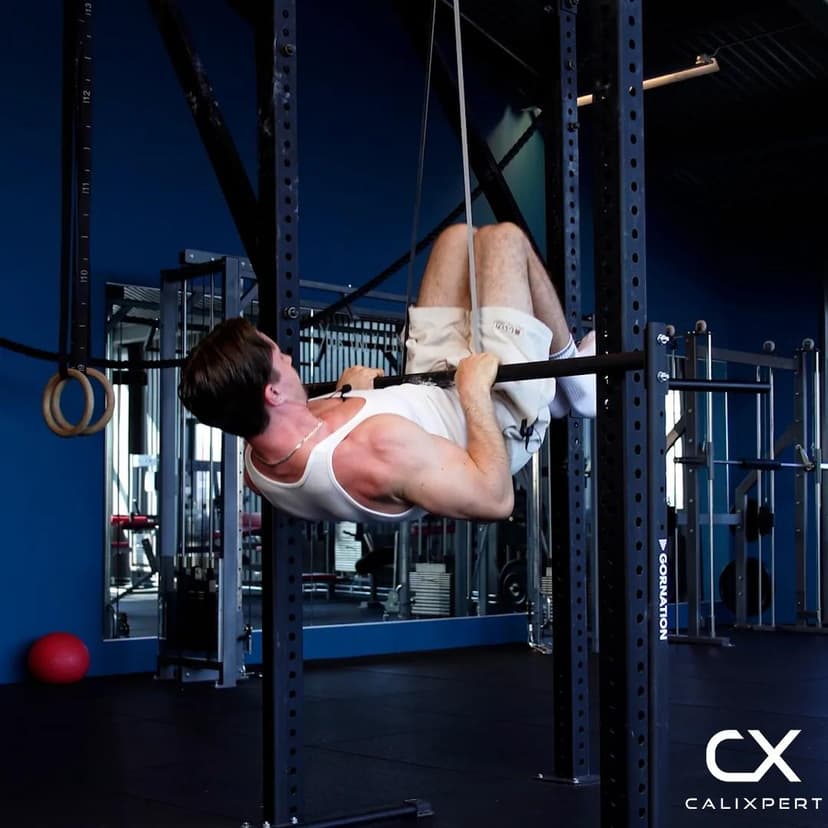
L-shape with leg extension
The L-shape with leg extension is a static compression hold that uses an elevated surface to train hip alignment, shoulder stability, and single-leg control in a pike position. It primarily targets the abs and hip flexors while demanding constant pushing effort from the shoulders and triceps to keep the body elevated. This exercise bridges the gap between basic L-sit holds and freestanding handstand work by teaching you to stack hips directly above shoulders under load.
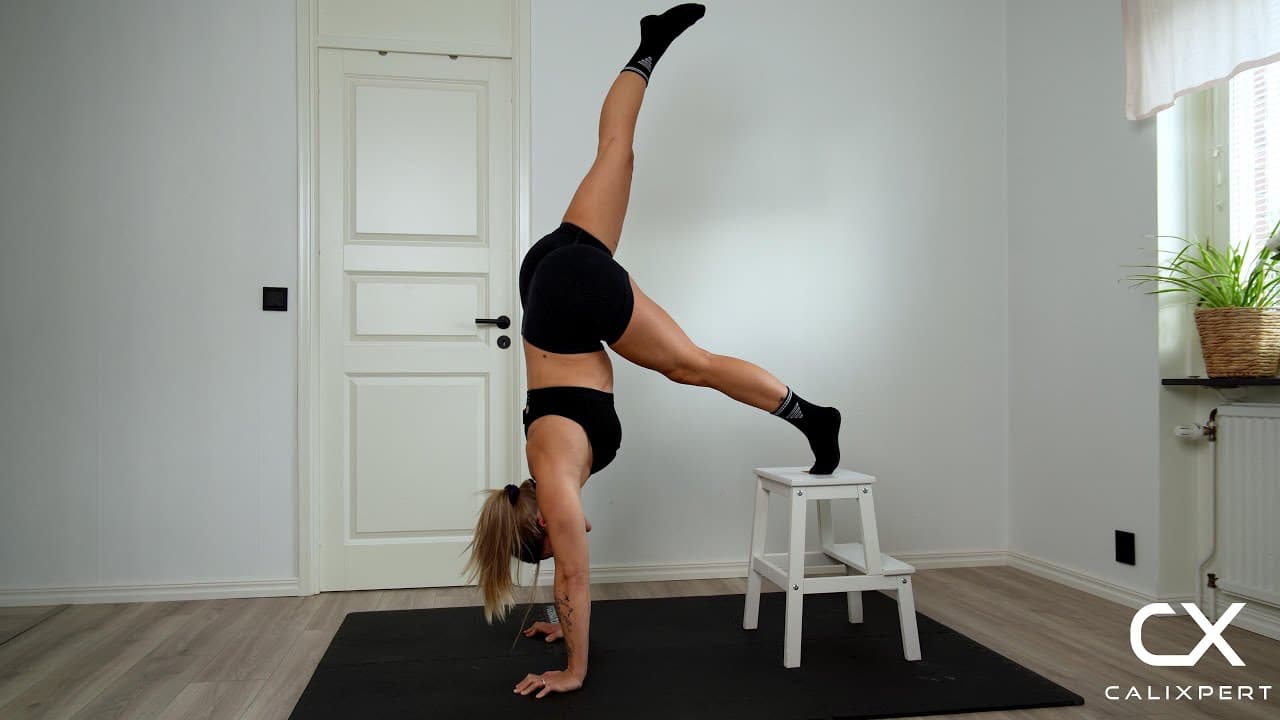
The L-shape with leg extension is a static compression hold that uses an elevated surface to train hip alignment, shoulder stability, and single-leg control in a pike position. It primarily targets the abs and hip flexors while demanding constant pushing effort from the shoulders and triceps to keep the body elevated. This exercise bridges the gap between basic L-sit holds and freestanding handstand work by teaching you to stack hips directly above shoulders under load.
How to Do L-shape with leg extension
1. Set Up the Distance
Place a sturdy chair, bench, or stool behind you. Stand next to it and extend one leg straight out to measure the distance. The spot where your feet touch the floor is where your hands will go, and your feet will rest on the elevated surface. This spacing ensures your body can form a straight vertical line from hands through shoulders to hips.
Measure with your leg, not your eyes
2. Place Hands and Step Up
Turn around and place both hands flat on the floor at shoulder width, fingers spread and pressing firmly into the ground. Step your feet up onto the chair or bench one at a time. Lock your elbows fully and push the floor away to elevate your shoulders from the start.
Lock the elbows, push the floor away
3. Set the Tuck L-Shape
Before extending your legs, pull your knees toward your chest into a tuck position with your feet on the surface. Depress your shoulder blades and push your shoulders as far from your ears as possible. This tuck position lets you find your balance and establish the correct shoulder-over-hand alignment before adding the load of straight legs.
Shoulders down, knees tight to chest
4. Extend Both Legs
Slowly straighten both legs while keeping your feet resting on the elevated surface. Maintain strong shoulder depression and keep pushing through your palms. Your hips should begin moving toward a position directly above your shoulders. Keep your core braced and avoid letting your lower back round.
Extend slow, stay stacked
5. Raise One Leg Up
From the extended position, lift one leg off the surface and raise it toward the ceiling while the other foot stays on the bench for support. Drive through your hip flexors to raise the leg and hold for 2 to 3 seconds at the top. Keep your hips, shoulders, and hands in one straight vertical line throughout the hold.
One leg up, hips stay over shoulders
6. Switch Legs and Lower
Lower the raised leg back to the surface with control, then raise the opposite leg and hold for the same duration. After completing both sides, return to the tuck position before stepping down. Never drop out of the position or let your shoulders collapse on the descent.
Switch with control, never drop
Most people skip the tuck phase and try to go straight into the full extension. That is where the form breaks down. Spend real time in the tuck finding the stacked position where your hips sit directly above your shoulders. Once you feel that vertical alignment click, the leg extension becomes a controlled addition instead of a fight against gravity.
Muscles Worked During L-shape with leg extension
Primary Muscles:
Secondary Muscles:
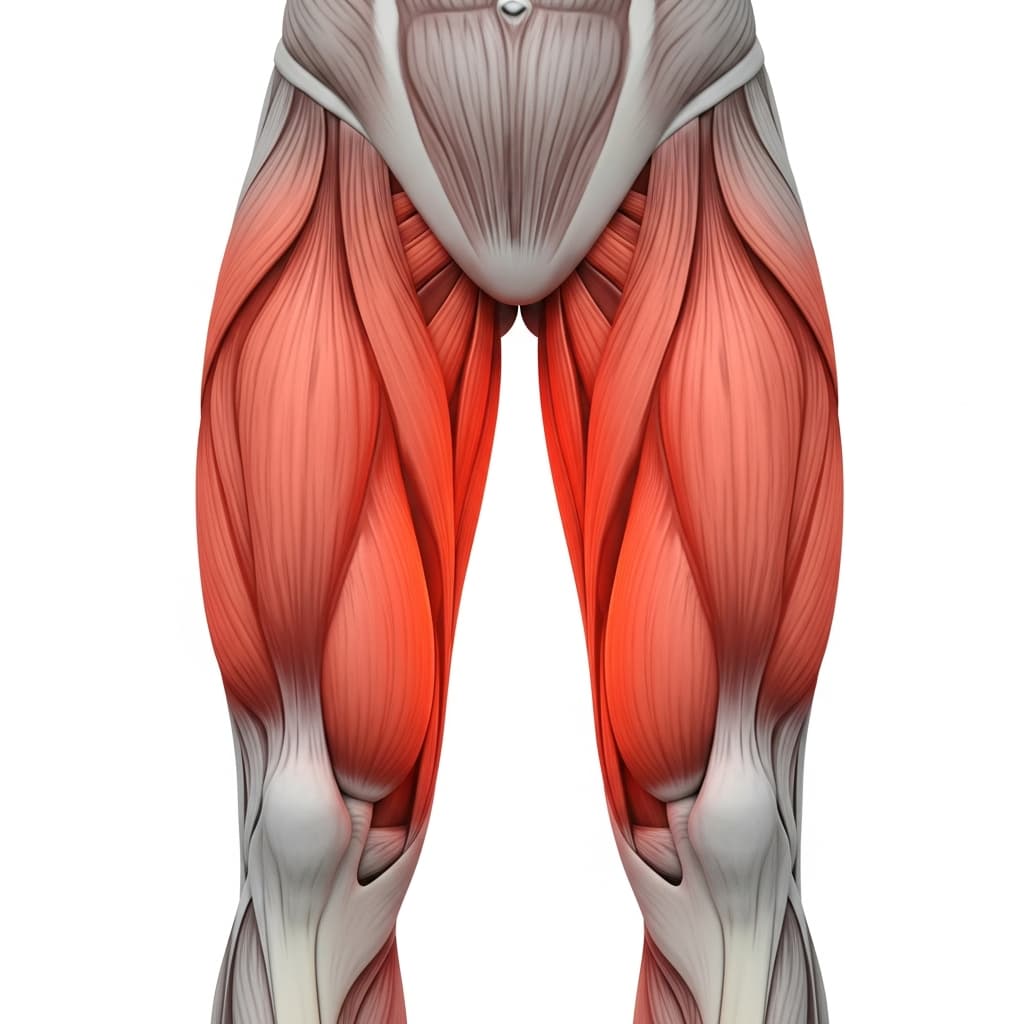
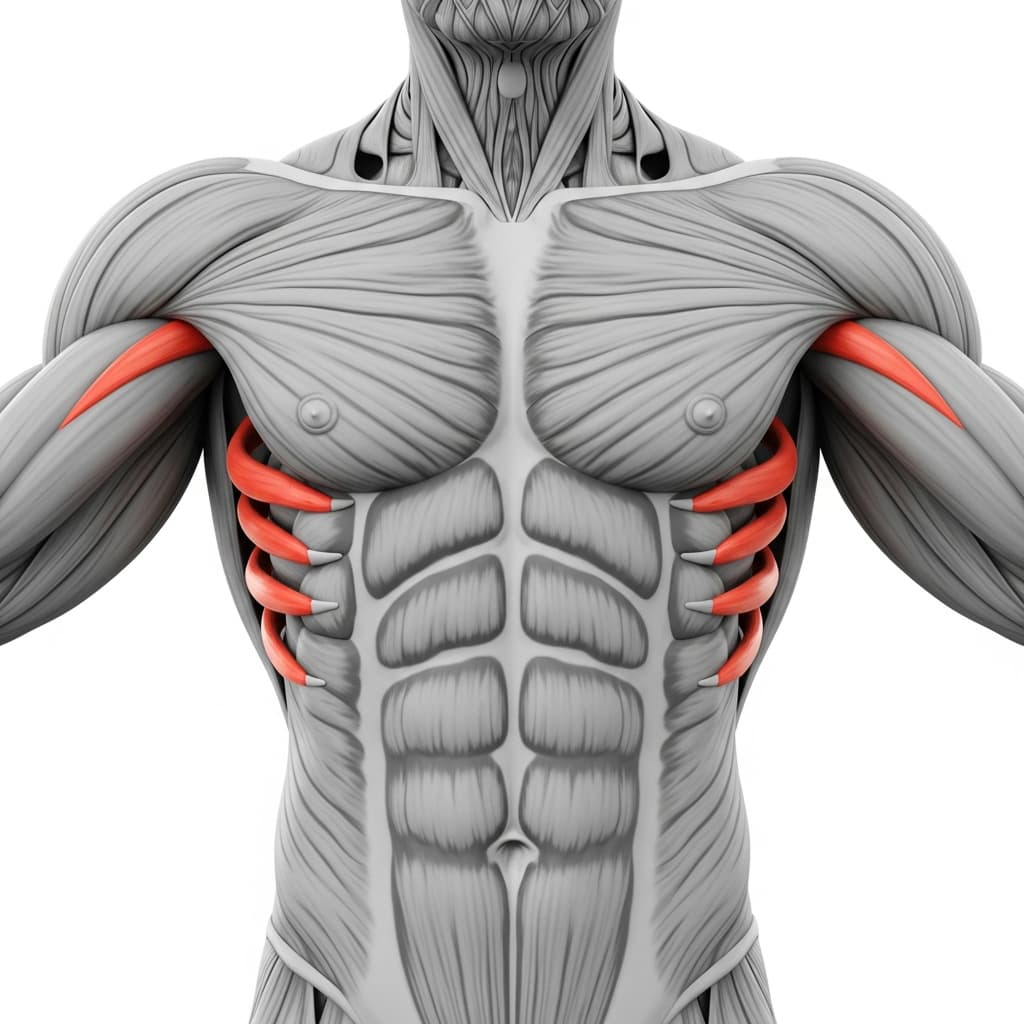
Primary Muscles
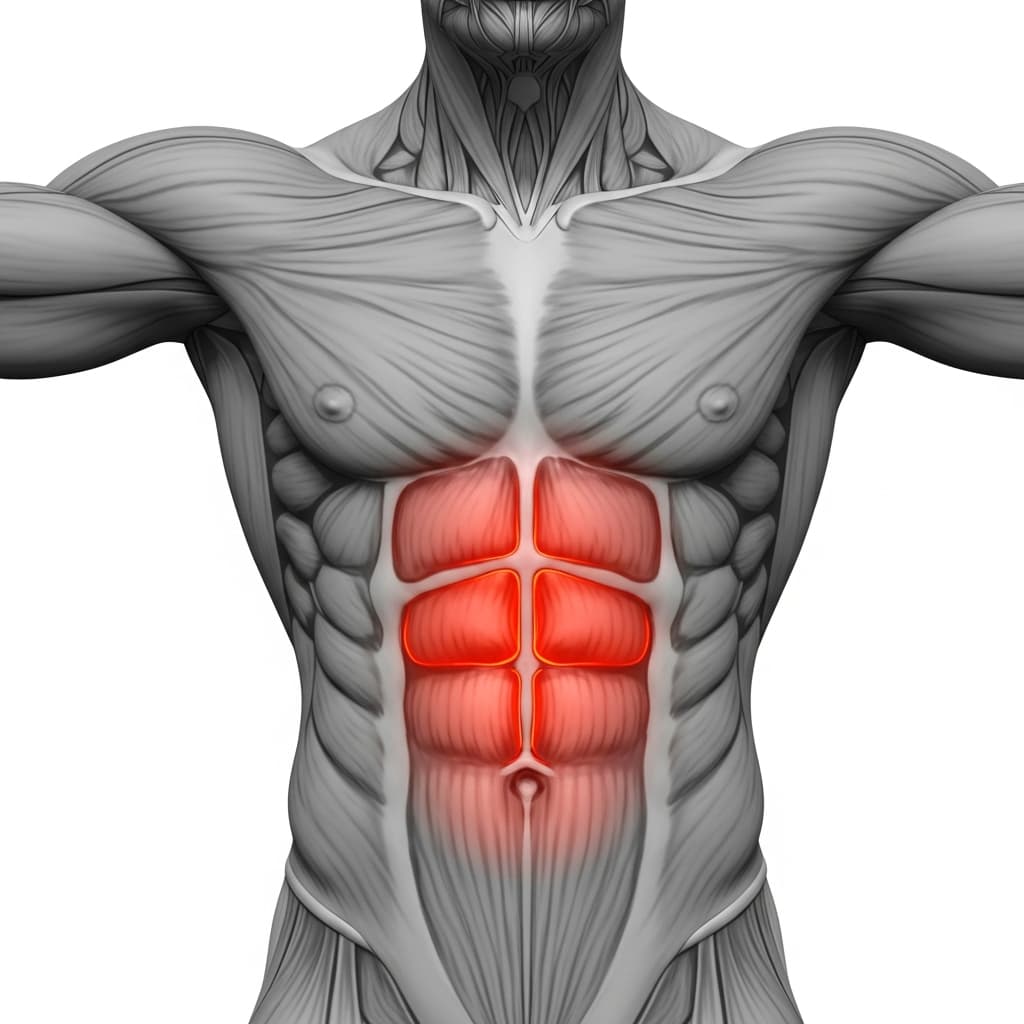
Rectus Abdominis (Abs) - The abs maintain trunk rigidity and resist extension forces as the legs extend, keeping the torso from collapsing out of the pike position.
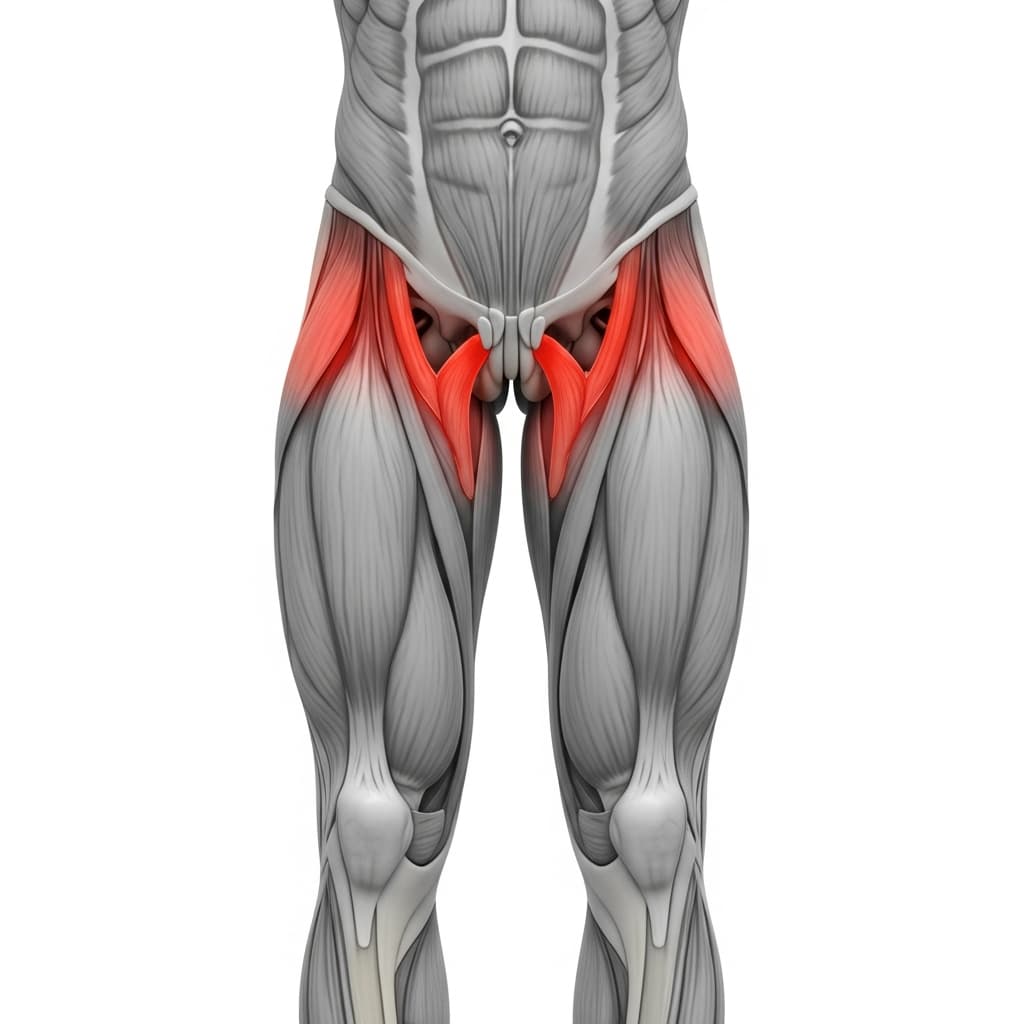
Iliopsoas (Hip Flexors) - The hip flexors drive the active leg raise toward the ceiling and sustain the compression needed to hold the legs in the L-shape position.
Secondary Muscles
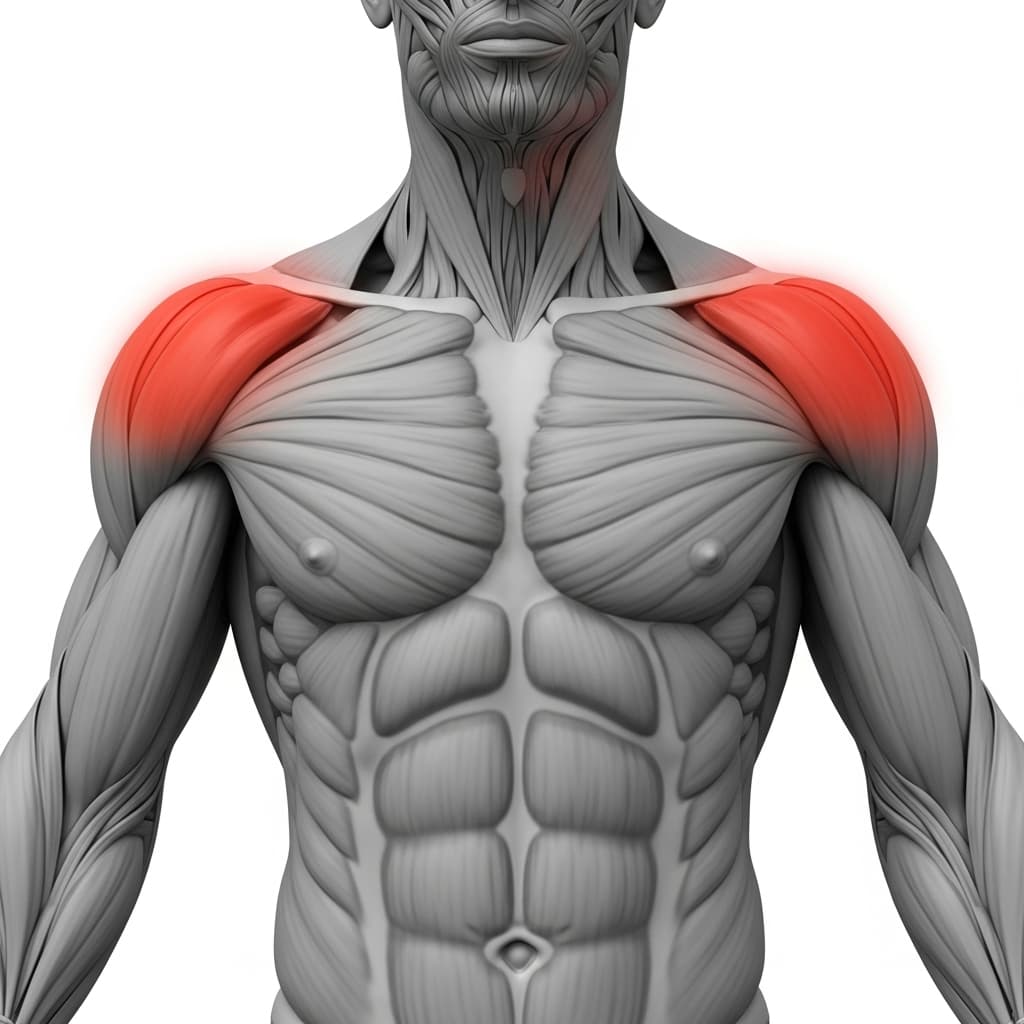
Anterior Deltoid (Front Deltoid) - The front deltoids stabilize the shoulder joint under bodyweight load while the arms support the entire body in a vertical pressing position.
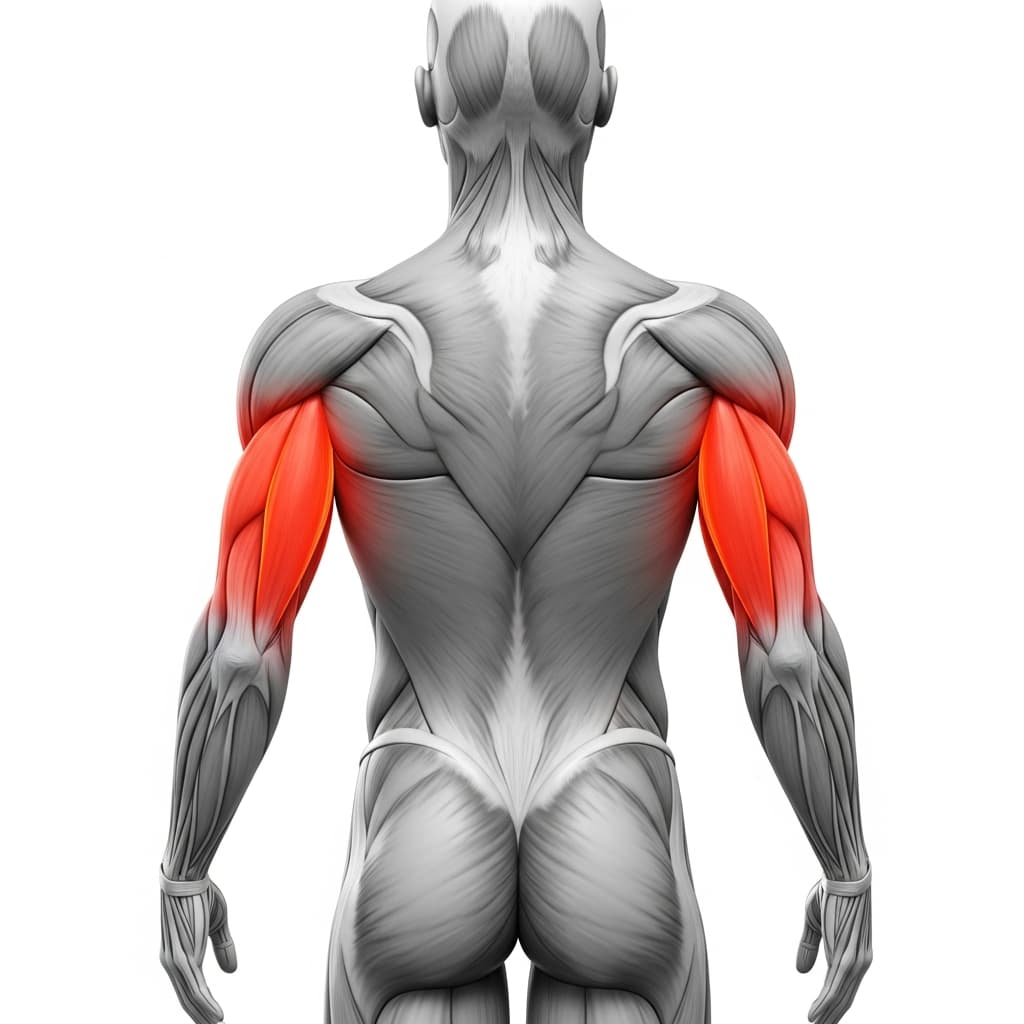
Triceps Brachii (Triceps) - The triceps lock the elbows in full extension, preventing arm collapse and maintaining the rigid base that supports the hold.
Quadriceps (Quads) - The quads keep the knees fully extended during the leg raise and hold phases, maintaining the straight-leg position that defines the exercise.
Serratus Anterior (Serratus Anterior) - The serratus anterior protracts and depresses the scapulae, pushing the shoulders away from the ears and creating the elevation needed to stack the body vertically.
Benefits of L-shape with leg extension
- Develops hip-over-shoulder alignment, which directly transfers to handstand balance and freestanding pike holds
- Builds compression strength in the hip flexors and lower abs through loaded single-leg raises at end range
- Strengthens shoulder depression and scapular stability under sustained bodyweight load, protecting the shoulders for overhead skills
- Trains single-leg control and hip stability, exposing and correcting side-to-side imbalances in core and hip flexor strength
Who Is This Exercise For?
You should be able to hold a tuck L-sit for at least 10 seconds and perform a full L-sit on the floor for 5 seconds with locked arms before attempting this exercise. Comfortable shoulder depression and basic pike compression strength are required, so practice scapular push-ups and seated leg lifts first. If your shoulders collapse or your arms bend under bodyweight during a floor L-sit, you are not ready for this progression.
Common Mistakes to Avoid
Hips drifting behind the shoulders: Your hands, shoulders, and hips must form one vertical line. If your hips lag behind, push harder through the floor and actively tilt your pelvis forward until you feel the stack lock in.
Bending the elbows under load: Bent arms shift the work from the shoulders and core into the triceps and make the hold unsustainable. Lock your elbows fully before stepping up and maintain that lock throughout every rep.
Rushing the leg extension: Snapping the legs straight removes the control element and destabilizes the hold. Extend slowly over 2 to 3 seconds so your core can adjust to the changing lever length.
Letting shoulders shrug toward the ears: Elevated shoulders reduce stability and compress the neck. Actively depress your scapulae by pushing the floor away before and during the hold.
Variations & Progressions
Tuck L-Shape Hold on Bench
Keep your knees tucked the entire time instead of extending the legs. This shortens the lever arm and reduces the compression and shoulder demand while still training the stacked alignment.
L-Shape With Both Legs Extended Off Bench
Lift both feet off the elevated surface simultaneously and hold a full pike or straddle position with no support. This requires significantly more compression strength and shoulder endurance since both legs are unsupported.