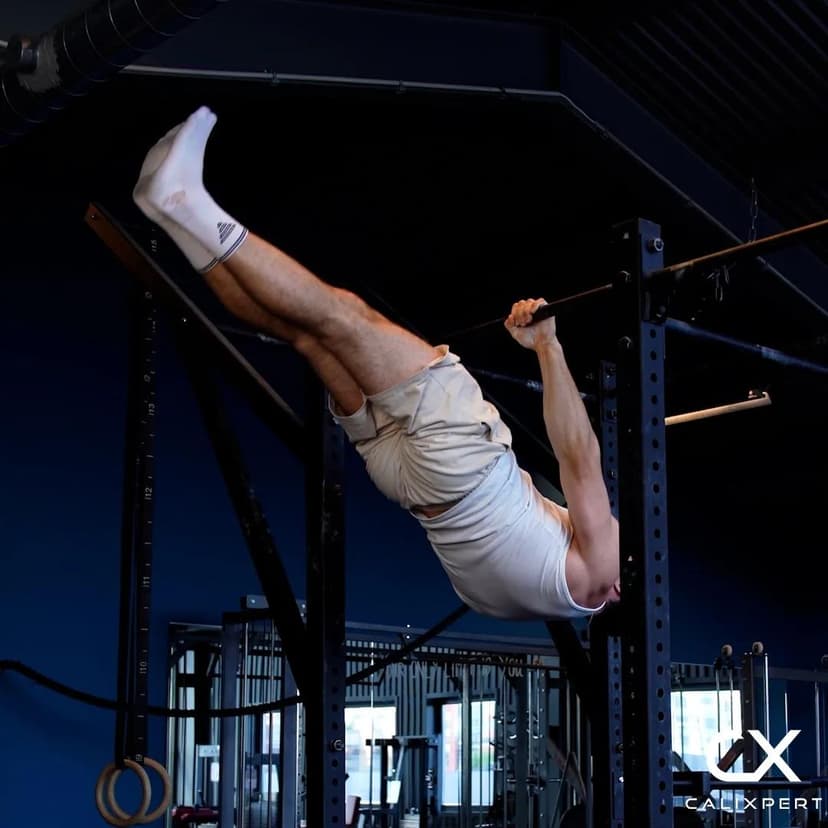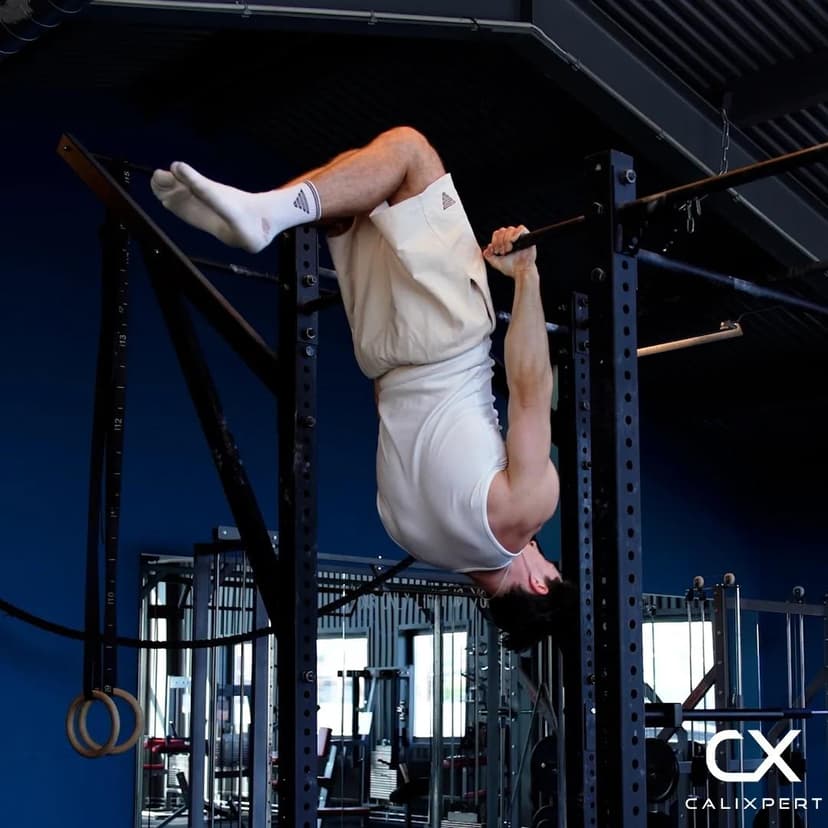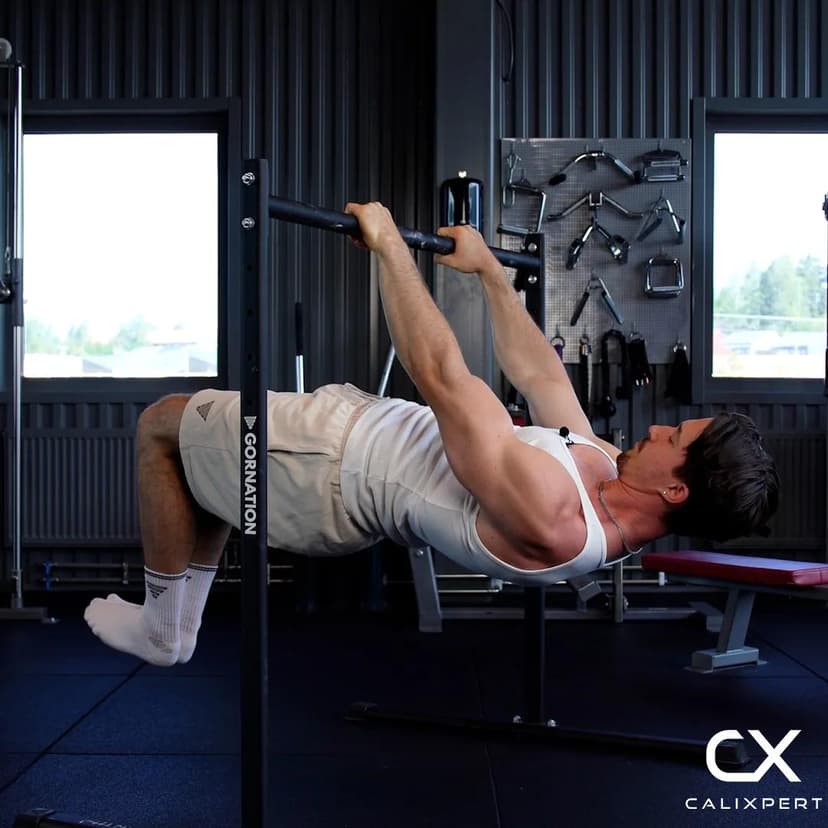
Negative Handstand To L-sit
The negative handstand to L-sit is an advanced calisthenics transition where you lower from a full handstand into an L-sit with straight arms and maximum control. It targets the shoulders, core, hip flexors, and triceps through a long eccentric range of motion that demands both strength and body awareness. Mastering this movement builds the pressing endurance and compression strength needed for freestanding handstand transitions and advanced static holds.
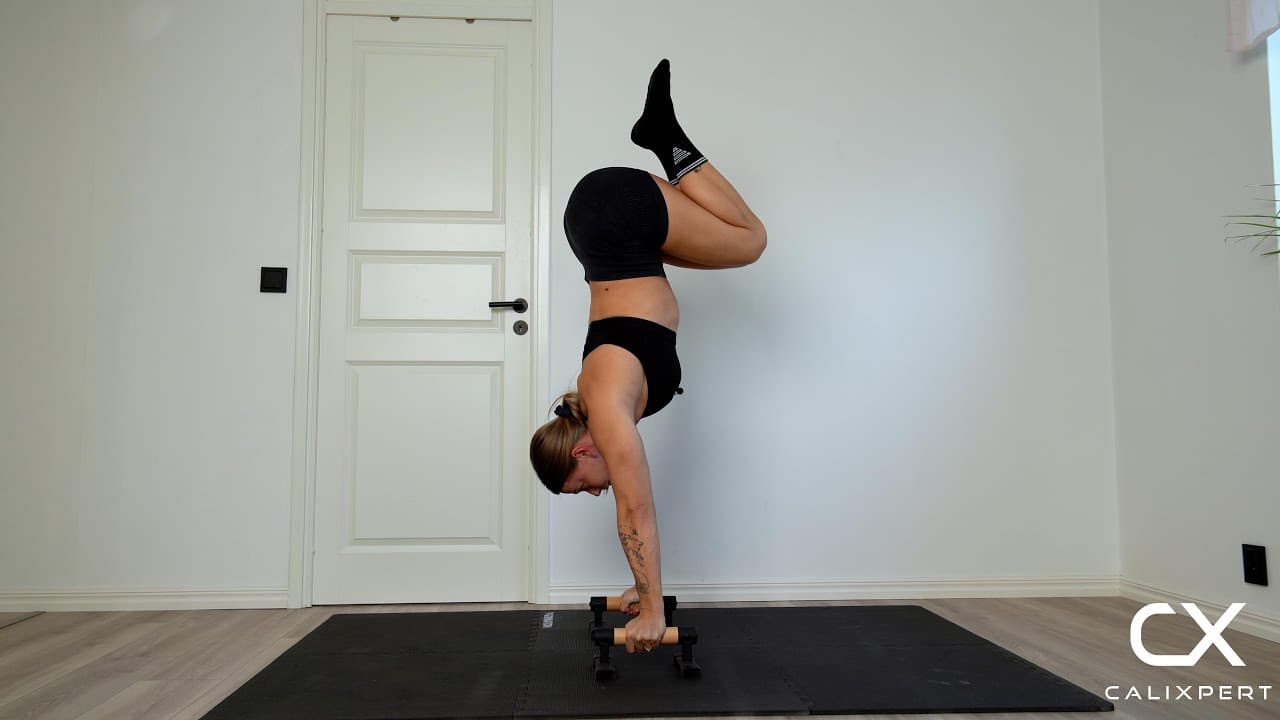
The negative handstand to L-sit is an advanced calisthenics transition where you lower from a full handstand into an L-sit with straight arms and maximum control. It targets the shoulders, core, hip flexors, and triceps through a long eccentric range of motion that demands both strength and body awareness. Mastering this movement builds the pressing endurance and compression strength needed for freestanding handstand transitions and advanced static holds.
How to Do Negative Handstand To L-sit
1. Set Up on Parallettes
Place your parallettes at a height that gives you enough clearance for your legs during the descent. Taller parallettes make the movement easier because you have more room to pass your legs through without touching the floor. Start with the highest option available and progress to lower heights as you build control.
Higher parallettes, more room to learn
2. Press Into a Solid Handstand
Kick or press up into a full handstand on the parallettes with your wrists stacked directly under your shoulders. Lock your elbows completely and hold a tight hollow body with your legs together and toes pointed. Establish balance before you begin the descent.
Lock the elbows, stack the wrists
3. Tuck and Lean Forward
Begin the descent by tucking your knees toward your chest while keeping your arms completely straight. As you tuck, shift your shoulders slightly forward of your hands to counterbalance the weight moving below you. This forward lean is essential for maintaining control and preventing a backward fall.
Tuck first, then lean forward
4. Lower as Slowly as Possible
Resist gravity through your shoulders and core as you lower your tucked body downward between the parallettes. Move as slowly as you can, treating the speed of the descent as the measure of your strength. Your legs should pass between and past your hands without any part of your body touching the floor.
Slow is strong, fast is cheating
5. Extend Into the L-sit
As your hips drop below your hands, begin extending your legs forward into a full L-sit position. Drive through your hip flexors to straighten the legs while pressing hard through the parallettes to keep your hips elevated. Your shoulders should depress and your core should stay fully engaged throughout the extension.
Press down hard, extend the legs
6. Hold the Finished L-sit
Finish in a clean L-sit with your legs fully extended, arms locked, and shoulders depressed away from your ears. Hold for 1 to 2 seconds to confirm you completed the transition with control rather than momentum. This brief hold proves the negative was performed with genuine strength.
Hold it, do not just pass through
Most people rush through the middle of this movement because that is the hardest part. The section where your legs pass between the parallettes is where the real strength gets built, so fight for every second of slow descent there. Start with parallettes high enough that you can actually control it, then lower them over weeks as you get stronger.
Muscles Worked During Negative Handstand To L-sit
Primary Muscles:
Secondary Muscles:
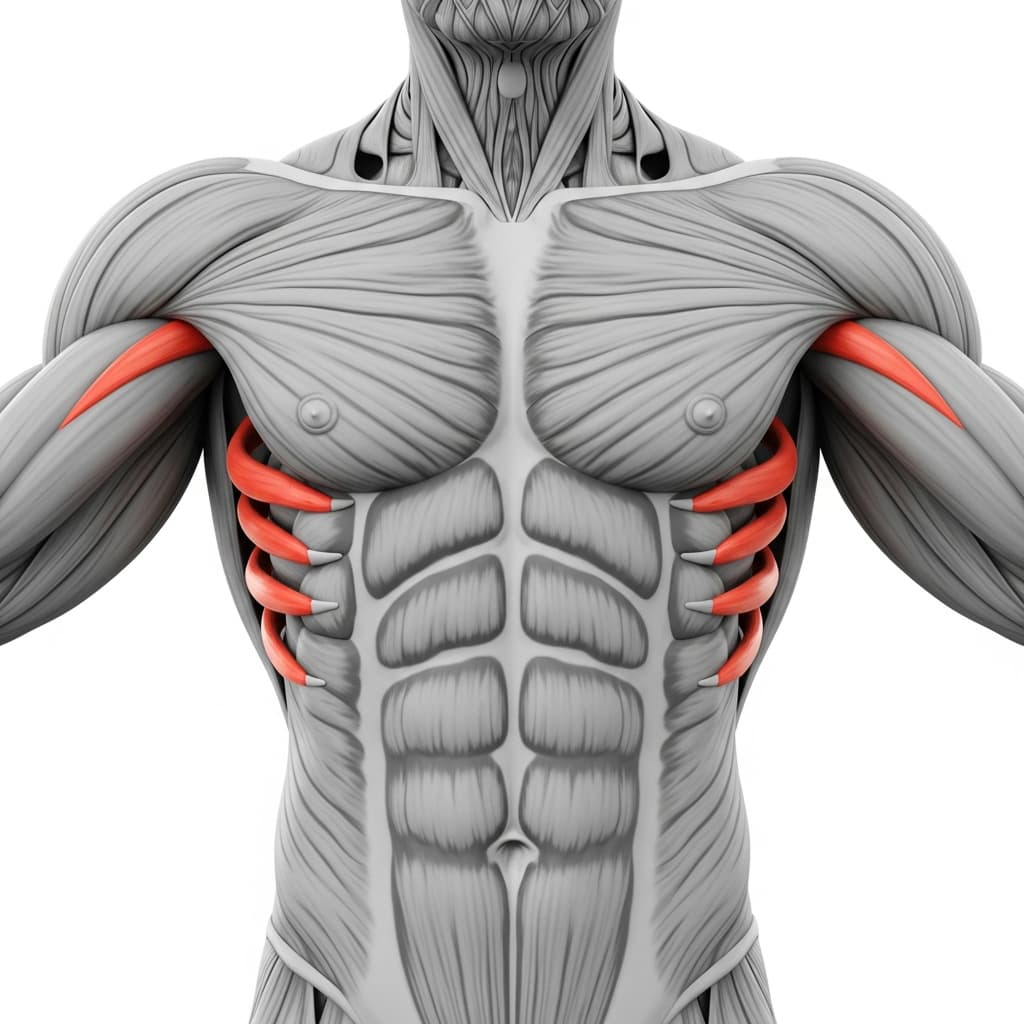
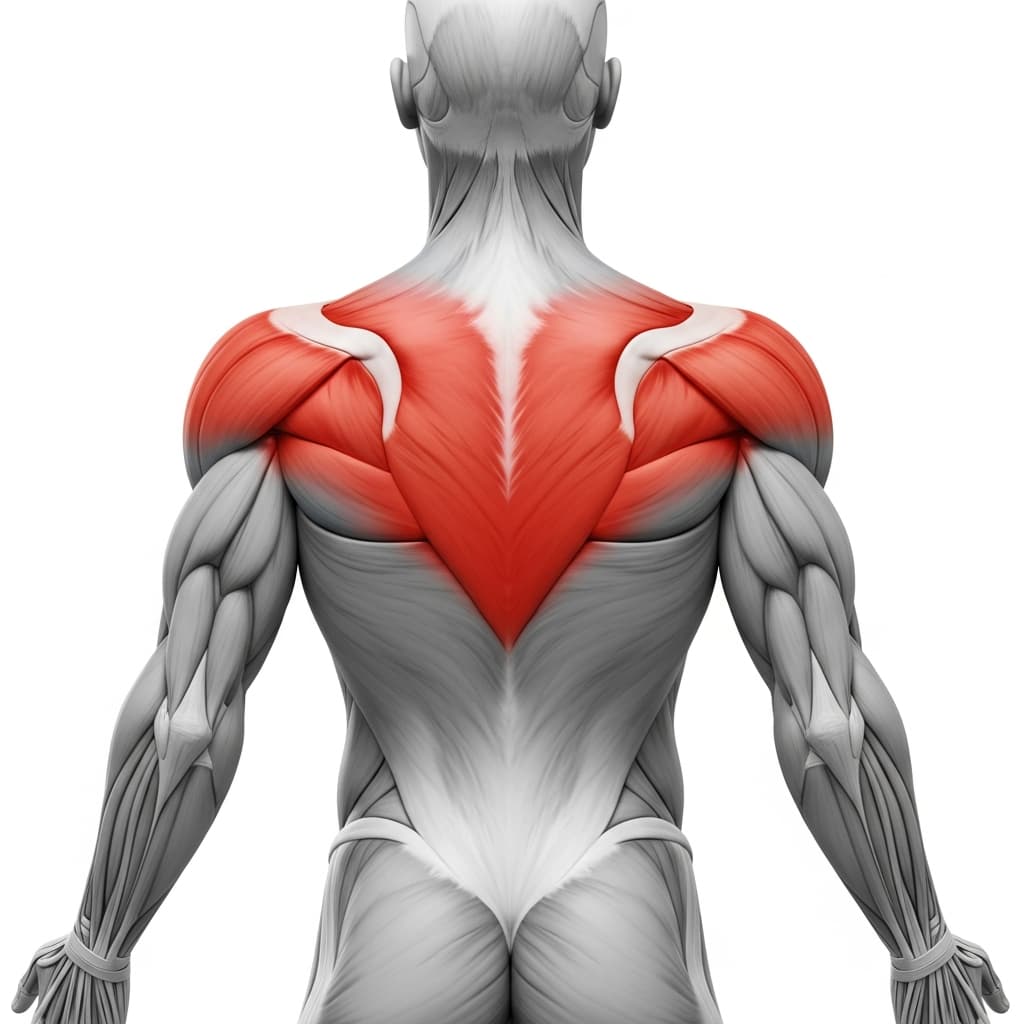
Primary Muscles
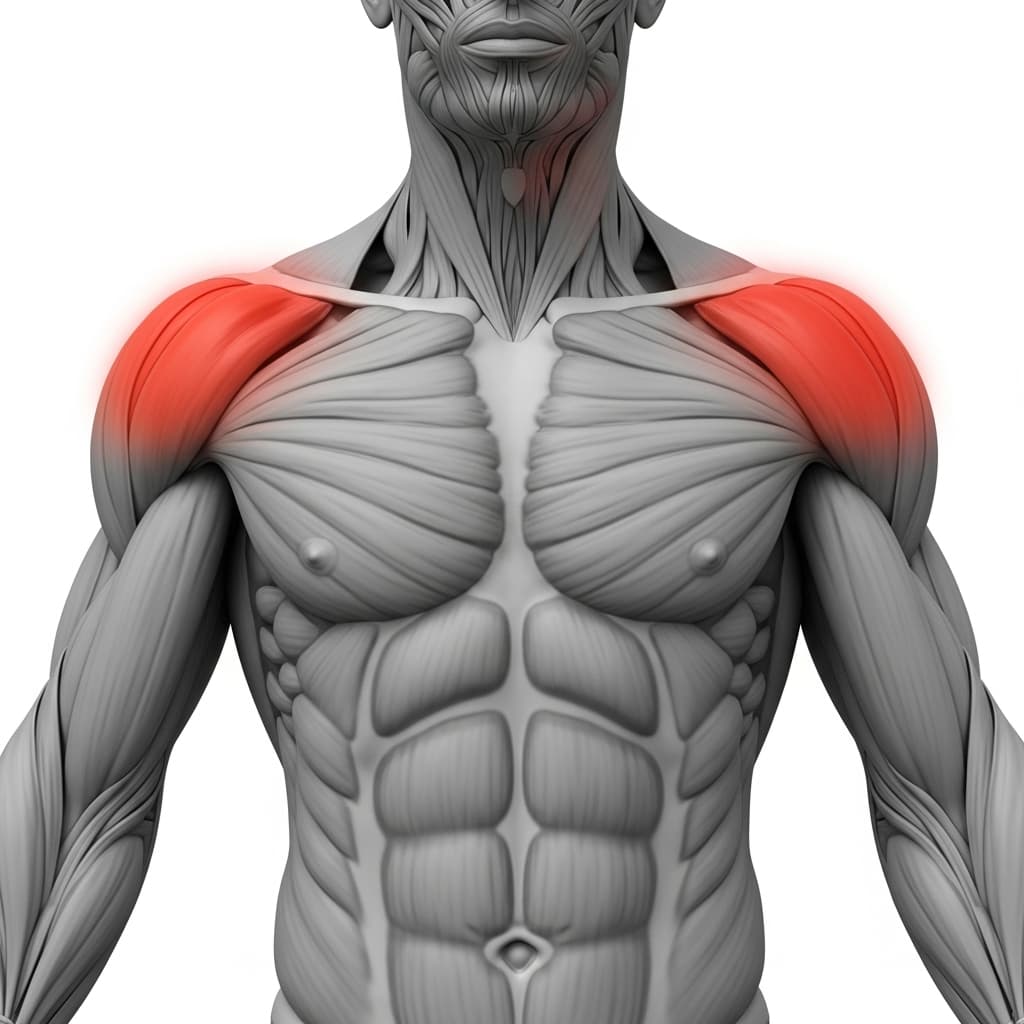
Anterior Deltoid (Front Deltoid) - The anterior deltoids work eccentrically to control the forward lean and resist the downward pull of gravity as the body lowers from handstand to L-sit.
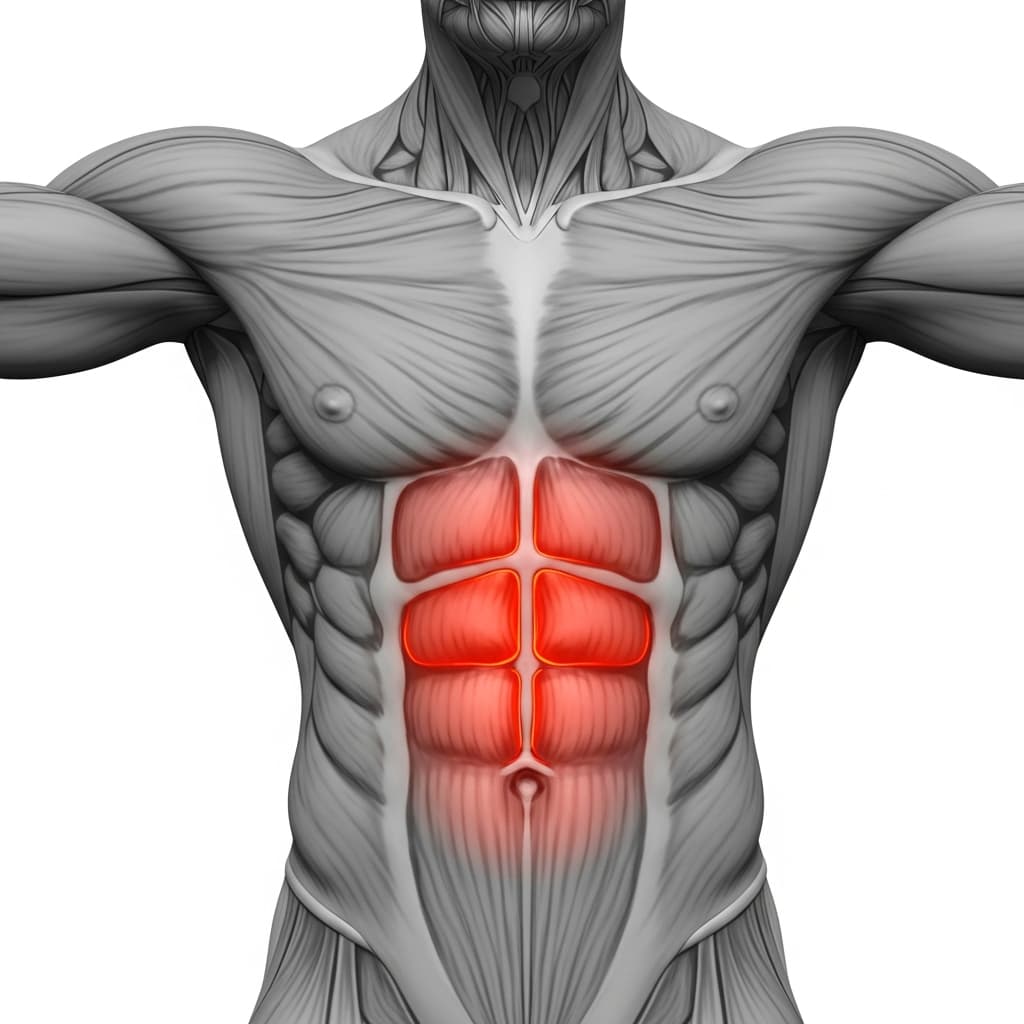
Rectus Abdominis (Abs) - The rectus abdominis maintains a tight hollow body position throughout the descent and works with the hip flexors to control the transition from vertical to horizontal.
Secondary Muscles
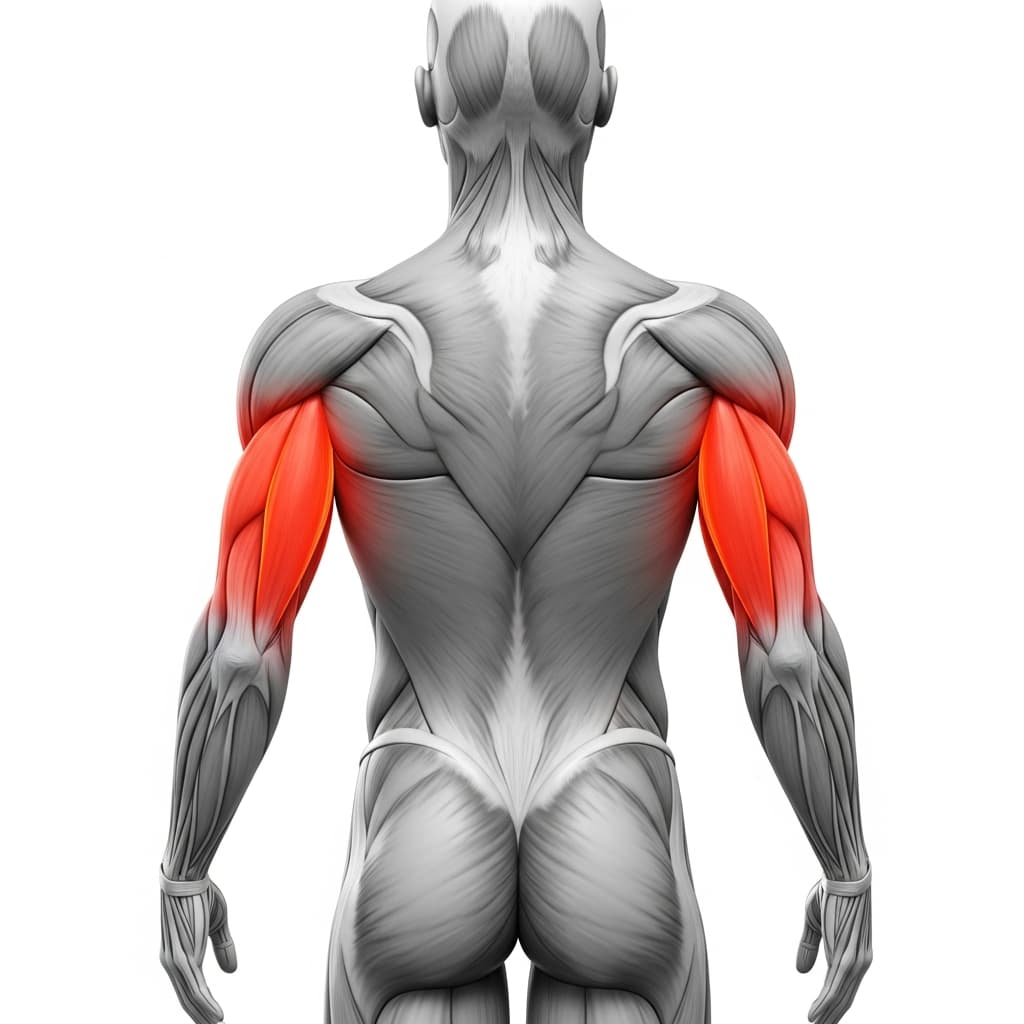
Triceps Brachii (Triceps) - The triceps maintain full elbow lockout under bodyweight throughout the entire movement, preventing the arms from collapsing during the descent.
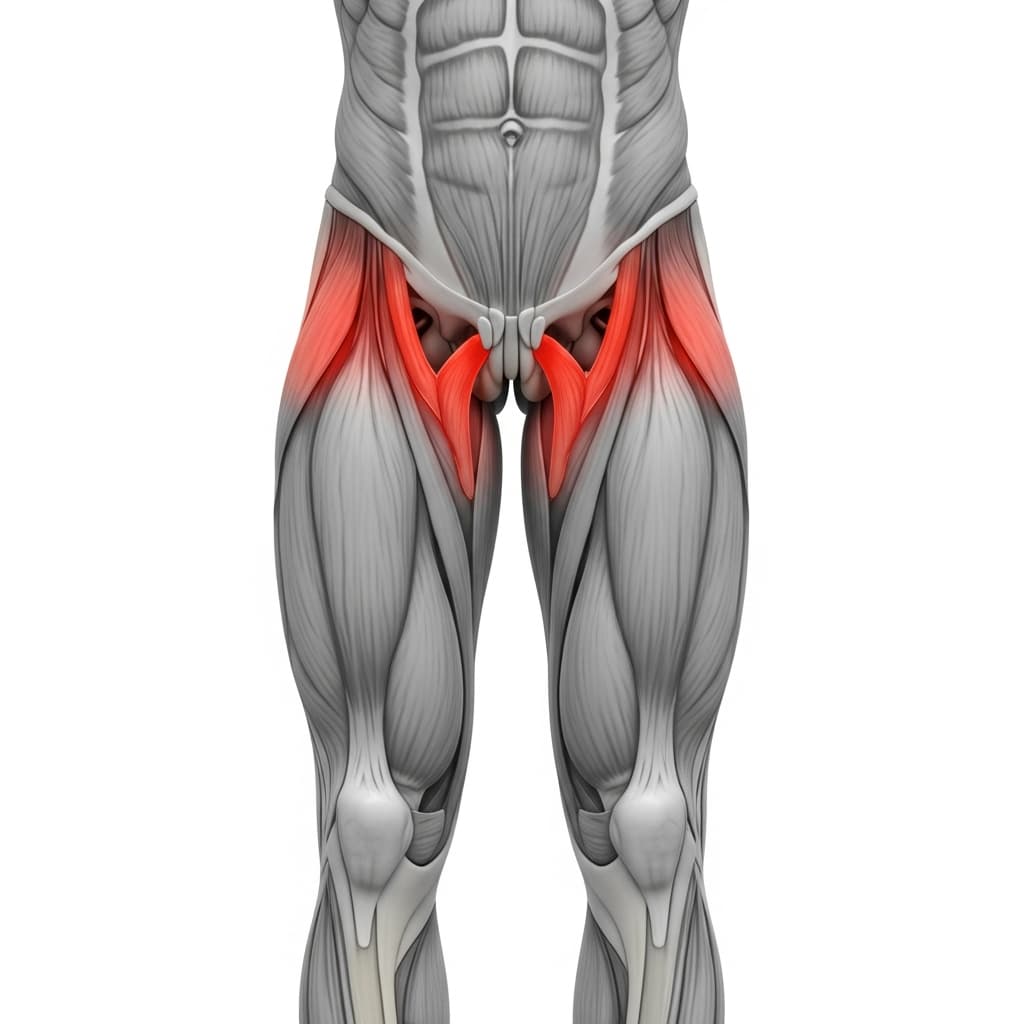
Iliopsoas (Hip Flexors) - The hip flexors actively pull the legs forward from the tuck position into full L-sit extension while the body is suspended on the parallettes.
Serratus Anterior (Serratus Anterior) - The serratus anterior stabilizes the scapula in protraction during the pressing phase and keeps the shoulders packed as the load shifts from overhead to in front of the body.
Rhomboids & Upper Trapezius (Upper Back) - The upper back muscles stabilize the shoulder girdle and resist excessive forward collapse as the shoulders lean past the wrists during the descent.
Benefits of Negative Handstand To L-sit
- Builds eccentric shoulder strength through a full overhead-to-pressing range of motion, which directly transfers to handstand press and planche progressions
- Develops hip flexor compression under load, training the exact strength needed for L-sits, V-sits, and manna progressions
- Trains controlled body awareness during a complex multi-phase transition, improving coordination for all handstand-based skills
- Strengthens the serratus anterior and scapular stabilizers through sustained protraction and depression under full bodyweight
Who Is This Exercise For?
You should be able to hold a freestanding or wall-assisted handstand for at least 15 seconds and maintain a clean L-sit on parallettes for 10 seconds before attempting this transition. Tuck handstand holds and controlled handstand shoulder leans should feel stable and repeatable. If you cannot hold a solid L-sit or your handstand requires constant correction, focus on those foundations first.
Common Mistakes to Avoid
Dropping through the descent: The entire value of this exercise is the slow, controlled lowering. If you fall through the middle portion, use higher parallettes or reduce the range by starting from a tuck handstand instead of a full handstand.
Bending the arms during the transition: Your elbows must stay fully locked from handstand to L-sit. Bent arms shift the load into the triceps and away from the shoulders and core, turning the movement into an uncontrolled dip rather than a strength transition.
Not leaning the shoulders forward enough: Without a forward lean, your center of gravity shifts behind the base of support and you lose control of the descent. Practice tuck handstand leans on the parallettes to build confidence with the shoulder position before attempting the full negative.
Legs hitting the floor between the parallettes: This means your parallettes are too low for your current level of compression strength. Use taller parallettes or focus on pike and pancake compression drills until you can keep your legs clear throughout the descent.
Variations & Progressions
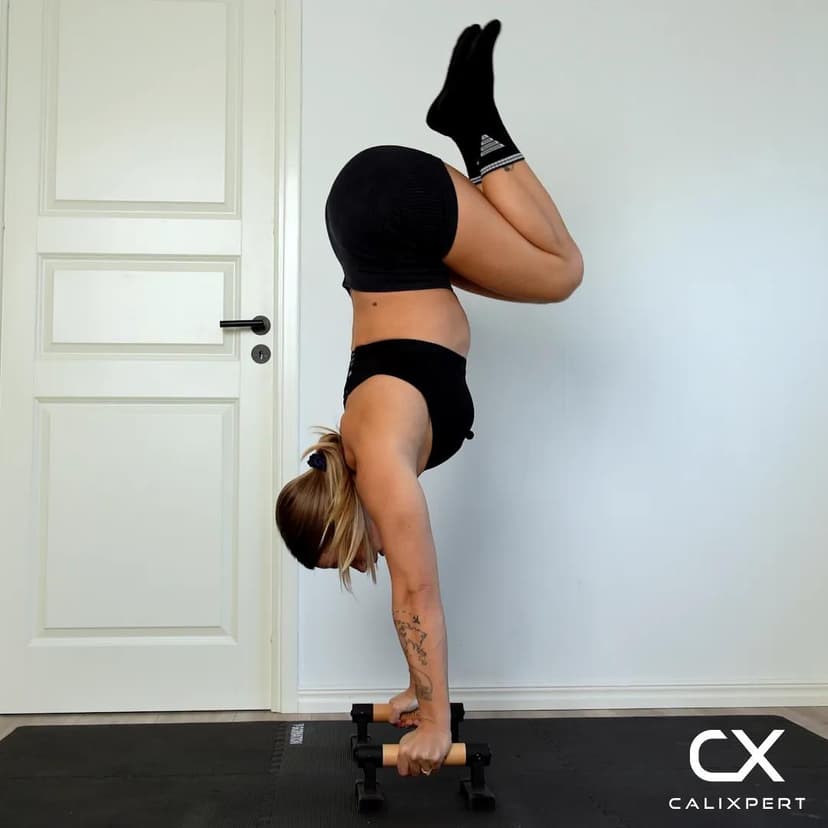
Negative Handstand to L-sit on Floor
Perform the transition on the floor or on very low parallettes instead of elevated ones. The reduced clearance demands significantly more compression strength and control to pass the legs through without touching the ground.