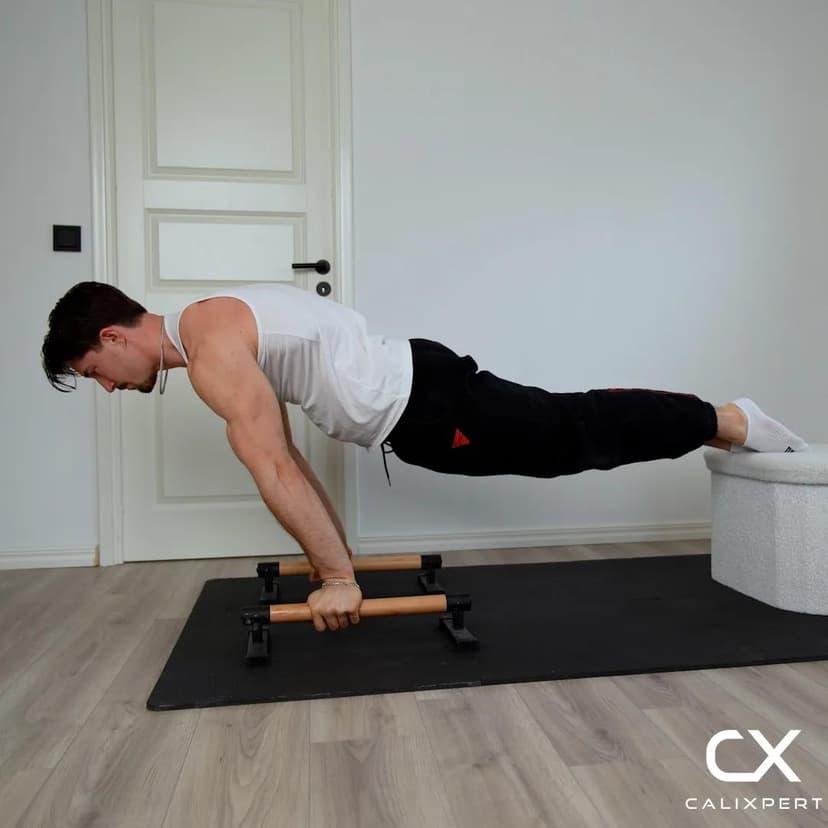
One Arm Hang
The one arm hang is an isometric grip and shoulder stability exercise where you support your full bodyweight from a single hand on a straight bar. It primarily targets the forearms, lats, and rotator cuff while demanding anti-rotation control from the core and obliques. Building a solid one arm hang is a direct prerequisite for one arm pull-up progressions and develops the kind of grip endurance and shoulder resilience that carries over to climbing, muscle-ups, and every advanced hanging skill in calisthenics.
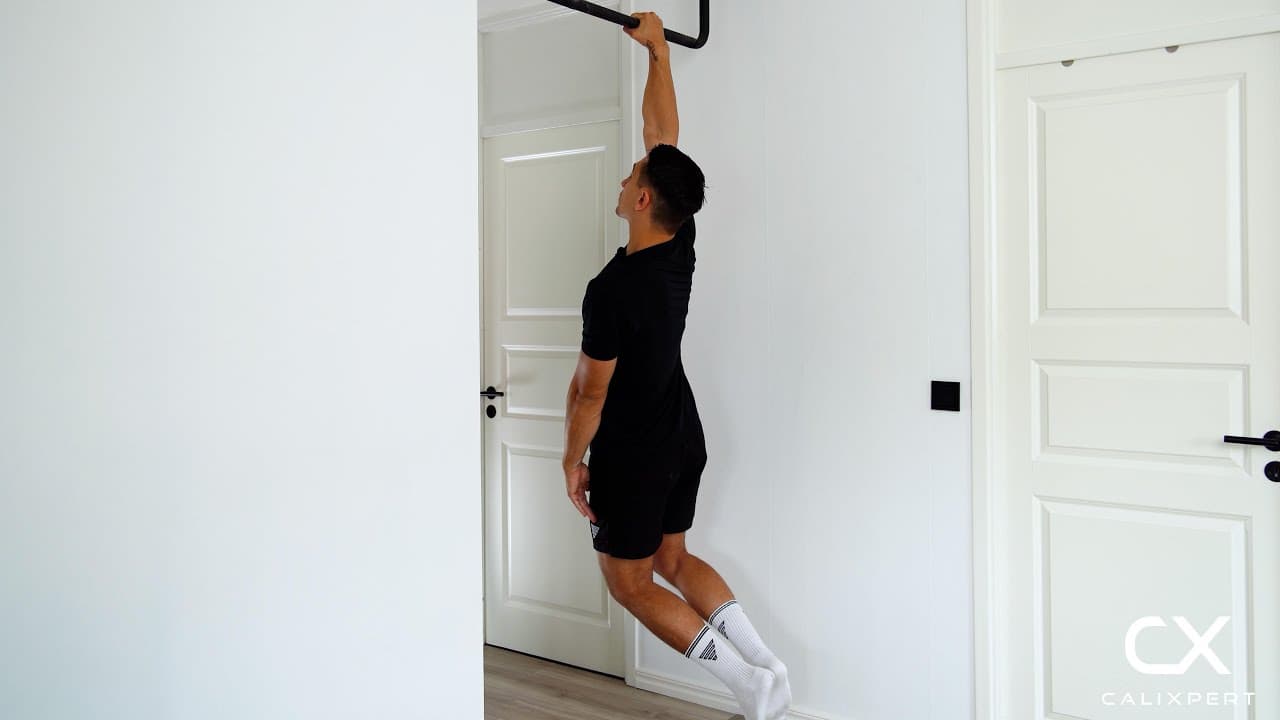
The one arm hang is an isometric grip and shoulder stability exercise where you support your full bodyweight from a single hand on a straight bar. It primarily targets the forearms, lats, and rotator cuff while demanding anti-rotation control from the core and obliques. Building a solid one arm hang is a direct prerequisite for one arm pull-up progressions and develops the kind of grip endurance and shoulder resilience that carries over to climbing, muscle-ups, and every advanced hanging skill in calisthenics.
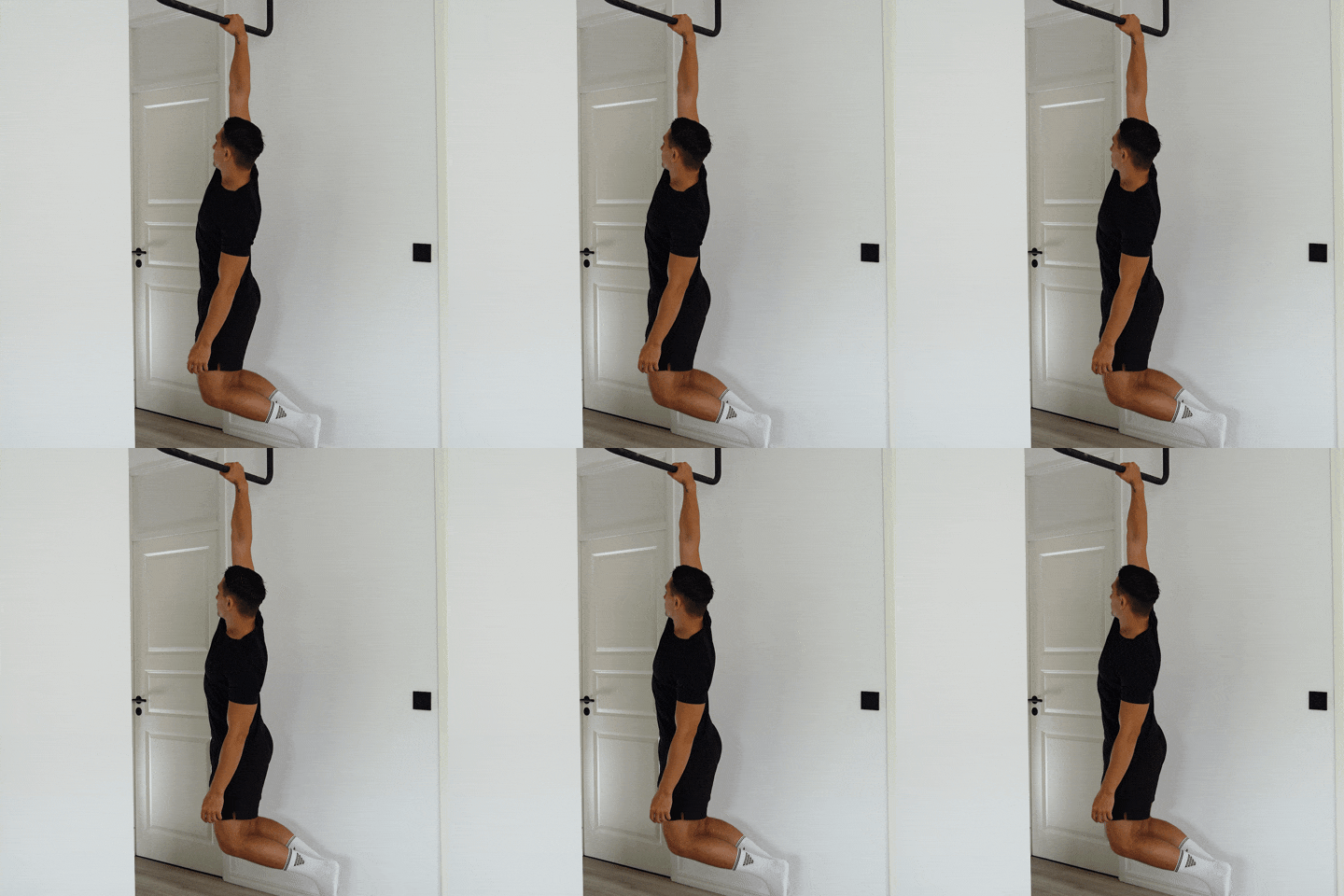
How to Do One Arm Hang
1. Set Your Grip on the Bar
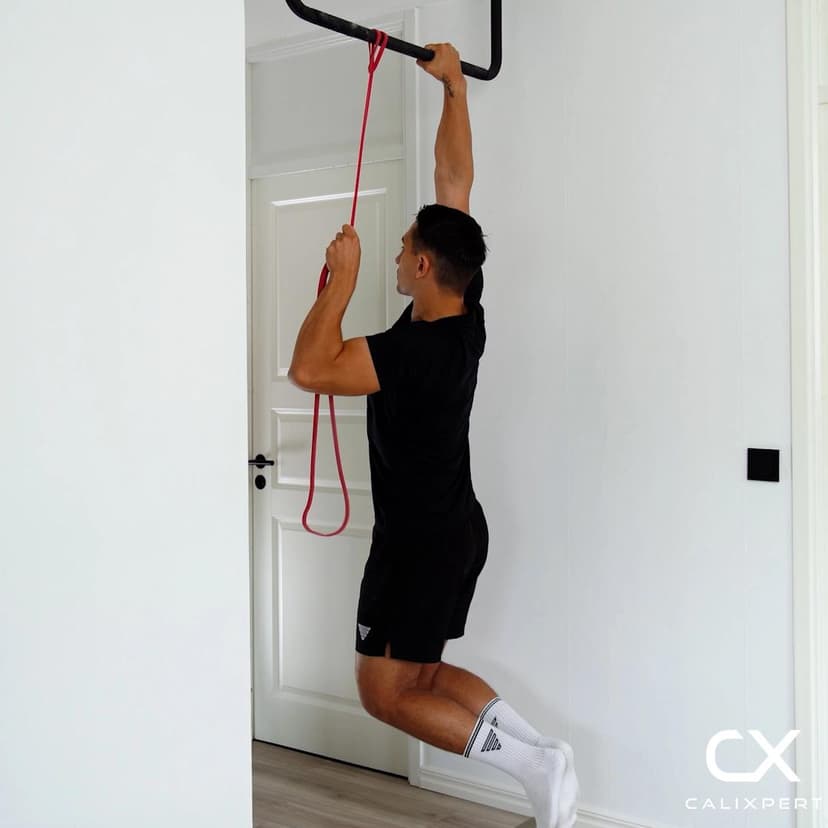
Grab a high straight bar with one hand using a full overhand grip. Wrap your thumb completely around the bar and position your knuckles pointing upward toward the ceiling, not sideways. This knuckle-up orientation locks the wrist into a stronger gripping position and prevents the hand from slipping. Place your hand directly above your shoulder, not off to the side.
Knuckles up, thumb wrapped tight
2. Lift Your Feet and Hang
Step off the surface or bend your knees to lift your feet off the ground. Let your bodyweight settle into the hanging arm gradually rather than dropping into it. Keep your free arm relaxed at your side or slightly in front of your body for balance.
Ease into the hang, do not drop
3. Engage the Scapula Actively
Once hanging, pull your shoulder blade slightly down and back so the shoulder is not fully relaxed. This does not need to be a full scapular pull-up position, but the shoulder must not be shrugged up against your ear. This active engagement stabilizes the shoulder joint and protects it from excessive stress under load.
Shoulder down and engaged, not passive
4. Create Full Body Tension
Brace your core and squeeze your glutes to create tension from your hand all the way down to your feet. This full body engagement is what prevents your body from spinning and swinging on the bar. Think of your body as one rigid unit, not a loose weight hanging from a string.
Tight from grip to glutes
5. Hold for Time and Breathe
Maintain the active hang for your target duration while breathing steadily through your nose. Do not hold your breath, as this causes early fatigue and reduces hang time. Keep your eyes forward and your neck relaxed throughout the hold.
Breathe steady, stay tight
6. Release and Switch Sides
When your grip begins to fail or you reach your target time, lower yourself to the ground with control. Shake out the working hand for a few seconds, then repeat on the opposite arm. Always train both sides equally to avoid grip and shoulder imbalances.
Land with control, train both sides
Most people fail the one arm hang because they treat it as a pure grip exercise and let everything else go slack. The moment you engage your scapula and brace your core, you stop spinning and your hang time jumps immediately. Think of it as a full body hold that happens to be anchored by one hand, not a forearm test.
Muscles Worked During One Arm Hang
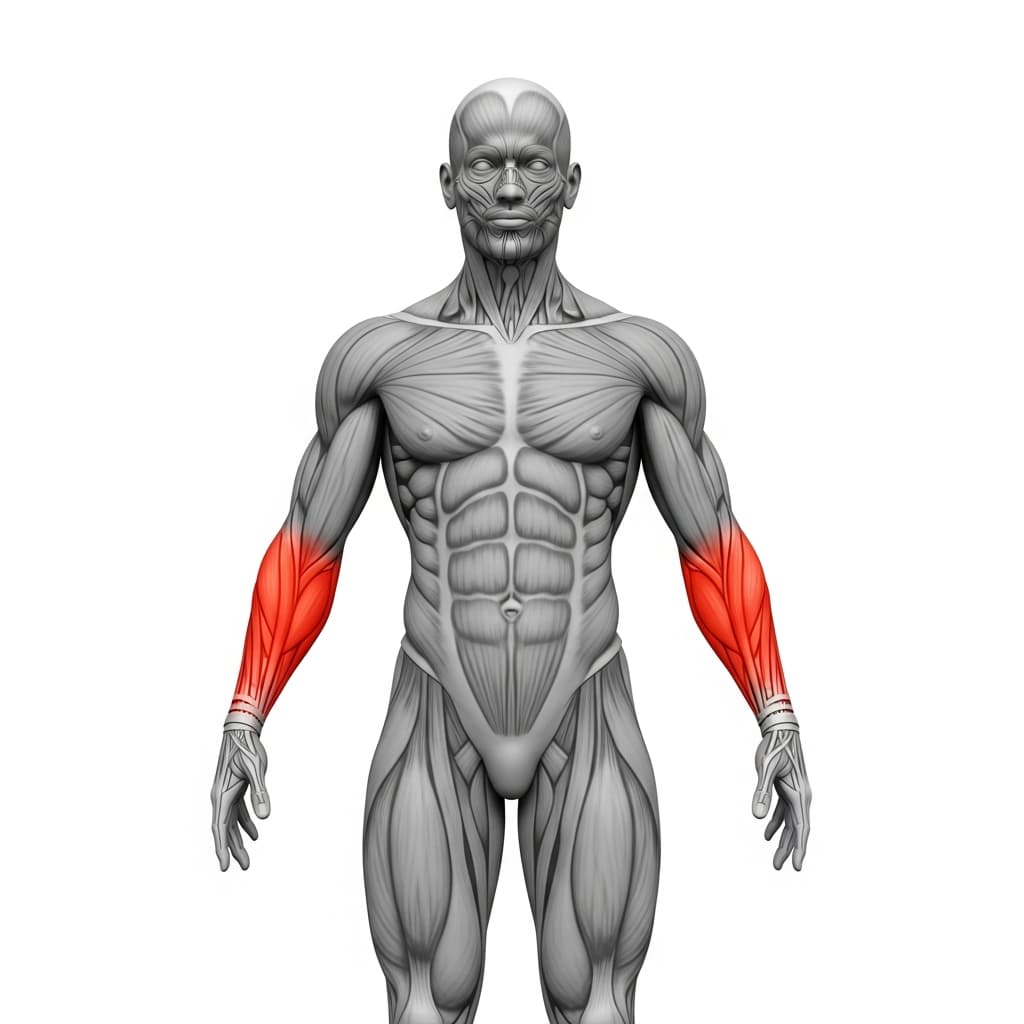
Secondary Muscles:
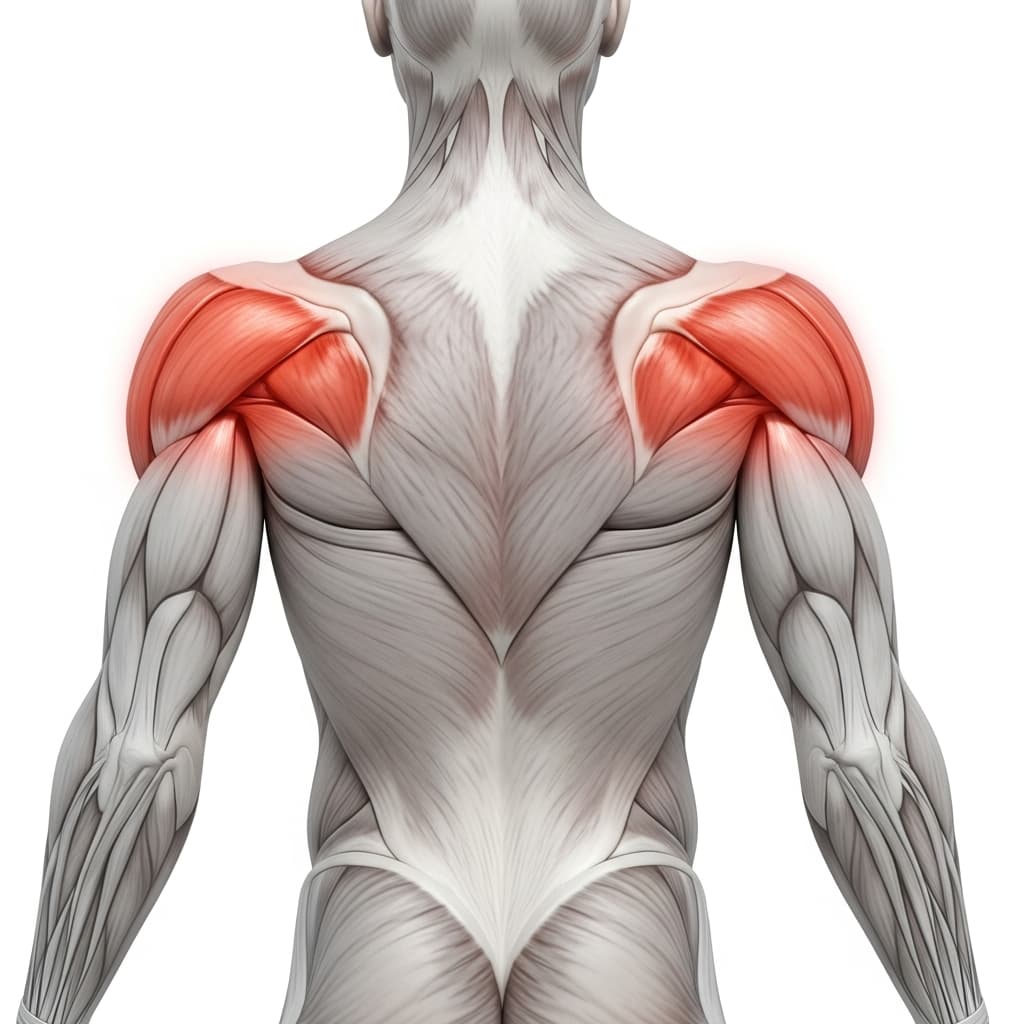
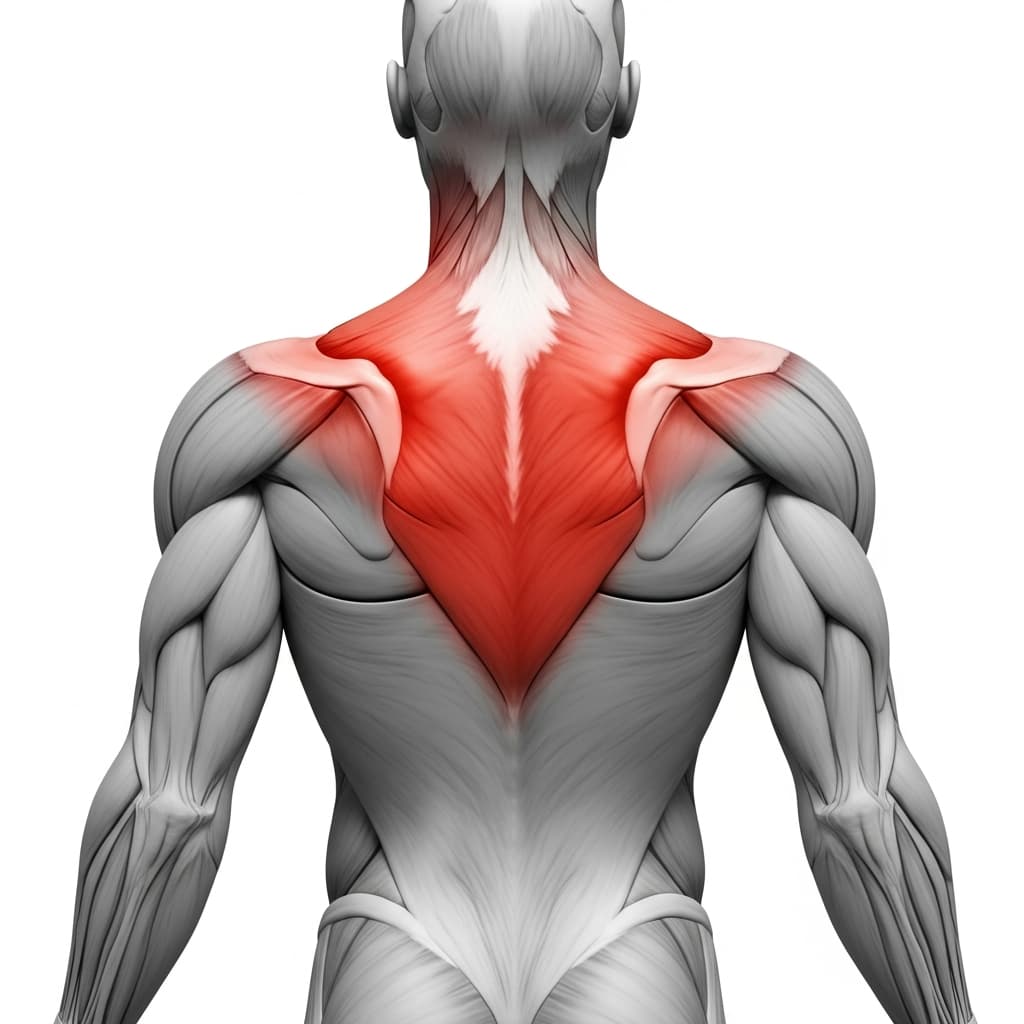
Primary Muscles
Forearm Flexors & Extensors (Forearms) - The forearm flexors maintain a crushing grip on the bar against your full bodyweight, making them the primary limiting factor in hang duration.
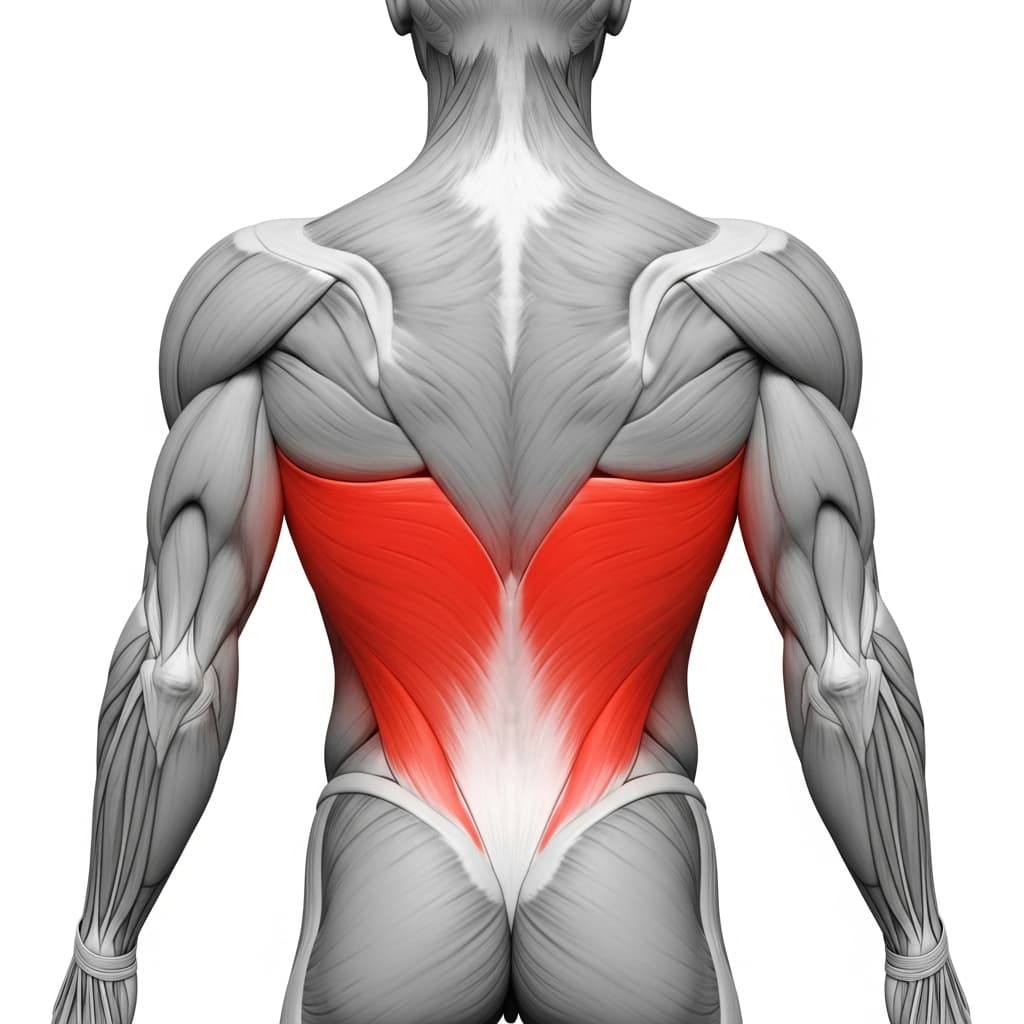
Latissimus Dorsi (Lats) - The lat on the working side contracts isometrically to depress the scapula and stabilize the shoulder joint in the active hang position.
Secondary Muscles
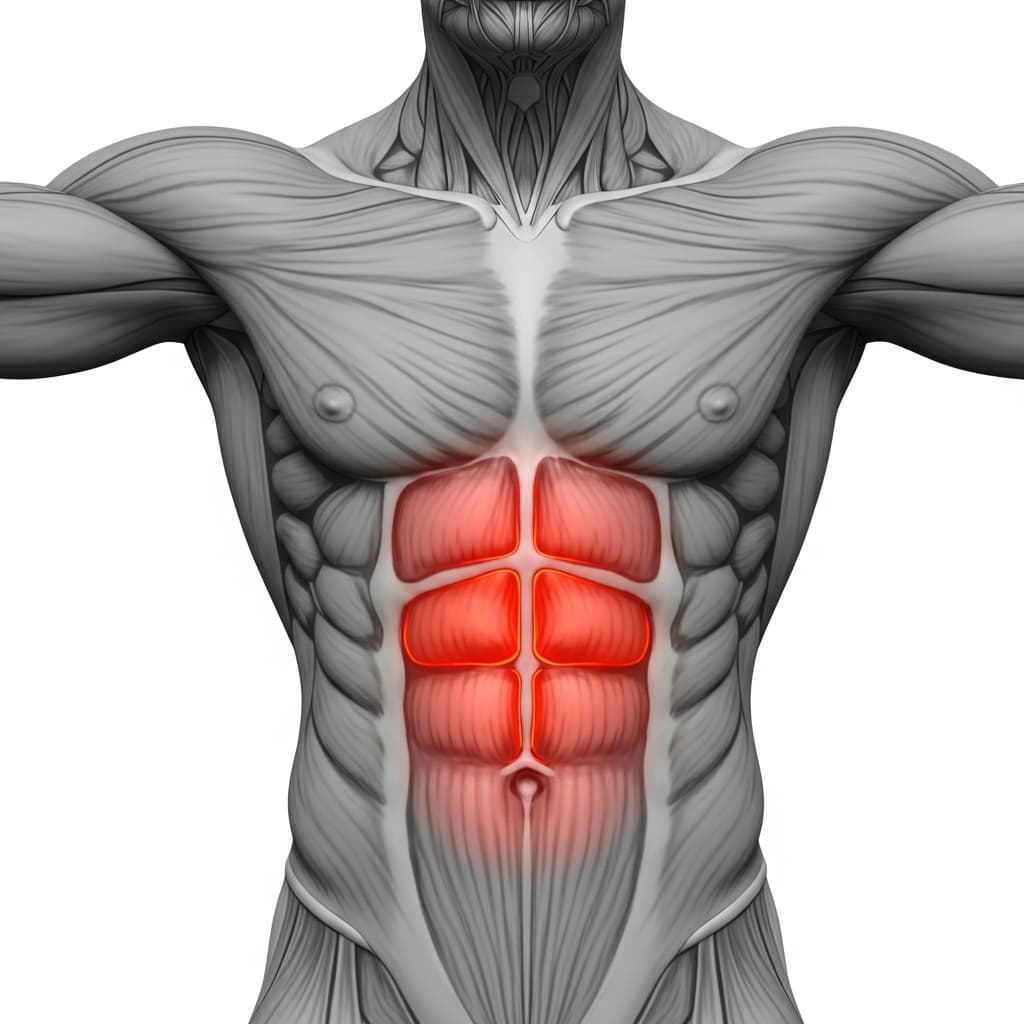
Rectus Abdominis (Abs) - The rectus abdominis braces to maintain a rigid torso and prevent the lower body from swinging freely under the bar.
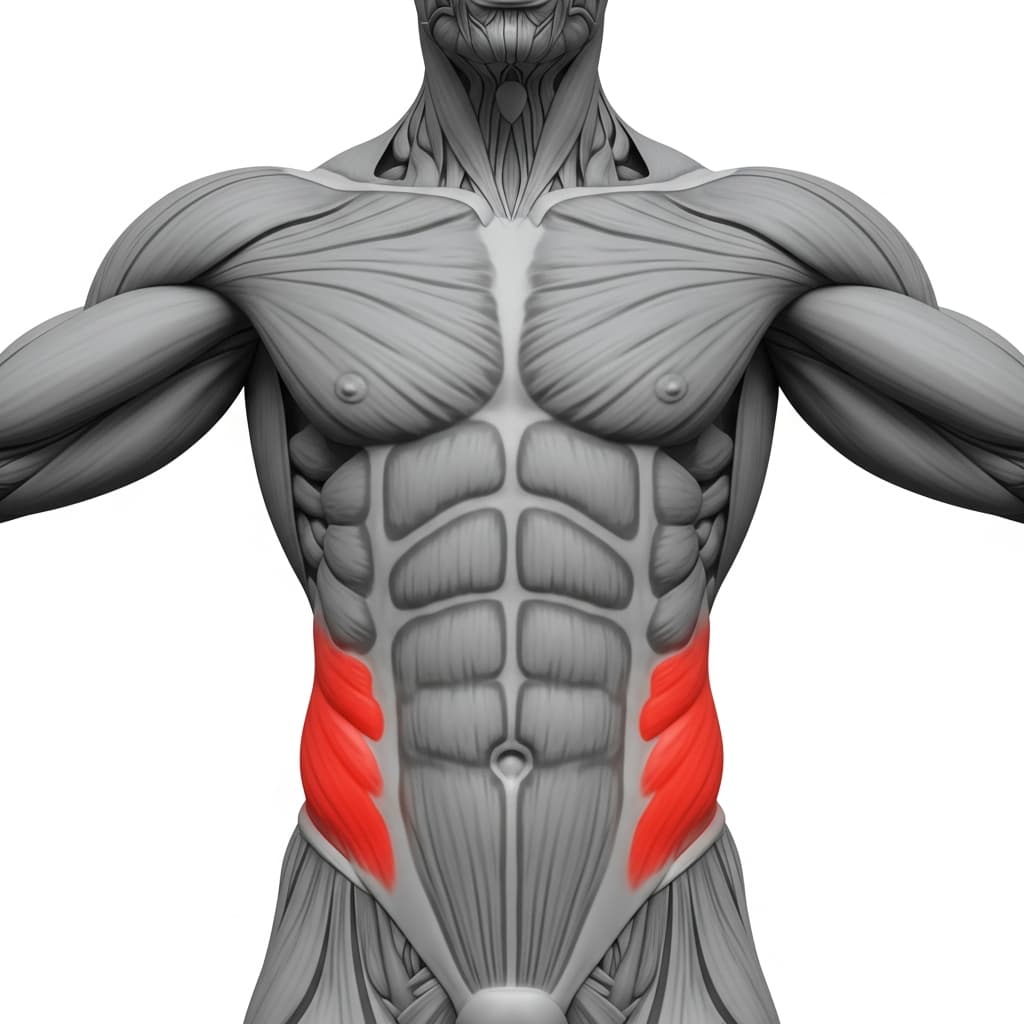
Obliques (Obliques) - The obliques resist the rotational force that the asymmetric one arm loading creates, keeping the hips and torso square to the bar.
Rotator Cuff (SITS) (Rotator Cuff) - The rotator cuff muscles stabilize the humeral head in the shoulder socket under the full bodyweight load of a single arm hang.
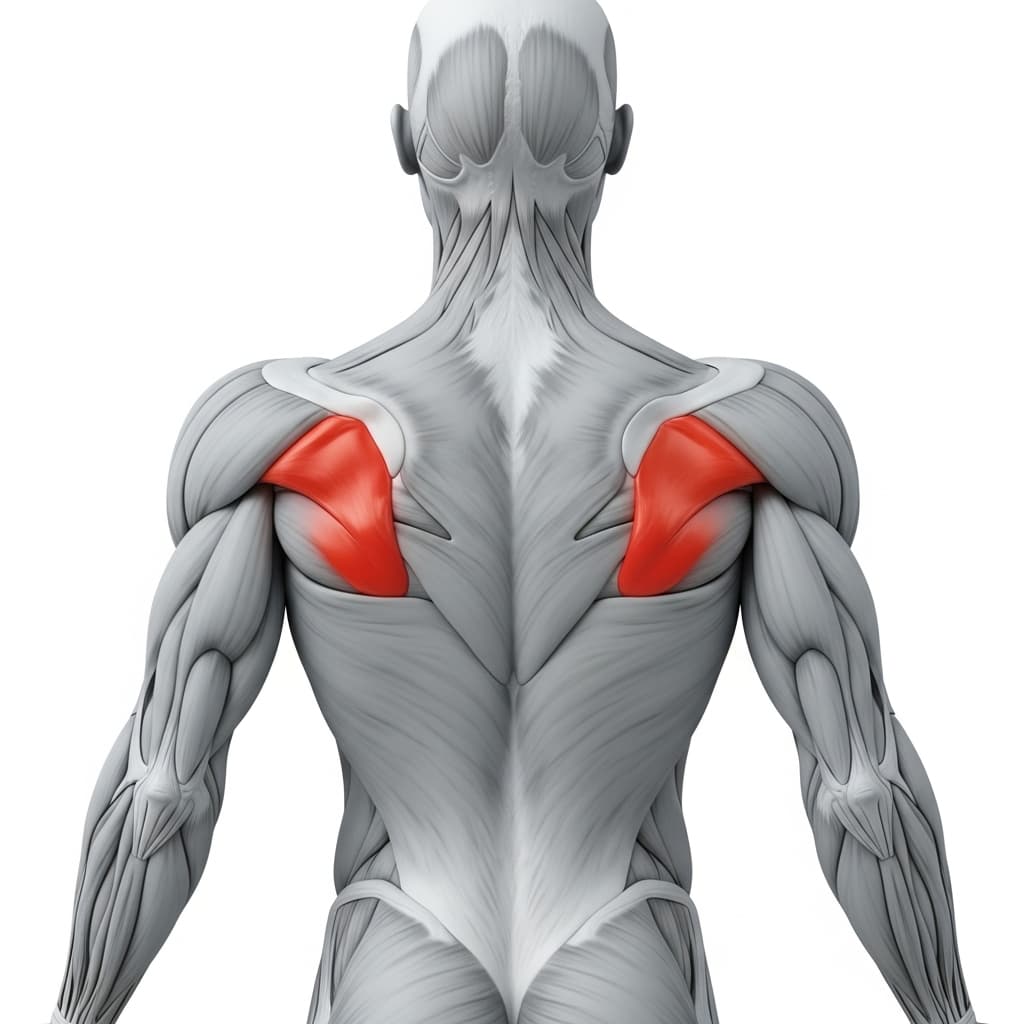
Posterior Deltoid (Rear Deltoid) - The rear deltoid assists scapular retraction and helps maintain the active shoulder position that protects the joint during the hang.
Trapezius (Trapezius) - The lower and middle trapezius fibers work to depress and stabilize the scapula, preventing the shoulder from shrugging up toward the ear.
Benefits of One Arm Hang
- Builds single-arm grip strength and forearm endurance far beyond what standard two arm hangs develop, directly preparing the hand and wrist for one arm pull-up training
- Strengthens the rotator cuff and scapular stabilizers under unilateral load, which improves shoulder resilience for all overhead and hanging movements
- Develops anti-rotation core strength by forcing the abs and obliques to resist the body's natural tendency to spin under asymmetric loading
- Exposes and corrects left-right grip and shoulder imbalances that two arm exercises can mask
Who Is This Exercise For?
You should be able to hold a standard two arm dead hang for at least 45 seconds and perform an active hang with depressed scapulae for 20 seconds before attempting the one arm version. If your grip fails under 30 seconds on a regular hang or your shoulders shrug up uncontrollably, spend more time building baseline hang endurance and scapular control first.
Common Mistakes to Avoid
Hanging with a dead shoulder: Never let the shoulder fully relax into a dead hang position on one arm. The joint is under significant load and needs active scapular engagement to stay protected. Pull the shoulder blade slightly down before every attempt.
Gripping with knuckles sideways: Rotate your hand so that your knuckles point upward toward the ceiling, not sideways. The knuckle-up position engages the forearm flexors more effectively and gives you a significantly stronger grip on the bar.
Letting the body spin and swing: Rotation happens when the core and glutes are not engaged. Brace your abs, squeeze your glutes, and think about keeping your hips square to the bar throughout the entire hold.
Dropping into the hang too fast: Suddenly loading one shoulder with your full bodyweight can irritate the joint. Transition into the one arm hang gradually by slowly releasing the second hand while the working arm takes over.