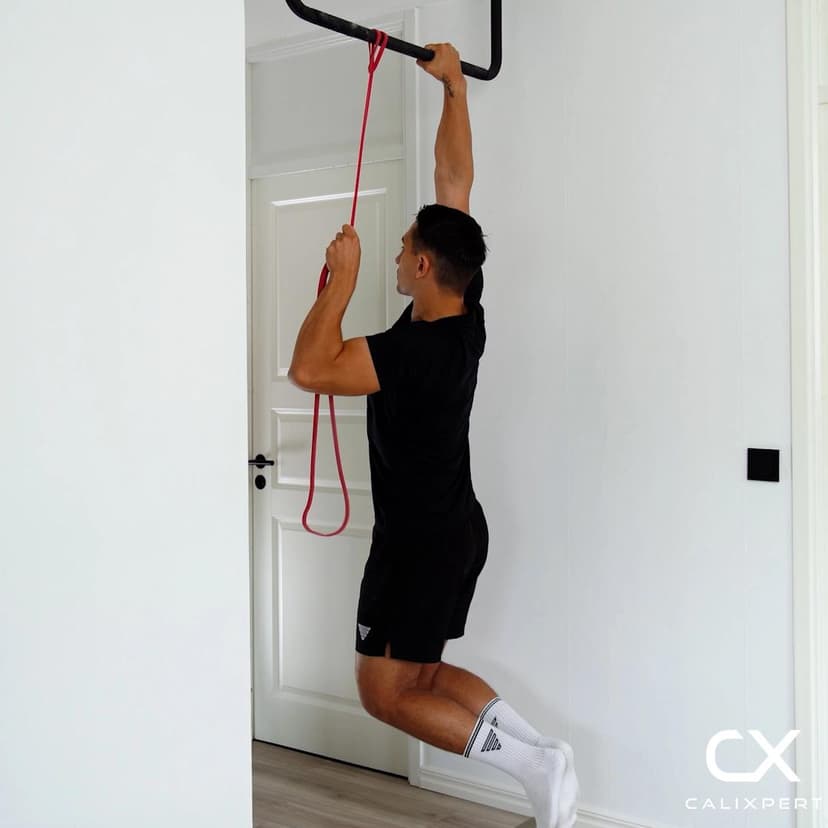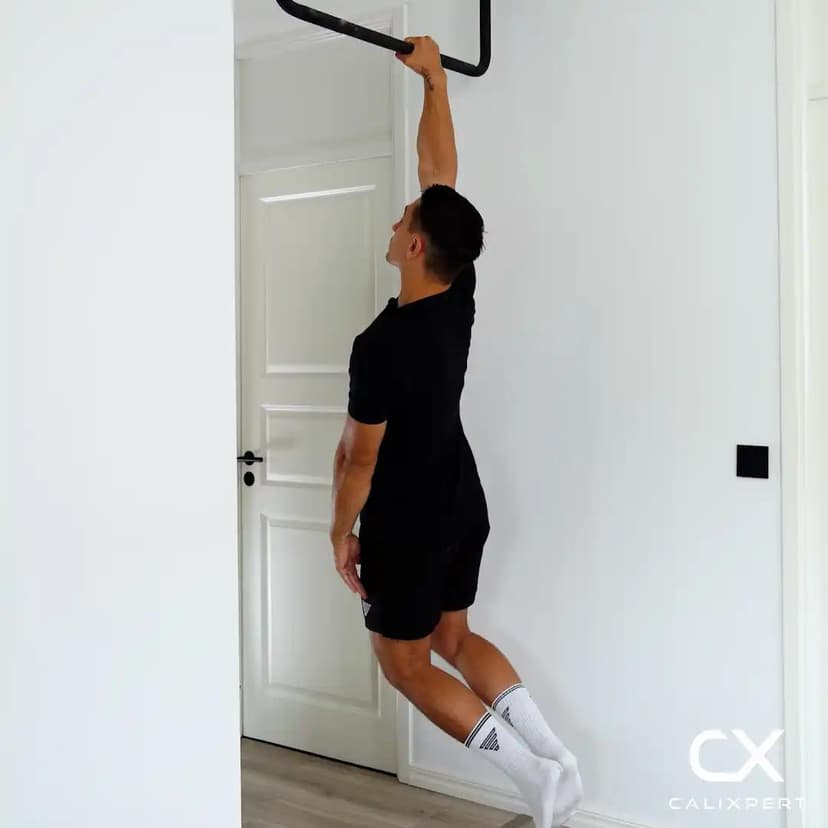
One Arm Dead Hang
The one arm dead hang is a unilateral grip endurance exercise where you support your full bodyweight from a single hand on a straight bar. It targets the forearms, lats, rotator cuff, and core while placing extreme demand on finger flexor strength and shoulder stability. Building a solid one arm dead hang is a direct prerequisite for one arm pull-up progressions and develops the grip resilience needed for advanced bar work in calisthenics.
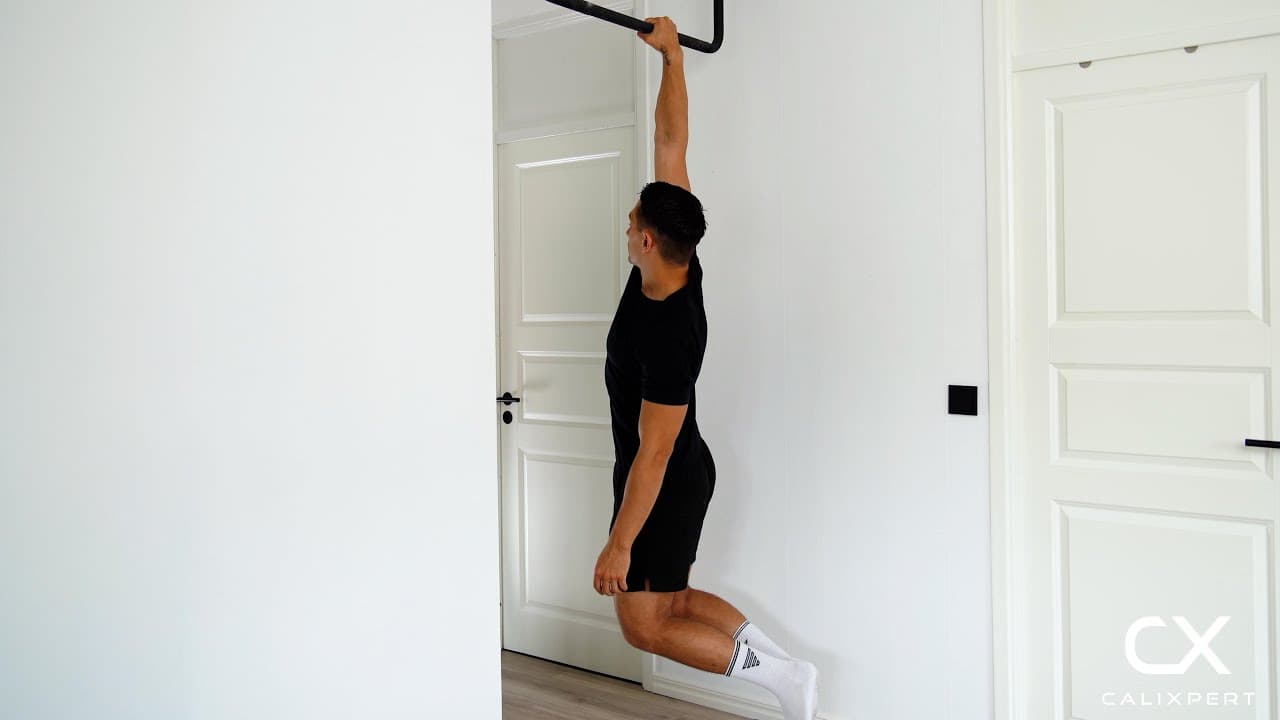
The one arm dead hang is a unilateral grip endurance exercise where you support your full bodyweight from a single hand on a straight bar. It targets the forearms, lats, rotator cuff, and core while placing extreme demand on finger flexor strength and shoulder stability. Building a solid one arm dead hang is a direct prerequisite for one arm pull-up progressions and develops the grip resilience needed for advanced bar work in calisthenics.
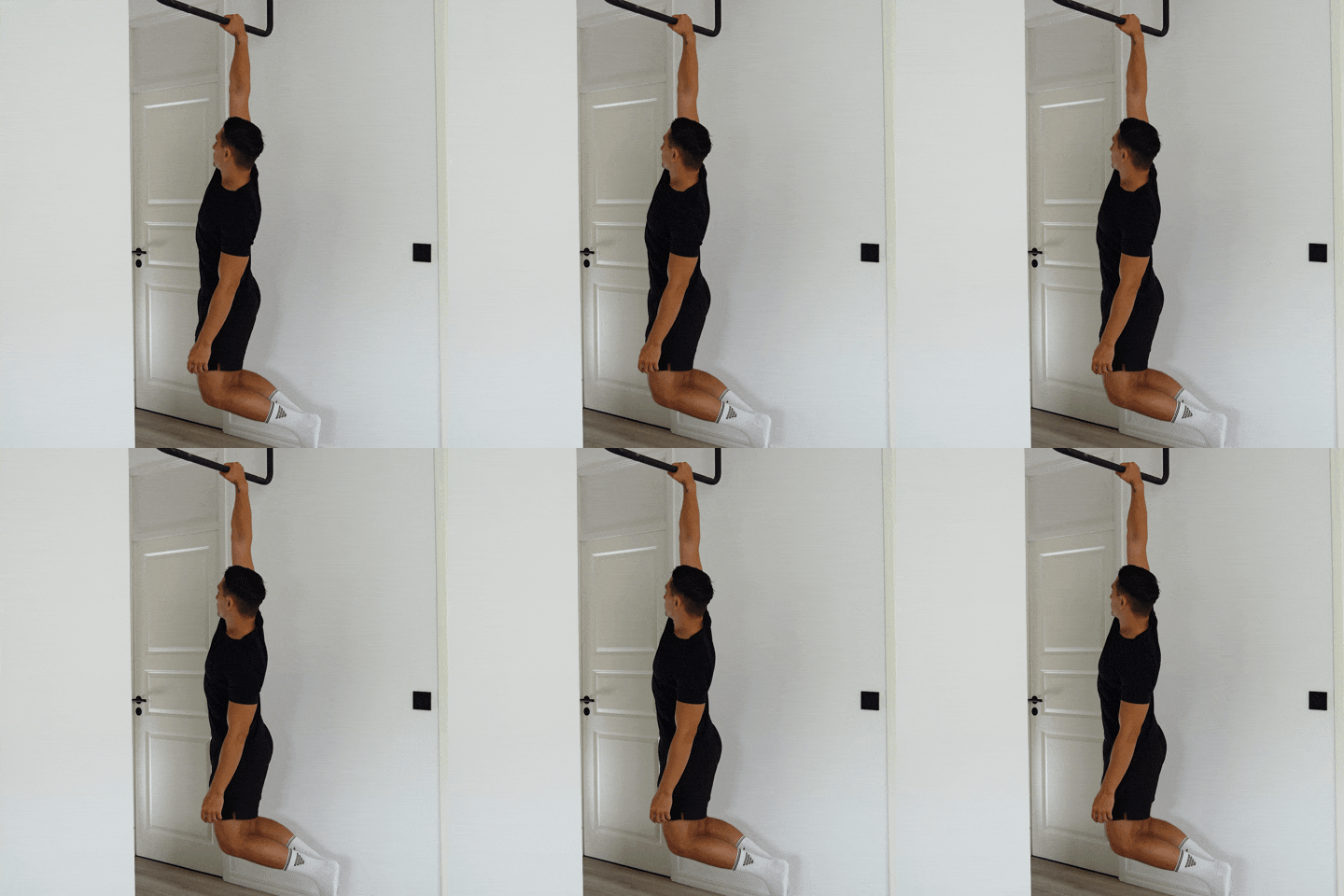
How to Do One Arm Dead Hang
1. Set Up Your Grip
Stand under a high straight bar and reach up with one hand using a full overhand grip. Wrap your thumb completely around the bar for maximum security. Use an overhand position, not a neutral grip, because it allows you to engage the forearms more effectively throughout the hang. Your hand should be roughly in line with your shoulder, not offset to one side.
Overhand grip, thumb around the bar
2. Lift Off and Settle In
Slowly lift your feet off the ground and let your body settle into the hang. Allow any initial swinging to stop before you commit to the hold. Let your free arm hang relaxed at your side or rest it lightly against your thigh.
No swing before you start counting
3. Relax the Shoulder and Stretch
Let your shoulder extend fully and allow your body to hang with a long, stretched position. The shoulder joint should be relaxed but not completely limp. Your lats and upper back will stretch under load while your forearm flexors do the bulk of the holding work. Breathe steadily through the hold and avoid tensing your neck or jaw.
Long body, relaxed shoulder, steady breathing
4. Maintain Grip and Core Control
Focus your effort on squeezing the bar with your fingers and keeping your body still. Engage your core lightly to prevent rotation and lateral swinging. As your grip fatigues, resist the urge to shift your weight or kick your legs. Hold for your target time with consistent effort rather than fighting through wild swinging.
Squeeze the bar, stay still
5. Lower and Switch Arms
When your hold time is reached or your grip begins to fail, lower your feet back to the ground in a controlled manner. Do not drop from the bar. Release slowly, shake out your hand, rest for the prescribed time, then repeat on the opposite arm.
Feet down first, never just drop
Most people fail the one arm dead hang because they try to muscle through it with a death grip from the start. The key is to relax everything except your fingers and forearms. Let your shoulder stretch, keep your breathing calm, and you will hold significantly longer than if you tense your entire upper body trying to fight gravity.
Muscles Worked During One Arm Dead Hang
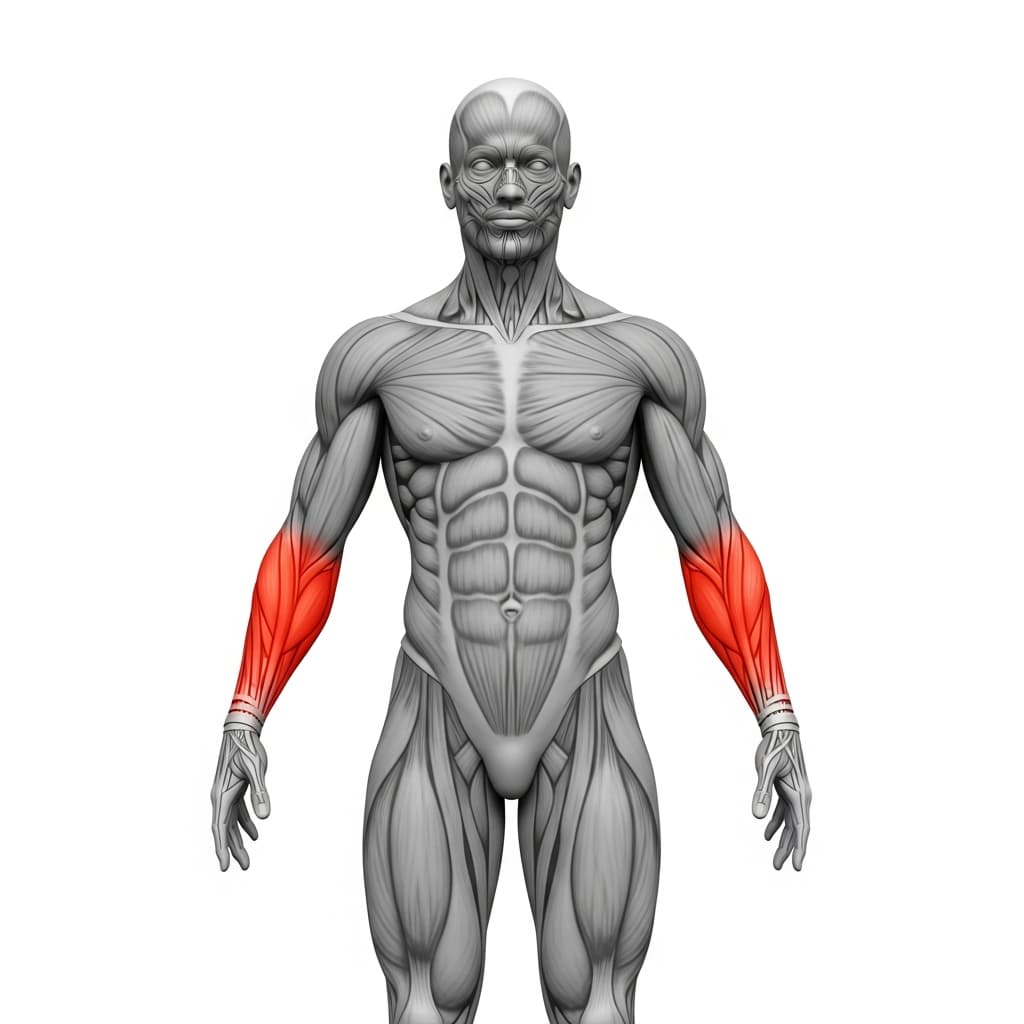
Primary Muscles:
Secondary Muscles:
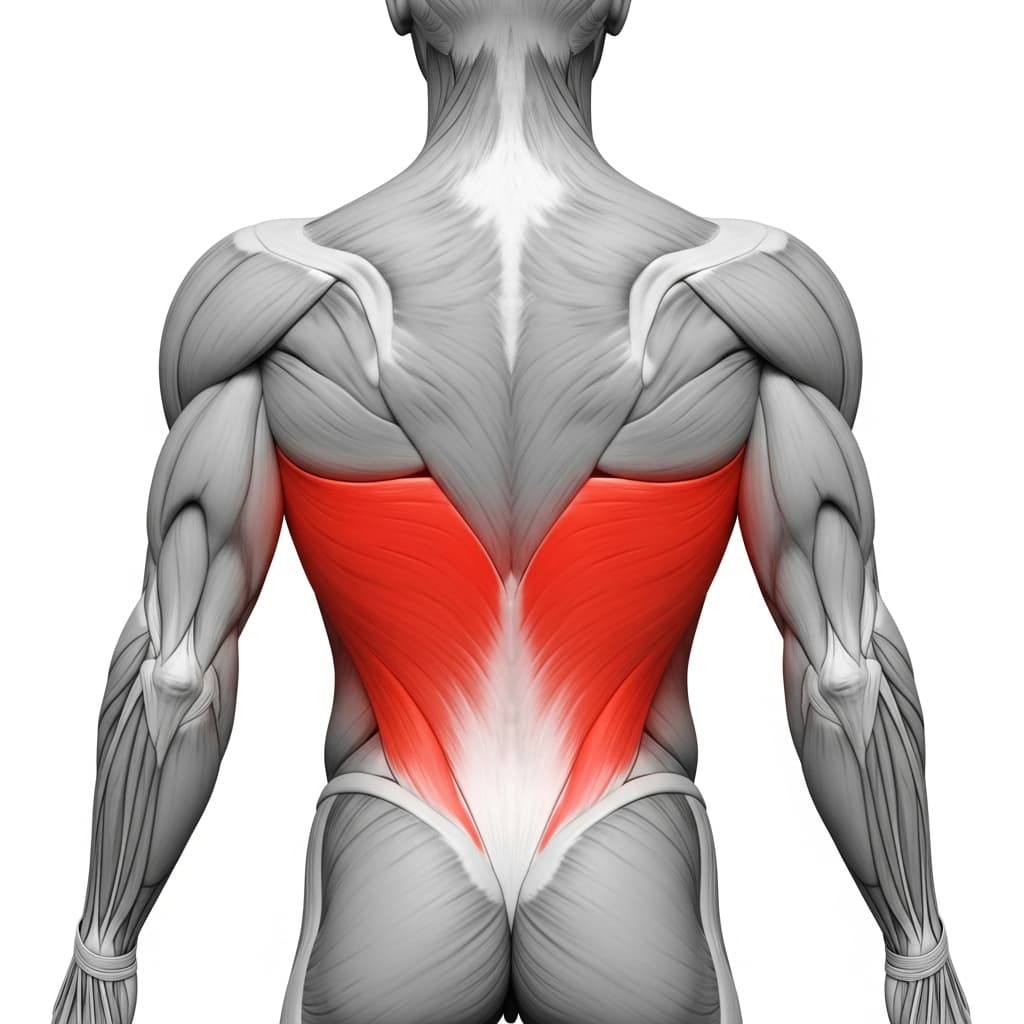
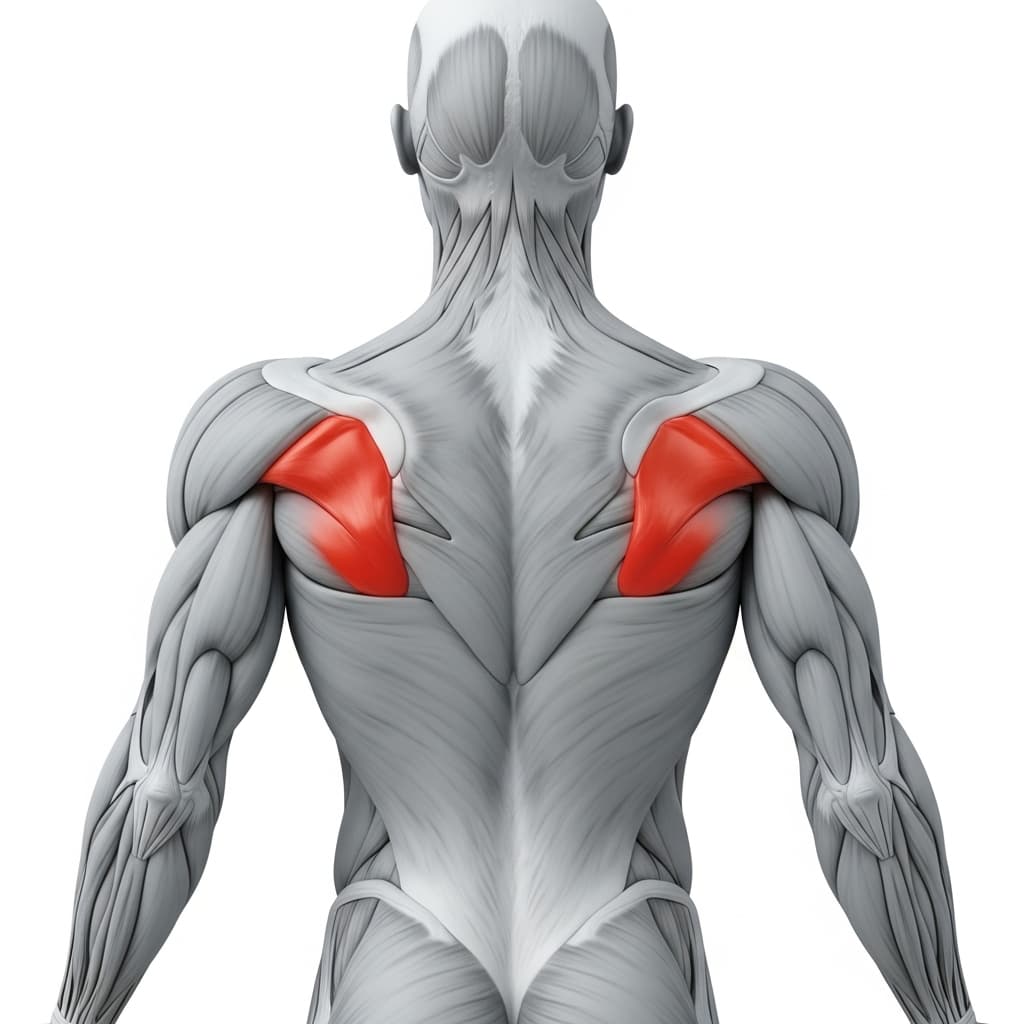
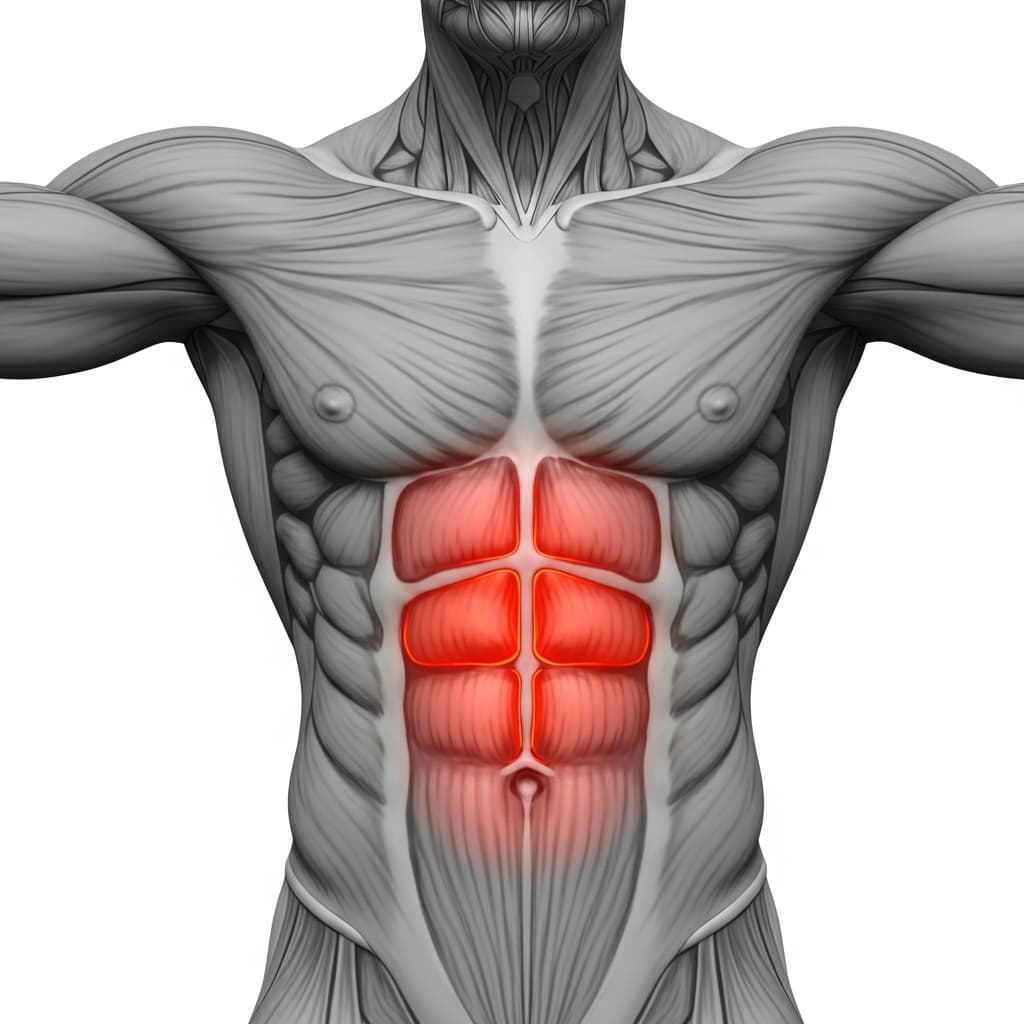
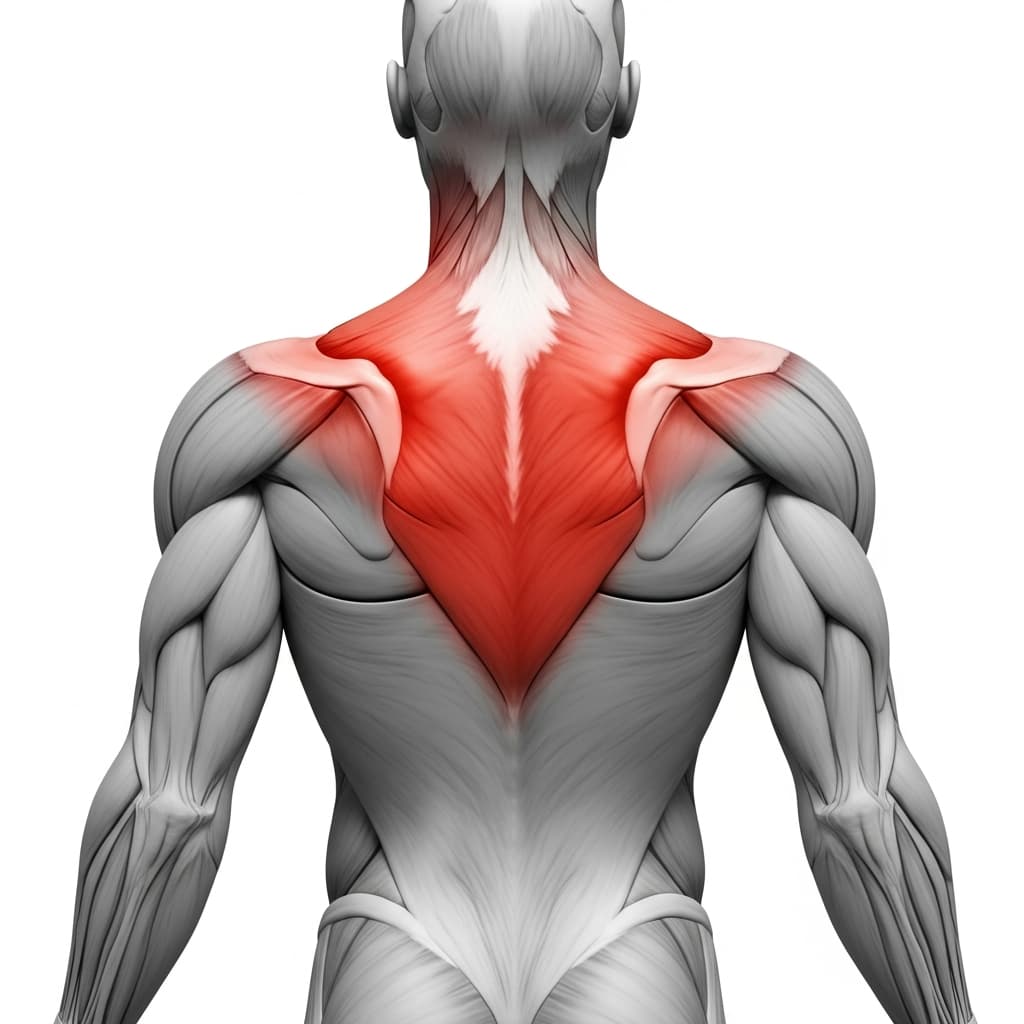
Primary Muscles
Forearm Flexors & Extensors (Forearms) - The finger flexors and wrist stabilizers of the forearm maintain your entire bodyweight grip on the bar throughout the hang, making them the primary working muscles.
Secondary Muscles
Latissimus Dorsi (Lats) - The latissimus dorsi stabilizes the shoulder joint from below and resists excessive upward displacement of the humerus while the arm supports full bodyweight.
Rotator Cuff (SITS) (Rotator Cuff) - The rotator cuff muscles keep the humeral head centered in the shoulder socket under heavy unilateral load, preventing joint instability during the hang.
Rectus Abdominis (Abs) - The abdominals engage isometrically to resist trunk rotation and lateral flexion caused by the asymmetric load of hanging from a single arm.
Trapezius (Trapezius) - The trapezius supports the scapula and controls its position relative to the ribcage while the shoulder bears the full hanging load.
Benefits of One Arm Dead Hang
- Develops single-arm grip strength and finger flexor endurance far beyond what two-arm hangs can train, directly preparing you for one arm pull-up progressions
- Strengthens the rotator cuff and shoulder stabilizers under full bodyweight unilateral load, building joint resilience for overhead and pulling movements
- Exposes and corrects grip and shoulder imbalances between your dominant and non-dominant sides that bilateral hangs mask
- Decompresses the spine and stretches the lats, shoulders, and thoracic region under significant load, improving overhead mobility over time
Who Is This Exercise For?
You should be able to hold a standard two-arm dead hang for at least 45 seconds with stable shoulders before attempting the one arm version. If your grip gives out before 30 seconds on a regular dead hang, focus on building forearm endurance with timed hangs and towel hangs first. Shoulder stability from scapular pull-ups and active hangs should also be in place to protect the joint under full unilateral load.
Common Mistakes to Avoid
Using a neutral grip instead of overhand: An overhand grip allows the forearm flexors and extensors to engage more effectively during the hang. A neutral grip makes it harder to stabilize and limits the training stimulus to the forearms.
Excessive swinging and rotation: Engage your core lightly and keep your body straight. If you swing, pause and let the movement settle before continuing the hold rather than fighting through it.
Gripping with fingers only instead of a full wrap: Wrap your thumb completely around the bar and use all four fingers with full contact. An open grip or thumbless hold dramatically reduces hang time and increases the risk of slipping.
Holding breath during the hang: Breathe in a slow, controlled rhythm throughout the entire hold. Holding your breath creates unnecessary tension in the neck and shoulders and causes grip endurance to drop faster.