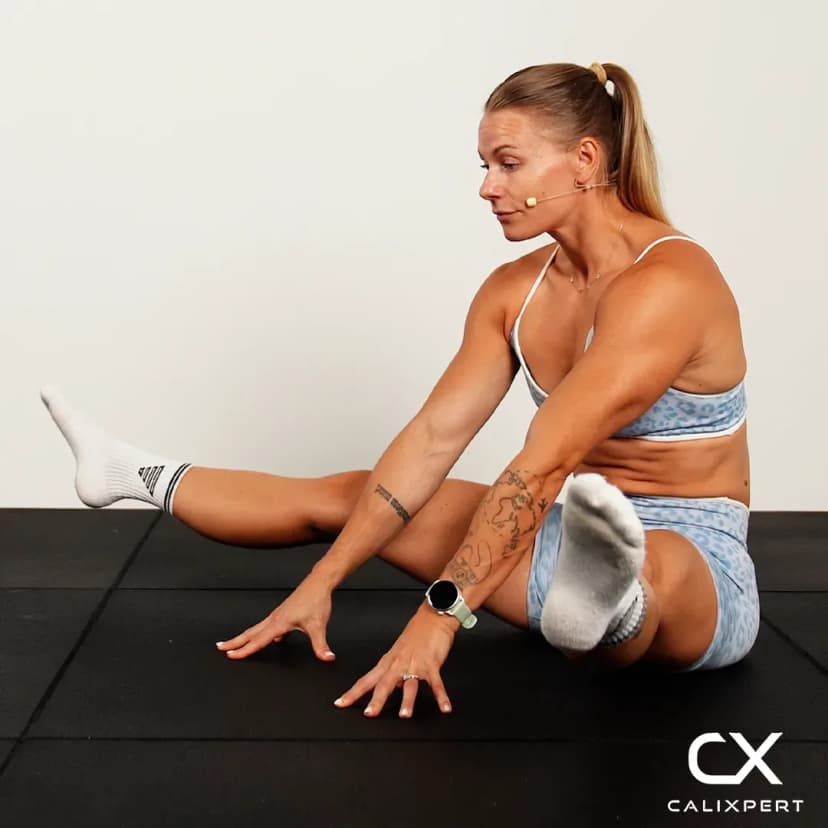
Hanging One Leg L-sit Hold
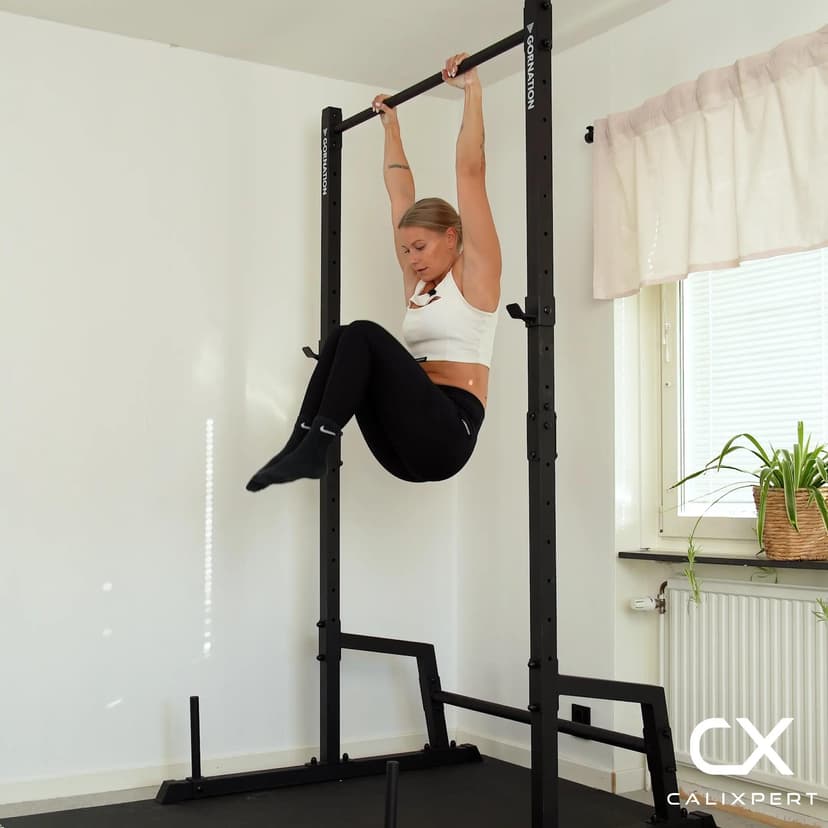
The hanging one leg L-sit hold is a unilateral core and hip flexor exercise performed from a dead hang, where one leg is held straight at 90 degrees while the other leg remains bent or lowered. It targets the hip flexors, abs, forearms, and scapular stabilizers through sustained isometric tension. This variation bridges the gap between hanging knee raises and the full hanging L-sit, building the hip flexor endurance and core stability required for more advanced static holds.
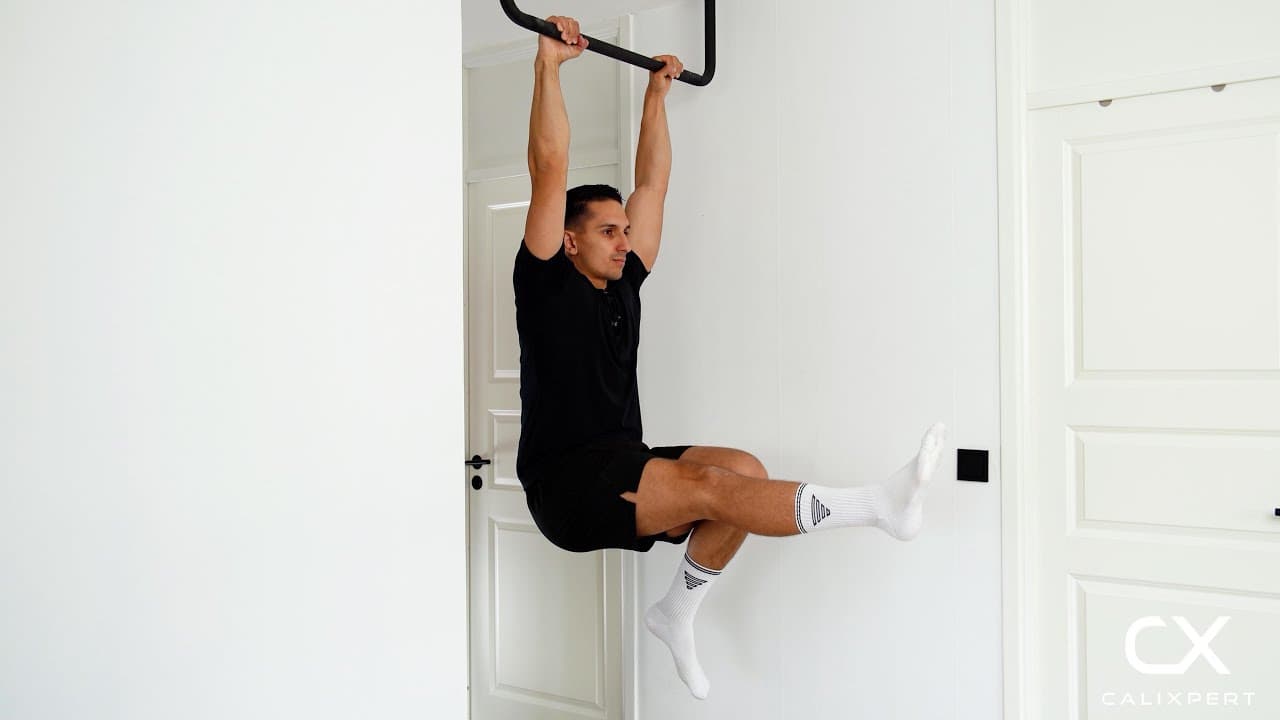
The hanging one leg L-sit hold is a unilateral core and hip flexor exercise performed from a dead hang, where one leg is held straight at 90 degrees while the other leg remains bent or lowered. It targets the hip flexors, abs, forearms, and scapular stabilizers through sustained isometric tension. This variation bridges the gap between hanging knee raises and the full hanging L-sit, building the hip flexor endurance and core stability required for more advanced static holds.
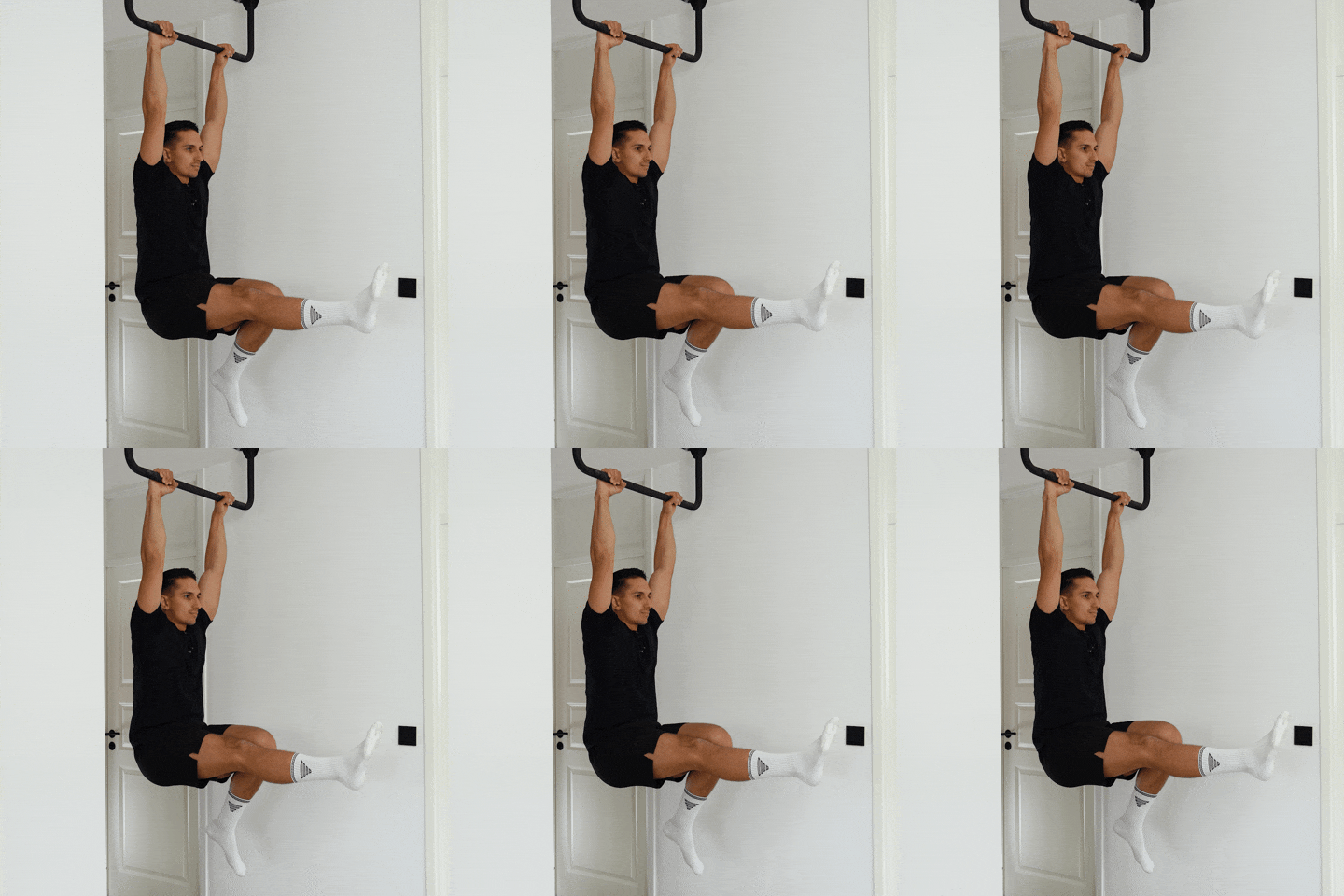
How to Do Hanging One Leg L-sit Hold
1. Grip the Bar and Set Up
Grab a straight bar with an overhand grip, hands roughly shoulder width apart. Wrap your thumbs fully around the bar for a secure hold. Let your body hang with arms fully extended and feet off the ground.
Thumbs around the bar, arms fully straight
2. Engage the Scapula Before Lifting
Before raising either leg, pull your shoulder blades down and back to create an active hang. This scapular engagement is not optional. Hanging in a relaxed position makes it significantly harder to engage the core and places unnecessary stress on the shoulder joint.
Shoulders down and back, not shrugged up
3. Raise One Leg to 90 Degrees
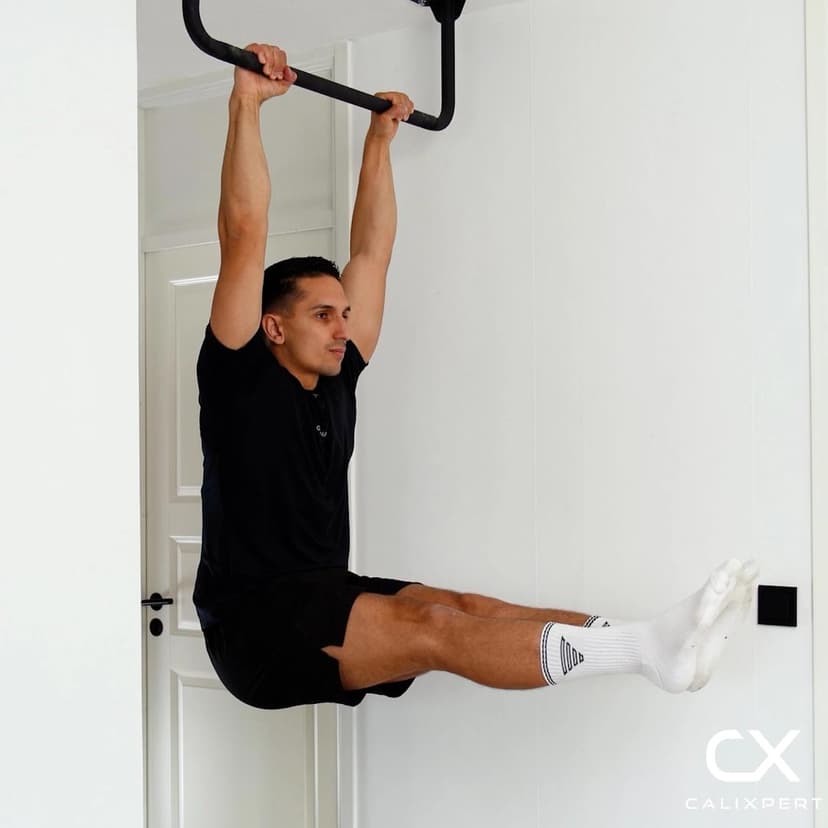
With your scapula set, raise one leg straight out in front of you until it reaches a 90-degree angle with your torso. Keep the knee fully locked and the toes pointed or pulled back. Do not lean your torso backward to compensate. The work should come from the hip flexors and lower abs, not from shifting your bodyweight.
Leg straight, torso stays vertical
4. Position the Other Leg
The non-working leg can remain hanging straight down or be held with a slight bend at the knee. Keep it controlled and still. Any swinging in the lower body will break your hold and reduce core engagement.
Keep the other leg still and controlled
5. Hold the Position With Active Tension
Maintain the hold by keeping continuous tension through the hip flexors and abs. Breathe steadily through the hold without letting your shoulders creep up or your leg drop below 90 degrees. Focus on keeping your body as straight and vertical as possible rather than leaning back.
Breathe steady, hold the line
6. Lower and Switch Sides
Lower the raised leg slowly back to the starting position. Do not simply drop it. Reset your scapular engagement, then repeat the hold on the opposite leg. Both sides should receive equal work in every set.
Slow descent, then switch legs
Most people fail this hold because they try to muscle the leg up with a relaxed hang. The real key is setting the scapula first. Once your shoulders are active and locked in, your core switches on automatically and holding the leg at 90 degrees becomes a completely different exercise. If the hold feels impossible, your shoulders are probably the weak link, not your abs.
Muscles Worked During Hanging One Leg L-sit Hold
Primary Muscles:
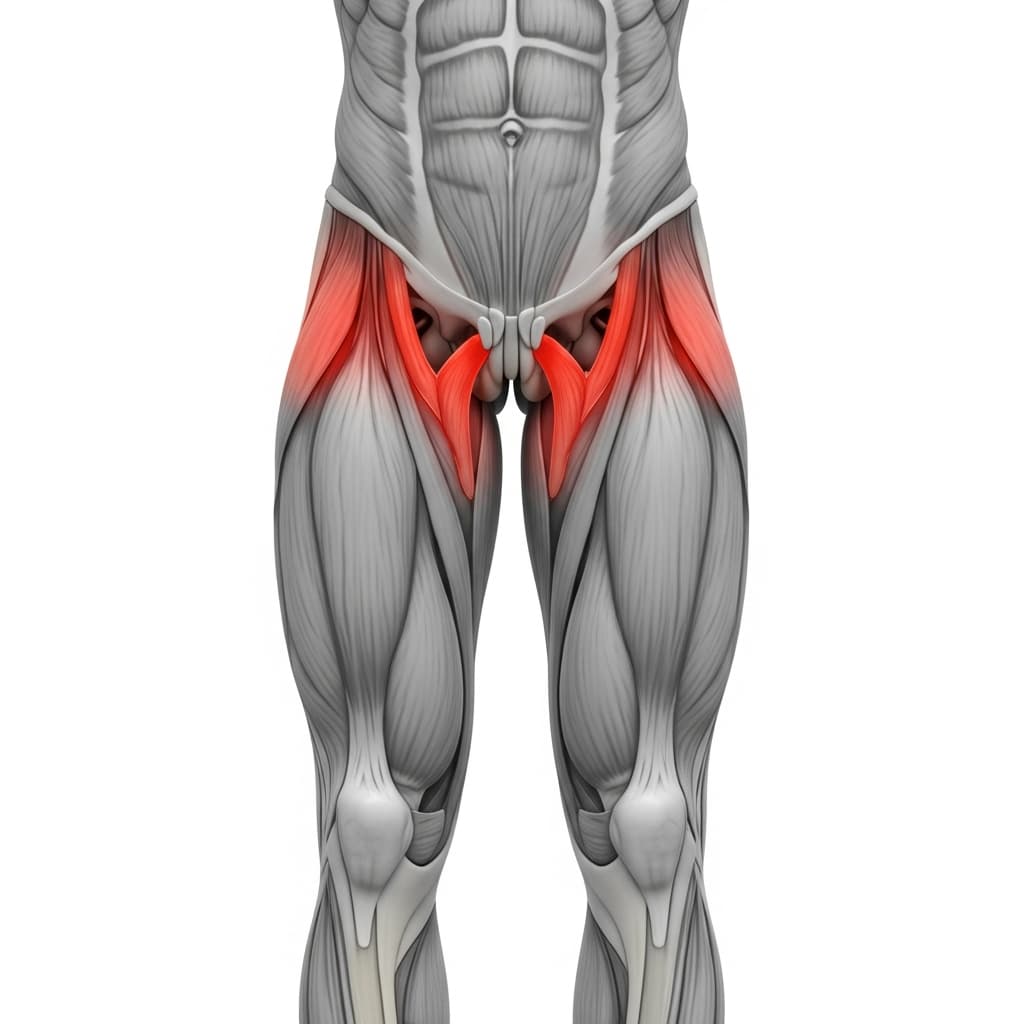
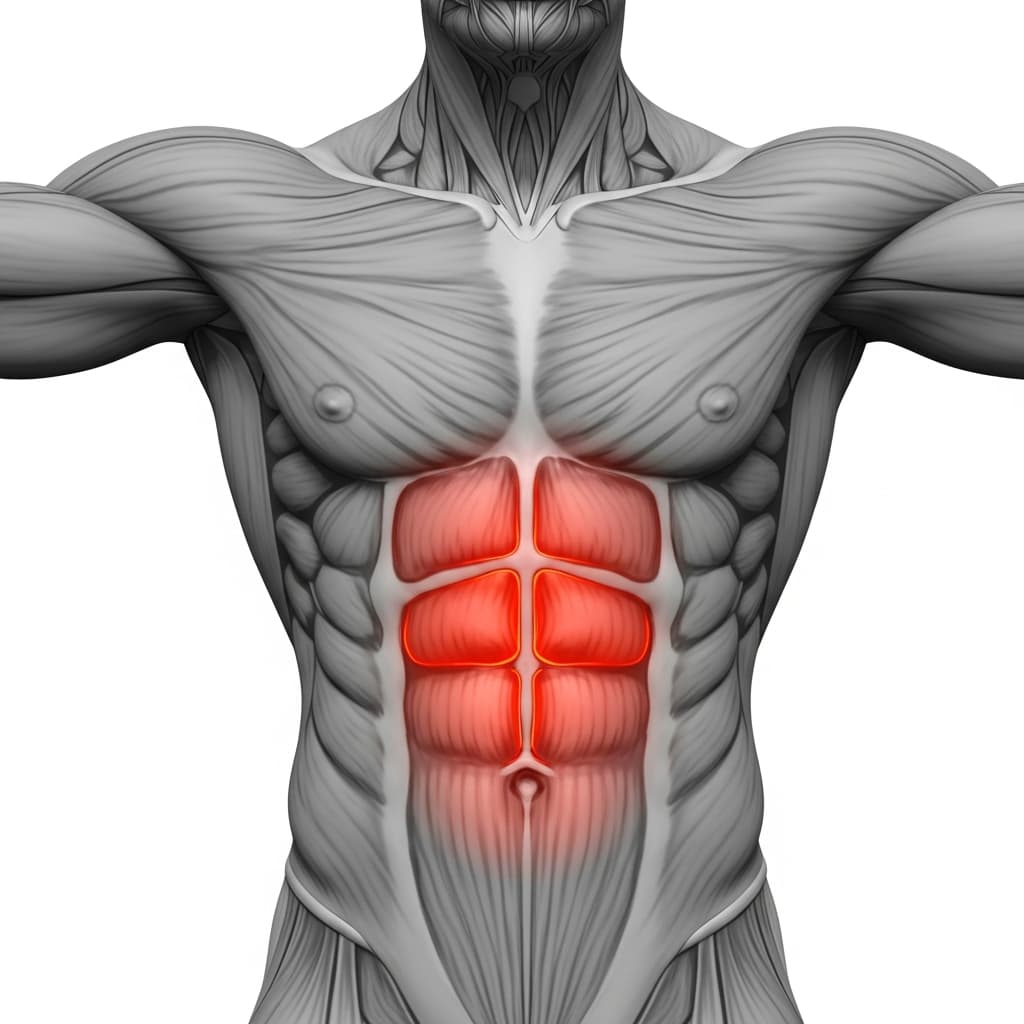
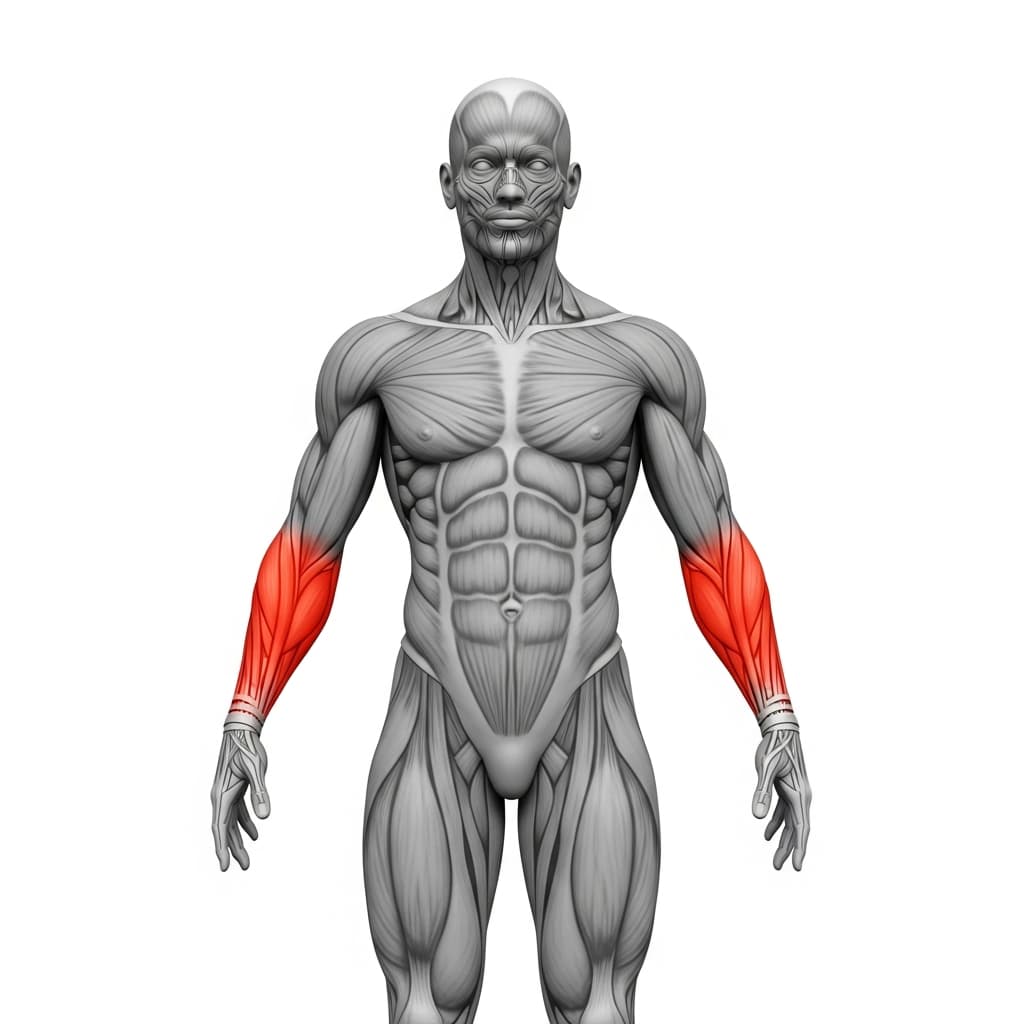
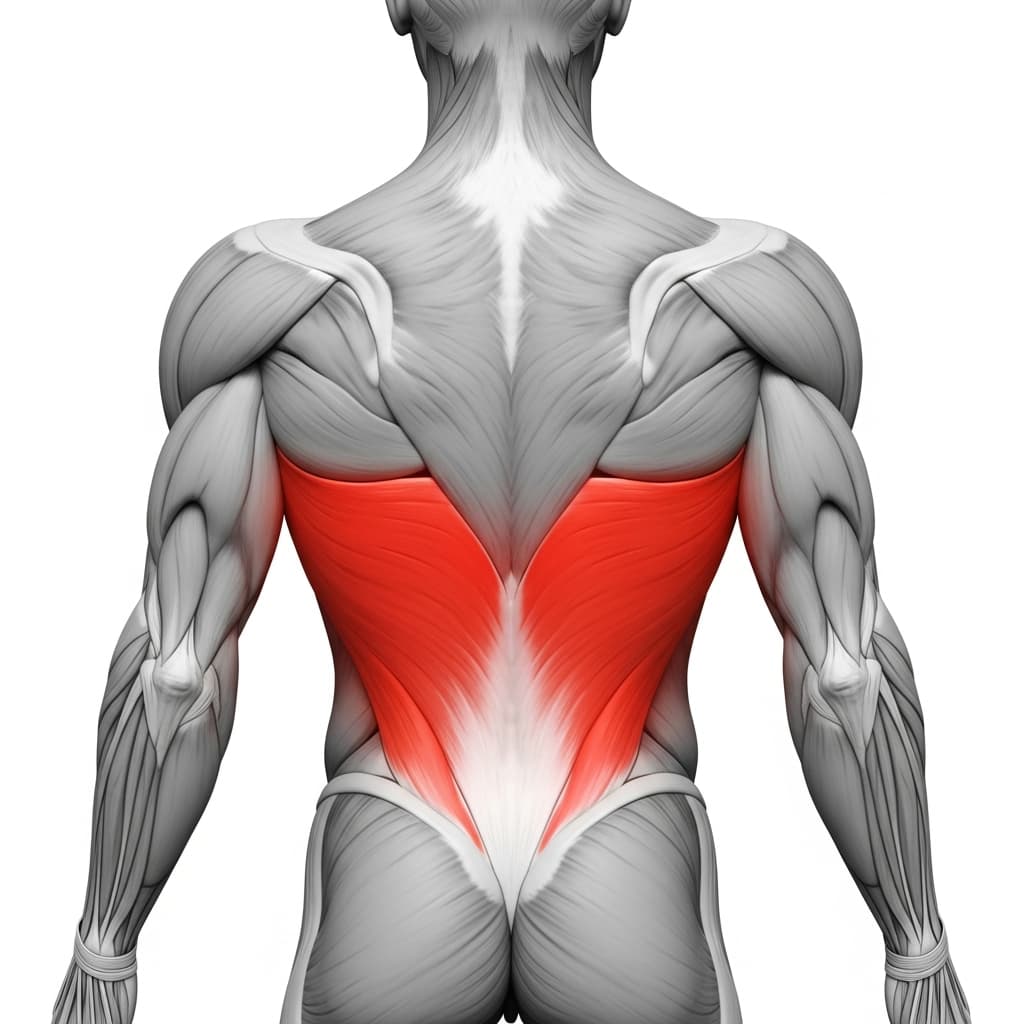
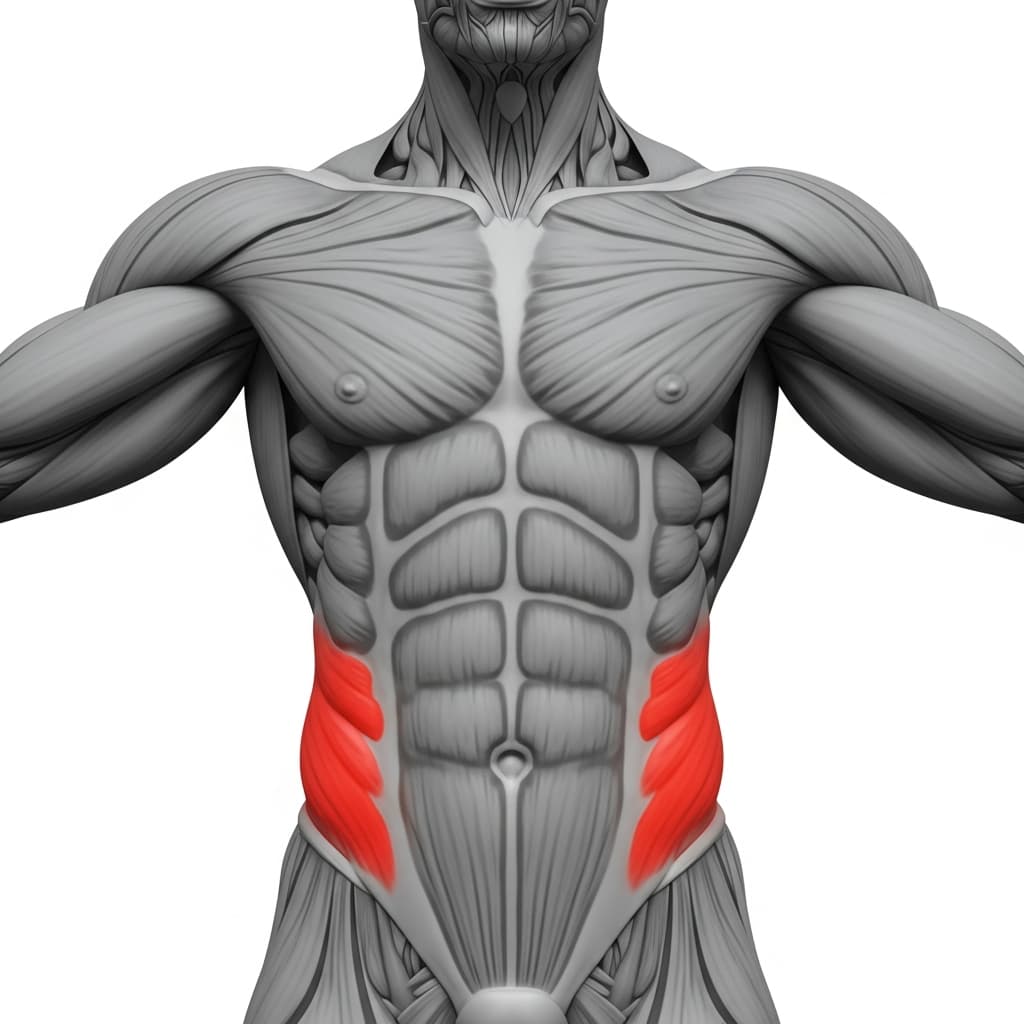
Primary Muscles
Iliopsoas (Hip Flexors) - The hip flexors contract isometrically to hold the extended leg at 90 degrees against gravity throughout the entire hold.
Rectus Abdominis (Abs) - The rectus abdominis works to resist spinal extension and stabilize the pelvis, preventing the torso from arching backward under the load of the raised leg.
Secondary Muscles
Forearm Flexors & Extensors (Forearms) - The forearm flexors maintain grip on the bar for the full duration of the hold, working under sustained isometric tension.
Latissimus Dorsi (Lats) - The lats engage during scapular depression to maintain an active hang, keeping the shoulders packed and stable while the core works.
Obliques (Obliques) - The obliques fire to prevent lateral rotation and side-to-side sway, stabilizing the torso against the asymmetric load of one raised leg.
Benefits of Hanging One Leg L-sit Hold
- Builds hip flexor strength and endurance at the exact range of motion needed for full L-sits, front levers, and toes-to-bar
- Develops anti-extension core stability while hanging, which transfers directly to muscle-ups and other bar skills
- Strengthens grip and forearm endurance under sustained isometric load, training the hands to outlast the core
- Exposes and corrects left-right imbalances in hip flexor strength by training each leg independently
Who Is This Exercise For?
You should be able to hold a dead hang for at least 20 seconds with active shoulders and perform hanging knee raises with controlled form before attempting this exercise. If your grip gives out before your core does, prioritize grip endurance and scapular pull-up work first. Comfortable scapular engagement while hanging is essential, because a relaxed hang makes it significantly harder to activate the core.
Common Mistakes to Avoid
Hanging with relaxed shoulders: Always set your shoulder blades down and back before raising a leg. A passive hang shifts the load away from the core and into the shoulder joint, making the hold both harder and less effective.
Leaning the torso backward: Keep your torso as vertical as possible throughout the hold. Leaning back turns this into a leverage trick rather than a hip flexor and core exercise. If you cannot hold the leg at 90 degrees without leaning, lower the leg angle until you build more strength.
Letting the raised leg drop below 90 degrees: The target position is a full 90-degree angle between the raised leg and your torso. If the leg slowly sinks during the hold, shorten the hold duration and focus on maintaining the correct angle for every second.
Swinging or using momentum: Start each rep from a completely still hang. If you swing into the position, the hip flexors never fully load and the core does less stabilization work. Pause at the bottom before every lift.