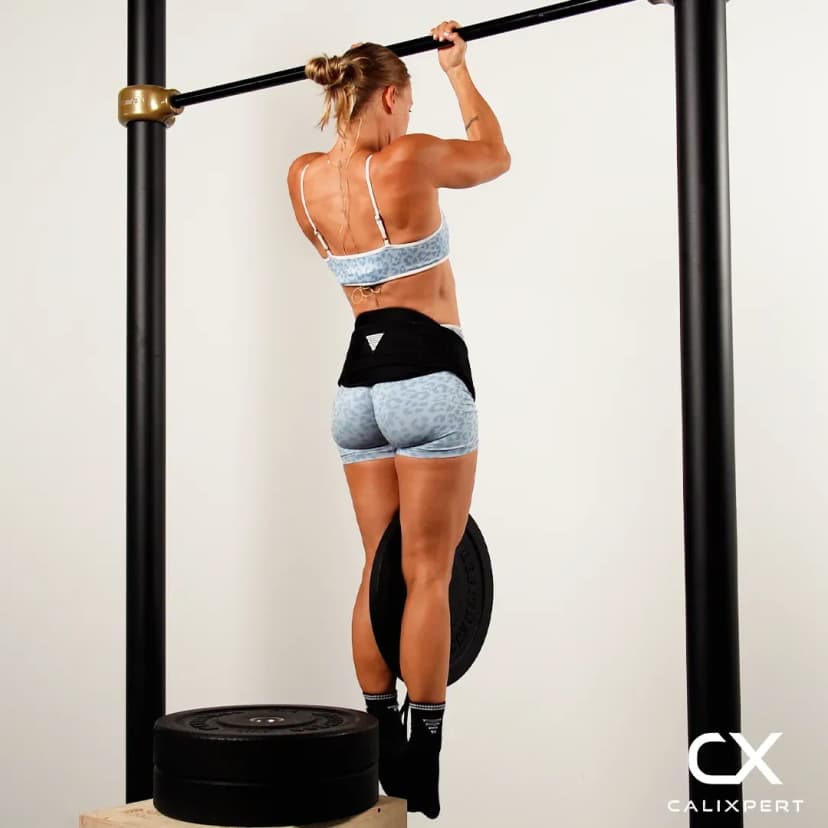
Pull Up Top Hold
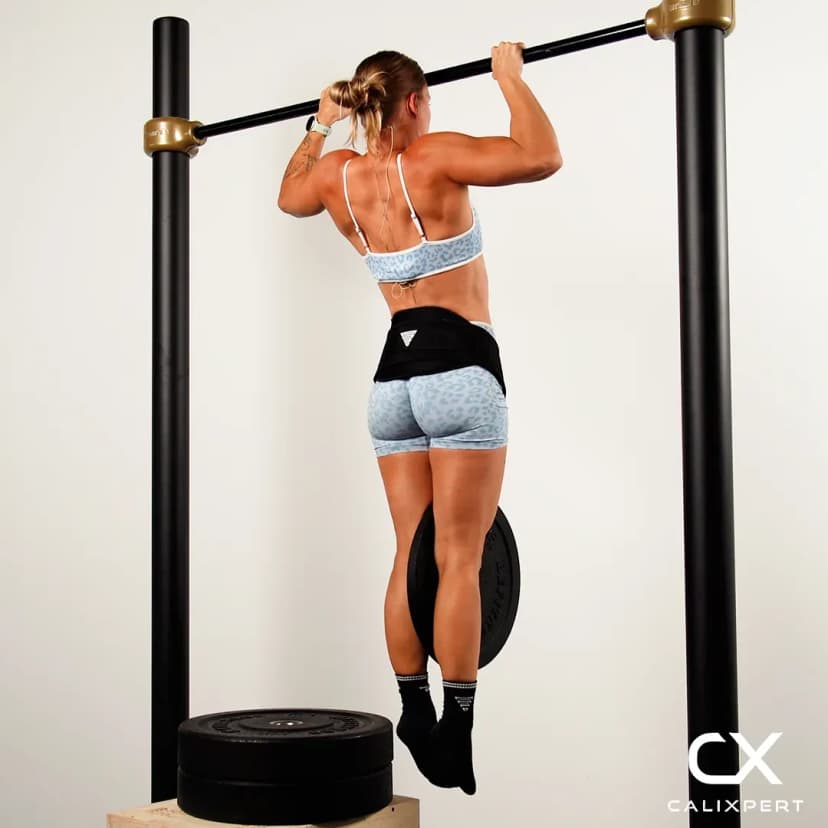
The Pull Up Top Hold is an isometric exercise where you hold your chin above the bar at the top of a pull-up position, placing sustained tension on the lats, upper back, biceps, and forearms. The key to an effective top hold is stepping into the position using a chair or elevated surface, activating full scapular retraction, and maintaining total body tension throughout the hold. This static hold builds pulling endurance and positional strength at the hardest point of the pull-up, making it one of the most effective ways to break through pull-up plateaus and develop upper back control.
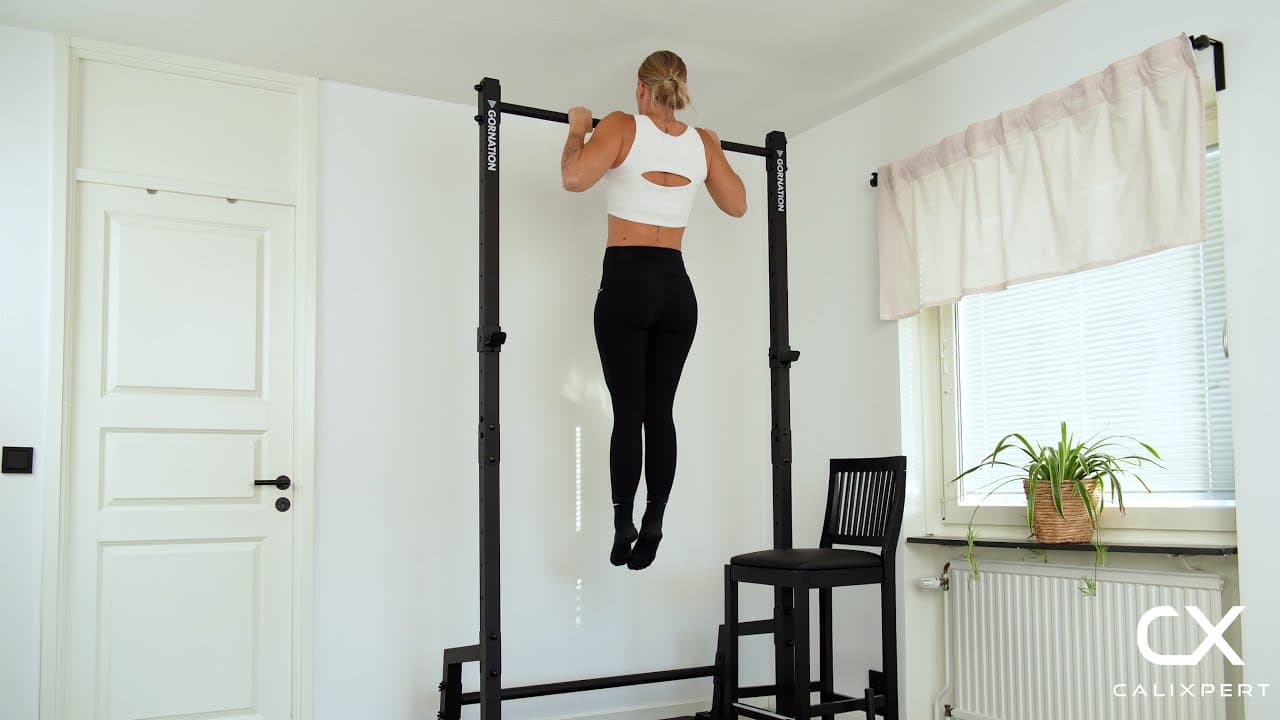
The Pull Up Top Hold is an isometric exercise where you hold your chin above the bar at the top of a pull-up position, placing sustained tension on the lats, upper back, biceps, and forearms. The key to an effective top hold is stepping into the position using a chair or elevated surface, activating full scapular retraction, and maintaining total body tension throughout the hold. This static hold builds pulling endurance and positional strength at the hardest point of the pull-up, making it one of the most effective ways to break through pull-up plateaus and develop upper back control.
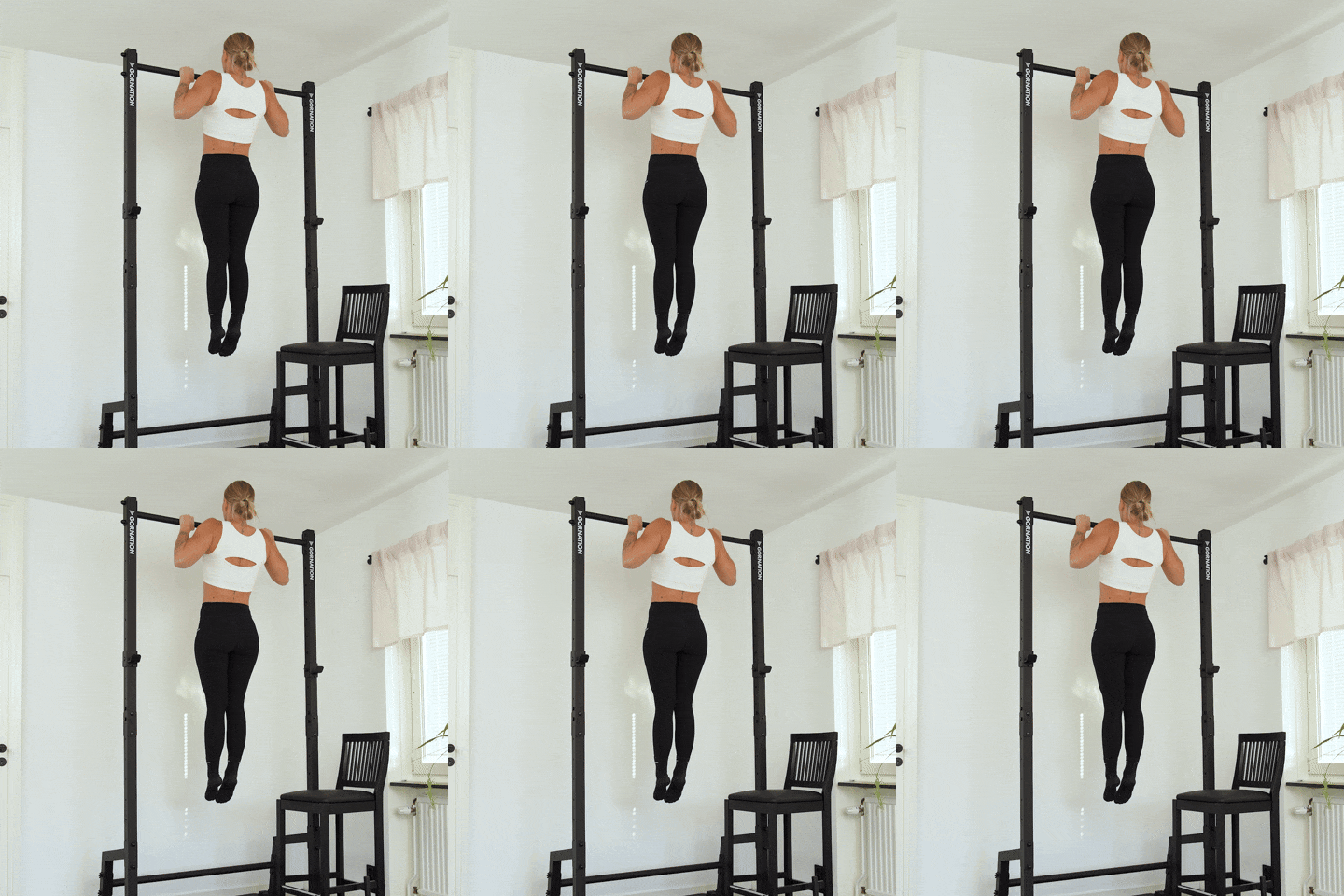
How to Do Pull Up Top Hold
1. Set Up With Elevation
Place a chair, box, or bench beneath a straight pull-up bar so you can step up and position your chin above the bar without needing to pull yourself up. This removes the concentric effort and lets you focus entirely on the isometric hold from the start.
Step into the hold, never jump
2. Grip the Bar Correctly
Grab the bar with an overhand grip slightly wider than shoulder width. Place your knuckles over the top of the bar and wrap your thumbs fully around it. This grip position keeps the wrists neutral and allows for a stronger, more stable hold under fatigue.
Knuckles over, thumbs around
3. Activate Scapular Retraction
Before stepping off the platform, squeeze your shoulder blades together and pull them down toward your back pockets. This scapular retraction is not optional. It locks the upper back into the correct position and prevents the shoulders from rolling forward under load.
Squeeze the shoulder blades together hard
4. Step Off and Hold
With scapula fully retracted and chin above the bar, step off the elevated surface and hold the position. Keep your chest lifted slightly toward the bar and your chin clearing the bar without craning your neck forward. Maintain a slight hollow body position by engaging your abs and pointing your toes slightly forward.
Chin over the bar, chest up
5. Maintain Full Body Tension
Brace your core, squeeze your glutes, and keep your legs together throughout the hold. Every muscle from your grip to your toes should be actively engaged. Full body tension prevents swinging and forces the upper back and lats to do their job without compensation from momentum.
Squeeze everything, nothing relaxes
6. Lower Under Control
When you can no longer maintain clean chin-over-bar position, slowly lower yourself with a controlled descent rather than dropping. Aim for a 3 to 4 second lowering phase. Step back onto the elevated surface to reset between sets rather than jumping back up.
Slow descent, never drop
Most people lose the top hold because they stop actively pulling the moment they get into position. Think of it as a continuous effort, not a passive hang at the top. Keep driving your elbows back and squeezing your shoulder blades together the entire time, and you will hold the position significantly longer while building real pulling strength.
Muscles Worked During Pull Up Top Hold
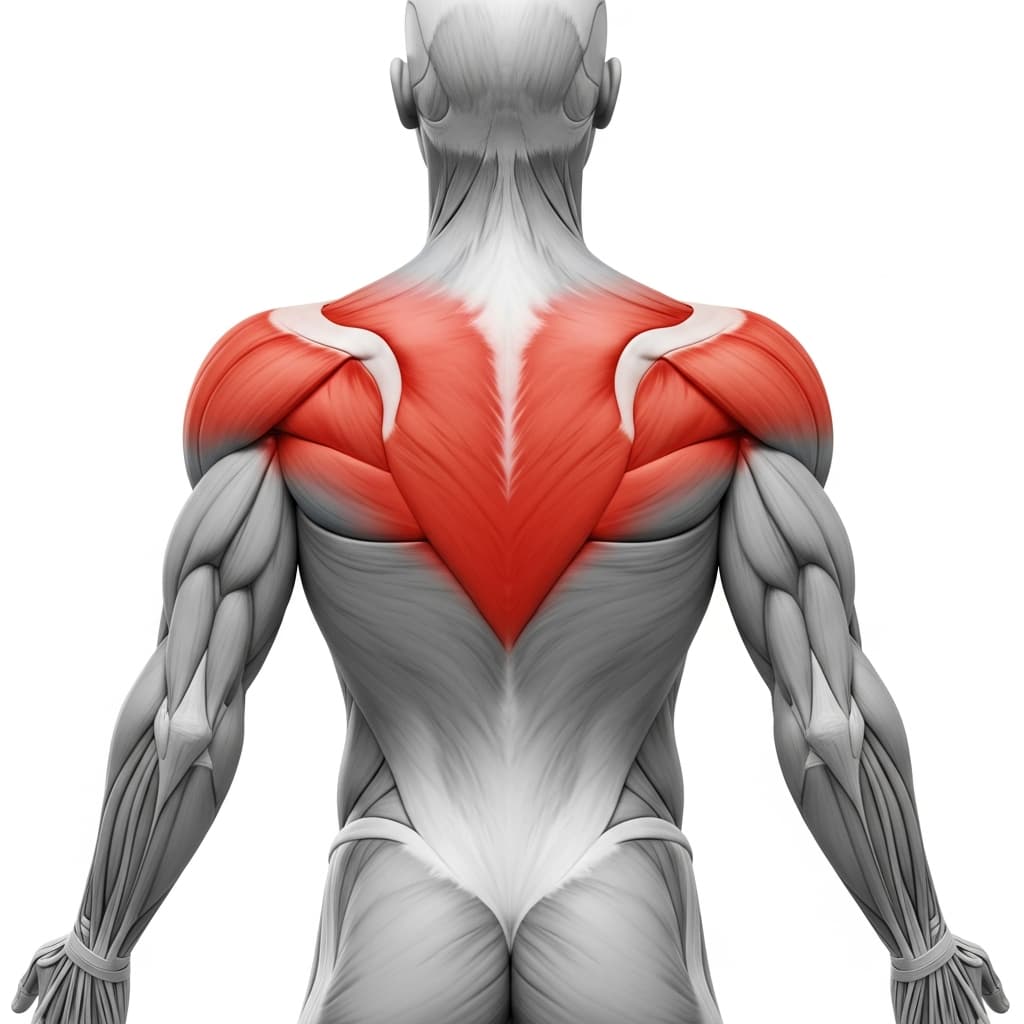
Primary Muscles:
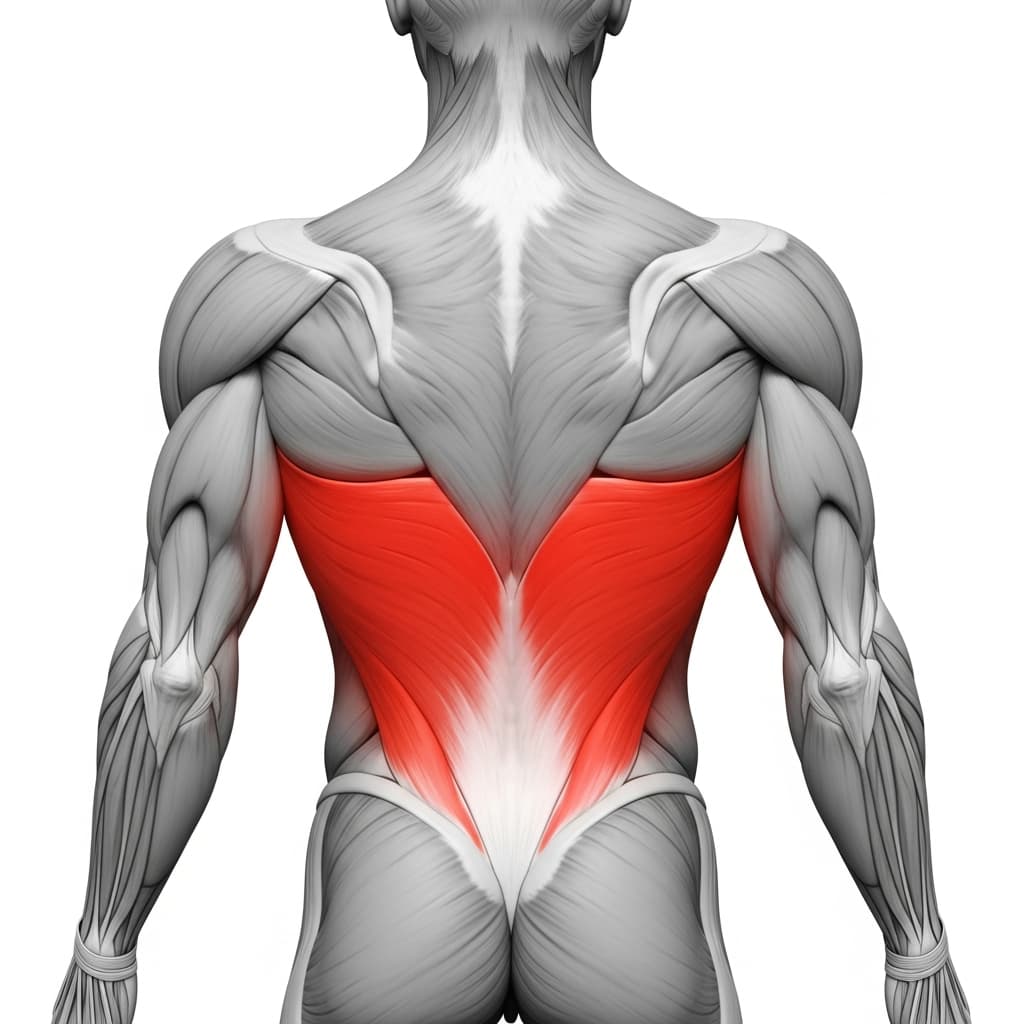
Secondary Muscles:
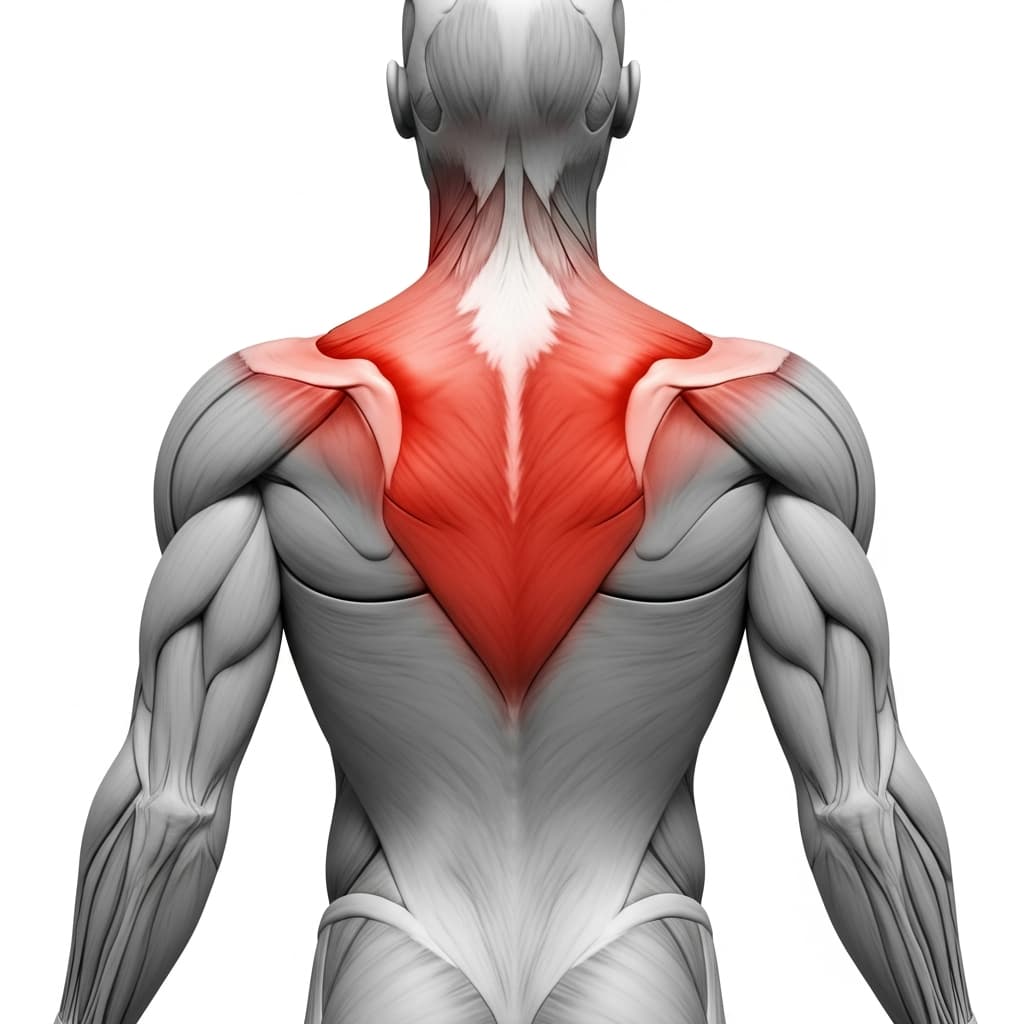
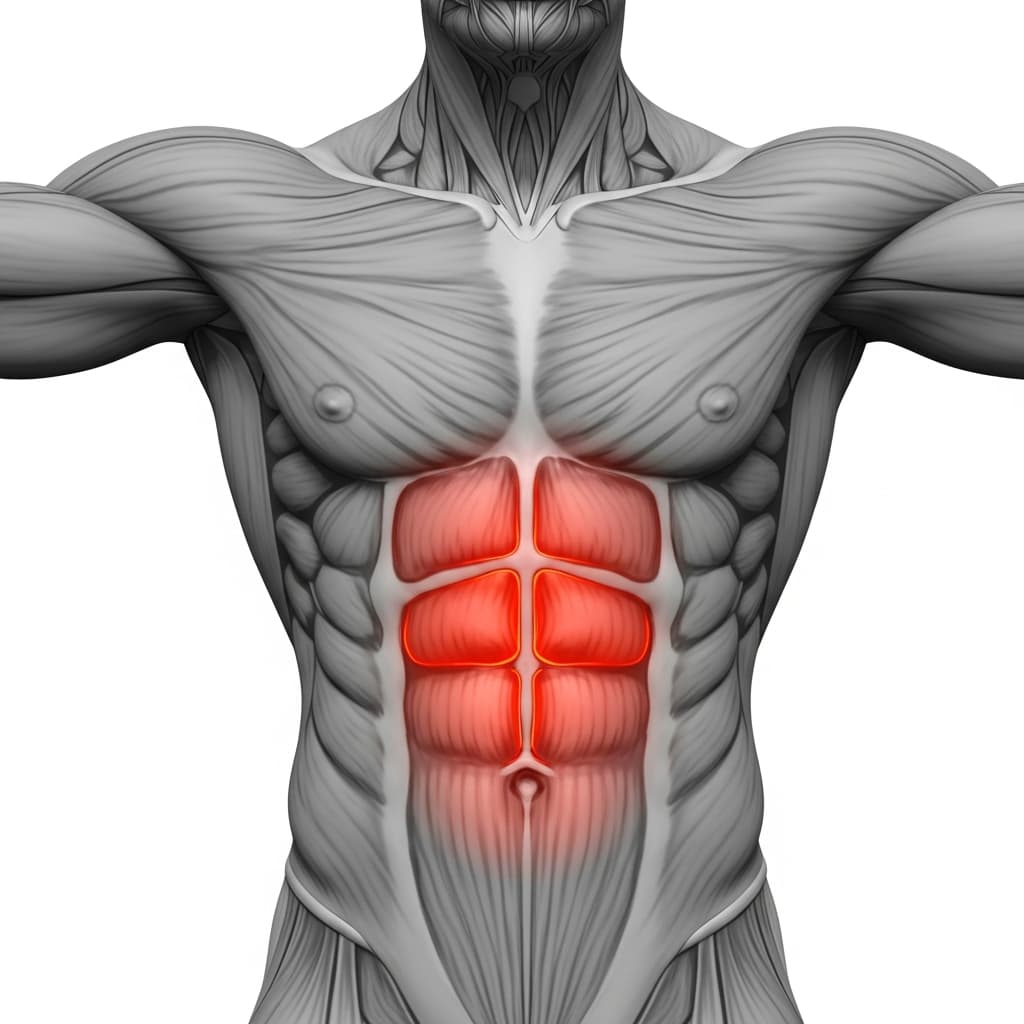
Primary Muscles
Latissimus Dorsi (Lats) - The lats maintain shoulder adduction and extension throughout the hold, keeping your body pulled up to the bar under sustained isometric contraction.
Rhomboids & Upper Trapezius (Upper Back) - The rhomboids and mid-trapezius maintain scapular retraction throughout the hold, keeping the shoulder blades squeezed together and preventing the shoulders from rounding forward.
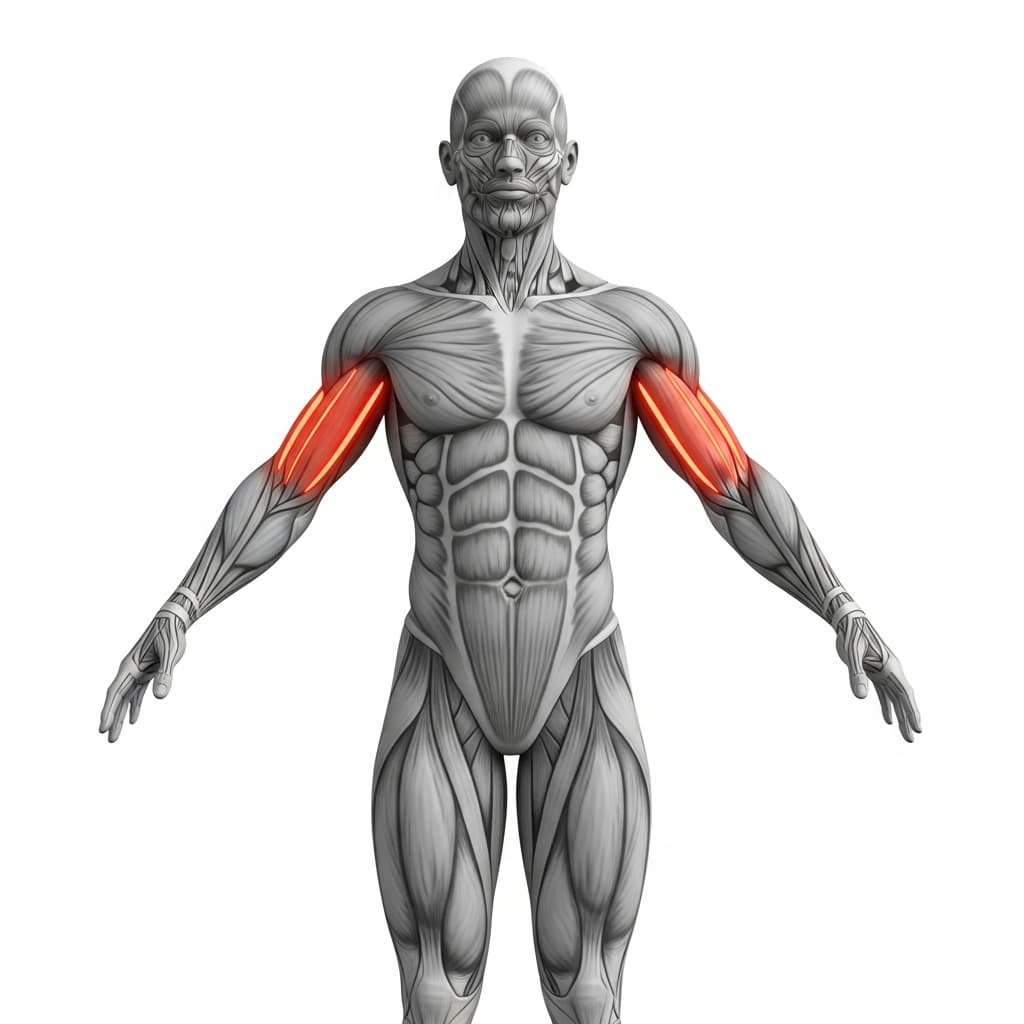
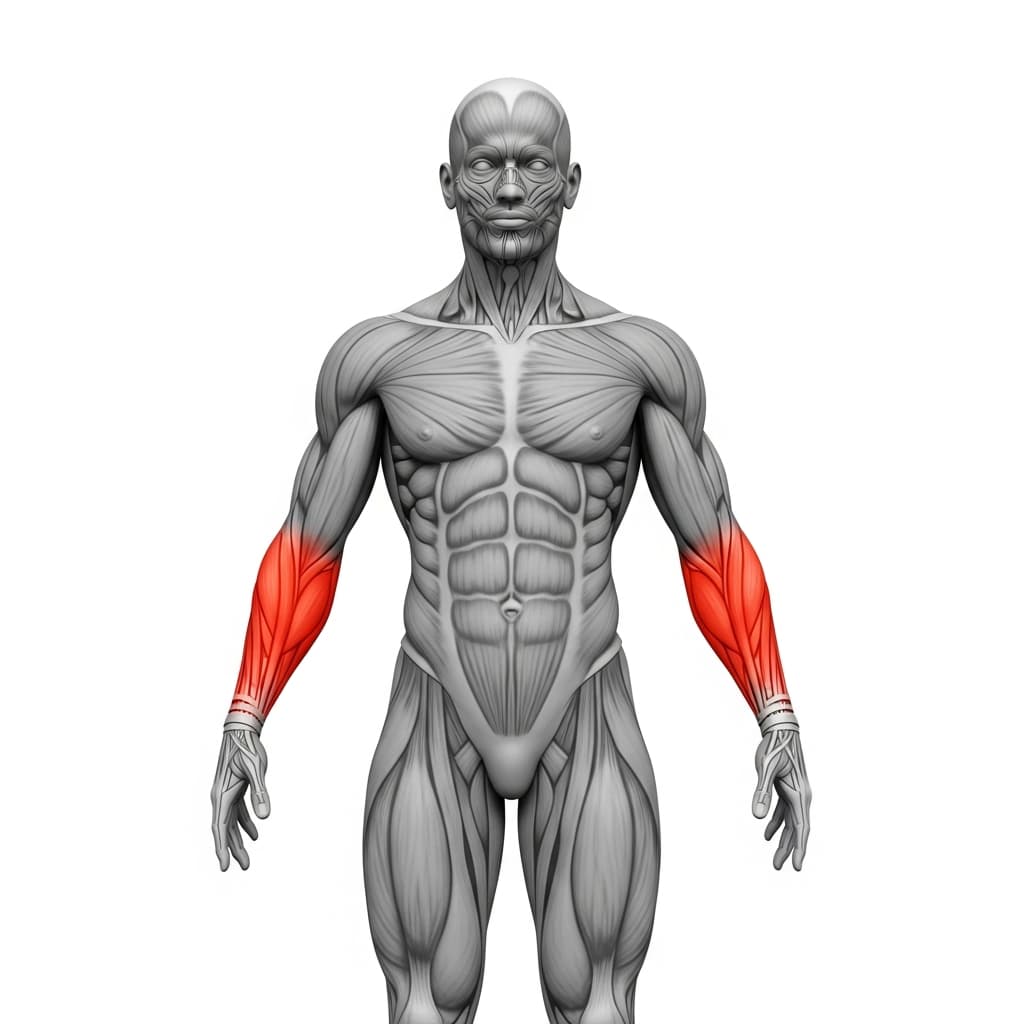
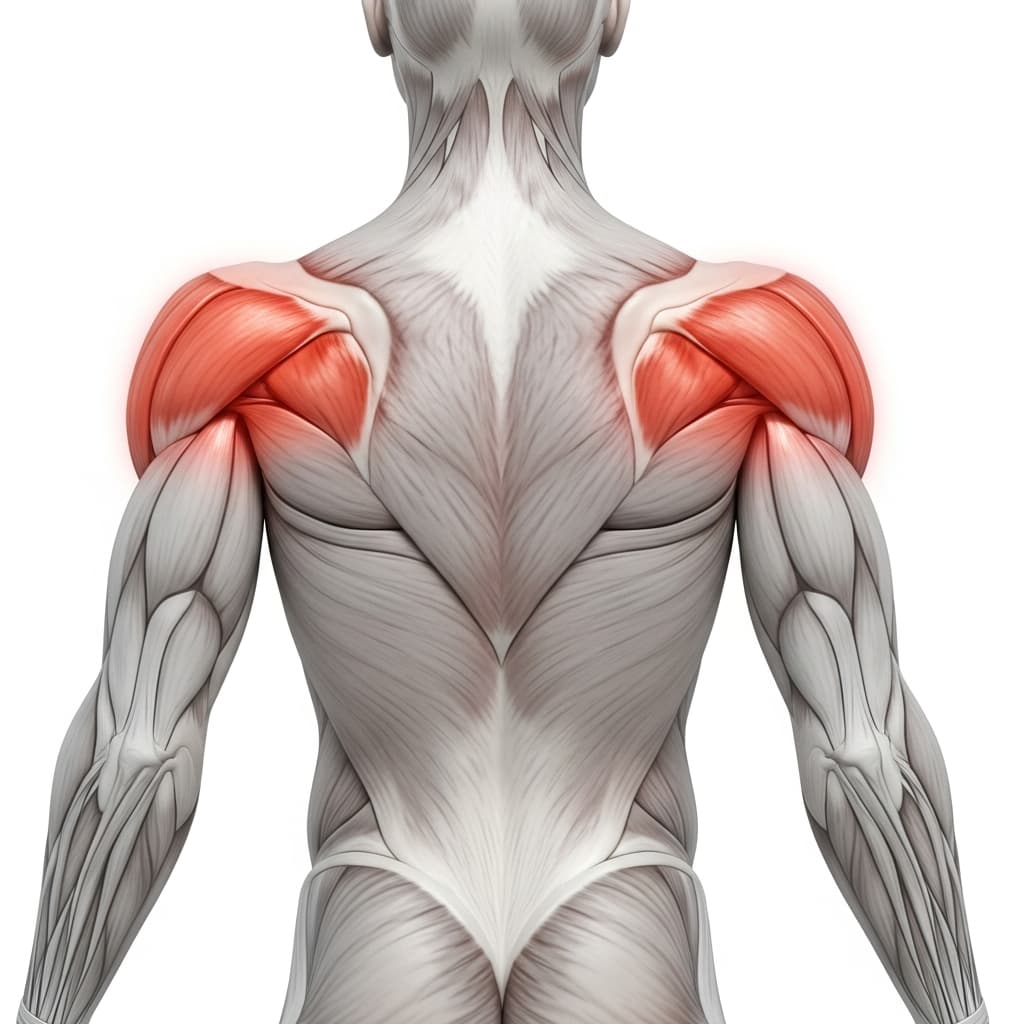
Secondary Muscles
Biceps Brachii (Biceps) - The biceps maintain elbow flexion under load, supporting the bent-arm position required to keep the chin above the bar.
Forearm Flexors & Extensors (Forearms) - The forearm flexors sustain grip on the bar throughout the hold, resisting the pulling force of bodyweight that tries to open the fingers.
Posterior Deltoid (Rear Deltoid) - The rear deltoids assist in maintaining horizontal shoulder extension, helping keep the elbows pulled back and the chest lifted toward the bar.
Trapezius (Trapezius) - The upper and lower trapezius work to depress and retract the scapula, stabilizing the shoulder girdle and preventing the shoulders from shrugging upward during the hold.
Rectus Abdominis (Abs) - The abdominals maintain a slight hollow body position, preventing the lower back from arching and keeping the body stable without swinging.
Benefits of Pull Up Top Hold
- Builds isometric pulling strength at the hardest point of the pull-up, which is the most common sticking point for athletes working toward higher rep counts
- Strengthens the scapular retractors under sustained load, improving shoulder stability and postural control for all overhead and pulling movements
- Develops grip endurance and forearm strength through prolonged hanging under bodyweight, which transfers directly to dead hangs, muscle-ups, and bar work
- Reinforces correct top-position mechanics, training the body to hold chin over bar with chest up rather than compensating with neck and momentum
Who Is This Exercise For?
You should be able to hold a dead hang for at least 15 seconds and perform at least one clean pull-up before training the top hold as a standalone exercise. If you cannot maintain a stable grip and depressed shoulders in a dead hang, prioritize grip endurance and scapular pull-up work first. Beginners who cannot yet do a full pull-up can still use the top hold as a regression by stepping into the position with assistance.
Common Mistakes to Avoid
Craning the neck forward: Your chin should clear the bar as a result of pulling strength, not by jutting your head forward. Keep your neck neutral and focus on lifting your chest toward the bar instead.
Letting the scapula protract: If your shoulder blades spread apart during the hold, the lats and upper back disengage and the shoulders take over. Actively squeeze the scapula together the entire time and end the set when you can no longer maintain retraction.
Jumping into the hold: Jumping creates momentum and makes it harder to establish proper scapular position before the hold begins. Always use a chair or box to step calmly into the top position with everything pre-activated.
Holding with a loose body: A relaxed core and dangling legs cause swinging and shift load away from the target muscles. Engage your abs, squeeze your glutes, and keep your legs together from the first second of every hold.
Variations & Progressions
Band-Assisted Top Hold
Loop a resistance band over the bar and place one foot in it to reduce the bodyweight you need to support. This allows longer hold times and is ideal for building endurance when unassisted holds are still under 5 seconds.
Weighted Top Hold
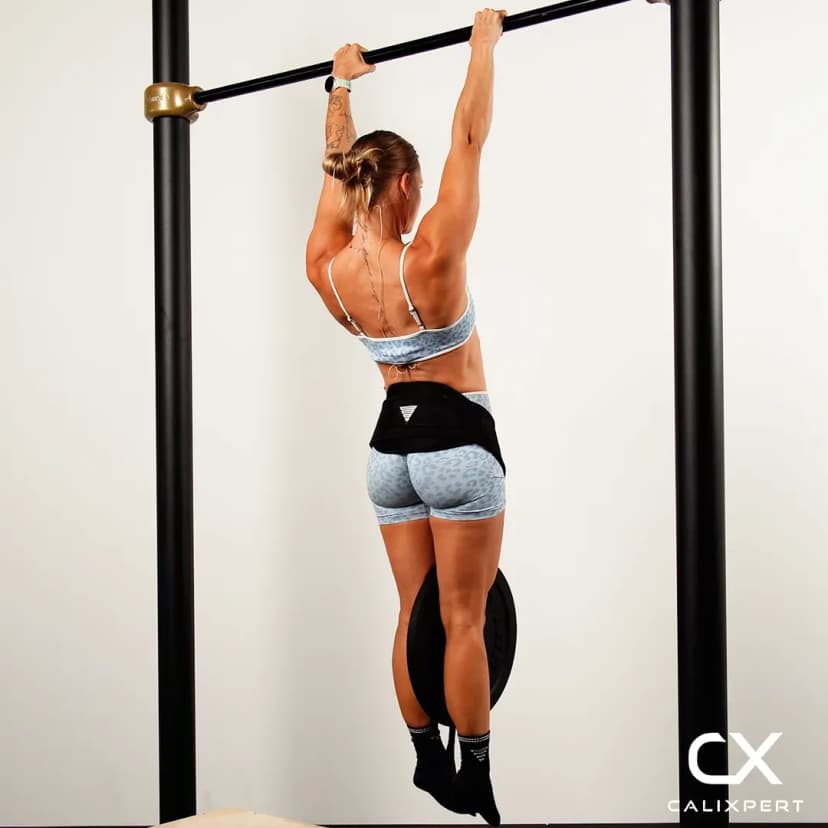
Wear a weight vest or hang a plate from a dip belt to increase the load during the hold. Add weight only when you can hold the unassisted version for at least 15 seconds with perfect scapular retraction.