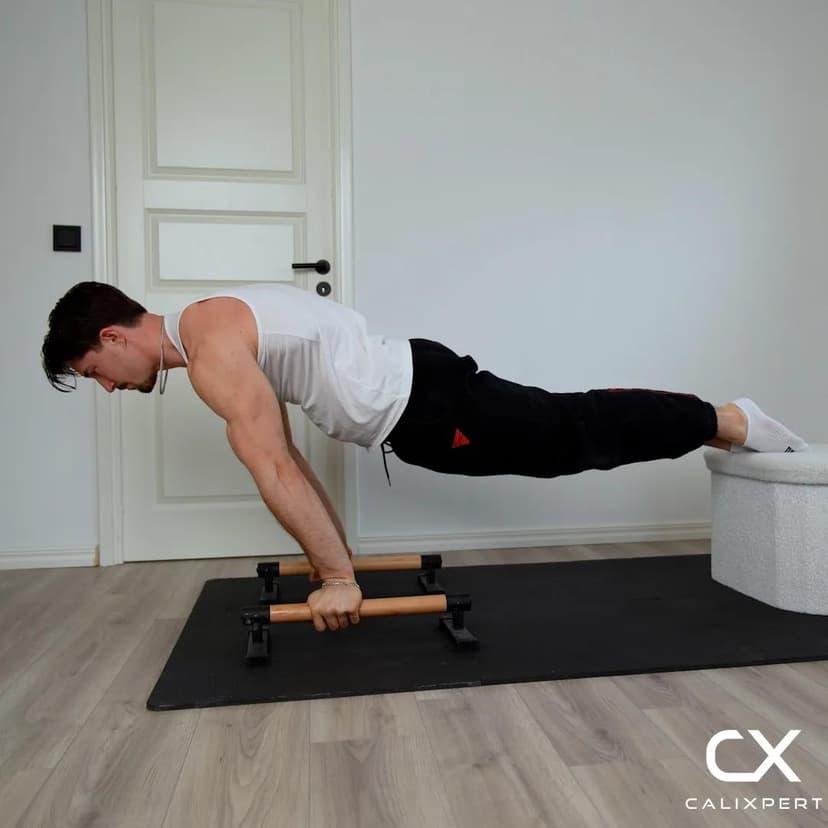
Knee Wide Push Ups
Knee wide push-ups are a beginner-friendly horizontal pressing exercise that targets the chest, front deltoids, and triceps using a wider hand placement from a kneeling position. The wide grip shifts more of the load onto the outer chest fibers and reduces the range of motion slightly compared to a standard knee push-up, making it an effective way to build pressing volume with less demand on the triceps. When performed with a straight torso line and controlled elbow angle, this variation develops the pushing strength and shoulder stability needed to progress toward full wide push-ups on the toes.
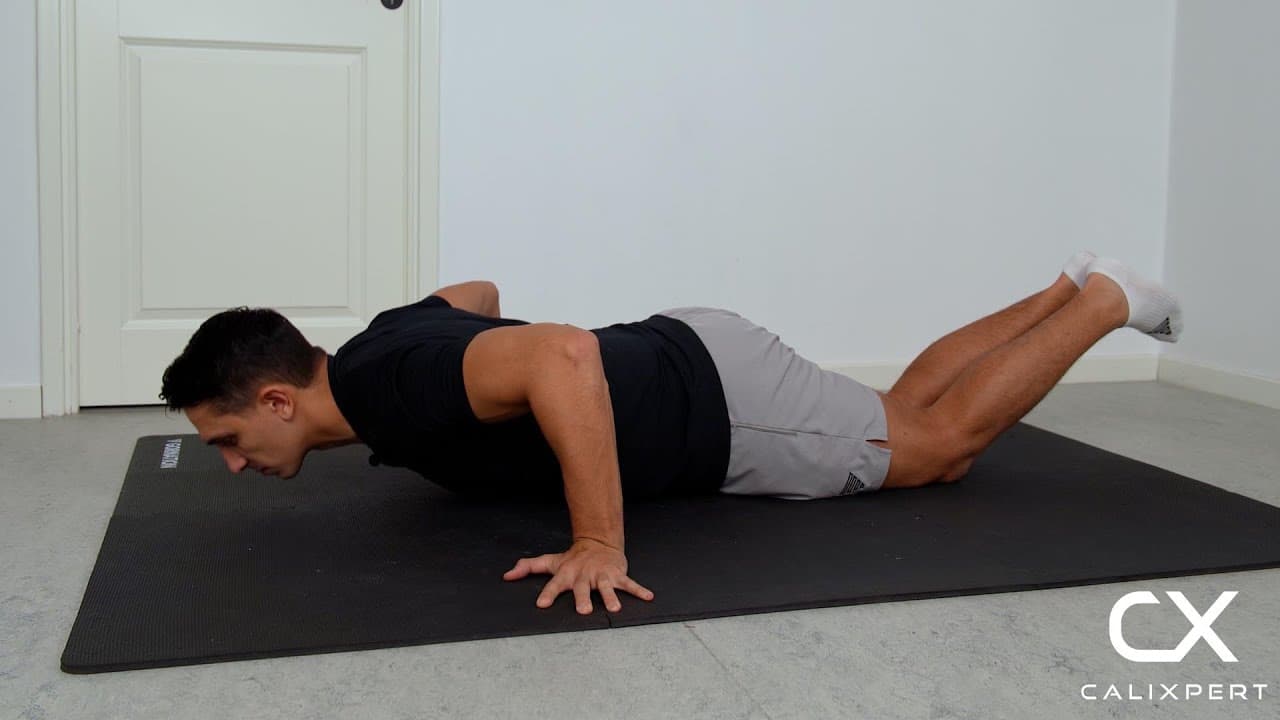
Knee wide push-ups are a beginner-friendly horizontal pressing exercise that targets the chest, front deltoids, and triceps using a wider hand placement from a kneeling position. The wide grip shifts more of the load onto the outer chest fibers and reduces the range of motion slightly compared to a standard knee push-up, making it an effective way to build pressing volume with less demand on the triceps. When performed with a straight torso line and controlled elbow angle, this variation develops the pushing strength and shoulder stability needed to progress toward full wide push-ups on the toes.
How to Do Knee Wide Push Ups
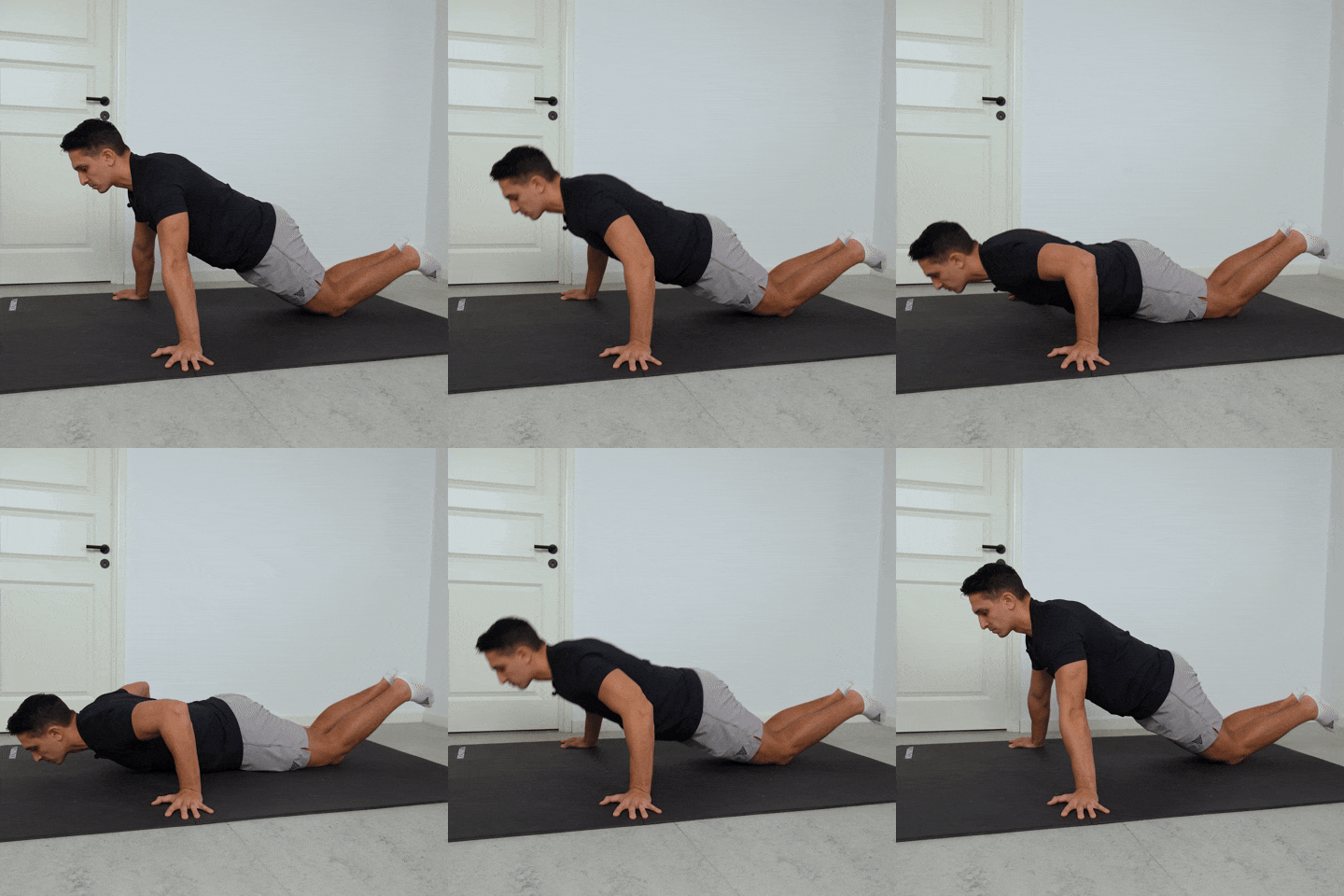
1. Set Your Hand Position Wide
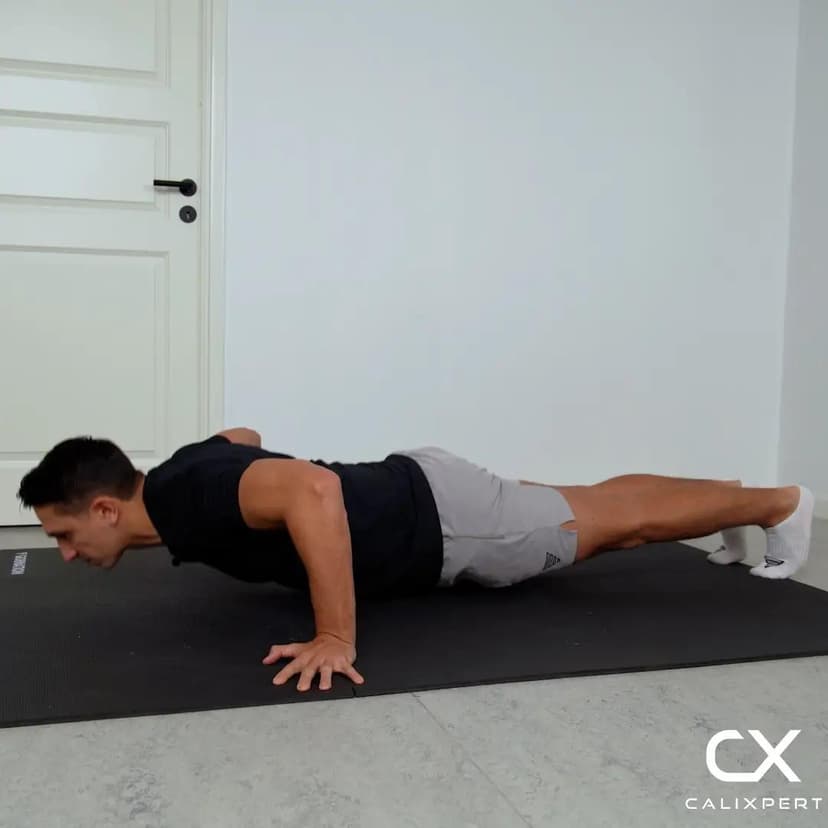
Place your hands on the ground wider than shoulder width with your fingers pointing forward or rotated slightly outward. Your hands should be directly in line with your shoulders, not drifted forward or backward. A slight outward rotation of the hands can reduce wrist strain and allow a more natural pressing angle.
Hands wide, in line with shoulders
2. Set Your Knees and Torso
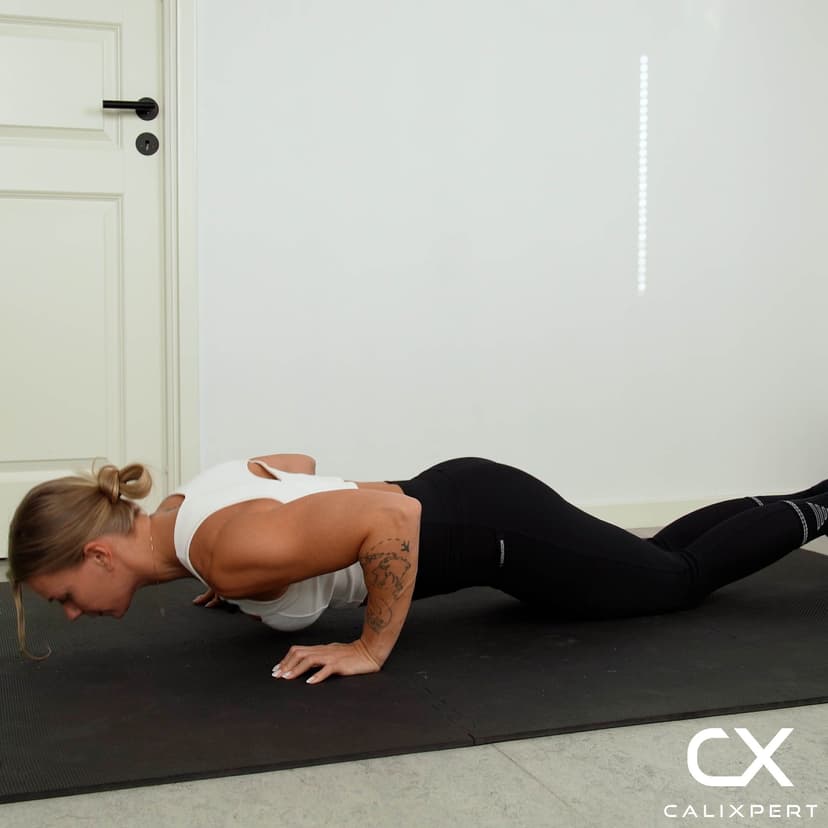
Lower your knees to the ground behind your hips so your body forms a straight line from your head to your knees. Push your hips down and squeeze your glutes to prevent your lower back from sagging or your hips from piking up. Your gaze should be slightly forward and diagonal, not straight down at the floor.
Hips down, glutes tight, straight line
3. Lower With Elbows Angled Back
Bend your elbows and lower your chest toward the ground in a controlled descent. Your elbows should angle slightly backward, roughly 45 degrees from your torso, not flare straight out to the sides. Continue lowering until your elbows reach a 90-degree bend and your chest is close to the floor.
Elbows back at 45 degrees, not flared
4. Press Back Up to Start
Push through your palms to extend your arms and return to the starting position. Keep your core braced and your hips locked in place throughout the press. Do not let your shoulders shrug up toward your ears at the top. Fully extend your arms before beginning the next rep.
Push the floor away, keep hips locked
Most beginners drop their hips the moment they start lowering, and the push-up turns into a half-rep with zero chest engagement. Before you even think about bending the elbows, lock your glutes and push the hips slightly forward so your torso is one solid plank. Once that line is set, every rep actually loads the chest instead of just bouncing off the floor.
Muscles Worked During Knee Wide Push Ups
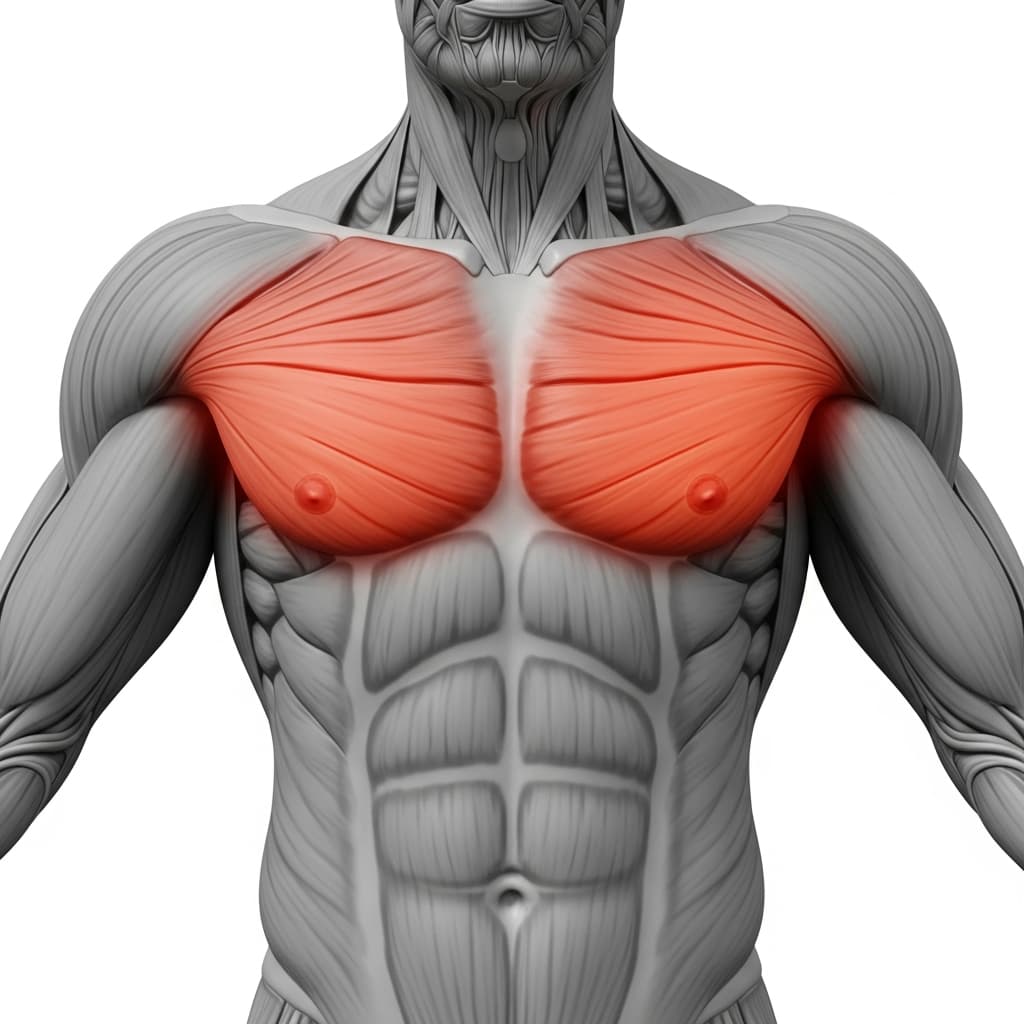
Primary Muscles:
Secondary Muscles:
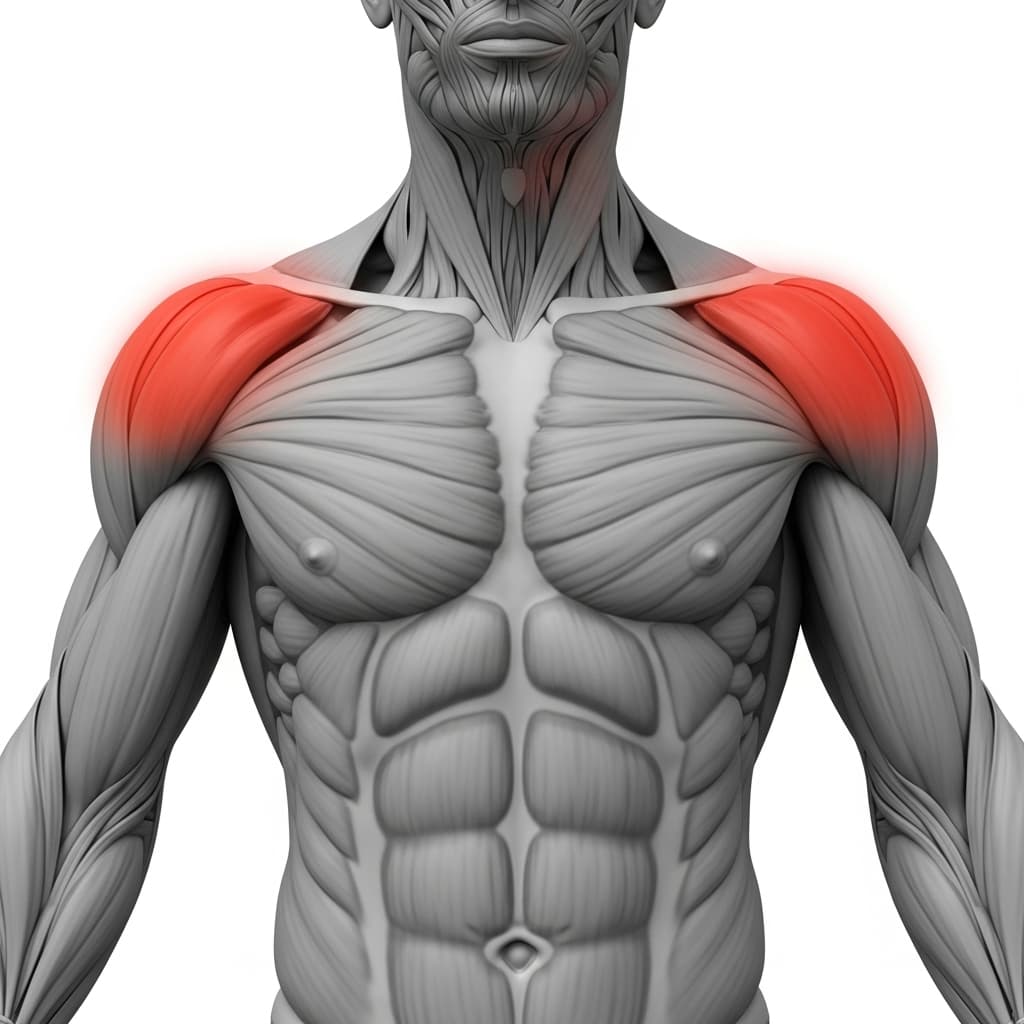
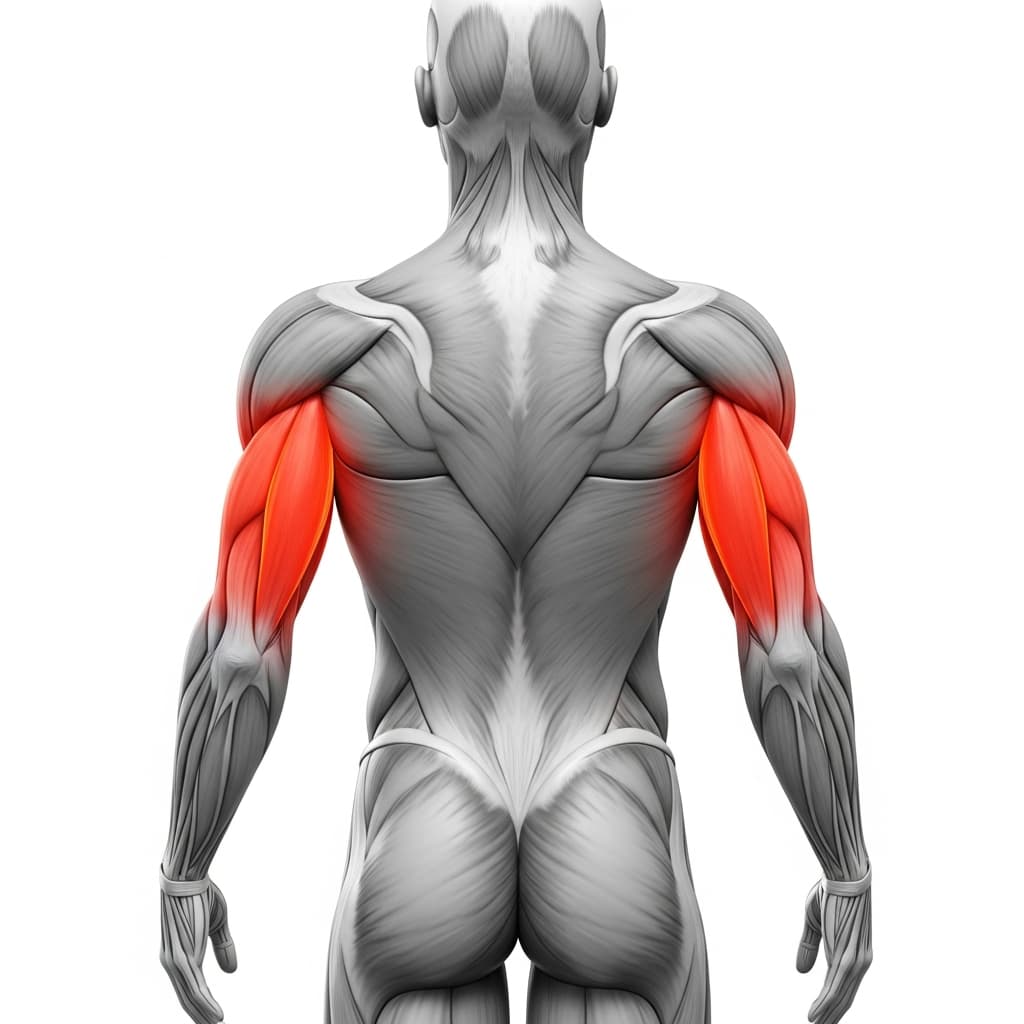
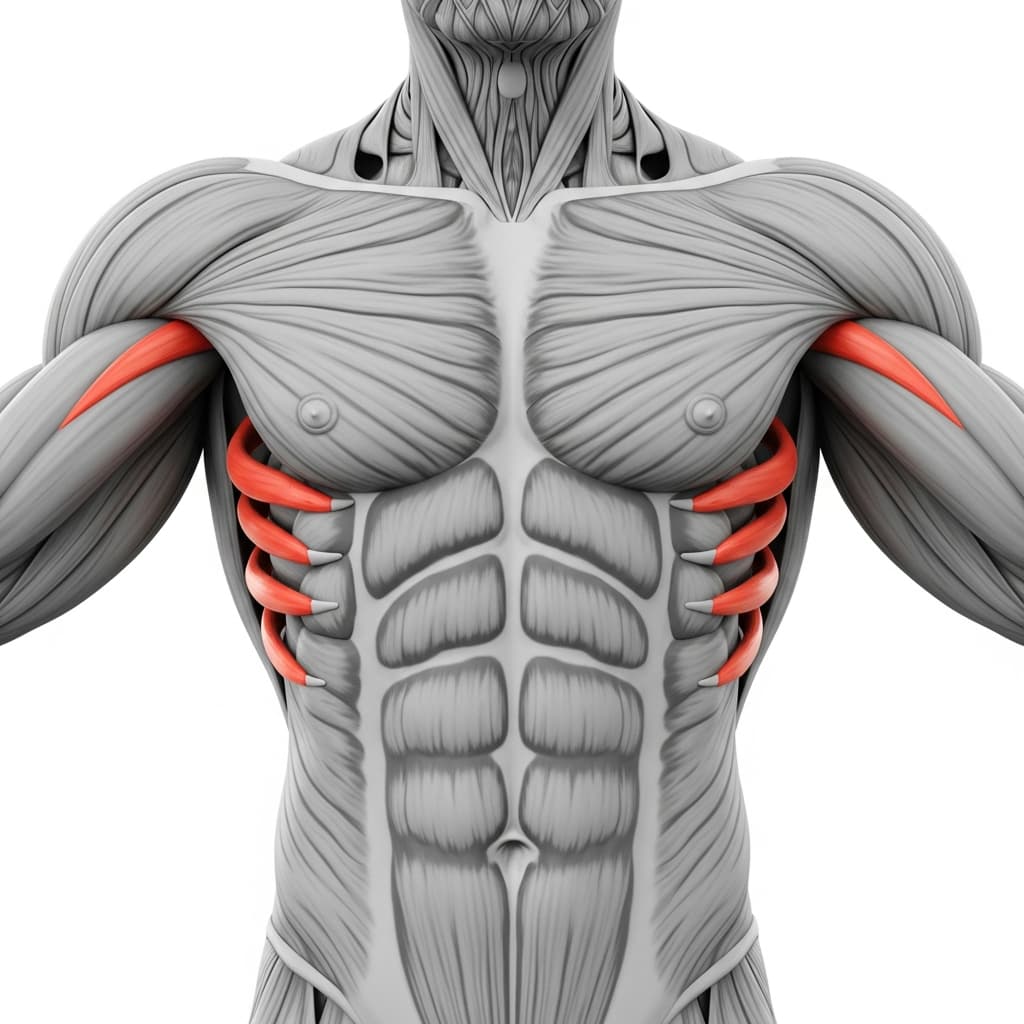
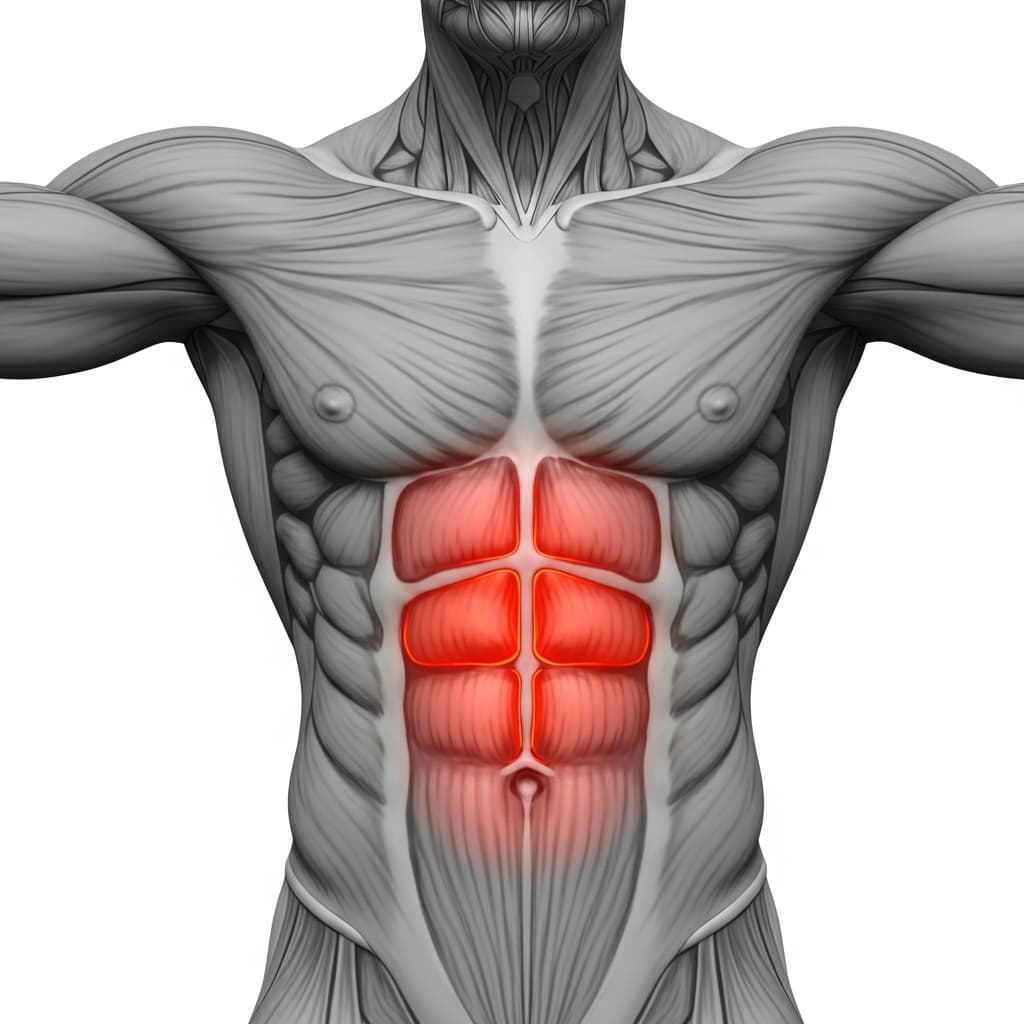
Primary Muscles
Pectoralis Major (Chest) - The pectoralis major drives the horizontal pressing motion, with the wide hand placement emphasizing the sternal and outer fibers through a shortened but loaded range of motion.
Secondary Muscles
Anterior Deltoid (Front Deltoid) - The anterior deltoid assists the chest in pressing the body away from the floor, stabilizing the shoulder joint throughout the lowering and pressing phases.
Triceps Brachii (Triceps) - The triceps extend the elbow during the pressing phase, though the wide grip reduces their contribution compared to narrower push-up variations.
Serratus Anterior (Serratus Anterior) - The serratus anterior protracts the shoulder blades at the top of each rep, keeping the scapulae stable against the ribcage throughout the movement.
Rectus Abdominis (Abs) - The rectus abdominis maintains a rigid torso line from head to knees, preventing the hips from sagging under gravity during each rep.
Benefits of Knee Wide Push Ups
- Targets the outer chest fibers more than a standard-width knee push-up, building chest width and definition from an accessible position
- Reduces triceps demand compared to narrow push-up variations, allowing athletes with weaker triceps to accumulate chest-focused pressing volume
- Strengthens the serratus anterior through the full pressing range, which improves scapular stability for all overhead and pushing movements
- Builds the pressing strength and body control needed to progress safely to full wide push-ups on the toes
Who Is This Exercise For?
You should be able to hold a straight-arm plank on your knees for at least 15 seconds with your hips level and core engaged before attempting knee wide push-ups. If maintaining a flat torso line from head to knees is difficult, spend time strengthening your core with planks and glute bridges first.
Common Mistakes to Avoid
Letting the hips sag or pike up: Squeeze your glutes and push your hips slightly forward to maintain a straight line from head to knees. If your lower back dips, your core is not engaged, and the chest stops doing meaningful work.
Flaring elbows straight out to the sides: Angle your elbows about 45 degrees backward from your torso rather than letting them point directly sideways. Fully flared elbows place excessive stress on the shoulder joint and reduce chest activation.
Placing hands too far forward: Your hands should be directly in line with your shoulders, not drifted forward toward your head. When the hands creep forward, the shoulders take over and the chest disengages from the movement.
Cutting the range of motion short: Lower until your elbows reach a 90-degree angle and your chest is close to the floor. Partial reps reduce the stretch on the chest fibers and limit strength gains through the bottom portion of the press.