Pike Pulses
Pike pulses are a seated core and hip flexor exercise where you lift your extended legs off the floor in short, controlled pulses while keeping the upper body completely still. The movement primarily targets the hip flexors and lower abdominals, with the quads working to keep the legs straight throughout each rep. When performed with strict form, pike pulses build the active compression strength that directly transfers to L-sits, V-sits, and every pike-based calisthenics skill.
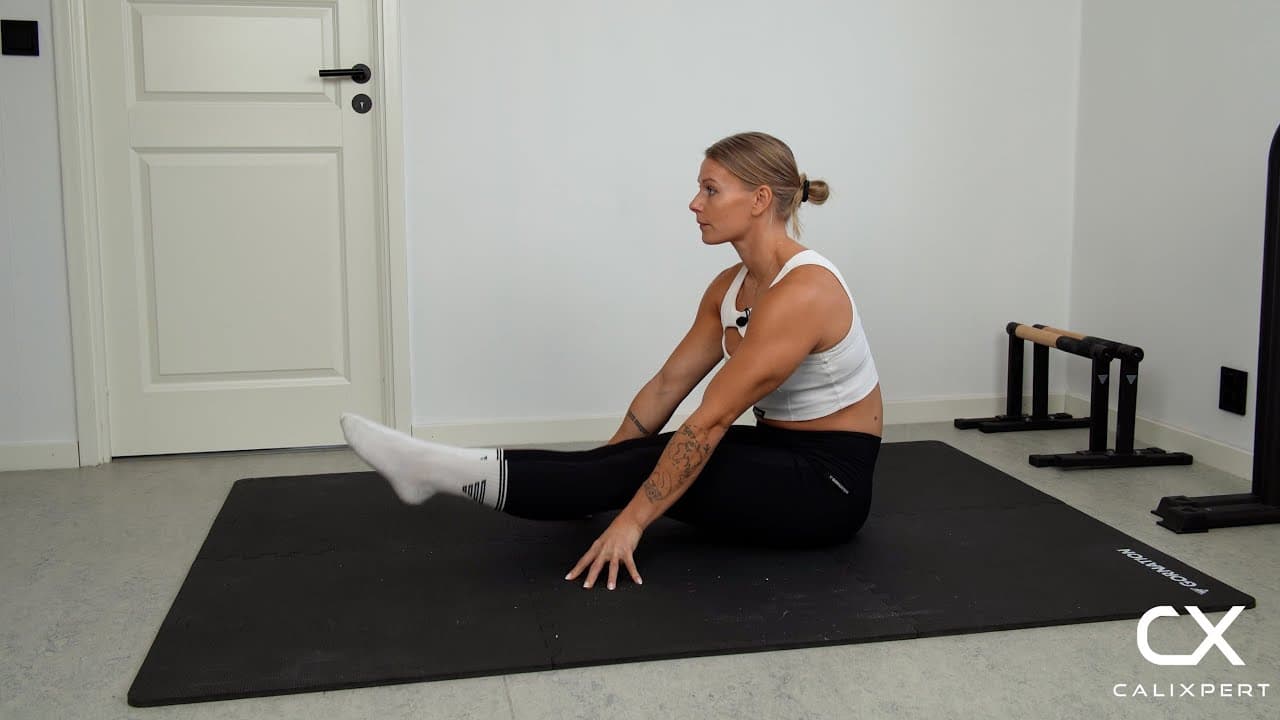
Pike pulses are a seated core and hip flexor exercise where you lift your extended legs off the floor in short, controlled pulses while keeping the upper body completely still. The movement primarily targets the hip flexors and lower abdominals, with the quads working to keep the legs straight throughout each rep. When performed with strict form, pike pulses build the active compression strength that directly transfers to L-sits, V-sits, and every pike-based calisthenics skill.
How to Do Pike Pulses
1. Sit With Legs Extended Forward
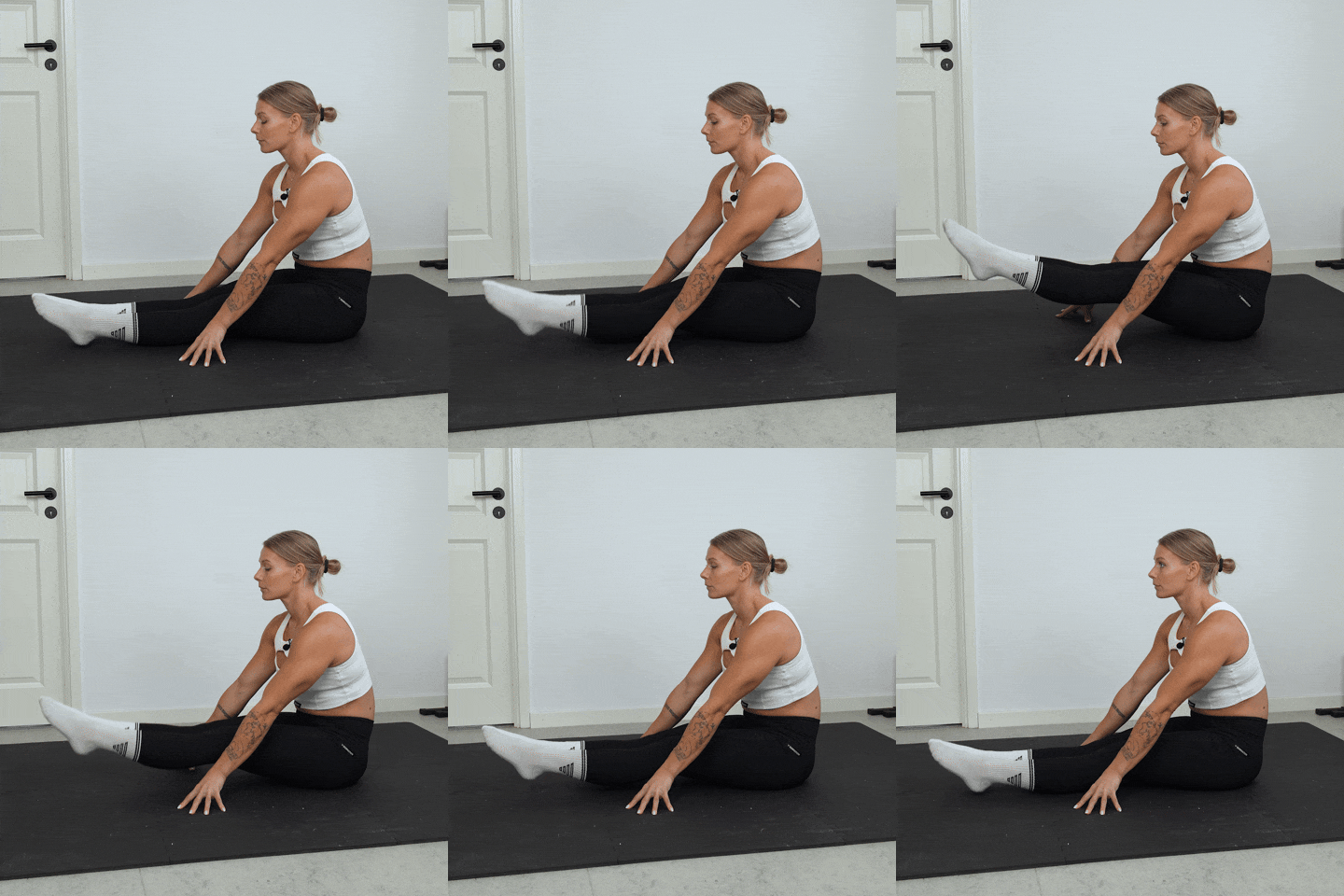
Sit on the floor with your legs fully extended in front of you and your feet together. Your hip angle should be at or just past 90 degrees. Never lean your torso backward past upright, as this removes the challenge from the hip flexors and shifts it to momentum.
Sit tall, hips at 90 degrees
2. Place Hands and Set Core
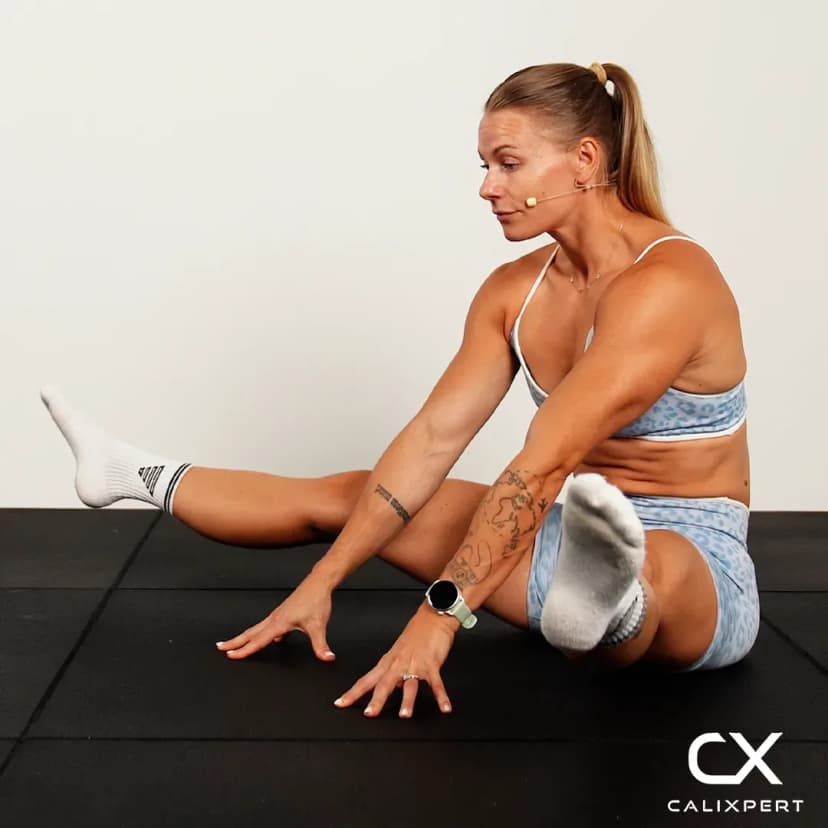
Place your fingertips on the floor beside your legs at roughly knee height. Draw your belly button toward your spine to fully engage the core before any movement begins. Your upper body should be locked in this upright position for the entire set.
Belly button to spine, lock the torso
3. Lift Legs Without Moving Upper Body
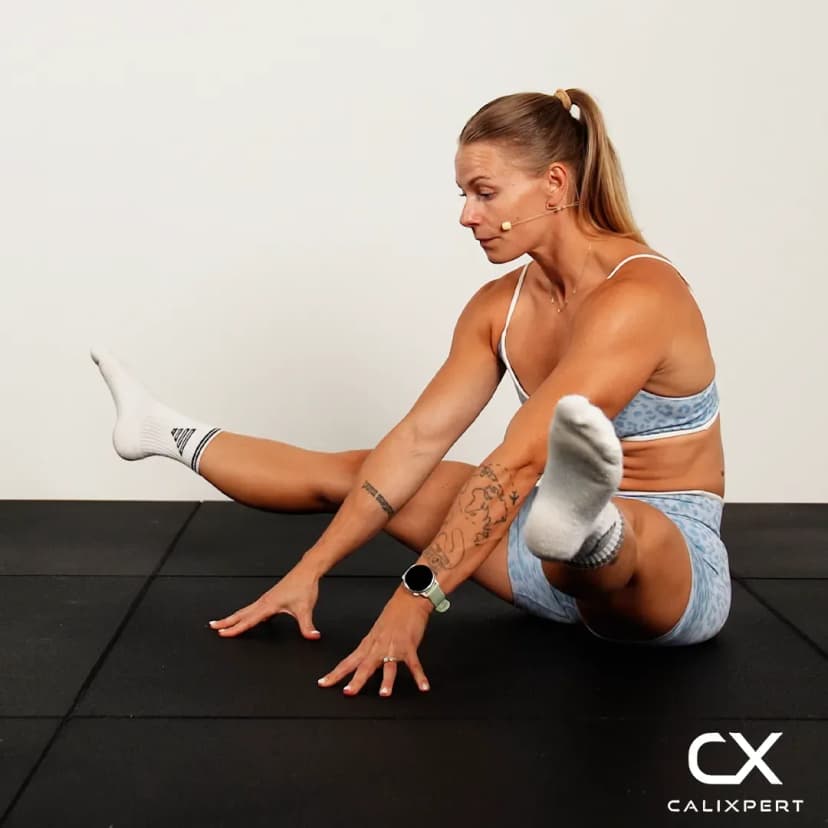
With your core braced and torso completely still, lift both legs off the floor by driving through the hip flexors. The movement is a short, controlled pulse, not a full leg raise. Keep your legs straight and feet together throughout the lift. Your upper body should not rock forward or backward at any point.
Legs up, torso stays dead still
4. Lower and Repeat With Control
Lower your legs back toward the floor slowly, stopping just before they touch down. Immediately pulse back up into the next rep without resting the legs on the ground. Maintain the same upright posture and core engagement on every single rep.
Hover at the bottom, never rest the legs
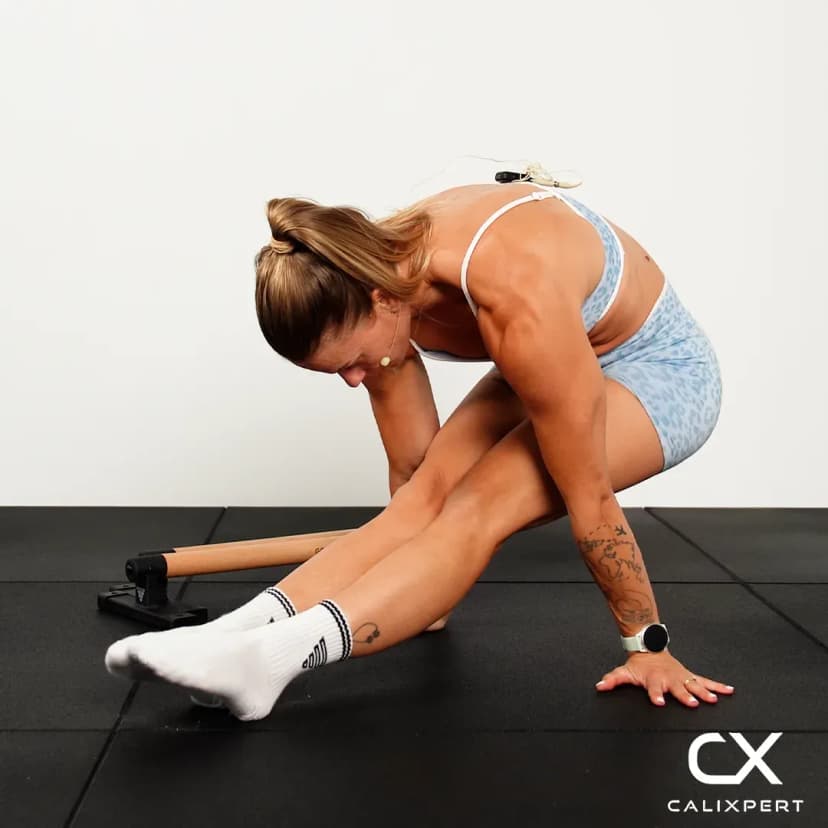
Most people fail pike pulses because they turn it into a whole-body rocking exercise. The entire point is that your upper body does absolutely nothing. If you have to rock to get your legs off the floor, move your hands behind you for support and focus on smaller pulses. Once you can do clean reps with hands at your knees, start creeping them forward, and that is where real compression strength starts to build.
Muscles Worked During Pike Pulses
Primary Muscles:
Secondary Muscles:
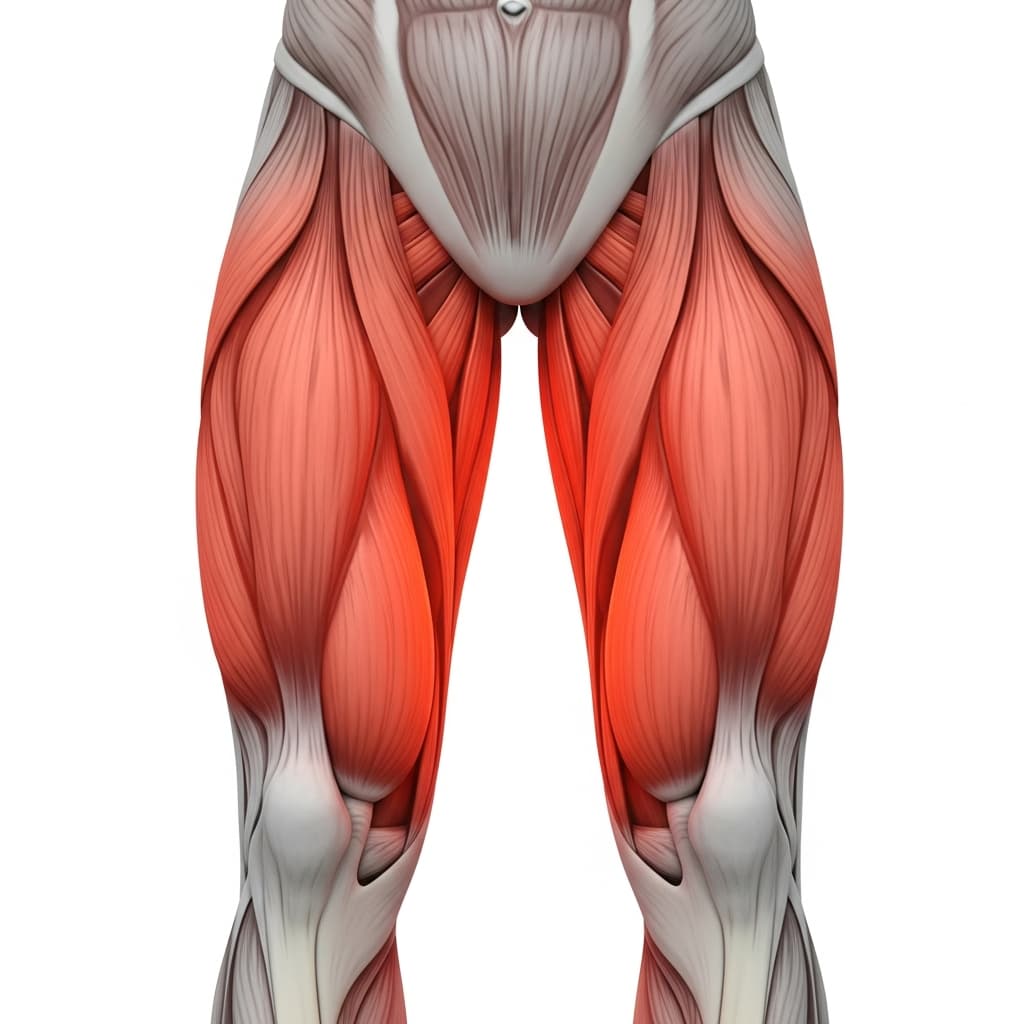
Primary Muscles
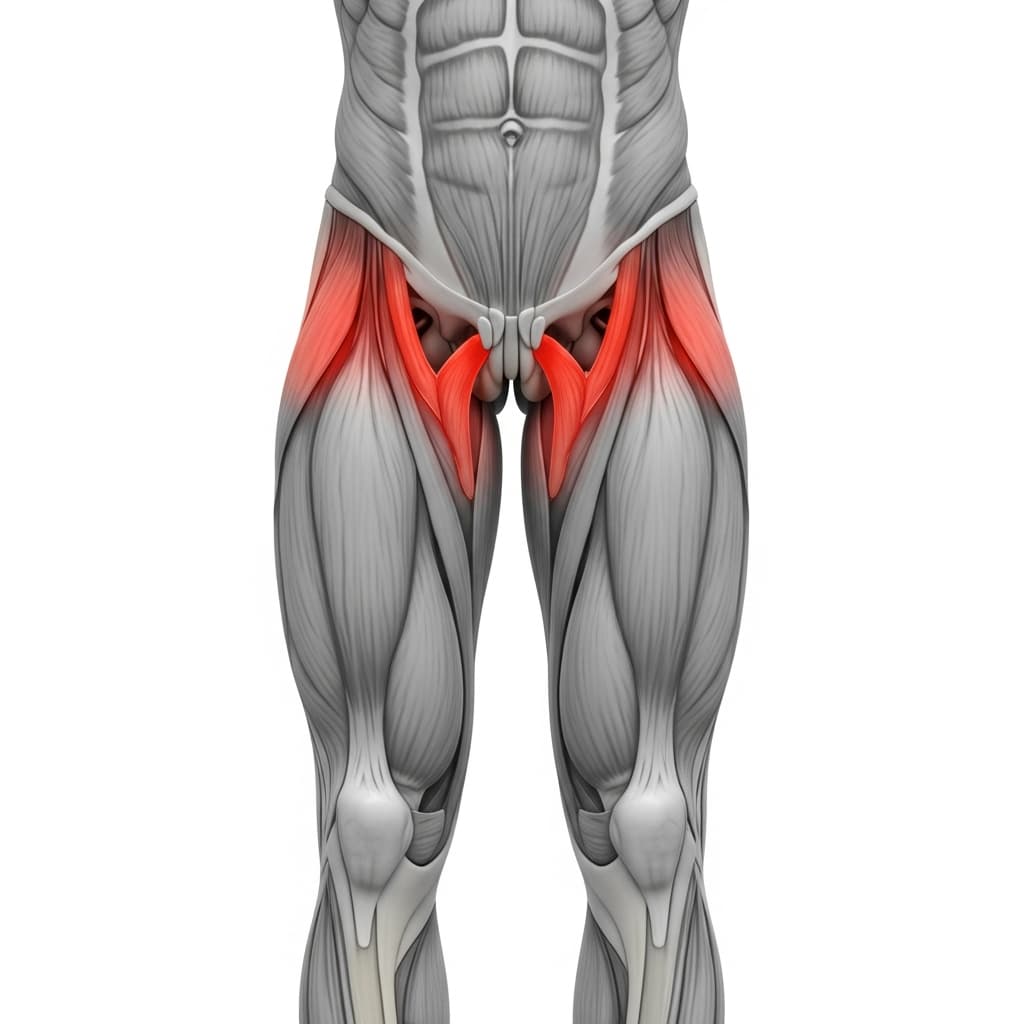
Iliopsoas (Hip Flexors) - The hip flexors are the primary movers in pike pulses, contracting to lift the extended legs off the floor against gravity while the torso remains fixed.
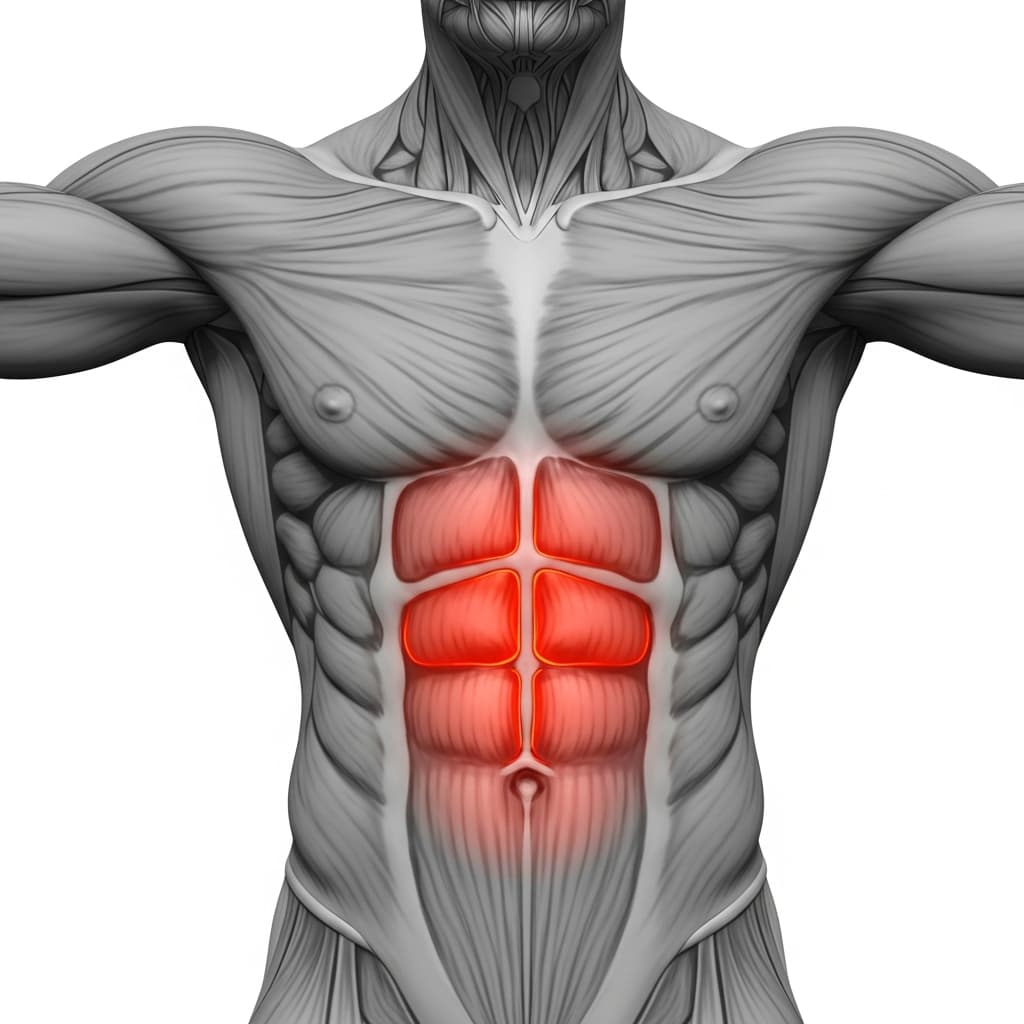
Rectus Abdominis (Abs) - The abdominals brace isometrically to prevent the torso from rocking and assist the hip flexors in compressing the legs toward the body during each pulse.
Secondary Muscles
Quadriceps (Quads) - The quadriceps contract isometrically to keep the knees fully extended and the legs straight throughout the entire lifting and lowering phase.
Benefits of Pike Pulses
- Builds active hip flexor strength in the exact range of motion needed for L-sits, V-sits, and pike holds
- Develops lower abdominal control and compression ability, which is the limiting factor in most seated and hanging leg exercises
- Strengthens the quads isometrically through sustained leg extension under load, improving knee stability during straight-leg skills
- Trains the ability to isolate lower body movement from the torso, a coordination skill that transfers directly to handstands and press movements
Who Is This Exercise For?
You should be able to sit upright with your legs extended at 90 degrees of hip flexion without rounding your lower back before attempting pike pulses. If maintaining a flat back in a seated pike position is difficult, work on hamstring flexibility and seated hollow holds first. Anyone who cannot hold a seated position with an engaged core for at least 15 seconds is not ready for this exercise.
Common Mistakes to Avoid
Leaning the torso backward: Keep your hip angle at 90 degrees or slightly less throughout the entire set. If you lean back, you create momentum that makes the lift easier and takes tension off the hip flexors.
Rocking the upper body to generate momentum: Your upper body must stay completely still while only your legs move. If you cannot lift your legs without rocking, move your hands further back for more support and reduce the range of motion.
Bending the knees during the pulse: Keep your legs fully extended with your quads engaged throughout the movement. Bending the knees shortens the lever arm and significantly reduces the demand on the hip flexors and core.
Holding the breath: Exhale on the lift and inhale on the lower. Bracing the core does not mean holding your breath, and doing so will limit your rep count and cause unnecessary tension in the neck and shoulders.
Variations & Progressions
Hands-Behind Pike Pulses
Place your hands on the floor behind your hips instead of at knee height. This provides more support and reduces the balance demand, making it easier to keep the torso still while lifting the legs.
Hands-Forward Pike Pulses
Move your hands further in front of you, past your knees toward your shins or ankles. The further forward your hands are, the less support you have, which forces the core and hip flexors to work significantly harder to lift and stabilize the legs.
Hands-Off Pike Pulses
Perform the exercise with your arms extended in front of you, completely off the floor. This removes all external support and demands full compression strength from the hip flexors and abdominals to lift the legs.