Plank Hold On Knees
The plank hold on knees is a beginner-level isometric core exercise performed on the forearms with the knees grounded, targeting the abs, serratus anterior, and glutes through sustained anti-extension tension. The key to an effective knee plank is protracting the scapula and pushing the upper back toward the ceiling, which activates the serratus and prevents the core from disengaging. Mastered with proper bracing, this exercise builds the foundational trunk stability required for full planks, push-ups, and every bodyweight movement that demands a rigid midline.
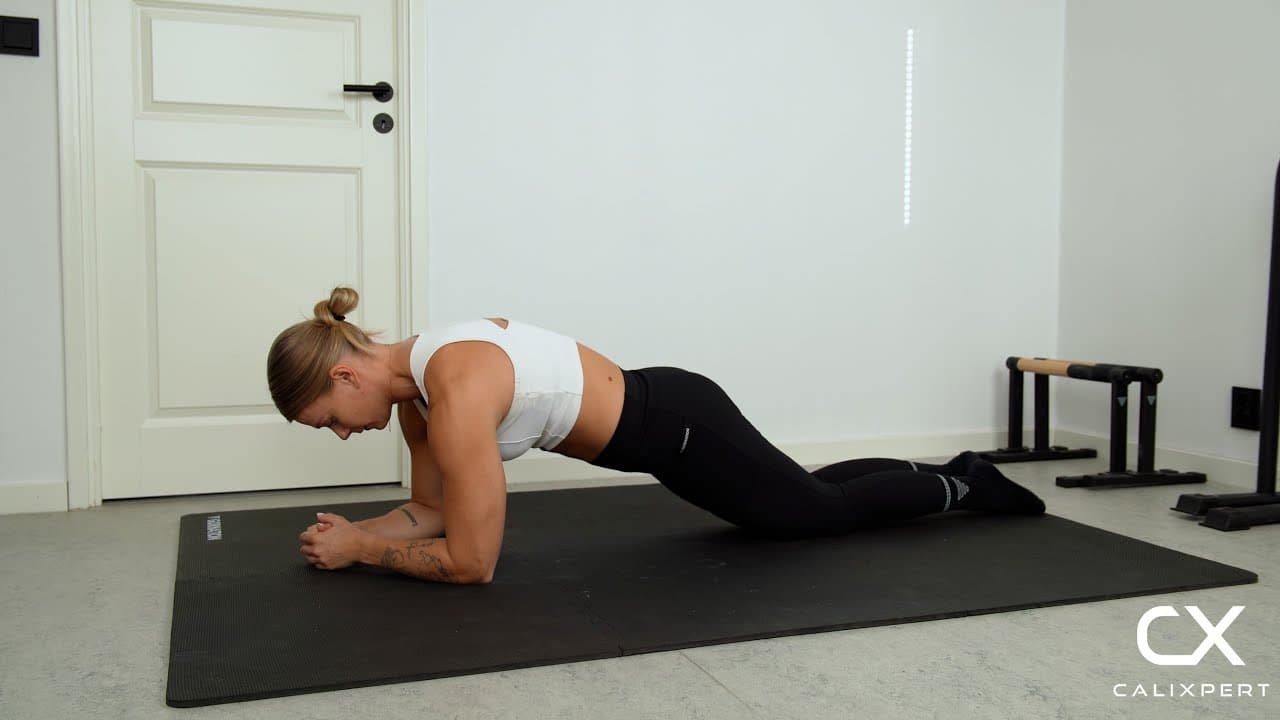
The plank hold on knees is a beginner-level isometric core exercise performed on the forearms with the knees grounded, targeting the abs, serratus anterior, and glutes through sustained anti-extension tension. The key to an effective knee plank is protracting the scapula and pushing the upper back toward the ceiling, which activates the serratus and prevents the core from disengaging. Mastered with proper bracing, this exercise builds the foundational trunk stability required for full planks, push-ups, and every bodyweight movement that demands a rigid midline.
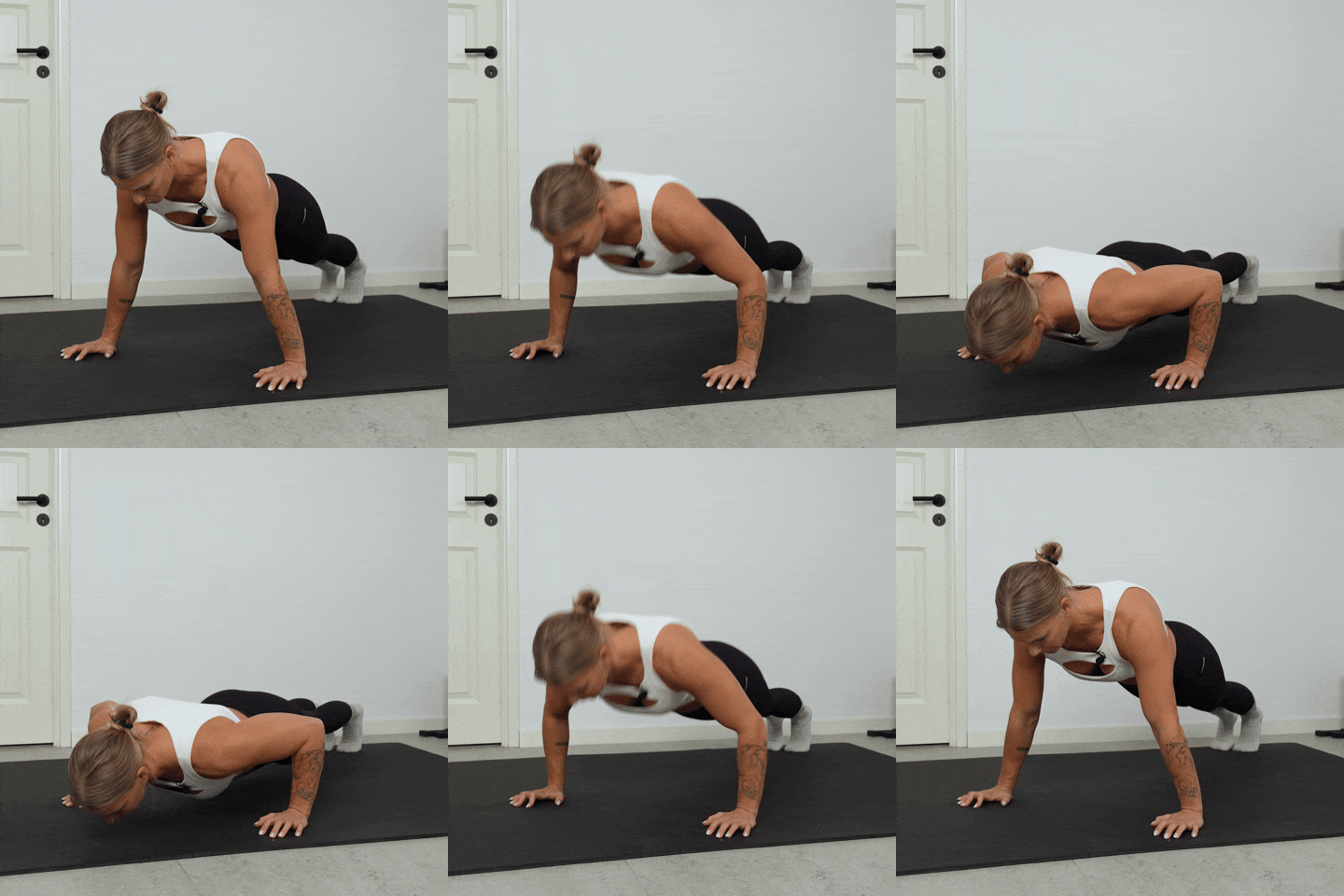
How to Do Plank Hold On Knees
1. Set Up Your Forearm Base
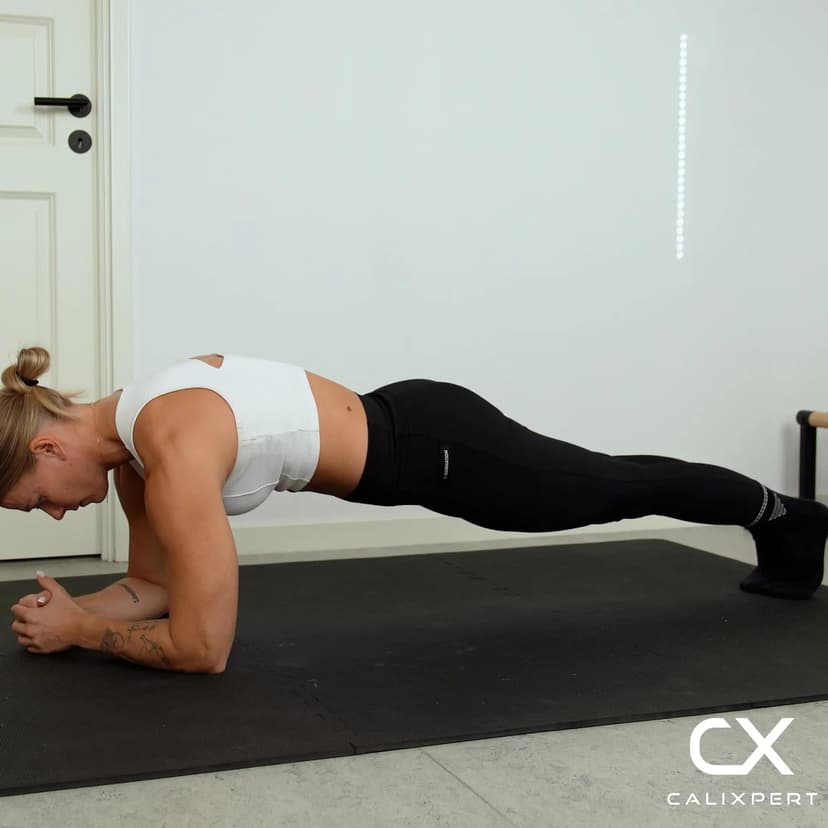
Kneel on the floor and place your forearms flat on the ground with your elbows directly under your shoulders. Keep your hands flat or lightly clasped, whichever feels more stable. Your forearms should be parallel to each other, not angled inward.
Elbows stacked right under shoulders
2. Position Your Knees and Hips
Walk your knees back until your body forms a straight line from the top of your head to your knees. Your knees should be hip-width apart and your shins resting on the floor behind you. Do not leave your knees too far forward, as this reduces the lever length and makes the exercise ineffective.
Straight line from head to knees
3. Protract the Scapula
Push your upper back toward the ceiling by spreading your shoulder blades apart. This scapular protraction activates the serratus anterior and creates a slight rounding in the upper back. Do not let your chest sink between your shoulders.
Push the floor away from you
4. Brace Your Core
Pull your belly button toward your spine and tighten your abs as if bracing for a punch. This anti-extension bracing is what makes the plank a core exercise rather than just a resting position. Your lower back should be flat or slightly rounded, never arched.
Suck in the belly, flatten the back
5. Squeeze Glutes and Legs
Actively squeeze your glutes and press your legs together. This posterior engagement locks out the hips and prevents them from sagging or piking upward. A plank with relaxed glutes is a plank that leaks tension through the lower back.
Glutes tight, legs active
6. Hold and Breathe Steadily
Maintain the position for the prescribed time while breathing in a controlled rhythm. Breathe into your ribcage without losing abdominal tension. If your hips start to sag or your back begins to arch, end the set rather than holding with broken form.
Breathe without losing brace
Most beginners just lie on their forearms and hope for the best. The plank becomes a real exercise only when you do two things: push the floor away to protract the scapula, and squeeze the glutes like you are trying to crack a walnut. Those two cues alone transform a passive hold into an active full-body brace that actually builds core strength.
Muscles Worked During Plank Hold On Knees
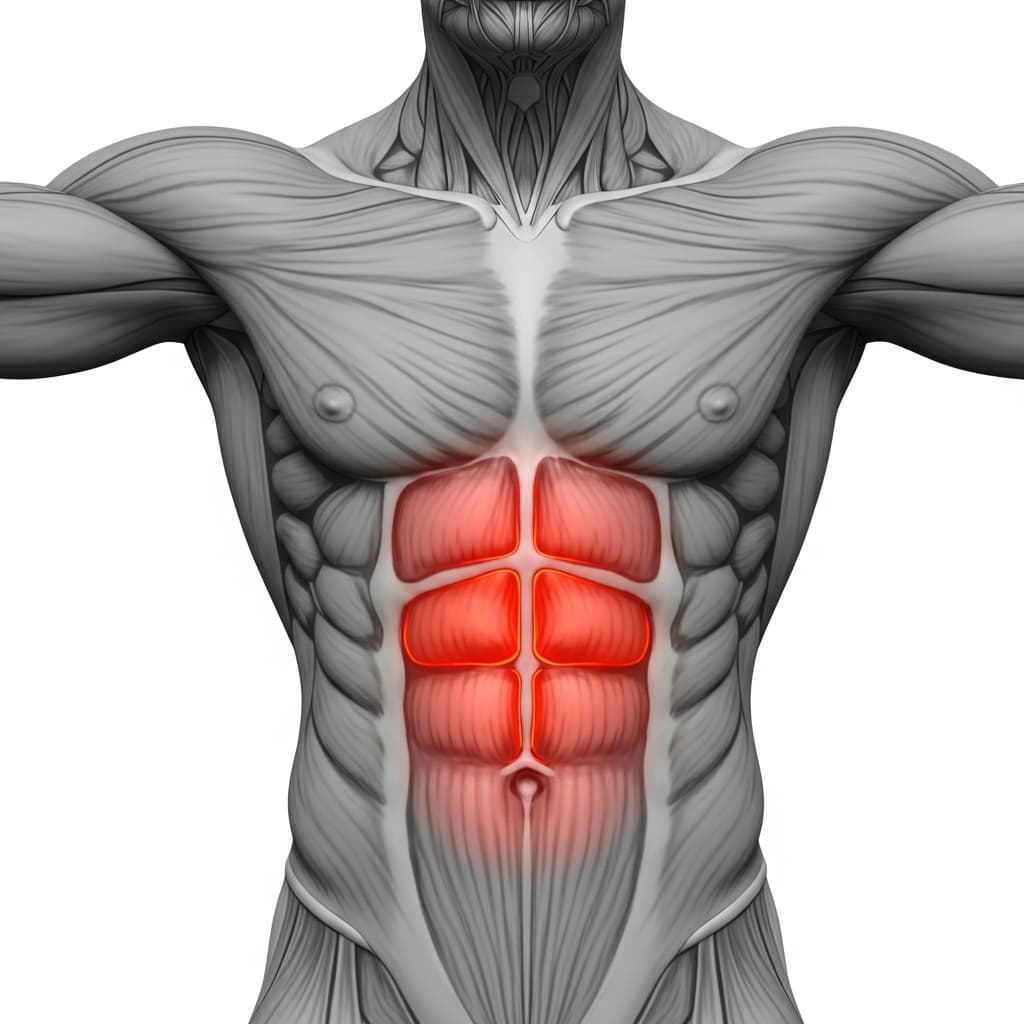
Primary Muscles:
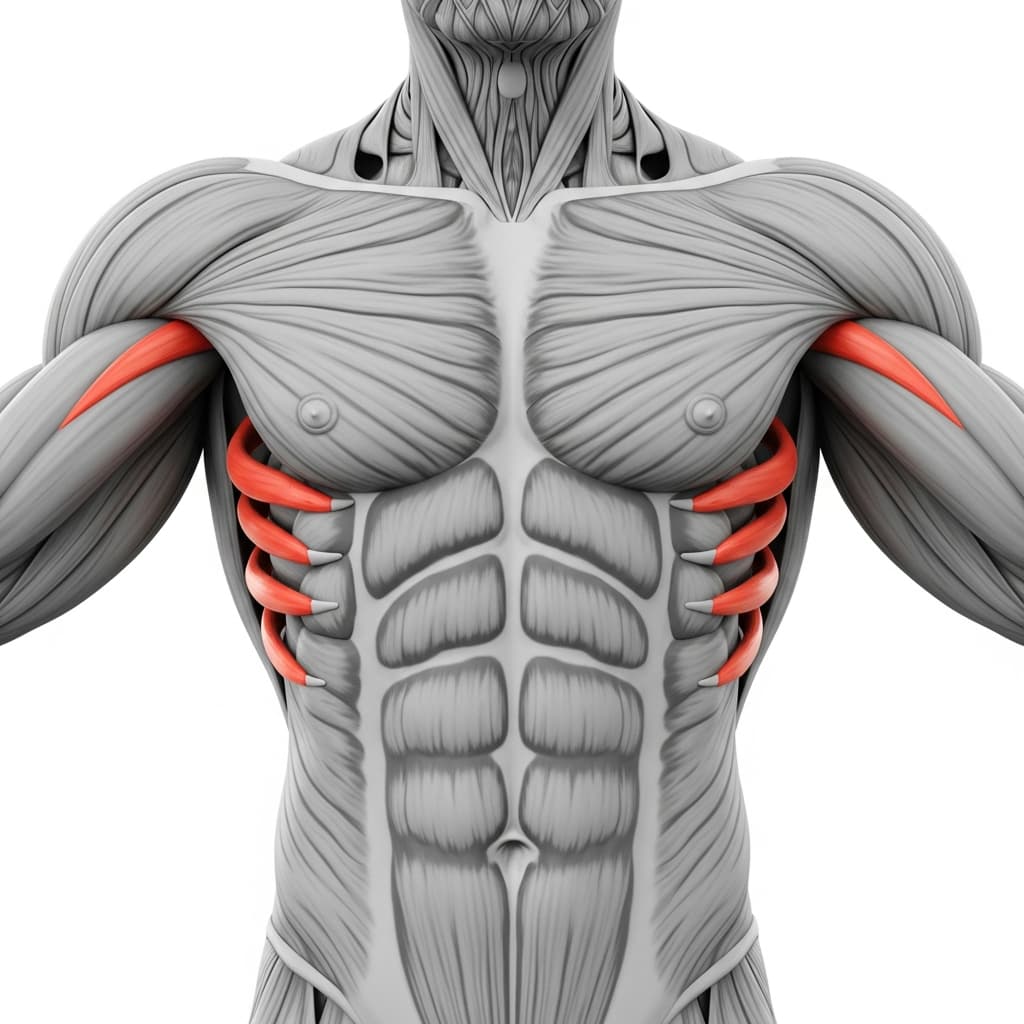
Secondary Muscles:
Primary Muscles
Rectus Abdominis (Abs) - The rectus abdominis contracts isometrically to resist spinal extension and maintain a flat, neutral torso throughout the hold.
Secondary Muscles
Serratus Anterior (Serratus Anterior) - The serratus anterior protracts the shoulder blades away from each other, pushing the upper back toward the ceiling and stabilizing the scapula against the ribcage.
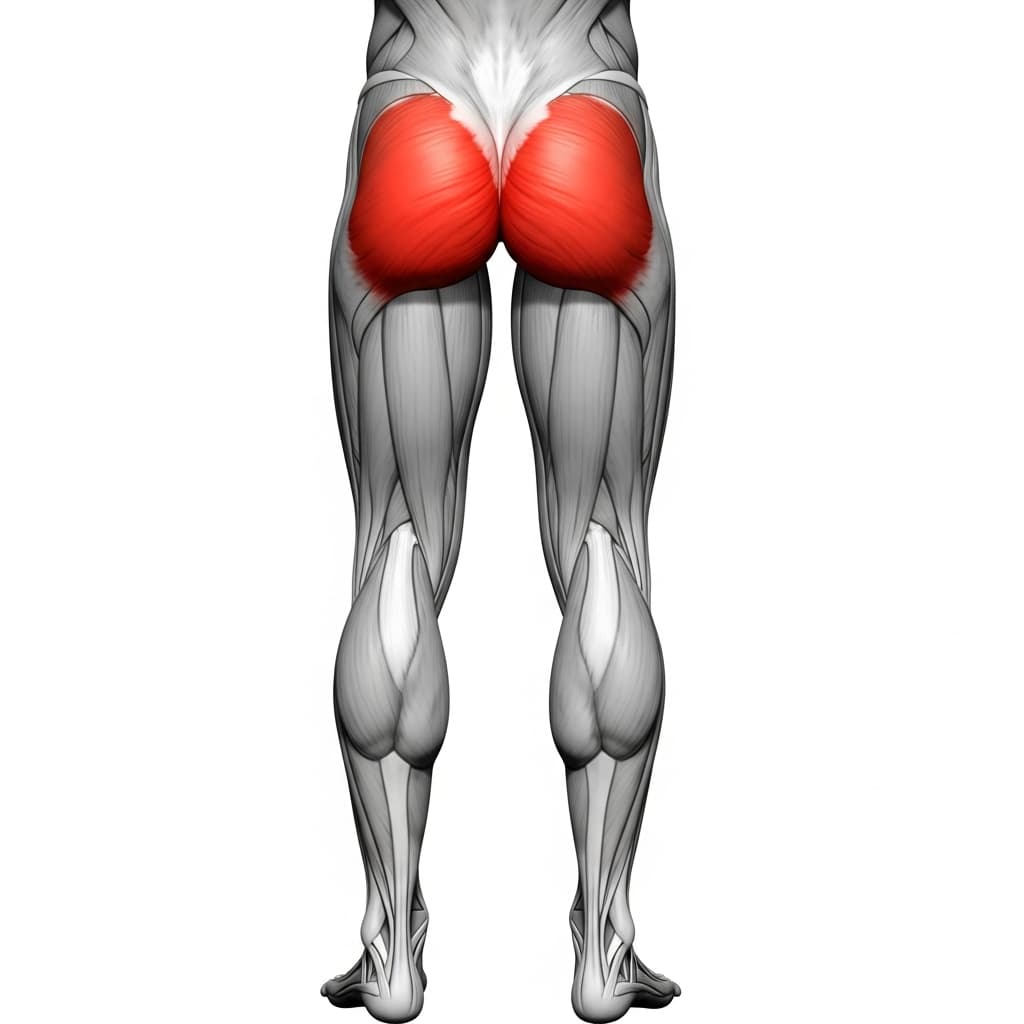
Gluteus Maximus (Glutes) - The glutes contract to extend and stabilize the hips, preventing them from sagging toward the floor and protecting the lower back from excessive loading.
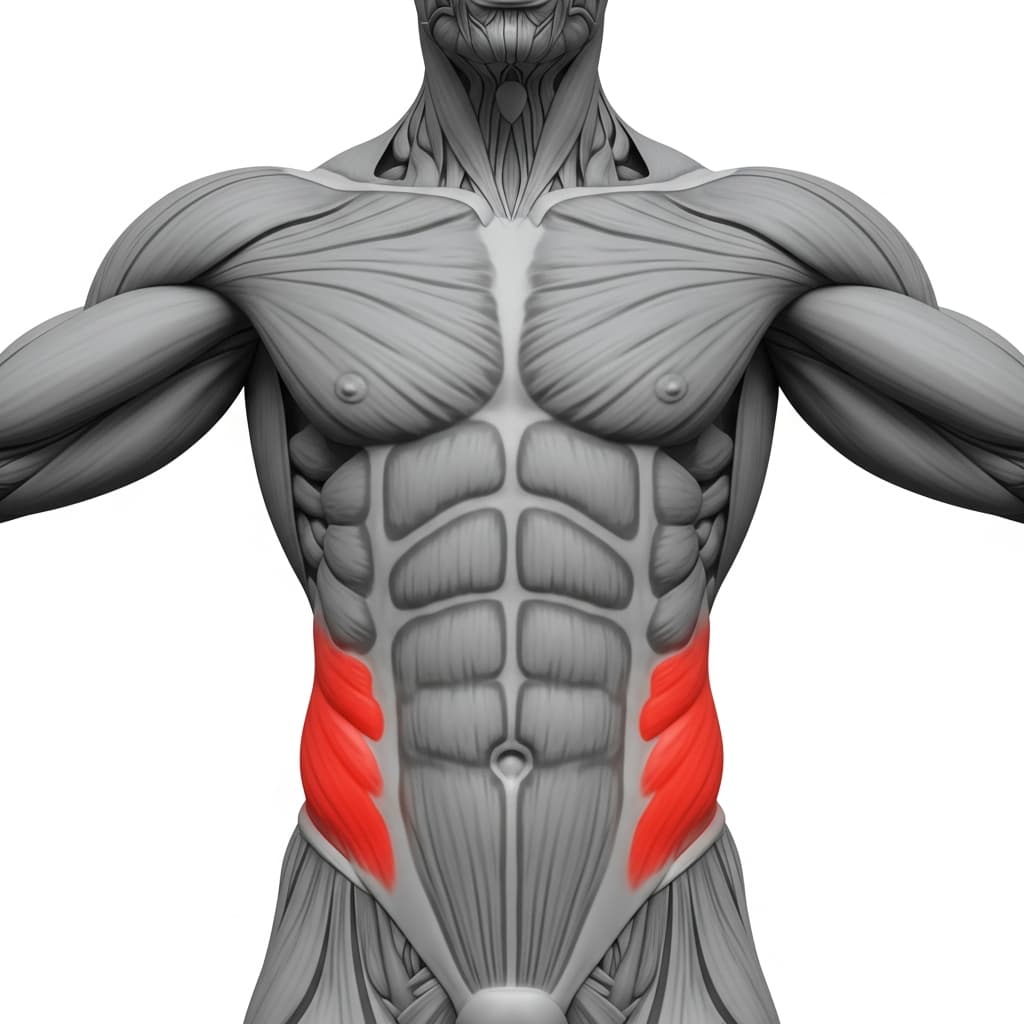
Obliques (Obliques) - The obliques stabilize the torso against lateral tilt and rotation, keeping the hips and shoulders level throughout the isometric hold.
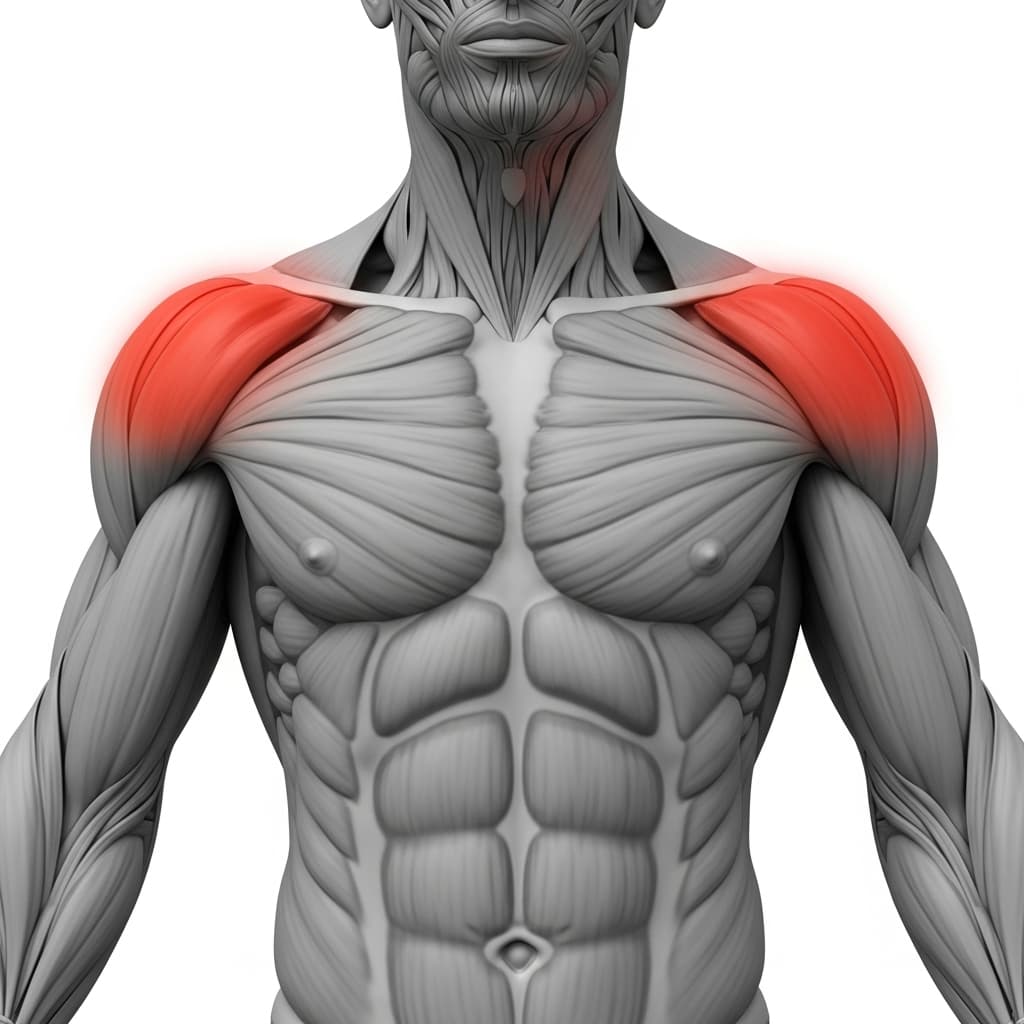
Anterior Deltoid (Front Deltoid) - The anterior deltoids stabilize the shoulder joint in a loaded flexed position, supporting the body weight transferred through the forearms.
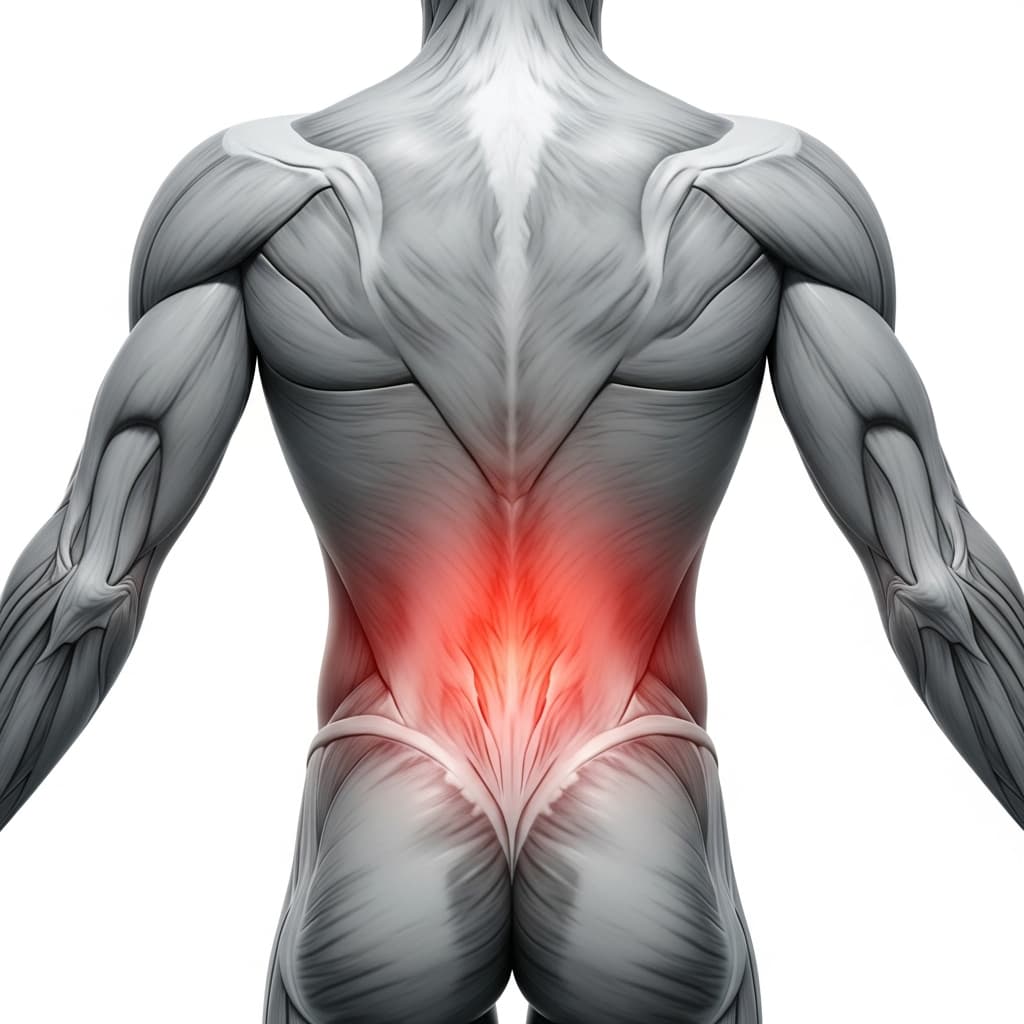
Erector Spinae (Lower Back) - The spinal erectors co-contract with the abs to maintain a neutral lumbar spine, providing the posterior side of the trunk bracing mechanism.
Benefits of Plank Hold On Knees
- Develops anti-extension core strength, the specific ability to resist lower back arching under load, which transfers directly to push-ups, L-sits, and hollow body holds
- Activates the serratus anterior through scapular protraction, building the shoulder blade control needed for healthy overhead pressing and handstand work
- Builds the endurance and bracing patterns required to progress to full forearm planks and more demanding isometric holds
- Teaches proper posterior pelvic tilt and glute engagement, two habits that protect the lower back in every standing and floor-based exercise
Who Is This Exercise For?
You should be able to hold a tabletop position on all fours for 20 seconds with a neutral spine before attempting the knee plank. If maintaining a flat back in a simple quadruped position is difficult, focus on dead bug holds and bird dogs to build baseline core awareness first.
Common Mistakes to Avoid
Letting the hips sag toward the floor: Squeeze the glutes hard and tilt the pelvis slightly under you. If the hips drop, the load transfers from the abs to the lower back, which defeats the purpose of the exercise and can cause discomfort.
Hiking the hips too high: Check your alignment by having someone place a stick along your back from head to knees. Piking the hips upward shortens the lever arm and removes nearly all core demand from the hold.
Skipping scapular protraction: Actively push your upper back toward the ceiling before you start the hold. Without protraction, the chest sinks between the shoulders and the serratus anterior stays completely disengaged.
Holding the breath: Breathe steadily into your ribcage throughout the entire hold. Holding your breath spikes blood pressure and causes you to fatigue far faster than necessary.