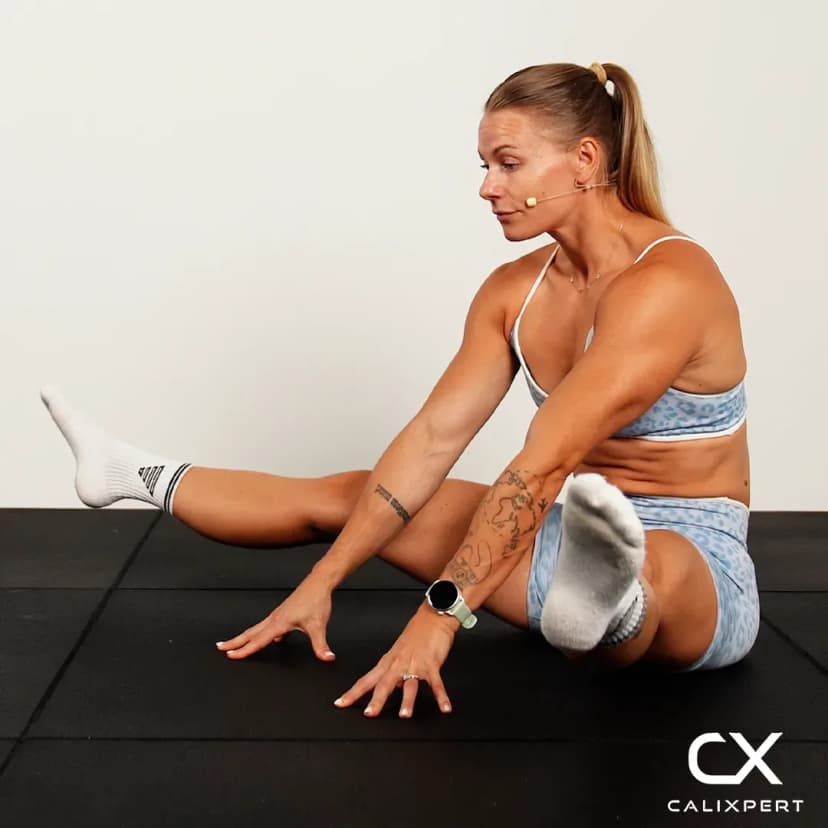
Negative Pull Up
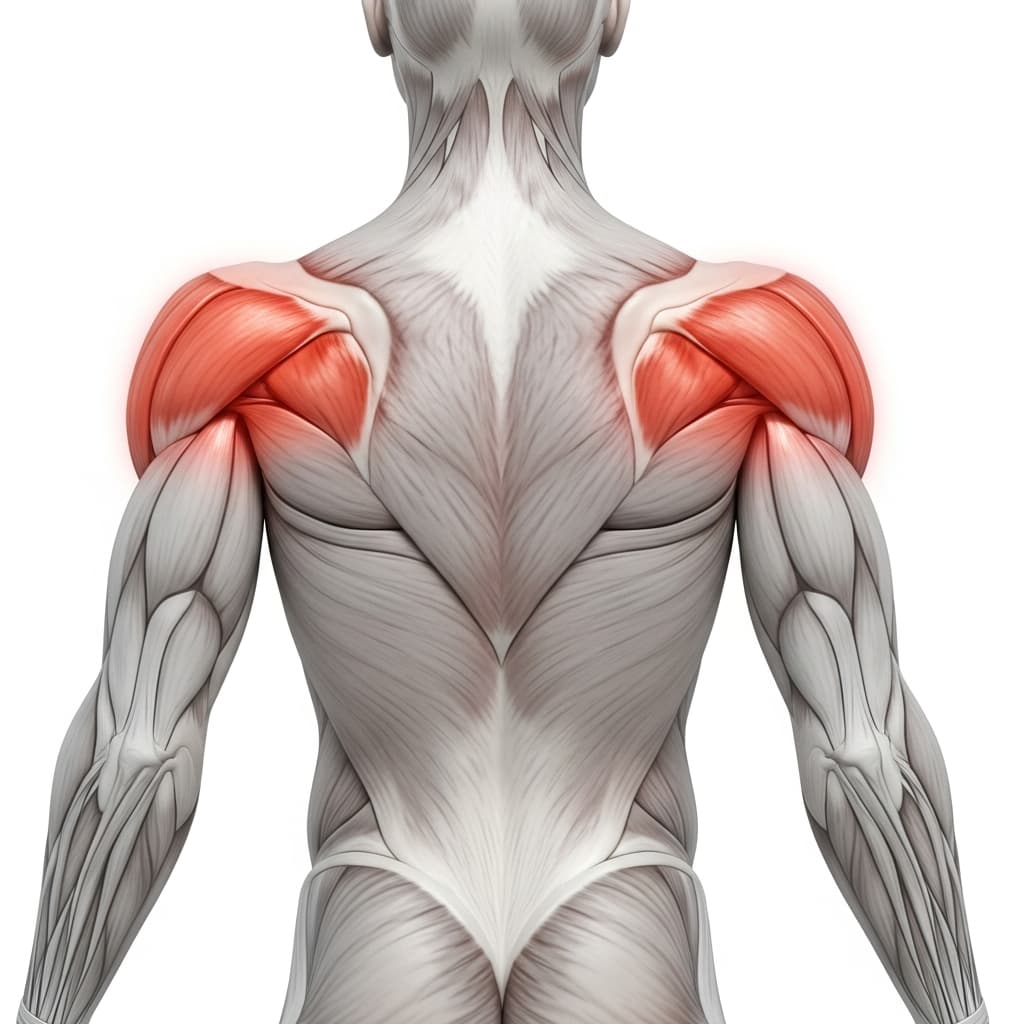
Negative pull-ups isolate the eccentric (lowering) phase of the pull-up, training the lats, biceps, rear deltoids, and traps under a controlled descent from bar to dead hang. Because eccentric contractions generate more force than concentric ones, negatives let you load muscles beyond what you can currently lift, making them the single most effective progression toward your first full pull-up. Performed with strict tempo and proper scapular control, they build real pulling strength and teach the exact motor pattern you need for unassisted pull-ups.
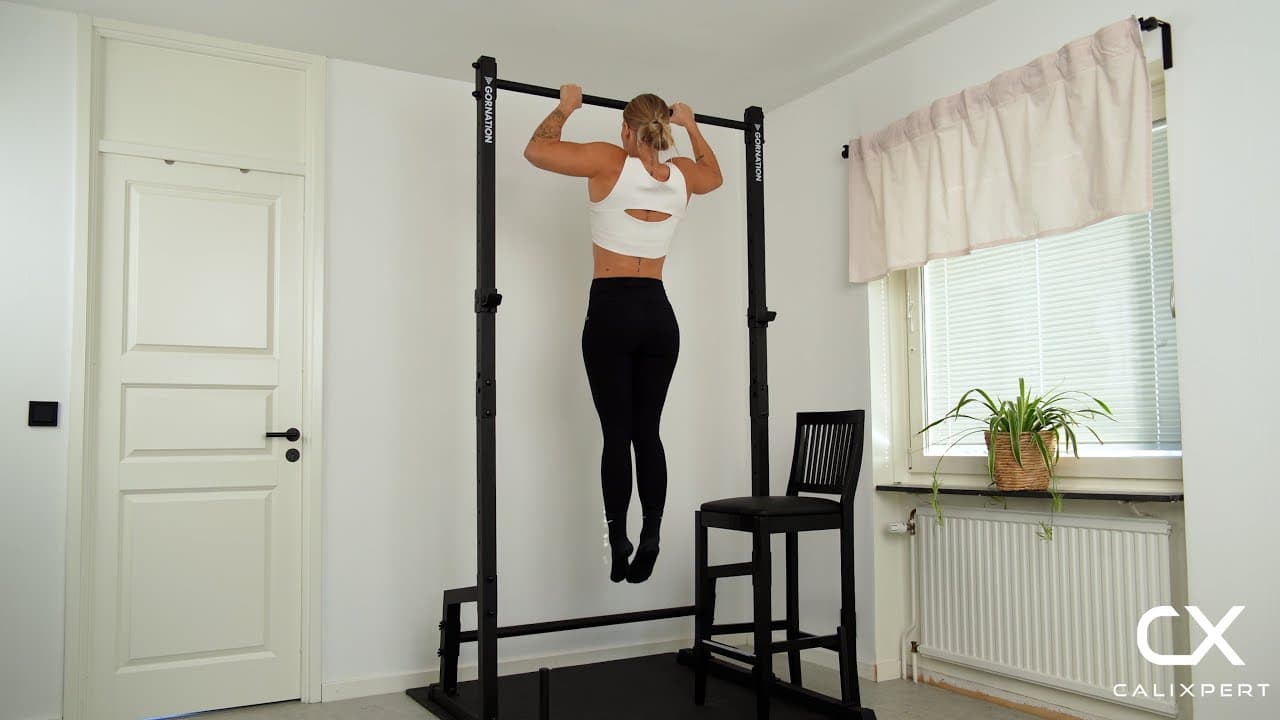
Negative pull-ups isolate the eccentric (lowering) phase of the pull-up, training the lats, biceps, rear deltoids, and traps under a controlled descent from bar to dead hang. Because eccentric contractions generate more force than concentric ones, negatives let you load muscles beyond what you can currently lift, making them the single most effective progression toward your first full pull-up. Performed with strict tempo and proper scapular control, they build real pulling strength and teach the exact motor pattern you need for unassisted pull-ups.

How to Do Negative Pull Up
1. Set Up Your Platform
Place a sturdy box, bench, or chair directly beneath the pull-up bar. The platform should be tall enough that you can stand on it and position your chin above bar height without needing to jump. Test the surface for stability before loading your weight onto the bar.
Chin above the bar before you start
2. Grip the Bar and Set Scapula
Grab the bar with an overhand grip at shoulder width or slightly wider, thumbs wrapped fully around the bar. While still standing on the platform, pull your shoulder blades down and together to activate the scapular retraction. Point your elbows backward and keep your shoulders away from your ears. This scapular set must happen before you step off the platform.
Squeeze the shoulder blades, then step off
3. Step Off Into the Top Position
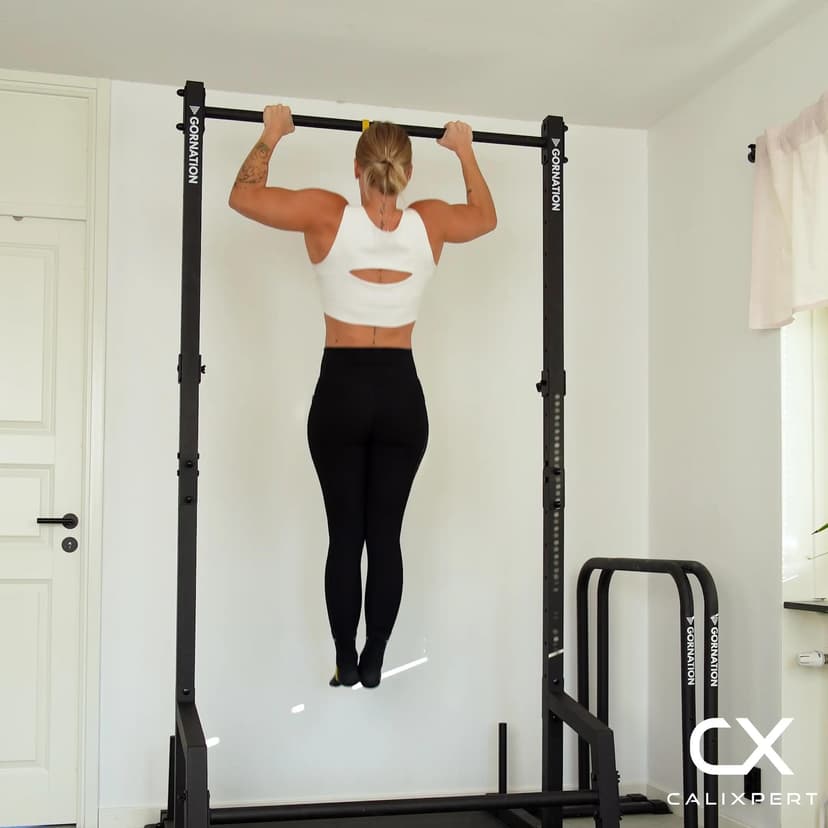
With your scapula set and core braced, step off the platform so your full bodyweight hangs from the bar with your chin above it. Keep a slight hollow body position by squeezing your abs and tucking your pelvis slightly forward. Do not swing or kick as you leave the platform.
Core tight, no swing
4. Lower Slowly to Dead Hang
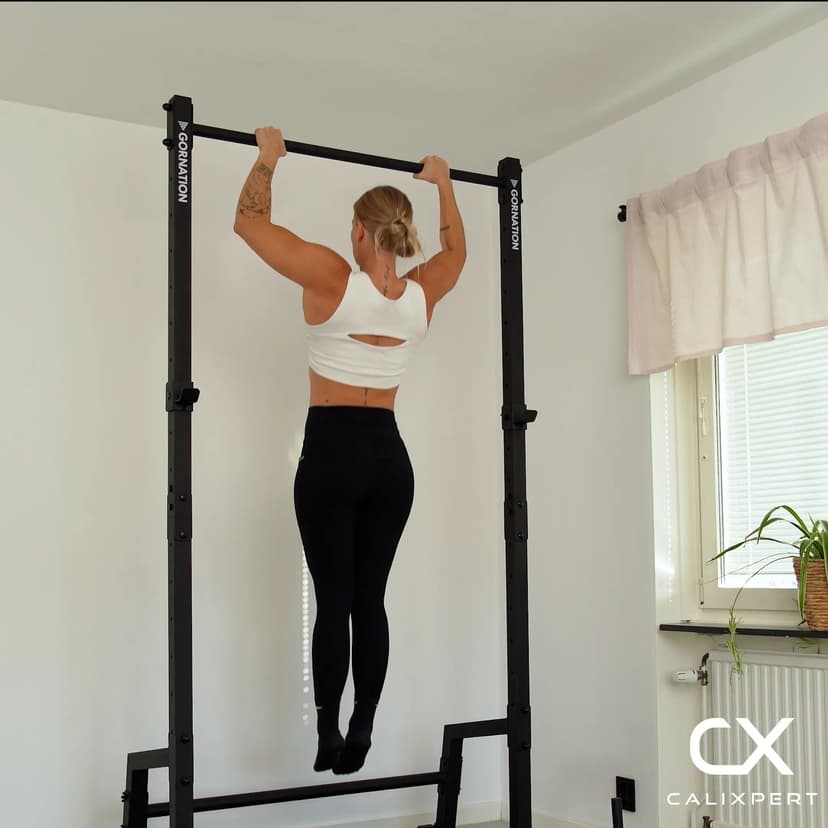
Begin lowering yourself as slowly as you can, aiming for a 3 to 5 second descent. Fight gravity through every inch of the movement by keeping tension in your lats and biceps. Your elbows should track outward and backward, not flare straight to the sides. Continue until your arms are fully extended and you reach a complete dead hang.
Resist every inch, never free-fall
5. Reset From the Platform
Once you reach full dead hang, step back onto the platform and return your chin above the bar. Re-set your scapular retraction and hollow body position before starting the next rep. Each rep should begin from a controlled top position, not from a jump or momentum.
Reset fully between every rep
Most people fail at negatives because they treat them like regular reps and try to crank out high volume. Pick a tempo you can actually control, even if that means doing only 3 reps per set. A 5-second negative where you fight for every inch builds more pulling strength than ten fast drops where gravity does the work.
Muscles Worked During Negative Pull Up
Secondary Muscles:
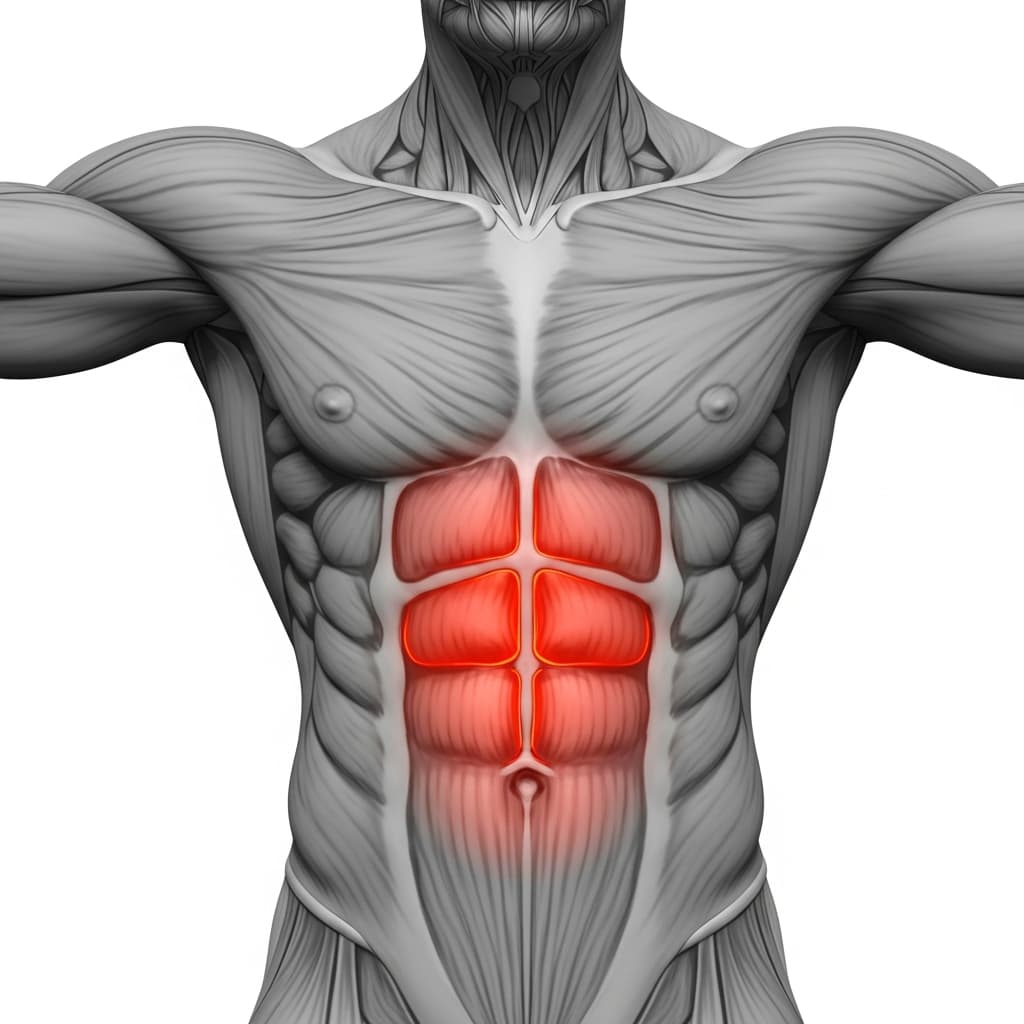
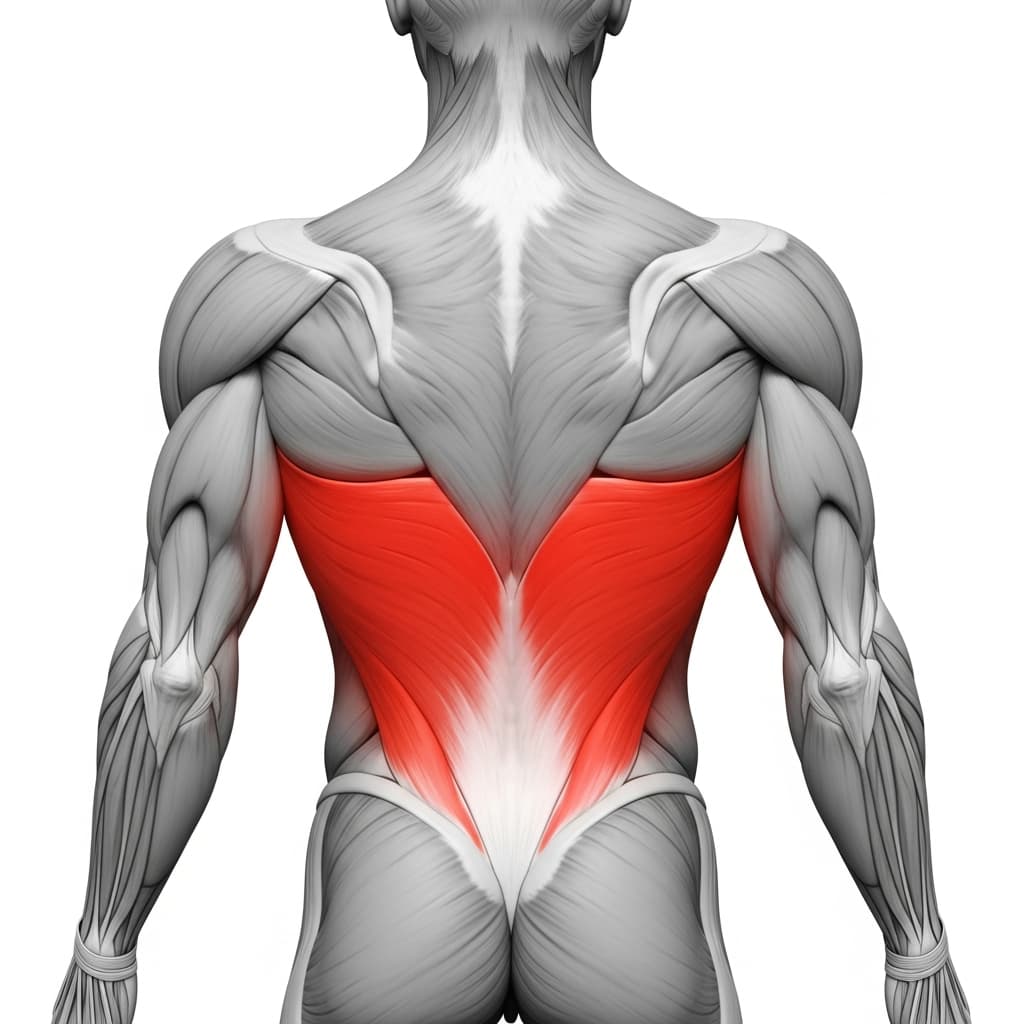
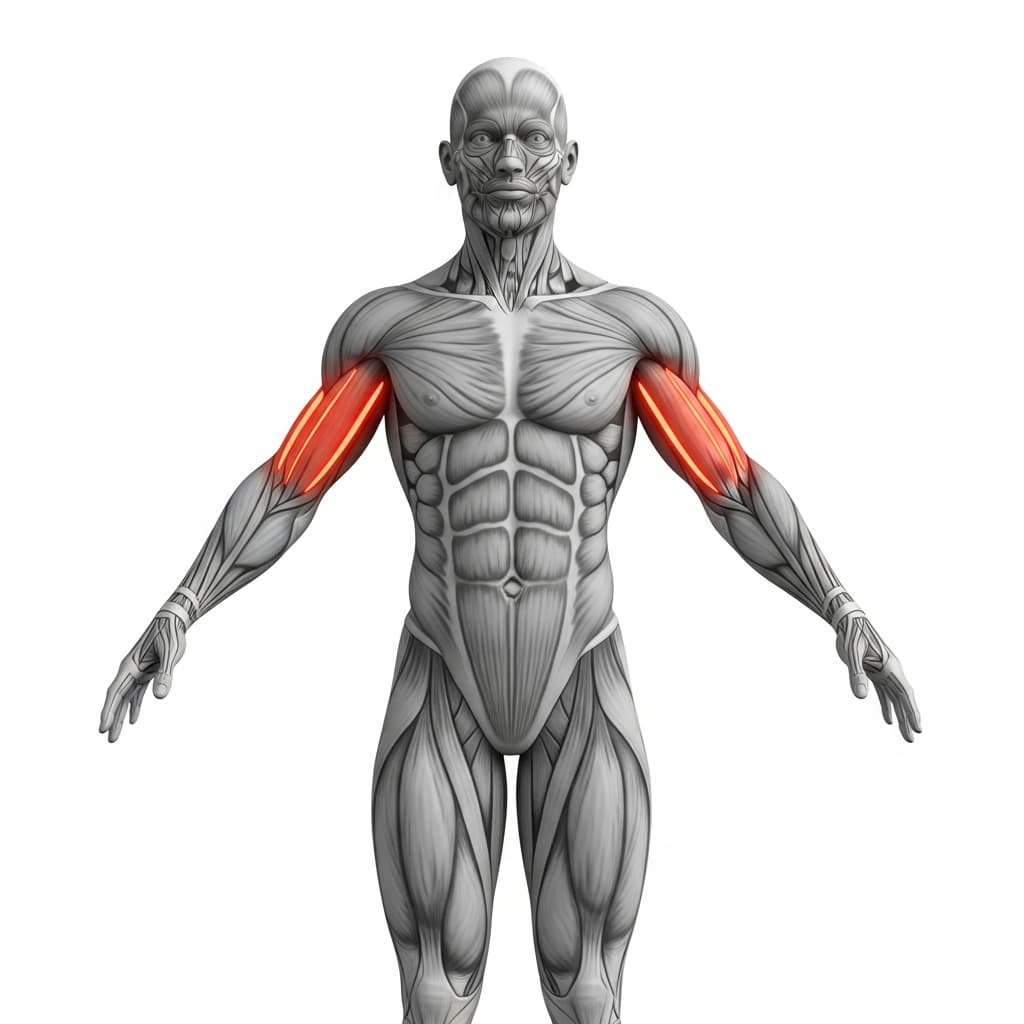
Primary Muscles
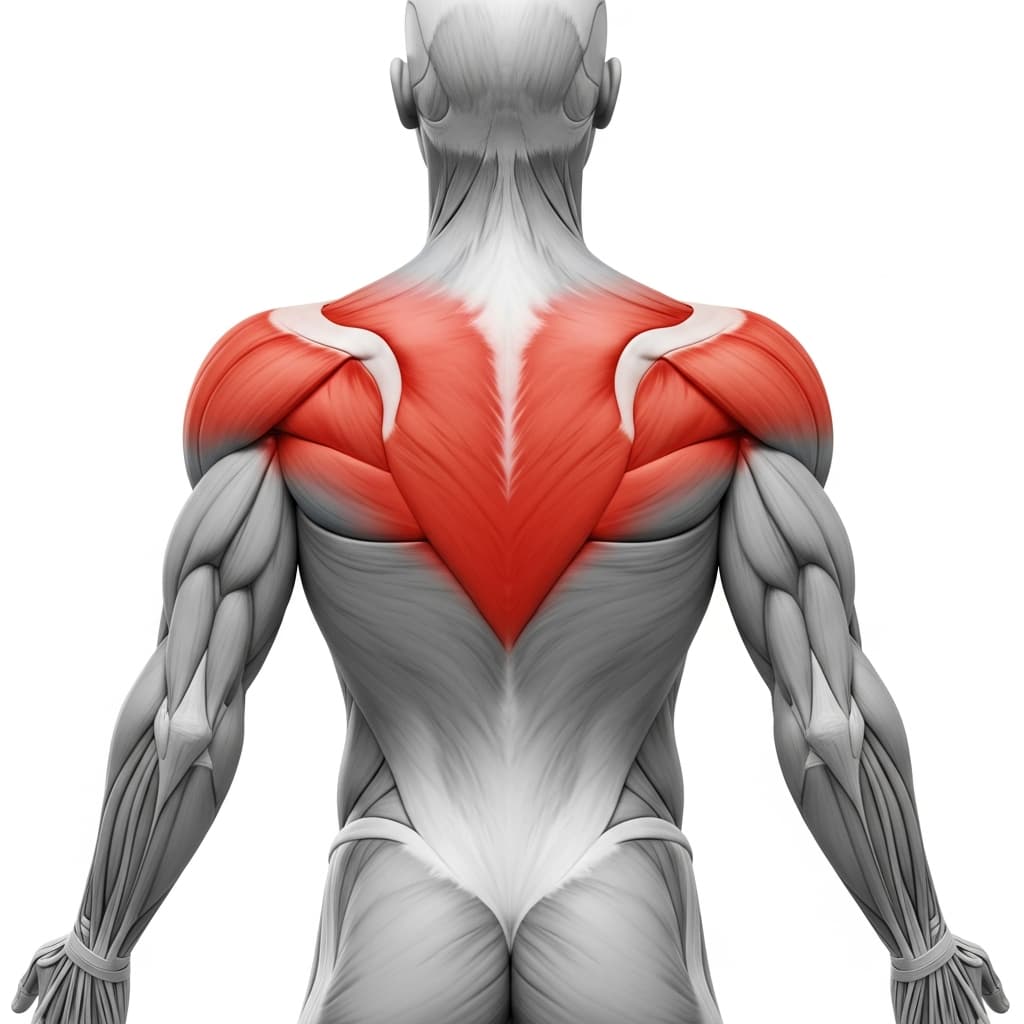
Latissimus Dorsi (Lats) - The lats resist the extension of the arms during the controlled descent, acting as the primary brake that slows your bodyweight from chin-over-bar to dead hang.
Biceps Brachii (Biceps) - The biceps control elbow extension during the lowering phase, decelerating the straightening of the arms under load.
Secondary Muscles
Posterior Deltoid (Rear Deltoid) - The rear deltoids assist in maintaining scapular retraction and stabilize the shoulder joint as the arms extend during the descent.
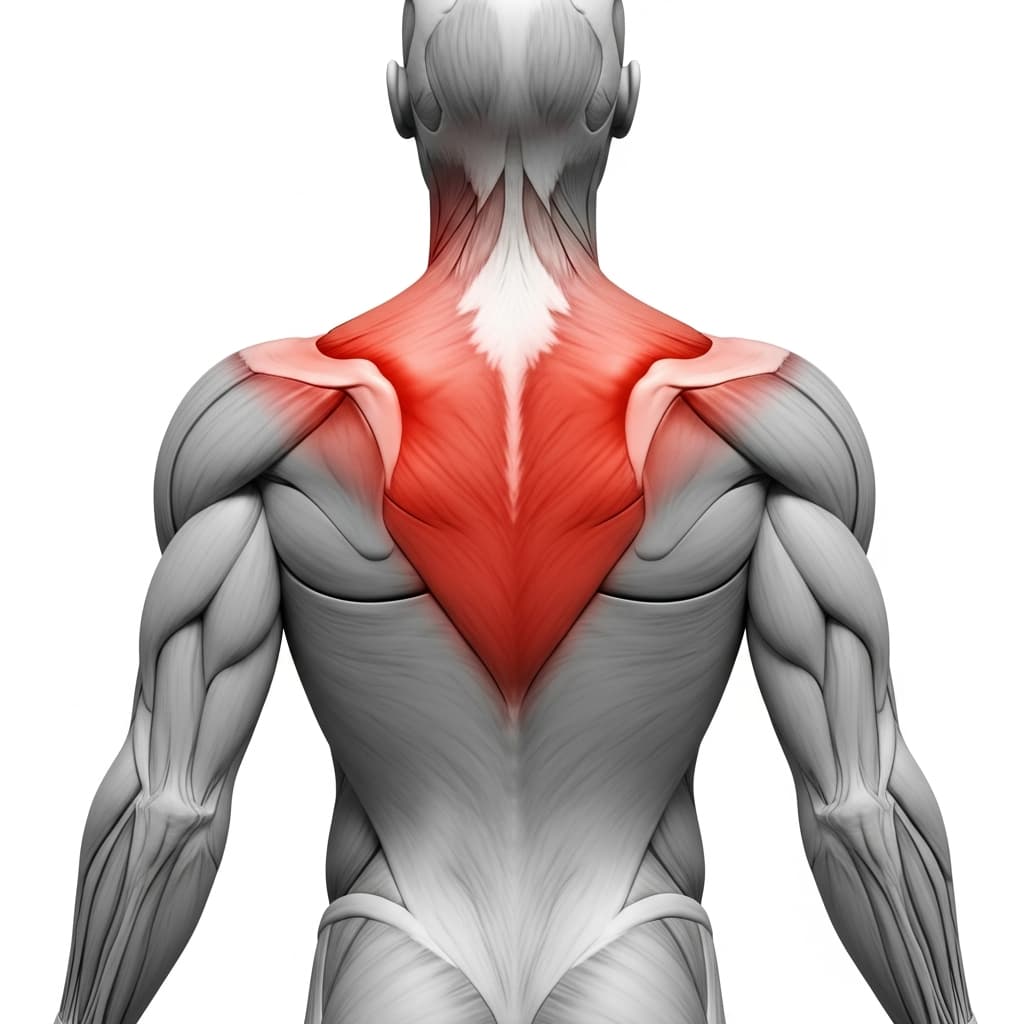
Trapezius (Trapezius) - The traps keep the shoulder blades depressed and retracted throughout the lowering phase, preventing the shoulders from shrugging upward under load.
Rhomboids & Upper Trapezius (Upper Back) - The rhomboids and teres major work with the traps to maintain scapular position and resist the pull of gravity on the torso.
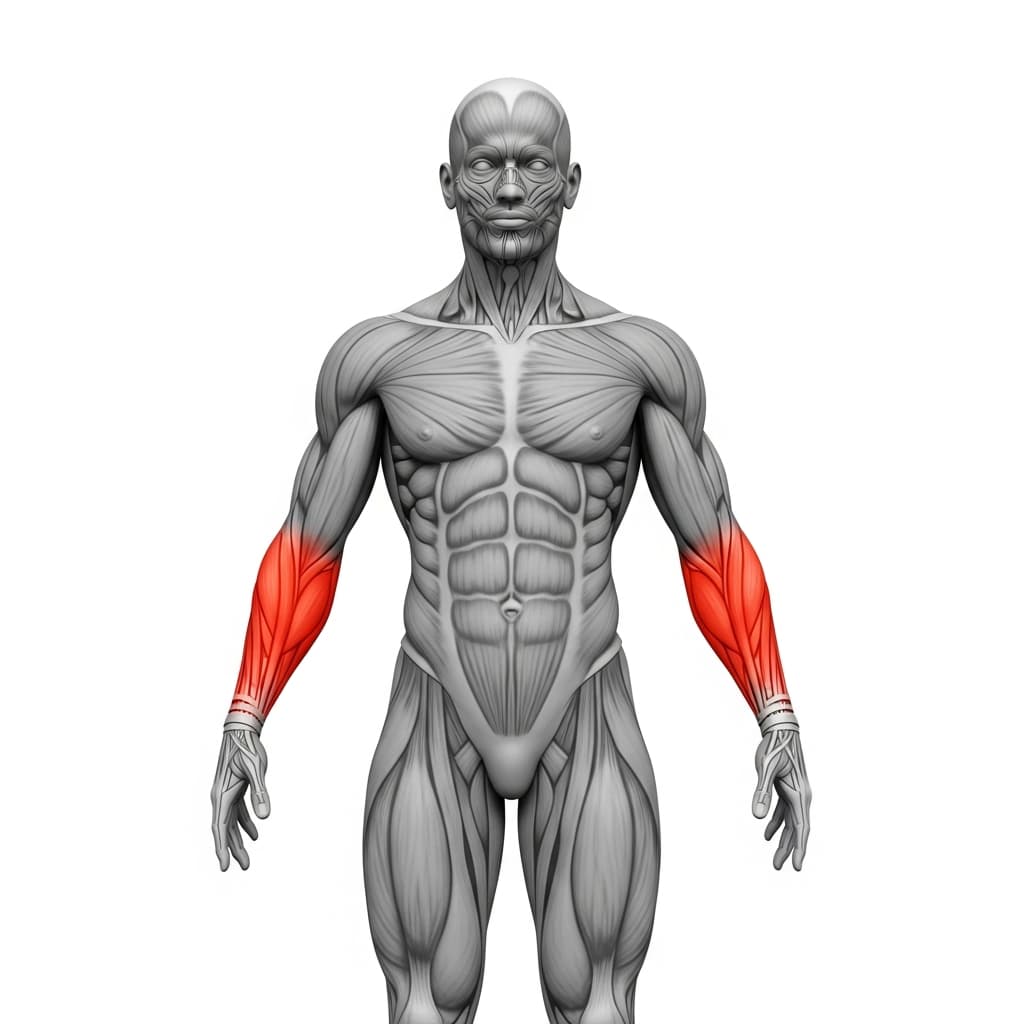
Forearm Flexors & Extensors (Forearms) - The forearm flexors maintain grip on the bar throughout the entire slow descent, sustaining a prolonged isometric contraction under full bodyweight.
Rectus Abdominis (Abs) - The abdominals hold the hollow body position during the descent, preventing the lower body from swinging or arching away from the bar.
Benefits of Negative Pull Up
- Builds eccentric pulling strength at loads higher than your current concentric max, directly accelerating the path to your first full pull-up
- Develops lat width and upper back thickness through controlled time under tension during the lowering phase
- Strengthens grip endurance and forearm musculature by requiring sustained bar contact through a slow, loaded descent
- Teaches the exact scapular control and elbow path used in full pull-ups, so strength gains transfer directly to the target movement
Who Is This Exercise For?
You should be able to hold a dead hang from a pull-up bar for at least 10 seconds with stable, depressed shoulders before attempting negative pull-ups. If hanging from the bar causes grip failure or shoulder discomfort, work on passive and active hangs first. You will also need a box, bench, or chair tall enough to let you start with your chin above the bar without jumping.
Common Mistakes to Avoid
Dropping too fast: The entire point of a negative pull-up is the slow descent. If you cannot hold a 3-second lowering phase, reduce to fewer reps per set rather than speeding through them. Quality tempo matters more than total reps.
Skipping scapular activation: Set your shoulder blades down and together while still standing on the platform, before stepping off. Without this activation, the load shifts from the lats to the biceps and places unnecessary stress on the shoulder joint.
Jumping into the top position: Use a platform tall enough that you can step into the top position with your chin already above the bar. Jumping creates momentum and makes it nearly impossible to control the first portion of the descent.
Letting shoulders roll forward: Keep your chest up and shoulder blades retracted throughout the entire lowering phase. When shoulders roll forward, the load shifts from the lats onto the rotator cuff and increases injury risk.